
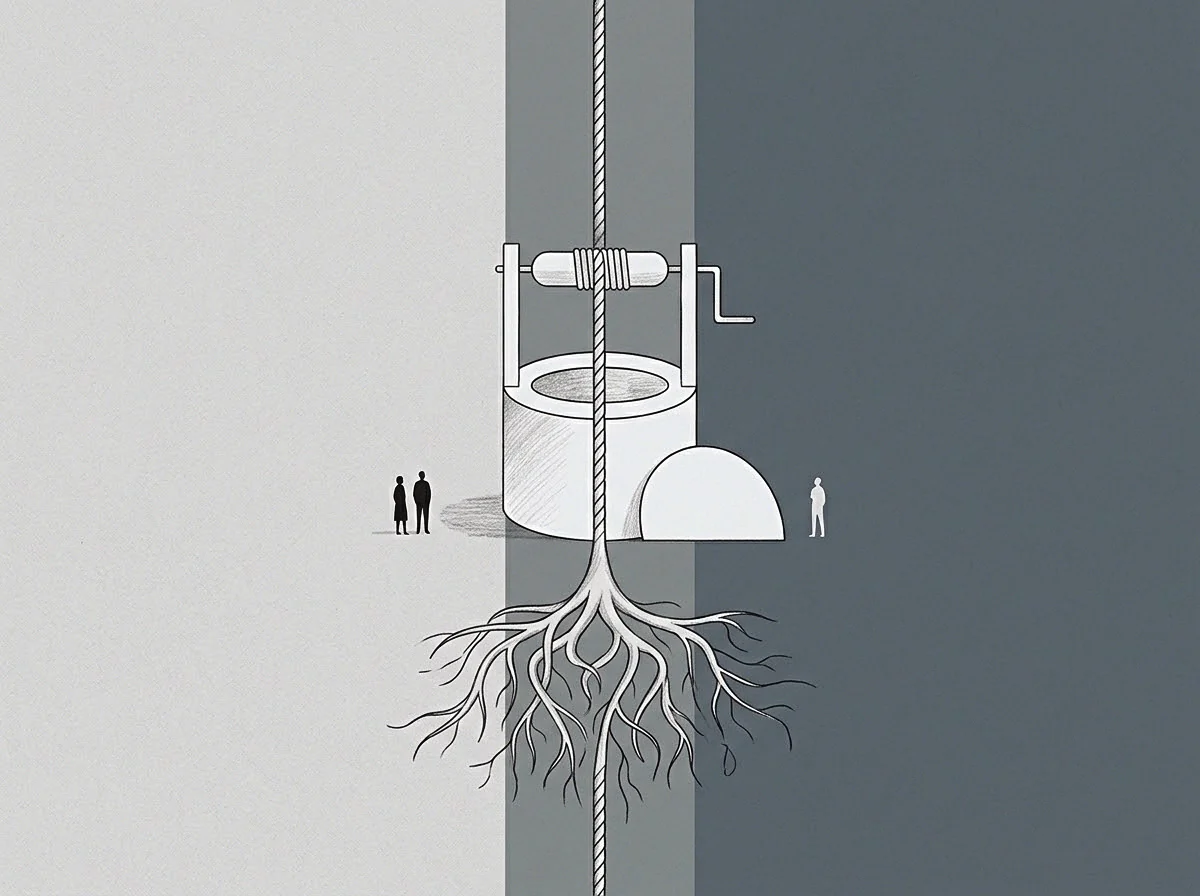
Social Baseline Shifts Under Prolonged Stress Dynamics
Prolonged unilateral responsibility recalibrates neural threat budgets, shifting baseline regulation from shared proximity to expensive solitary defense.
Prolonged unilateral responsibility recalibrates neural threat budgets, shifting baseline regulation from shared proximity to expensive solitary defense.
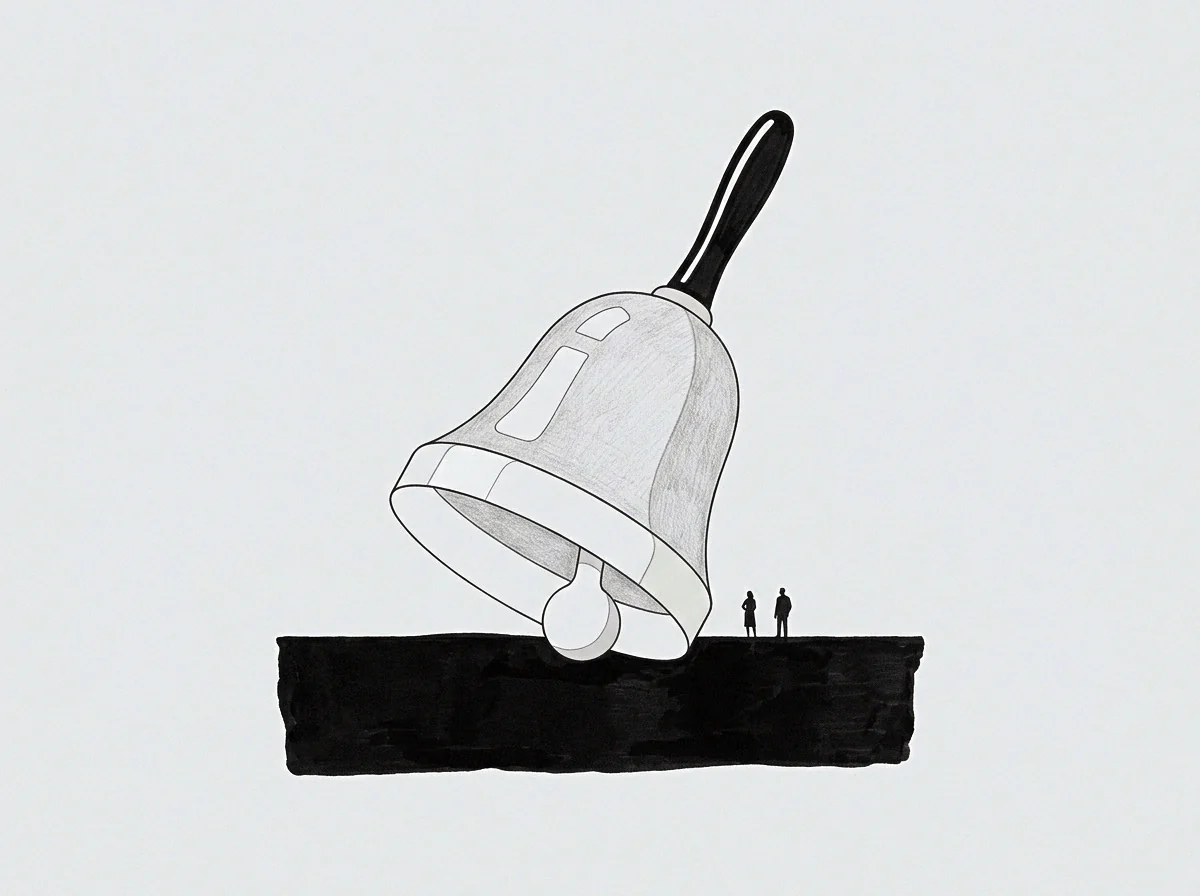
Hierarchical executive co-regulation collapses under chronic uncertainty because downward baseline provision creates asymmetrical allostatic load on the top seat.
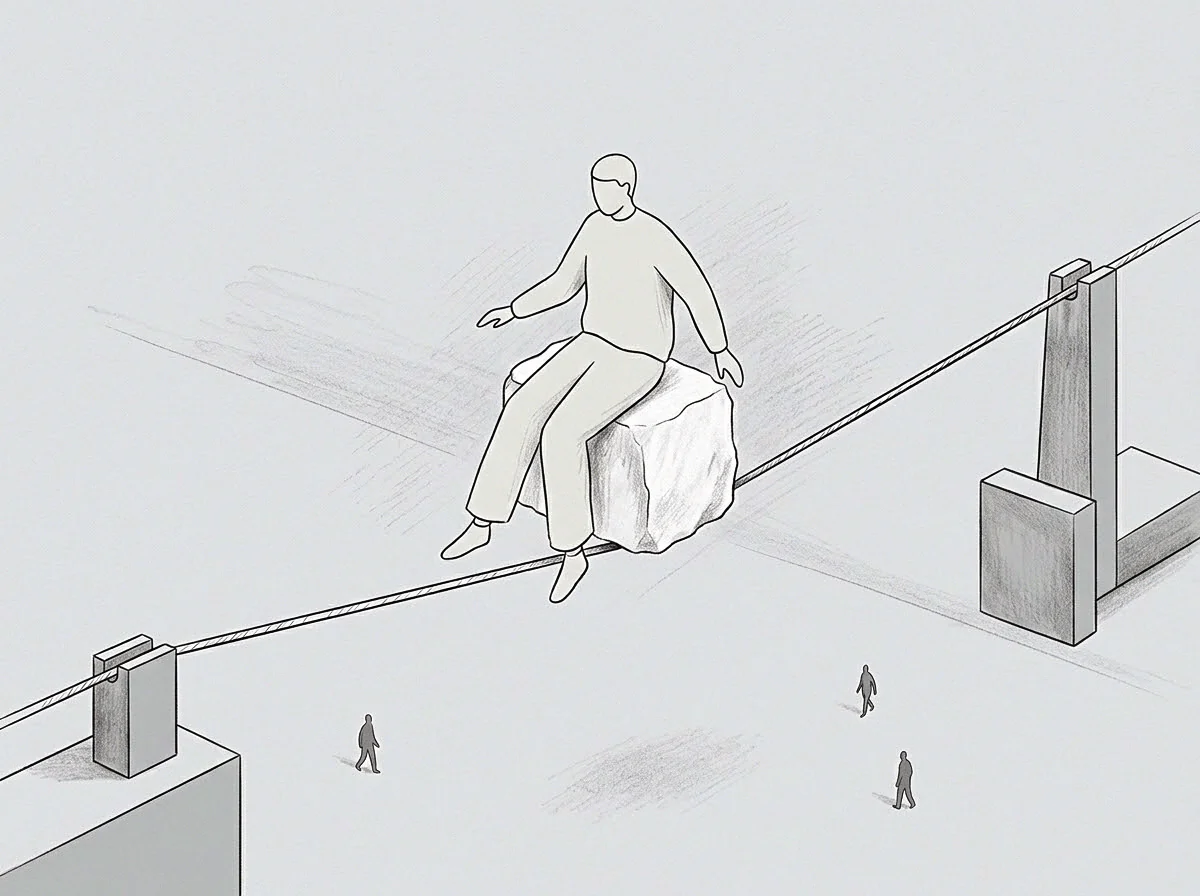
Executive allostatic load drops when organizational protocols enforce hard concurrency limits and distribute physiological coregulation across leadership layers.
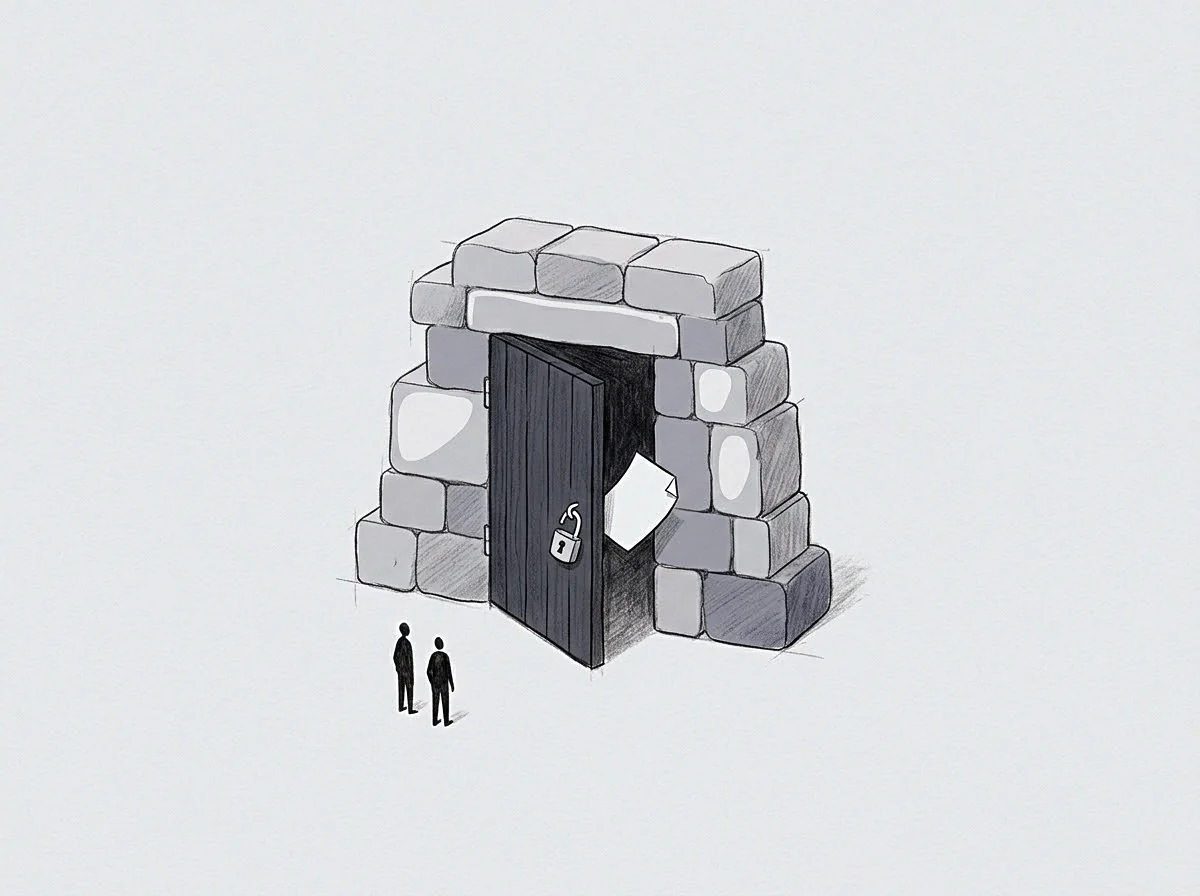
Executive authority under acute threat relies on internal working models that shift bioenergetic regulation costs onto individual leaders.

Earned security in solitary founder seats requires repeated visceral experiences of non-punitive co-regulation that gradually reopen atrophied receptor slots.
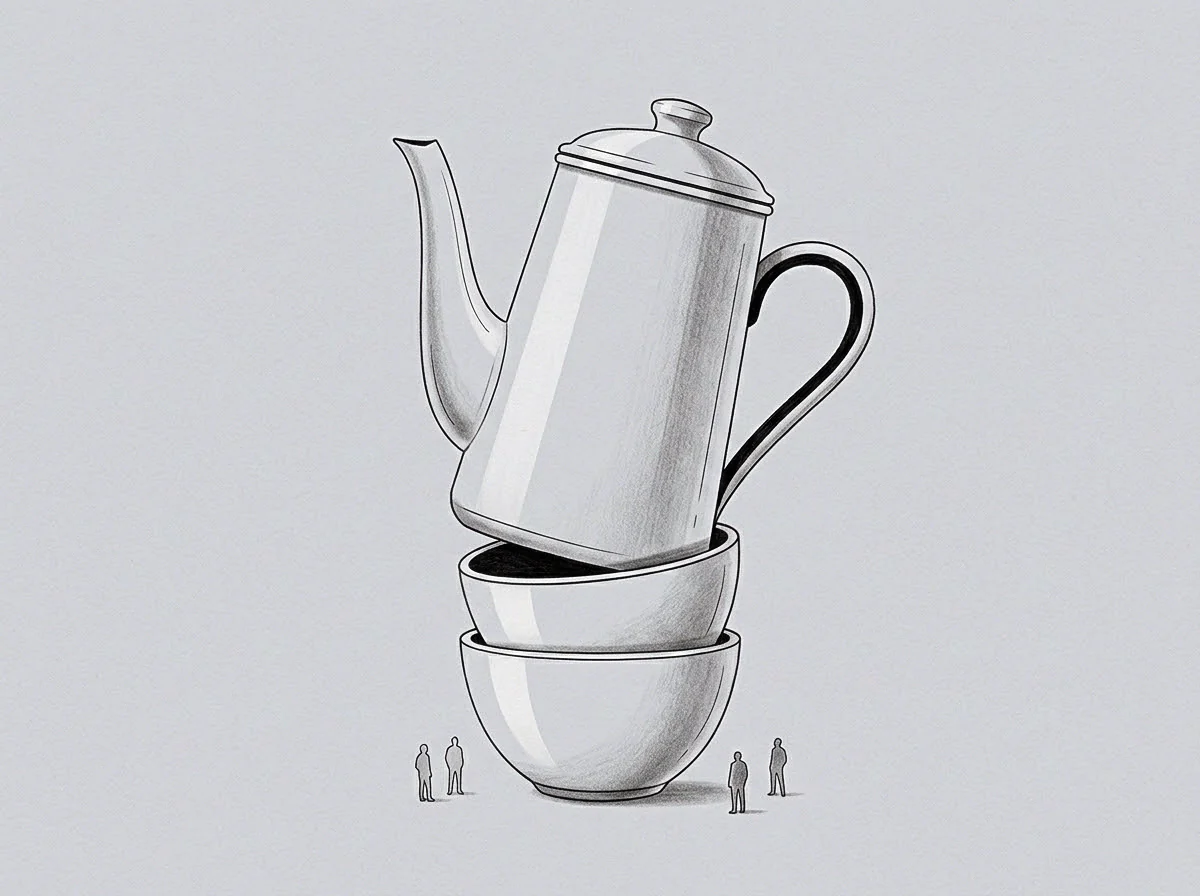
Unreciprocated coregulation forces a nervous system to self-regulate alone under load, driving sustained allostatic wear and physiological exhaustion.
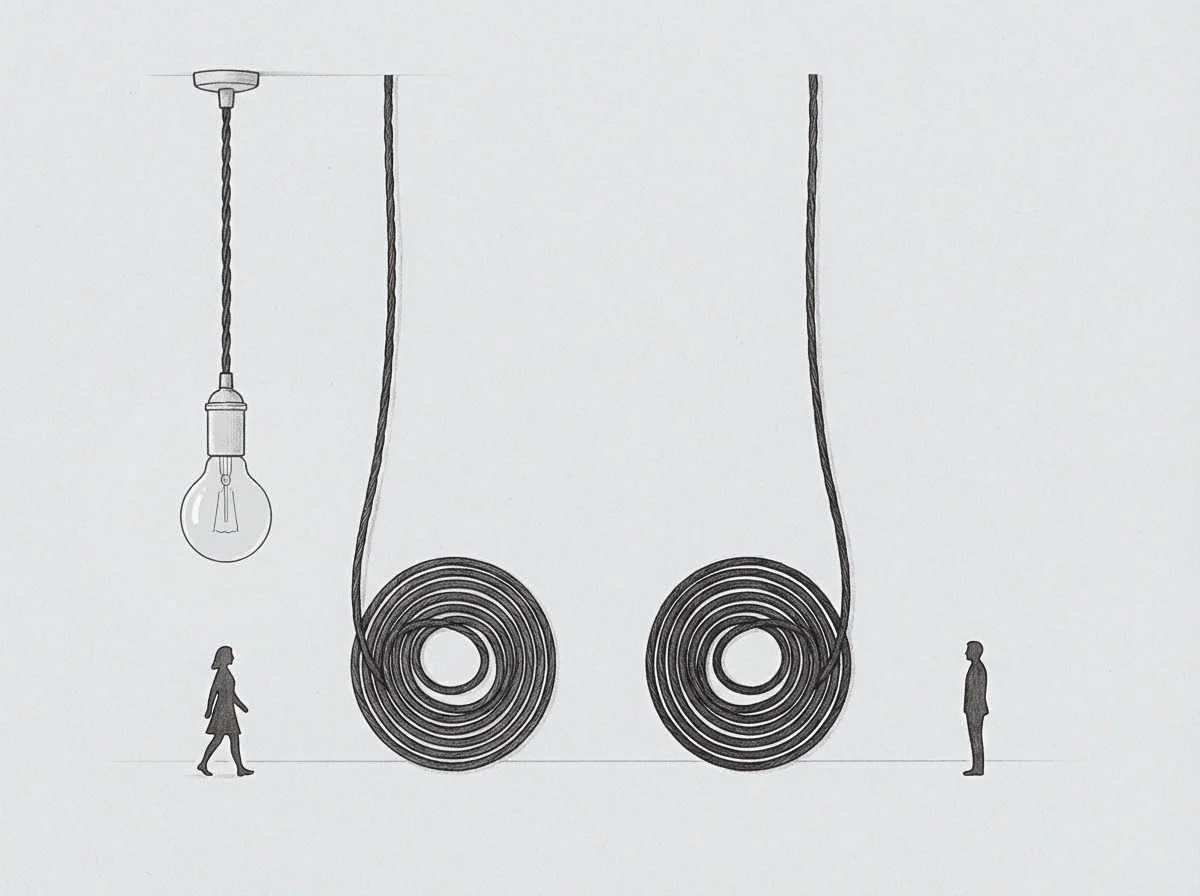
The brain defaults to shared social proximity to conserve energy, rendering solitary self-regulation metabolically expensive and prone to systemic fatigue.

Non-reciprocal relational architecture forces isolated self-regulation, generating high allostatic load that blocks earned security updates until reciprocal co-regulation is introduced.
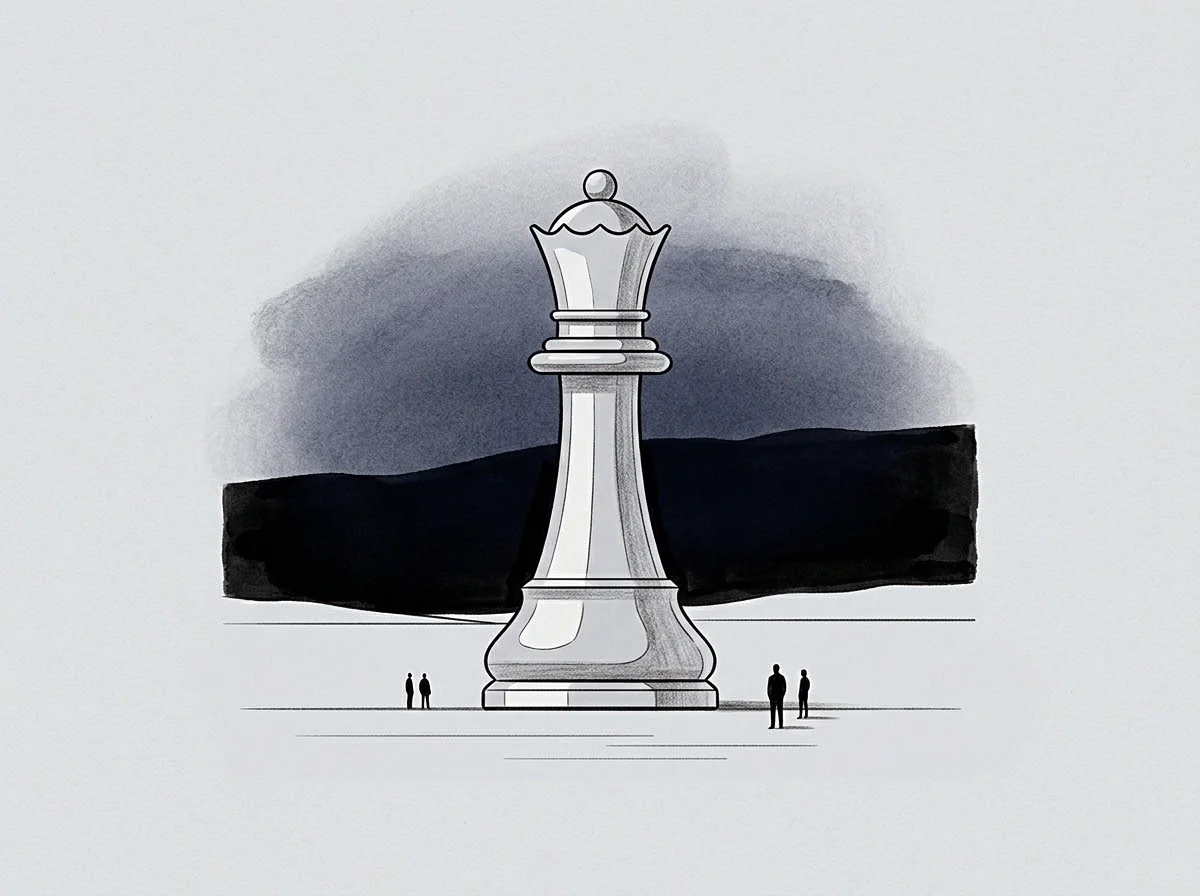
Primary regulators absorb partner stress through proximity, lowering partner autonomic costs while quiet allostatic expenditure consumes the regulator baseline.
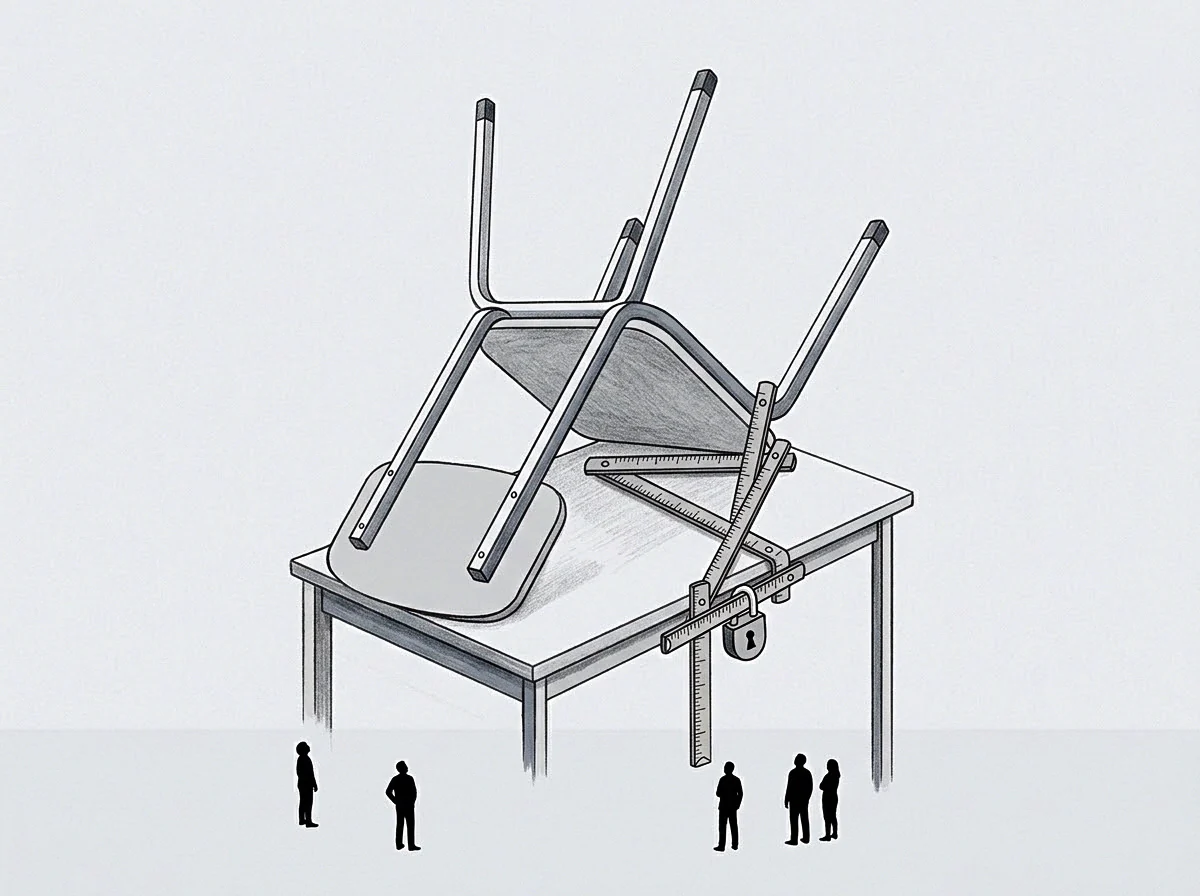
Self-regulation under persistent threat extracts high metabolic energy, whereas proximity to a stable leader transfers regulation costs onto the baseline.
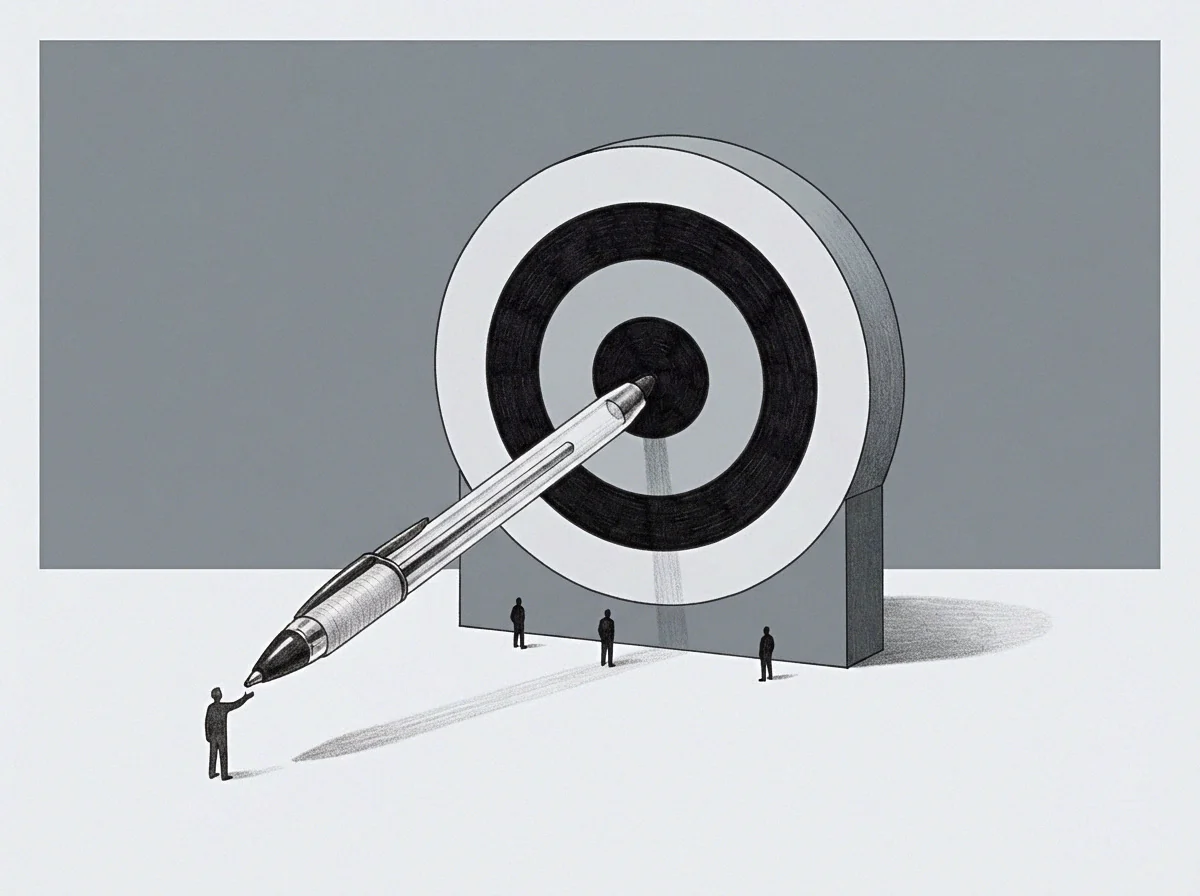
Receptor slot construction replaces solitary executive threat processing with earned security formed through repeated somatic co-regulation experiences.
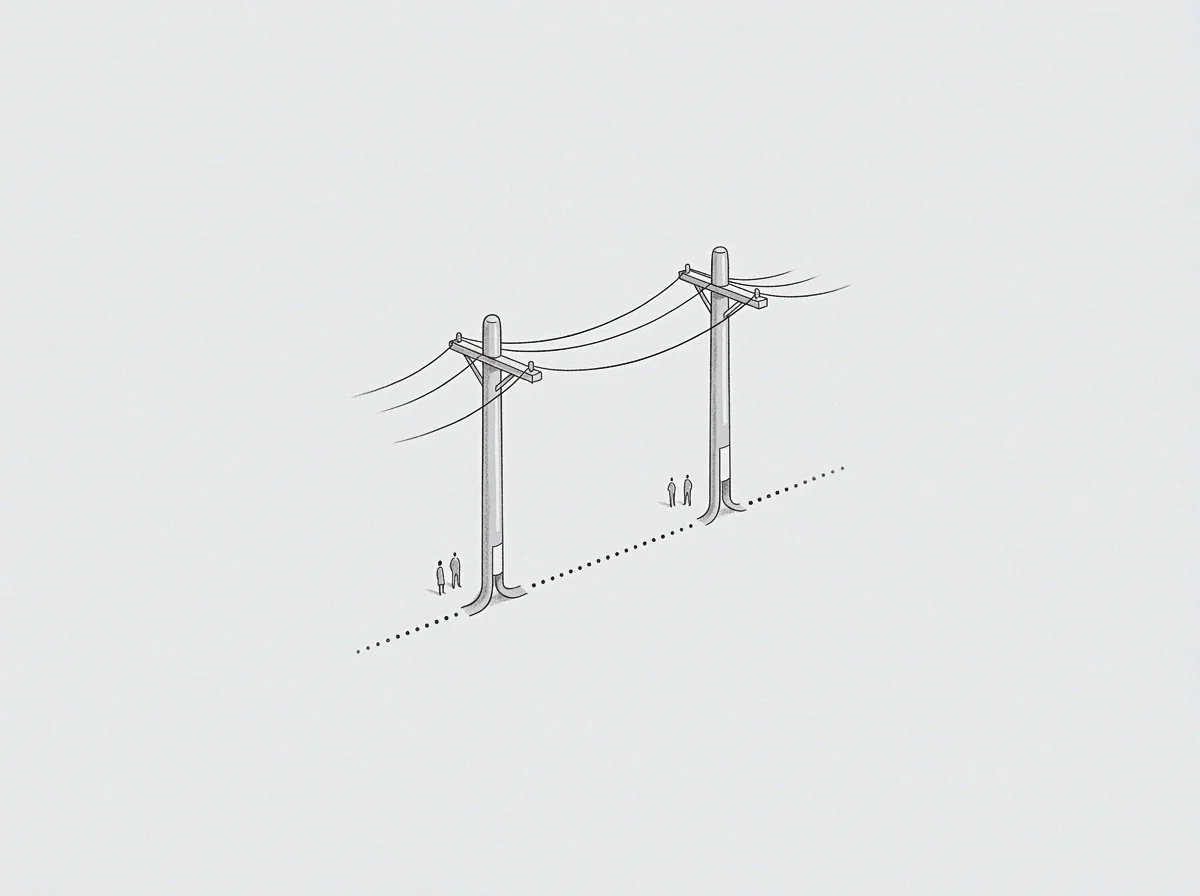
Executive capacity collapses when leaders absorb team anxiety through unbuffered availability rather than shared physiological baselines.

Social baseline theory demonstrates that proximity to a steady partner lowers individual threat vigilance and prefrontal metabolic cost by sharing regulation.
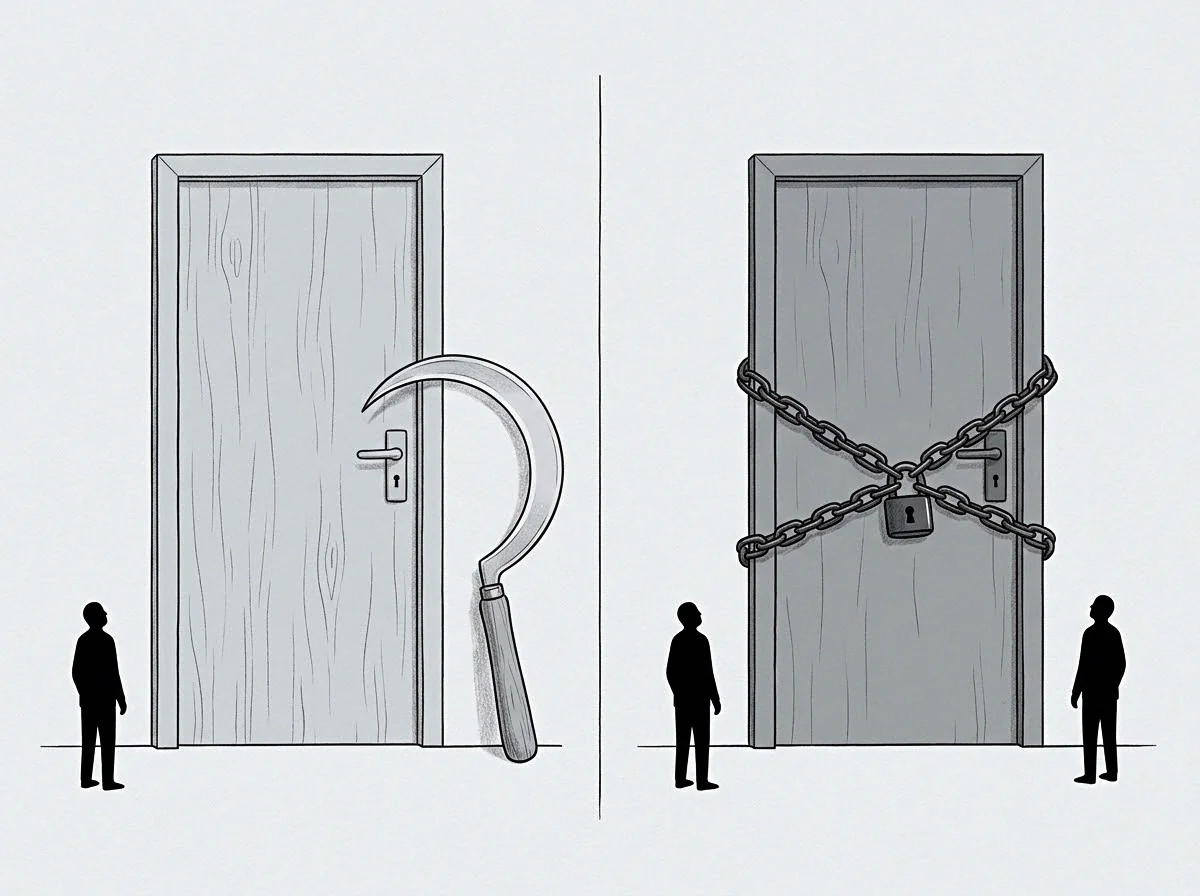
High allostatic load in autonomous executive seats blocks the neural reconsolidation required to update historical security templates without co-regulation.
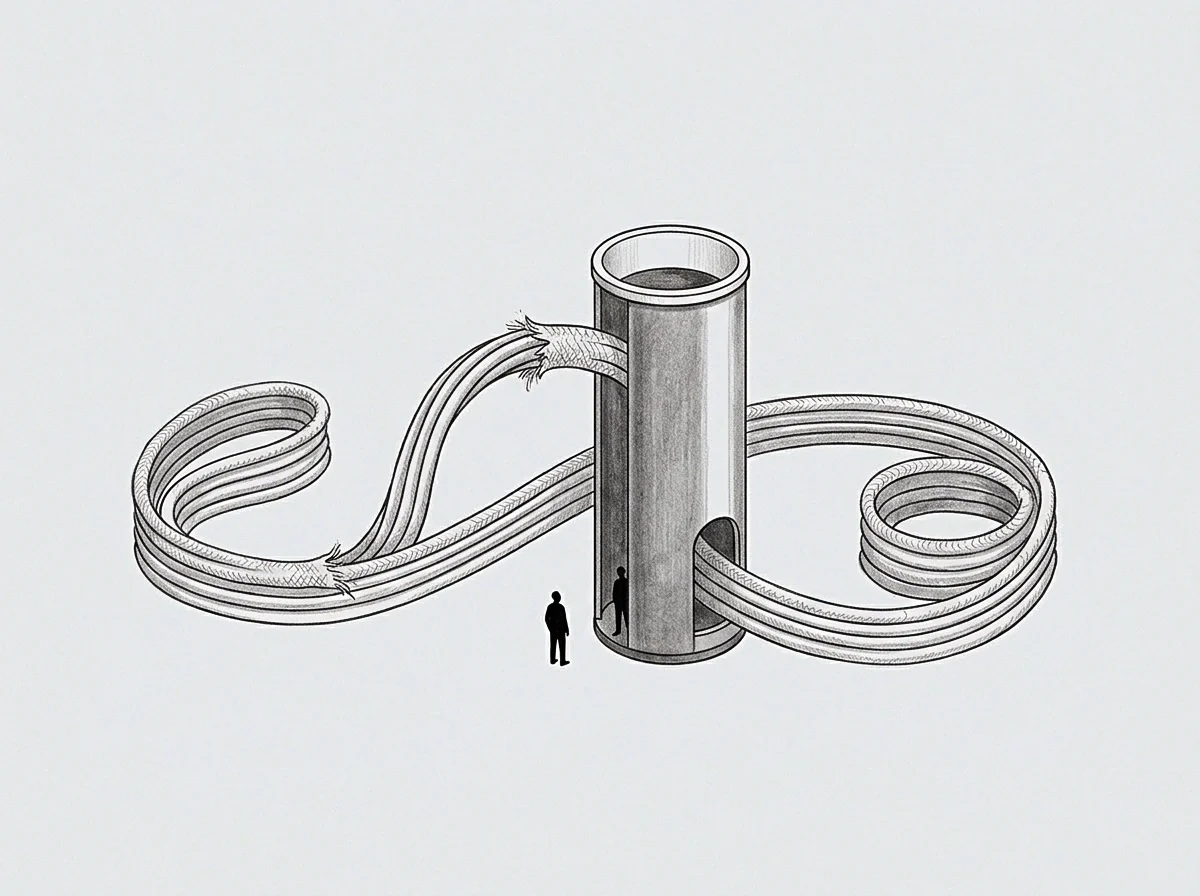
Solitary commercial operations force the human nervous system to bear threat monitoring costs alone without the autonomic buffering of co-regulation.

Social baseline theory demonstrates that human brains outsource threat management to reliable nearby others, making solitary regulation an expensive metabolic state.
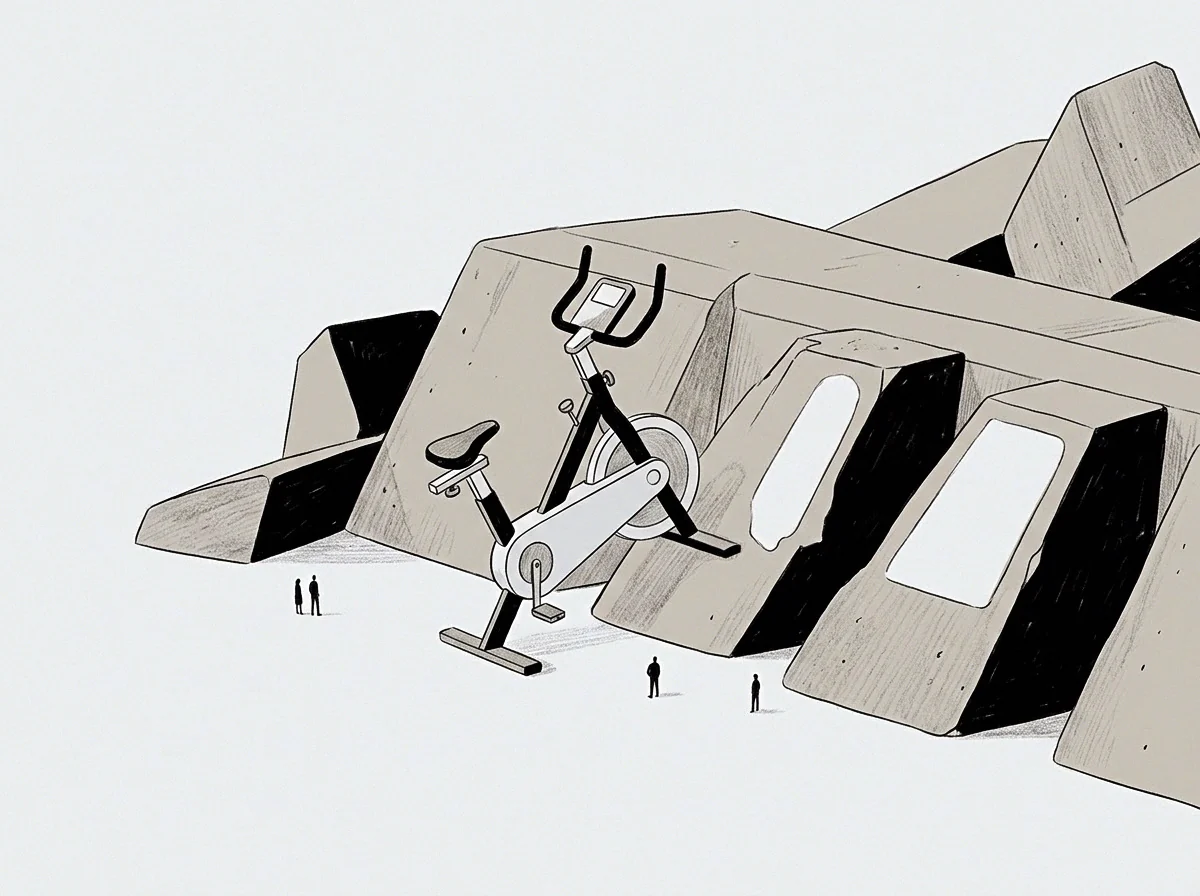
Sustained autonomic suppression under isolated operational load exhausts vagal braking capacity, causing systemic metabolic failure unless co-regulation is restored.
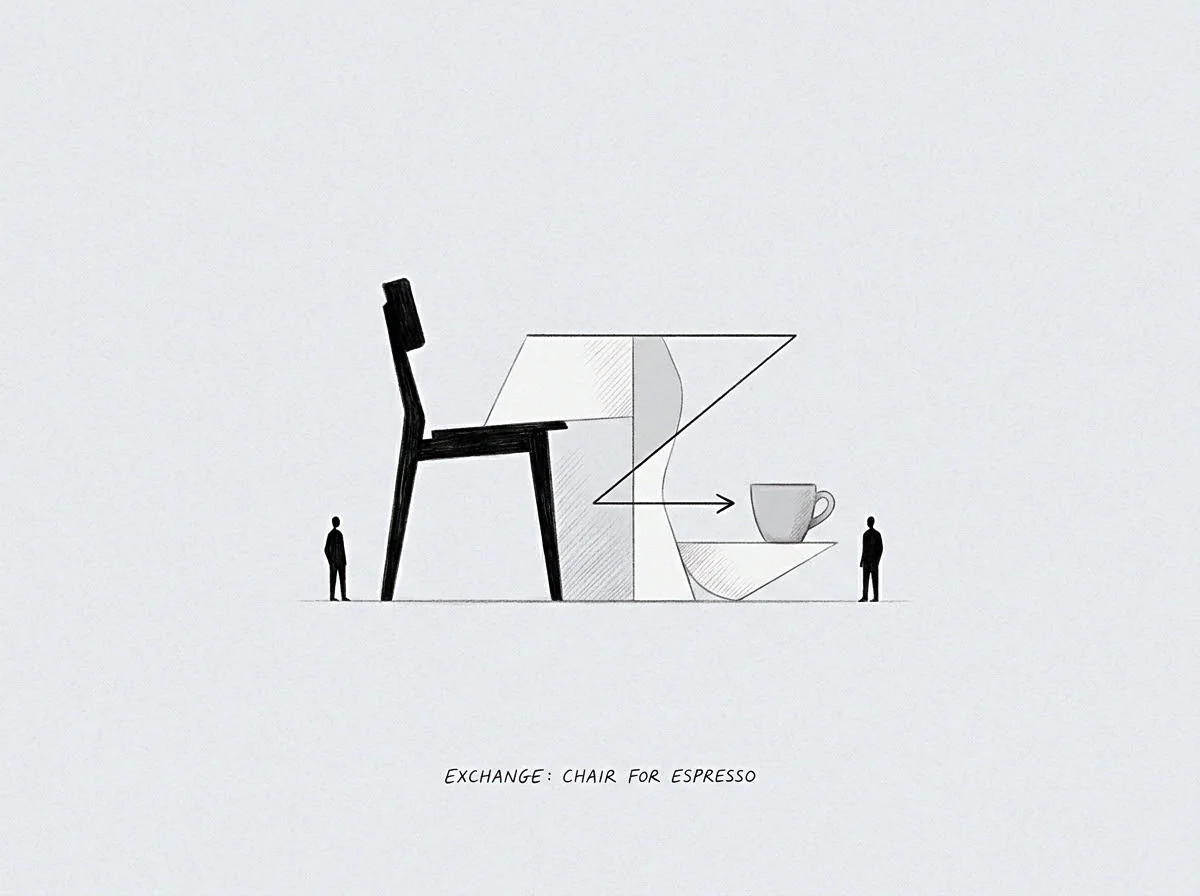
Solitary executive leadership drastically accelerates prefrontal glucose depletion, while interpersonal co-regulation shares threat appraisal and preserves baseline physiological bandwidth.

Isolated leaders burn metabolic fuel through unshared top-down autonomic regulation, depleting vagal reserves when structural hierarchy blocks mutual co-regulation.
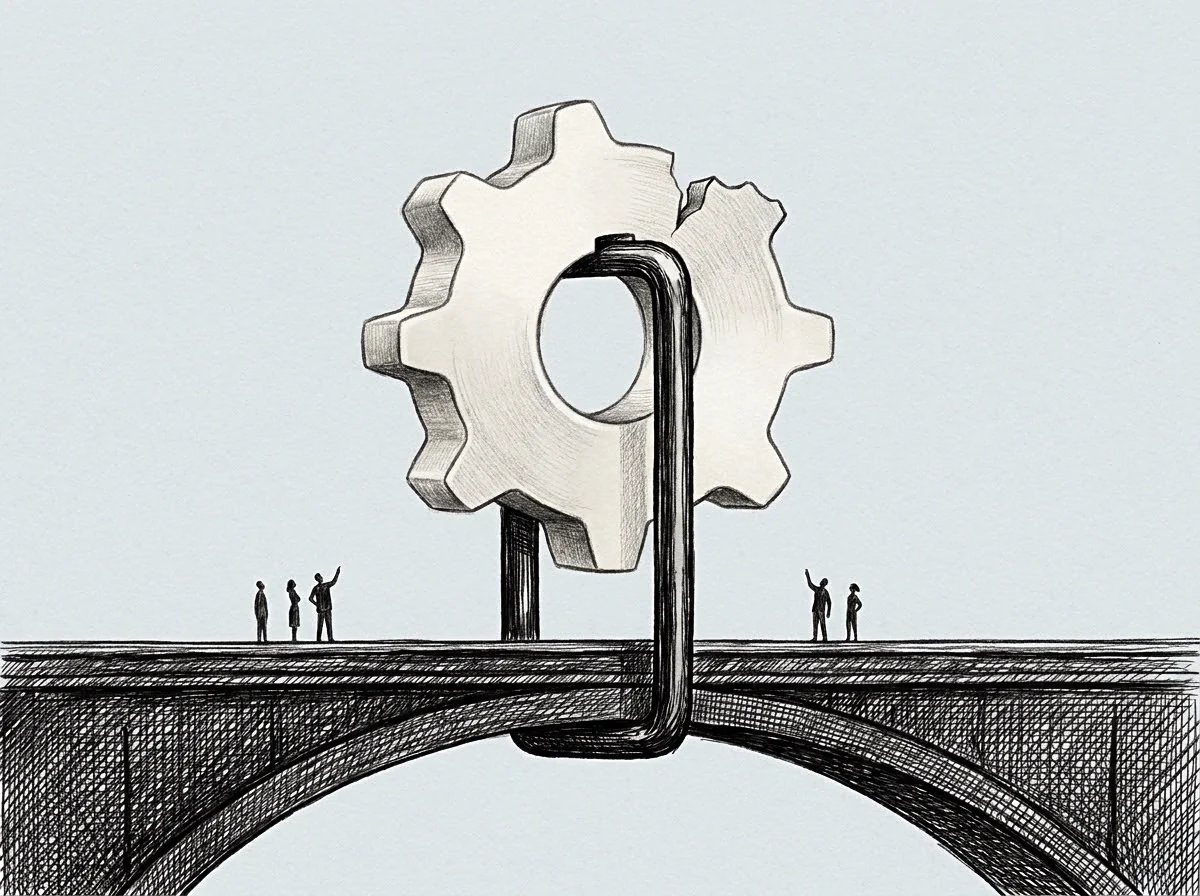
Unilateral hazard absorption transfers relational regulation costs to one partner, inducing chronic allostatic load and neural capacity degradation.
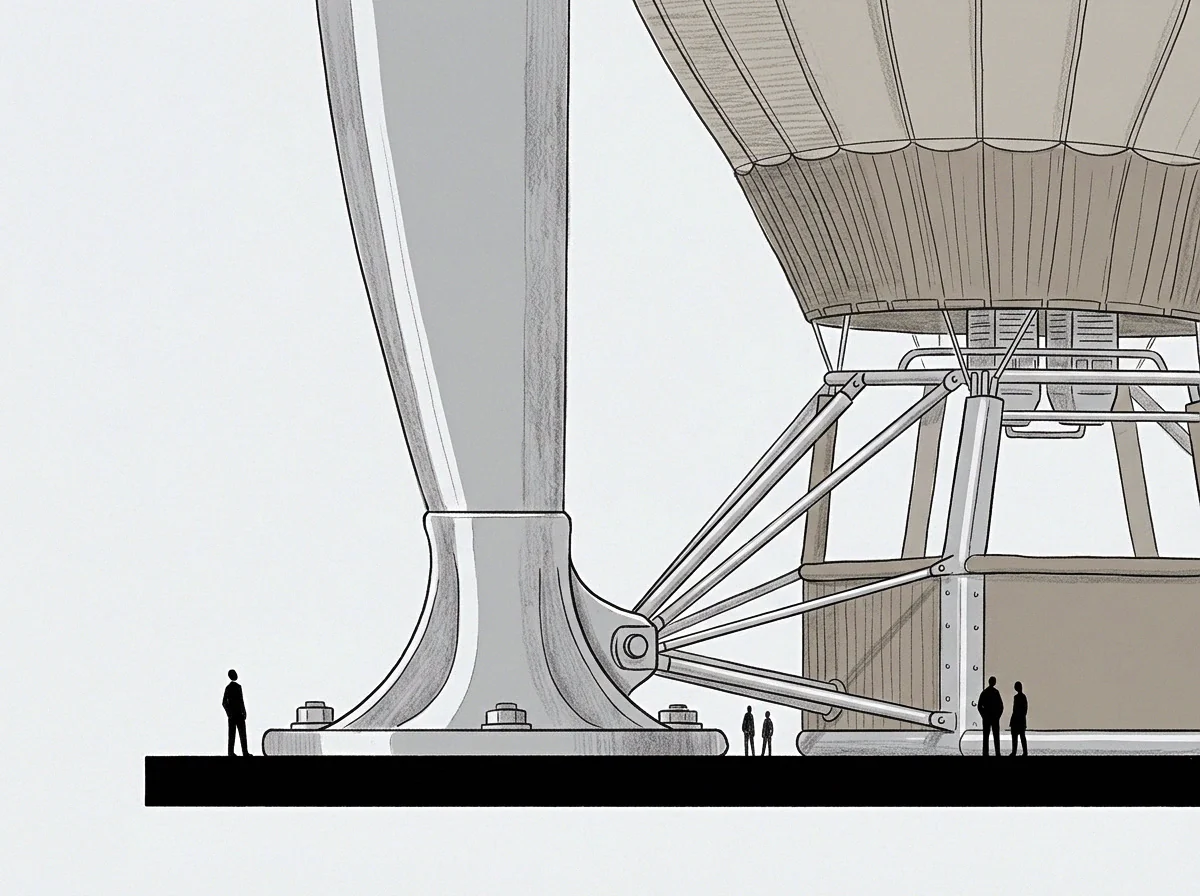
Symmetrical risk bearing introduces persistent neural prediction errors that force asymmetrical attachment templates to rewire into reciprocal co-regulation.
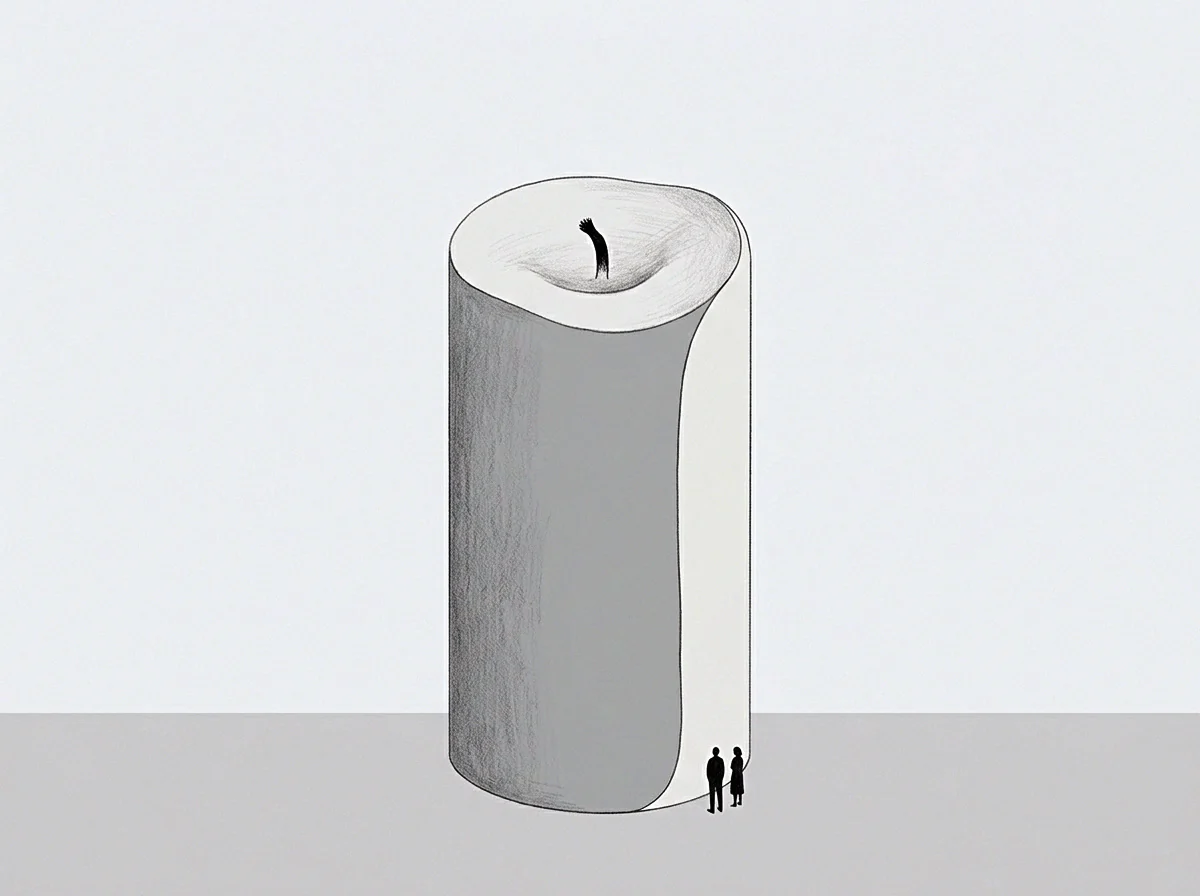
Shared operational stress rewires primary internal working models when predictable responsiveness under load replaces individual self-regulation with co-regulation.

Unilateral threat buffering establishes executive dependencies that resolve only when direct risk exposure replaces protective leader filtering.
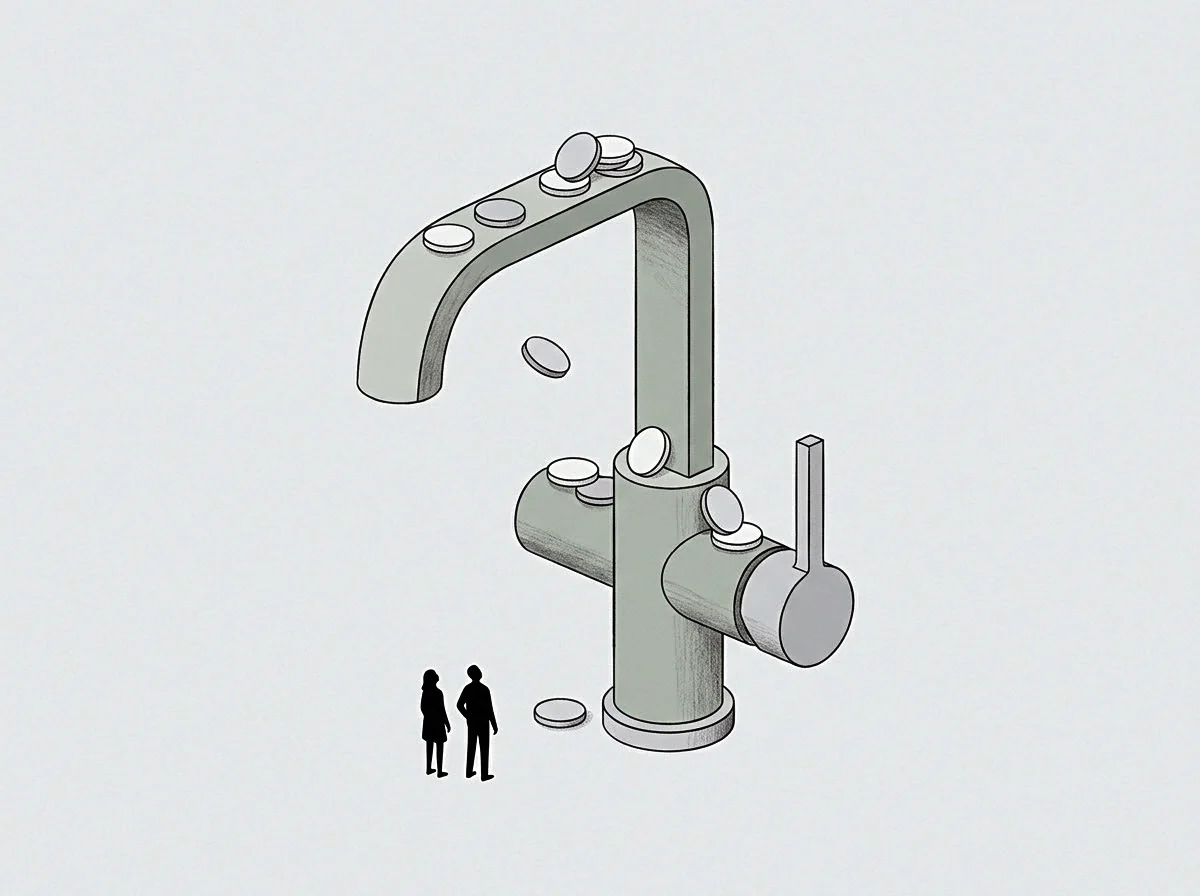
Unilateral founder self-regulation transforms capital allocation into an emotional load management tool, funding vocal departments while starving quiet units.

Early executive teams unconsciously offload metabolic threat vigilance onto their steadiest peer, exhausting the unreciprocated partner unless structural limits intervene.
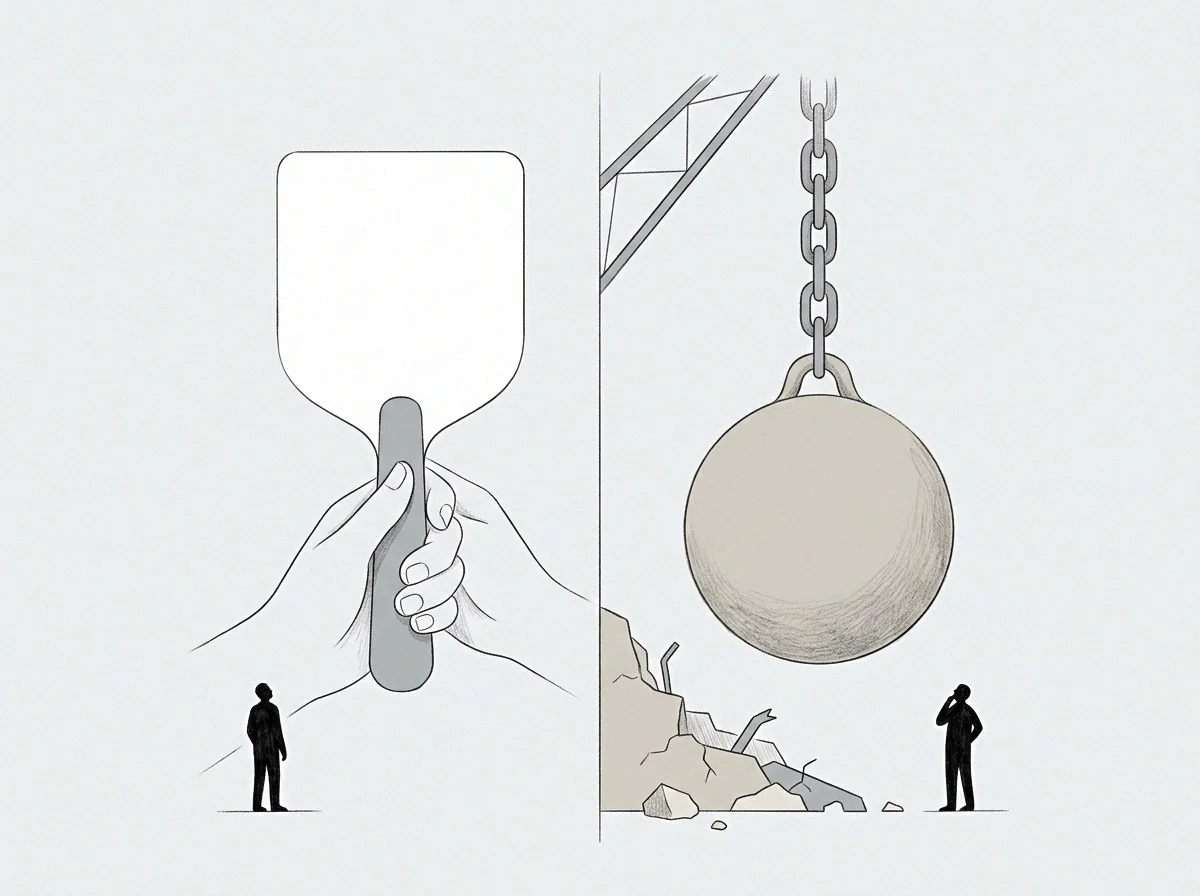
Autonomic co-regulation offloads executive stress response onto reliable counterparties, lowering internal allostatic load through ventral vagal neural alignment.
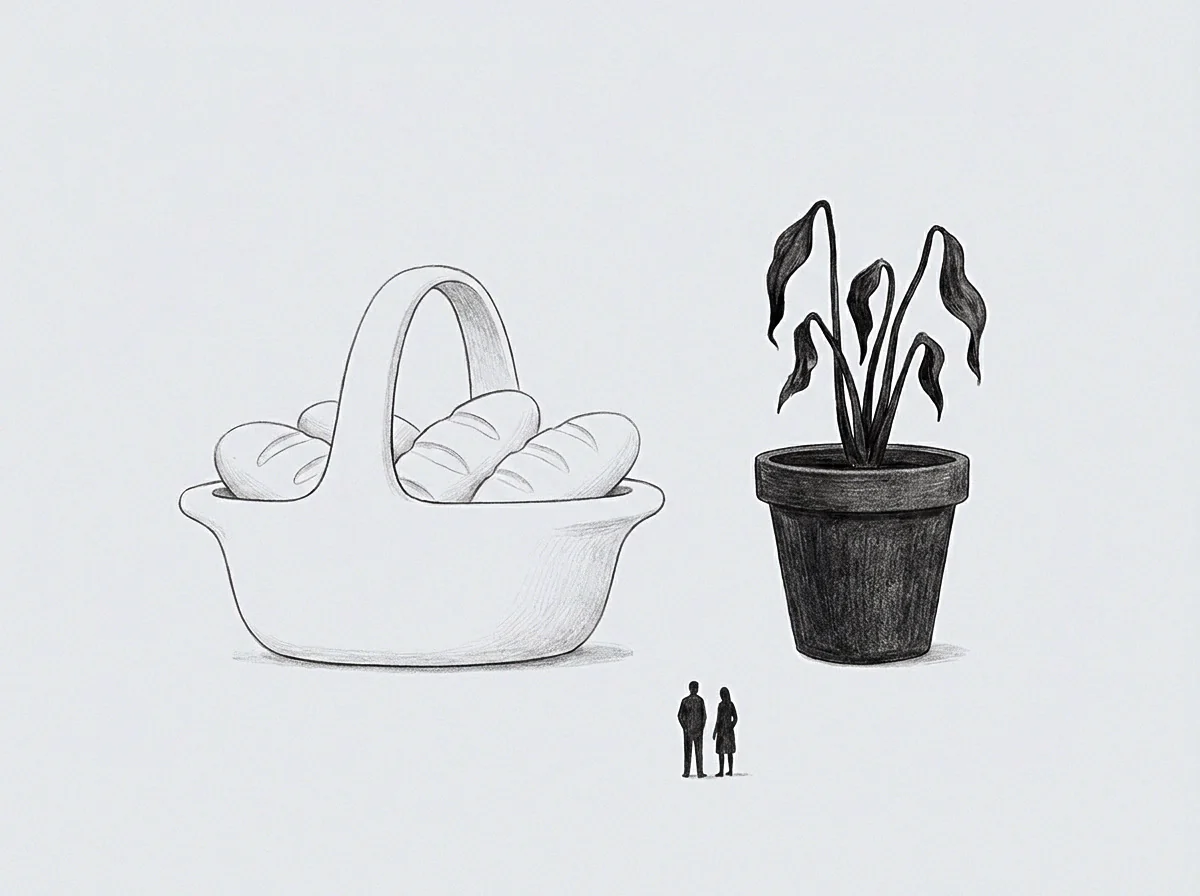
Social baseline theory demonstrates that solitary executive command exhausts prefrontal circuits by forcing unilateral neural threat appraisal without social buffering.
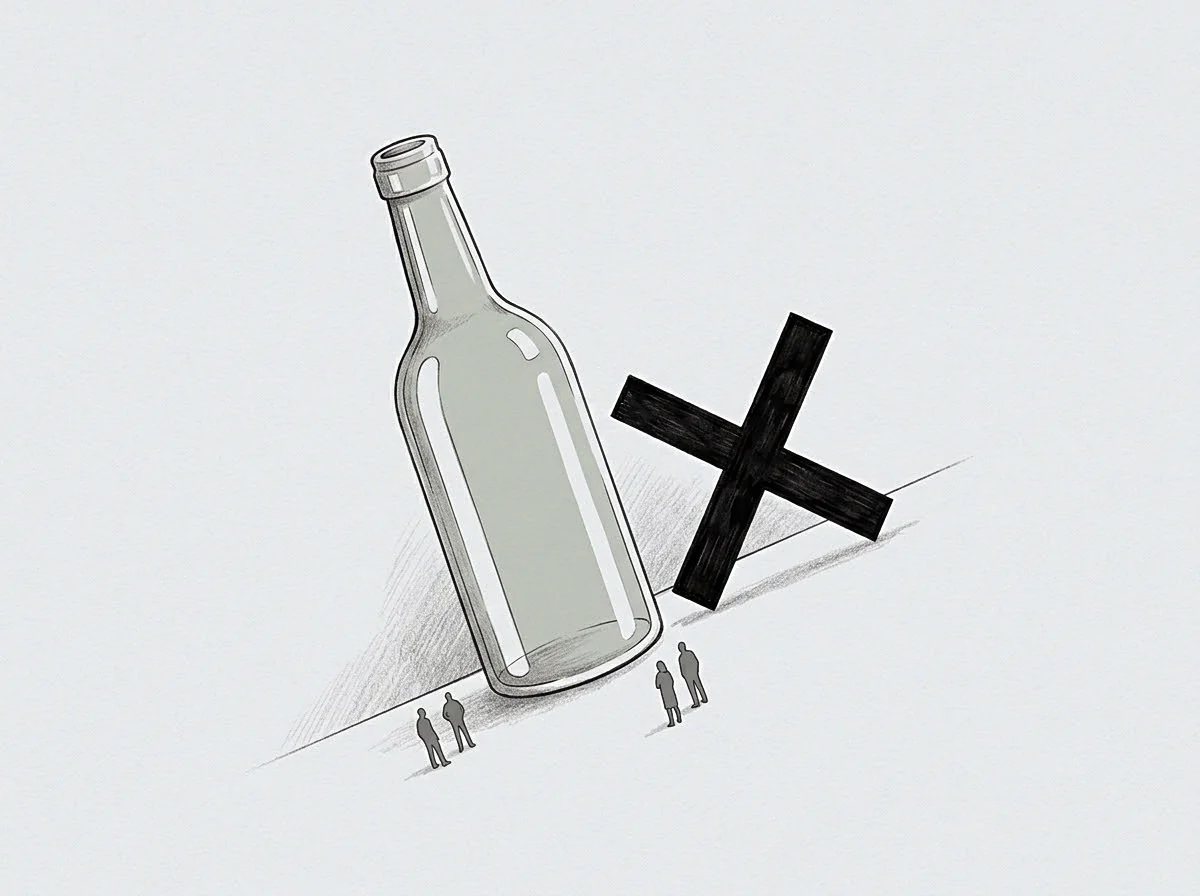
Solitary decision making forces the brain to budget threat unilaterally, burning prefrontal glucose to suppress fear without biological co-regulation.
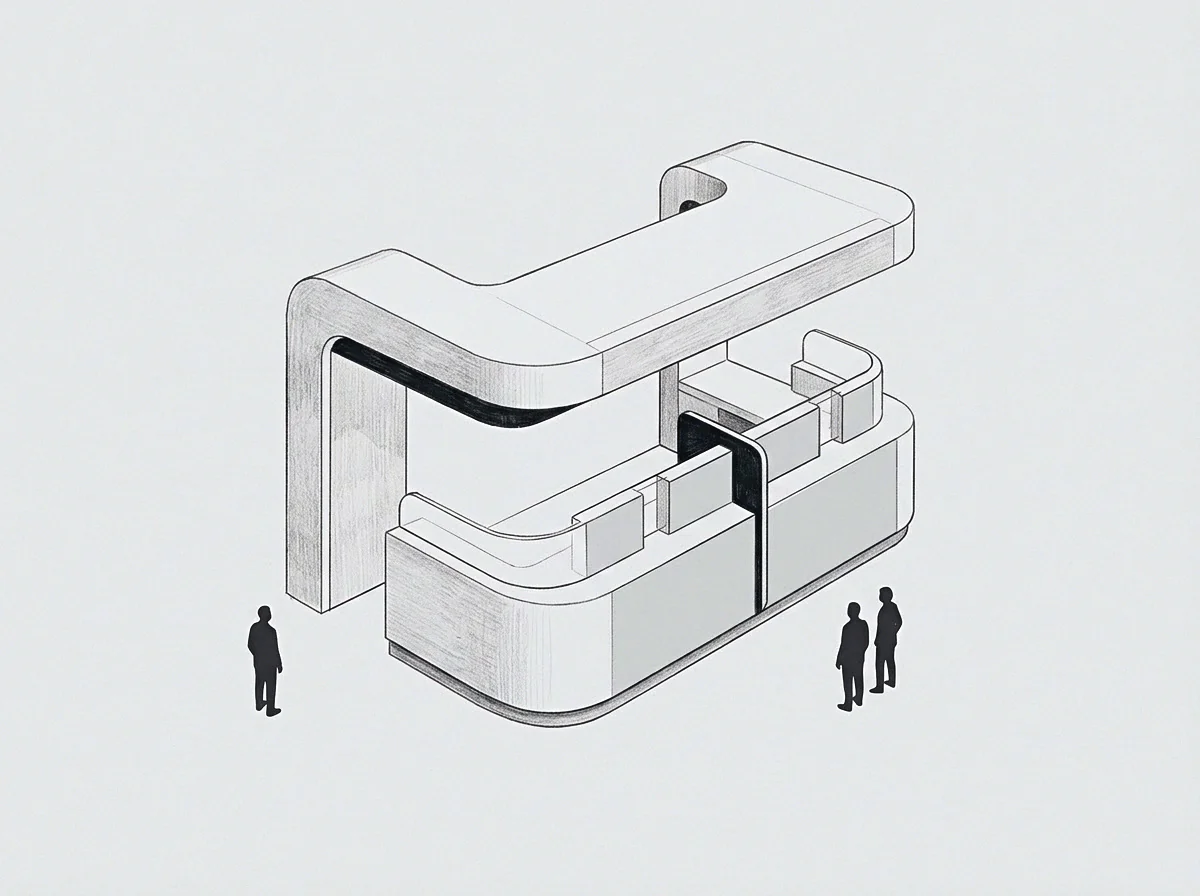
Earned security updates attachment templates by constructing somatic receptor slots that turn incoming co-regulation into low-cost autonomic relief.

Borrowed calm functions as an unpriced physiological transfer where leaders absorb metabolic stress for surrounding teams until neural exhaustion forces throttling.
The terms are written where they belong. Each field holds three desks, and every entry a desk writes raises the terms it uses, each term given a meaning, a mechanism and the places it appears. The record on these pages stays first person and hand made; the fields grow the nomenclature.