

Somatic Baseline Recalibration Through Repeated Relational Proximity Patterns
Repeated physical proximity to a calm conspecific lowers solitary metabolic vigilance, allowing the nervous system to update its baseline threat calculation.
Repeated physical proximity to a calm conspecific lowers solitary metabolic vigilance, allowing the nervous system to update its baseline threat calculation.

Asymmetrical executive isolation forces an unreciprocated somatic subsidy that atrophies internal receptor slots until repaired by earned security.

Extended solo regulation forces neural budgets to reallocate biological fuel from long-term maintenance to continuous prefrontal threat monitoring.

Early founder transitions require shifting systemic regulation from the founder prefrontal cortex to explicit operational throttles to restore neural headroom.

Structural governance redistributes operational friction through asynchronous buffers, dual seats, and supervisory boards, preventing executive autonomic exhaustion.

Unilateral co-regulation forces an operator to metabolize organizational panic through chronic prefrontal inhibition, depleting neuroendocrine reserves.

Executive autonomic regulation stabilizes institutional distress through metabolic vagal suppression, which extracts personal reserves absent true co-regulation.

Perpetual enterprise containment traps operators in unilateral load bearing, starving the nervous system of reciprocal signals needed for earned security.

A partner conditioned to regulate others treats incoming support as an operational threat, converting shared presence into solitary metabolic strain.

Somatic safety recovers when structural isolation arrests incoming operational load, allowing relational proximity to restore autonomic resilience over time.

Structural latency differences arise when biological tissue regeneration rates fail to match real-time relational demands, forcing systemic metabolic debt.

Chronic enterprise strain represses oxytocin receptors via sustained cortisol load; rebuilding them demands prolonged, unpressured co-regulation without demand.

Resetting baseline nervous system tone requires shifting from expensive solitary allostatic defense to bounded co-regulation and enforced operational limits.

Prolonged isolation downregulates central oxytocin receptors, causing incoming social proximity to trigger amygdalic threat cascades instead of borrowed calm.
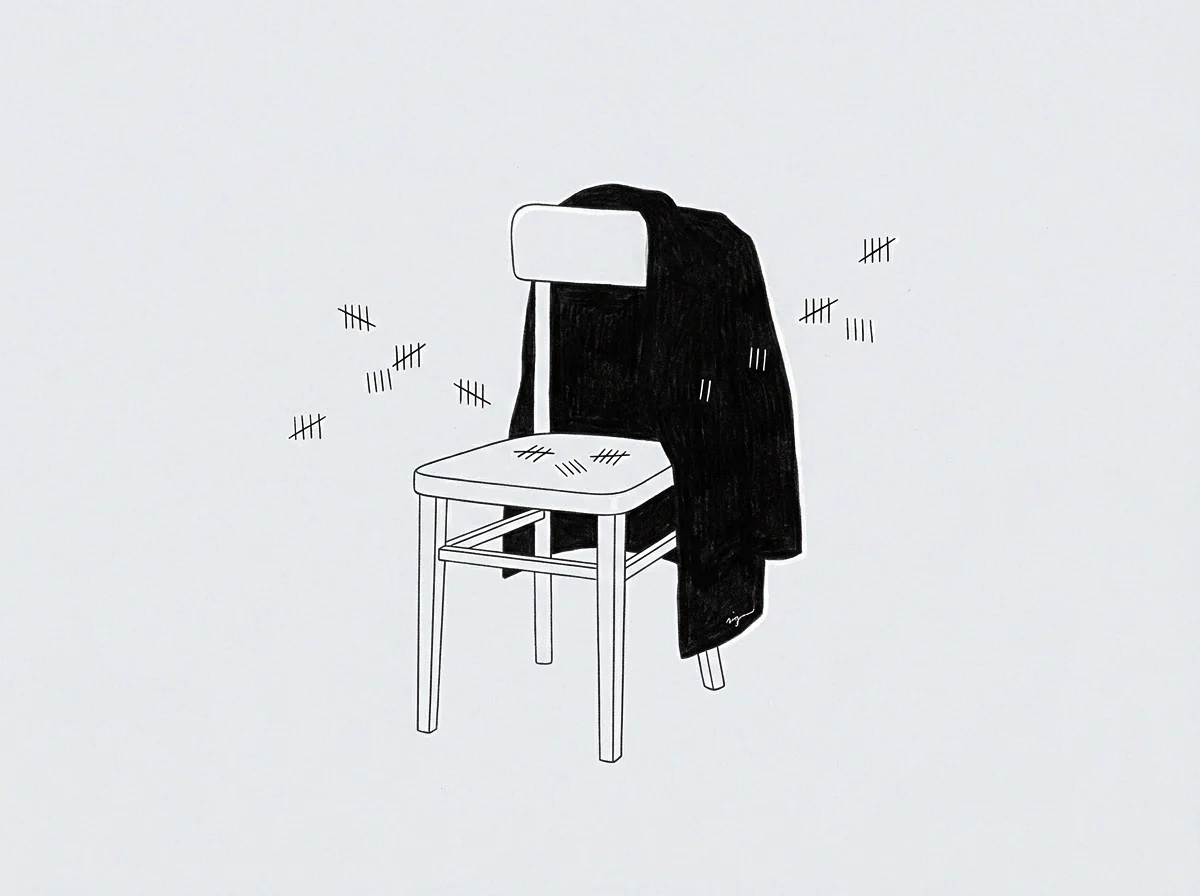
Downregulated receptor cascades blind exhausted executives to interpersonal safety cues, converting proximity from a regulation economy into a threat.
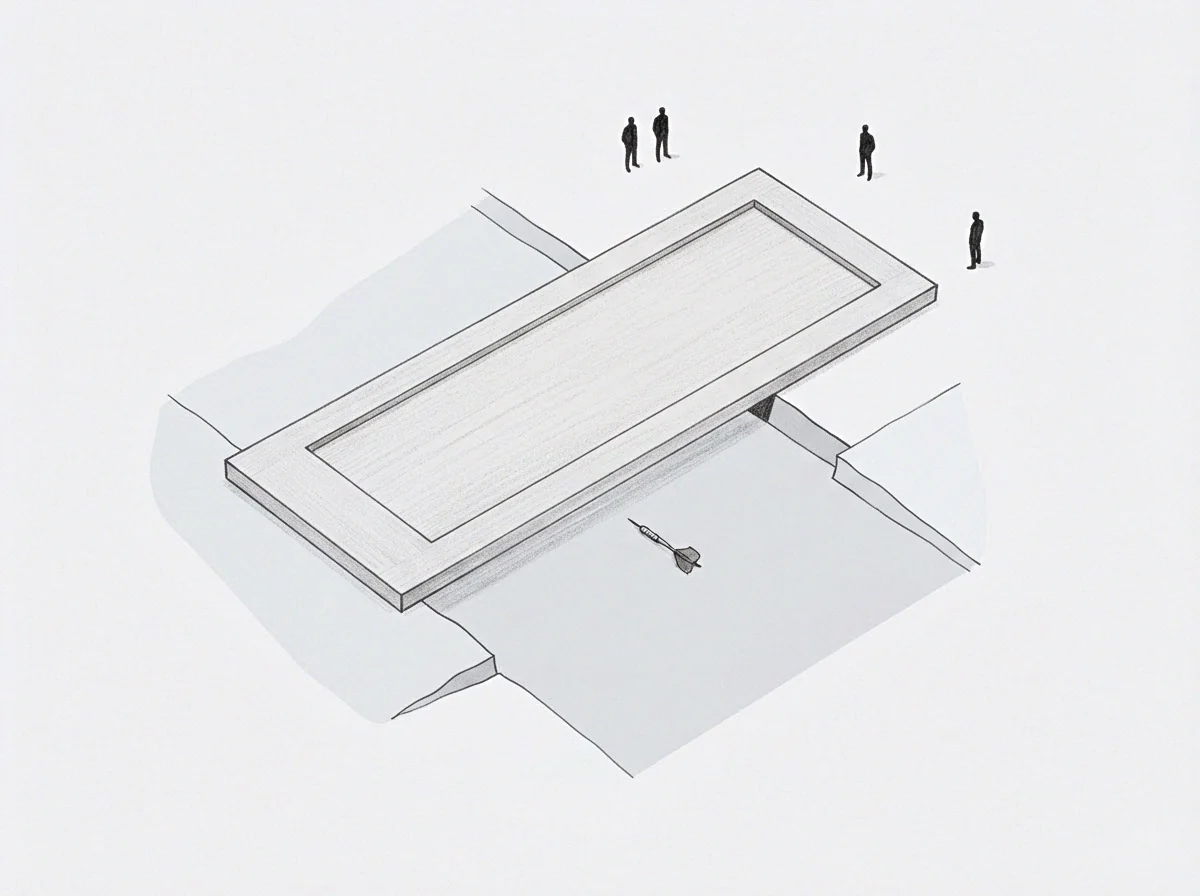
Extended solitary building dismantles social baseline regulation, forcing the nervous system into high-cost vigilance that updates only through calm physical proximity.

Extended solitary command recalibrates neural threat setpoints, creating a persistent sympathetic lag that outlasts the objective crisis by months.

Physical proximity to a reliable companion signals safety to threat circuitry, dropping solitary vigilance and offsetting allostatic load without spoken advice.
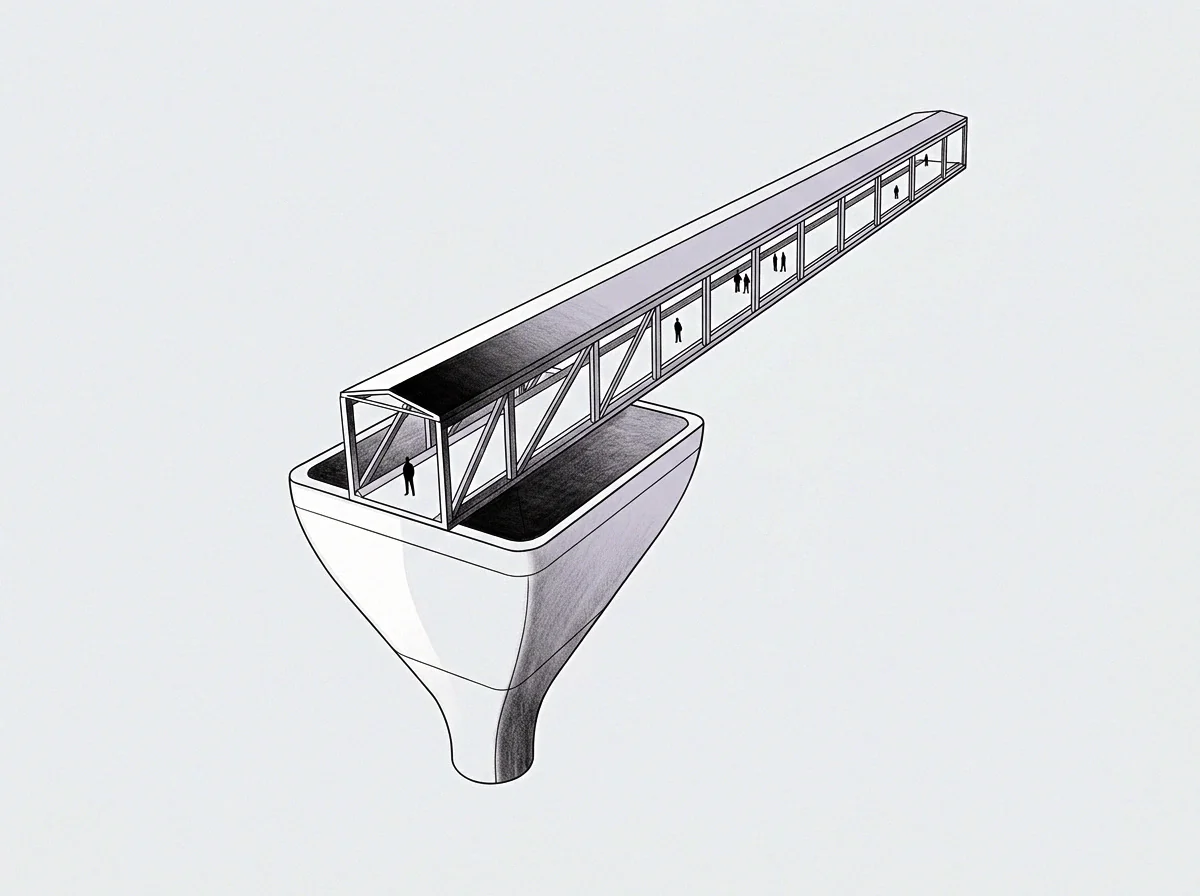
Prolonged solitary strain forces the autonomic nervous system to classify proximity as a threat, raising baseline vigilance until low-demand presence updates the internal working model.

Chronic autonomic exhaustion destroys the neural capacity for social engagement, rendering founding partners biologically unable to execute sustainable relational renegotiation.

Unbuffered leaders absorb organizational ambiguity alone, depleting neural metabolic budgets through solitary threat appraisal and unpriced co-regulation.
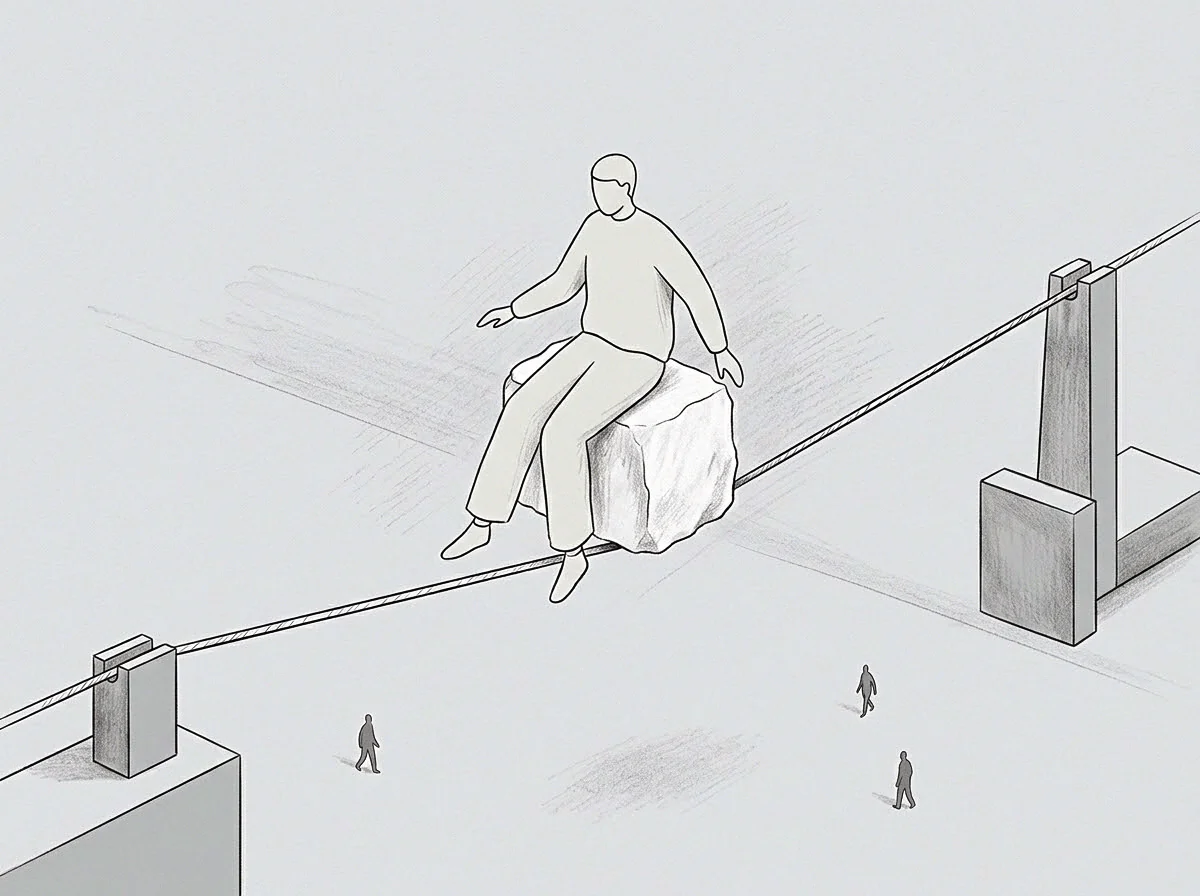
Asymmetric regulatory burden appears when one partner absorbs operational volatility while the other unconsciously borrows stability to maintain personal focus.
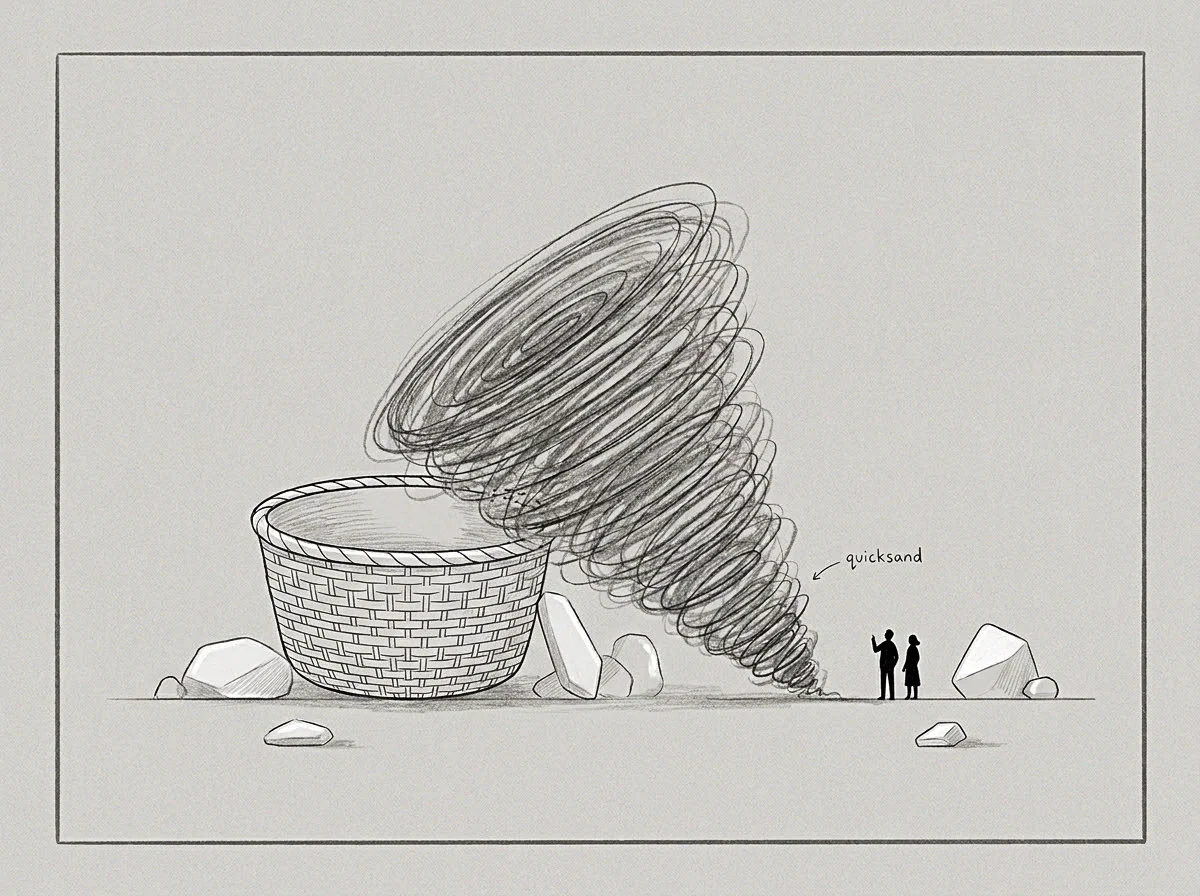
Solitary venture liability forces persistent sympathetic activation and vagal brake failure, transferring metabolic stability to unexposed partners at heavy autonomic cost.

Shared operational risk recalibrates autonomic threat circuits by distributing metabolic appraisal costs across symmetrical, co-liable nervous systems.
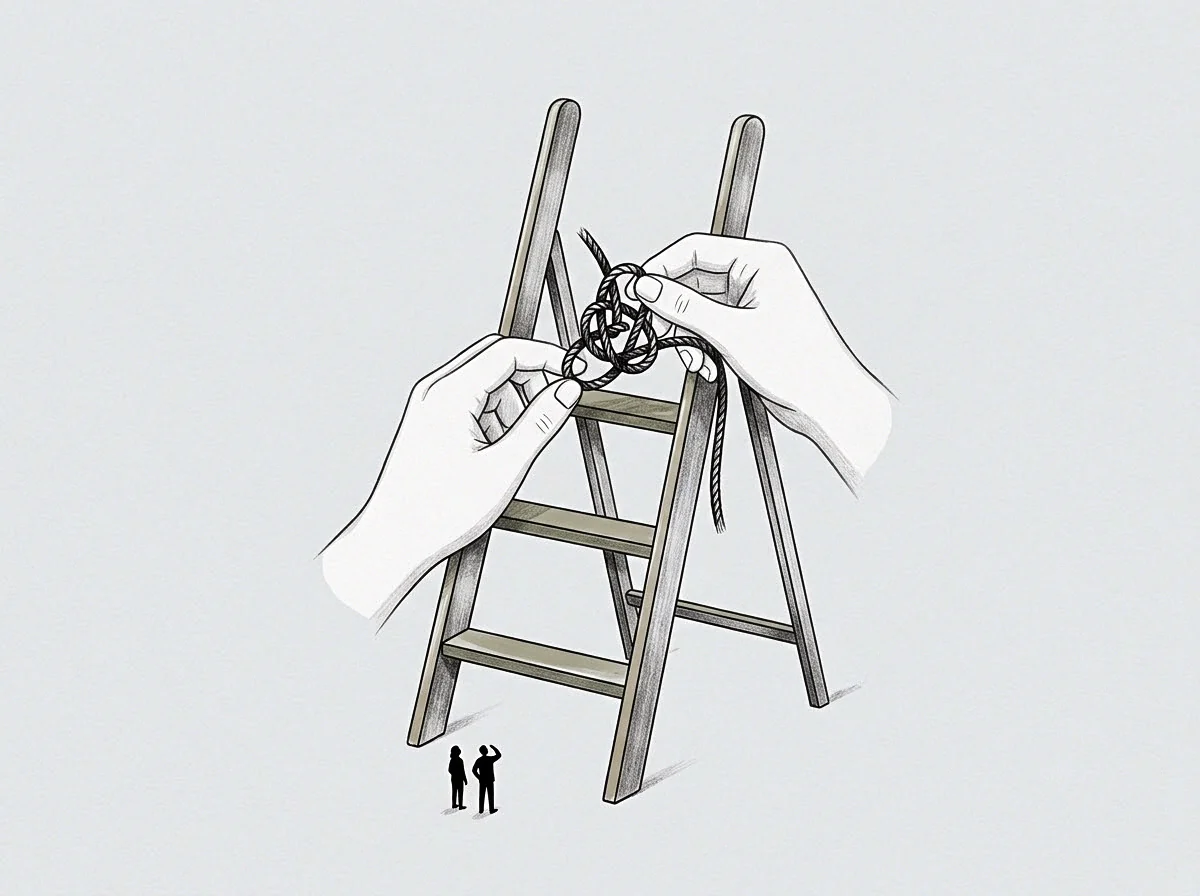
Proximity to an unmoving leader allows panicking teams to borrow autonomic stability under enterprise threat, shifting metabolic survival costs onto one nervous system.
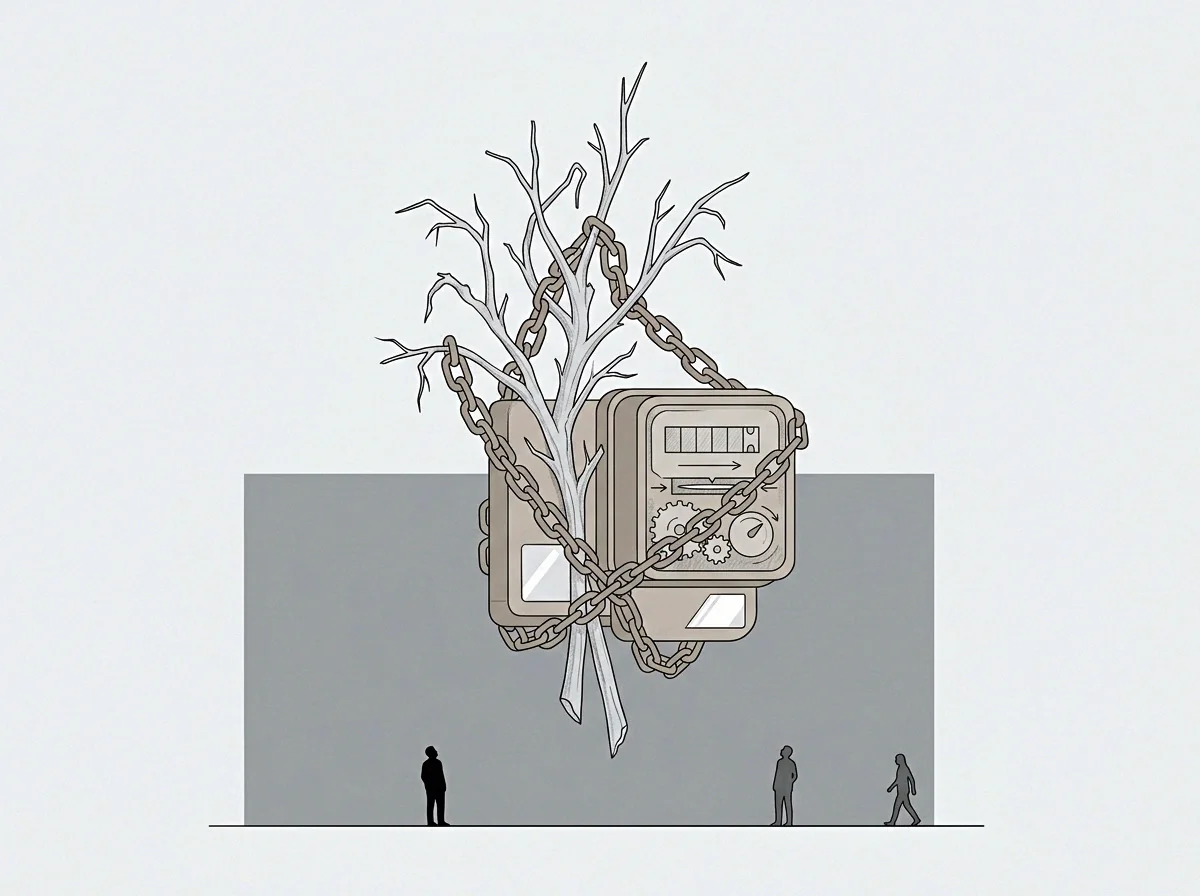
Repeated enforcement of mechanical external limits stops organizational metabolic extraction and builds earned security by updating the executive attachment model.
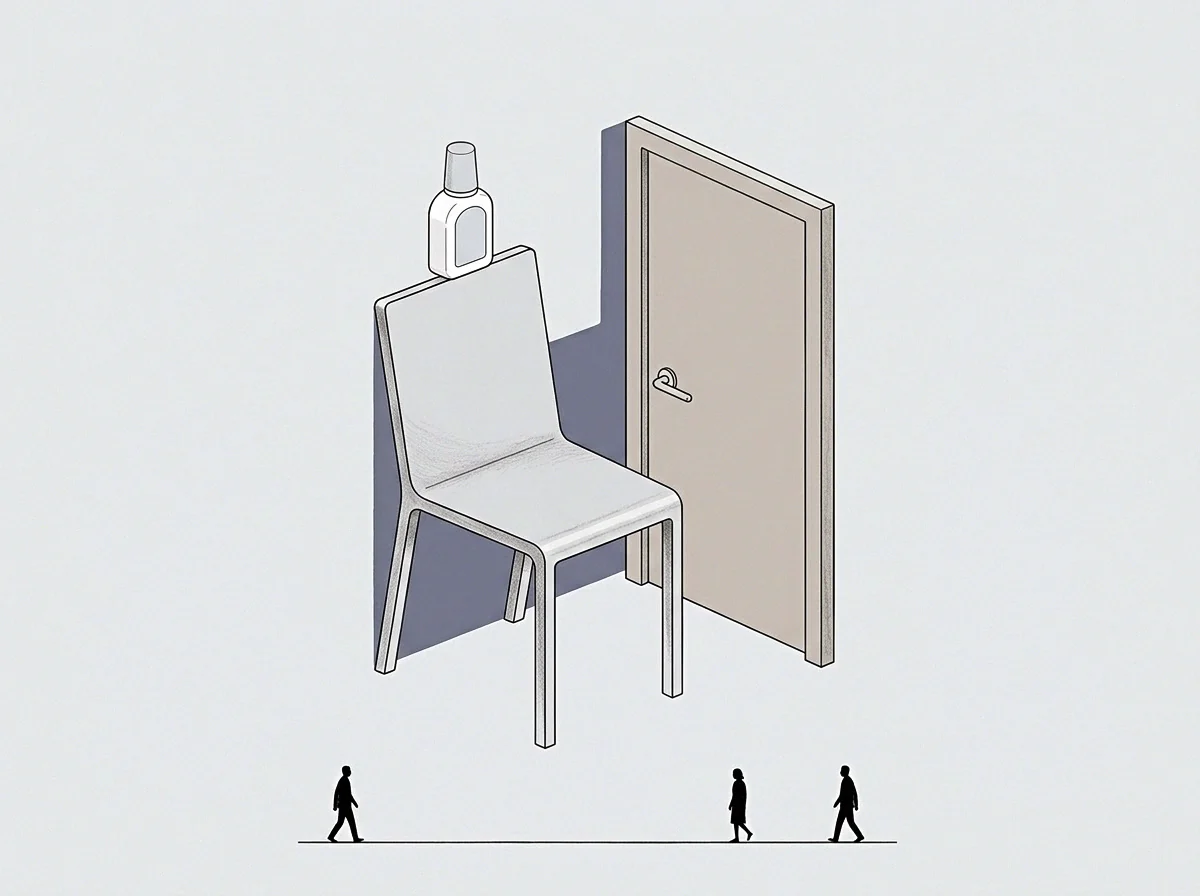
Allostatic load in solitary venture leaders stems from unreciprocated down-regulation of organizational panic through an isolated prefrontal cortex.
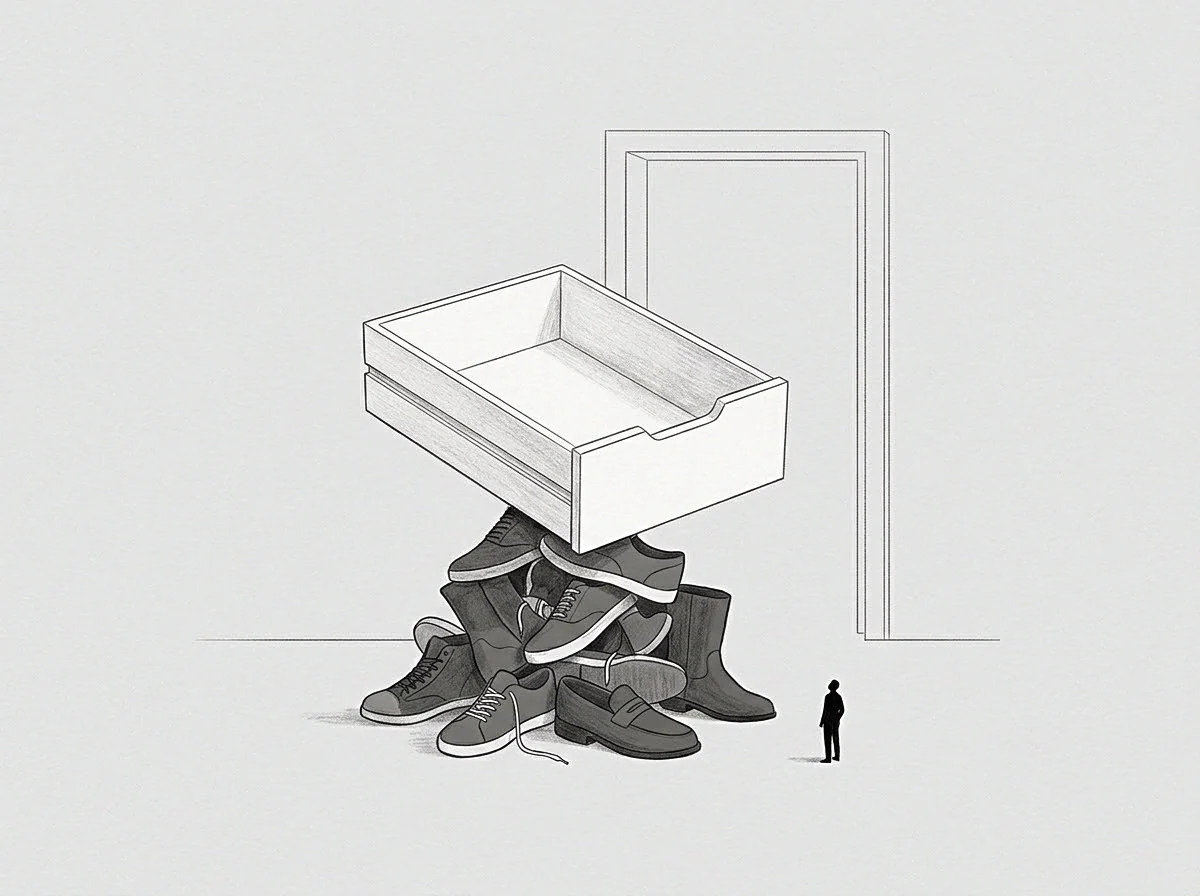
Human brains budget threat assuming proximity to reliable peers; scaling distributed teams removes this baseline, dumping crushing allostatic debt onto founders.
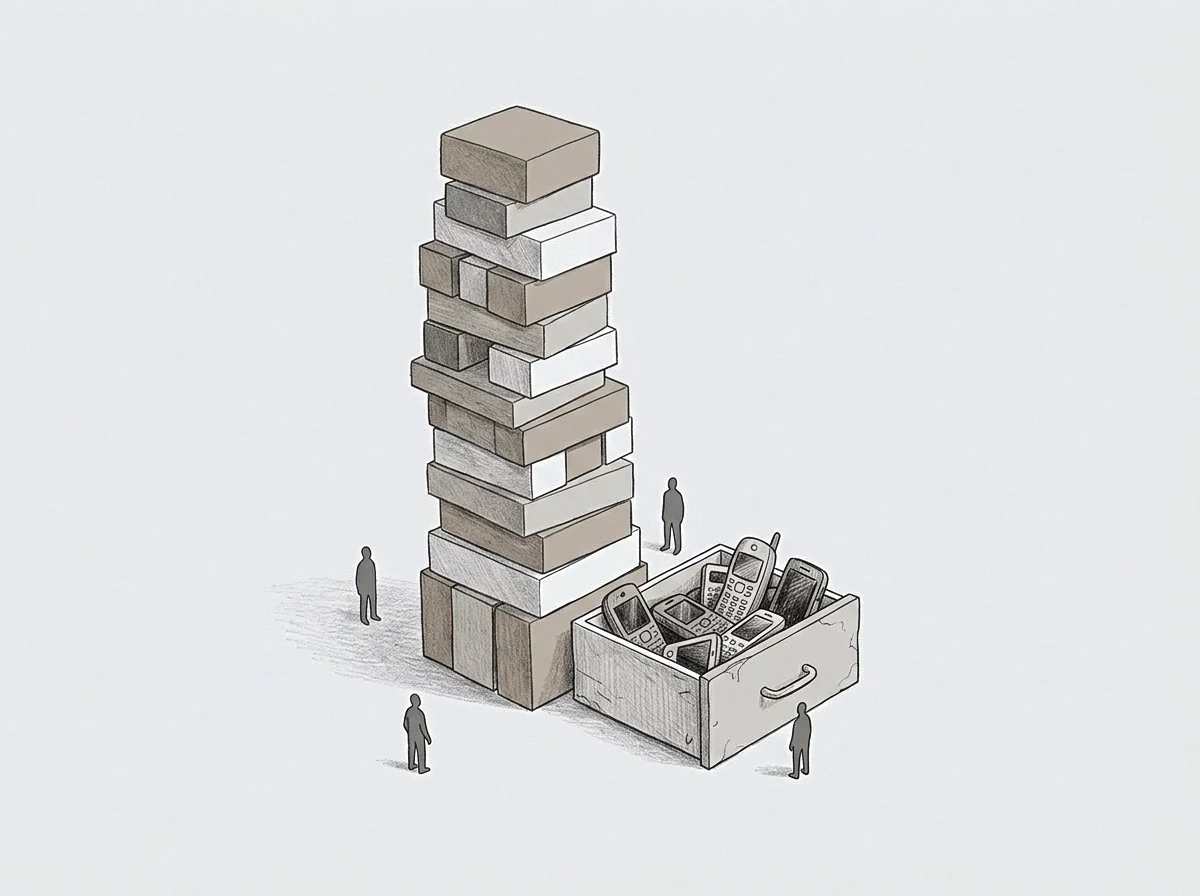
Structural governance distributes operational risk across multiple nodes by enforcing non-negotiable intake limits, latency buffers, and partitioned authority.

Distributed accountability replaces centralized conflict absorption with explicit bilateral operating pacts that functional managers enforce without executive rescue.
The terms are written where they belong. Each field holds three desks, and every entry a desk writes raises the terms it uses, each term given a meaning, a mechanism and the places it appears. The record on these pages stays first person and hand made; the fields grow the nomenclature.