Meaning
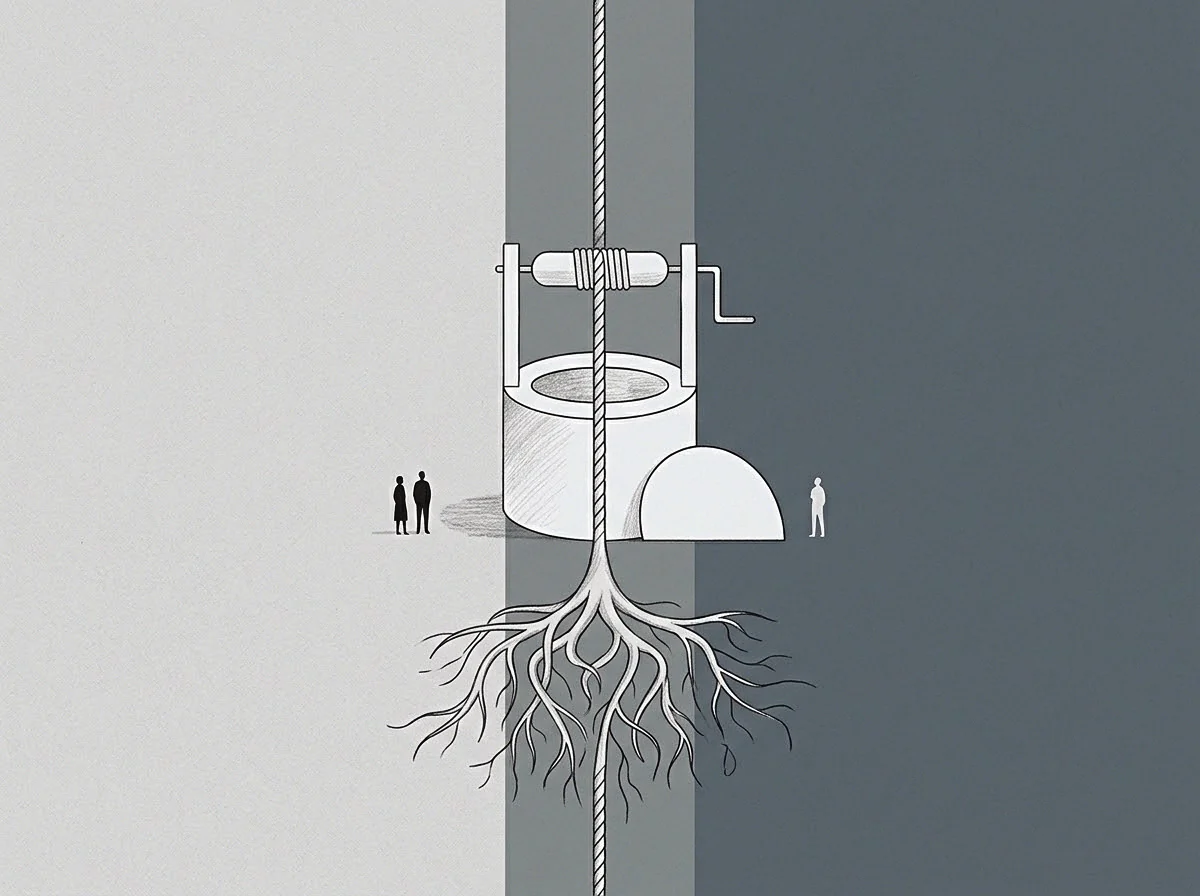
An external human nervous system providing predictable, attuned and steady co-regulatory feedback reduces the metabolic burden of solitary physiological management. In high-pressure organizational leadership, a responsive other serves as a stabilizing biological anchor whose steady presence, grounded vocal tone and lack of panic down-regulate sympathetic arousal in a stressed counterpart. The presence of this steady partner allows an individual to offload internal threat processing and restore prefrontal cognitive function.
It governs the speed of recovery from acute operational shocks. The concept ceases to apply if the secondary actor displays erratic behavior, anxiety or hidden agendas, which immediately transforms them into a source of additional load.
Dyadic Coupling
Human nervous systems evolved to operate in interconnected social networks rather than isolated biological silos. Interacting with a reliable responsive other triggers rapid vagal nerve activation, slowing heart rates and reducing circulating stress hormones without requiring conscious cognitive effort. This relational coupling allows an overwhelmed leader to borrow physiological stability from a calm partner during moments of severe operational crisis.
The mere physical or vocal presence of an attuned, non-judgmental peer fundamentally alters autonomic state. Through this connection, biological resilience becomes a shared, distributed asset.
Baseline Damping
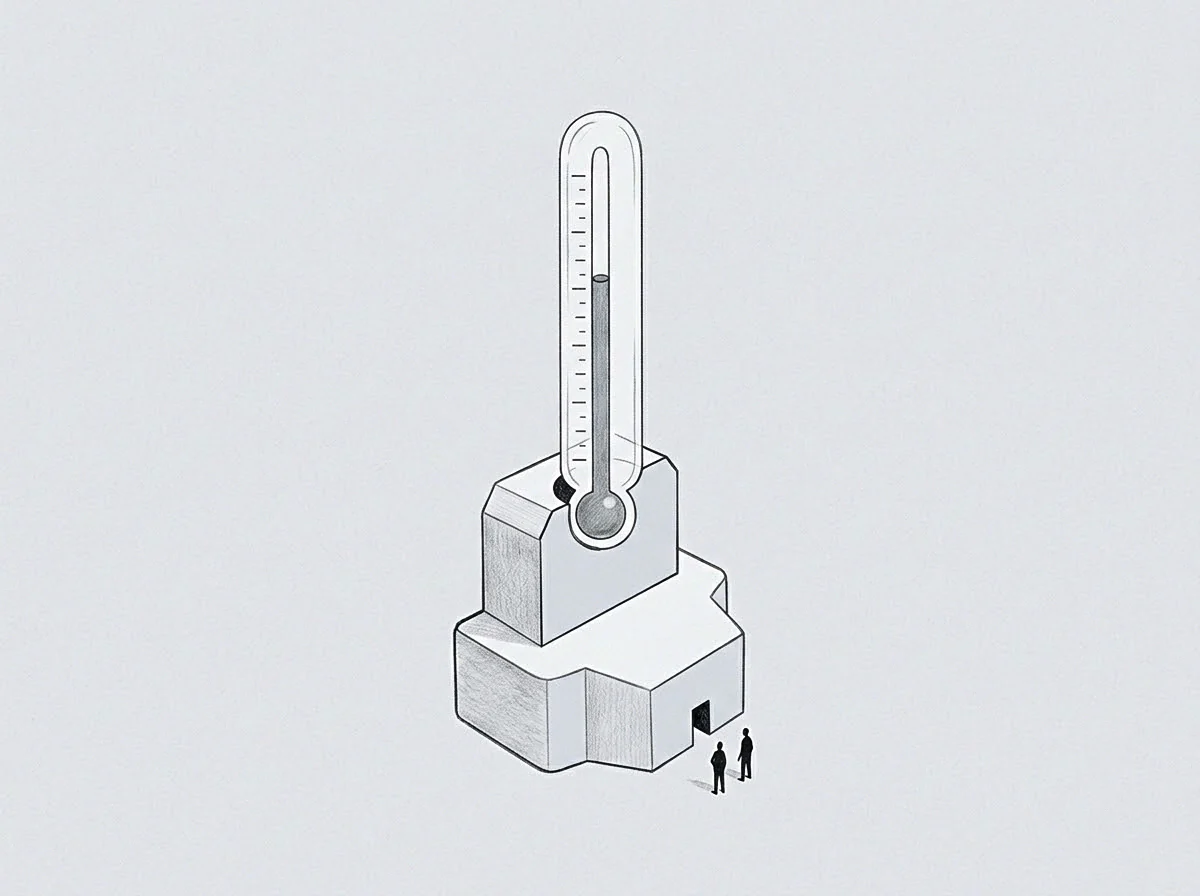
Operating in total isolation forces the brain to maintain continuous, expensive defensive vigilance against environmental hazards. Regular access to a trusted, responsive counterpart dampens this baseline vigilance, signaling to subcortical threat centers that danger is shared and manageable. This physiological relief frees up substantial cognitive energy for long-range planning, creative synthesis and nuanced risk assessment.
Without this stabilizing dynamic, an executive remains trapped in high-cost internal self-monitoring. A steady partner acts as a powerful external shock absorber for chronic professional strain.
Relational Availability
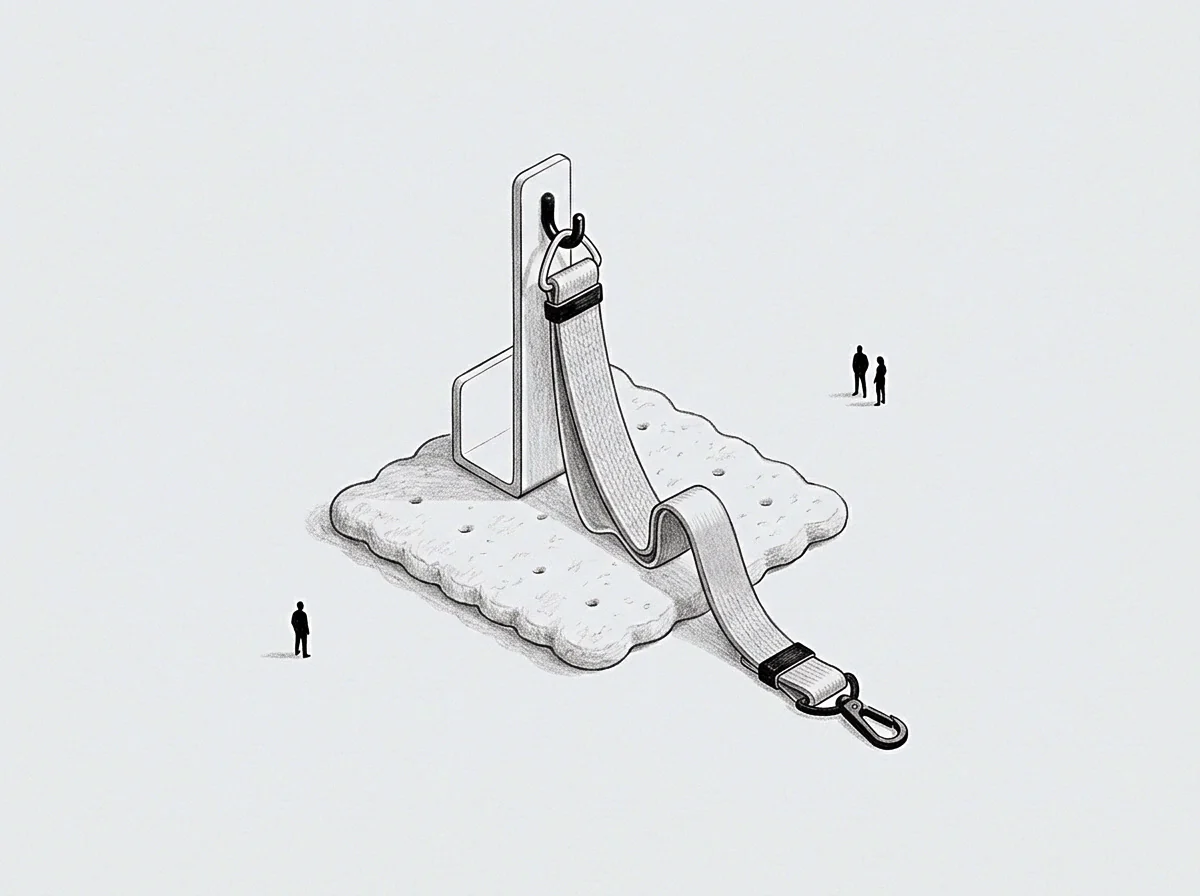
Access to an effective stabilizing counterpart requires clear structural boundaries and absolute psychological safety. The relationship must be entirely free from transactional manipulation, internal organizational politics and performance posturing. When founders secure consistent access to such peers, their long-term physiological endurance and strategic consistency improve measurably.
A responsive external presence is a fundamental requirement for sustained high-performance leadership.