Meaning
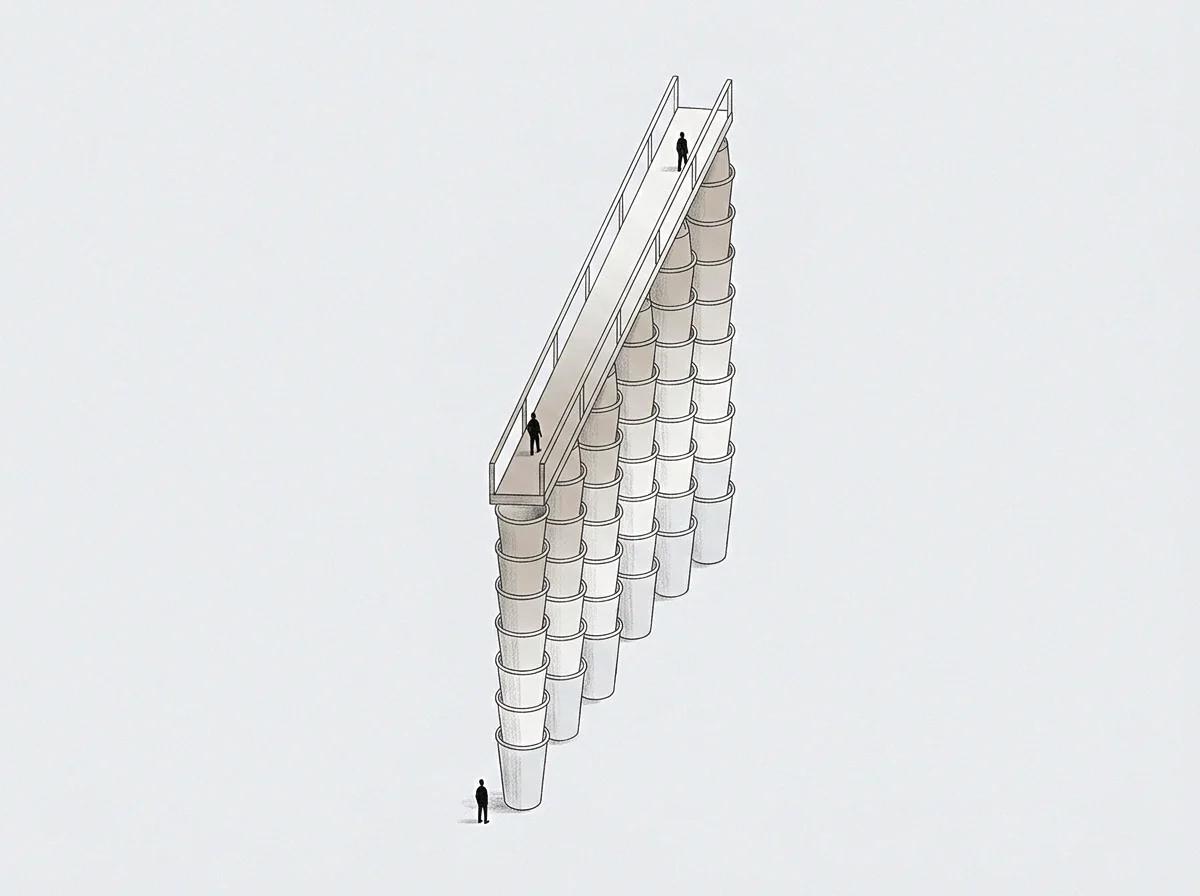
A biological metric measures the cumulative physiological strain resulting from repeated exposure to chronic stress responses. Physiological systems adjust parameters such as blood pressure and cortisol secretion to maintain stability through change, but persistent activation of allostatic load prevents tissue recovery and consumes metabolic reserves. The measurement applies to neuroendocrine and cardiovascular adaptation mechanisms, stopping where baseline cellular homeostasis operates without regulatory intervention.
Biological Cost
Cardiovascular and metabolic networks maintain continuous readiness during prolonged periods of organizational uncertainty. Sustained elevation of circulatory pressure and endocrine activity causes structural fatigue in blood vessels and degrades systemic glucose regulation. Elevated allostatic load depletes cellular energy reserves required for cognitive focus and somatic repair.
Recovery requires complete removal of neuroendocrine triggers rather than short breaks.
Cumulative Wear
Physiological degradation accelerates when adaptive mechanisms remain active across extended operational cycles. High allostatic load erodes immune responsiveness and alters neural connectivity within memory networks.
Recovery Ceiling
Restorative sleep and passive rest become less effective as systemic strain accumulates beyond critical thresholds. When internal repair mechanisms fail to keep pace with chronic physiological demand, executive decision making deteriorates alongside physical stamina. Sustained elevation of allostatic load lowers the threshold at which future stress responses trigger severe physical exhaustion.