

Founding Team Load Mechanics and Executive Capacity Limits
Executive capacity limits function as physical setpoints where incoming operational load forces unstated cognitive throttling unless explicit terms govern availability.
Executive capacity limits function as physical setpoints where incoming operational load forces unstated cognitive throttling unless explicit terms govern availability.
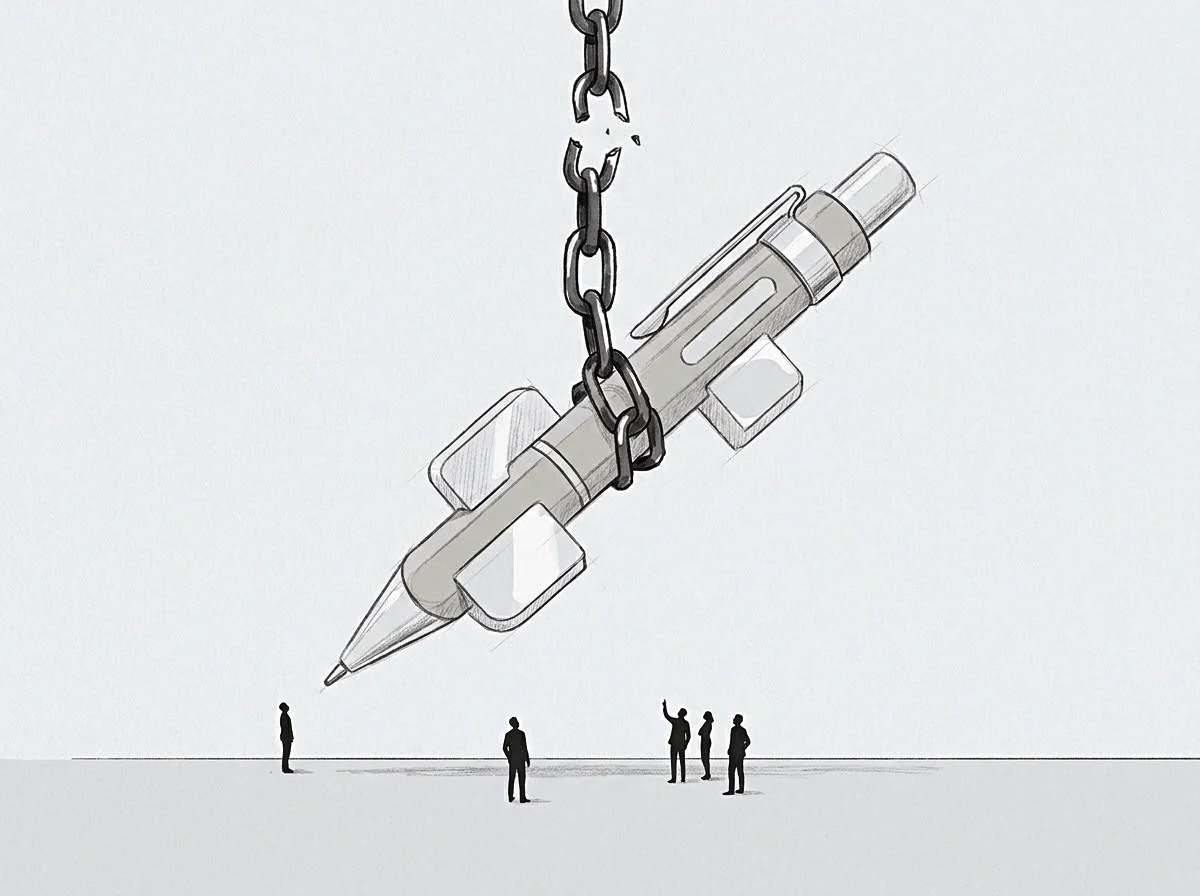
Autonomic safety after high-stress isolation requires repeated low-demand physical proximity to downregulate chronic sympathetic vigilance.

Executive centralization combined with fatigue introduces decision latency that impairs asset returns and raises balance sheet operational risk discount factors.

Asymmetric regulation contracts deplete the stabilizing partner, causing sudden operational failure and partner attrition when unbuffered friction exceeds capacity.
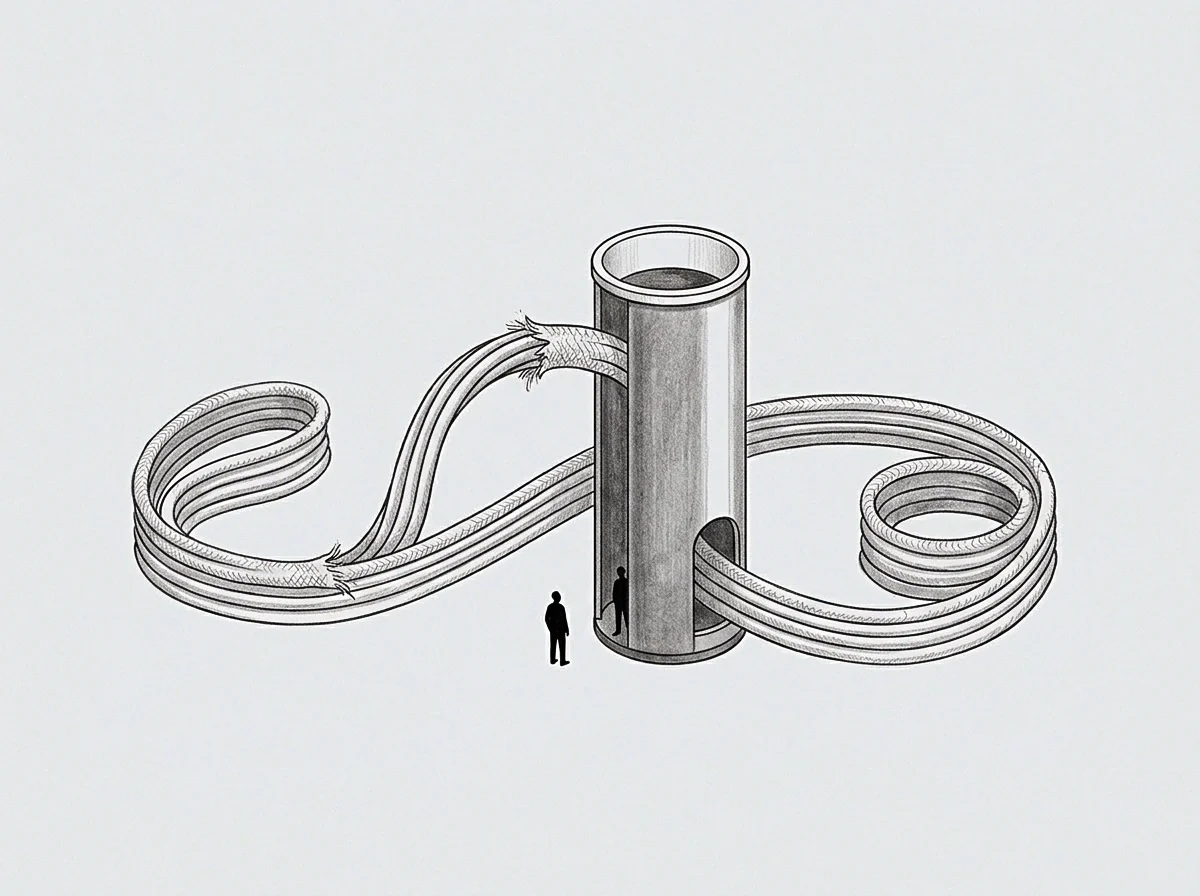
Somatic breakdown converts into enterprise risk metrics by mapping cognitive degradation directly to key person operational latency, volatility, and governance loss.

Shared operational hazard links co-founder nervous systems, replacing parasympathetic regulation with sustained sympathetic baseline threat activation.

Endocrine sensitivity returns when enterprise volatility is decoupled from biology through strict communication barriers and restored circadian rhythms.

Extended high-stakes load downregulates central glucocorticoid receptor sensitivity, flattening cortisol rhythms and reducing executive processing headroom.

Biological allostatic load reflects cumulative physiological wear from chronic stress, whereas clinical depression involves primary mood and cognitive disruption.

Capital allocation during operator energy deficits lowers hurdle rates and converts executive fatigue into unmanageable enterprise overhead.

Self-regulation alone taxes human physiology, forcing sole regulators in high-growth firms to throttle operational output when total allostatic load hits ceiling.

Vacating a high-demand executive seat collapses exogenous regulation, triggering autonomic neural throttling to protect physiological reserves from chronic overload.
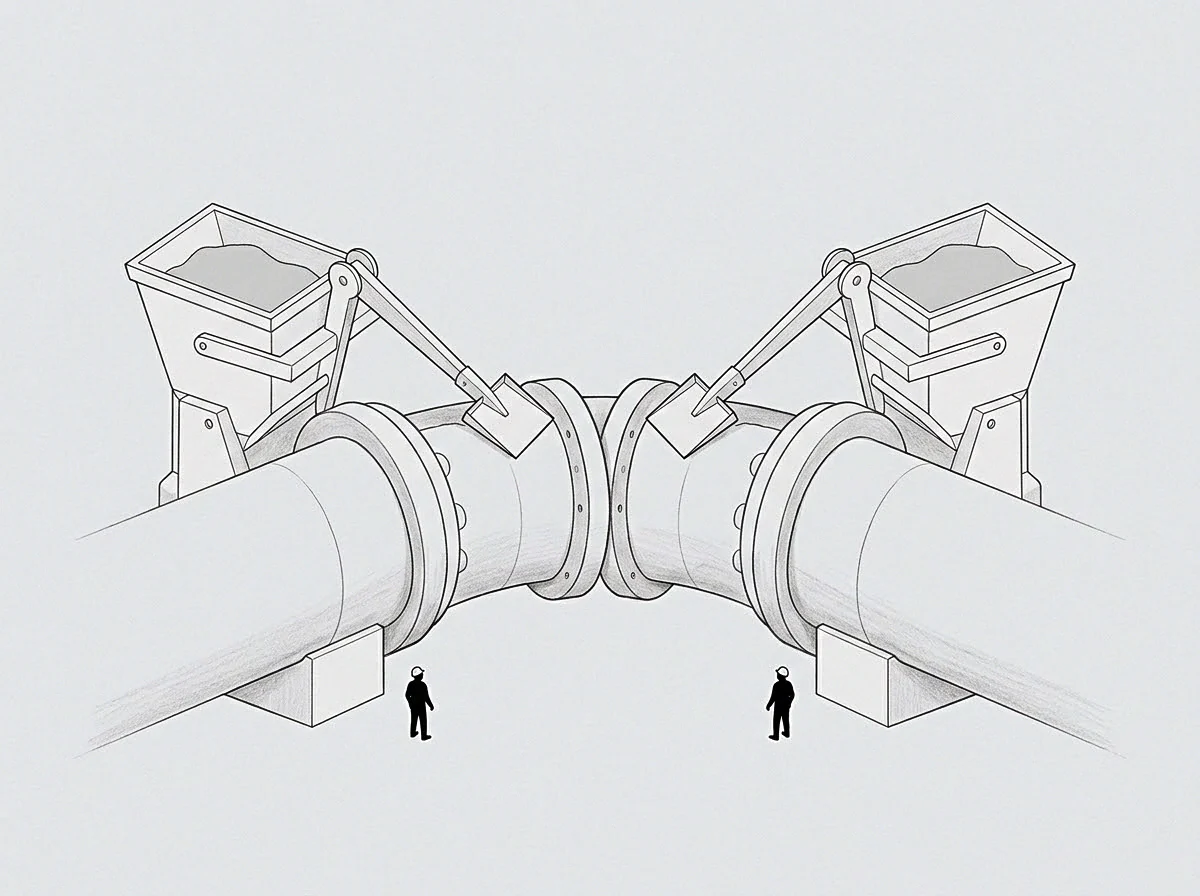
Transitioning from unilateral buffering to distributed accountability requires hard governance latches that force local teams to absorb operational variance directly.

Neuroendocrine recovery after enterprise insulation requires six to eighteen months as autonomic tone and HPA axis sensitivity slowly reset.

Adrenal downregulation throttles output to protect tissue under sustained allostatic load, while clinical depression reflects systemic affective failure.

Chronic environmental threat shifts the cortisol awakening response from acute hyper-reactive surges to hypocortisolemic blunting through receptor desensitization.

Centralized leadership stress triggers autonomic governor throttling, which downregulates executive processing capacity to preserve physiological homeostasis.
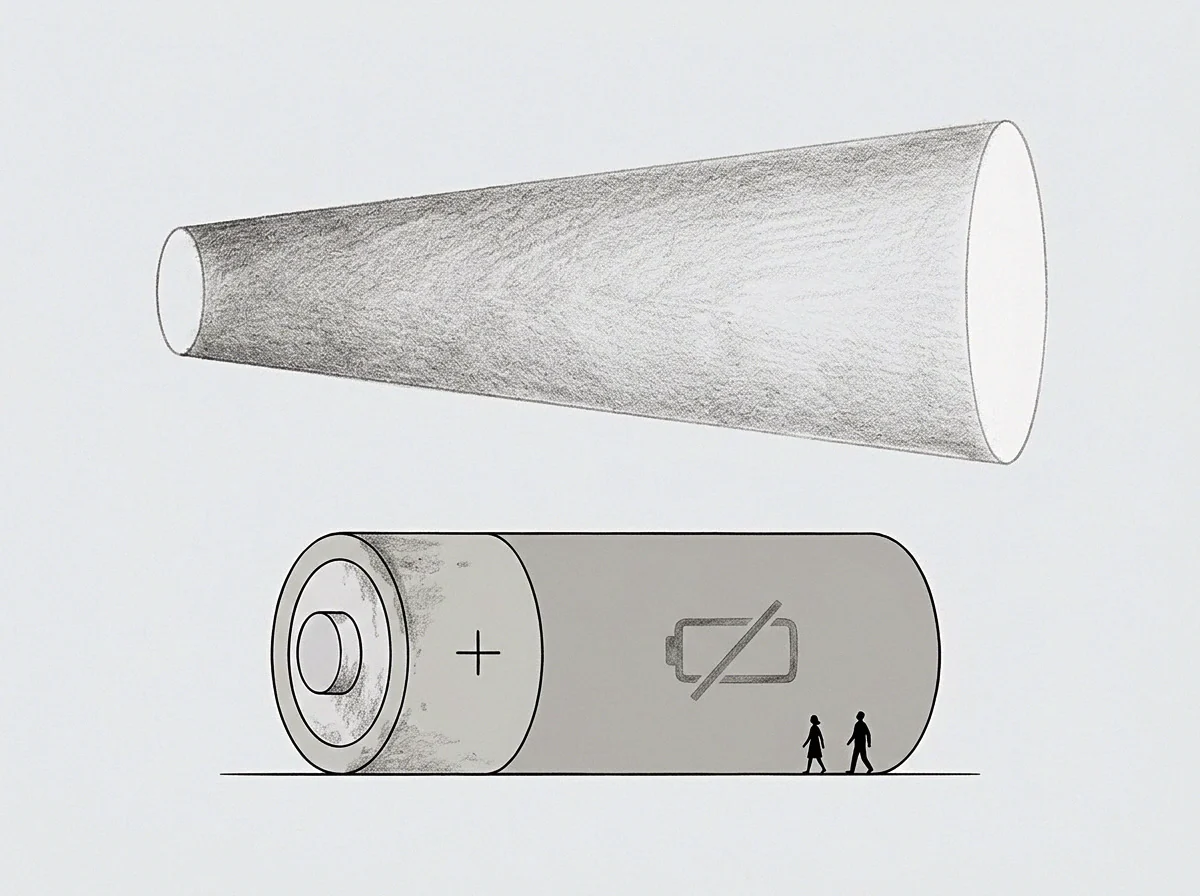
Artificial response latency preserves central executive attention by converting real time triggers into batch tasks during high cognitive load.

An internal working model updates when repeated reciprocal presence replaces unilateral allostatic load absorption during high stress operational cycles.

Hard boundaries protect depleted executives by replacing personal refusal with clear unyielding structural terms.

Structural intake gates filter external operational demands through formal protocols to prevent biological allostatic accumulation in executive nervous systems.

Social baseline theory demonstrates that human brains delegate threat regulation to trusted peers, lowering metabolic costs while increasing load on leaders.

Stated capacity bounds transfer operational load and state gated authorization protects governance integrity during acute stress.

Solitary autonomic regulation under organizational scaling drives allostatic overload, forcing neuroendocrine biological throttling when shared social baselines are absent.

Sustained executive workload reduces prefrontal evidentiary drift rates, expanding choice latency exponentially once working memory exceeds saturation limits.

Stating explicit limits on availability converts open incoming demands into scheduled operational loops, preserving executive function from allostatic wear.

Neural residue accumulates across concurrent unclosed tasks, saturating working memory capacity and forcing peripheral telemetry shedding in human operators.

System throttling is an adaptive physiological down-regulation caused by allostatic overload, distinct from clinical depression's neurochemical failure.

Centralized executive regulation accumulates unsustainable allostatic load during growth, requiring distributed operational nodes to stabilize institutional baseline energy.
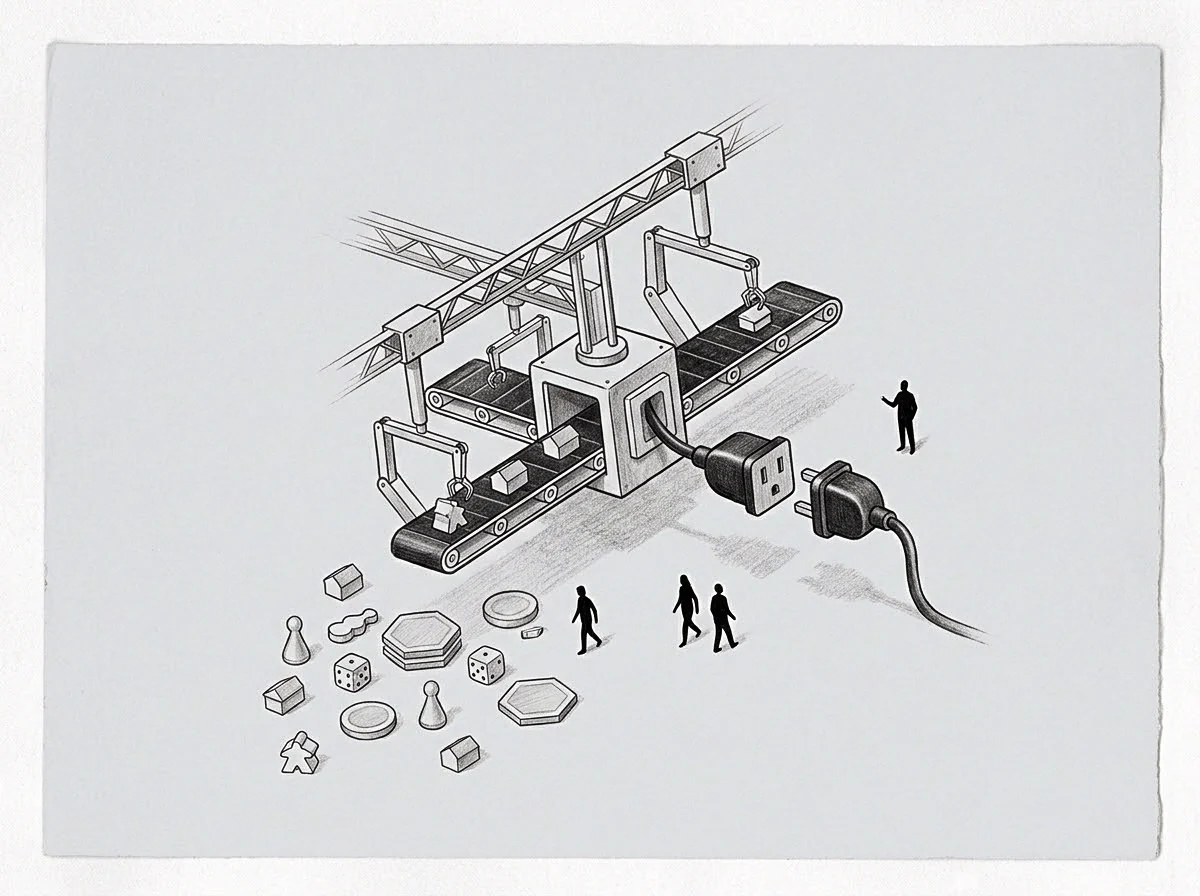
Rebuilding relational receptor slots across unequal power requires calibrated low-stakes exposure that keeps structural authority from triggering threat responses.
The terms are written where they belong. Each field holds three desks, and every entry a desk writes raises the terms it uses, each term given a meaning, a mechanism and the places it appears. The record on these pages stays first person and hand made; the fields grow the nomenclature.