
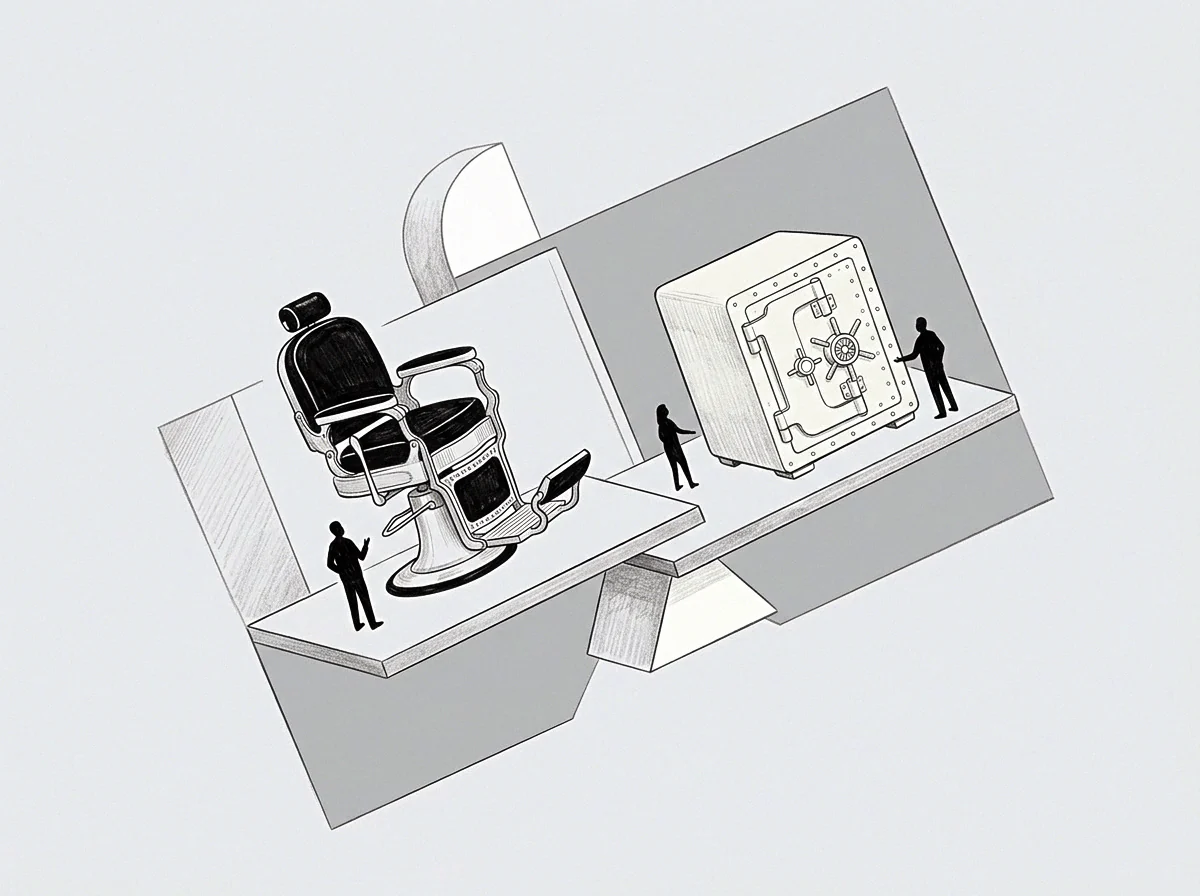
Managing Unilateral Load Absorption And Internal Working Models In Leadership
Unilateral load absorption exhausts executive neural reserves; updating internal working models requires earned security through reciprocal co-regulation.
Unilateral load absorption exhausts executive neural reserves; updating internal working models requires earned security through reciprocal co-regulation.

Carrying operational tension without co-regulation elevates baseline threat calculations, forcing the nervous system to spend high metabolic energy on solo risk management.

Extended isolation recalibrates the central nervous system to treat dyadic proximity as a metabolic load rather than a co-regulatory buffer.

Structural pressure forces co-founders to share autonomic regulation costs, shifting threat processing load onto the partner displaying lower physiological reactivity.

High executive stress shuts down relational receptors by forcing continuous solo regulation, requiring bounded micro-exchanges to rebuild passive autonomic intake.

Allostatic load escalates when executive teams rely on a single leader for regulation, which alters metabolic budgeting until explicit operational limits distribute threat processing.

Unfunded co-regulation demands consume executive cognitive headroom and raise allostatic load by converting organizational uncertainty into unmeasured physiological wear.
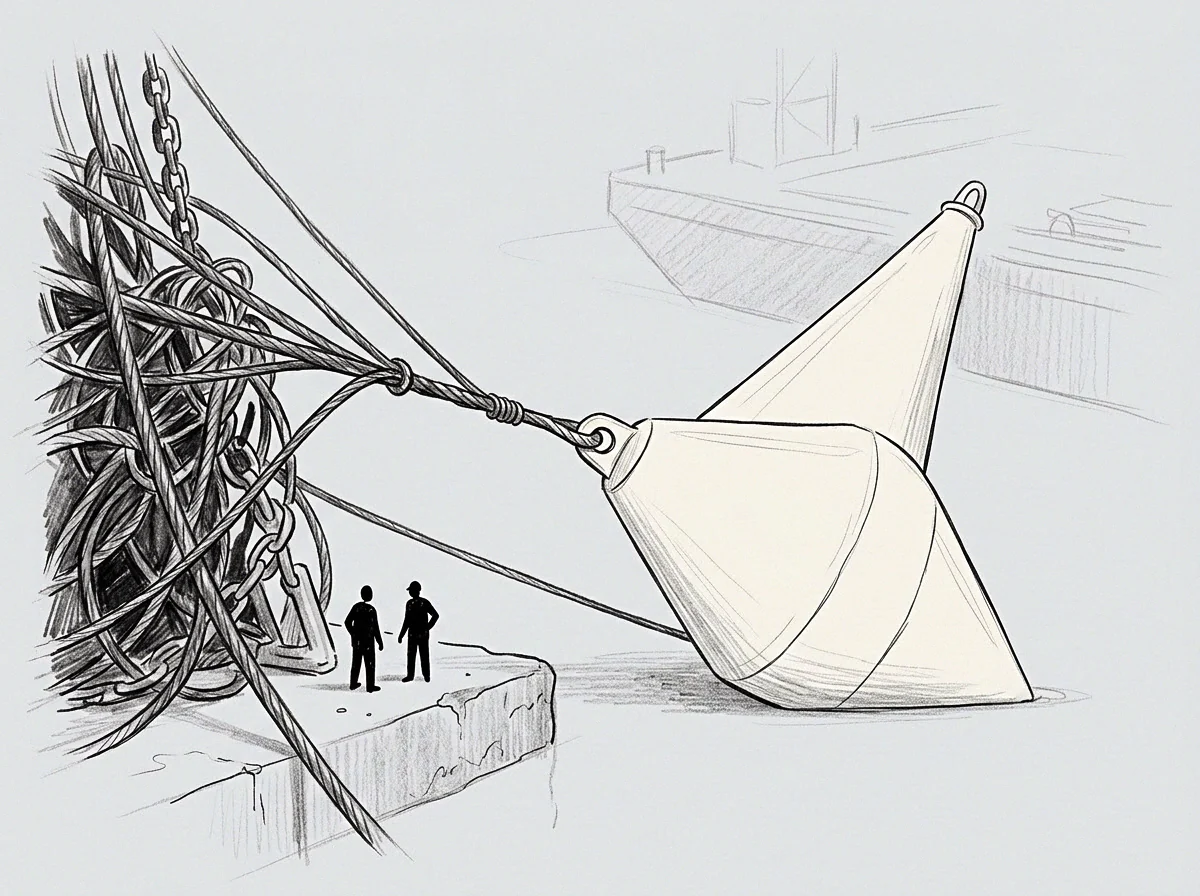
Covert emotional buffering for senior colleagues consumes prefrontal working memory, reducing executive bandwidth required for long range strategic allocation.
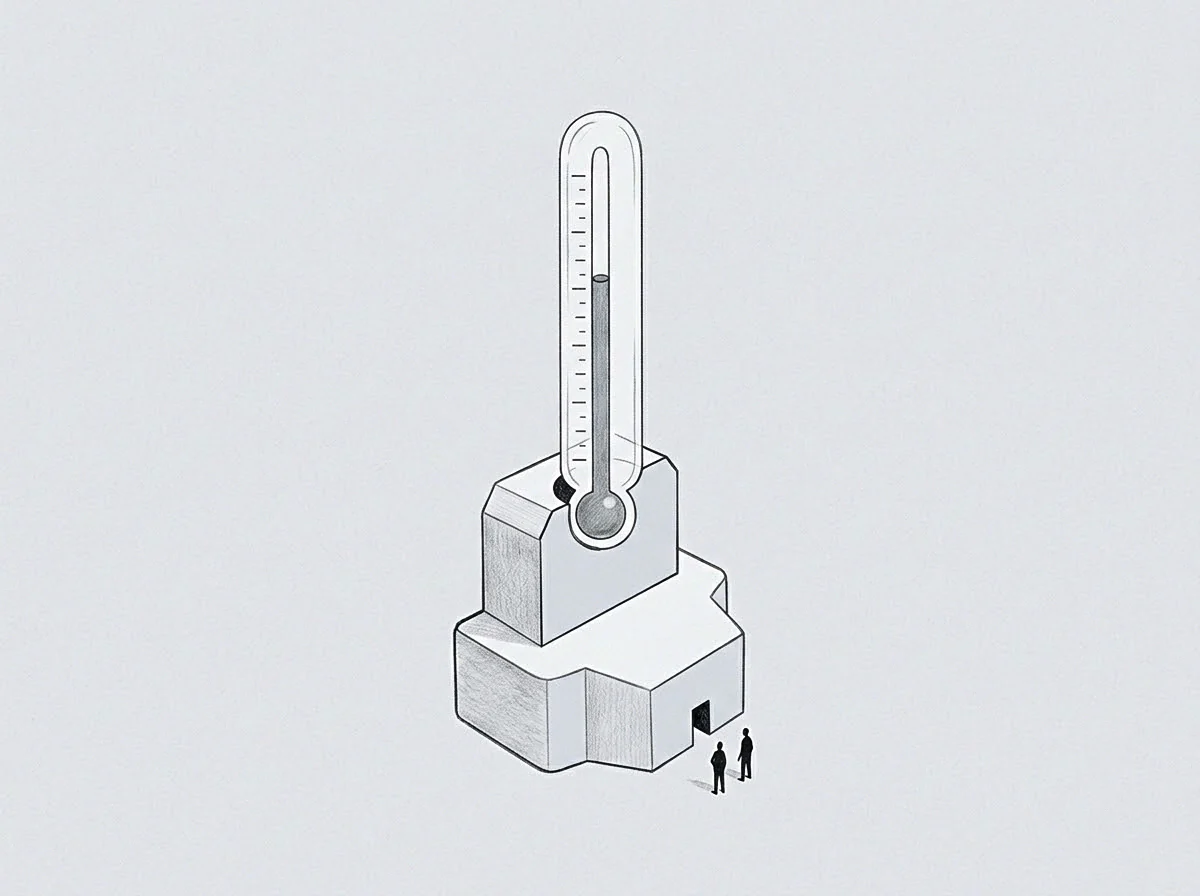
Executive throttling intentionally drops open-ended tasks under peak allostatic load while clinical affective stalling represents generalized regulatory collapse.

Chronic environmental threat shifts the cortisol awakening response from acute hyper-reactive surges to hypocortisolemic blunting through receptor desensitization.

Unidirectional executive regulation shifts team autonomic strain onto a single leader, creating quiet allostatic load and eventual system throttling.
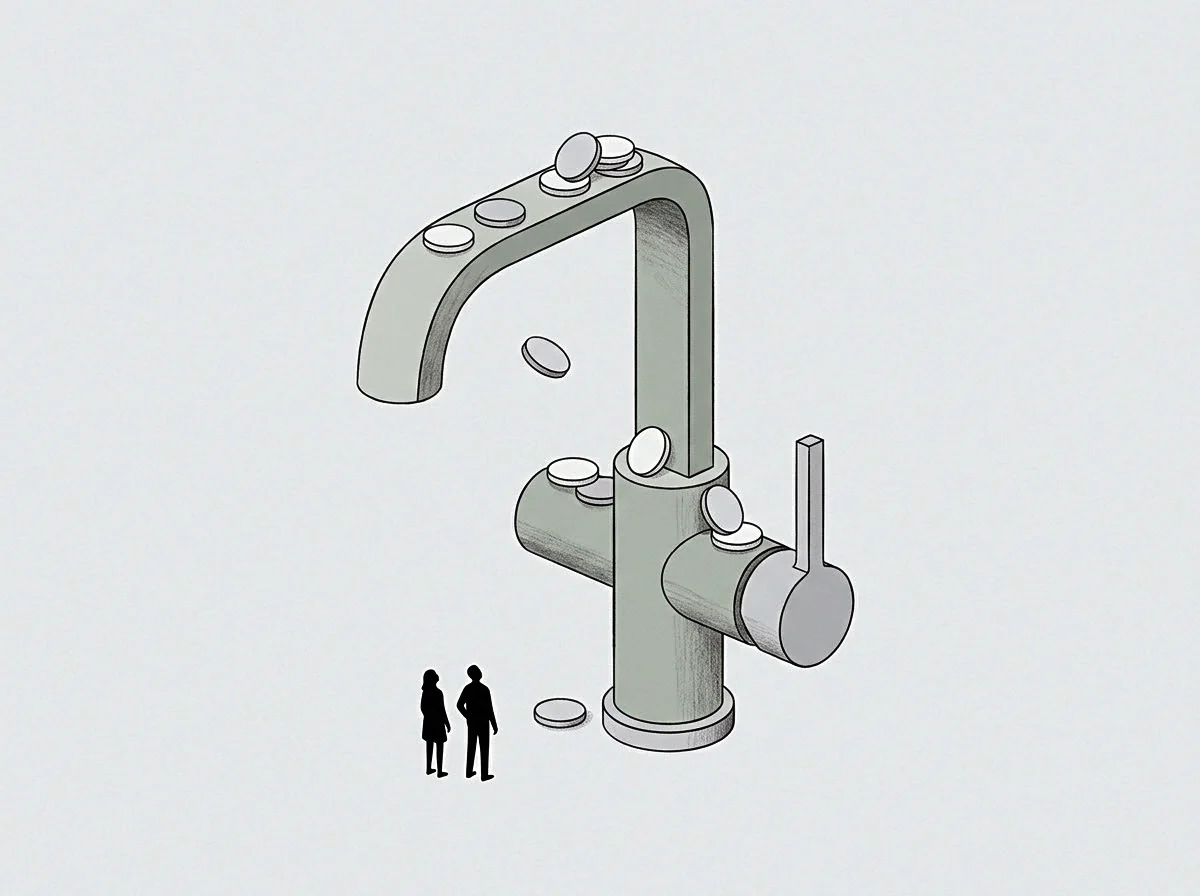
Intellectual understanding fails to soothe autonomic threat because subcortical regulation requires repeated relational safety signals rather than cognitive insight.
Autonomic recovery latency measures parasympathetic reactivation speed post-stress, directly predicting prefrontal executive headroom under allostatic load.
Social baseline economics shows that professional dyads share regulatory load, where one partner's steady physiological state lowers another's metabolic stress cost.

Somatic co-regulation lowers individual neural energy expenditure by distributing autonomic threat processing across proximal physiological baseline systems.

Solitary leadership recalibrates neural threat processing by elevating baseline vigilance while constricting relational capacity through unshared regulatory load.
Executive system throttling selectively suppresses high-order cognitive processing to protect vital operational capacity under sustained physiological load.

Cognitive concurrency caps represent structural processing limits under ungated operational load, whereas clinical anhedonia stems from neural reward pathway impairment.

Solitary self regulation increases metabolic threat costs, whereas proximity to a stable presence reallocates autonomic capacity toward execution.
Solitary executive seats elevate prefrontal metabolic costs by stripping away social baseline co-regulation, forcing autonomic vigilance and bioenergetic debt.
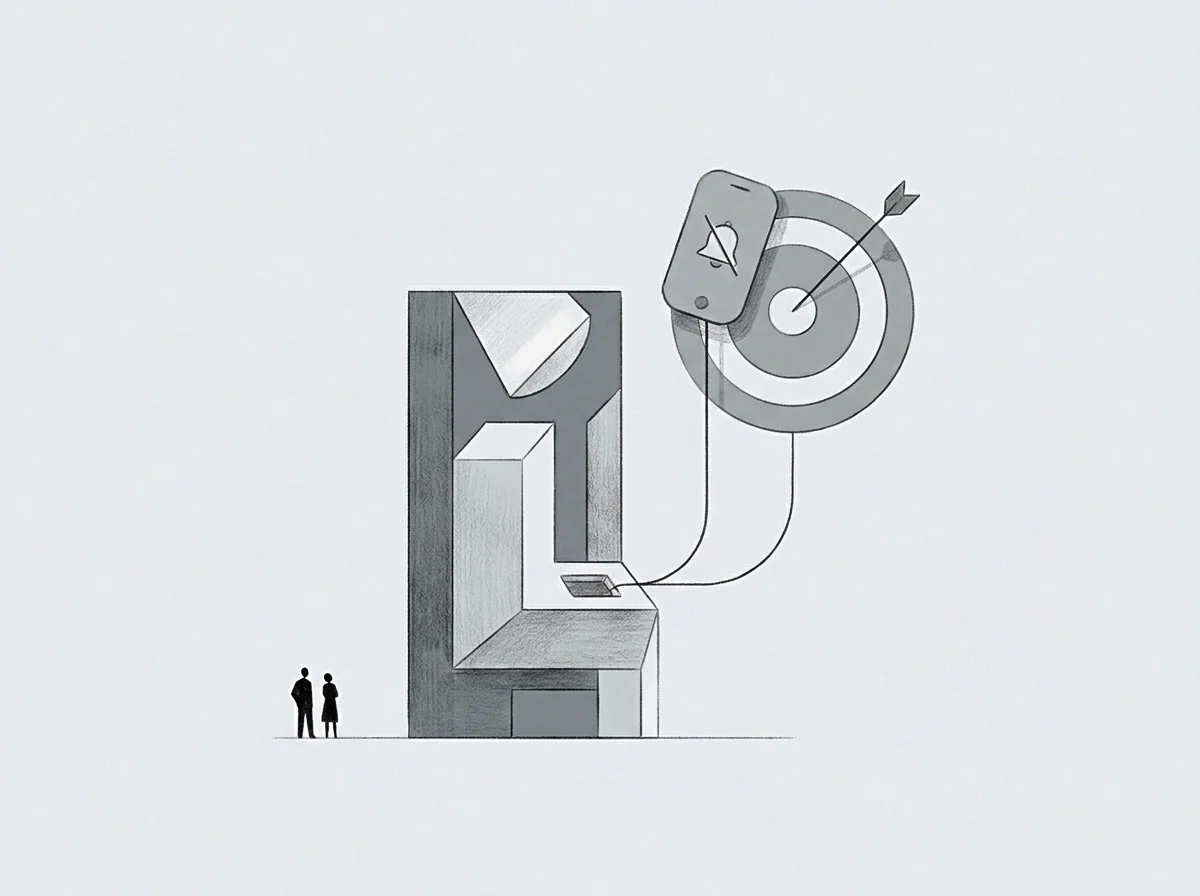
Structural gating decouples capital allocation authority from executive physiological wear, preserving valuation accuracy during allostatic overload.
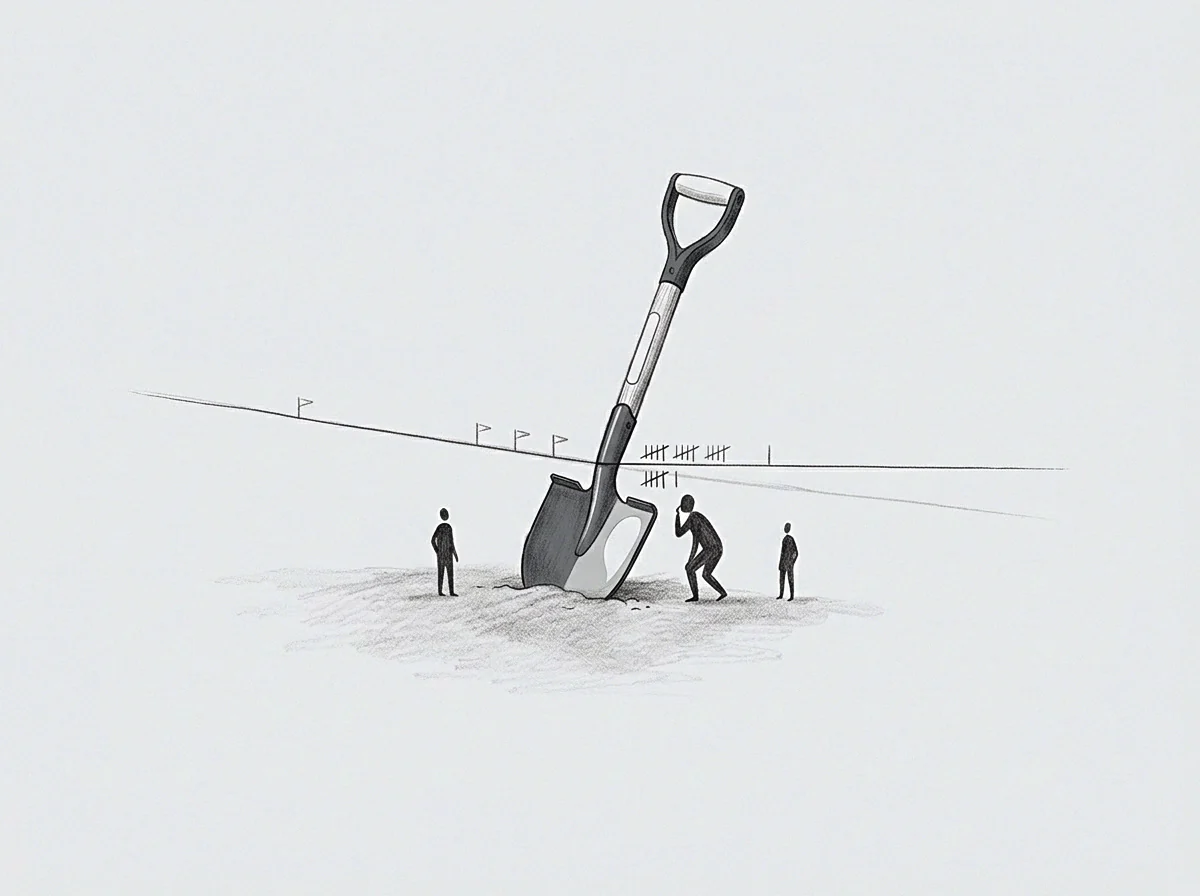
Functioning as a primary relational regulator suppresses autonomic recovery and elevates metabolic expenditure by replacing co-regulatory relief with solo buffering.
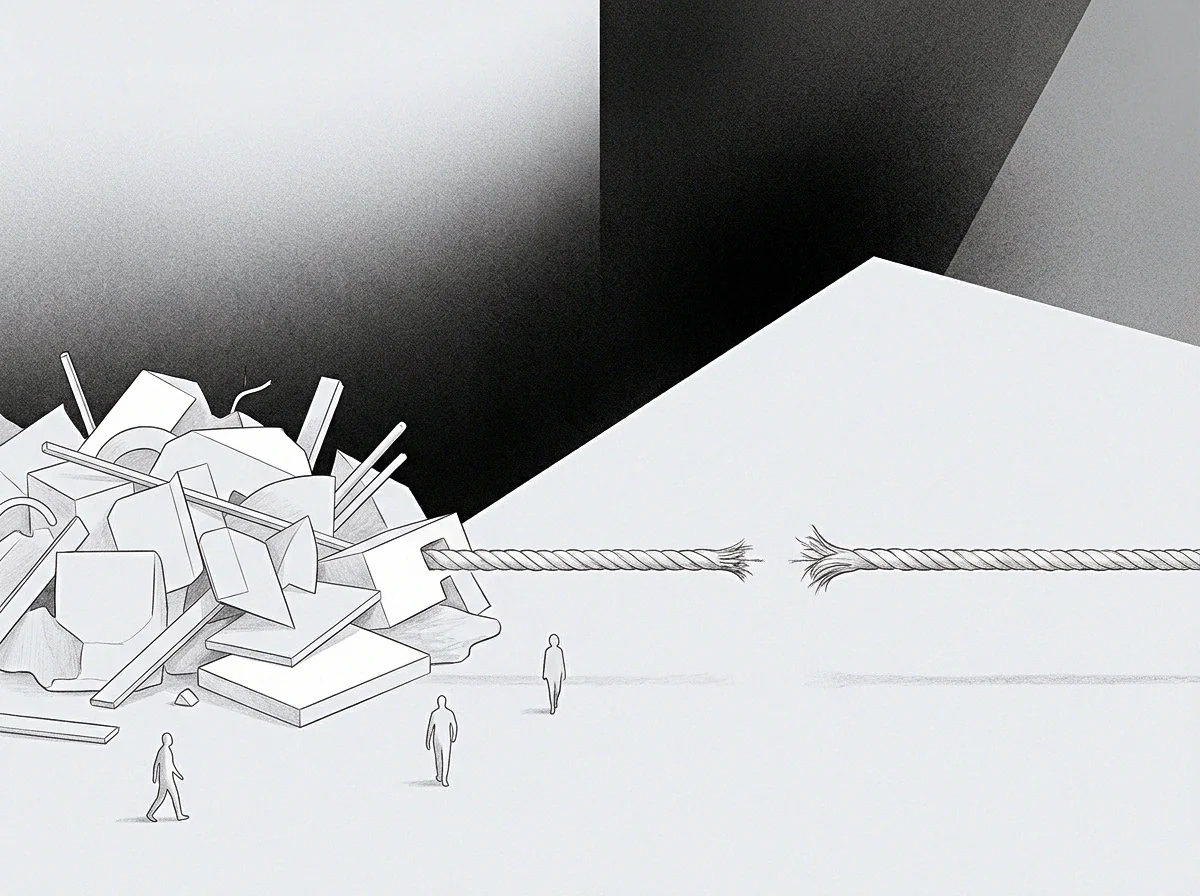
Flattened diurnal cortisol curves reflect chronic endocrine adaptation that degrades prefrontal cortex working memory headroom and executive control.

Executive depletion resolves when central leaders enforce structural limits, stopping distributed nodes from offloading local regulatory responsibility under acute shock.

Unbuffered solo operational strain flattens diurnal cortisol release, down-regulates glucocorticoid receptors, and forces high-cost self-regulation.
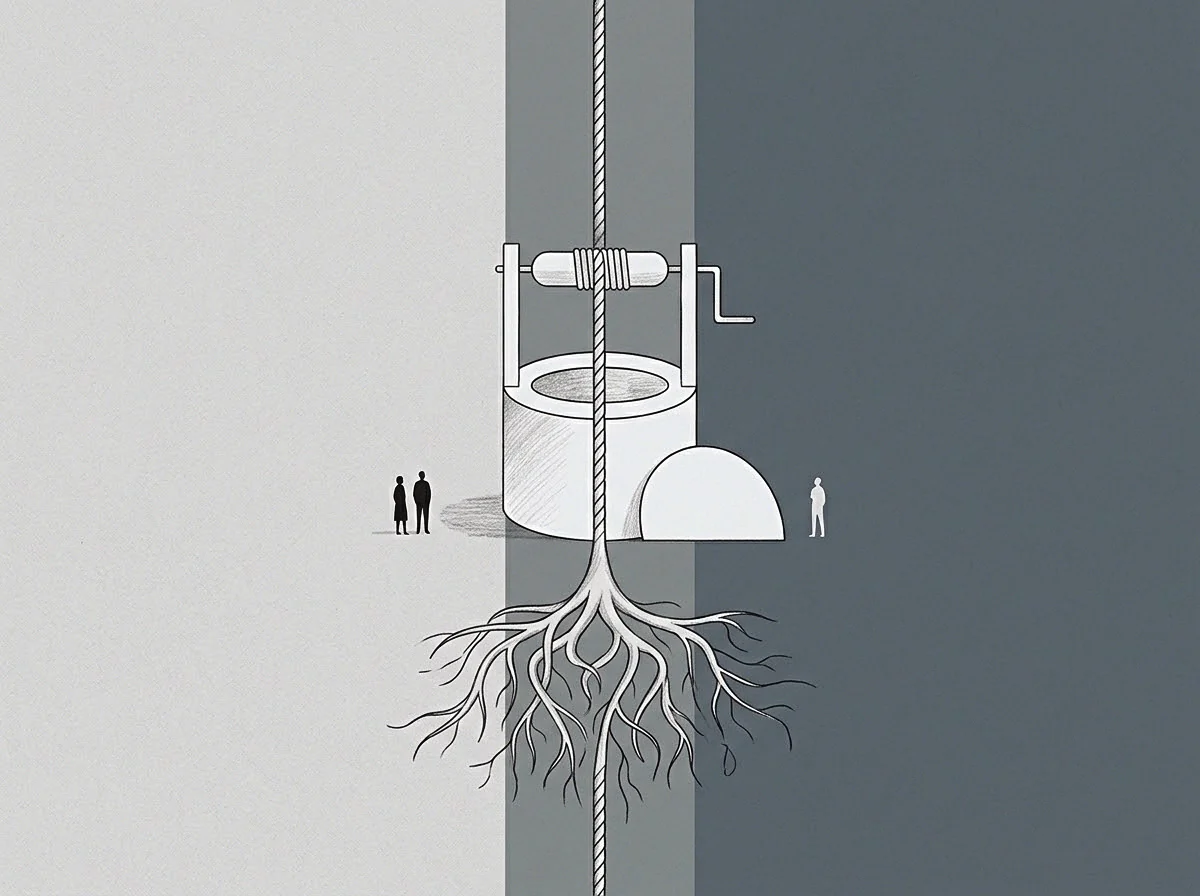
Relying on external performance metrics masks executive allostatic load, causing structural capacity limits to collapse when external signals decouple.

Autonomic throttling is the prefrontal down-regulation triggered when ungated enterprise loops exceed executive metabolic capacity.

Capital scarcity accelerates executive exhaustion by converting financial buffer deficits into unsustainable interpersonal baseline borrowing across leadership dyads.
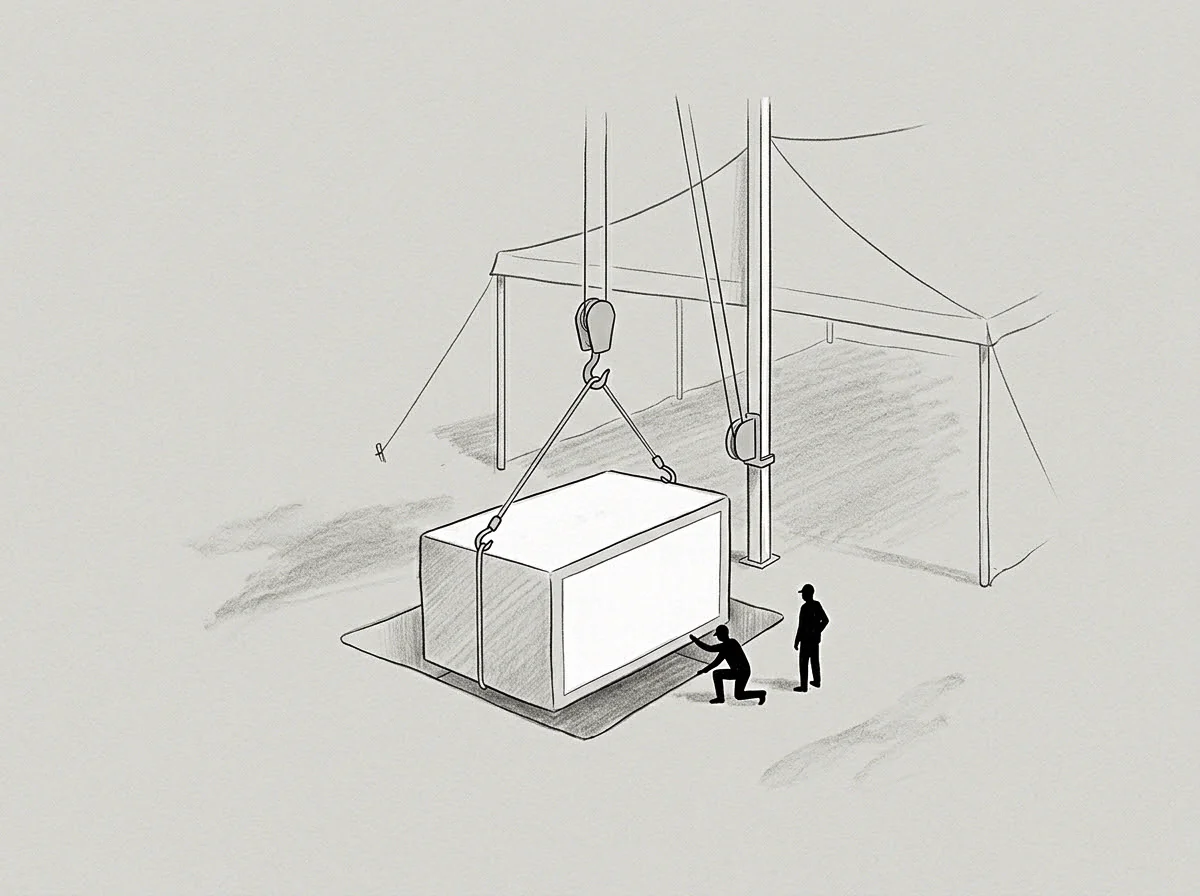
Chronic regulatory load forces physiological throttling to preserve baseline execution, misread as failing commitment when open channels exceed working capacity.

Autonomic intake restoration reverses sympathetic blockade under chronic executive load, re-establishing parasympathetic tone and visceral nutrient processing.
The terms are written where they belong. Each field holds three desks, and every entry a desk writes raises the terms it uses, each term given a meaning, a mechanism and the places it appears. The record on these pages stays first person and hand made; the fields grow the nomenclature.