

Deriving Sustainable Availability Across Shared Channels After Codifying Relational Governance
Codified governance holds only when shared channel latency becomes an observable cost rather than a personal refusal.
Codified governance holds only when shared channel latency becomes an observable cost rather than a personal refusal.

Chronic high threat locks defensive priors by treating safety signals as noise, blocking internal model updates until shared load disconfirms catastrophe.

Operational boundaries succeed when structured intake forms and explicit response intervals replace direct executive responsiveness under scaling counterparty volume.

Dynamic allostatic load constraints protect multi-tier supervisory architectures through automated throttling and hard concurrency limits during volume spikes.

Executive boundaries transfer unmediated load during scaling until explicit terms establish rigid structural stops and isolate residual operational strain.

Delegated authority thresholds eliminate operational latency by establishing explicit boundaries for autonomous spending and execution without executive consent.

Executive decision congestion develops when rapid growth multiplies operational inquiries while approval authority remains locked in central leadership.

Structural capacity under investor consent rights is preserved by replacing ad hoc approvals with explicit contractual thresholds and budget carve-outs.

State-gated capacity management blocks unscheduled board demands until operational recovery metrics match the cognitive threshold of the vote.

Multi-party consent requirements split corporate authority into class-based vetoes, creating operational deadlocks that yield only to structural amendments.

Growth contracts replace subjective investor veto rights with quantitative variance thresholds that convert discretionary approval into automated state gates.

A discretionary board veto suspends operational execution into an open governance loop, triggering severe state restoration latency and enterprise degradation.

Portfolio governance gates insulate capital placement by transferring allocation limits from fatigued decision makers to binding procedural hurdles.

Context clearance duration expands when directors lack ambient system knowledge, forcing executives to spend operational cycles converting reality into defensive narrative.
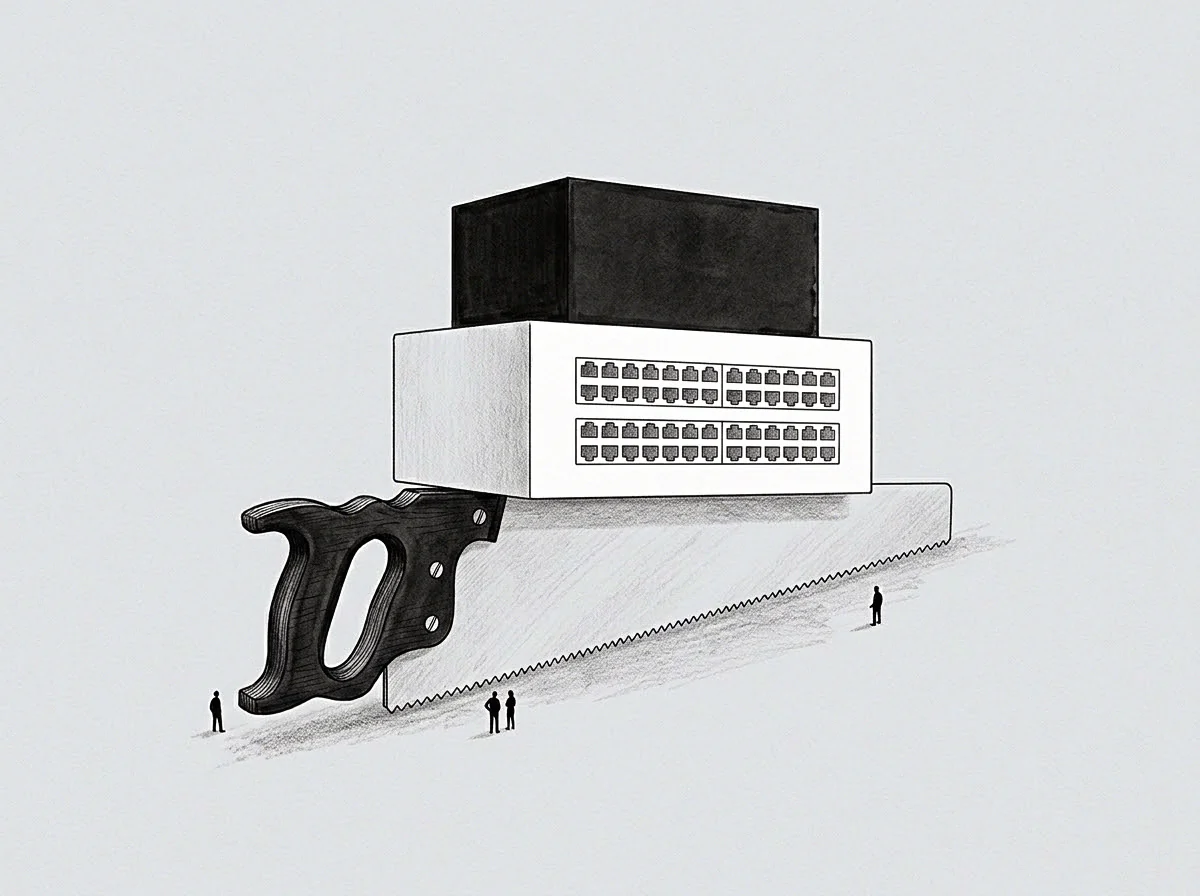
Investor consent covenants trigger attention switch costs that deplete executive capacity by forcing operational context into defensive approvals.
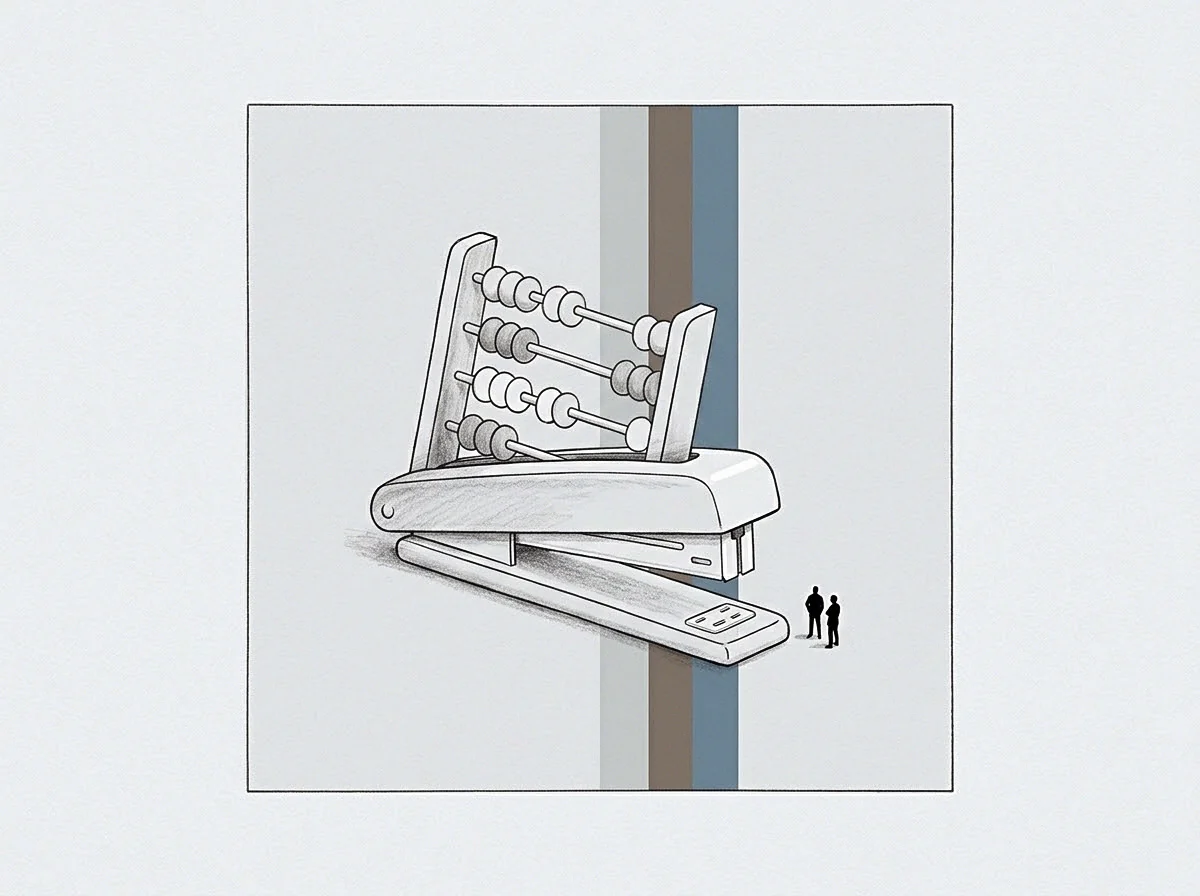
Structural intake protocols convert erratic pings into batched queues, protecting operator capacity while scheduled windows preserve team certainty.

Threshold gated governance interfaces convert prospective administrative obligations into deterministic state-triggered executions, eliminating mental tracking load.

Monthly governance cycles overload executive working memory by multiplying open cognitive threads and extraneous load, degrading daily operational decision quality.

When unthrottled client streams hit fixed capacity limits, system stability requires structural rate regulation rather than internal load absorption.

Shared baseline architectures distribute autonomic load through structured peer proximity, preventing central leadership from becoming the sole calming resource.

A governance term transfers live volume away from personal executive stamina only when threshold breaches activate automated deflection rather than consultation.

A stated limit functions as a wall only when operational intake halts automatically at capacity without relying on ongoing personal refusal.
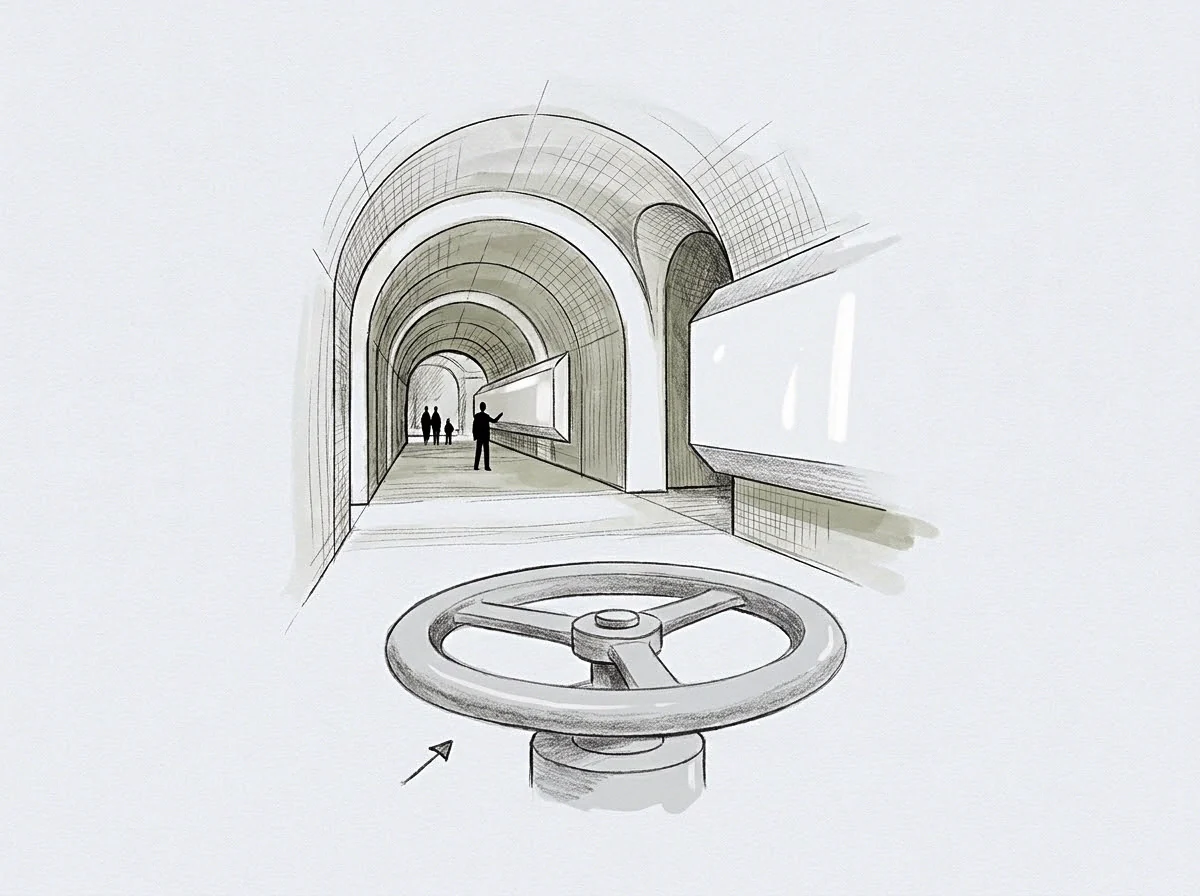
Stated operational caps halt queue accumulation by bounding open counterparty transactions and dropping or deferring work exceeding defined response windows.

Early executive systems without buffers transfer operational volatility directly to the individual, driving biological throttling misdiagnosed as depression.

Explicit operational limits replace personal endurance with structural parameters, forcing external systems to absorb their own coordination costs.

Fixed operating boundaries protect executive cognitive headroom during liquidity shocks by mechanically deflecting tactical escalations into standardized protocols.

Sustainable throughput is measured by fixing operating hours permanently and recording the exact work volume completed within those immutable boundaries.

Executive bandwidth covenants remain legally binding in insolvency, barring lenders from compelling uncontracted labor despite threats to accelerate debt.

Procedural governance walls defend executive cognitive headroom by converting direct relational pressure into rigid, rule-bound administrative friction.

Executive bandwidth bounds investor friction by converting open-ended legal inspection covenants into batch-processed, calendar-gated information disclosures.
The terms are written where they belong. Each field holds three desks, and every entry a desk writes raises the terms it uses, each term given a meaning, a mechanism and the places it appears. The record on these pages stays first person and hand made; the fields grow the nomenclature.