

Metabolic Limits Of Relational Regulation In Strained Leadership Teams
Shared social proximity lowers biological threat monitoring expenditure, while solitary leadership regulation transfers the metabolic tax entirely to the central anchor.
Shared social proximity lowers biological threat monitoring expenditure, while solitary leadership regulation transfers the metabolic tax entirely to the central anchor.

Scaling increases solitary threat appraisal, degrading relational models unless unilateral load absorption shifts toward distributed co-regulation.
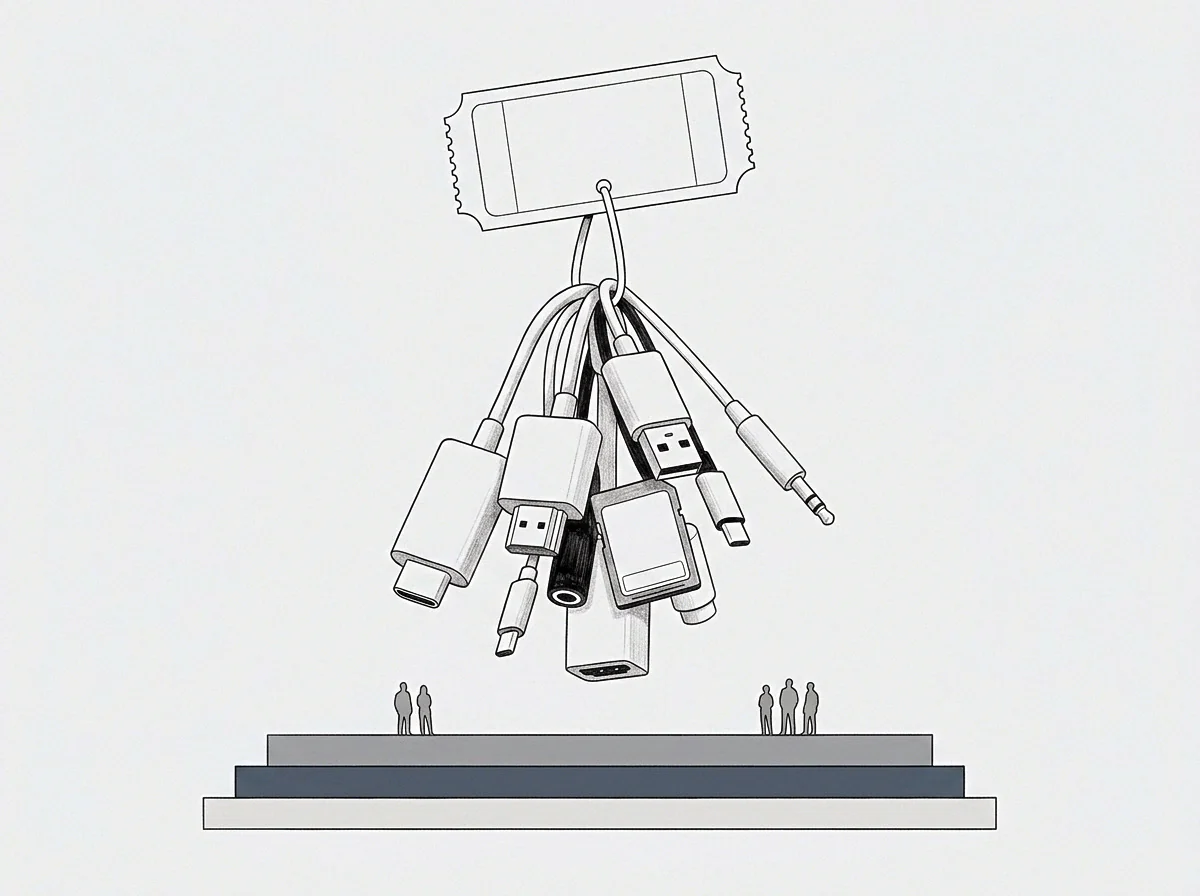
High sustained work load delays parasympathetic recovery upon entering home environments, converting domestic proximity into acute sympathetic expense.

A stated limit functions as an immovable structural wall that redirects systemic strain back to its source rather than absorbing it through personal exhaustion.

Allostatic load accumulates when an individual acts as an unbuffered regulatory dampener for surrounding anxiety, exhausting personal biological reserves.

A stated structural limit transfers operational load to governance protocols, shielding executive capacity from continuous system pressure.

Stated operational terms convert active evaluation into passive rule execution, preserving executive cognitive headroom by preventing continuous real-time load transfer.
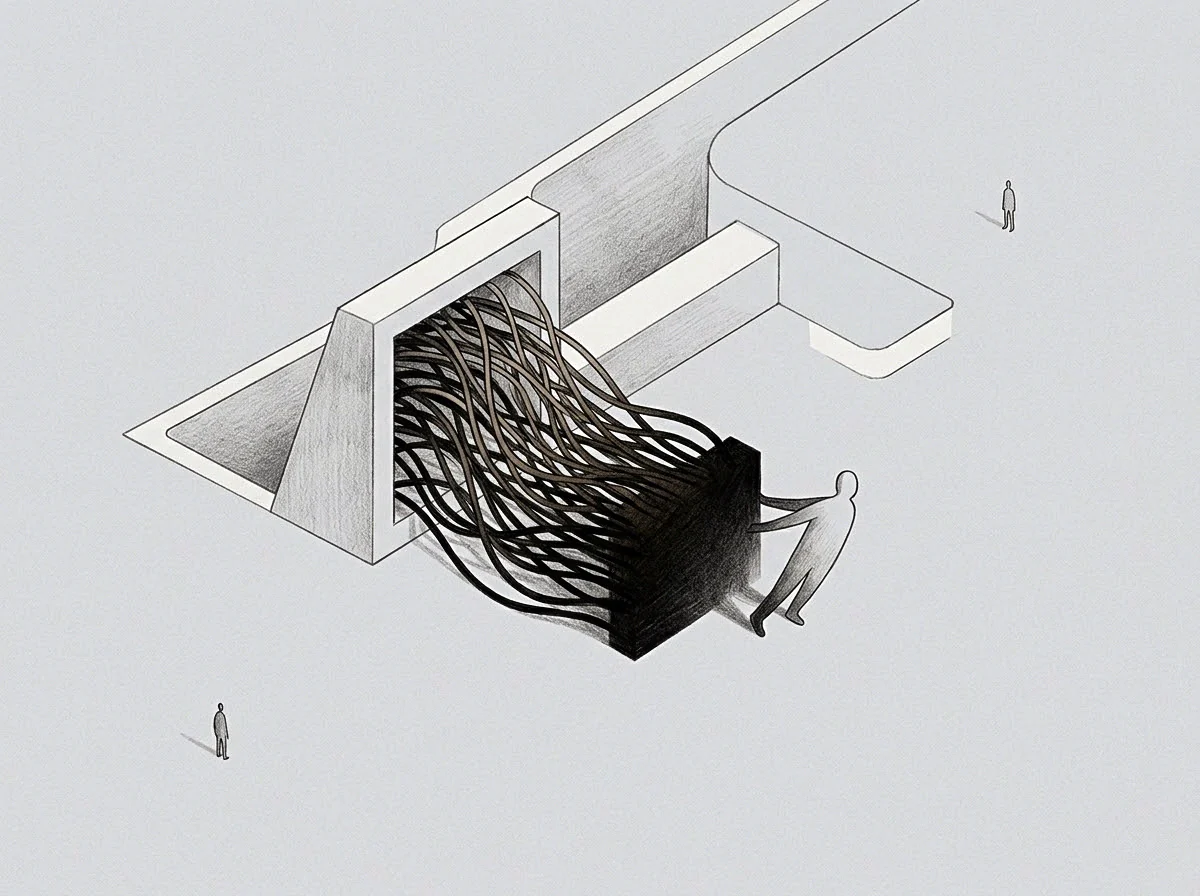
Operational load in scaling teams flows toward unstated limits until explicit terms convert personal capacity into bounded structural architecture.

Systemic availability limits derive directly from explicit governance terms that govern latency windows, concurrency caps, and intake throttling protocols.

Stated priority limits keep operational requests out of executive headroom by converting personal availability into explicit, system-enforced boundaries.

Explicit operational terms prevent systemic load transfer by establishing physical transfer functions before executive floor capacity setpoints are breached.

Enterprise decision latency under severe exhaustion measures structural processing lag caused by allostatic depletion, shifting choices toward default outcomes.

Hard operating boundaries protect depleted executive seats by mechanically filtering incoming load through latency buffers and rigid structural terms.

Chronic somatic exhaustion converts primary operator capacity into unhedged enterprise risk, discounting future operating cash flows through degraded execution.

Systemic overload forces founding teams into metabolic exhaustion unless unyielding structural terms replace individual willpower as operational limits.

Scaling co-founders transfer operational load when execution limits are stated as explicit structural terms rather than absorbed through individual endurance.

An executive system under load transfers operational pressure by establishing explicit throttling boundaries rather than allowing downstream actors to derive availability from silence.

Systemic availability limits are derived directly from explicit governance terms that convert operational pressure into structural resistance.

Explicit operational governance terms set fixed capacity limits by converting subjective personal willingness into readable structural constraints.

High-growth corporate systems collapse when individual operational capacity replaces explicit governance terms to absorb continuous transactional throughput.

Rapid operational scaling creates exponential exception escalations that destroy executive attentional reserves unless bounded by rigid governance filters.

High executive stress shuts down relational receptors by forcing continuous solo regulation, requiring bounded micro-exchanges to rebuild passive autonomic intake.

Stated operational limits transfer cognitive load back to organizational processes by replacing continuous implicit availability with explicit parameters.

Executive systems manage high operational ingress by configuring strict intake parameters, throttling queues, and enforcing state-gated routing boundaries.
Solo hypervigilance maintains high metabolic regulation costs until repeated somatic micro-exchanges build an internal receptor slot for mutual co-regulation.
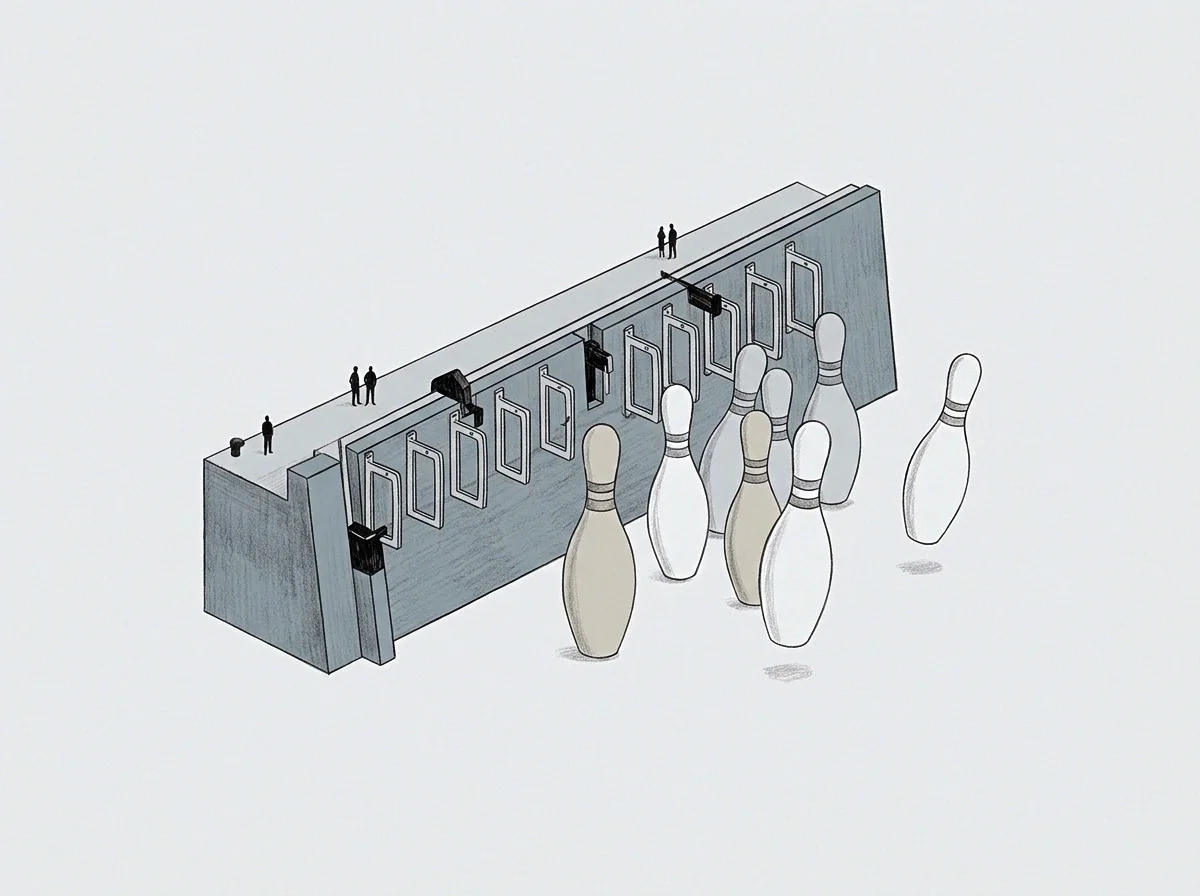
Structural latency protocols enforce mandatory time delays on communication channels, shielding engineering concentration and lowering cognitive context switches.

Early exploration decay in isolation resolves by enforcing physical boundaries and phased non-intervention checkpoints that bound conceptual drift.

Stating concrete operational limits shifts decision accountability to middle management layers before executive cognitive reserves deplete.

Operational transfer protocols automate the migration of critical executive authority to secondary roles when physical strain breaches defined baseline thresholds.

Unstated executive capacity breaches force silent attention rationing, distorting downstream resource allocation across dependent operational teams.
The terms are written where they belong. Each field holds three desks, and every entry a desk writes raises the terms it uses, each term given a meaning, a mechanism and the places it appears. The record on these pages stays first person and hand made; the fields grow the nomenclature.