

Transitioning Operational Leadership Away From Executive Buffering
Operational leaders develop real regulatory capacity only when executives cease absorbing systemic shocks and permit direct exposure to operational friction.
Operational leaders develop real regulatory capacity only when executives cease absorbing systemic shocks and permit direct exposure to operational friction.

Availability is derived from stated capacity limits rather than calendar declarations when founding allocations shift under operational load.

A stated operational limit forces distributed problem resolution by halting the passive metabolic absorption of collective threat by a single steady colleague.

Executive capacity survives through cold structural throttles, latency gates, and stated terms that absorb organizational load without personal negotiation.

Credit underwriting models elevate capital hurdle rates when concentrated operational assets face statutory throughput limits and discretionary regulatory reviews.

Executive fatigue delays capital authorizations, creating inventory carrying penalties, forfeited supplier discounts, and mandatory asset write-downs.

Repeated exposure to contingent co-presence during operational threat recalibrates neural budgets and constructs an earned regulatory template.

Graduated throughput covenants allocate operational liability across leadership when physical decay diminishes executive capacity before legal breach occurs.

A springing fiduciary covenant transfers executive signing authority to a designated committee upon verifiable non-judicial evidence of physical incapacity.

Human autonomic systems conserve energy through physical proximity, setting an absolute biological limit on how many decisions one body can stabilize.

Automated governance circuit breakers decouple exhausted operator biology from capital authority through objective biometric triggers and treasury lockouts.

Executive biological strain sets the physical limit on capital deployment speed, converting unmonitored stress into misallocated corporate treasury funds.

Capital authorization requires verifying operator cognitive headroom and execution bandwidth before releasing balance sheet funds into complex assets.

Executive attention under concurrent operational stress behaves as a finite processing queue requiring non-preemptive time blocks and explicit load shedding.

Autonomic recovery latency expands when continuous operational demands prevent neuroendocrine clearance and parasympathetic restoration via vagal inhibition.
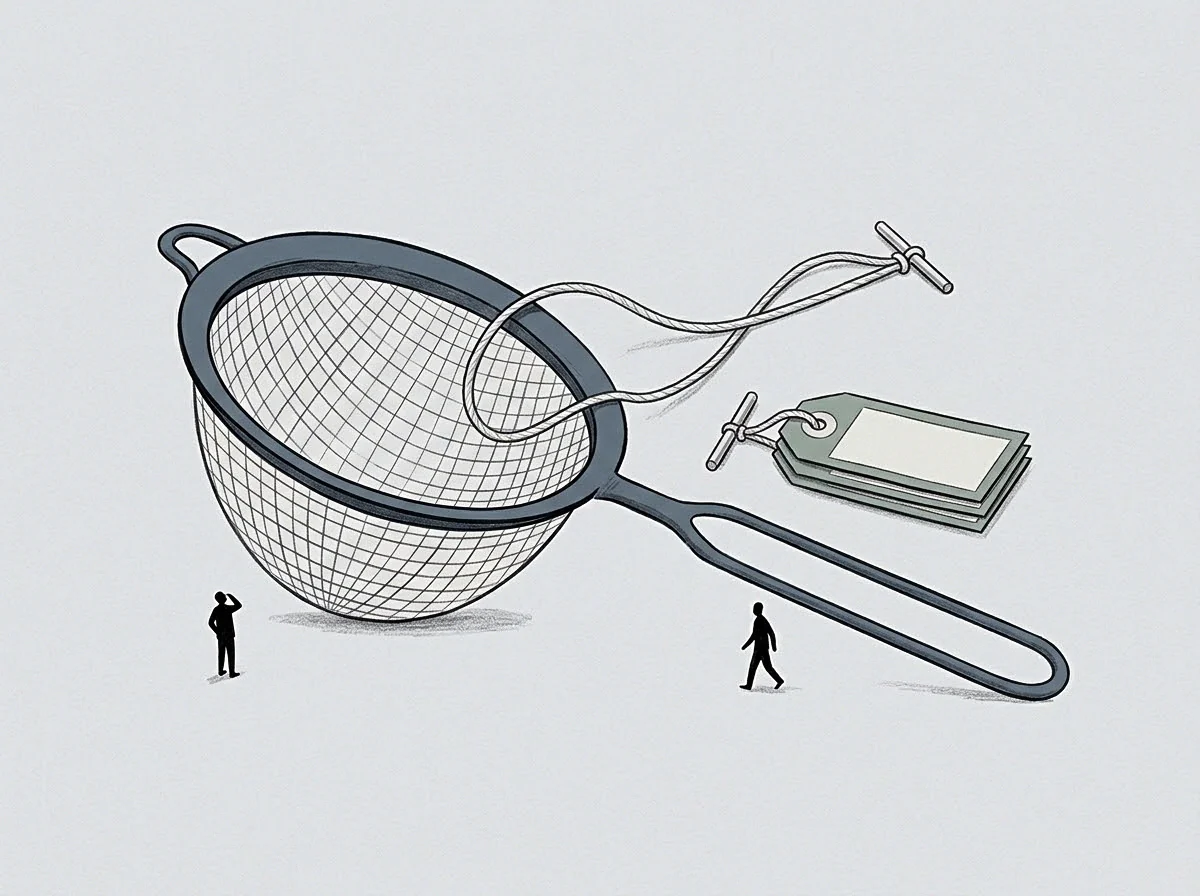
Asynchronous filter structures preserve executive headroom during outages by converting intrusive escalations into batch updates at enforced physical boundaries.

Stated escalation boundaries prevent telemetry feeds from converting executive attention into an unmetered triage buffer for routine technical events.
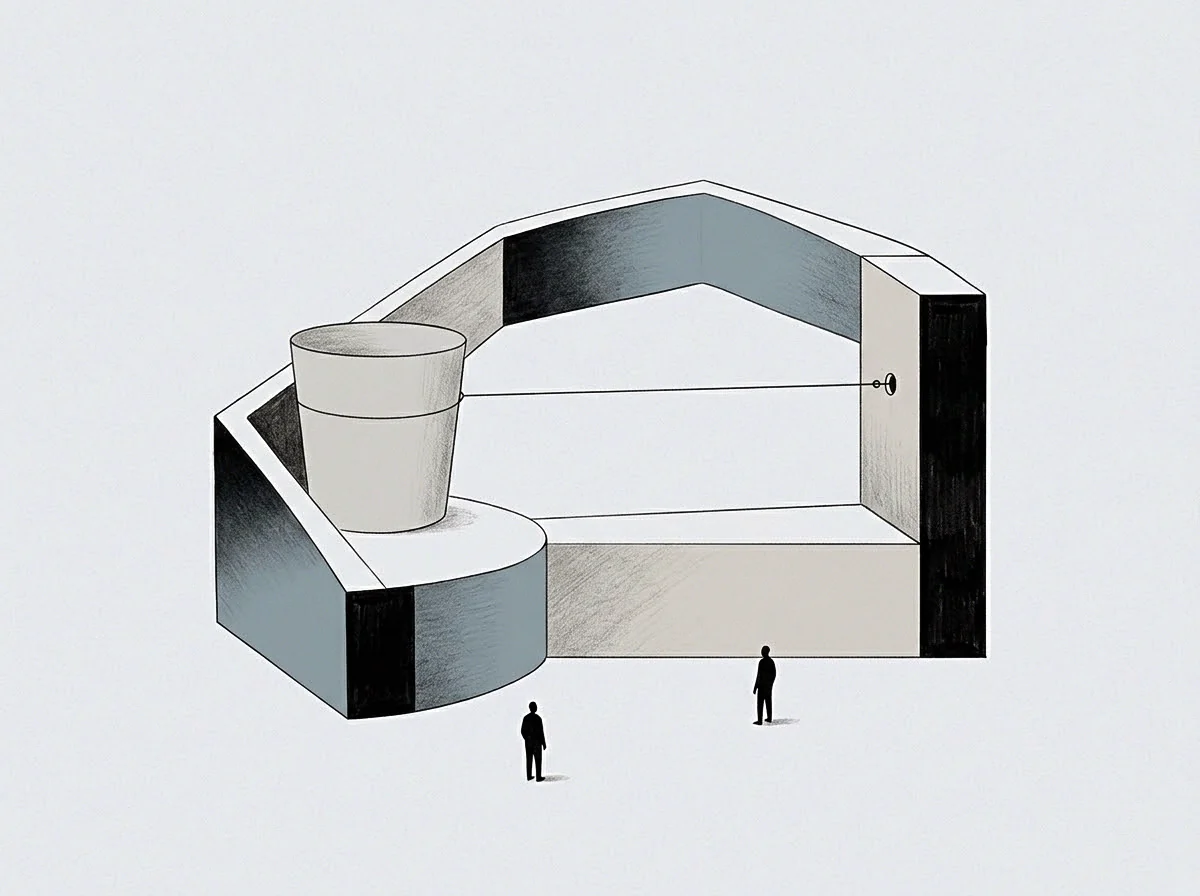
Counterparties adapt to enforced latency boundaries by probing alternative channels, consolidating query payloads, and shifting toward internal problem resolution.

Executive attention decays under continuous synchronous communication because rapid context switching saturates working memory buffers and accelerates decision fatigue.

Local co-regulation capacity expands only when experienced leads absorb peripheral nervous system load through physical presence and explicit intake limits.

Structural latency protocols enforce mandatory temporal delays between message receipt and evaluation, preserving working memory headroom for executive function.
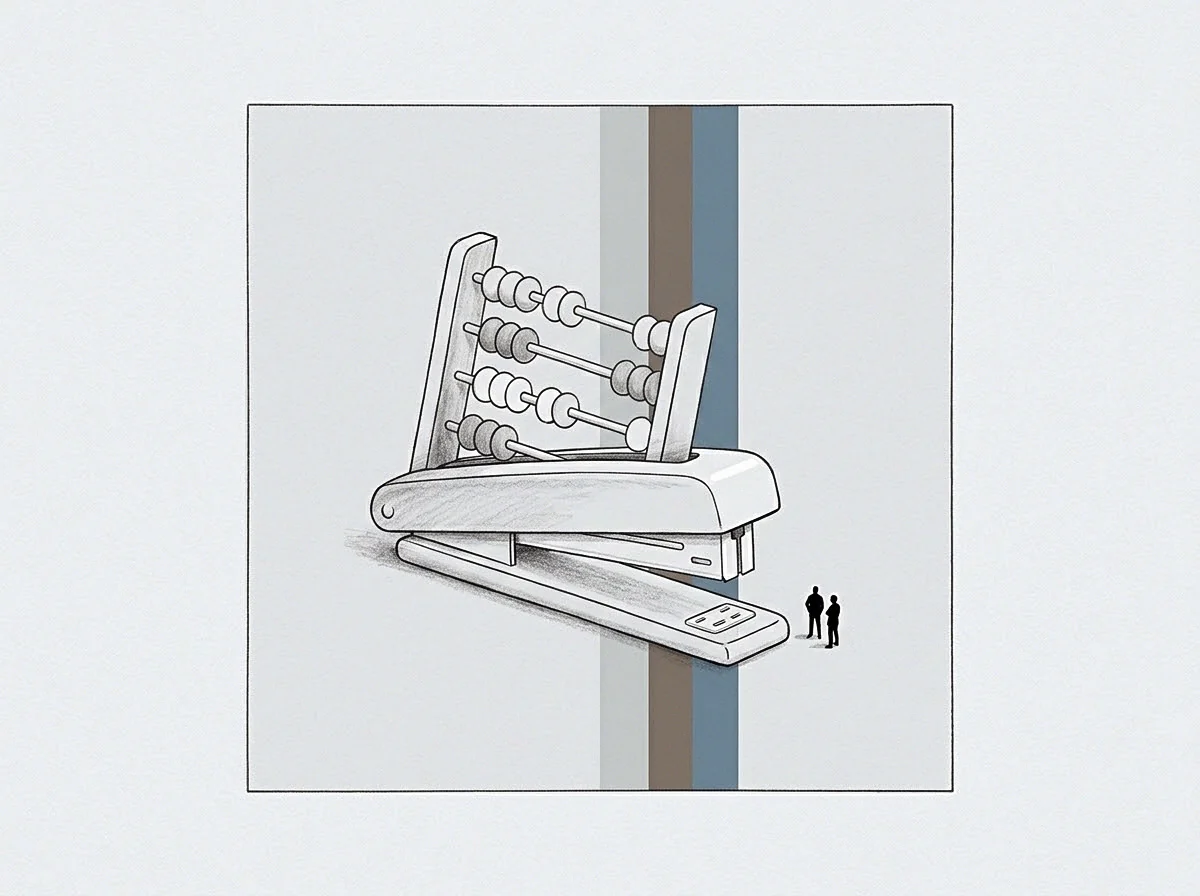
Executive transition from shock absorber to hard terms redistributes operational load by converting continuous personal availability into explicit structural limits.
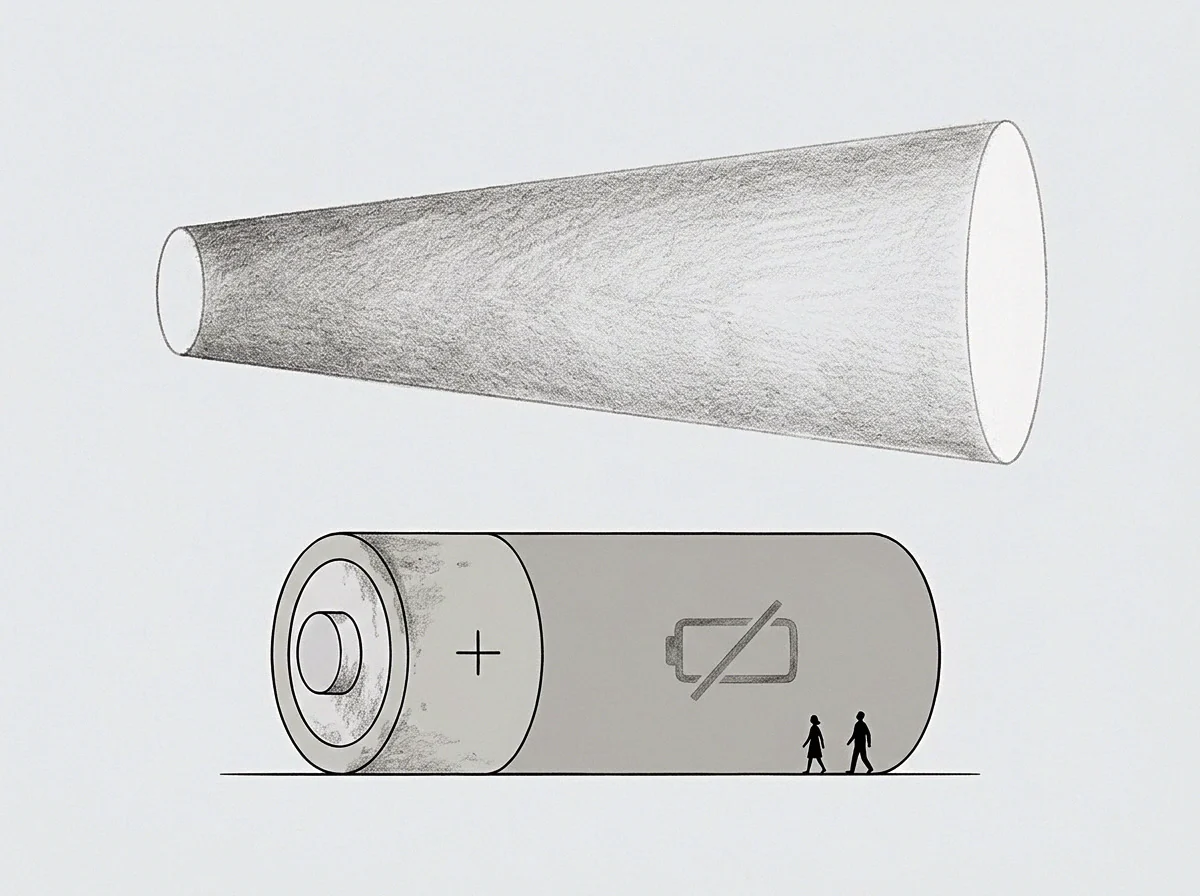
Structural terms replace human endurance with explicit operational constraints, rerouting institutional demand before it depletes biological reserves.

A stated limit acts as a structural wall that transfers operational load back to its source by establishing clear friction for unbudgeted capacity demands.

State-gated authorization protocols evaluate system telemetry rather than human discretion to permit or reject transactions during extreme operational load.

Stated capacity bounds protect executive governance by replacing human endurance with explicit structural refusal rules that halt external load transfers under strain.

Physical fatigue delays risk processing across governance boards, converting decision latency into unmonitored structural exposure that preset limits contain.
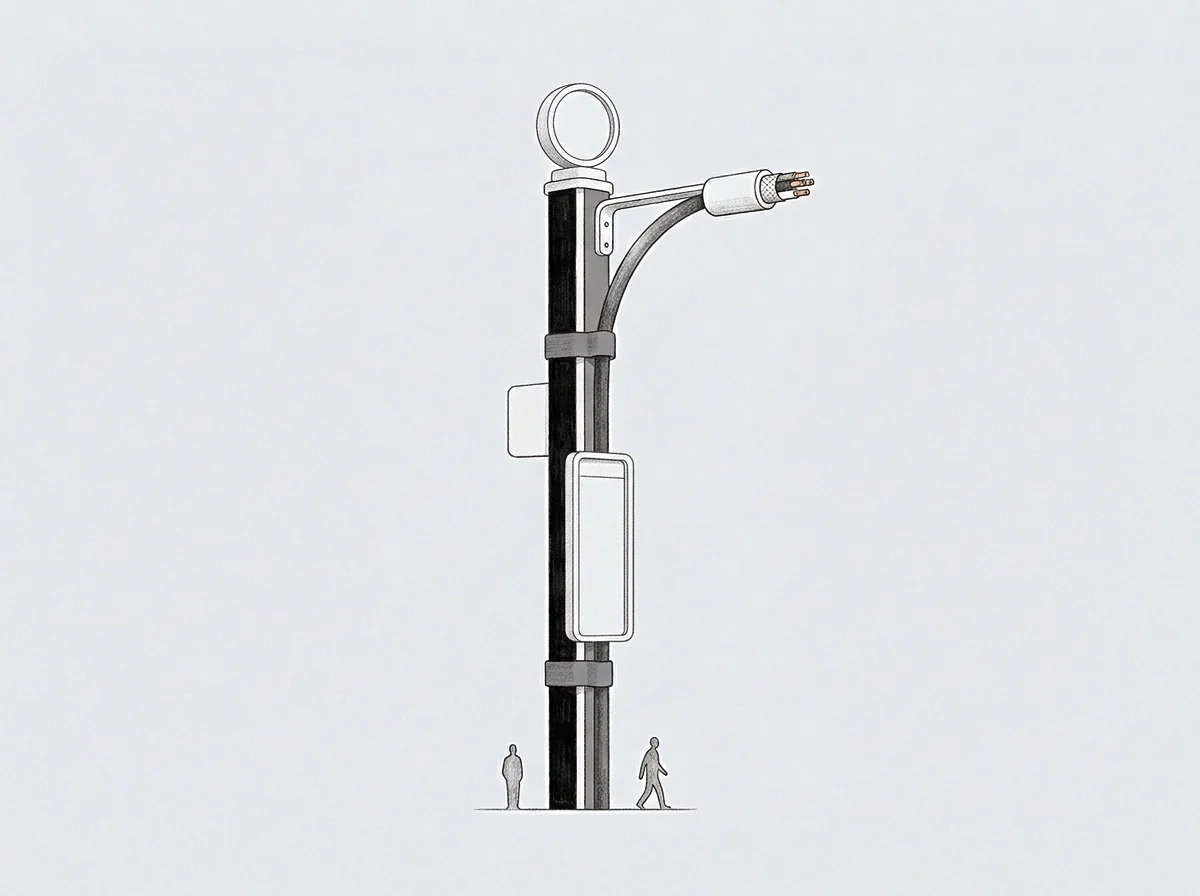
Governance processing latency expands exponentially under chronic allostatic load as high-dimensional executive synthesis yields to operational triage.

Organizational delegation thresholds must align with biological working memory limits of four chunks to prevent executive bottlenecks and cognitive collapse.
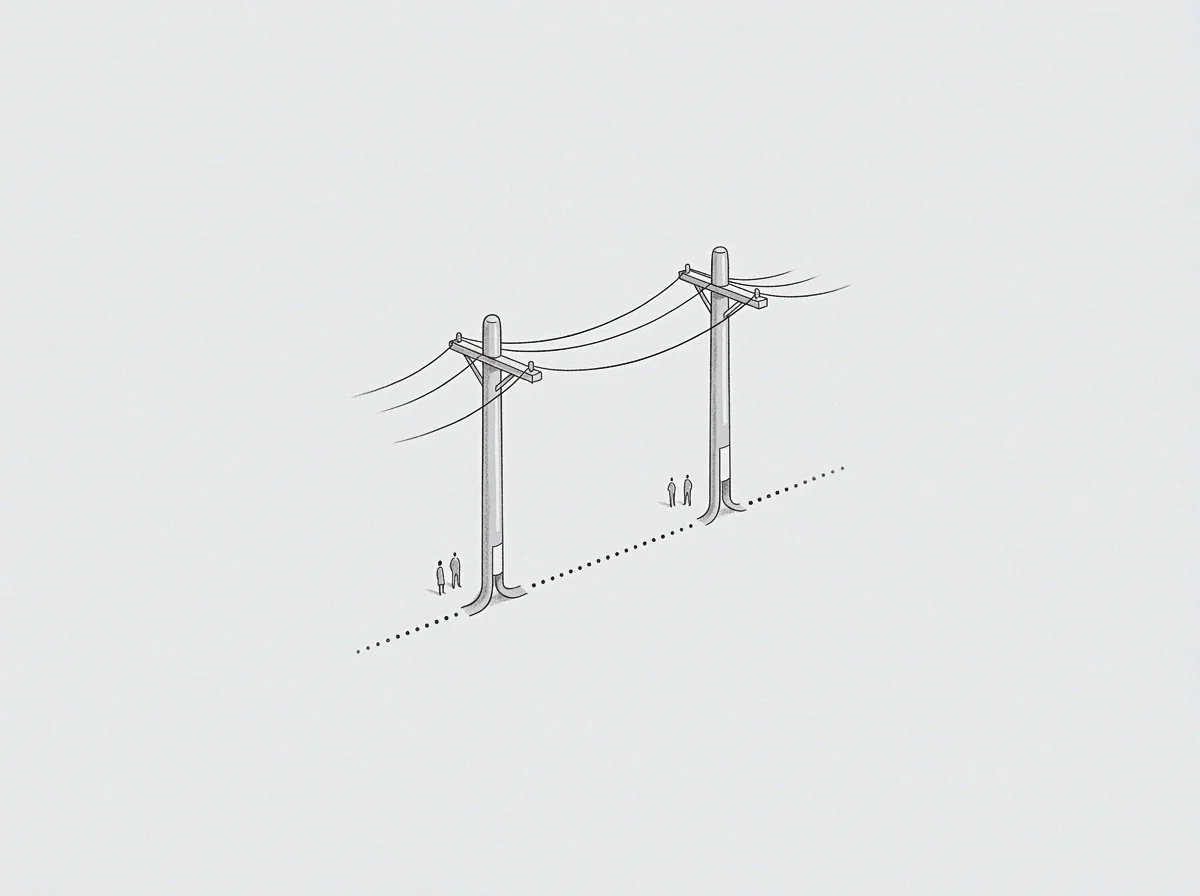
Continuous communicative concurrency injects background noise into neural processing, degrading evidence accumulation rates and forcing premature decision boundary collapse.
The terms are written where they belong. Each field holds three desks, and every entry a desk writes raises the terms it uses, each term given a meaning, a mechanism and the places it appears. The record on these pages stays first person and hand made; the fields grow the nomenclature.