
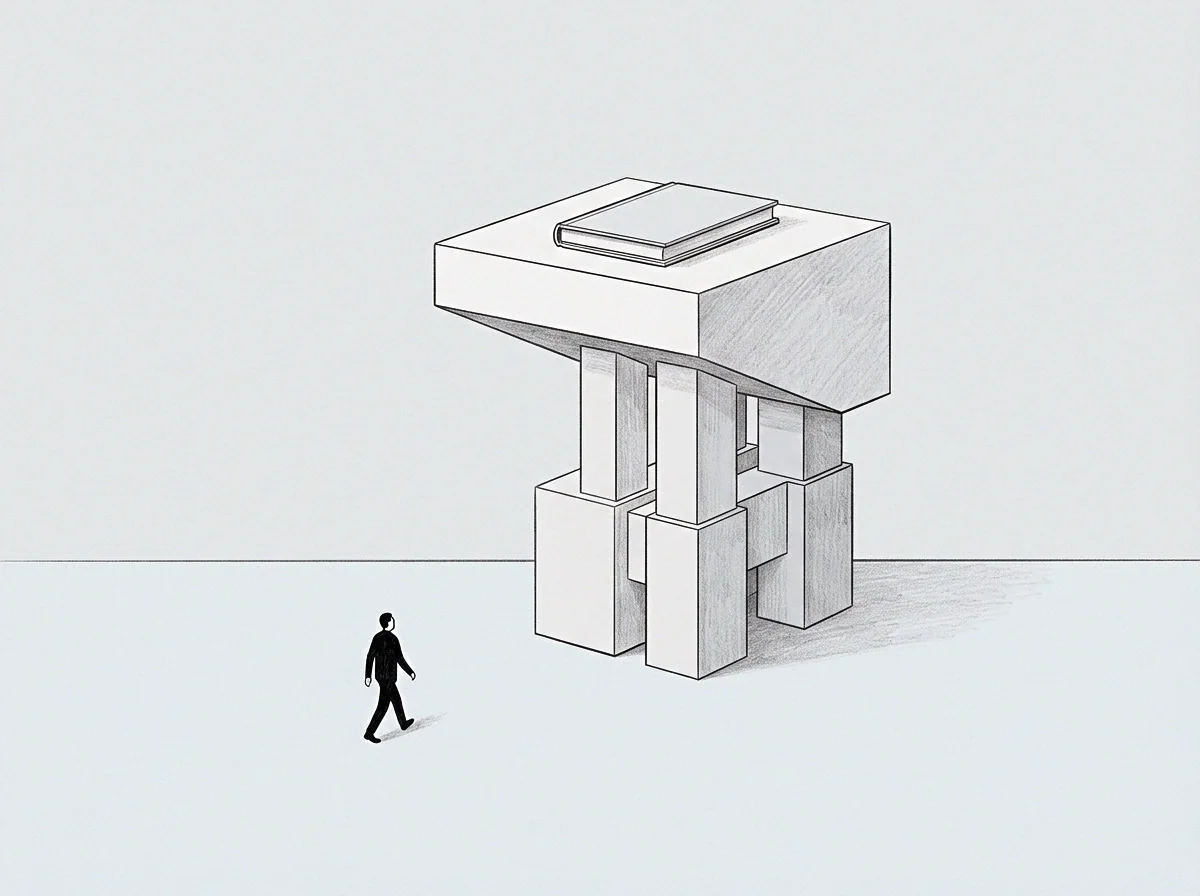
Baseline Regulation Costs During Corporate Capital Retraction
Corporate capital retraction forces leaders to absorb structural volatility directly, spiking baseline regulation costs as external shock absorbers vanish.
Corporate capital retraction forces leaders to absorb structural volatility directly, spiking baseline regulation costs as external shock absorbers vanish.

Inverted autonomic regulation templates arise when leaders internalize sole stress stewardship, requiring physical and operational barriers to force co-regulatory recalibration.
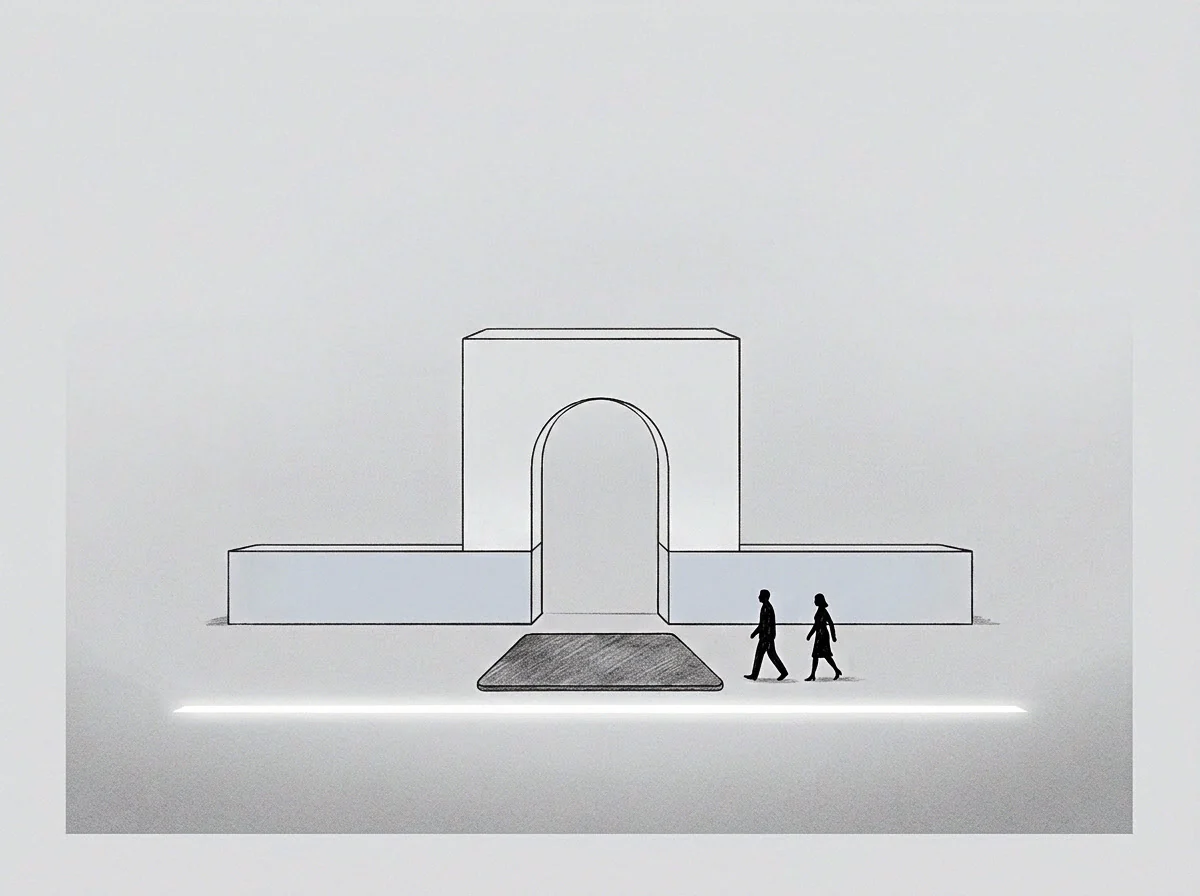
Low-demand proximity rebuilds receptor sensitivity by removing verbal and emotional tasks, allowing the brain to process social presence as a metabolic asset.

Neural receptor slot recoupling restores reciprocal co-regulation capacity in primary operators by replacing high-cost self-regulation with earned security.

Sustained solitary leadership downregulates glucocorticoid receptor sensitivity through unbuffered stress drive, causing chronic inflammation and metabolic fatigue.
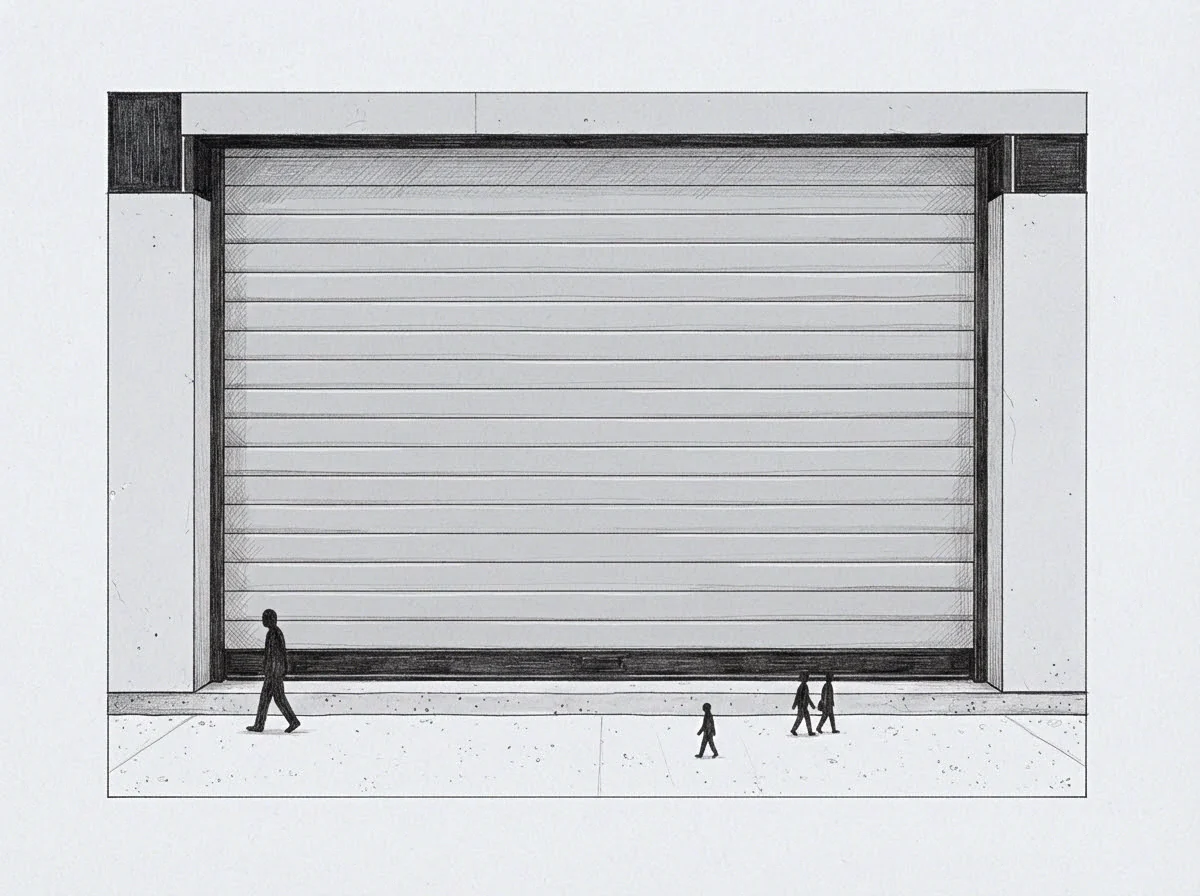
When escalation channels close permanently, local nodes rebuild regulatory capacity by replacing borrowed stability with explicit containment limits.

Structural boundaries block upward risk migration under shock, forcing local units to mitigate threat locally and preserving central operator capacity.
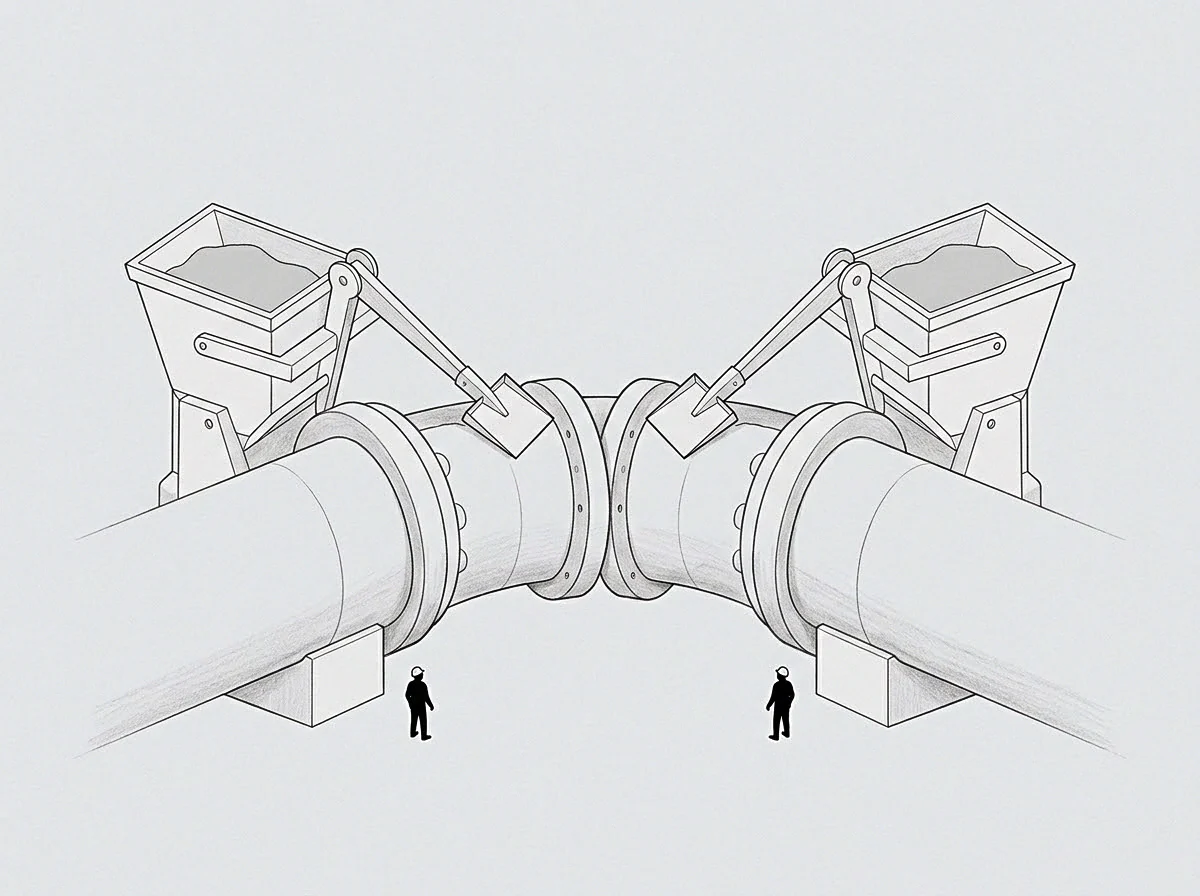
Executive allostatic load accelerates in distributed crises because asynchronous channels eliminate social baseline co-regulation while continuous pings demand uninterrupted threat budgeting.

Solitary executive threat appraisal forces autonomic hyper-vigilance, depleting metabolic energy budgets until co-regulatory relational baseline structures restore systemic efficiency.

The human brain budgets metabolic regulation by assuming relational proximity; high-stakes leadership isolates regulators, forcing expensive unassisted self-regulation that accumulates severe allostatic load.

Persistent organizational co-regulation without personal buffering forces executive autonomic systems to absorb environmental volatility as elevated baseline allostatic load.

Stated limits during initial systems architecture transfer operational load from human regulators to structural walls by defining availability in explicit terms.
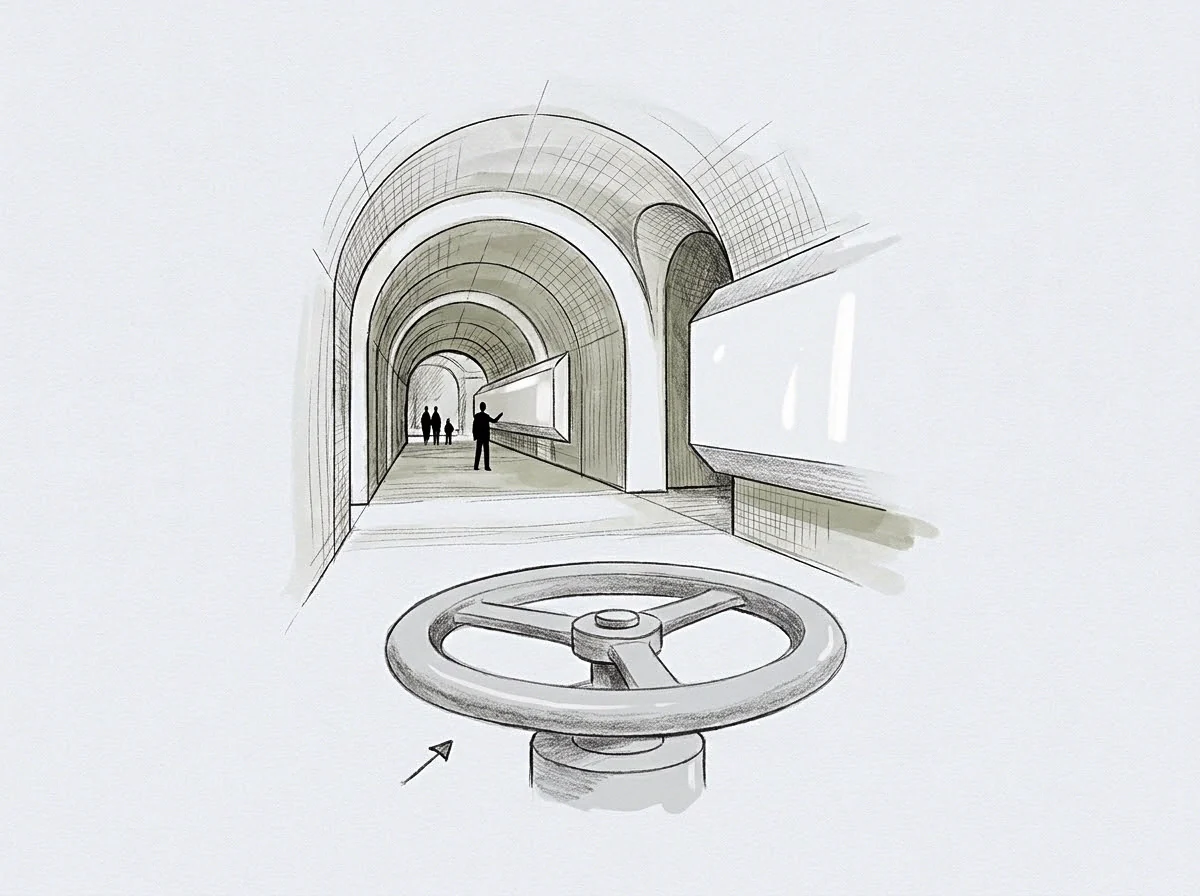
Physiological stress in leadership teams transfers through autonomic resonance, requiring explicit structural throttles and relational co-regulation to prevent executive burnout.

Relational working model snaps trigger dorsal vagal throttling in primary regulators, requiring structured sensory isolation and micro-paced co-regulation to rebuild neural receptor slots.

Exhaustion of borrowed calm bandwidth causes total breakdown of the regulator template, forcing autonomic disengagement and revealing the biological cost of unbilled co-regulation.
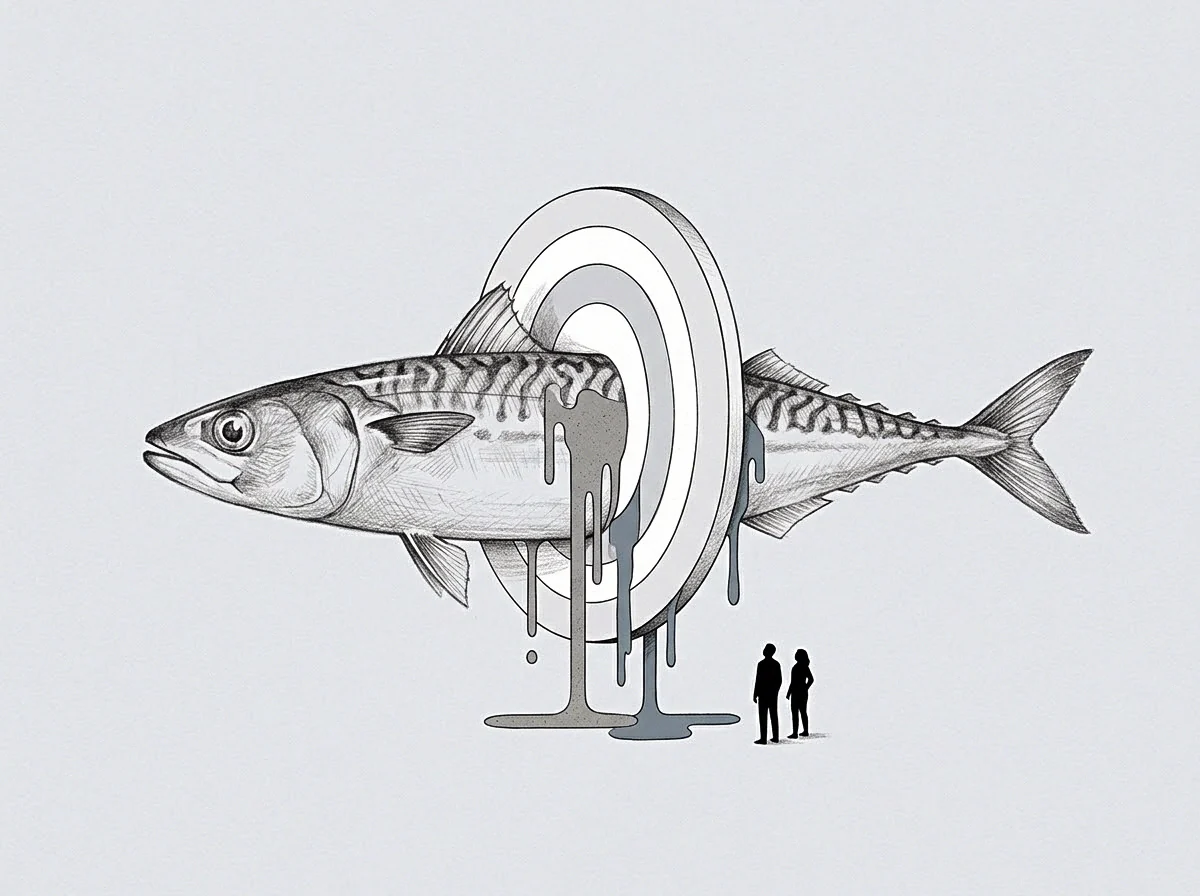
Social baseline theory demonstrates that the brain budgets regulation as a shared economy, making solitary vigilance an expensive deviation from default rest.
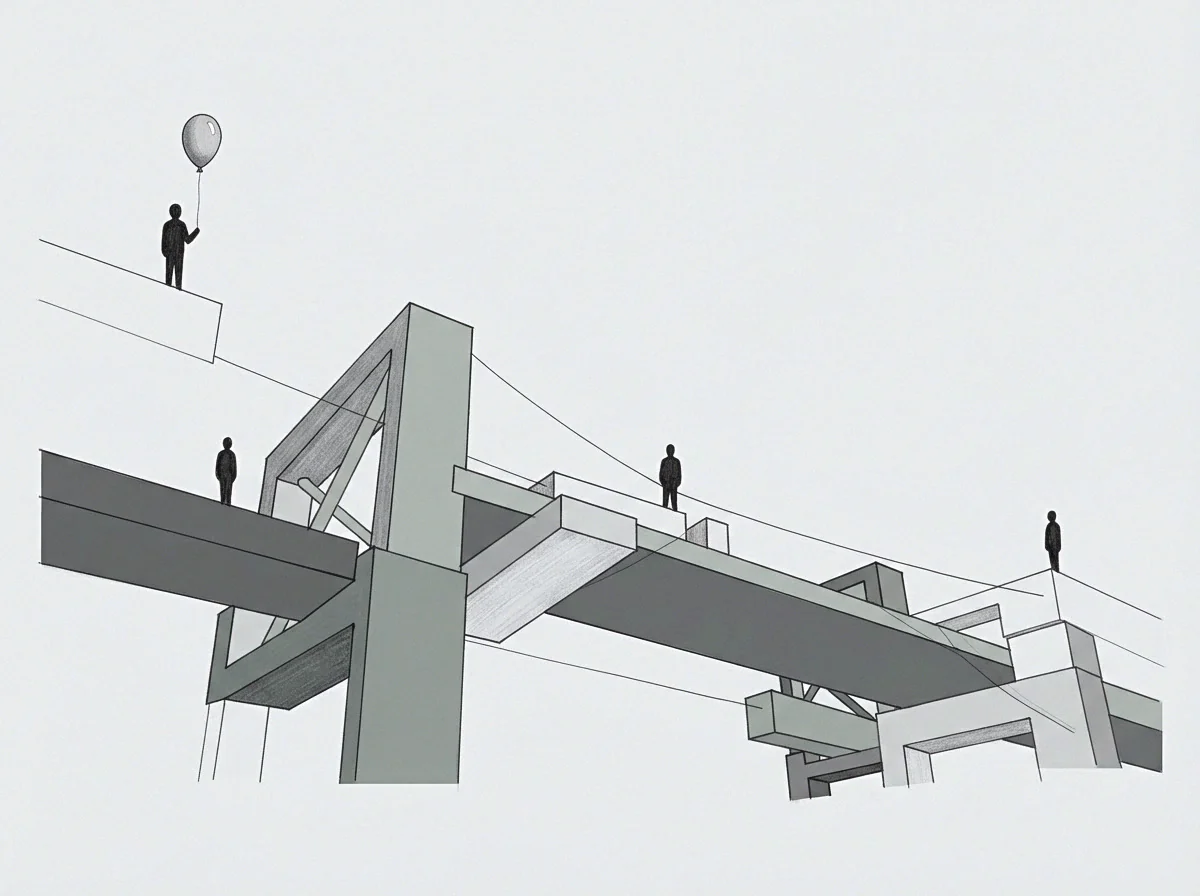
Executive leaders absorbing team anxiety without a co-regulating partner exhaust their autonomic baseline, forcing physiological debt and systemic collapse.
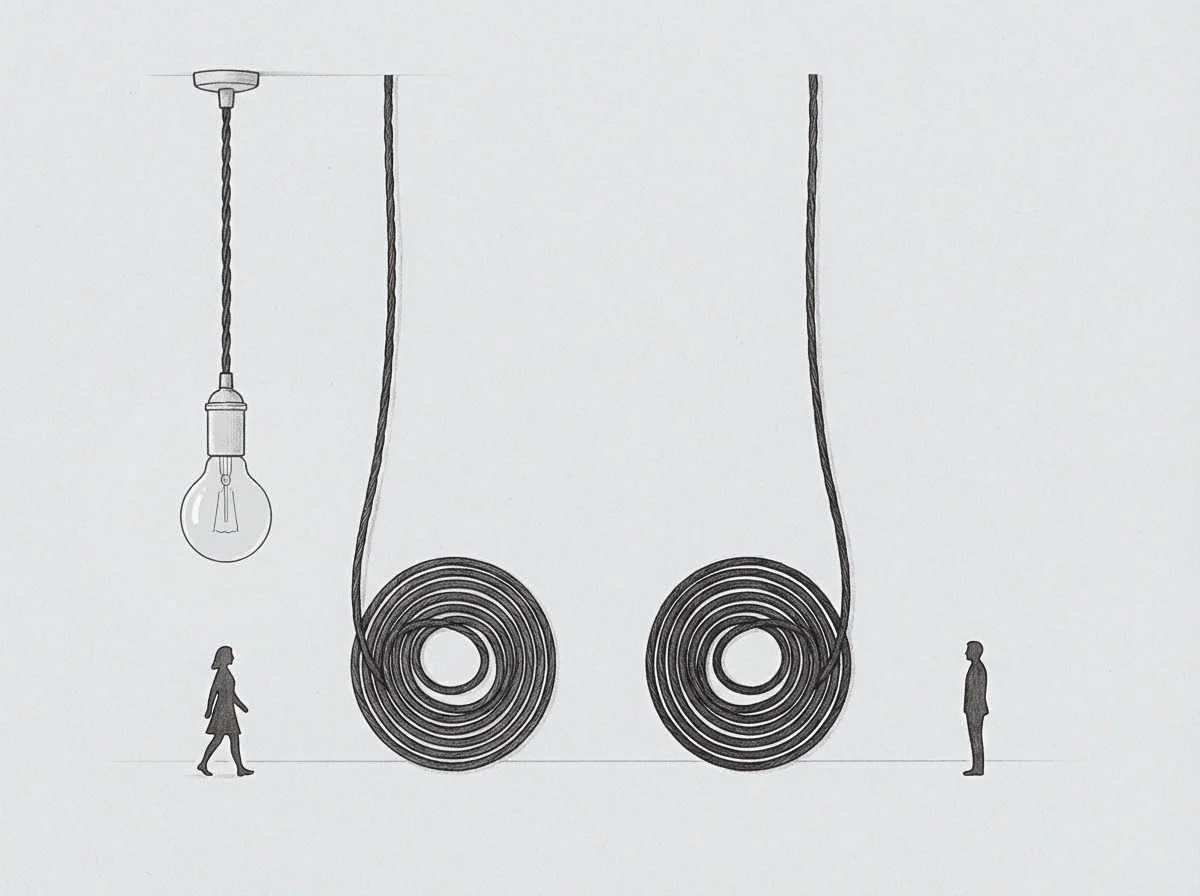
The brain defaults to shared social proximity to conserve energy, rendering solitary self-regulation metabolically expensive and prone to systemic fatigue.

Non-reciprocal relational architecture forces isolated self-regulation, generating high allostatic load that blocks earned security updates until reciprocal co-regulation is introduced.

Primary regulators absorb partner stress through proximity, lowering partner autonomic costs while quiet allostatic expenditure consumes the regulator baseline.
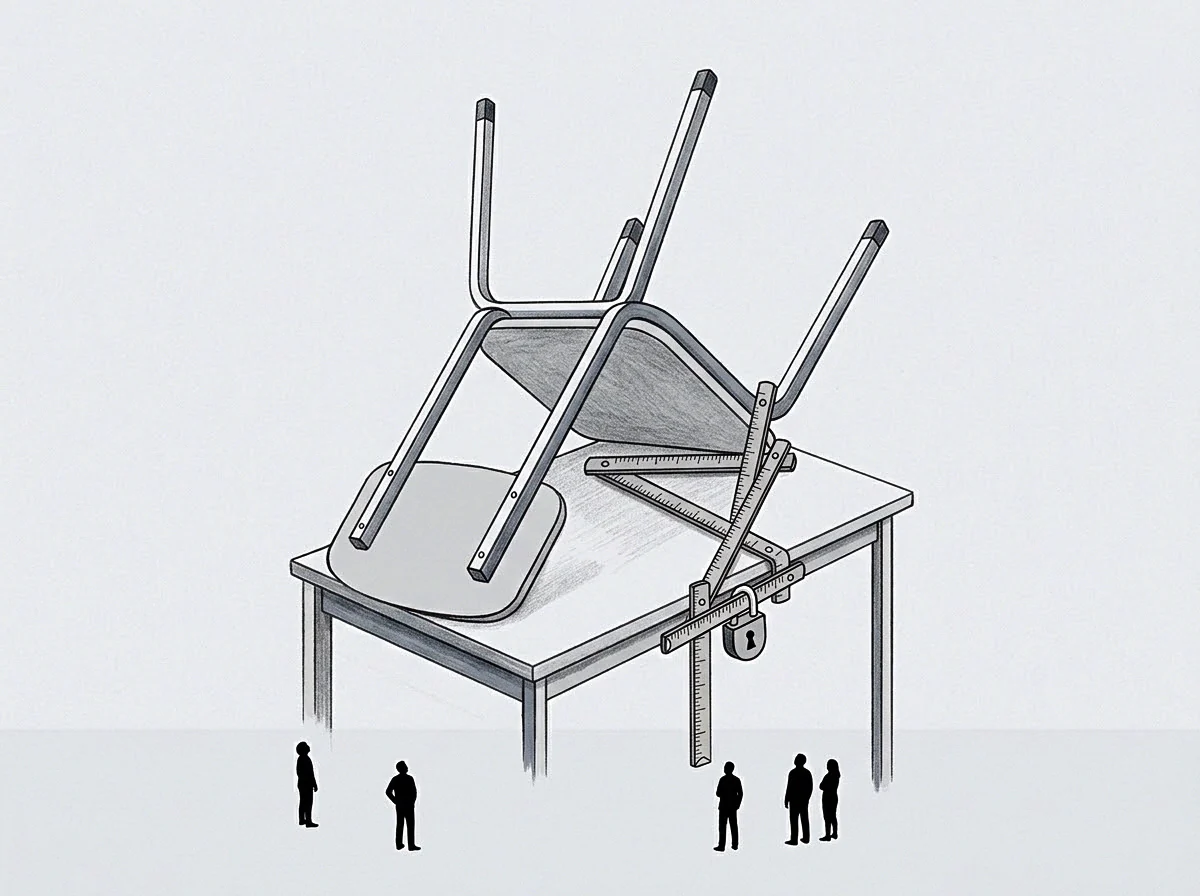
Self-regulation under persistent threat extracts high metabolic energy, whereas proximity to a stable leader transfers regulation costs onto the baseline.
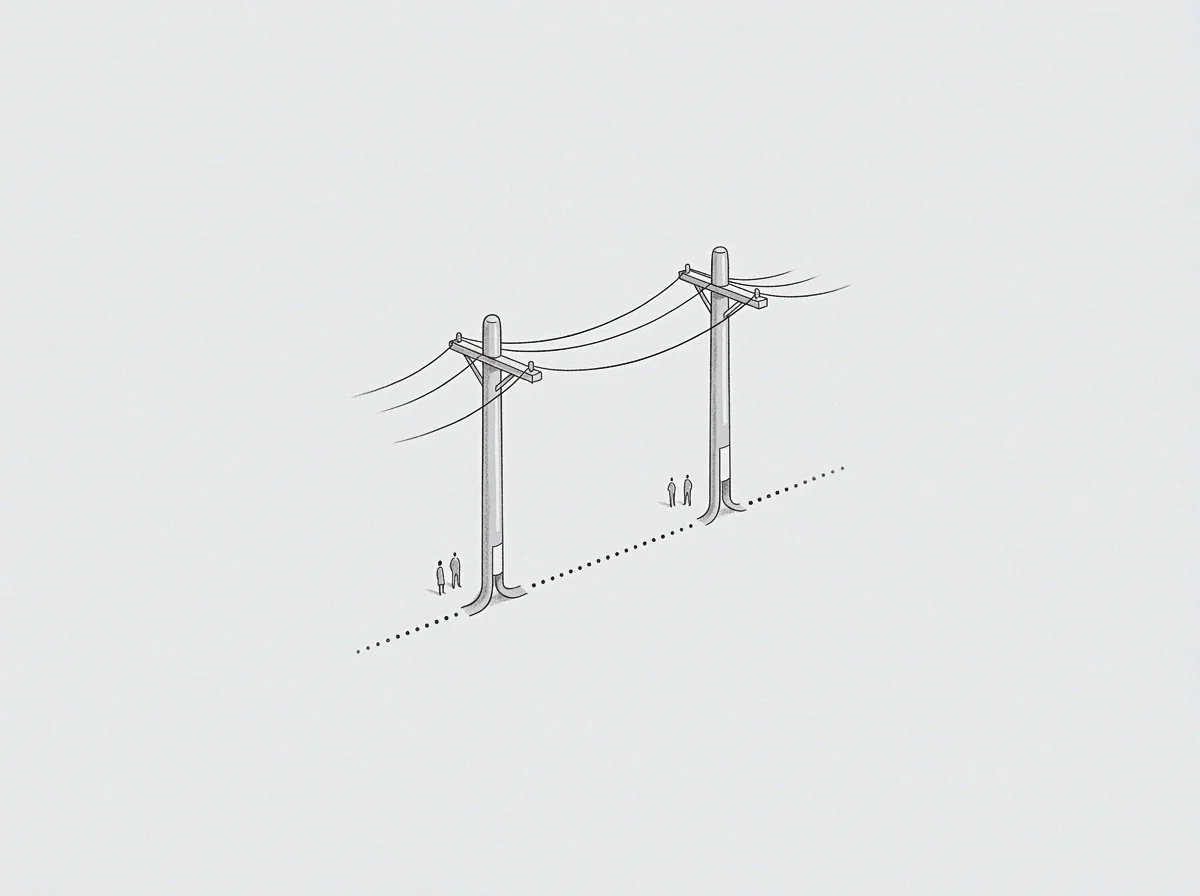
Executive capacity collapses when leaders absorb team anxiety through unbuffered availability rather than shared physiological baselines.

Social baseline theory demonstrates that proximity to a steady partner lowers individual threat vigilance and prefrontal metabolic cost by sharing regulation.

Sustained autonomic suppression under isolated operational load exhausts vagal braking capacity, causing systemic metabolic failure unless co-regulation is restored.
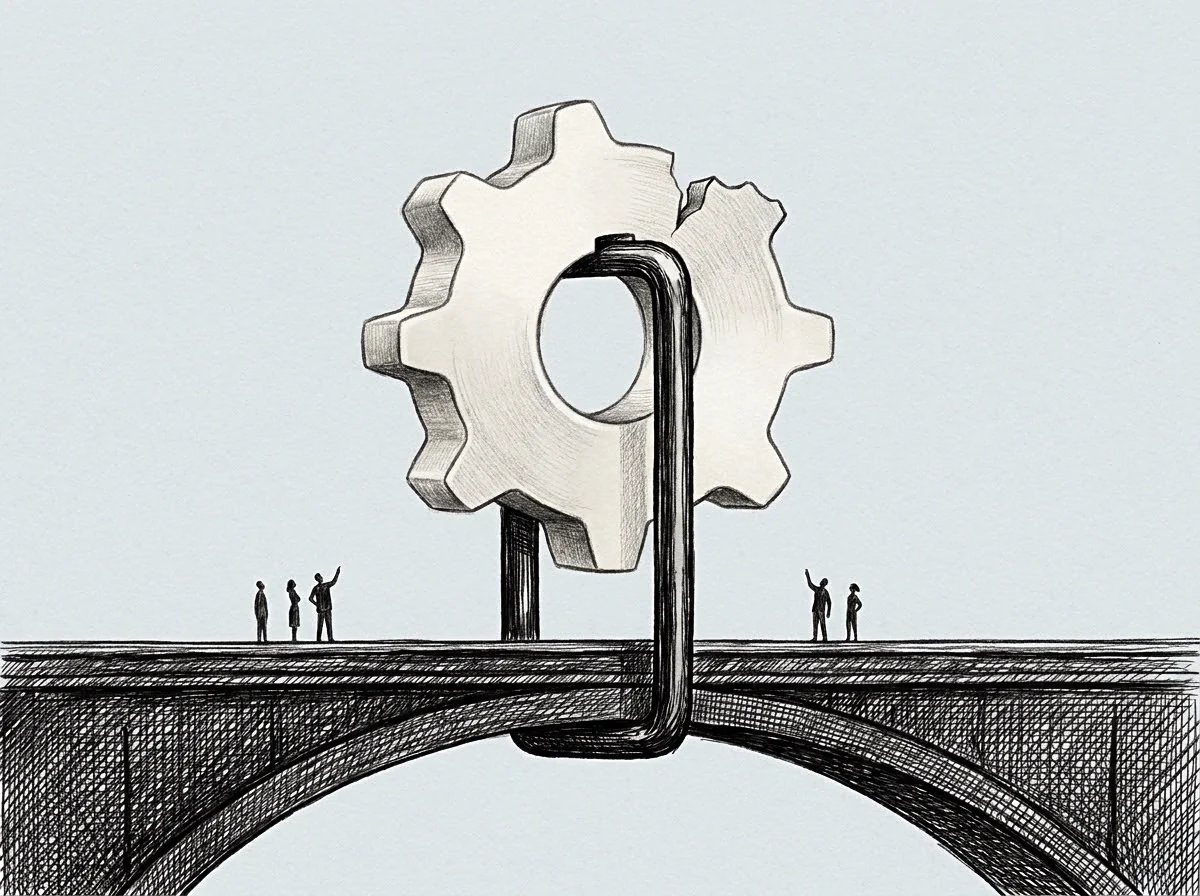
Unilateral hazard absorption transfers relational regulation costs to one partner, inducing chronic allostatic load and neural capacity degradation.
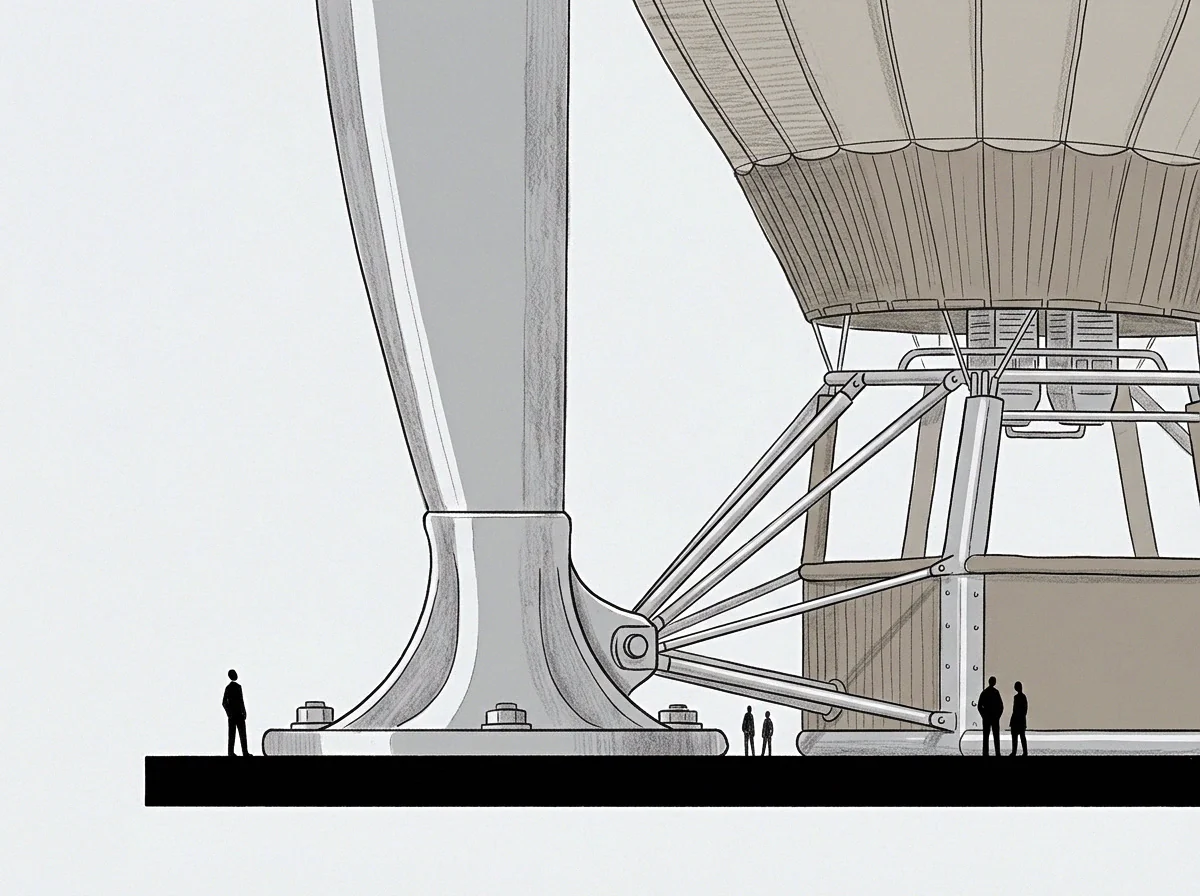
Symmetrical risk bearing introduces persistent neural prediction errors that force asymmetrical attachment templates to rewire into reciprocal co-regulation.
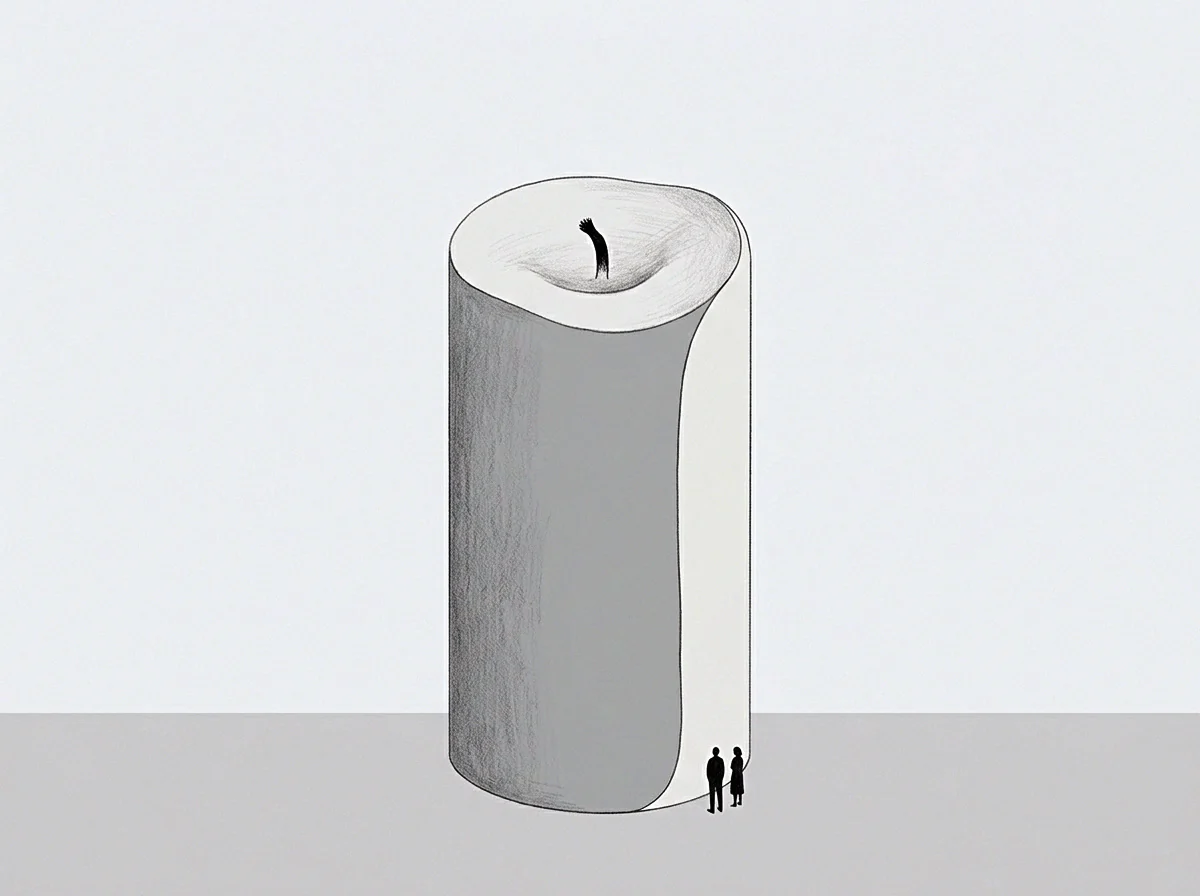
Shared operational stress rewires primary internal working models when predictable responsiveness under load replaces individual self-regulation with co-regulation.

Unilateral threat buffering establishes executive dependencies that resolve only when direct risk exposure replaces protective leader filtering.
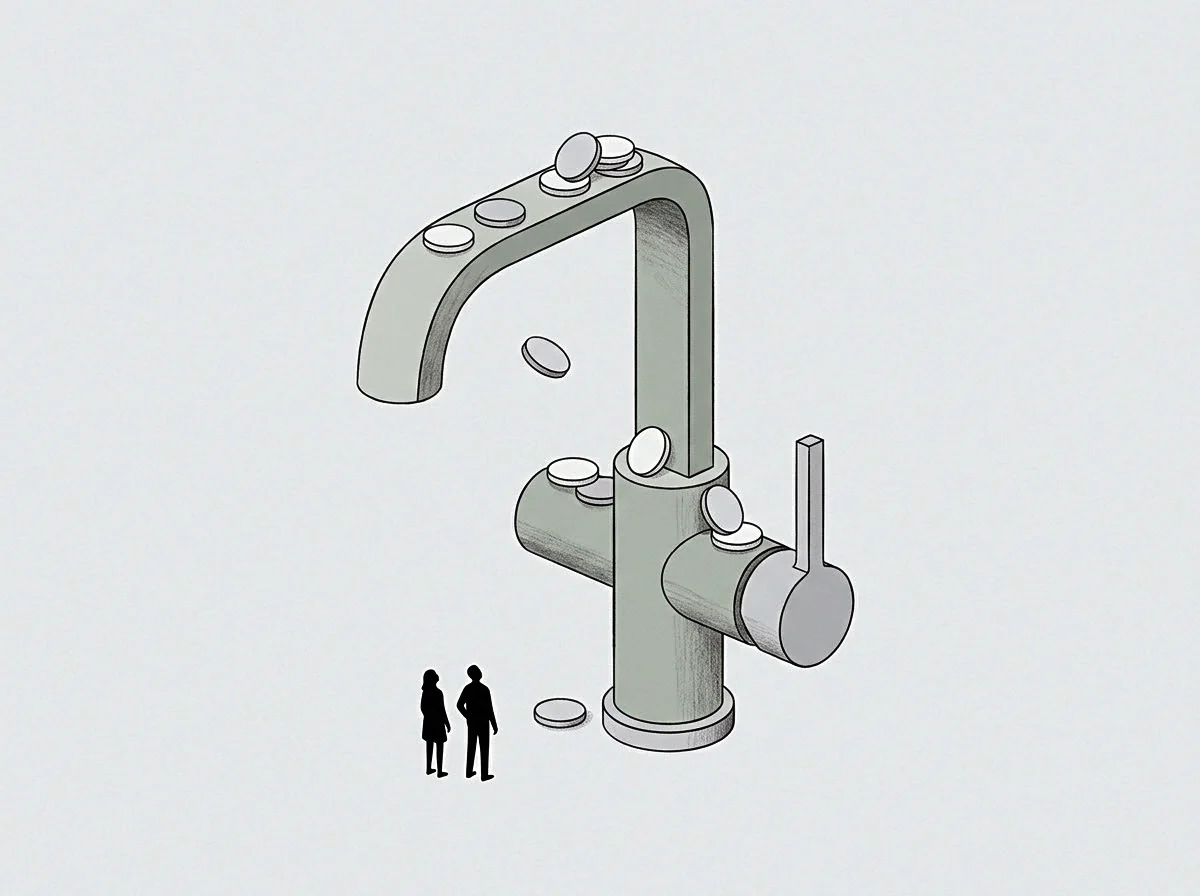
Unilateral founder self-regulation transforms capital allocation into an emotional load management tool, funding vocal departments while starving quiet units.

Early executive teams unconsciously offload metabolic threat vigilance onto their steadiest peer, exhausting the unreciprocated partner unless structural limits intervene.
The terms are written where they belong. Each field holds three desks, and every entry a desk writes raises the terms it uses, each term given a meaning, a mechanism and the places it appears. The record on these pages stays first person and hand made; the fields grow the nomenclature.