

Designing Operational Perimeter Thresholds To Manage Allostatic Cognitive Load
Allostatic cognitive load is managed by establishing strict perimeter thresholds that convert ungated communication threads into bounded inputs with explicit scope.

Allostatic cognitive load is managed by establishing strict perimeter thresholds that convert ungated communication threads into bounded inputs with explicit scope.

Decoupling real-time availability limits allostatic load transfer by replacing continuous emotional co-regulation with structured asynchronous friction.

Structural intake limits preserve executive focus by gating ungated channels and capping open concurrent threads to keep allostatic load within system capacity.

Structural allocation of asynchronous latency insulates engineers from real-time alert pressure, allowing vagal tone to restore parasympathetic recovery.

Sustained stress floods neural circuits with glucocorticoids, silencing oxytocin receptors and blocking the brain from receiving social regulation inputs.
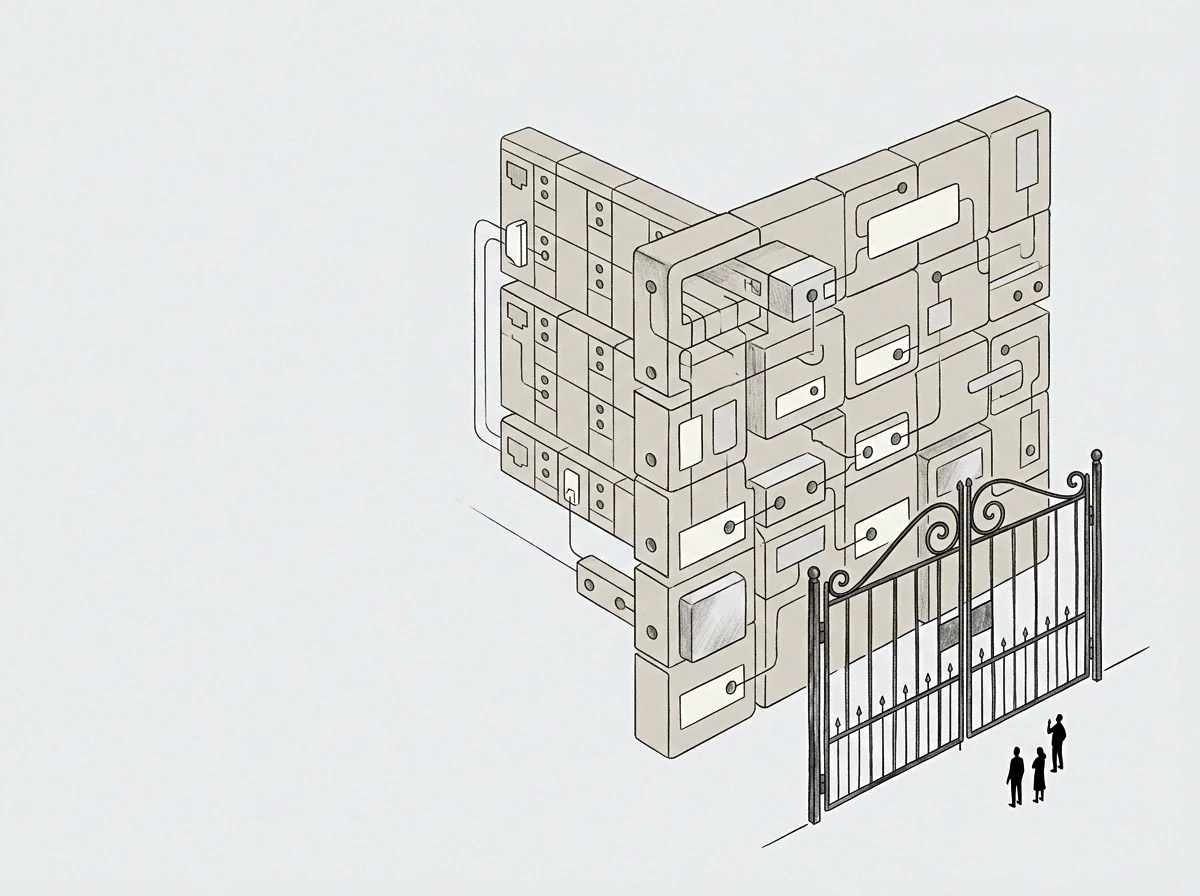
Explicit operational limits prevent executive control friction from stalling emergency intervention by binding senior authority to asynchronous retrospective review.

Stated response windows limit autonomic vigilance during product sprints by replacing continuous availability with predictable communication intervals.
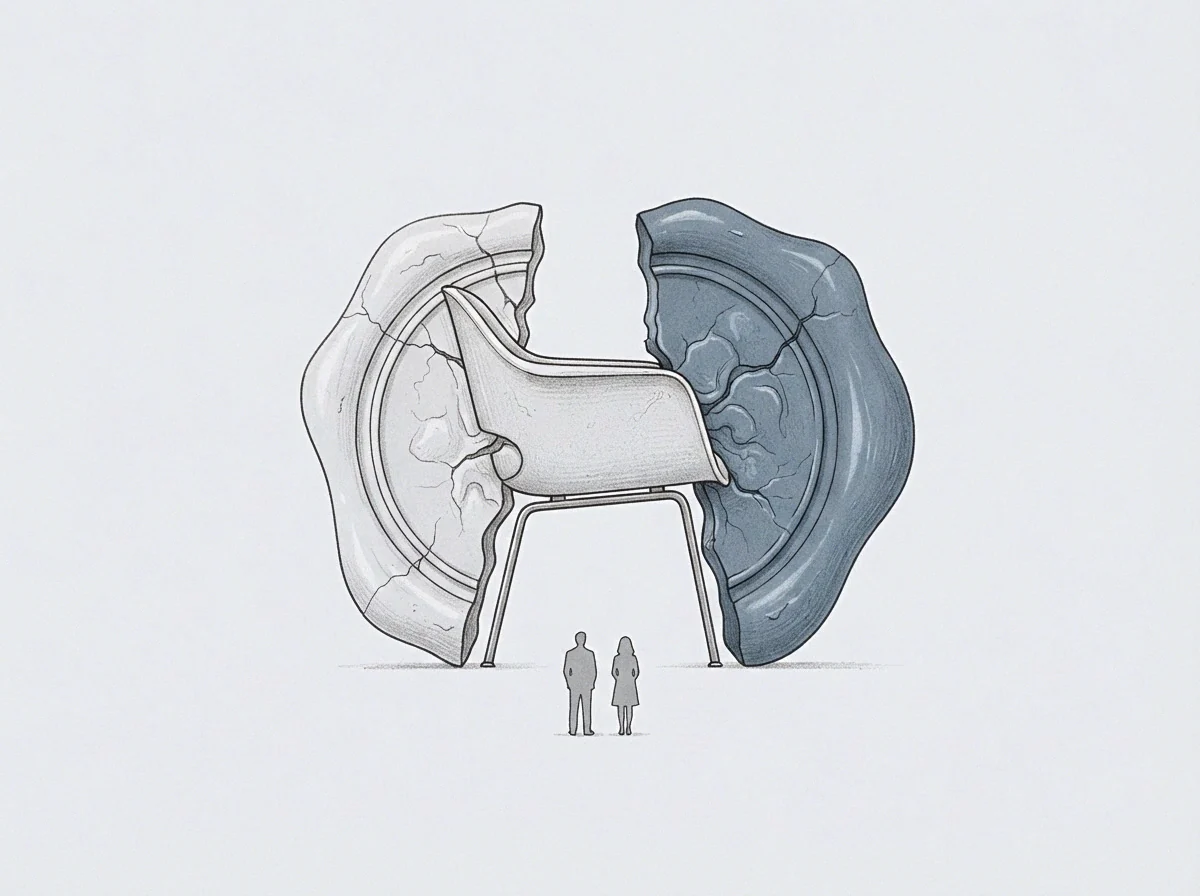
Calibrating concurrency limits under asymmetric authority relies on gating emergency overrides and enforcing explicit scope terms to protect cognitive headroom.

Relational working model snaps trigger dorsal vagal throttling in primary regulators, requiring structured sensory isolation and micro-paced co-regulation to rebuild neural receptor slots.
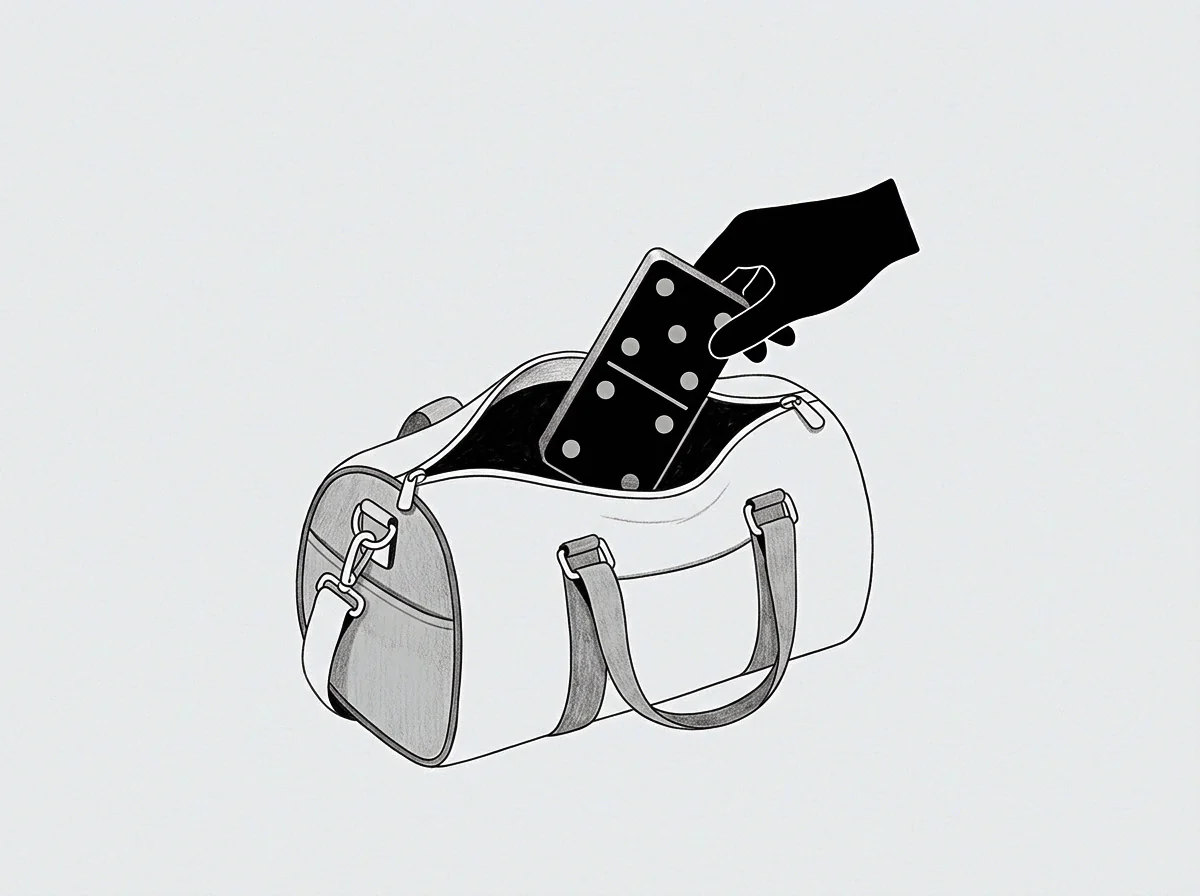
Unresolved operational decision loops consume cognitive headroom during escalations, requiring explicit scope, dates, and terms to gate concurrency limits.

Continuous real-time operational demands alter HPA axis setpoints, flattening cortisol slopes and suppressing immune and thyroid function through continuous sympathetic overdrive.

Relational friction during asynchronous leadership transitions stems from un-gated open threads and physiological throttling misread as interpersonal hostility.

Exhaustion of borrowed calm bandwidth causes total breakdown of the regulator template, forcing autonomic disengagement and revealing the biological cost of unbilled co-regulation.

Allostatic load reduces executive slot availability by shifting neuroendocrine baselines, forcing the cognitive architecture to throttle active thread processing.

Social baseline theory demonstrates that the brain budgets regulation as a shared economy, making solitary vigilance an expensive deviation from default rest.

Gating executive interaction surfaces forces operational teams to resolve ambiguity locally, preventing involuntary upward risk transfer and allostatic exhaustion.

Asynchronous intake queues and explicit latency windows protect technical staff capacity by converting real-time micro-interruptions into scheduled batch sweeps.

Chronic physiological strain forces the brain to shunt scarce metabolic fuel away from expensive prefrontal social circuits, degrading relational capacity.
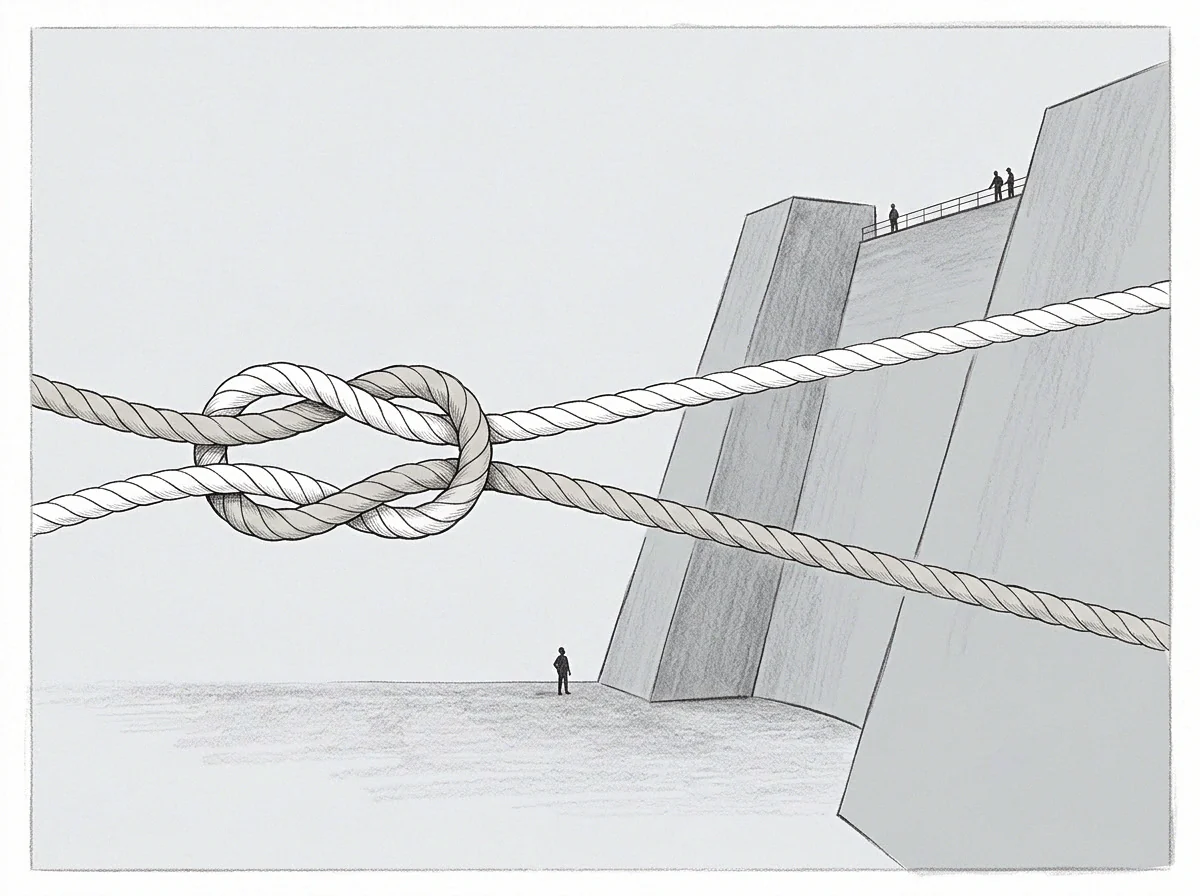
Operational autonomy creates coordination latency when decoupled teams queue dependencies without contractual review windows and clear interface bounds.

Executive leaders absorbing team anxiety without a co-regulating partner exhaust their autonomic baseline, forcing physiological debt and systemic collapse.

Prolonged unilateral responsibility recalibrates neural threat budgets, shifting baseline regulation from shared proximity to expensive solitary defense.

Systemic throttling limits voluntary cognitive output to protect biological reserves when chronic operational inputs outpace working memory clearance capacity.
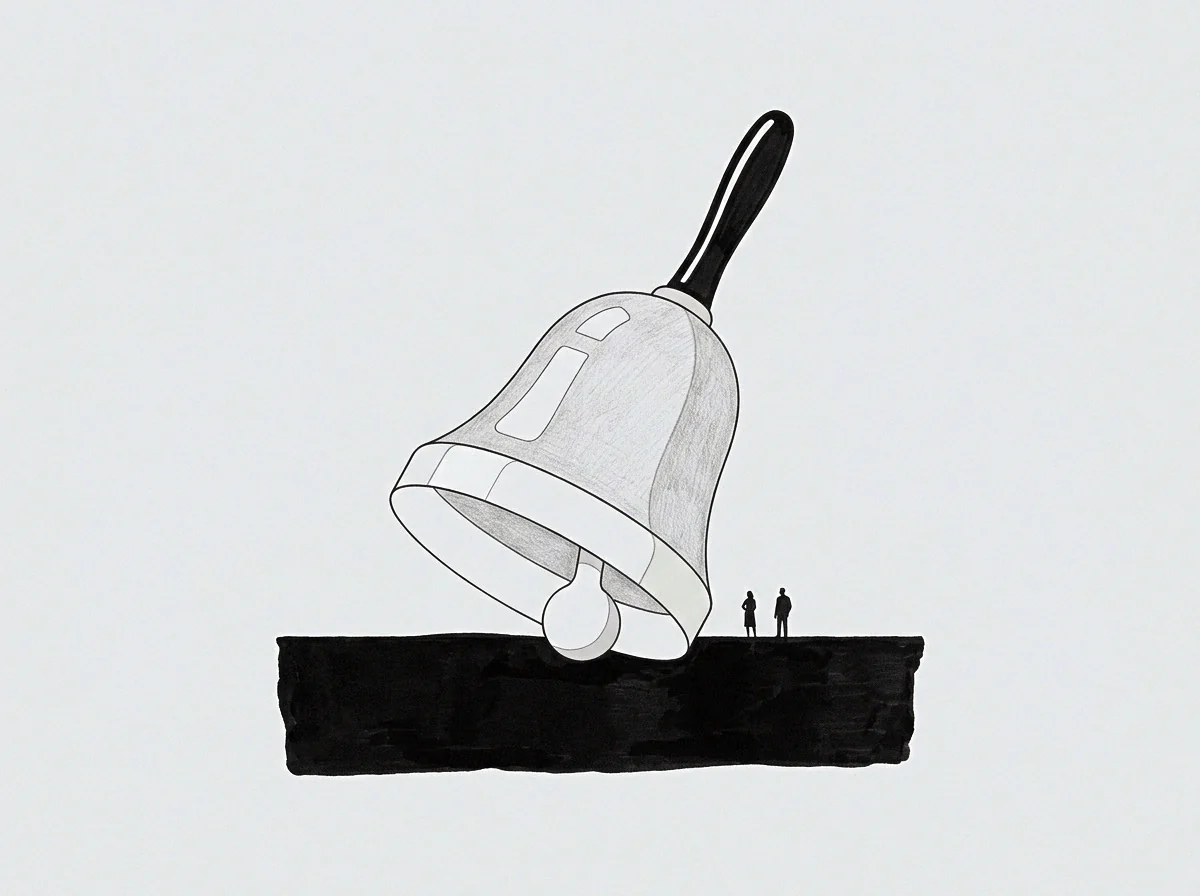
Hierarchical executive co-regulation collapses under chronic uncertainty because downward baseline provision creates asymmetrical allostatic load on the top seat.

Explicit channel latency rules convert unmanaged conversational interruption into scheduled asynchronous batches to preserve executive cognitive headroom.

Lateral prefrontal recovery requires task disengagement to clear extracellular glutamate and restore astrocytic glycogen reserves in human supervisory systems.

Asynchronous repositories lower remote engineering stress by replacing real-time social vigilance with durable, deterministic file diffs and isolated branches.

Executive allostatic load drops when organizational protocols enforce hard concurrency limits and distribute physiological coregulation across leadership layers.

Legacy code drag creates irreducible structural latency floors through synchronous serialization, context switching overhead, and blocking database locks.

Prefrontal cortical exhaustion blunts working memory during watch transfers, requiring physical panel walkdowns and strict numeric schemas to prevent errors.

Executive authority under acute threat relies on internal working models that shift bioenergetic regulation costs onto individual leaders.
The terms are written where they belong. Each field holds three desks, and every entry a desk writes raises the terms it uses, each term given a meaning, a mechanism and the places it appears. The record on these pages stays first person and hand made; the fields grow the nomenclature.