

The Biological Ceiling of Unshared Executive Regulation in High Stress Corporate Leadership
Unshared executive regulation causes autonomic throttling, down-regulating decision capacity when chronic co-regulatory load exceeds human biological limits.

Unshared executive regulation causes autonomic throttling, down-regulating decision capacity when chronic co-regulatory load exceeds human biological limits.

Prefrontal concurrency collapses when ungated active threads exceed working memory slots, forcing executive throttling that standard metrics misdiagnose as depressive fatigue.

Chronic operational pressure flattens diurnal cortisol slopes and lowers heart rate variability, signaling allostatic overload before functional capacity drops.
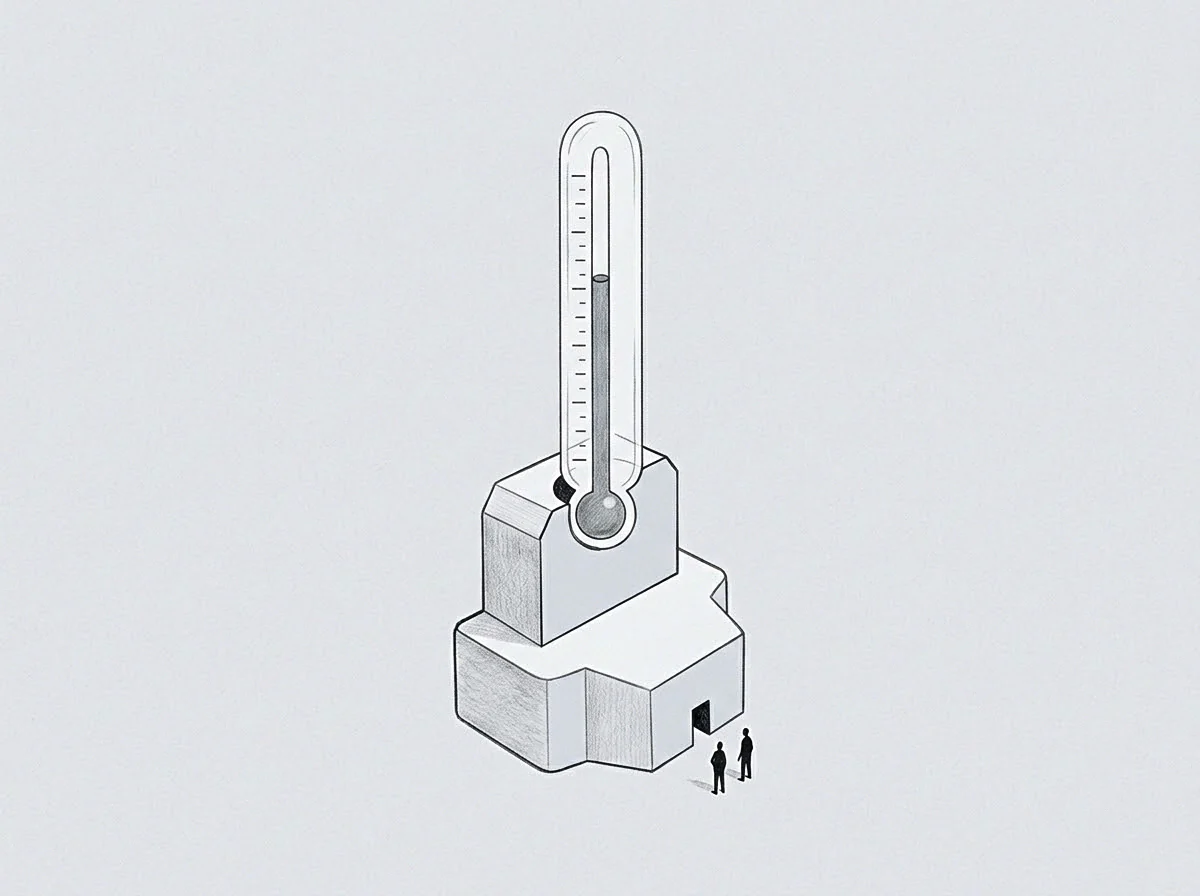
Executive throttling intentionally drops open-ended tasks under peak allostatic load while clinical affective stalling represents generalized regulatory collapse.

Executive systems manage high operational ingress by configuring strict intake parameters, throttling queues, and enforcing state-gated routing boundaries.
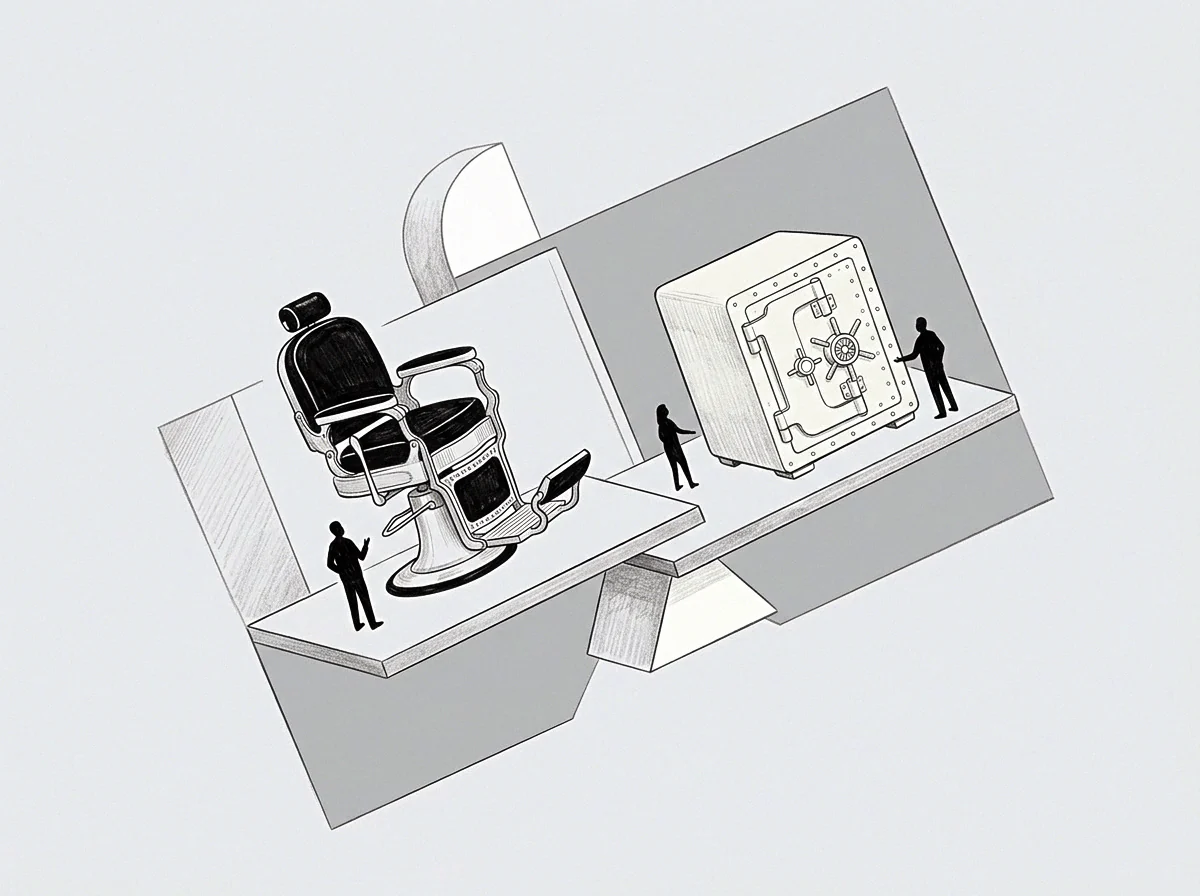
Receptor permeability calibration lowers executive self-regulation costs by enabling co-regulatory baseline updating across high-pressure leadership coalitions.

Priority filtering stops executive decision fatigue by setting hard quantitative boundaries that divert routine operational pings away from leadership queues.

Executive autonomic dysregulation under ungated demands truncates planning horizons and systematically skews capital allocation toward short-term loss avoidance.
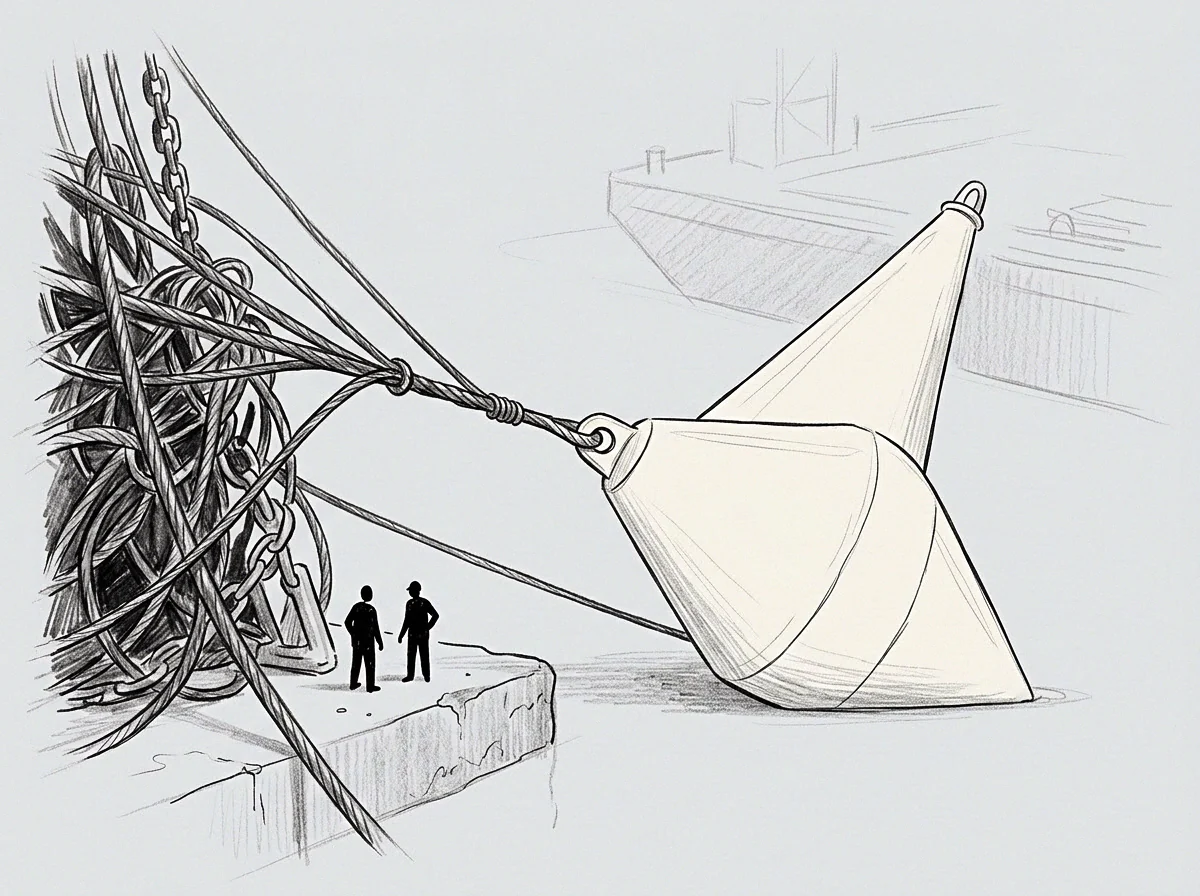
Covert emotional buffering for senior colleagues consumes prefrontal working memory, reducing executive bandwidth required for long range strategic allocation.

Unfunded co-regulation demands consume executive cognitive headroom and raise allostatic load by converting organizational uncertainty into unmeasured physiological wear.

Structural gating protocols preserve executive autonomic headroom by converting continuous real-time coregulation into bounded asynchronous communication threads.

Allostatic load escalates when executive teams rely on a single leader for regulation, which alters metabolic budgeting until explicit operational limits distribute threat processing.
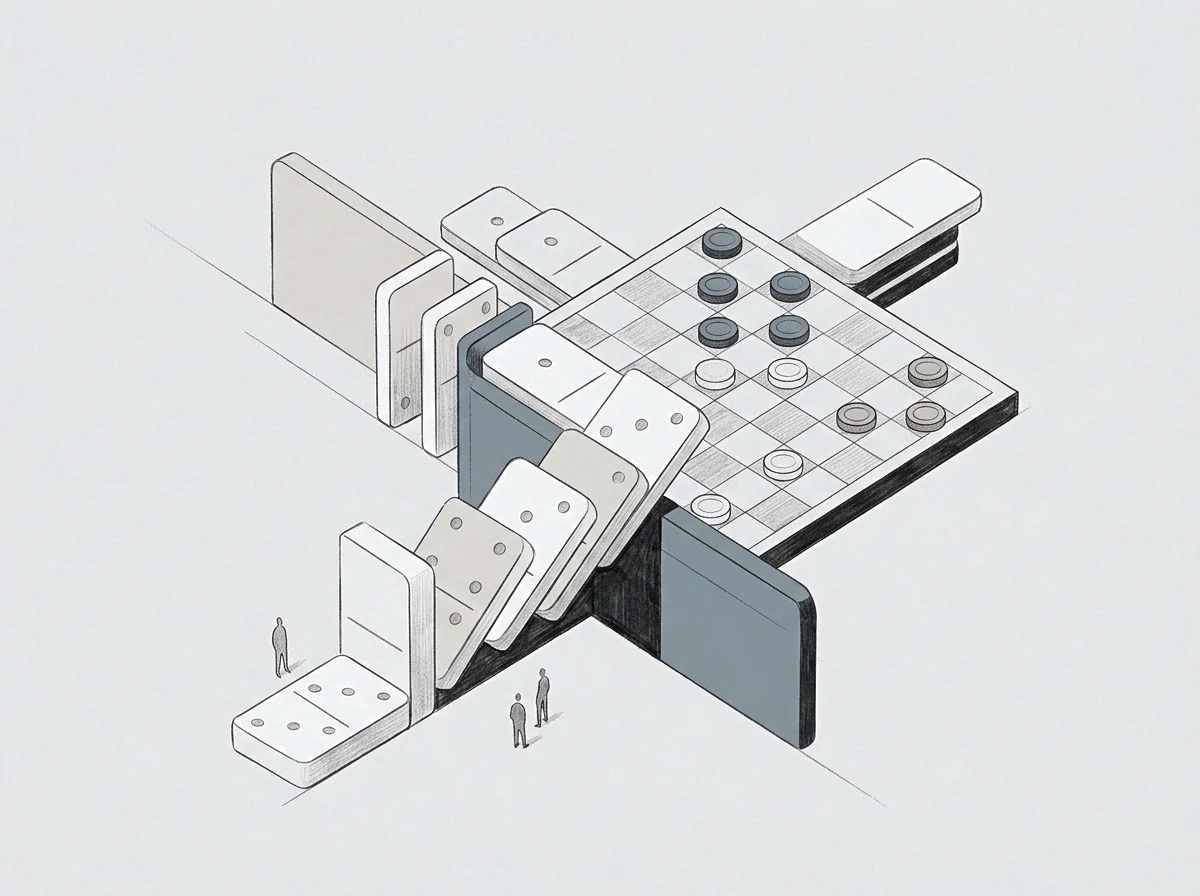
Executive system throttling preserves central processing by selective down-regulation, while major depression reflects general affective and motivational collapse.

Executive working memory slot depletion saturates central processing registers, eliminating cognitive headroom and forcing reactive heuristic triage over strategic modeling.
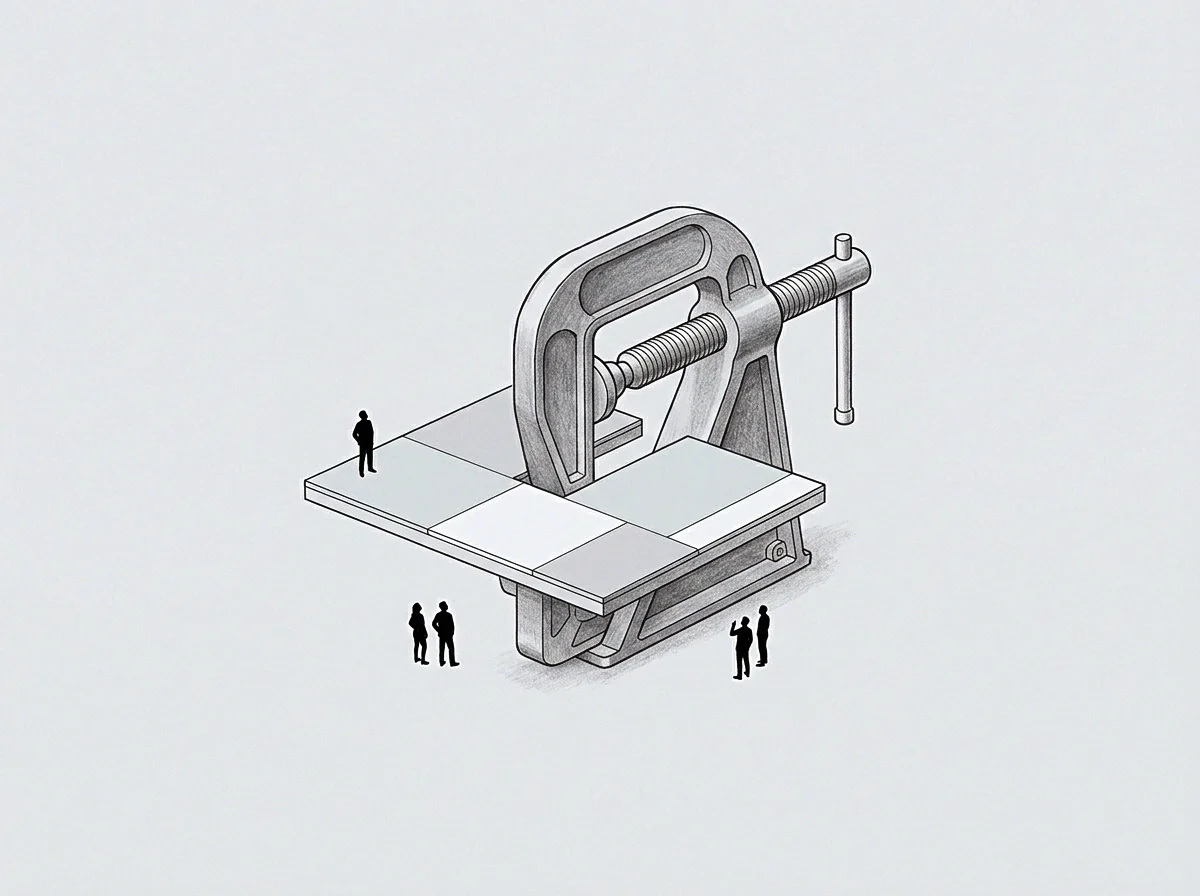
Structural delegation gates eliminate ambient executive vigilance by establishing explicit variance boundaries, enabling rapid parasympathetic reactivation after acute operational stress.

Suppressing nocturnal heart rate dipping and extending vagal recovery latency stems from continuous sympathetic outflow triggered by ungated operational loops.

Stated operational limits transfer cognitive load back to organizational processes by replacing continuous implicit availability with explicit parameters.

High executive stress shuts down relational receptors by forcing continuous solo regulation, requiring bounded micro-exchanges to rebuild passive autonomic intake.

Autonomic recovery rates reflect nocturnal parasympathetic reactivation determined by the density and structural gating of open executive decision threads.

Executive nervous systems collapse in corporate crises because biological co-regulation cannot scale unilaterally across dozens of panicking subordinates.

Isolated nervous systems process domestic physical contact as vigilance tasks, causing continuous cardiovascular strain instead of low-cost autonomic rest.

Rapid operational scaling creates exponential exception escalations that destroy executive attentional reserves unless bounded by rigid governance filters.

Re-sensitizing glucocorticoid receptors requires restoring circadian hormone troughs through strict temporal gating of operational load and metabolic inputs.

Structural pressure forces co-founders to share autonomic regulation costs, shifting threat processing load onto the partner displaying lower physiological reactivity.
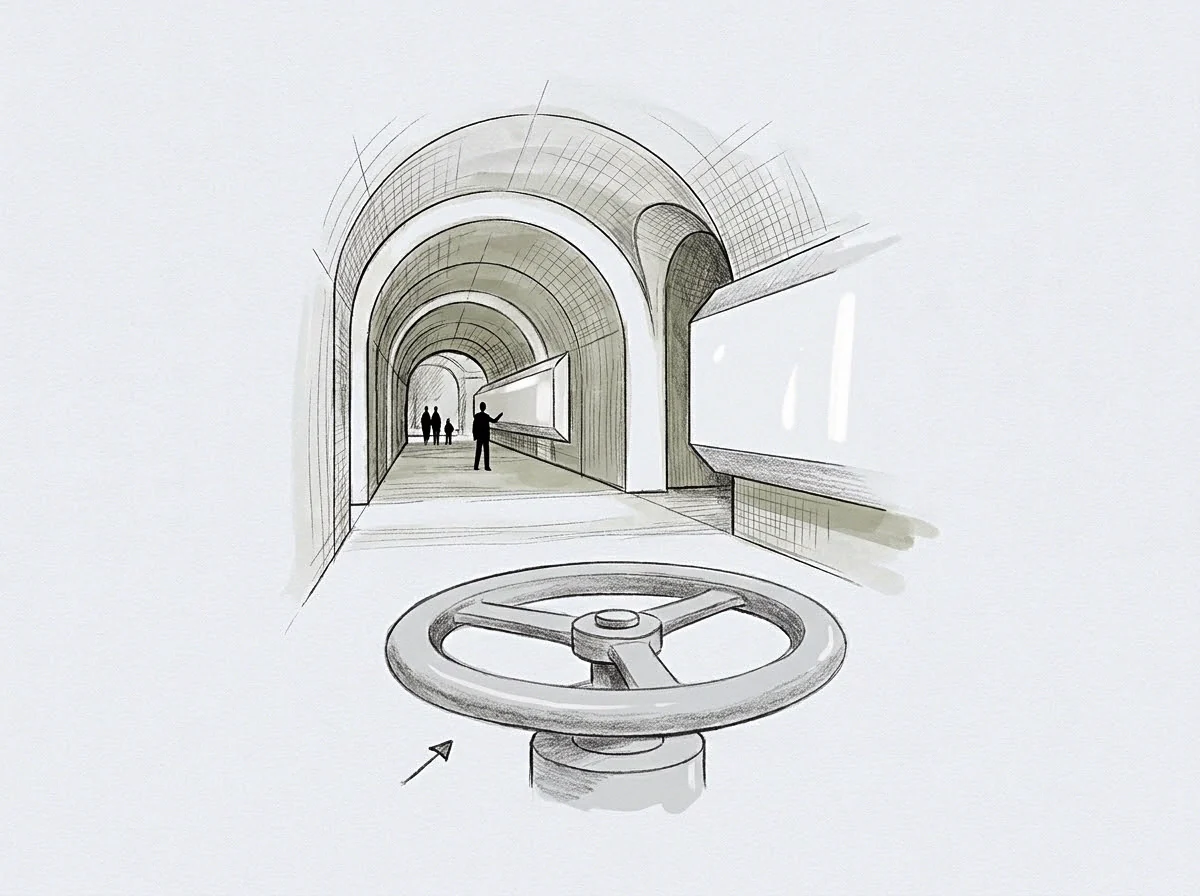
Codified operational thresholds arrest upward administrative escalation by establishing deterministic numeric perimeters for independent frontline execution.

Extended isolation recalibrates the central nervous system to treat dyadic proximity as a metabolic load rather than a co-regulatory buffer.

High-growth corporate systems collapse when individual operational capacity replaces explicit governance terms to absorb continuous transactional throughput.
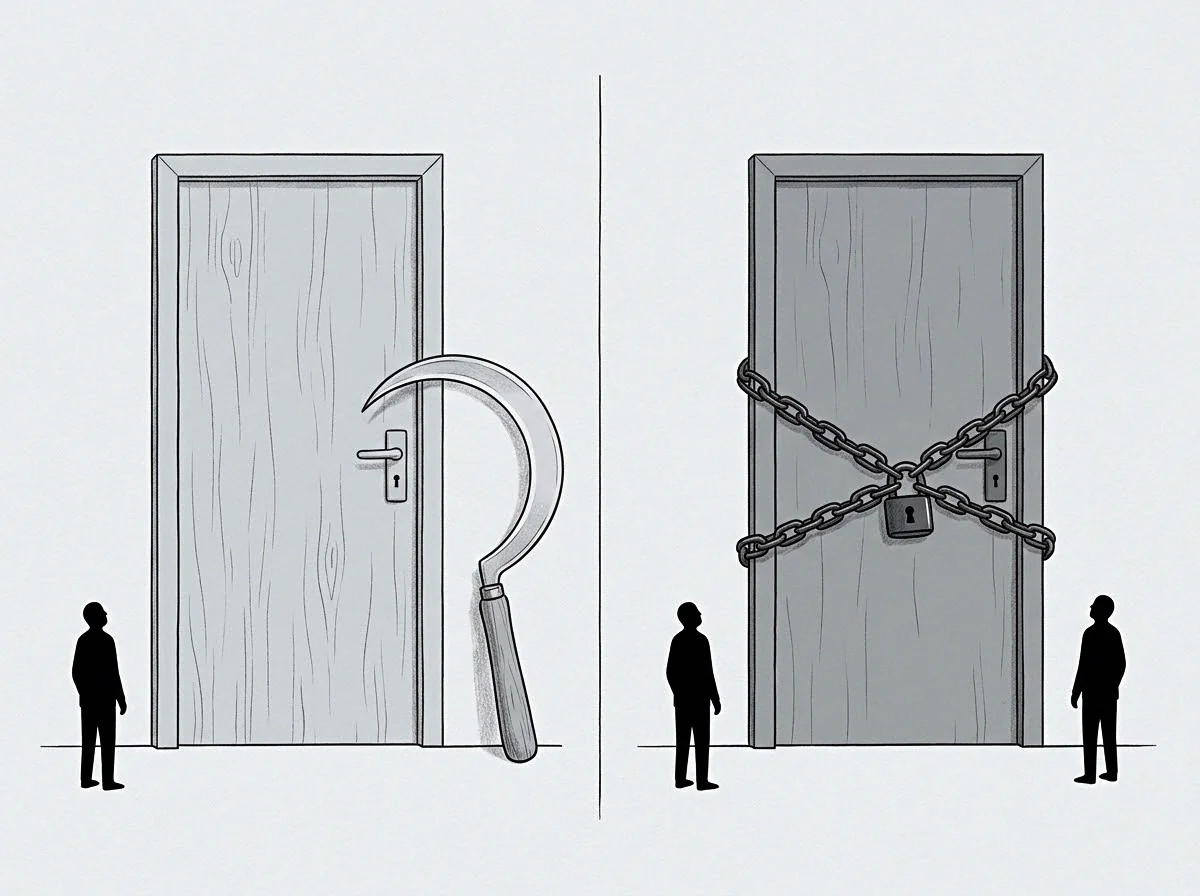
Complex governance contracts consume executive working memory through state monitoring, reducing cognitive headroom available for operational execution.

Neuroendocrine throttling is an adaptive down-regulation of metabolic output from chronic allostatic strain, distinct from affective clinical depression.

Explicit operational governance terms set fixed capacity limits by converting subjective personal willingness into readable structural constraints.
The terms are written where they belong. Each field holds three desks, and every entry a desk writes raises the terms it uses, each term given a meaning, a mechanism and the places it appears. The record on these pages stays first person and hand made; the fields grow the nomenclature.