

Integrating Allostatic Load Metrics Into Board Level Capital Allocation Governance
Executive biological strain sets the physical limit on capital deployment speed, converting unmonitored stress into misallocated corporate treasury funds.

Executive biological strain sets the physical limit on capital deployment speed, converting unmonitored stress into misallocated corporate treasury funds.

Rapid organizational scaling overloads executive autonomic reserves by substituting peer co-regulation with solitary, asymmetric metabolic maintenance.

Autonomic arousal persists because unresolved interpersonal dependencies keep biological threat circuits active while awaiting external counterparty responses.

Capital authorization requires verifying operator cognitive headroom and execution bandwidth before releasing balance sheet funds into complex assets.

Structured concurrency limits cognitive load in executives by capping simultaneous open loops, preventing prefrontal depletion and chronic allostatic wear.

Executive attention under concurrent operational stress behaves as a finite processing queue requiring non-preemptive time blocks and explicit load shedding.

Autonomic recovery latency expands when continuous operational demands prevent neuroendocrine clearance and parasympathetic restoration via vagal inhibition.

Unclosed operational loops sustain sympathetic tone and suppress vagal inhibition, elevating vascular resistance and degrading baroreflex sensitivity.

Executive concurrency limits emerge from biological working memory constraints when organizations offload systemic regulatory demands onto an isolated leader.
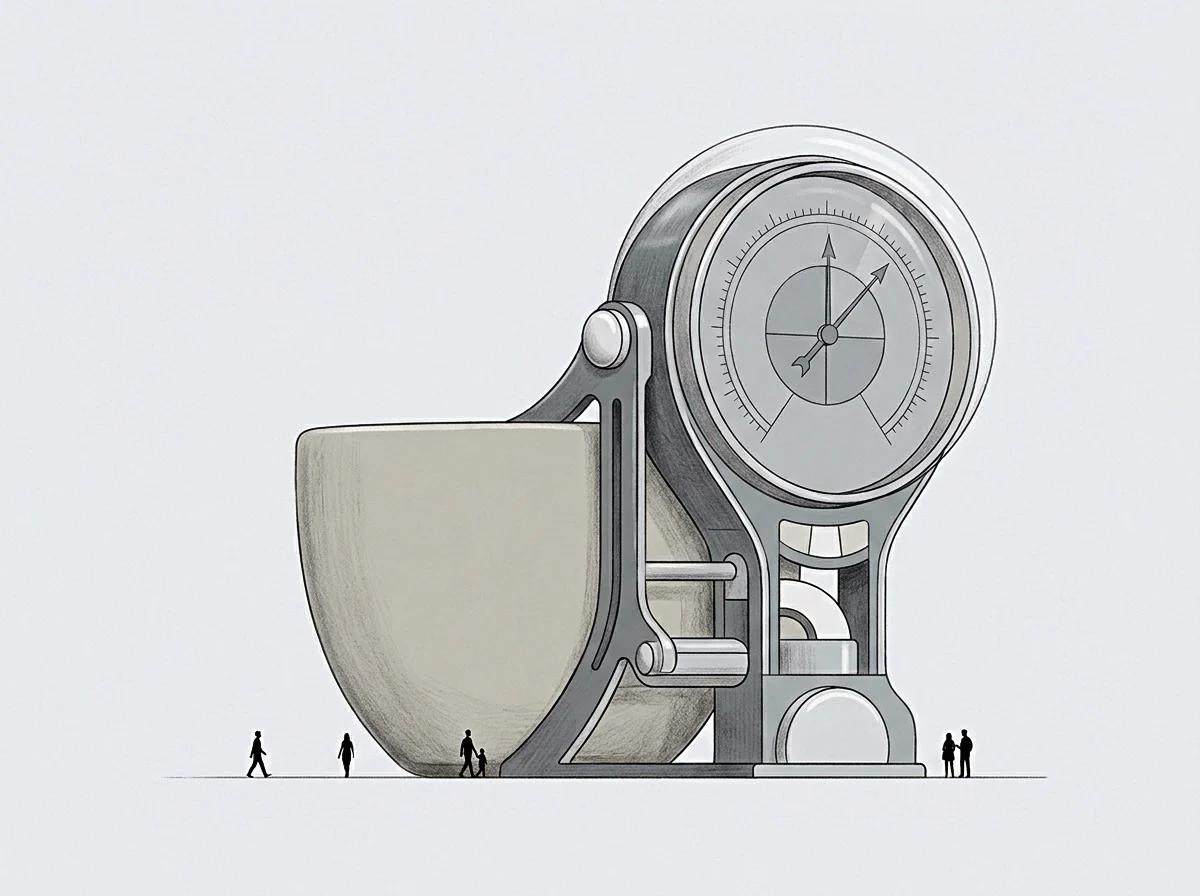
Nocturnal heart rate dipping reflects autonomic recovery by measuring whether parasympathetic vagal tone successfully drops resting cardiac rate during sleep.
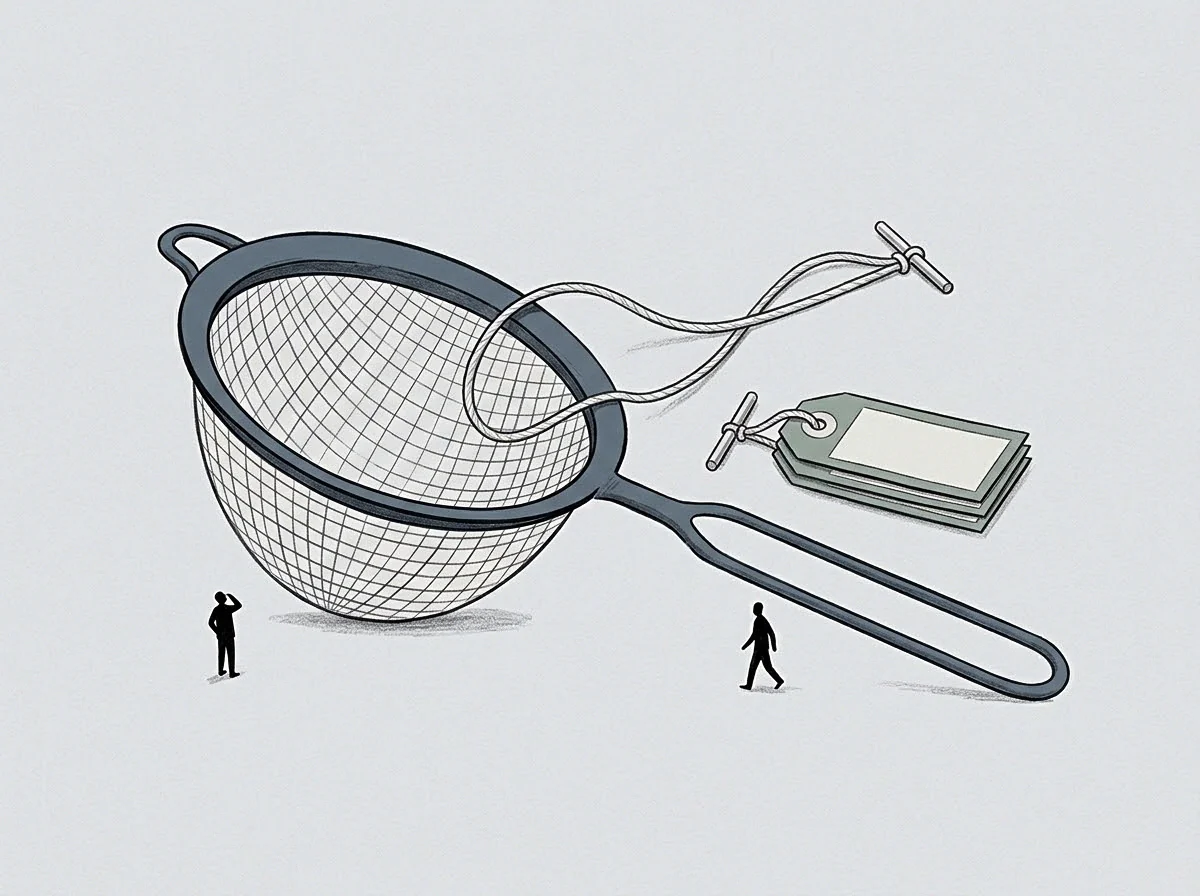
Asynchronous filter structures preserve executive headroom during outages by converting intrusive escalations into batch updates at enforced physical boundaries.

Stated escalation boundaries prevent telemetry feeds from converting executive attention into an unmetered triage buffer for routine technical events.
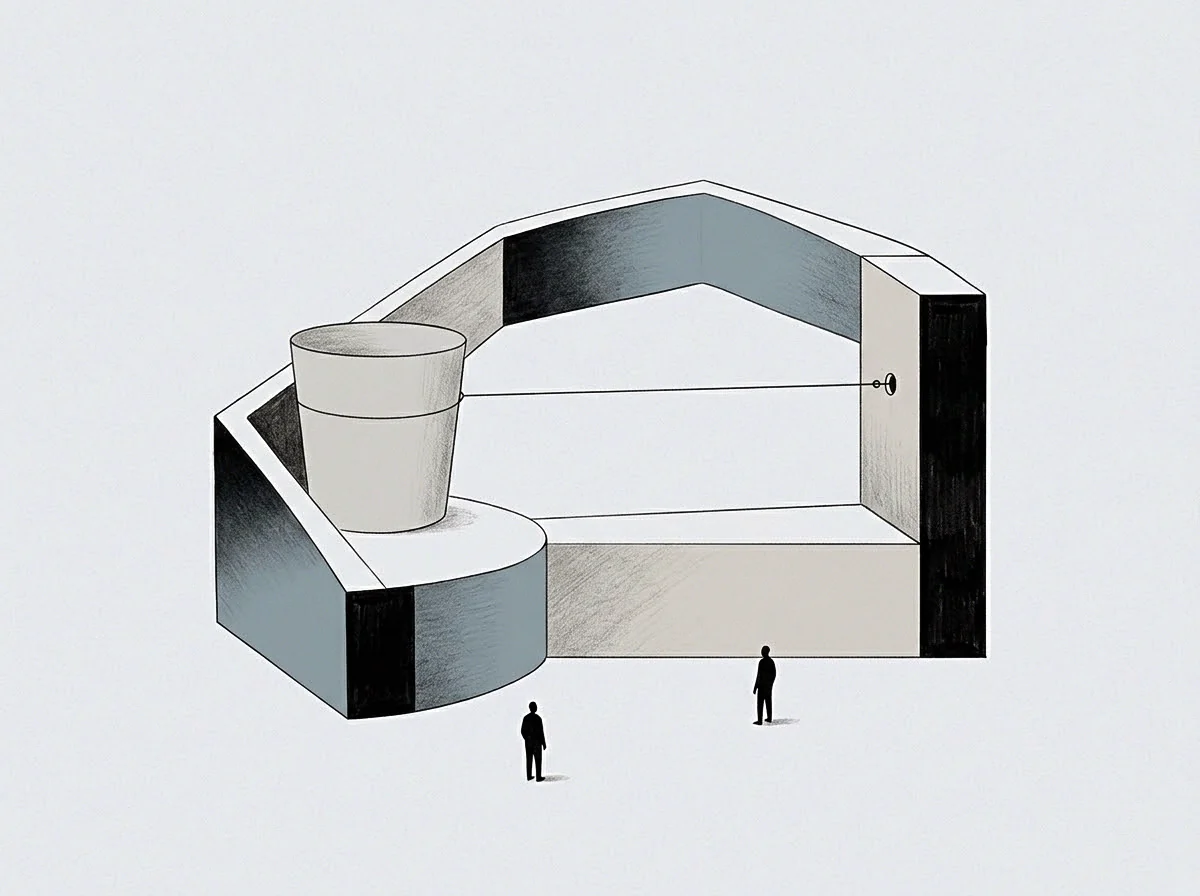
Counterparties adapt to enforced latency boundaries by probing alternative channels, consolidating query payloads, and shifting toward internal problem resolution.
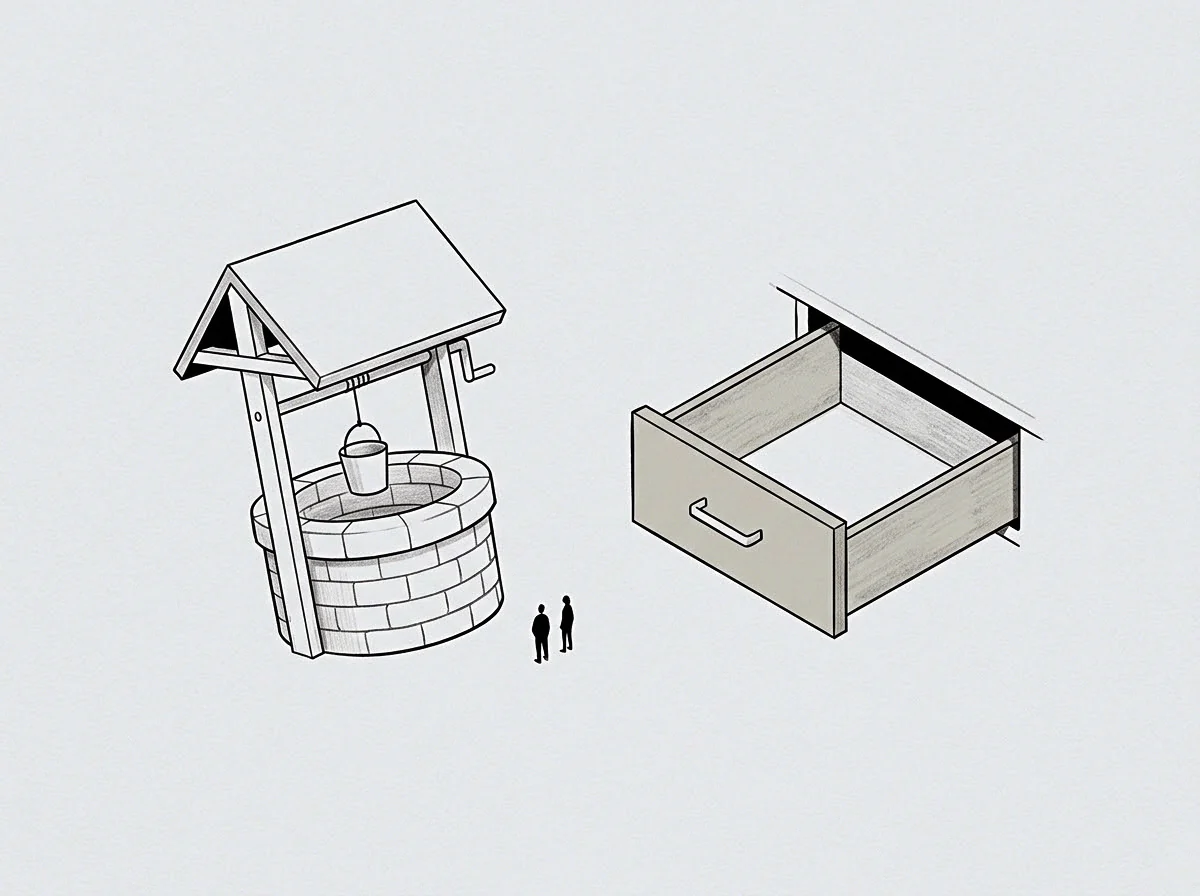
Autonomic baseline recovery requires structural gating of incoming operational load and physiological engagement of the vagal brake to reset elevated sympathetic bias.

Executive attention decays under continuous synchronous communication because rapid context switching saturates working memory buffers and accelerates decision fatigue.

Decades of uninterrupted operational stress cause irreversible arterial collagen deposition and baroreceptors set-point resetting, locking systemic pressure high.

Chronic operational ceilings blunt autonomic decay curves and suppress nocturnal blood pressure dipping by maintaining continuous sympathetic vascular tone.

Post stress vagal reactivation restores parasympathetic cardiac braking, ending prolonged operational hyperarousal through deliberate baroreflex and safety cues.

Distributed operational authority partitions routine business decisions into local risk thresholds, lowering central allostatic load accumulation.
Irreversible cardiac remodeling occurs when chronic vagal withdrawal permits sustained adrenergic drive to trigger covalent lysyl oxidase collagen cross-linking.
Local co-regulation capacity expands only when experienced leads absorb peripheral nervous system load through physical presence and explicit intake limits.
Persistent asynchronous work demands suppress nocturnal vagal recovery markers through continuous background vigilance and unbroken adrenergic tone.

Structural latency protocols enforce mandatory temporal delays between message receipt and evaluation, preserving working memory headroom for executive function.

Chronic executive operational load suppresses the vagus nerve's cardiac brake, locking the heart into sympathetic overdrive and draining allostatic reserve.
Structural authority blocks bilateral regulation by forcing lower ranks into threat monitoring, requiring explicit separation of evaluation from presence.
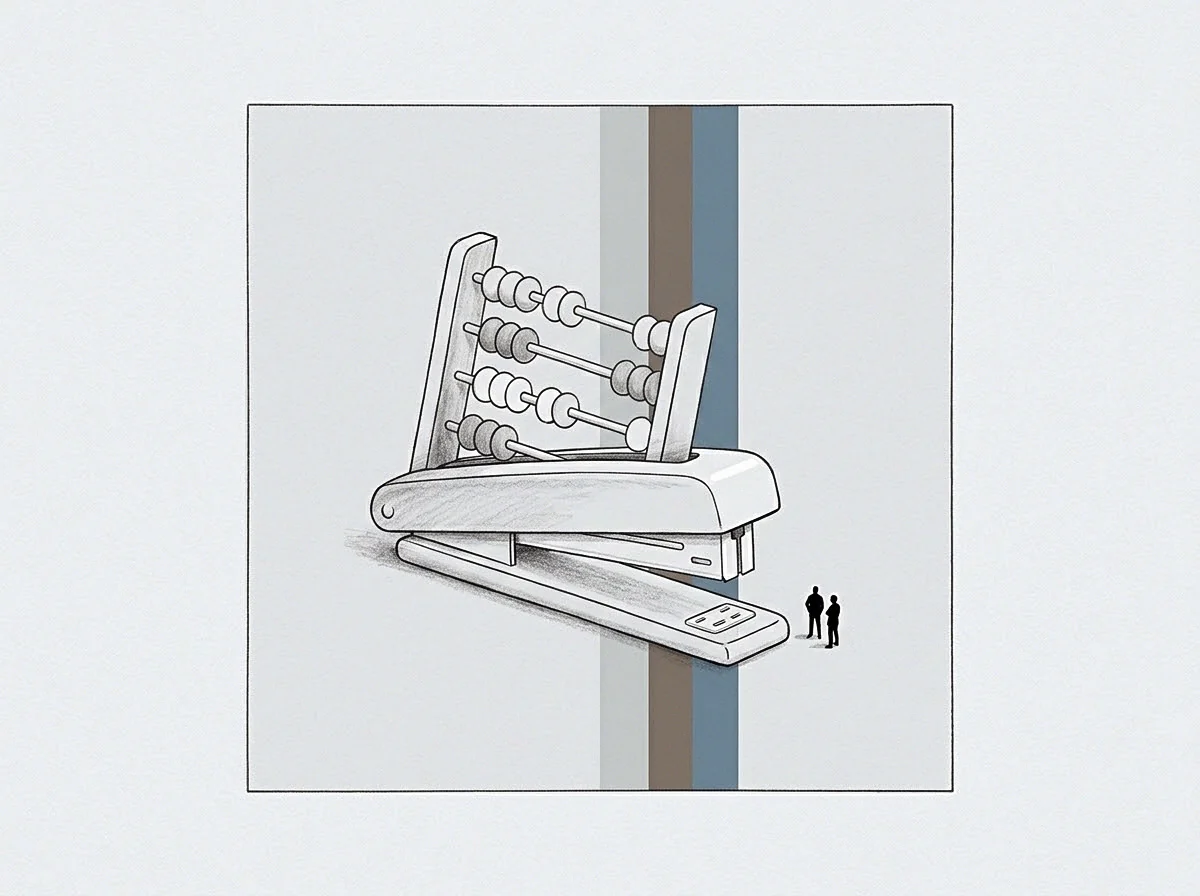
Executive transition from shock absorber to hard terms redistributes operational load by converting continuous personal availability into explicit structural limits.
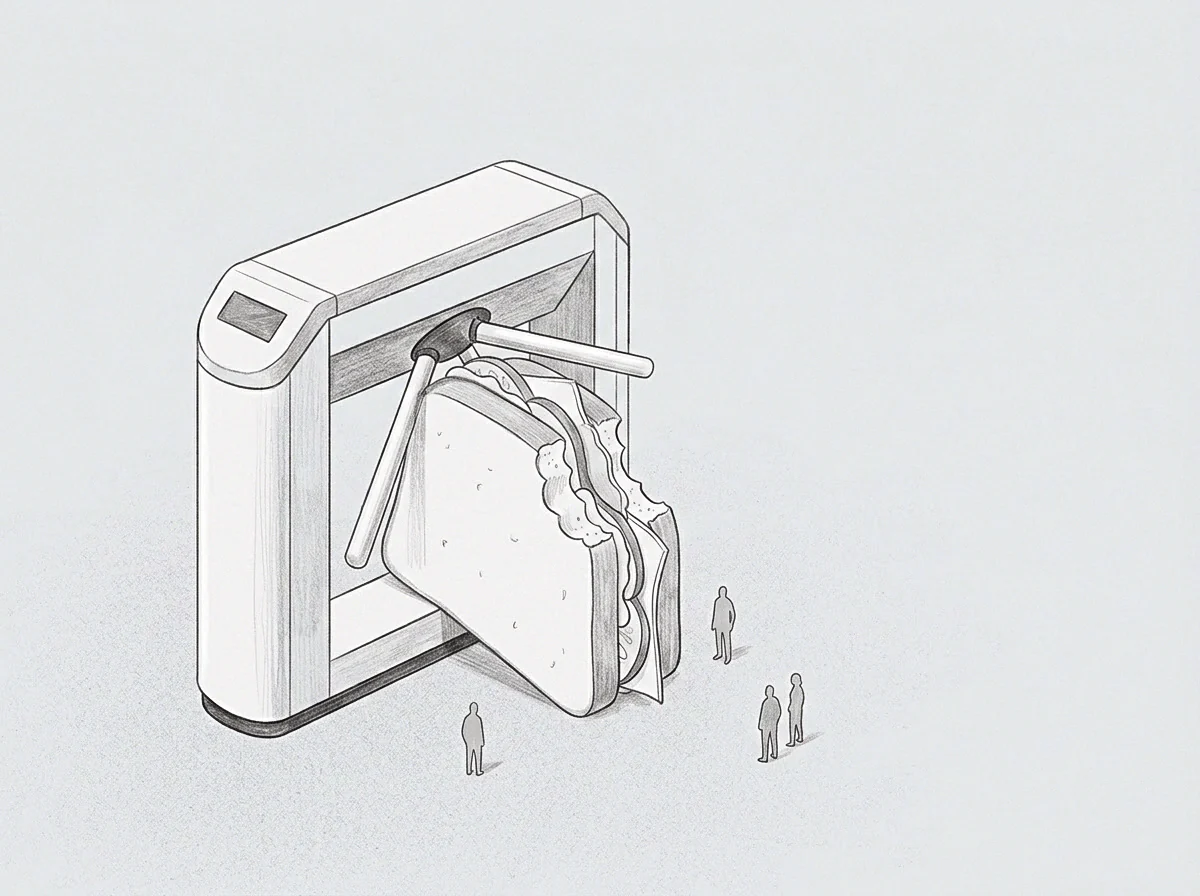
Structural thread gating eliminates continuous autonomic vigilance from open cognitive loops, lowering peripheral vascular resistance to reverse allostatic load.
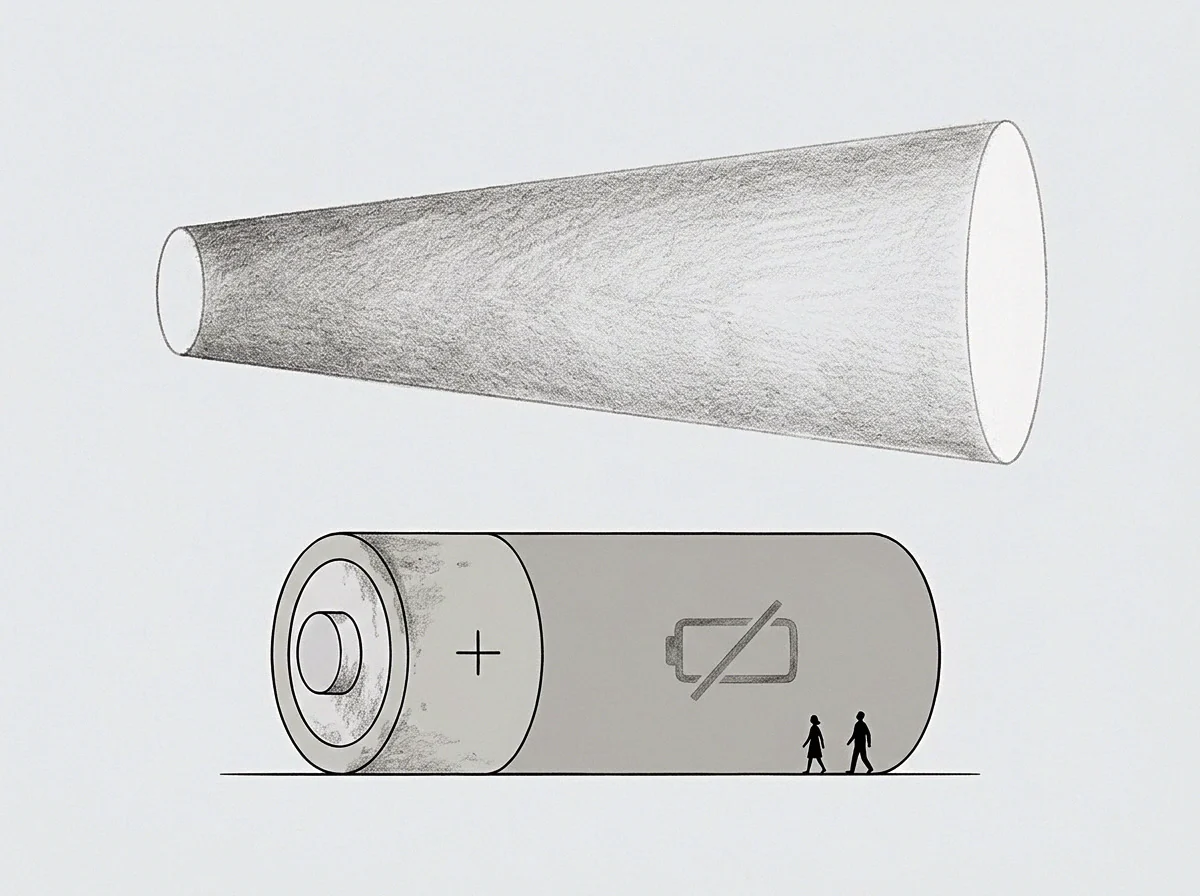
Structural terms replace human endurance with explicit operational constraints, rerouting institutional demand before it depletes biological reserves.

Extended heart rate variability latency suppresses executive capacity by delaying parasympathetic reactivation and starving prefrontal networks of control.

A stated limit acts as a structural wall that transfers operational load back to its source by establishing clear friction for unbudgeted capacity demands.
The terms are written where they belong. Each field holds three desks, and every entry a desk writes raises the terms it uses, each term given a meaning, a mechanism and the places it appears. The record on these pages stays first person and hand made; the fields grow the nomenclature.