Meaning
The neurobiological model asserting that the human brain defaults to assuming proximity to predictable, supportive social partners calculates energy expenditure and environmental risk accordingly. In executive management, social baseline theory explains why solitary decision-making and professional isolation feel metabolically expensive and physically threatening. The framework states that the brain considers social proximity to be the baseline human condition, treating solitary command as a high-risk deviation that demands expensive physiological mobilization.
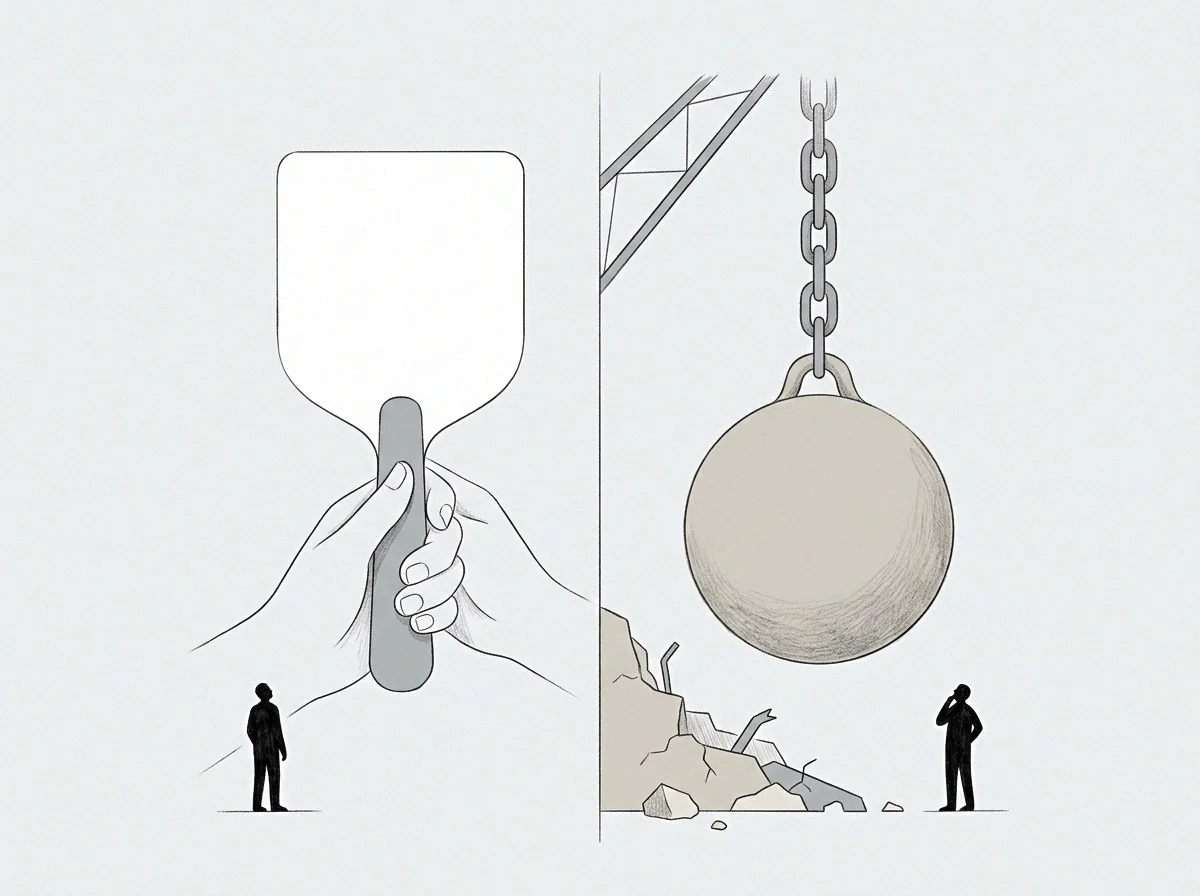
It governs how isolation drives up cortisol production, vigilance and cognitive fatigue. The theory stops applying when surrounding social partners are perceived as unpredictable, hostile or dangerous.
Default Assumption
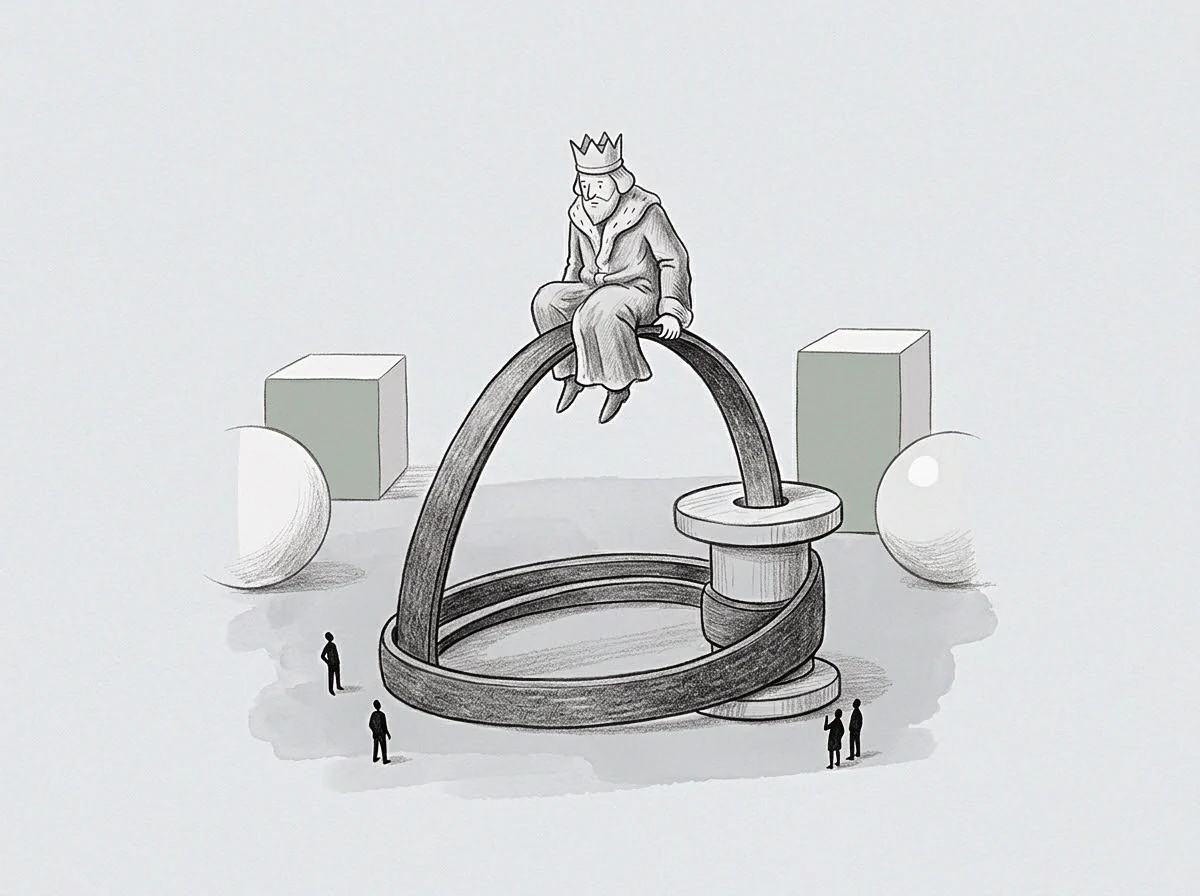
Human physiology is naturally configured to distribute the metabolic cost of survival across a trusted community. Under the framework of social baseline theory, when an individual operates within a reliable, cooperative team, the brain calculates that tasks require less effort and that environmental risks are easily manageable. The central nervous system conserves precious glucose and neurotransmitters because it assumes assistance is immediately available.
This shared burden lowers baseline blood pressure and quiets subcortical threat detection. Biological economy is the direct result of perceived social support.
Environmental Costing
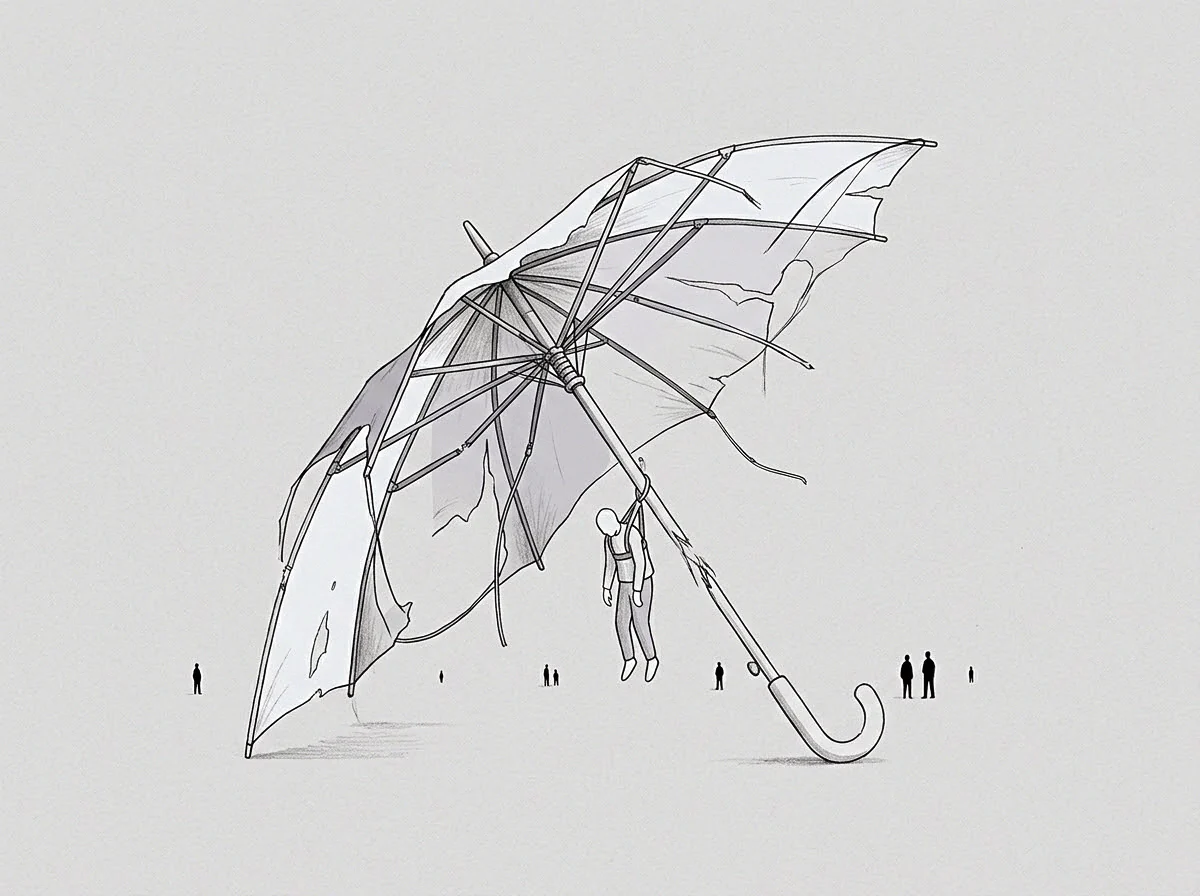
When a founder becomes isolated at the top of an organization, the brain automatically updates its metabolic accounting to reflect the absence of supportive peers. Every operational challenge, financial risk and strategic hurdle is suddenly scored as significantly more dangerous and energy-intensive. The body responds by elevating baseline sympathetic tone, mobilizing emergency fuel reserves and narrowing attentional focus.
This biological shift explains why isolated executive command feels profoundly exhausting over extended periods. The burden is amplified because the nervous system is paying the full solitary tax.
Distributed Burden
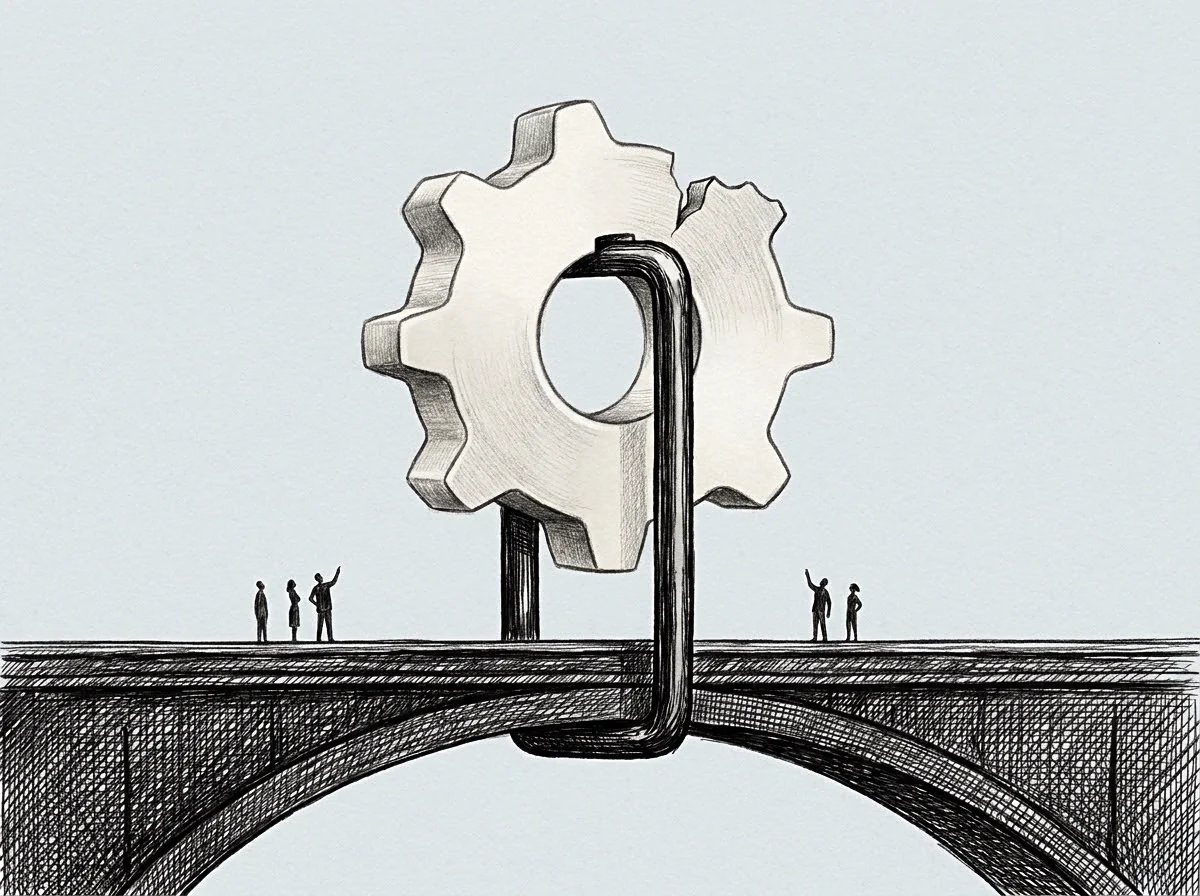
Structuring true co-leadership models and deeply collaborative executive teams realigns organizational practice with basic human neurobiology. By sharing core responsibilities with deeply trusted partners, an enterprise reduces the physiological wear on any single executive. The brain registers this distributed load, lowering resting vigilance and freeing up cognitive bandwidth for high-order innovation.
Real relational alignment acts as an operational performance enhancer.