Meaning
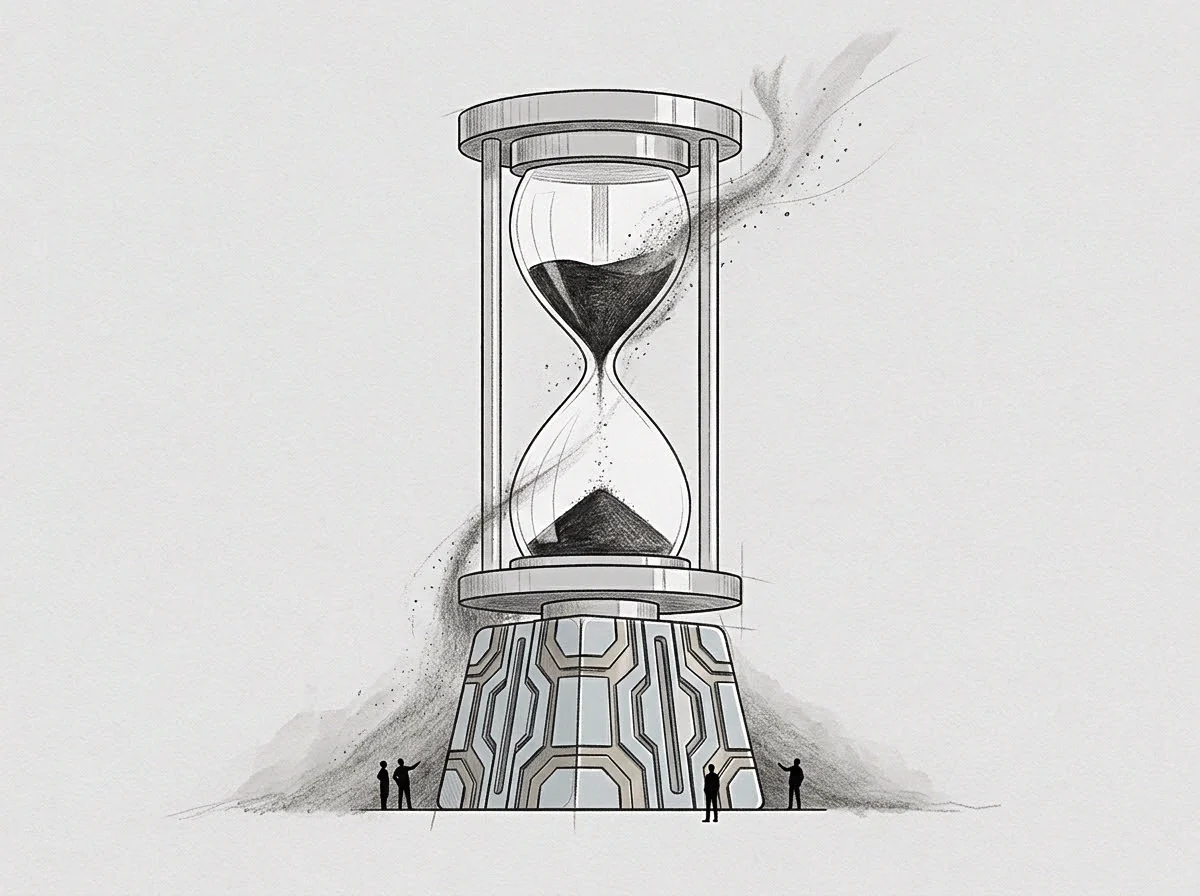
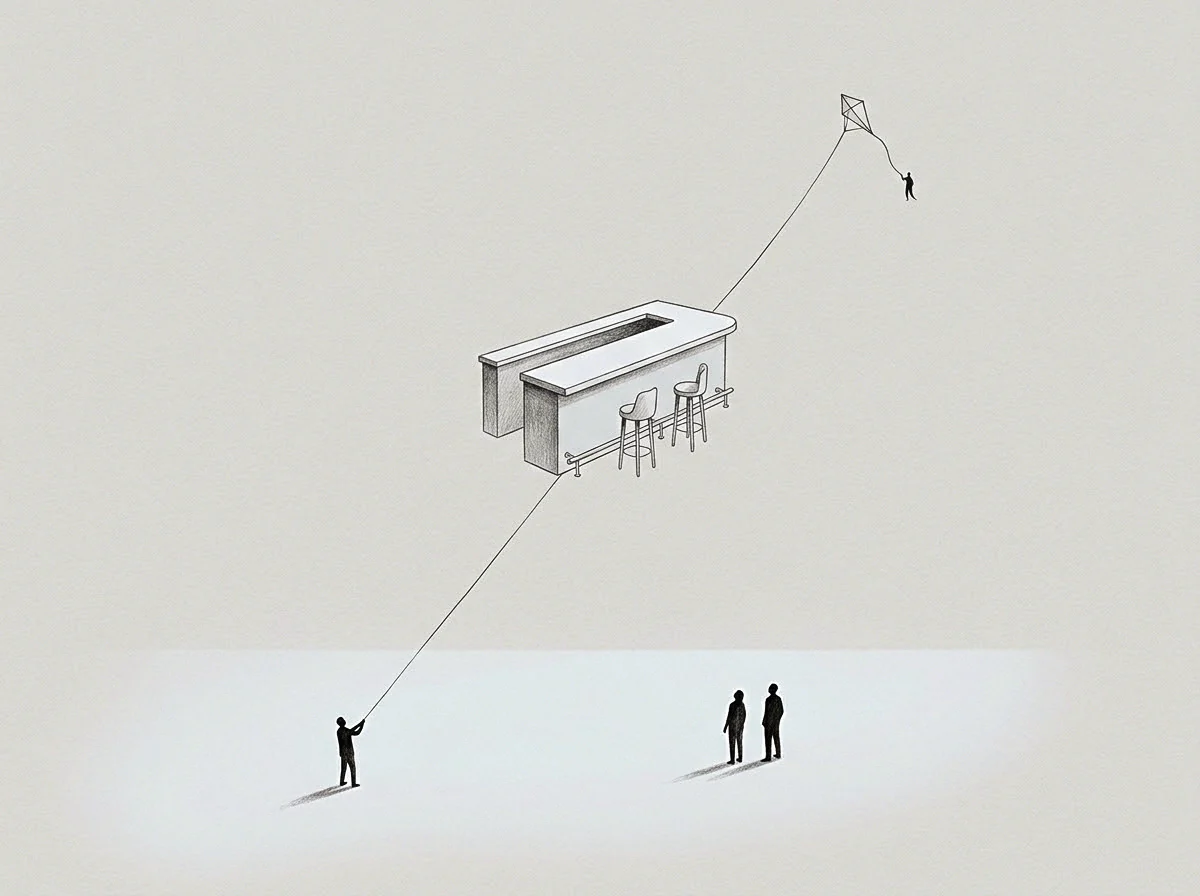
The execution of a high stakes decision only when the decision maker has achieved a balanced and rested mental condition protects the firm from high risk errors. This approach, known as a state-gated act, prevents impulsive moves by delaying action until specific physiological metrics are met. It acts as an internal circuit breaker during crises.
Cognitive Defense
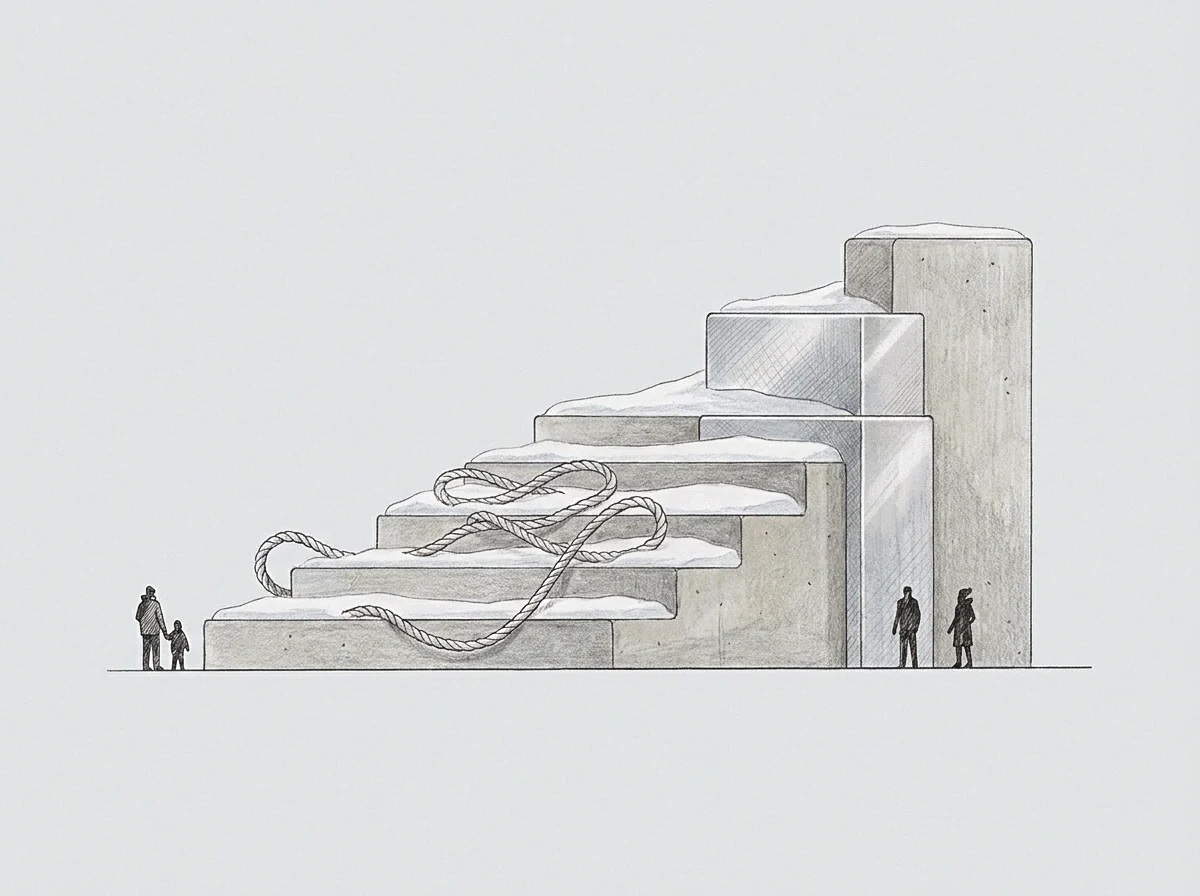
Strategic decisions made under severe fatigue often yield poor operational outcomes. Demanding a state-gated act ensures that complex transactions are evaluated with full cognitive capacity. This practice reduces the frequency of avoidable mistakes during intense negotiations.
Operational Friction
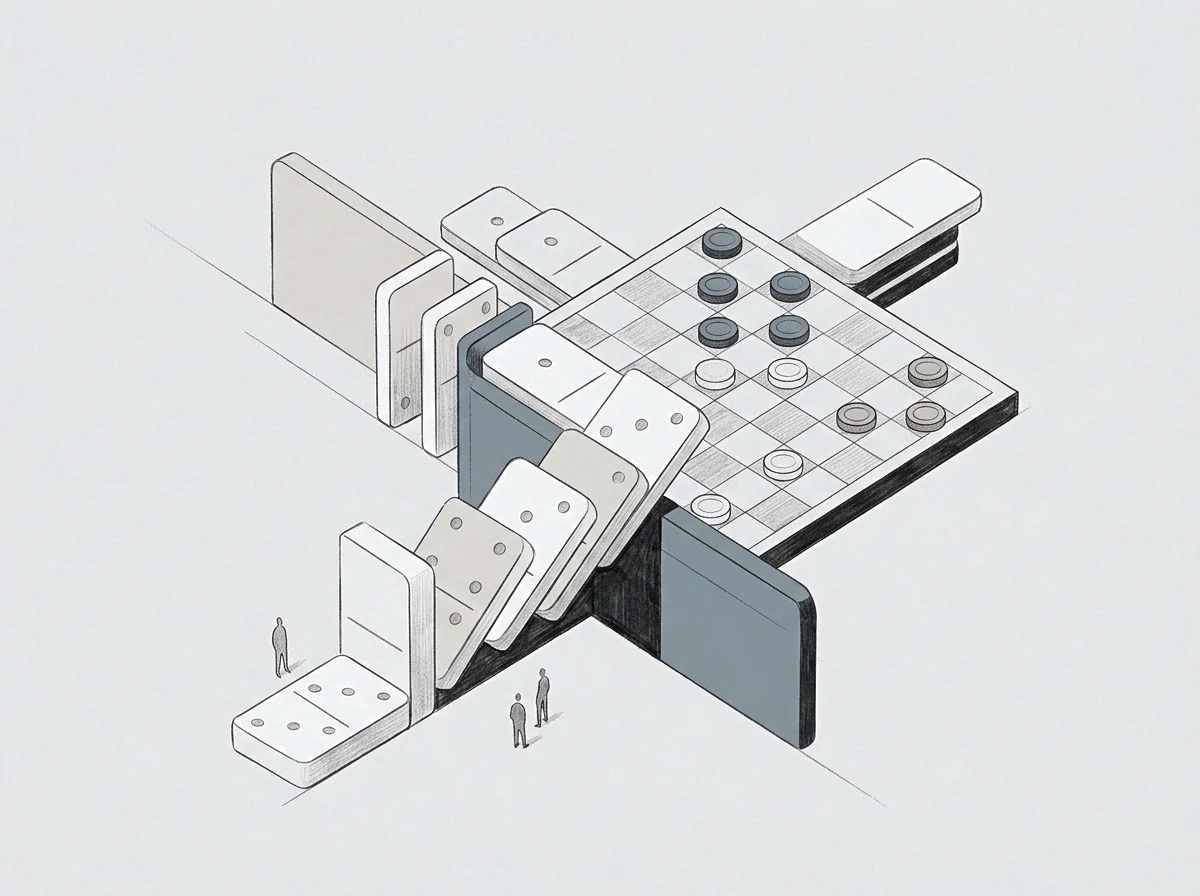
Enforcing rest periods before signing agreements can slow down the speed of corporate actions. Although a state-gated act lowers risk, it can frustrate team members who are waiting for immediate approvals to proceed. This cost must be balanced against the value of error prevention.
Boundary Condition
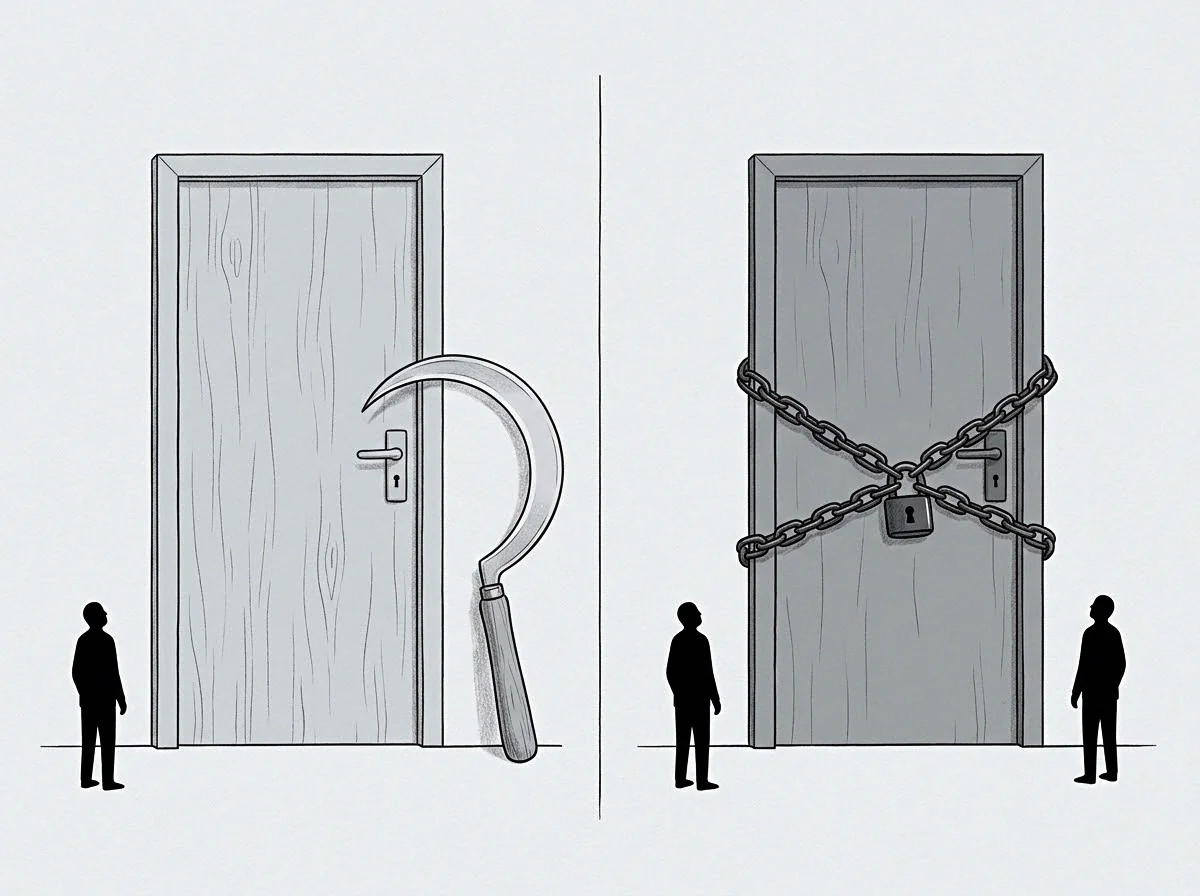
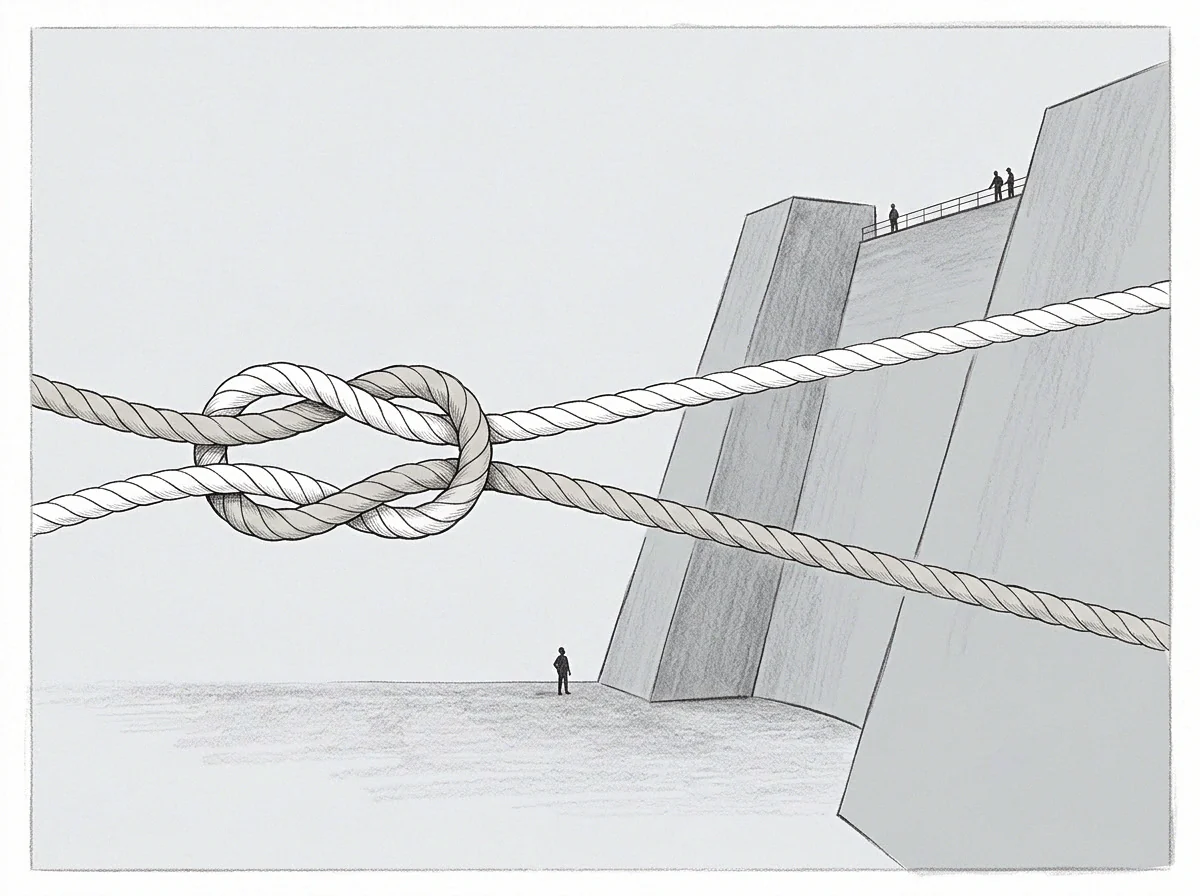
Acute emergencies demand instant action that cannot be postponed for physical recovery. When a severe breach or sudden liquidity event occurs, insisting on a state-gated act can lead to catastrophic delays and organizational failure. The mechanism becomes counterproductive when the survival of the firm depends on immediate, real time choices.
Under those extreme pressures, a leader must execute decisions regardless of their physiological state.