Meaning
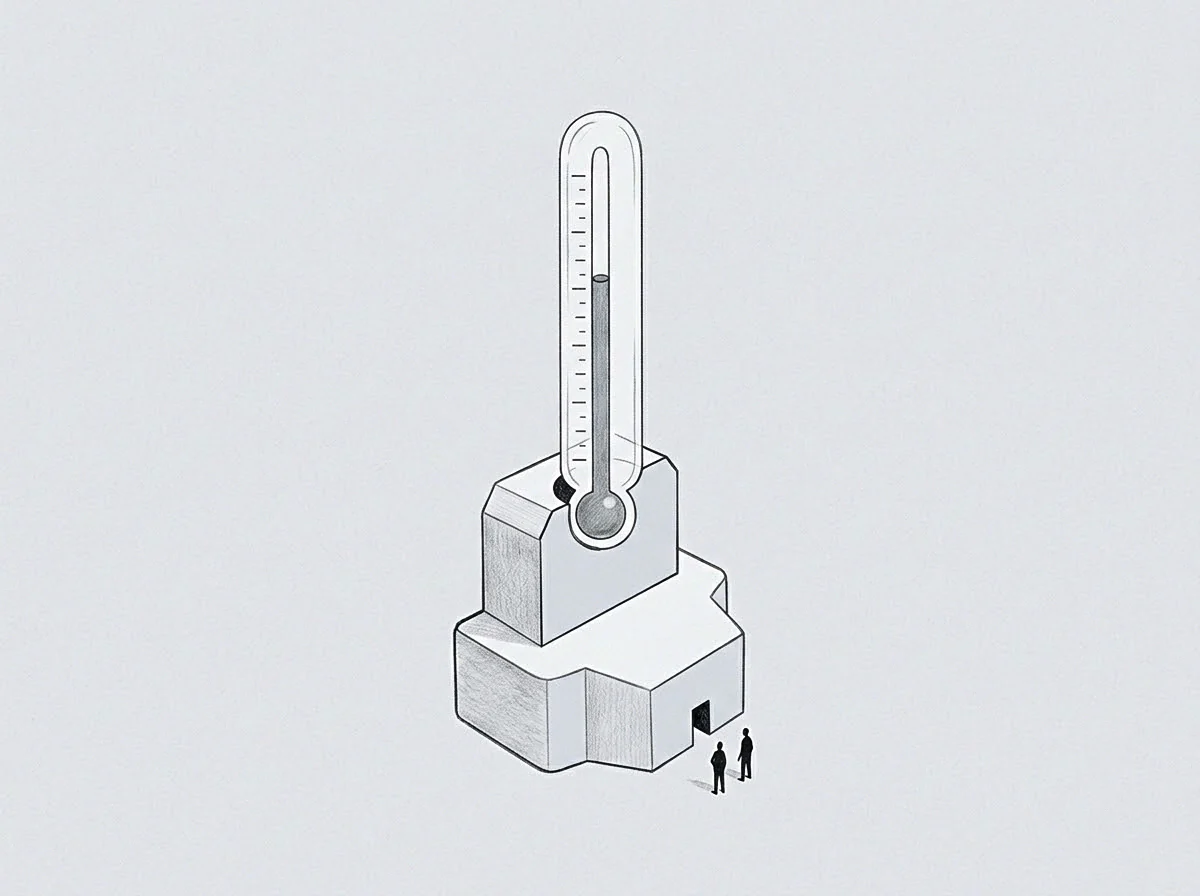
Institutional headroom represents the upper limit of external compliance obligations that an organization can absorb before operational paralysis occurs. This threshold defines the boundary between viable self-regulation and mandated state oversight for newly established entities. Statutory bodies establish these limits through mandatory reporting intervals and capital reserve requirements.
Organizations exceed this capacity when the administrative drag of compliance consumes more working hours than the core productive output of the enterprise.
Energy Cost
Founders expend measurable mental attention and cognitive bandwidth on mandatory filings and supervisory inquiries. This drain leaves fewer hours available for product development and customer acquisition. Every additional licensing tier requires a quantifiable shift in human resources away from commercial growth toward defensive documentation.
The cost manifests as diminished executive focus rather than a direct monetary penalty on the balance sheet.
Systemic Throttling
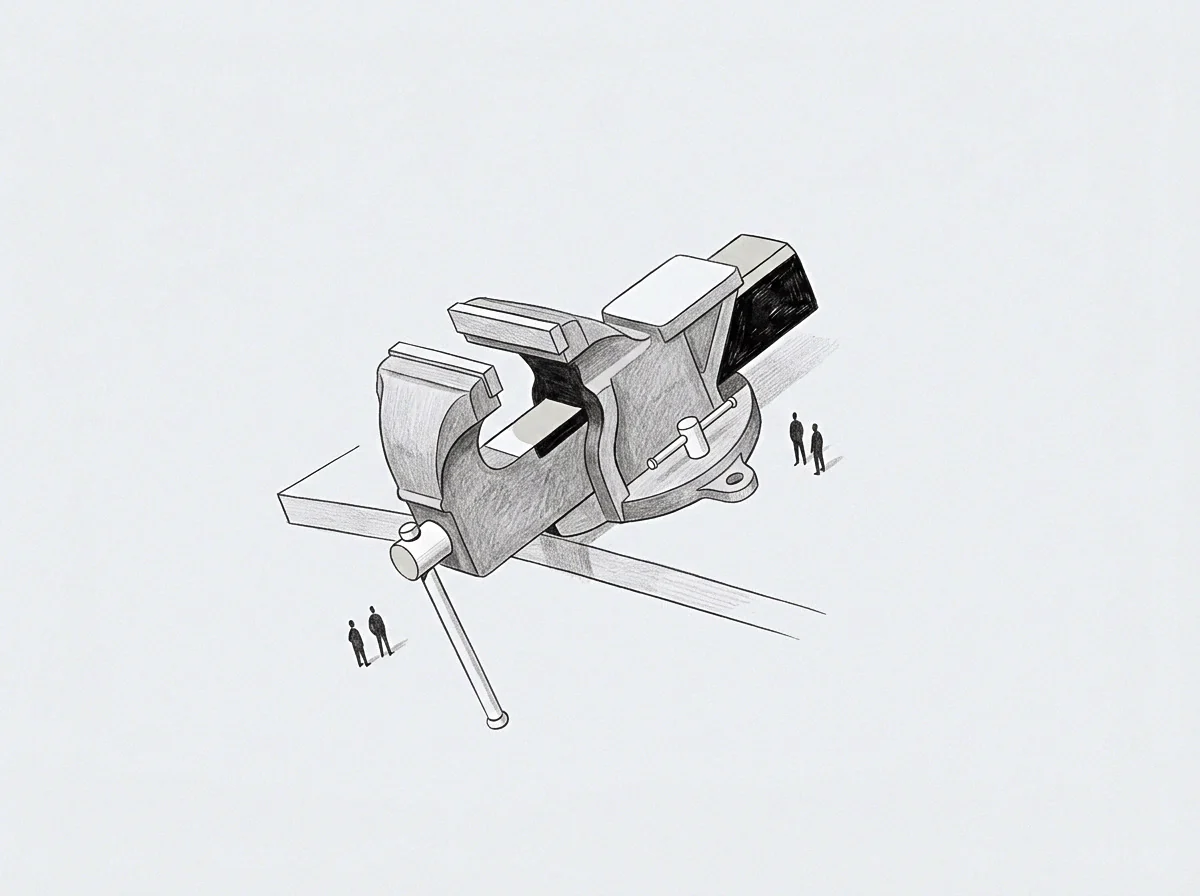
Bureaucratic friction introduces deliberate delays into operational velocity by enforcing mandatory waiting periods for permit approvals. Small organizations experience this constraint more acutely than established corporations because administrative overhead scales faster than staff headcount. Compliance queues create artificial bottlenecks that restrict market entry for new products regardless of actual consumer demand.
Failure Boundary
The threshold breaks down completely when enforcement agencies demand real-time data integration that legacy software infrastructure cannot deliver. Organizations cross into institutional failure when the financial penalty for missed reporting deadlines exceeds the total annual profit margin. This structural limit ensures that regulatory capacity remains a finite resource governed by available personnel and computational throughput.