

Structural Dynamics Of Co-Regulatory Load Transfer Within High-Stress Executive Teams
Executive co-regulation shunts autonomic threat responses onto steady operators, depleting metabolic headroom while masking team operational instability.
Executive co-regulation shunts autonomic threat responses onto steady operators, depleting metabolic headroom while masking team operational instability.

Acute allostatic load elevates executive temporal discounting by downregulating prefrontal networks, compressing choice horizons to immediate homeostatic survival.

Portfolio governance gates insulate capital placement by transferring allocation limits from fatigued decision makers to binding procedural hurdles.

Autonomic nervous system strain alters risk perception during underwriting by converting metabolic exhaustion into defensive aversion to commercial uncertainty.
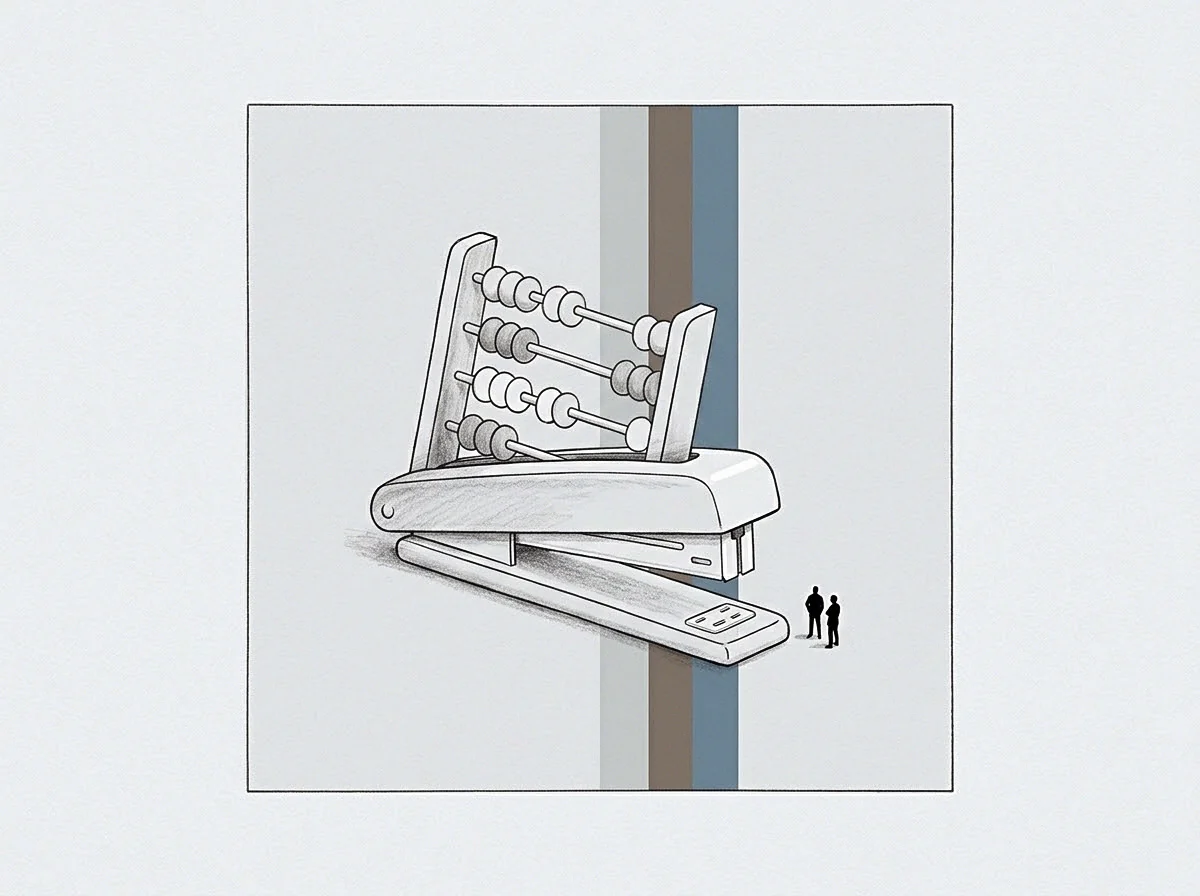
Structural intake protocols convert erratic pings into batched queues, protecting operator capacity while scheduled windows preserve team certainty.

Continuous interpersonal regulation consumes prefrontal executive capacity, triggering protective system throttling that manifests as selective latency.

Executive nervous systems absorb team anxiety as an unmetered biological subsidy until allostatic overload forces protective operational throttling.

Early executive systems without buffers transfer operational volatility directly to the individual, driving biological throttling misdiagnosed as depression.

Early venture leadership preserves decision capacity by gating operational intake, parking open loops, and treating working memory as a bounded structural resource.

Continuous regulator availability forces unreciprocated baseline extraction, overloading allostatic capacity and blocking the experiential update of earned security.

Subordinate anxiety transfers upward through open communication channels, consuming executive cognitive capacity until structural gates force local resolution.
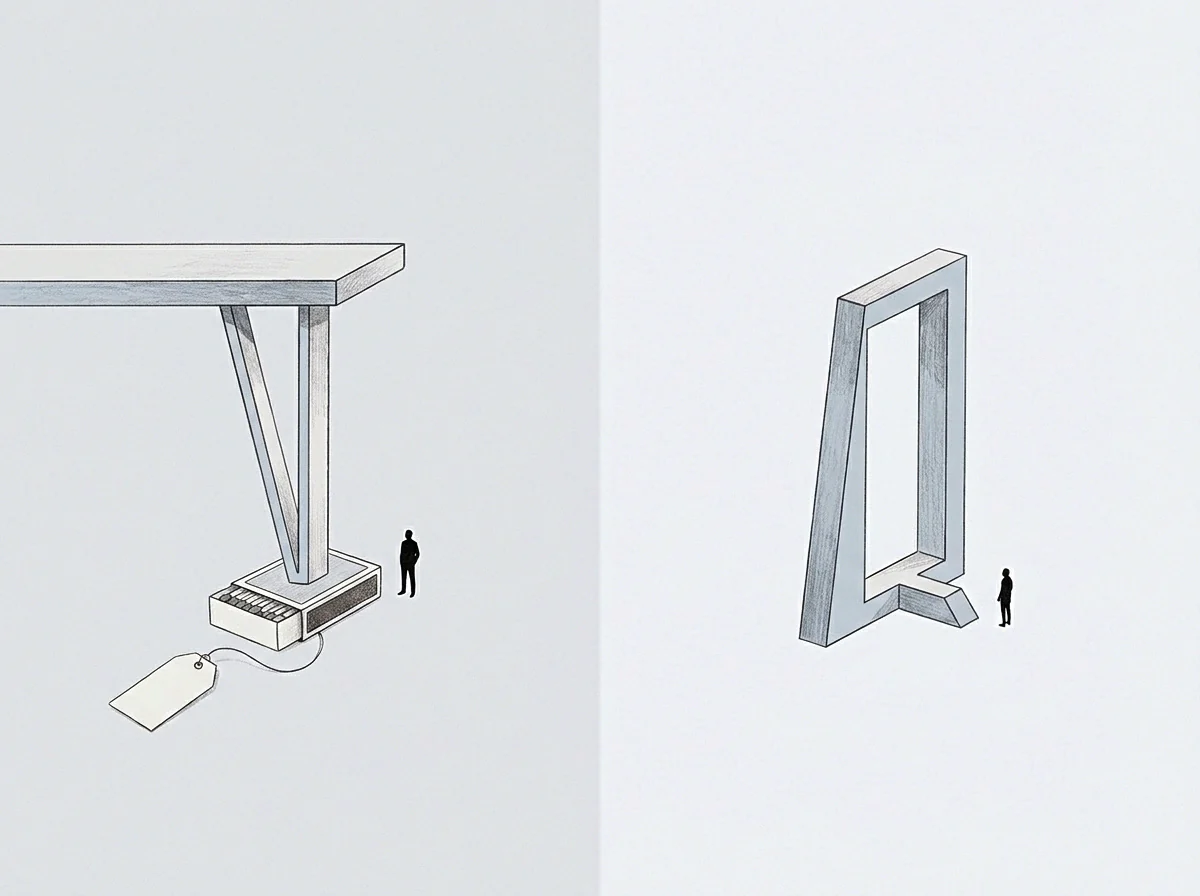
Regulatory load transfer measures how structural ambiguity moves operational and emotional stabilization demands from team members onto early stage leaders.

Executive capacity under unstructured demand depletes through ungated task switching and open cognitive loops rather than nominal working hours.

Unhedged executive exposure transfers institutional volatility directly into the founder's biology, causing chronic allostatic wear and severe neural throttling.

Continuous executive stress imposes measurable multisystem biological wear that forces neurological throttling when ungated cognitive loops overwhelm physical margins.
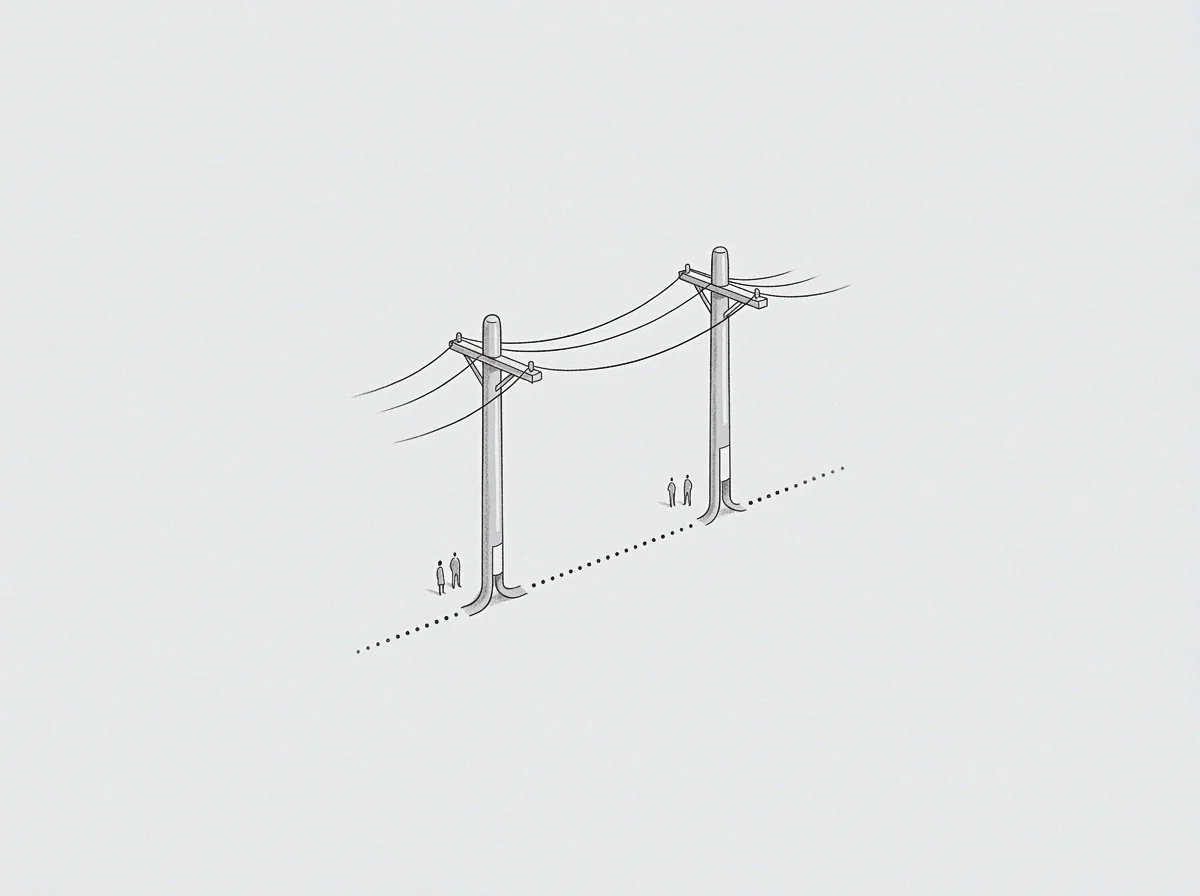
Chronic leadership stress suppresses cardiac vagal tone; quantitative recovery protocols use biometric tripwires to restore prefrontal decision bandwidth.

Chronic allostatic load in founding teams occurs when unconstrained, ungated operational threads exceed executive neurobiological capacity, forcing systemic throttling.

Structural concurrency limits restrict active executive board initiatives to match the measured processing headroom of dysregulated leadership.

Resetting baseline nervous system tone requires shifting from expensive solitary allostatic defense to bounded co-regulation and enforced operational limits.

Autonomic headroom recovers when ambiguous operational loops receive defined scope, dates, and termination criteria, halting chronic sympathetic activation.

Regulatory exhaustion throttles affective output to preserve executive throughput under chronic load, whereas clinical blunting reflects systemic autonomic flattened reactivity.

Allostatic load and cognitive concurrency limits measure somatic wear and parallel processing boundaries under chronic organizational demand.

Continuous un-gated operational inputs cause persistent neuroendocrine activation, downregulating cellular receptors and forcing biological throttling.
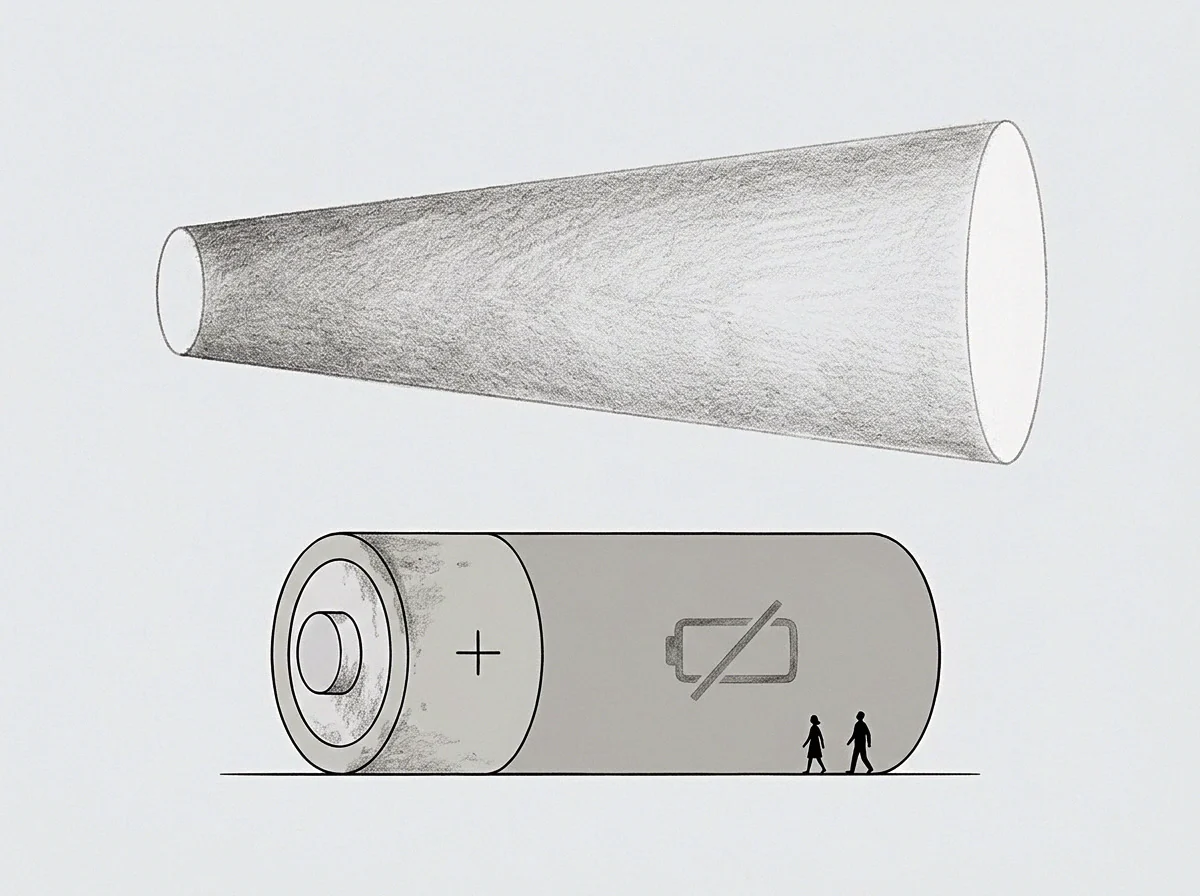
Chronic neuroendocrine saturation uncouples prefrontal networks, reducing working memory capacity and forcing operational triage into subcortical reaction.

Continuous asynchronous telemetry streams force executive authority thresholds to degrade by converting ambient operational visibility into implicit approval loops.

Executive cognitive overload under high-velocity telemetry is mitigated by applying semantic thresholds and batch gates that preserve mental headroom.
Gated governance replaces discretionary founder escalations with explicit thresholds, reducing chronic regulatory wear by bounding operational concurrency.

Executive attention in scaling firms hits absolute biological limits when unstructured incoming operational signals exceed working memory processing capacity.

Ambiguous operational authority combined with raw telemetry creates sustained allostatic load by forcing constant anticipatory regulation across open cognitive loops.

Nocturnal parasympathetic reactivation quantifies autonomic recovery by measuring interbeat interval variance during motionless slow-wave sleep.
The terms are written where they belong. Each field holds three desks, and every entry a desk writes raises the terms it uses, each term given a meaning, a mechanism and the places it appears. The record on these pages stays first person and hand made; the fields grow the nomenclature.