

How Bounded Operational Gates Reduce Sustained Sympathetic Activation
Bounded operational gates convert chaotic, unpredictable demands into discrete, scheduled inputs, lowering perceived threat signals and sympathetic tone.
Bounded operational gates convert chaotic, unpredictable demands into discrete, scheduled inputs, lowering perceived threat signals and sympathetic tone.
Explicit operational delegation boundaries eliminate open cognitive loops, shifting autonomic tone toward parasympathetic recovery and lowering allostatic load.

Structural delegation gates decouple executive physiology from operational variance, terminating open cognitive loops to restore parasympathetic tone.
Autonomic arousal persists because unresolved interpersonal dependencies keep biological threat circuits active while awaiting external counterparty responses.

Structured concurrency limits cognitive load in executives by capping simultaneous open loops, preventing prefrontal depletion and chronic allostatic wear.
Persistent asynchronous work demands suppress nocturnal vagal recovery markers through continuous background vigilance and unbroken adrenergic tone.
Structural thread gating eliminates continuous autonomic vigilance from open cognitive loops, lowering peripheral vascular resistance to reverse allostatic load.

Systemic glucocorticoid resistance emerges when chronic elevated cortisol downregulates peripheral receptor sensitivity during sustained insolvency negotiations.
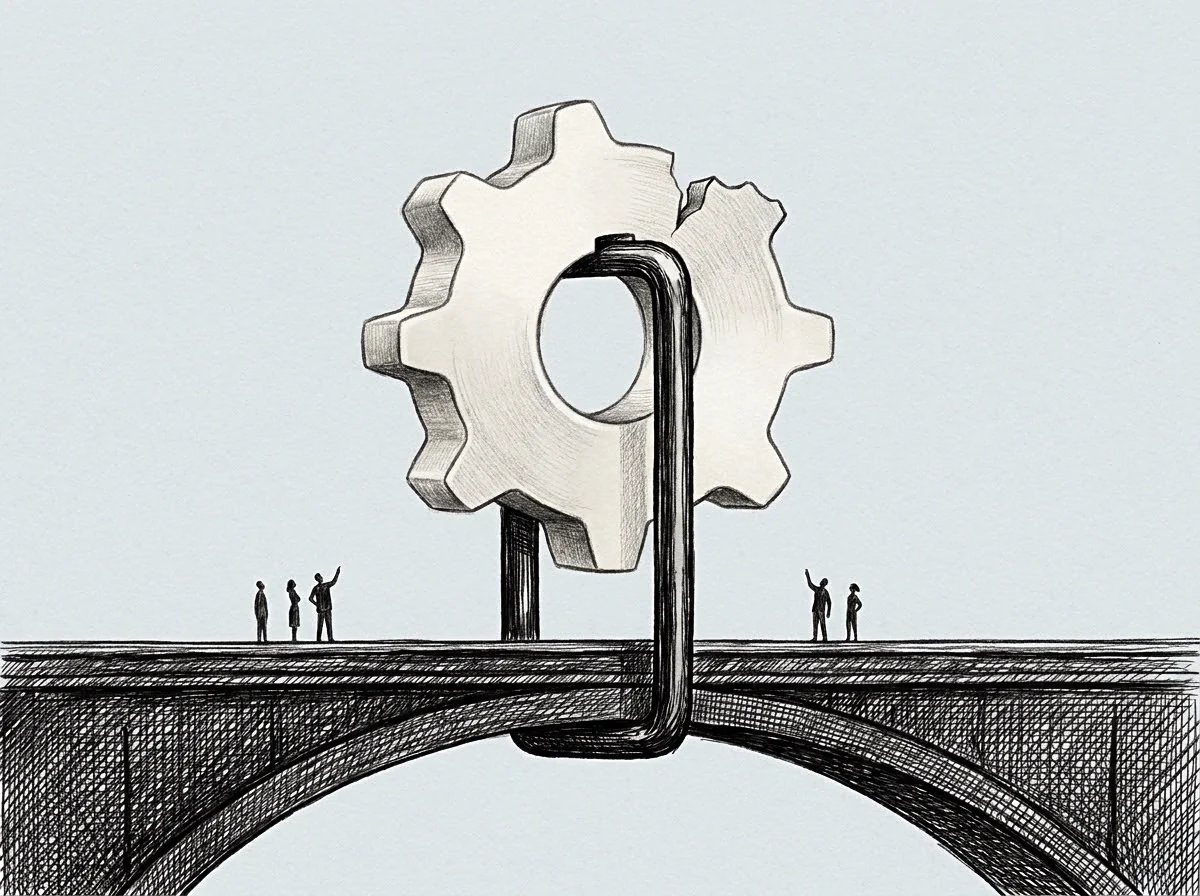
Chronic executive strain drives continuous cortisol saturation that downregulates receptor sensitivity, halting steroid signaling and fueling inflammation.
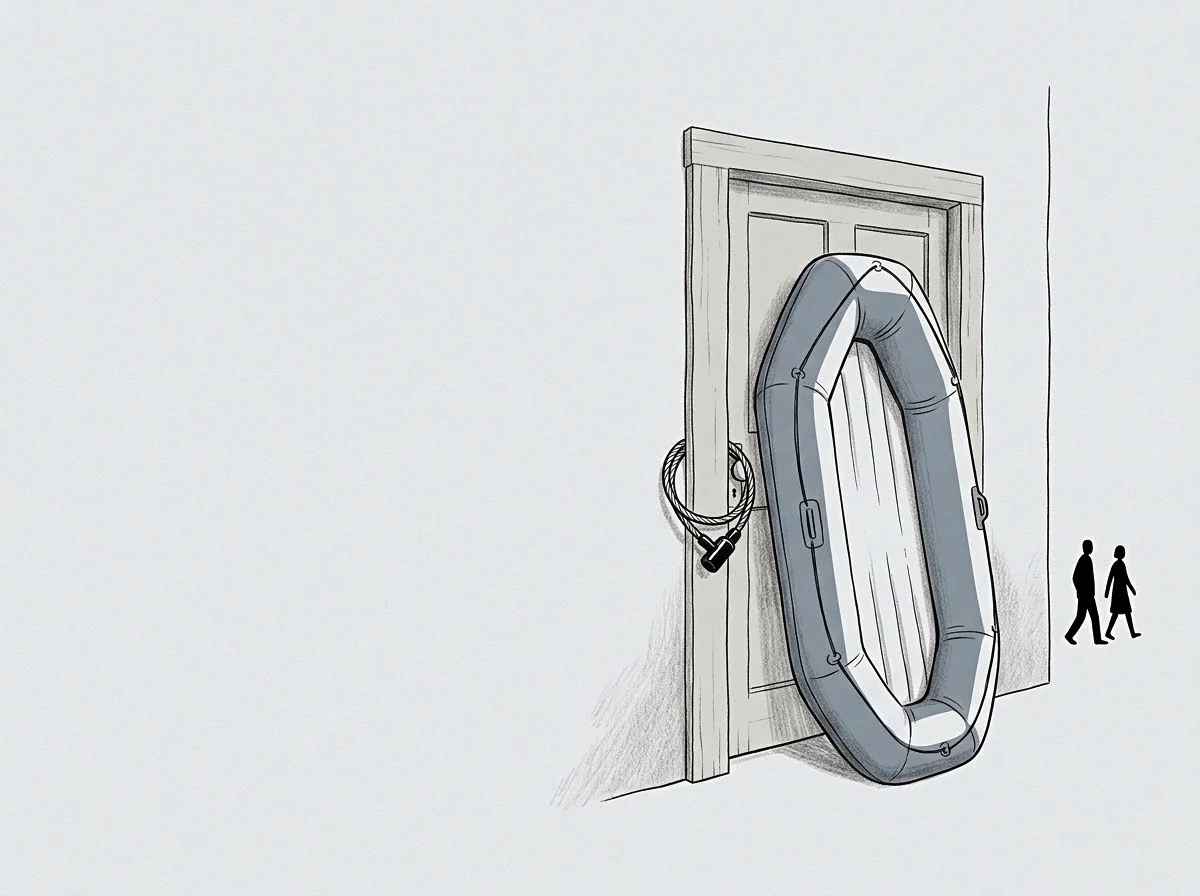
Prolonged executive overload downregulates prefrontal glucocorticoid receptors, breaking stress inhibition; recovery requires strict thread gating to restore receptor sensitivity.
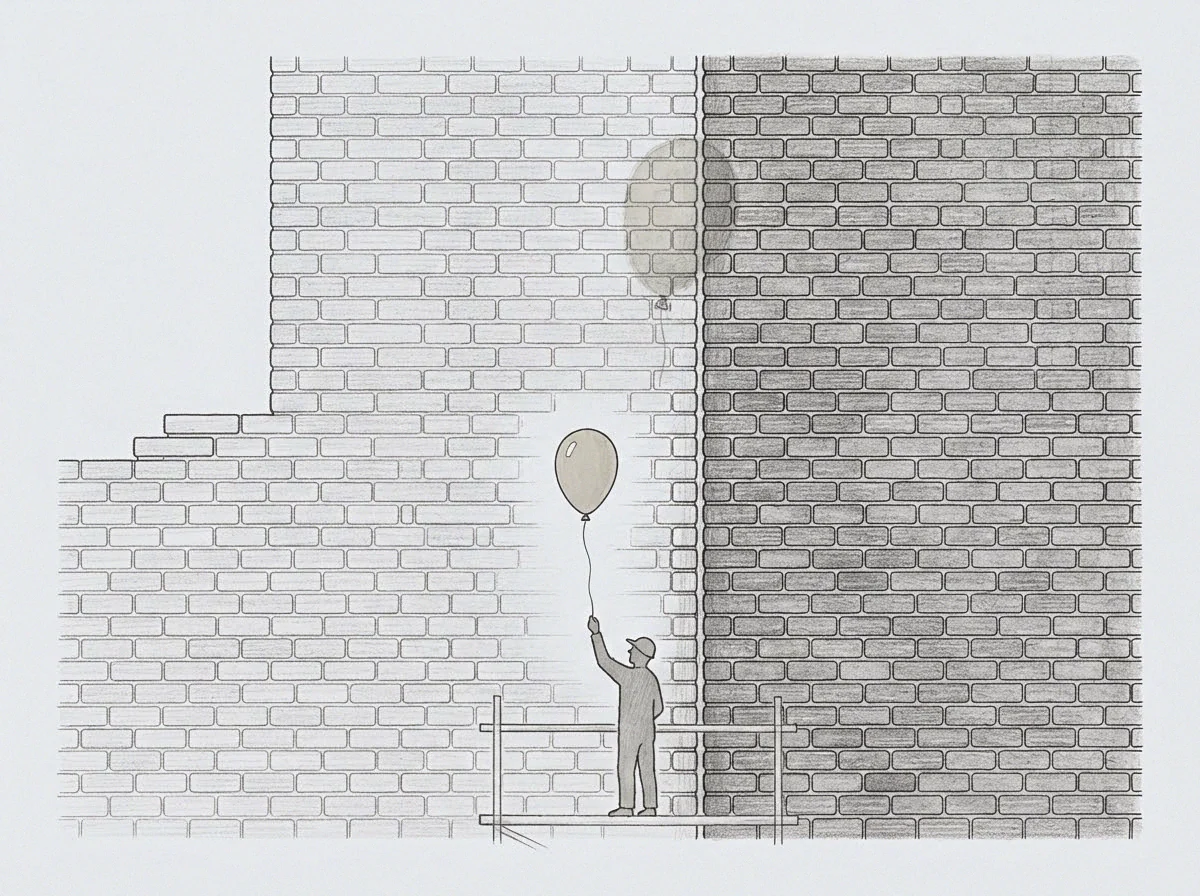
Prefrontal exhaustion reduces central executive capacity, requiring deterministic external gates and explicit concurrency limits to maintain regulatory headroom.

Continuous operational stress demethylates FKBP5, over-producing the co-chaperone, blocking hypothalamic cortisol sensing, and disabling endocrine feedback.

Senior leadership restores metabolic headroom by converting open cognitive loops into term-gated units and enforcing strict concurrency limits.

Executive step-down induces severe autonomic mismatch as persistent sympathetic hyperarousal outlasts external operational demands without structural pacing.
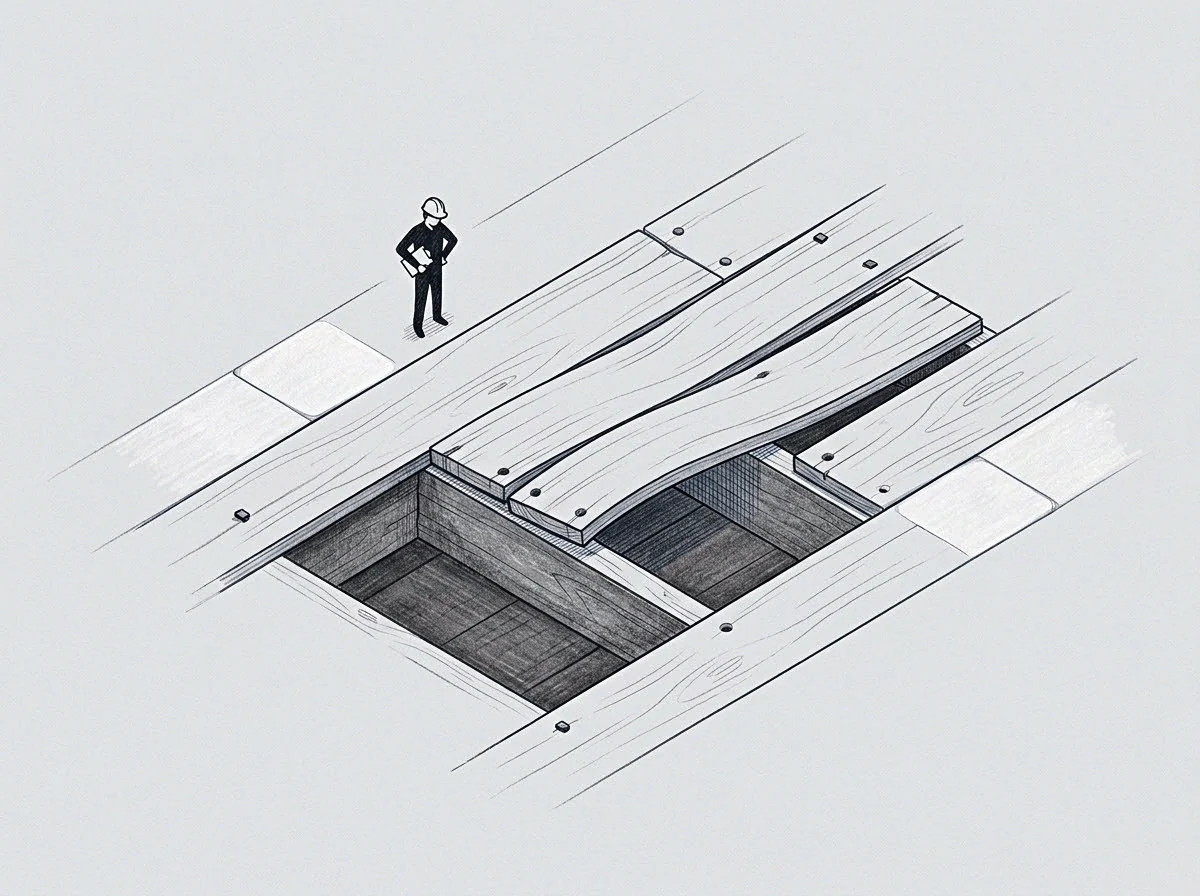
Endocrine normalization lags structural insulation because peripheral steroid receptors require months of verified safety to recalibrate baseline feedback loops.
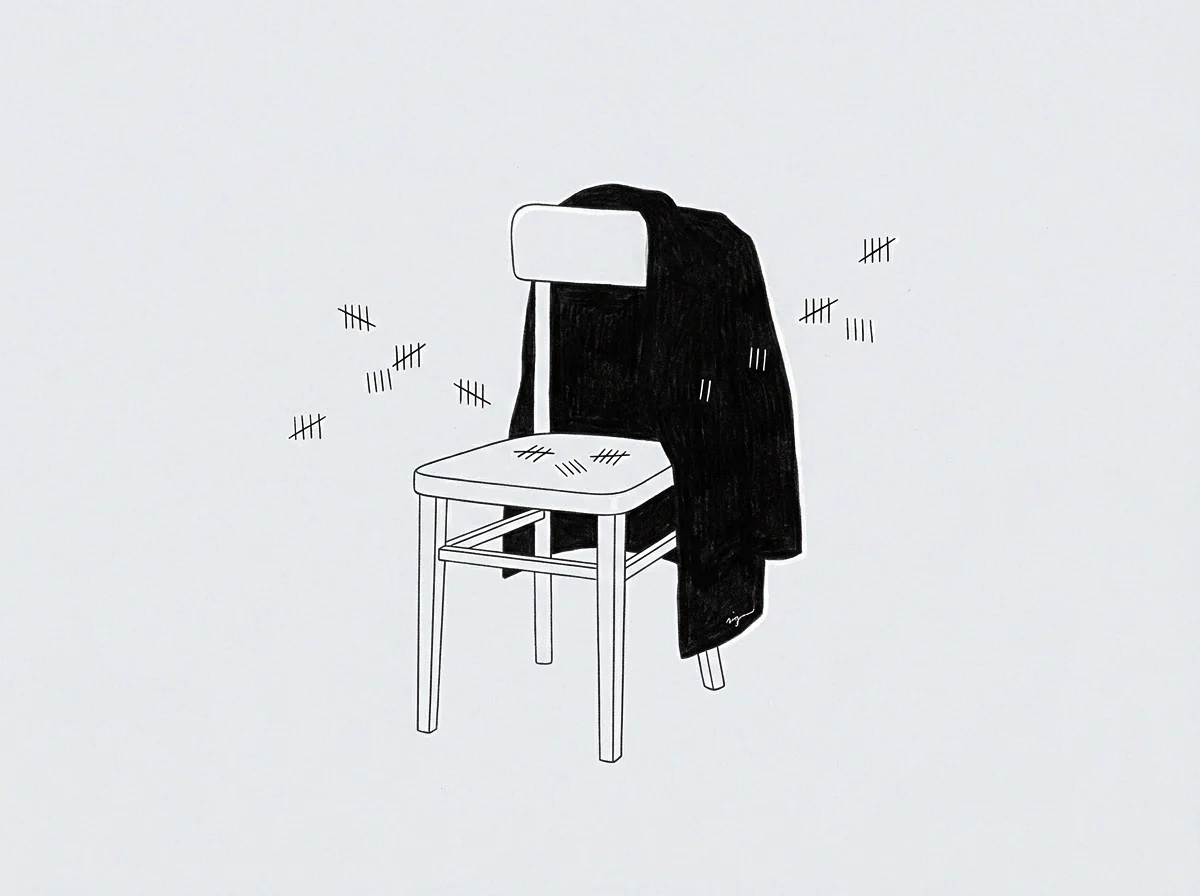
Leaving enterprise management triggers a delayed vagal tone rebound as the nervous system processes the reduction of ungated open loops.
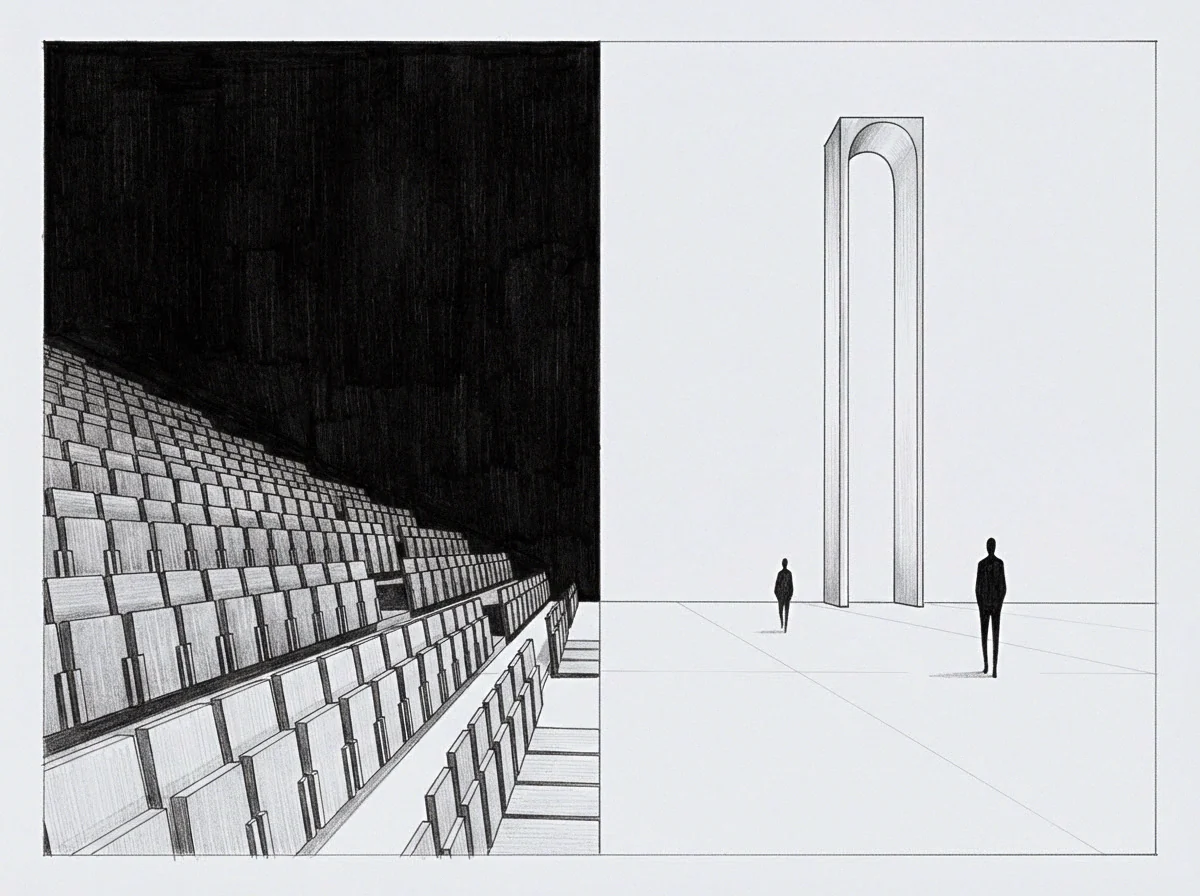
Structural co-regulation boundaries limit endocrine exhaustion in isolated governance roles by enforcing formal access gates and distributing regulatory load.

Physiological stress downregulation reduces volitional capacity to protect neuroendocrine systems under unclosed executive load.

Parametric delegation architectures offload executive function to external artifacts, eliminating continuous verification during allostatic overload.

Solitary threat monitoring forces continuous autonomic elevation, whereas social baseline proximity distributes regulation costs across trusted counterparties.

Setting structural intake limits caps concurrent open cognitive threads, preventing elevated allostatic load and maintaining executive strategic capacity.

Calibrating operating limits involves bounding decision scope, setting hard escalation thresholds, and gating ungated loops under asymmetric authority.
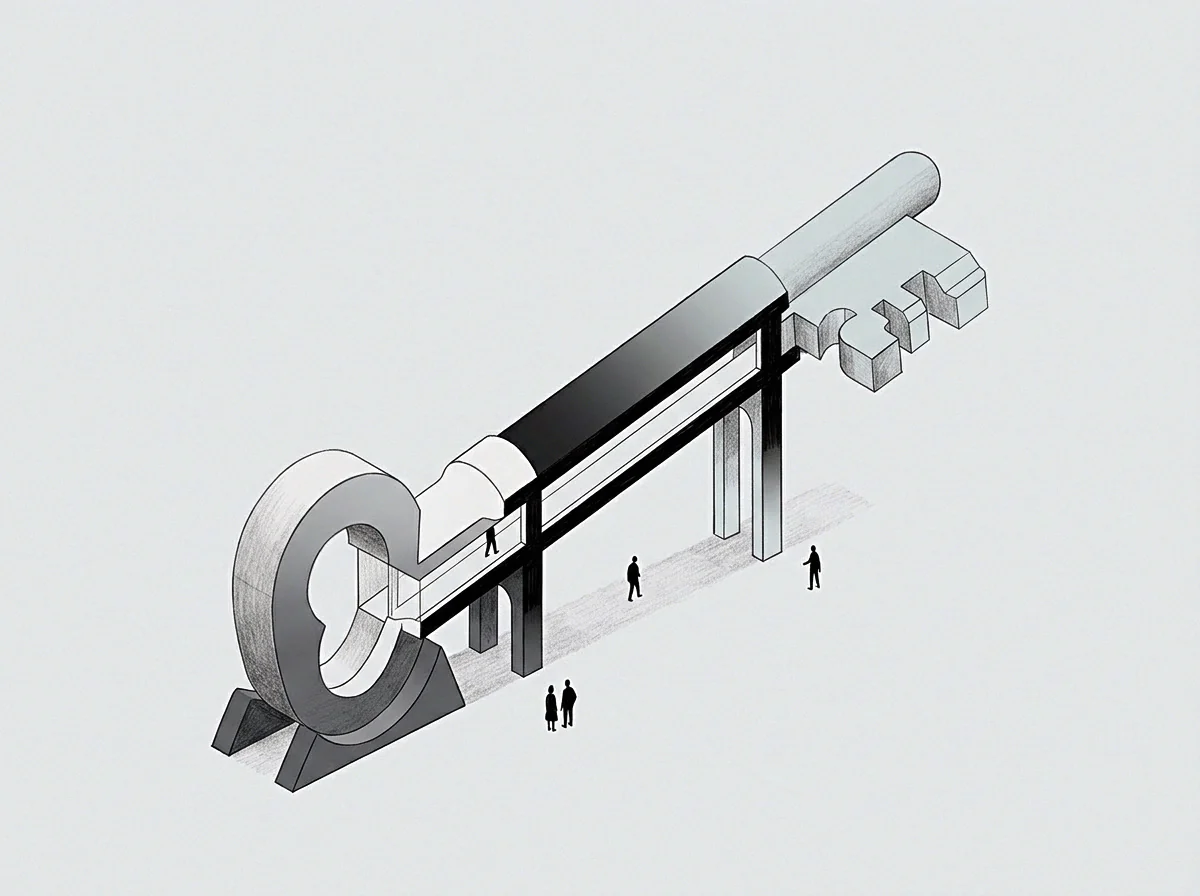
Gating real time availability limits active cognitive threads, preventing executive physiological collapse while driving distributed team self-regulation.

Stated response limits decouple intake from execution, reducing allostatic wear by converting continuous interruptions into bounded processing windows.

Continuous real time control saturates prefrontal glycogen reserves, forcing a transition from deliberate executive regulation to reflexive striatal heuristics.
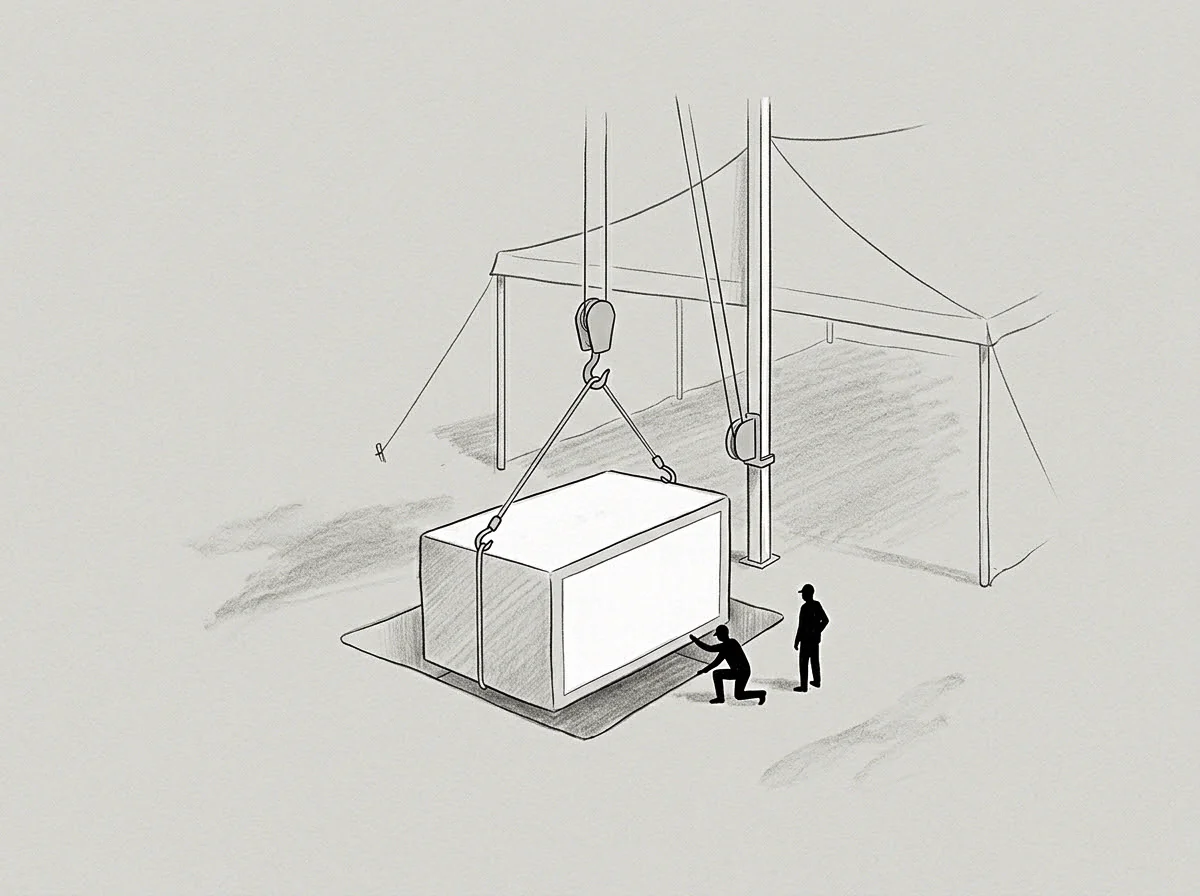
Chronic regulatory load forces physiological throttling to preserve baseline execution, misread as failing commitment when open channels exceed working capacity.

Asynchronous governance gates fail when open review loops exceed executive working memory capacity, forcing biological throttling and organizational delay.
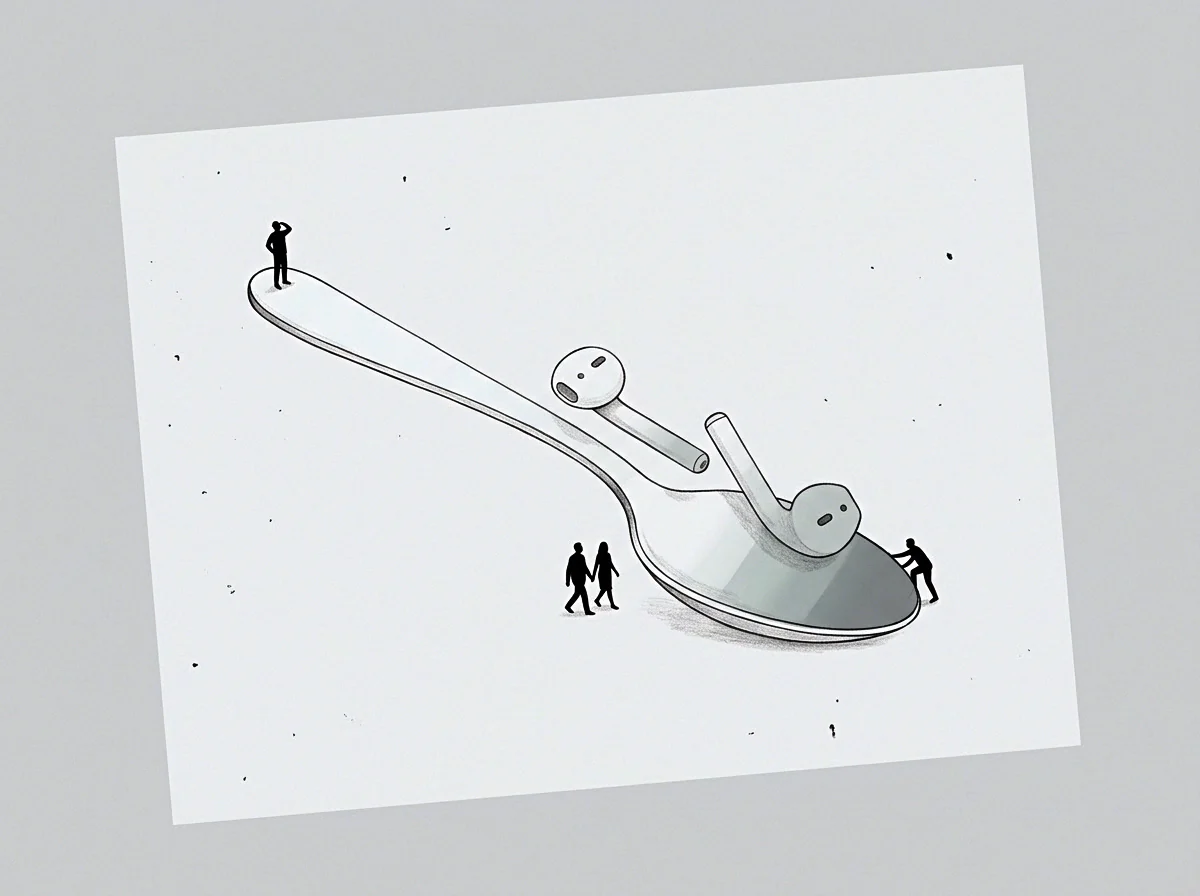
Ungated relational loops consume working memory slots, elevating allostatic load and triggering protective operational throttling under pressure.
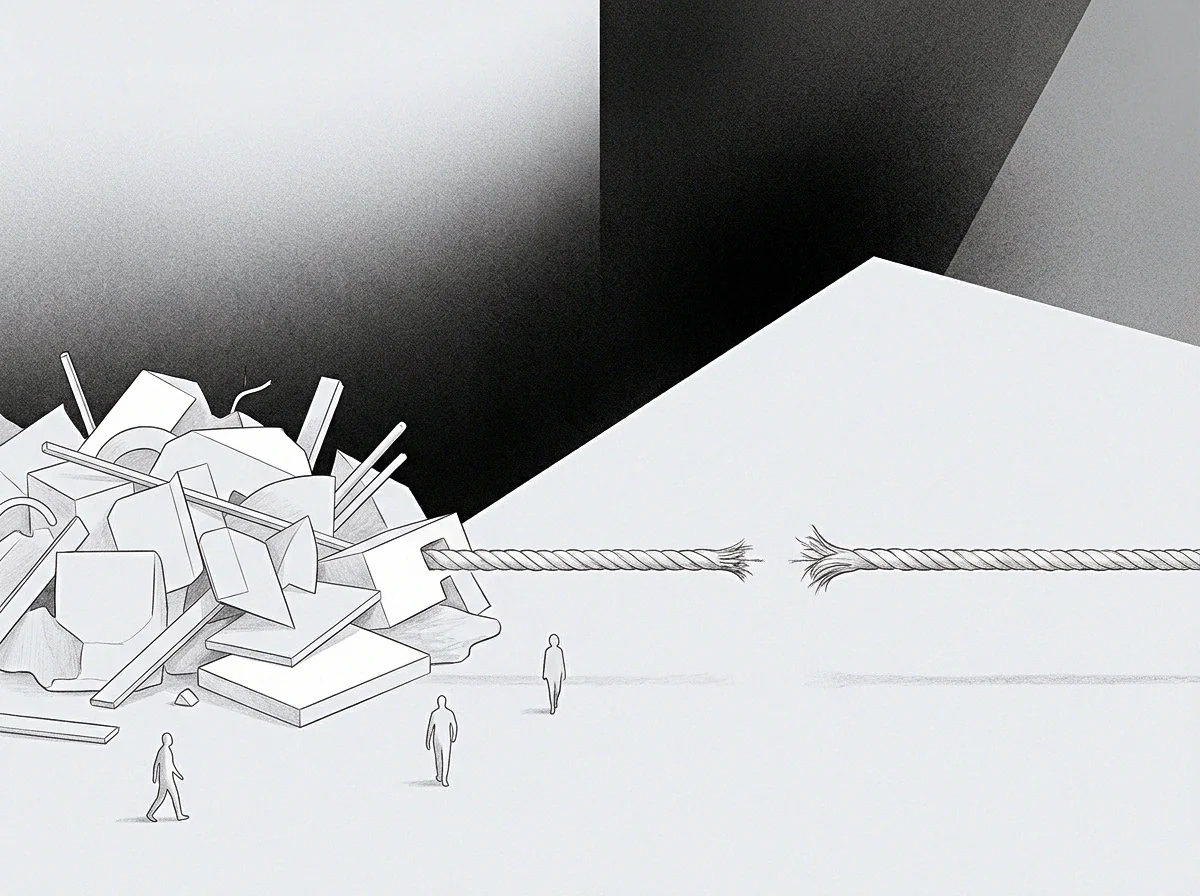
Flattened diurnal cortisol curves reflect chronic endocrine adaptation that degrades prefrontal cortex working memory headroom and executive control.
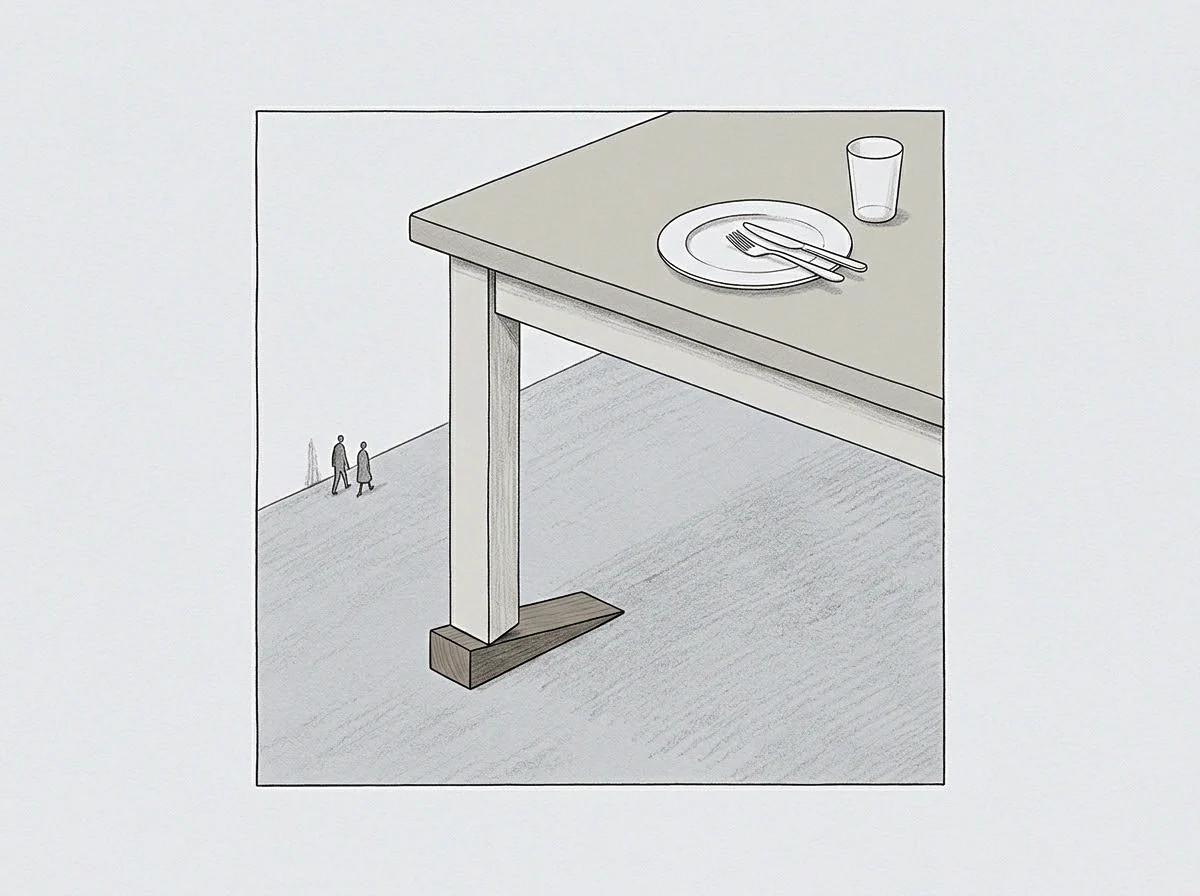
Unclosed operational loops consume executive cognitive headroom by occupying working memory slots until explicitly bounded by scope, dates, and terms.
The terms are written where they belong. Each field holds three desks, and every entry a desk writes raises the terms it uses, each term given a meaning, a mechanism and the places it appears. The record on these pages stays first person and hand made; the fields grow the nomenclature.