

Distinguishing Physiological Energy Conservation From Affective Mood Disorders
Energy throttling down-regulates executive capacity to protect exhausted systems, whereas affective mood disorders reflect dysregulated emotional and reward circuits.
Energy throttling down-regulates executive capacity to protect exhausted systems, whereas affective mood disorders reflect dysregulated emotional and reward circuits.

Executive allostatic load reflects cumulative neuroendocrine wear from sustained regulatory demand, triggering metabolic throttling when loop concurrency hits ceiling.

Flattens diurnal cortisol curves saturate prefrontal glucocorticoid receptors, causing late-day executive working memory drift and slot capacity loss.

Executive decision velocity drops when concurrent ungated open loops exhaust working memory capacity and force systemic regulatory throttling.

Operational thread gating limits executive working-memory saturation by routing inbound demands through temporal buffers and strict intake criteria.

Structural restructuring converts open operational commitments into gated threads, preserving regulatory headroom by limiting active cognitive tracking slots.

Continuous high load forces physiological throttling to protect core throughput, requiring structural gating of open loops to prevent systemic capacity failure.

Executive co-regulation shunts autonomic threat responses onto steady operators, depleting metabolic headroom while masking team operational instability.

Regulatory throttling is protective autonomic down-regulation preserving routine operations while zeroing exploratory capacity under sustained demand.

Excluding fatigued executives from unilateral capital disbursement preserves institutional solvency while neuroendocrine systems recover baseline capacity.

Allostatic overload degrades prefrontal risk analysis in investment partners, forcing depleted committees to substitute thorough diligence with automatic consensus.

Portfolio governance gates insulate capital placement by transferring allocation limits from fatigued decision makers to binding procedural hurdles.

Autonomic nervous system strain alters risk perception during underwriting by converting metabolic exhaustion into defensive aversion to commercial uncertainty.

Long term regulatory capacity recovery requires structural organizational baffles and latency buffers that physically isolate nervous systems from continuous operational escalation.
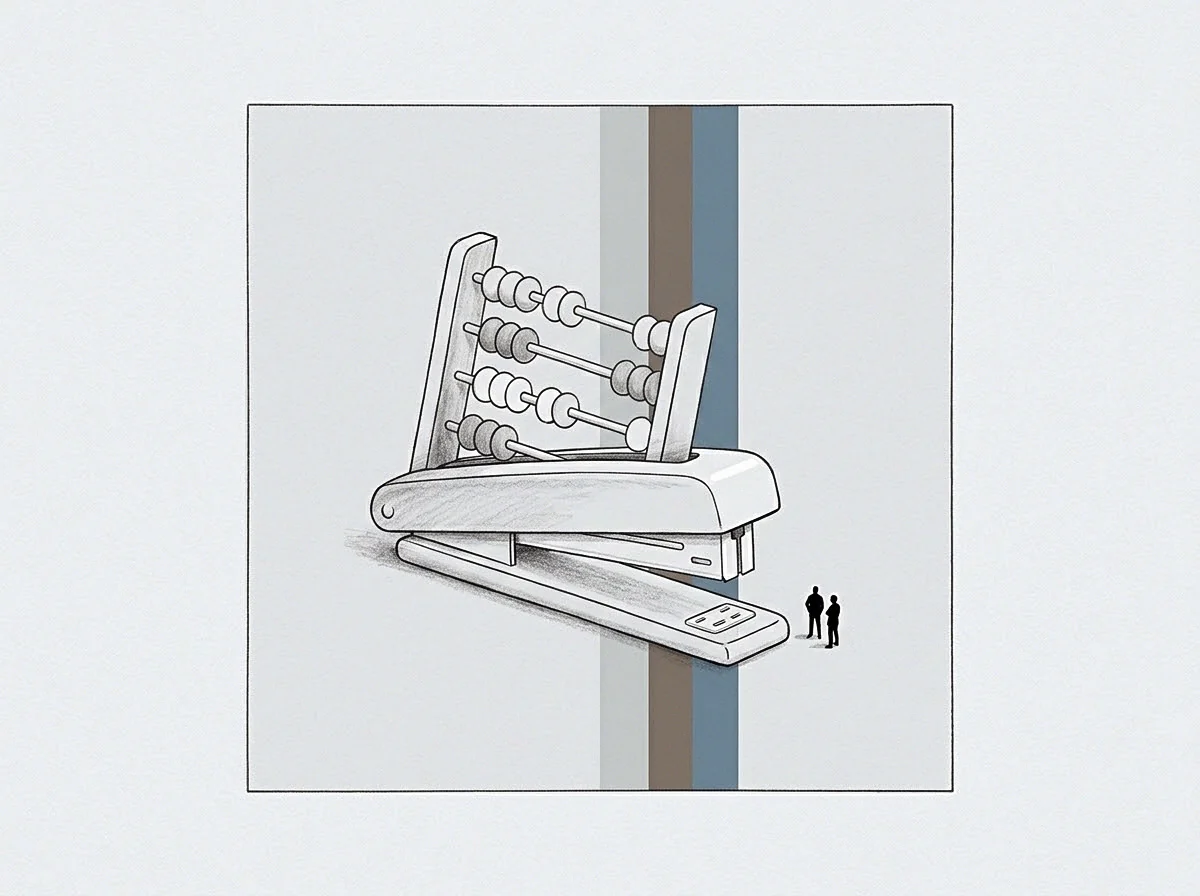
Structural intake protocols convert erratic pings into batched queues, protecting operator capacity while scheduled windows preserve team certainty.

Early executive systems without buffers transfer operational volatility directly to the individual, driving biological throttling misdiagnosed as depression.

Subordinate anxiety transfers upward through open communication channels, consuming executive cognitive capacity until structural gates force local resolution.

Regulatory load transfer measures how structural ambiguity moves operational and emotional stabilization demands from team members onto early stage leaders.

Executive capacity under unstructured demand depletes through ungated task switching and open cognitive loops rather than nominal working hours.

Continuous executive stress imposes measurable multisystem biological wear that forces neurological throttling when ungated cognitive loops overwhelm physical margins.

High accountability seats cap cognitive throughput at two to four concurrent open loops before ungated liability forces physiological throttling.

Concurrency limits cap active bilateral communications, forcing pending topics into dormant external queues to preserve prefrontal processing headroom.

Chronic allostatic load in founding teams occurs when unconstrained, ungated operational threads exceed executive neurobiological capacity, forcing systemic throttling.

Structural concurrency limits restrict active executive board initiatives to match the measured processing headroom of dysregulated leadership.

Regulatory exhaustion throttles affective output to preserve executive throughput under chronic load, whereas clinical blunting reflects systemic autonomic flattened reactivity.

Allostatic load and cognitive concurrency limits measure somatic wear and parallel processing boundaries under chronic organizational demand.

Continuous asynchronous telemetry streams force executive authority thresholds to degrade by converting ambient operational visibility into implicit approval loops.

Asynchronous telemetry filters preserve decision headroom by converting erratic, high-frequency operational signals into structured, periodic aggregate reviews.

Executive cognitive overload under high-velocity telemetry is mitigated by applying semantic thresholds and batch gates that preserve mental headroom.
Gated governance replaces discretionary founder escalations with explicit thresholds, reducing chronic regulatory wear by bounding operational concurrency.
The terms are written where they belong. Each field holds three desks, and every entry a desk writes raises the terms it uses, each term given a meaning, a mechanism and the places it appears. The record on these pages stays first person and hand made; the fields grow the nomenclature.