
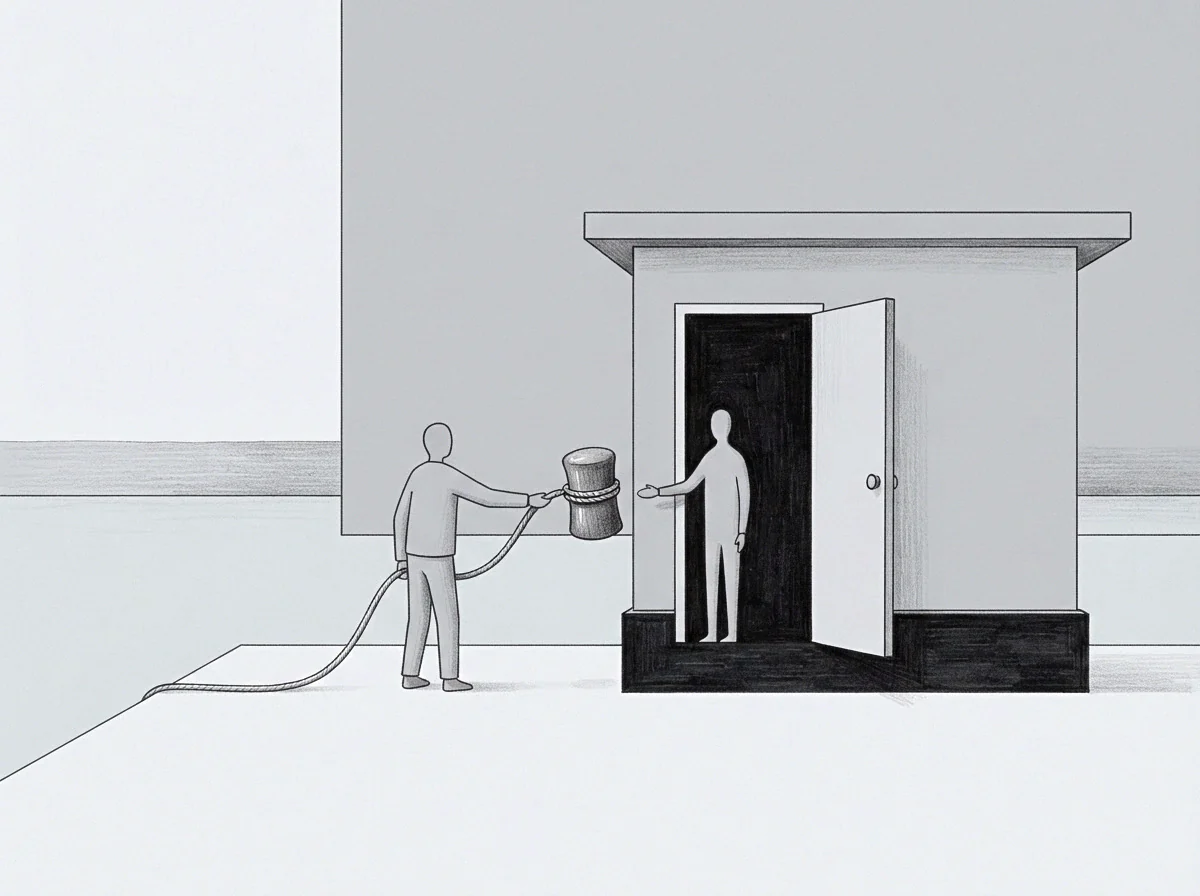
Allostatic Load As The Wear Of Regulating For Others
Allostatic load accumulates when an individual acts as an unbuffered regulatory dampener for surrounding anxiety, exhausting personal biological reserves.
Allostatic load accumulates when an individual acts as an unbuffered regulatory dampener for surrounding anxiety, exhausting personal biological reserves.

Allostatic load measures cumulative biological wear from chronic regulatory activation, requiring structural thread limits rather than psychological rest to rebuild capacity.

Unfunded co-regulation demands drain executive working memory, forcing physiological throttling that degrades strategic capital allocation.
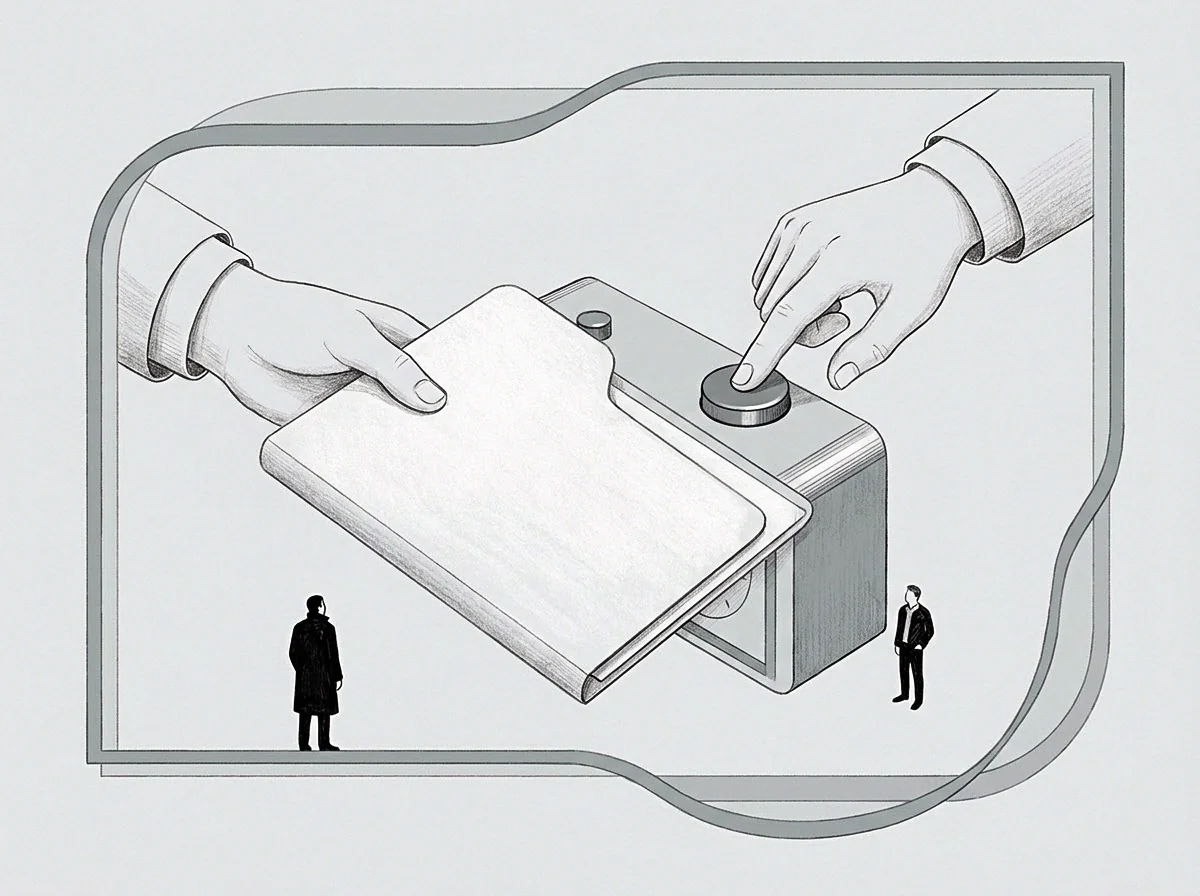
Executive throttling is a protective prefrontal brownout caused by concurrency overload, distinct from the global affective collapse of clinical depression.

Neuroendocrine throttling is an adaptive down-regulation of metabolic output from chronic allostatic strain, distinct from affective clinical depression.

Re-sensitizing glucocorticoid receptors requires restoring circadian hormone troughs through strict temporal gating of operational load and metabolic inputs.

Stated operational limits transfer cognitive load back to organizational processes by replacing continuous implicit availability with explicit parameters.
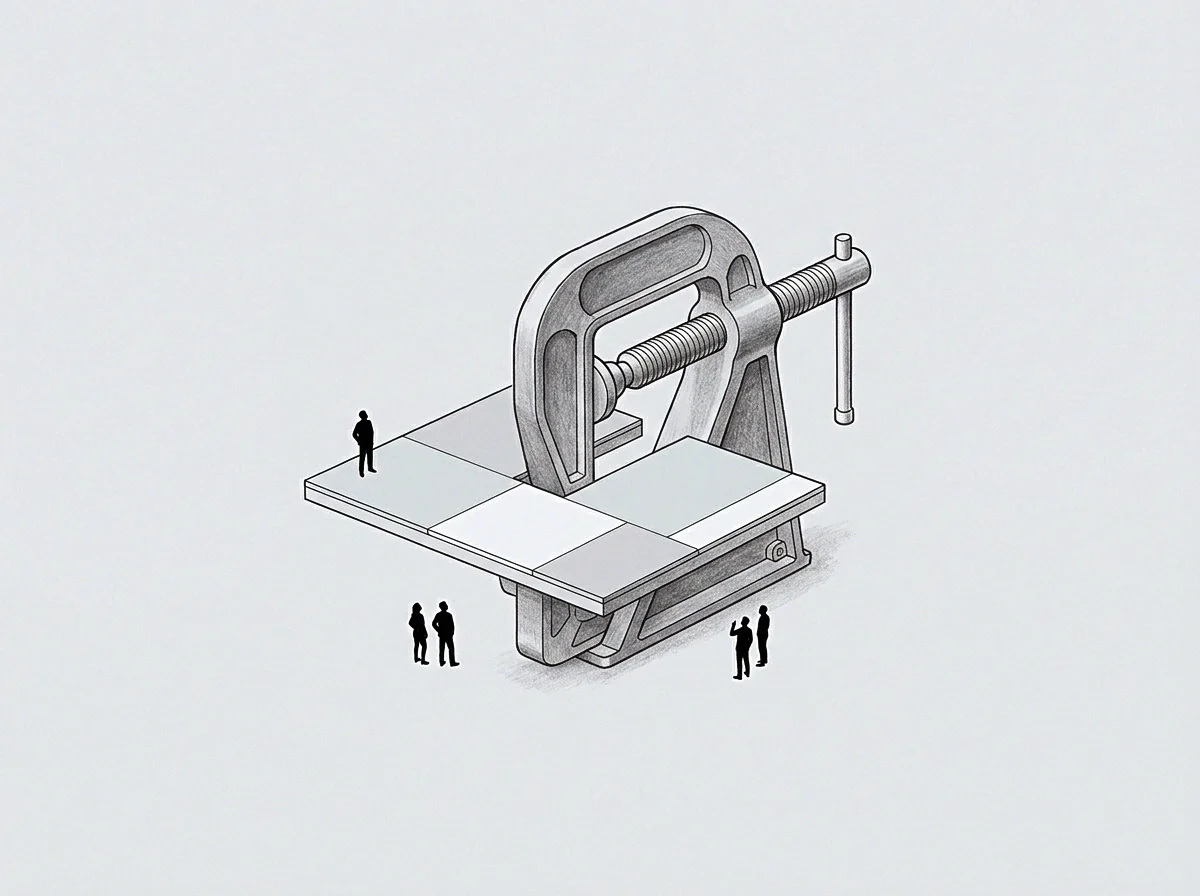
Structural delegation gates eliminate ambient executive vigilance by establishing explicit variance boundaries, enabling rapid parasympathetic reactivation after acute operational stress.
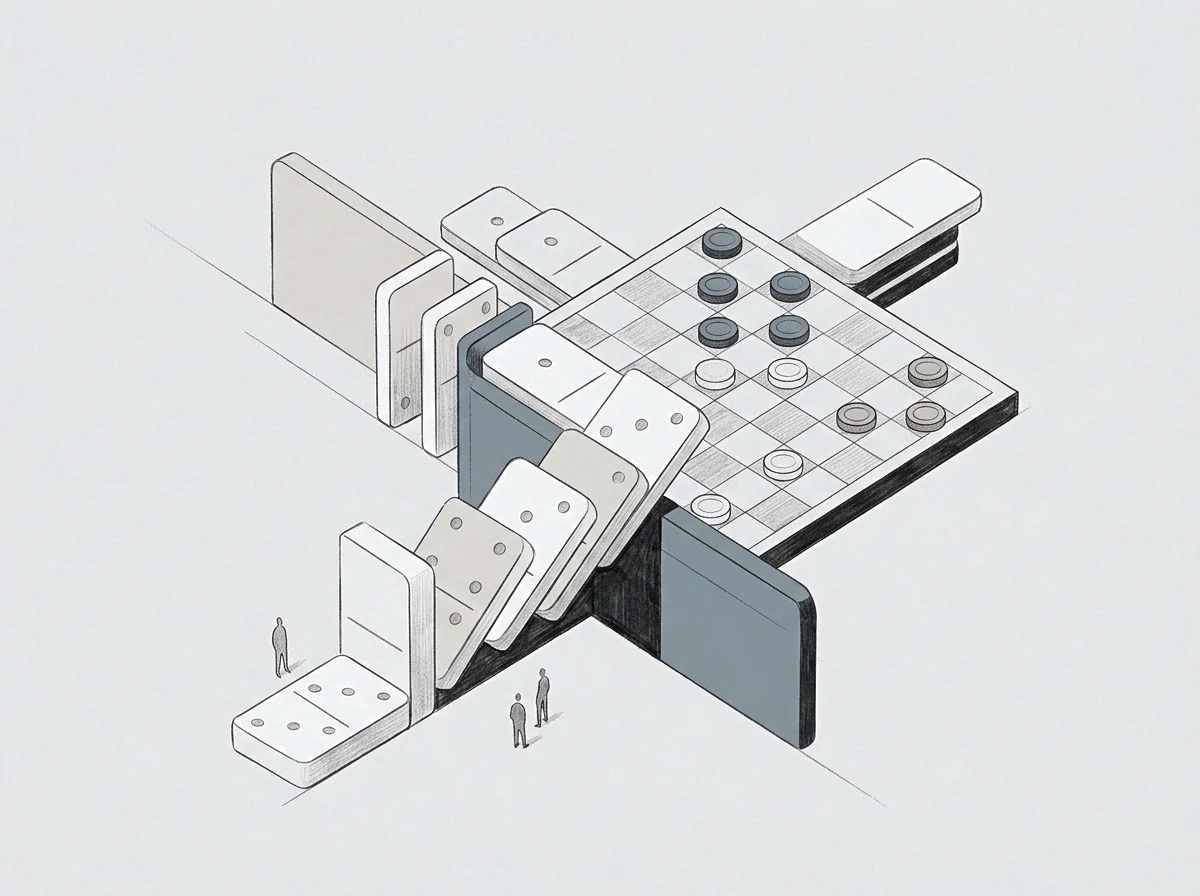
Executive system throttling preserves central processing by selective down-regulation, while major depression reflects general affective and motivational collapse.

Unfunded co-regulation demands consume executive cognitive headroom and raise allostatic load by converting organizational uncertainty into unmeasured physiological wear.
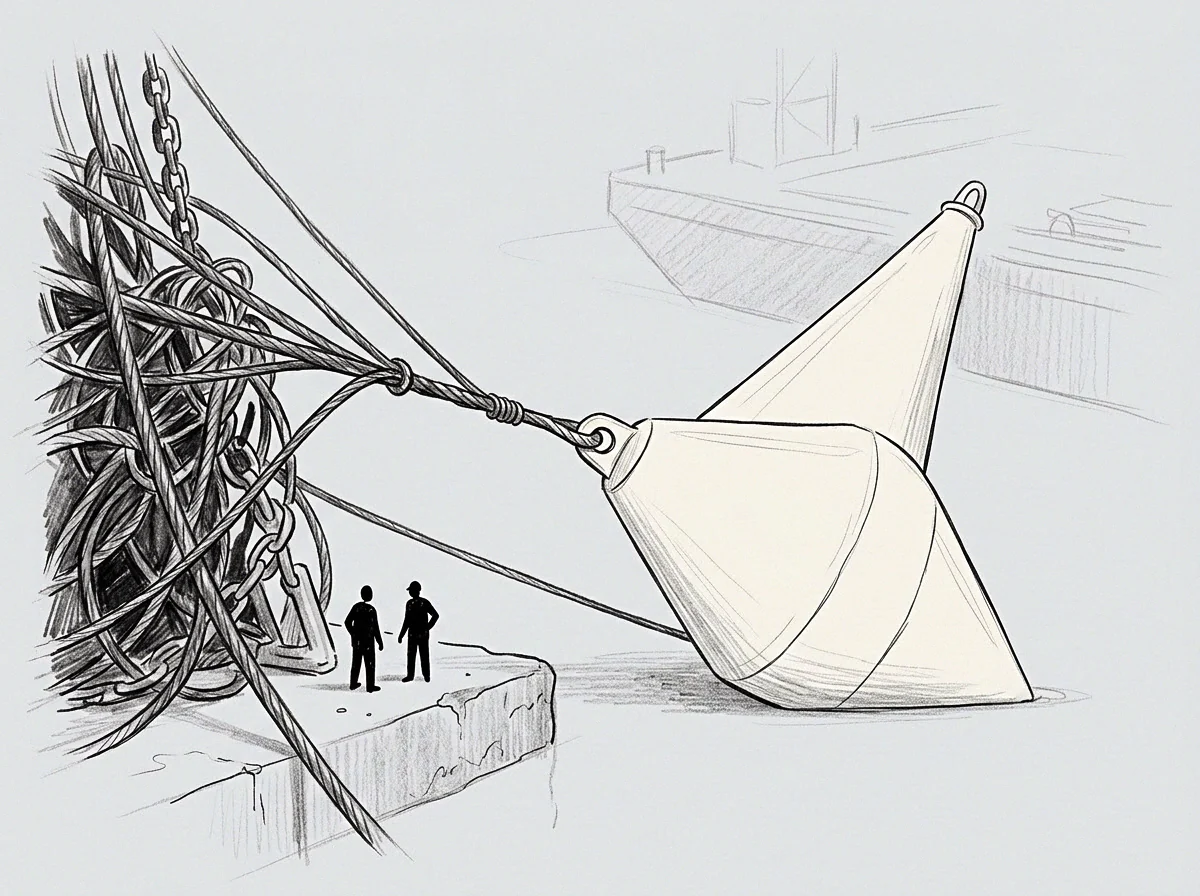
Covert emotional buffering for senior colleagues consumes prefrontal working memory, reducing executive bandwidth required for long range strategic allocation.
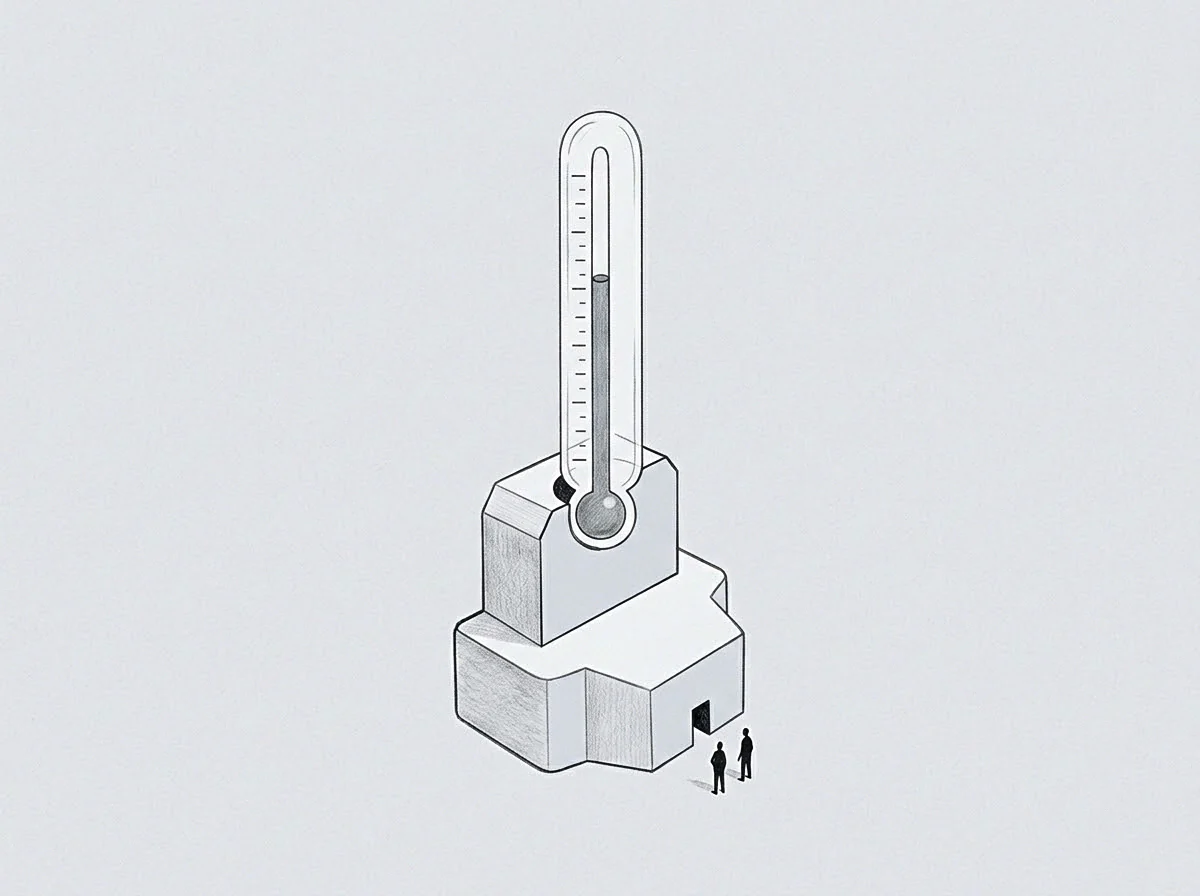
Executive throttling intentionally drops open-ended tasks under peak allostatic load while clinical affective stalling represents generalized regulatory collapse.

Chronic operational pressure flattens diurnal cortisol slopes and lowers heart rate variability, signaling allostatic overload before functional capacity drops.

Stating explicit limits on availability converts open incoming demands into scheduled operational loops, preserving executive function from allostatic wear.

Centralized leadership stress triggers autonomic governor throttling, which downregulates executive processing capacity to preserve physiological homeostasis.

Adrenal downregulation throttles output to protect tissue under sustained allostatic load, while clinical depression reflects systemic affective failure.

Vacating a high-demand executive seat collapses exogenous regulation, triggering autonomic neural throttling to protect physiological reserves from chronic overload.
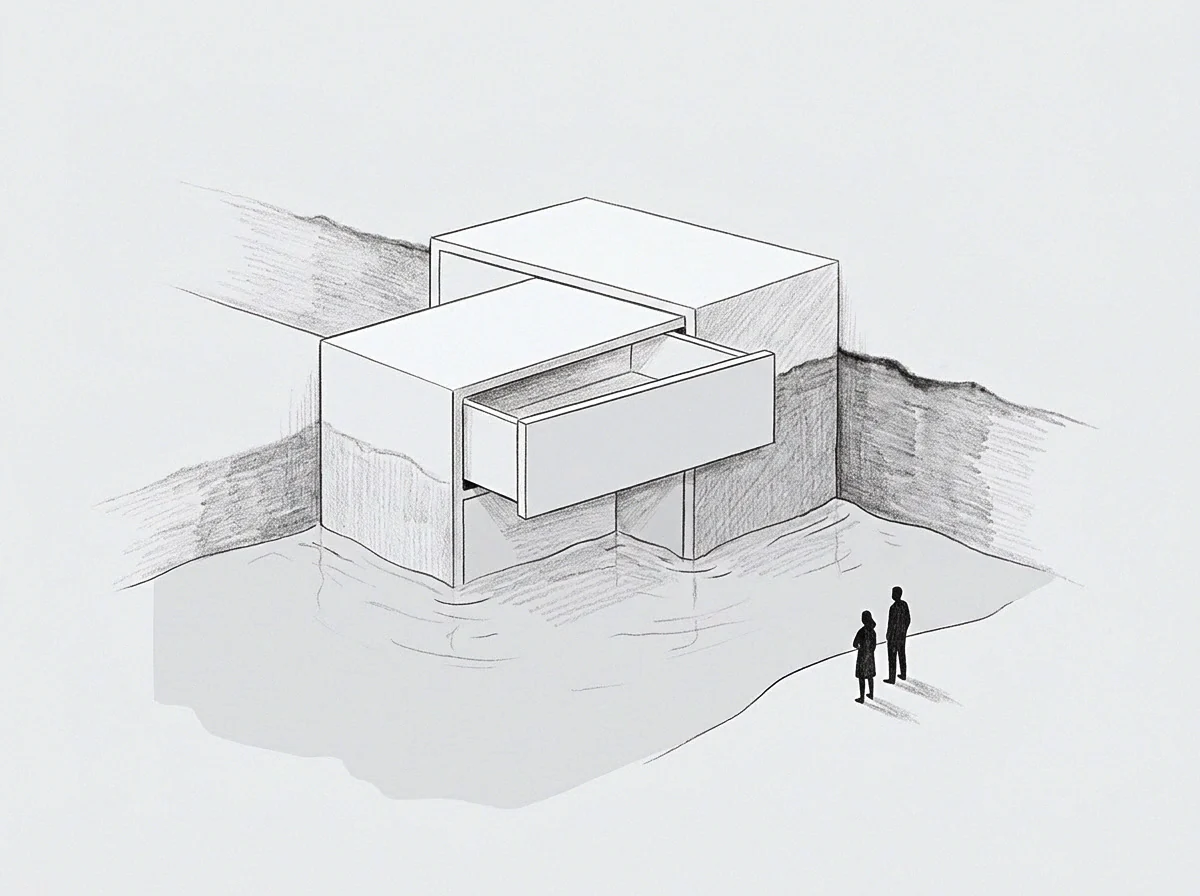
Extended high-stakes load downregulates central glucocorticoid receptor sensitivity, flattening cortisol rhythms and reducing executive processing headroom.

Decoupling executive function from desensitized receptors shifts operational control from neuroendocrine arousal to external substrates and mechanical protocols.

Intense enterprise insolvency induces cellular glucocorticoid receptor resistance through chaperone shifts and altered phosphorylation, blunting tissue sensitivity.
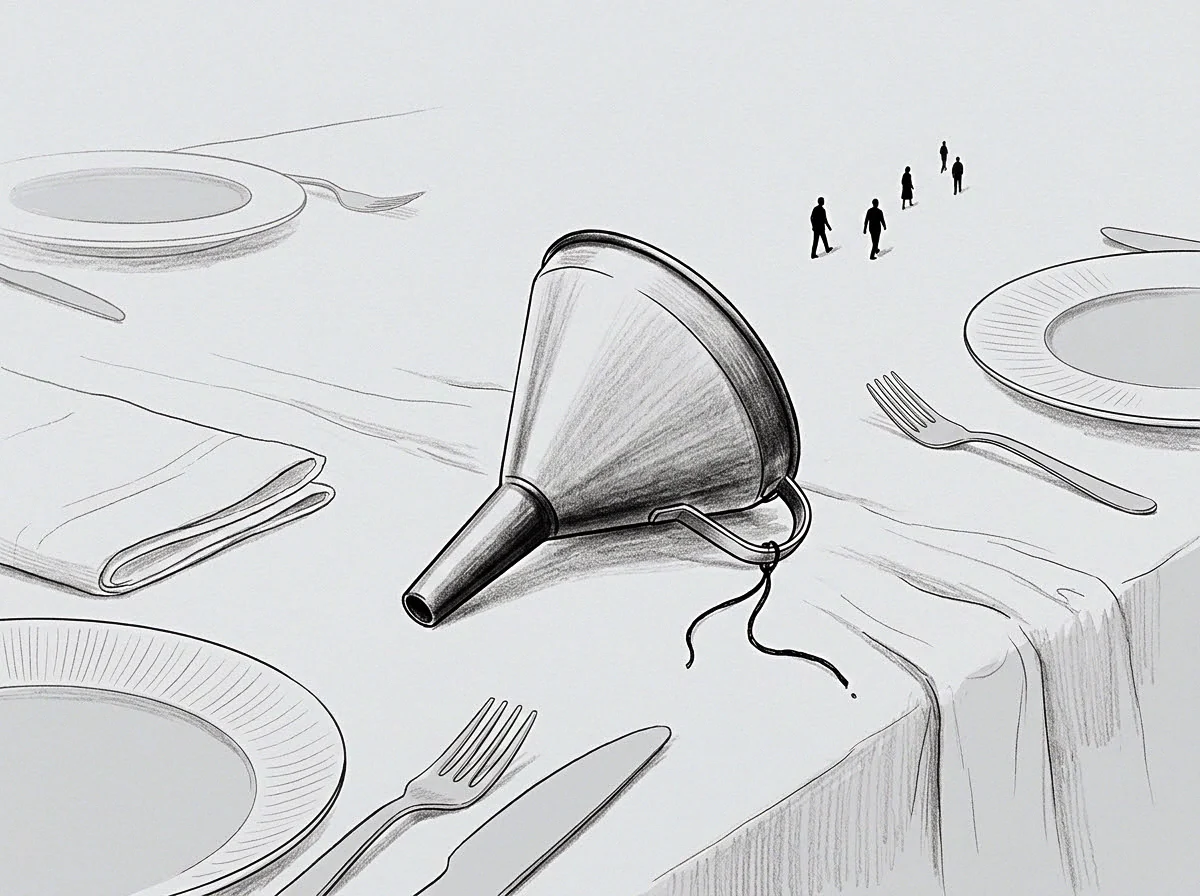
Autonomic recovery latency measures parasympathetic reactivation speed post-stress, directly predicting prefrontal executive headroom under allostatic load.

Covert organizational monitoring and ambiguous delegation boundaries suppress nocturnal parasympathetic activation, locking executives into chronic autonomic recovery failure and cognitive thread overload.
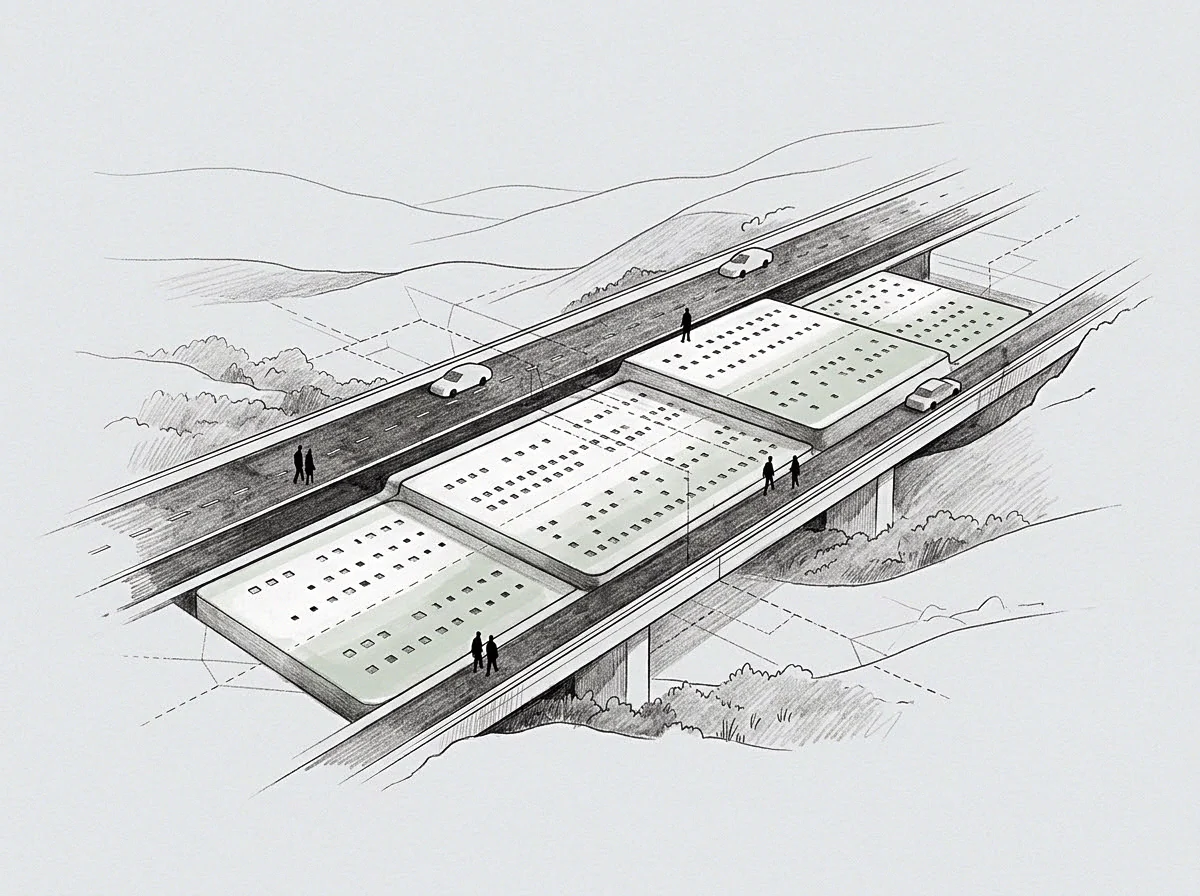
Executive system throttling selectively suppresses high-order cognitive processing to protect vital operational capacity under sustained physiological load.

Structural gating protocols manage founding partner allostatic load by converting open loops into bounded asynchronous threads with explicit scope, dates, and terms.

Executive concurrency drops when subordinate co-regulation consumes working memory slots, transforming strategic capacity into real-time emotional stabilization.

Relational maintenance demands consume executive bandwidth through chronic coregulation, elevating allostatic load until structural availability gates bound open interpersonal threads.

Covert interpersonal buffering consumes prefrontal working memory by running continuous regulatory background processes, severely depleting cognitive headroom.

Gating executive availability through structured access tiers preserves regulatory capacity without compromising organizational cohesion or execution flow.

Operational concurrency limits trigger protective task throttling, whereas clinical major depressive episodes reflect a systemic breakdown of affective regulation.
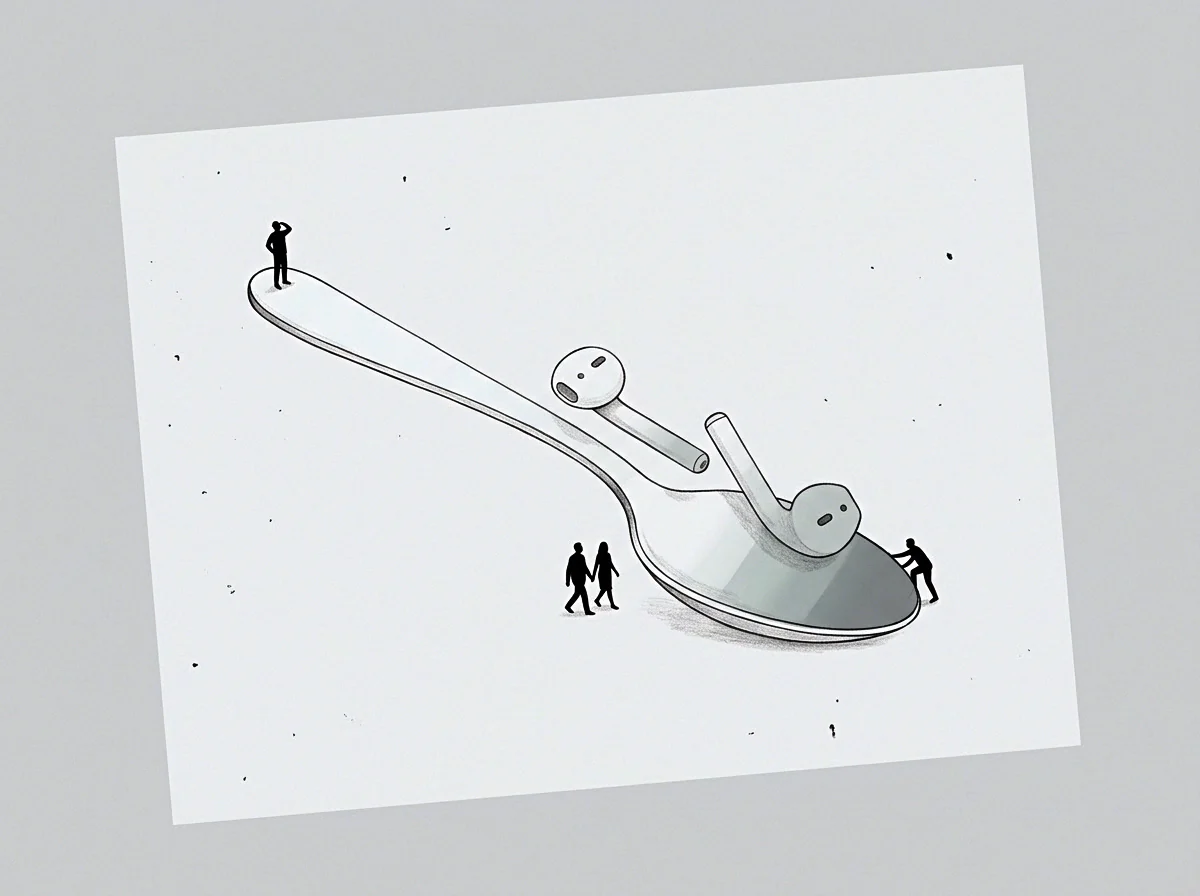
Ungated relational loops consume working memory slots, elevating allostatic load and triggering protective operational throttling under pressure.
The terms are written where they belong. Each field holds three desks, and every entry a desk writes raises the terms it uses, each term given a meaning, a mechanism and the places it appears. The record on these pages stays first person and hand made; the fields grow the nomenclature.