Meaning
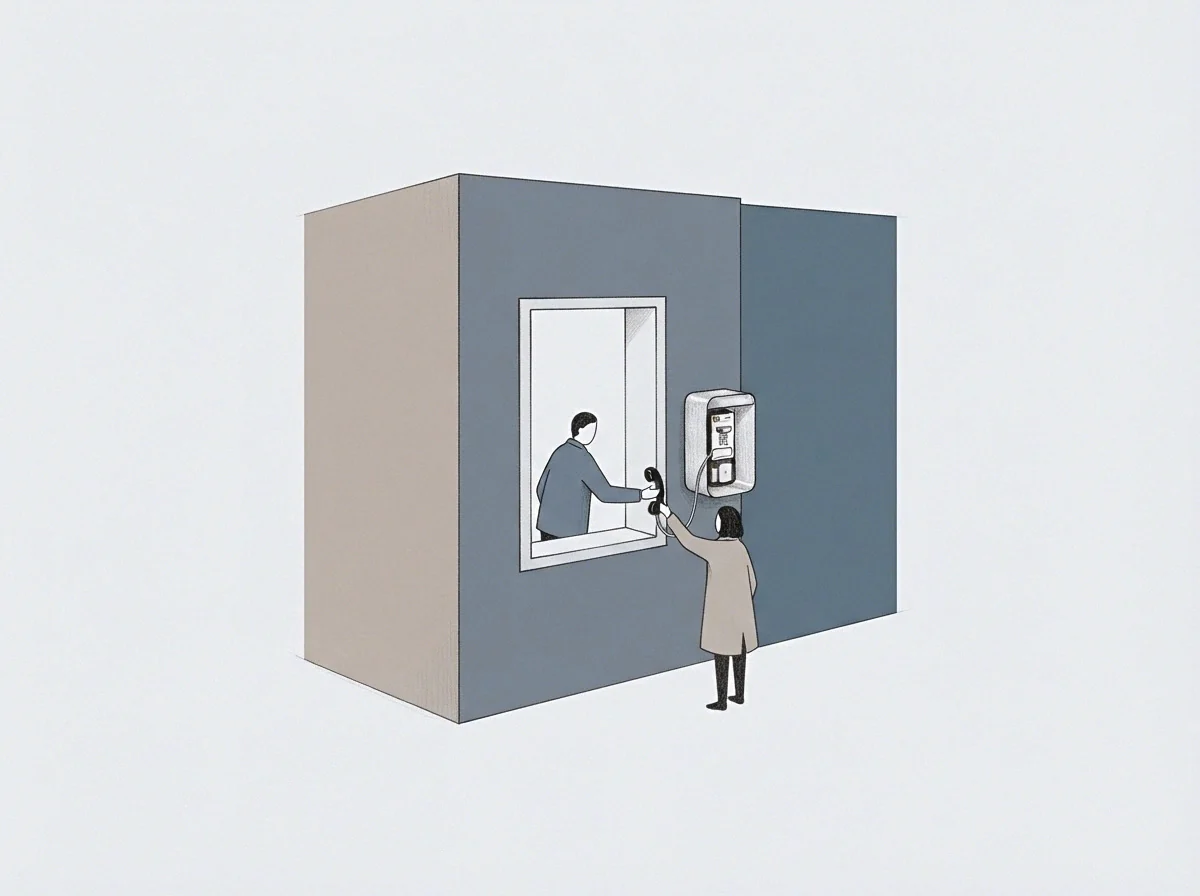
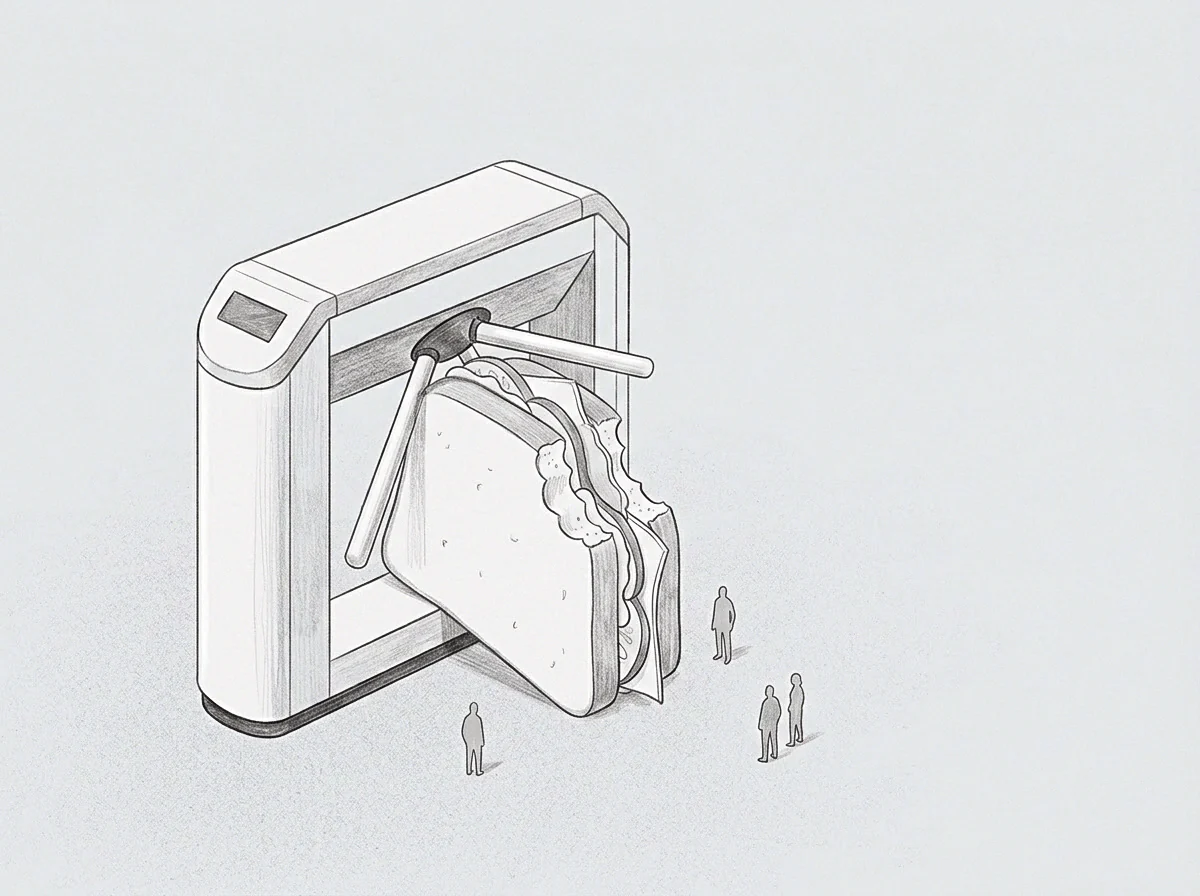
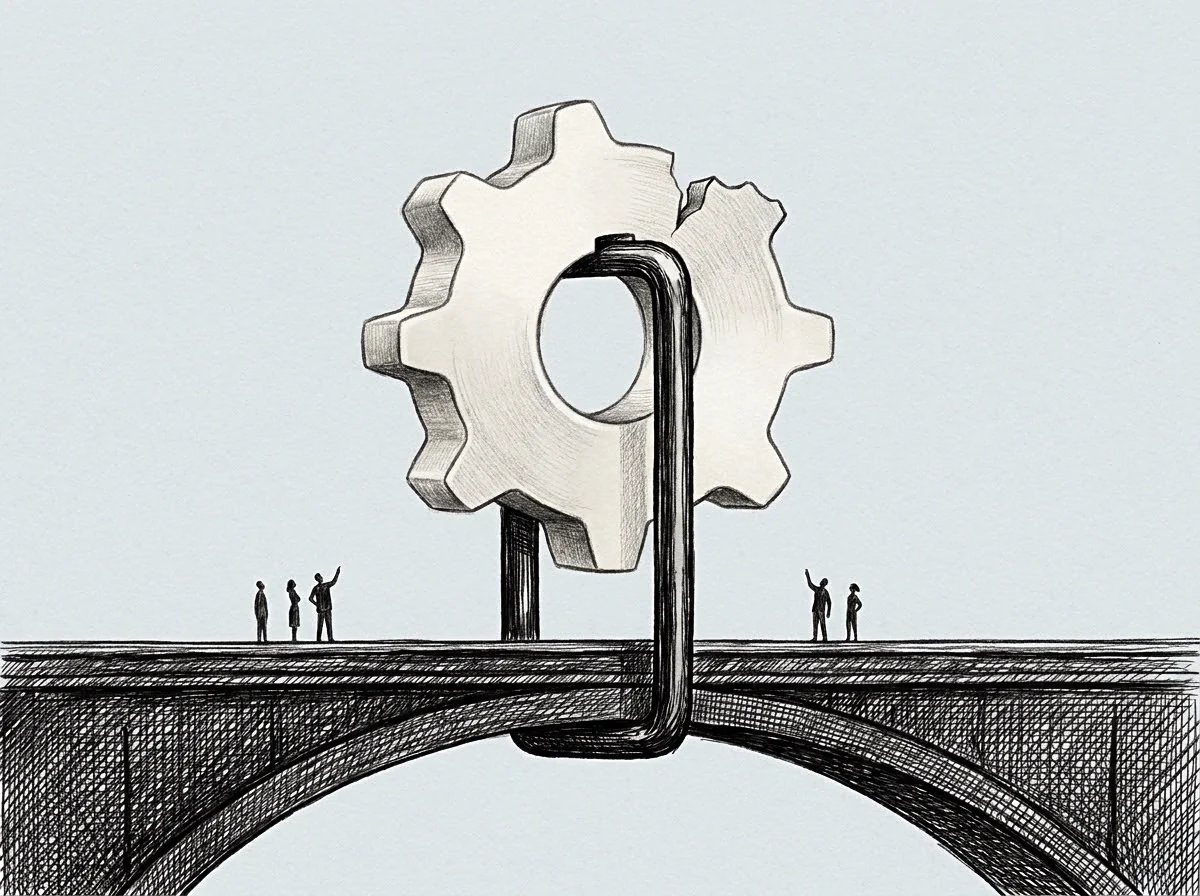
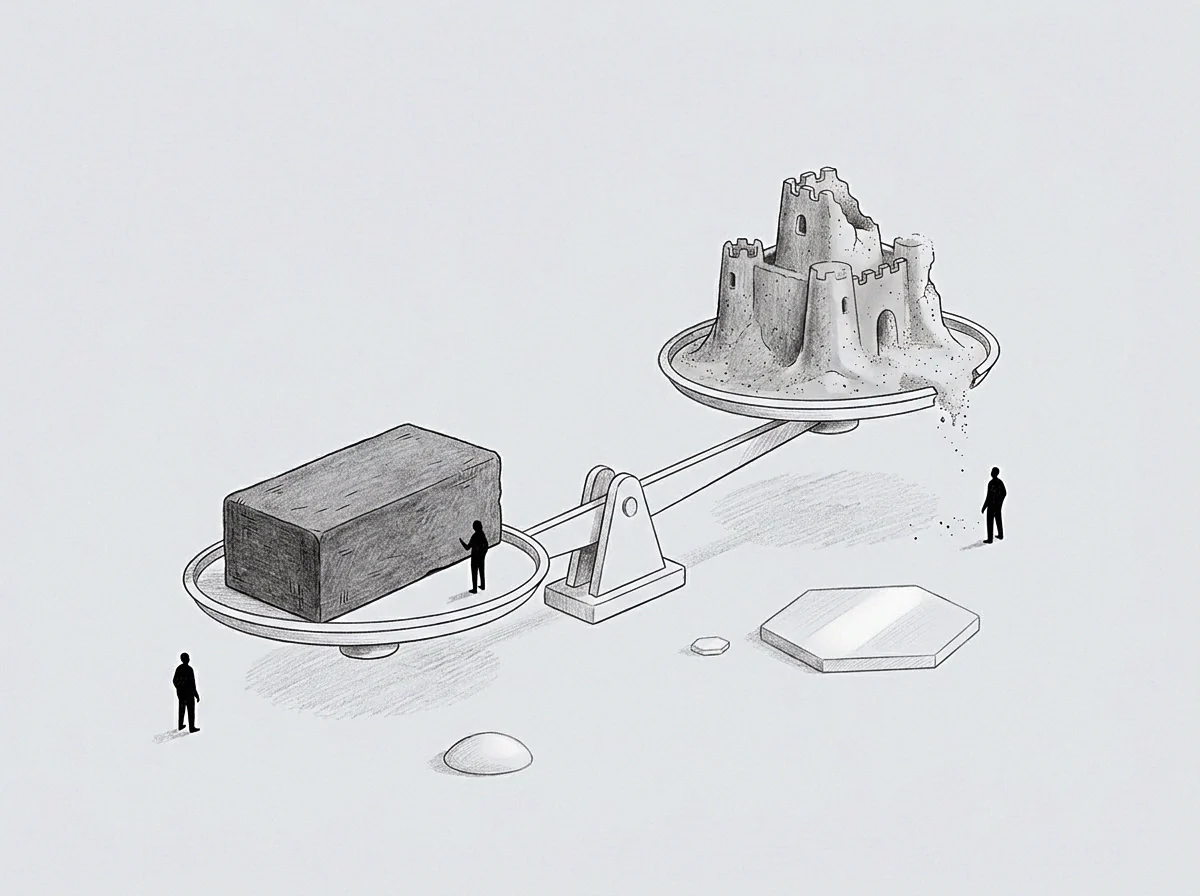
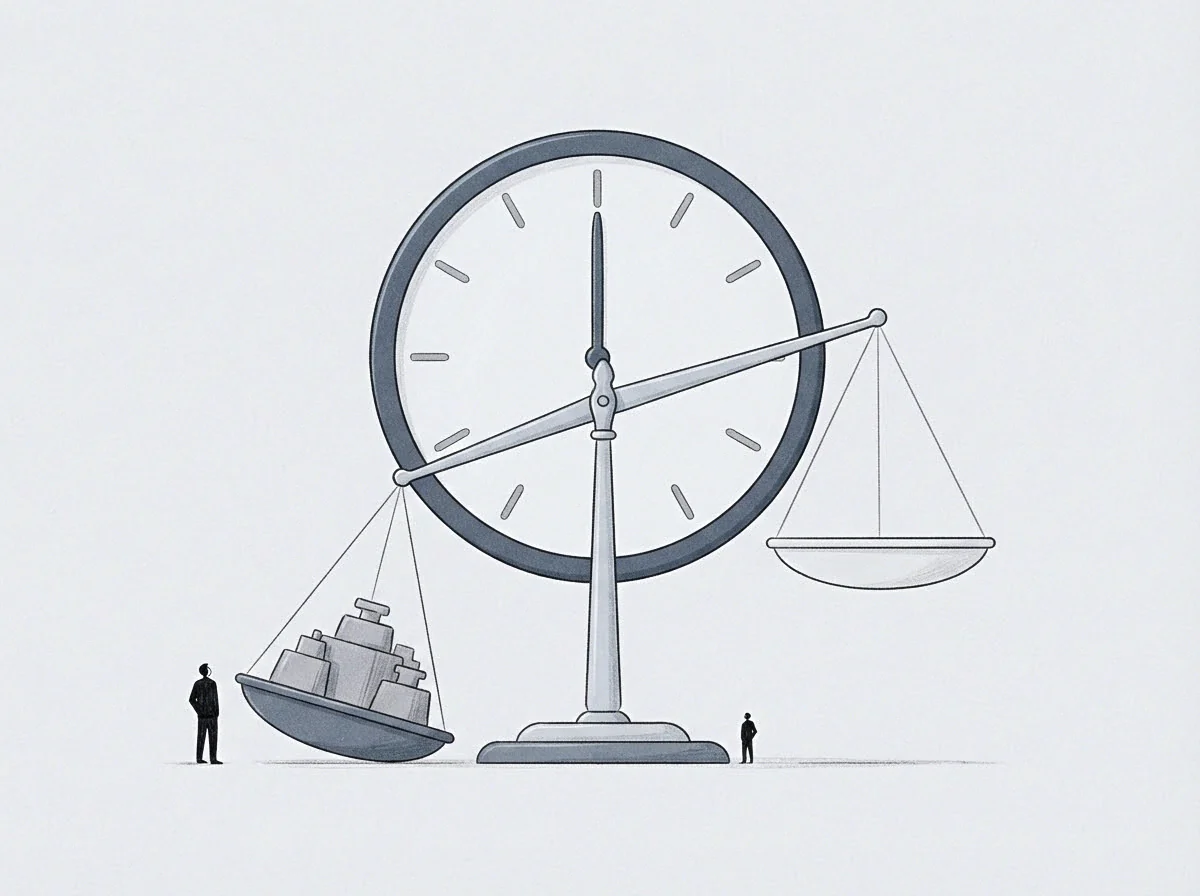
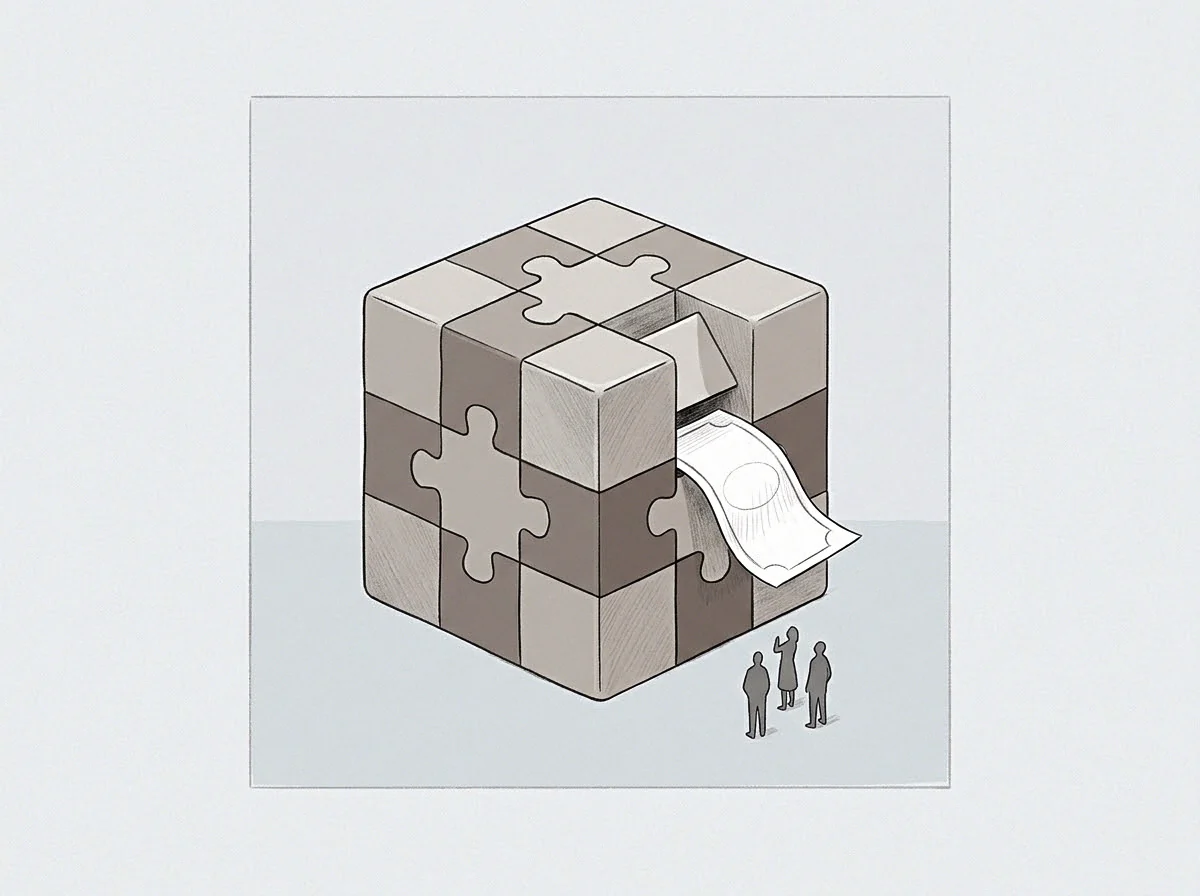
The loss in efficiency associated with moving attention between different tasks represents a measurable tax on cognitive resources. In the daily operations of a founder, switching cost is the time and energy lost as the brain reconfigures itself for a new context. This phenomenon means that doing ten tasks in one hour is significantly more expensive than doing one task for the same period.
It is a fundamental constraint on productivity.
Attention Loss
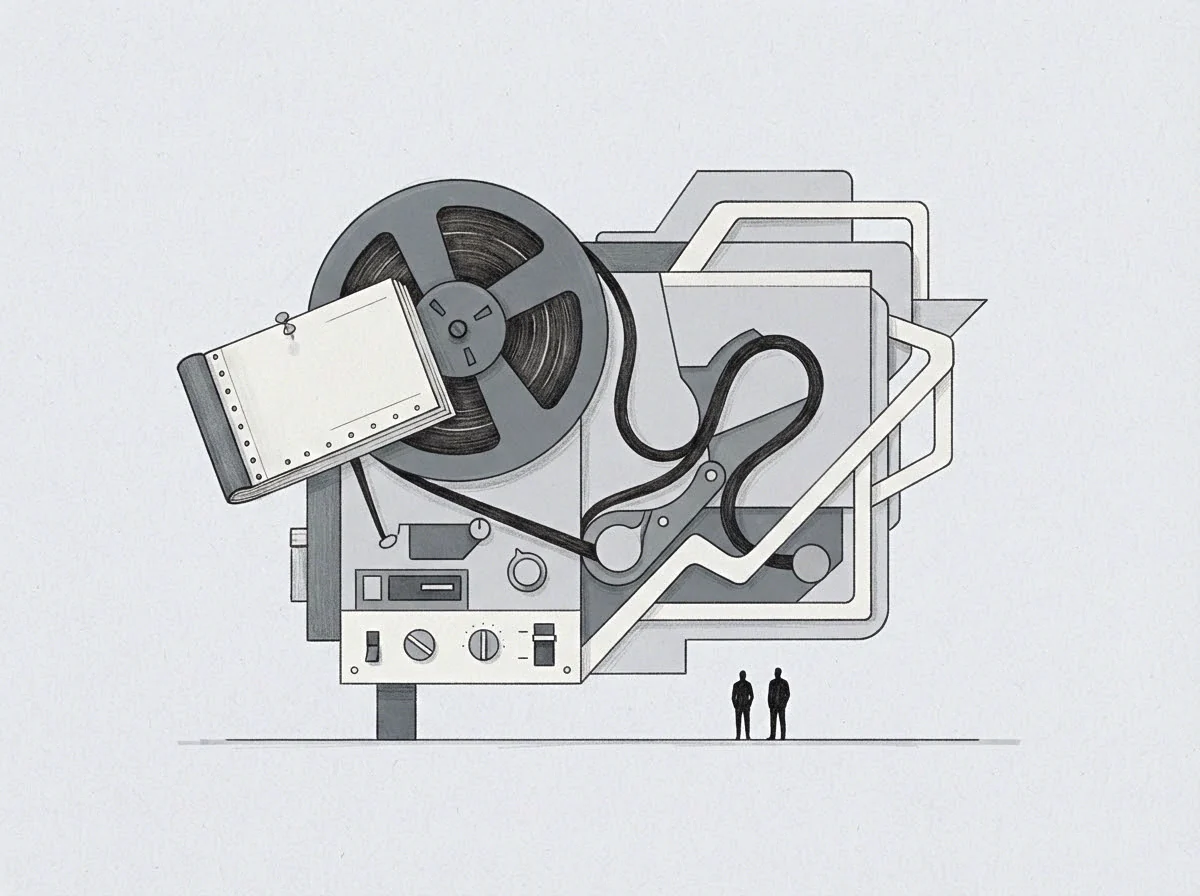
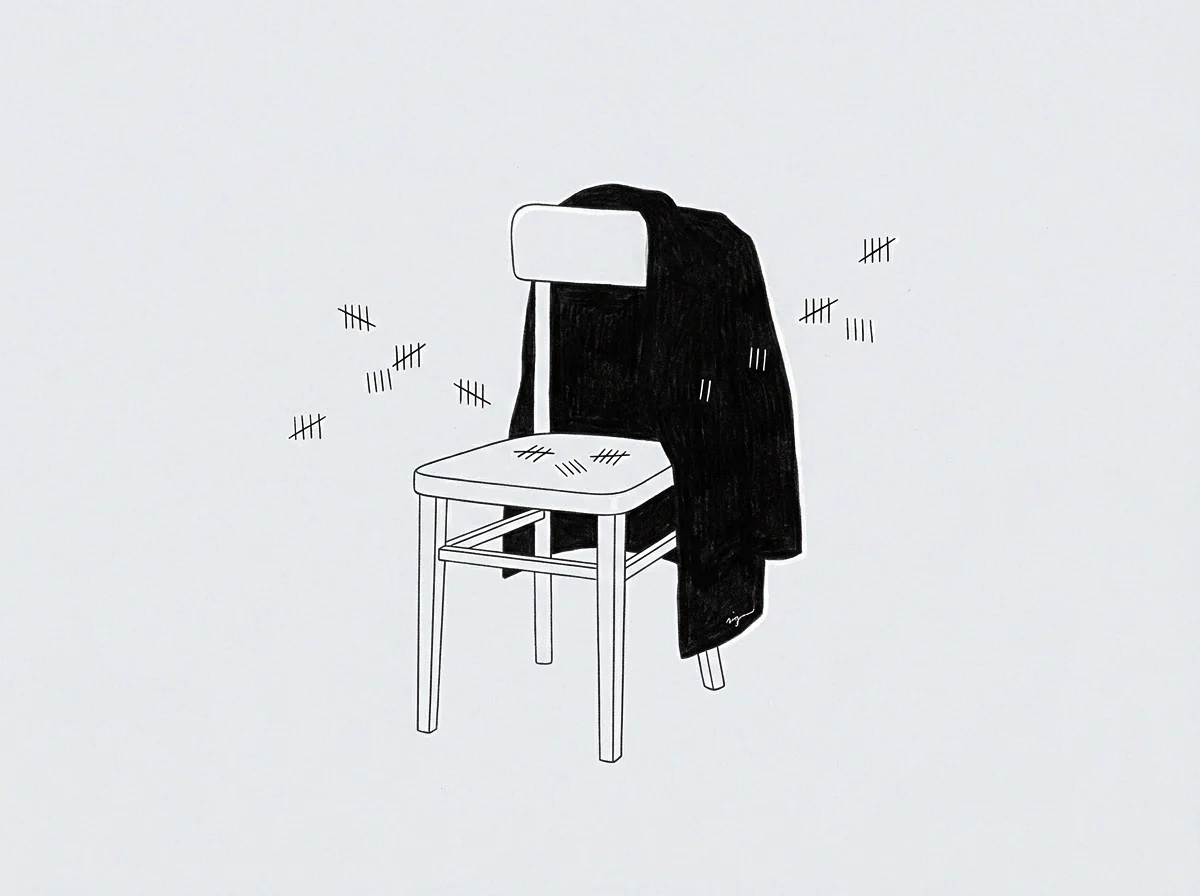
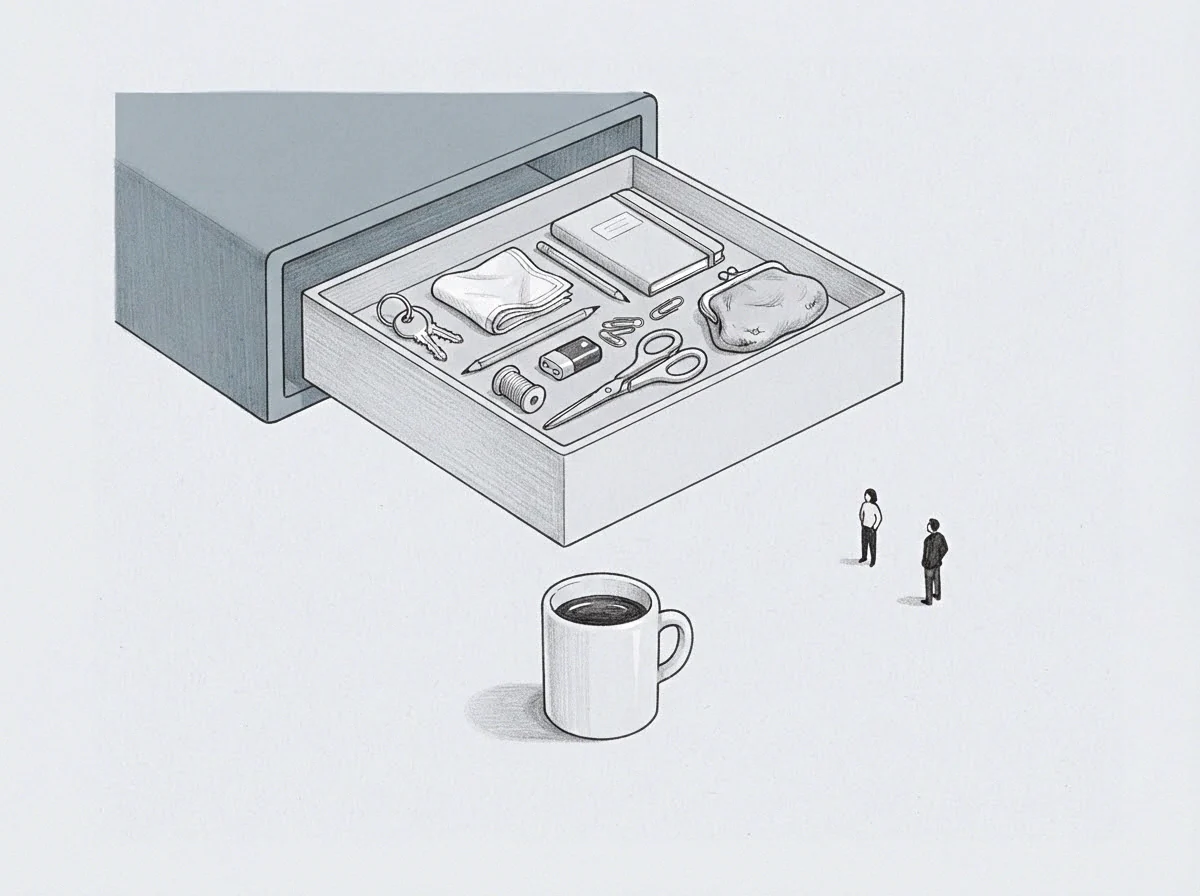
Cognitive loss occurs every time a person is interrupted by a ping or a request. When a switching cost is incurred, the brain must clear the old task from working memory and load the new one. This process is not instantaneous and leaves a residue of the previous task that interferes with the current one.
Recovery Period
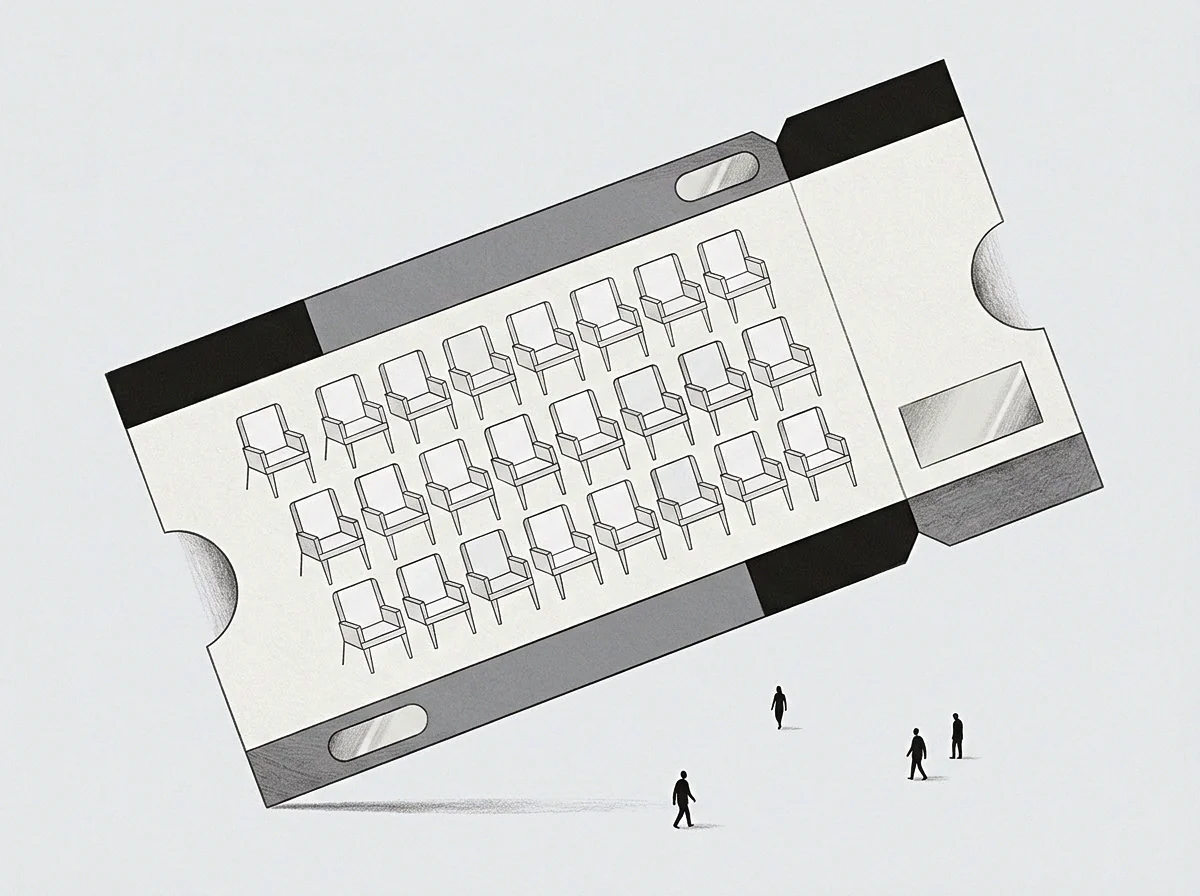
Restoration periods are required to reach full focus after a transition. The depth of the switching cost depends on the complexity of the tasks and the frequency of the shifts. A founder who switches contexts every ten minutes never reaches a state of deep concentration.
This constant shallow work leads to a sense of busywork without progress.
Cumulative Burden
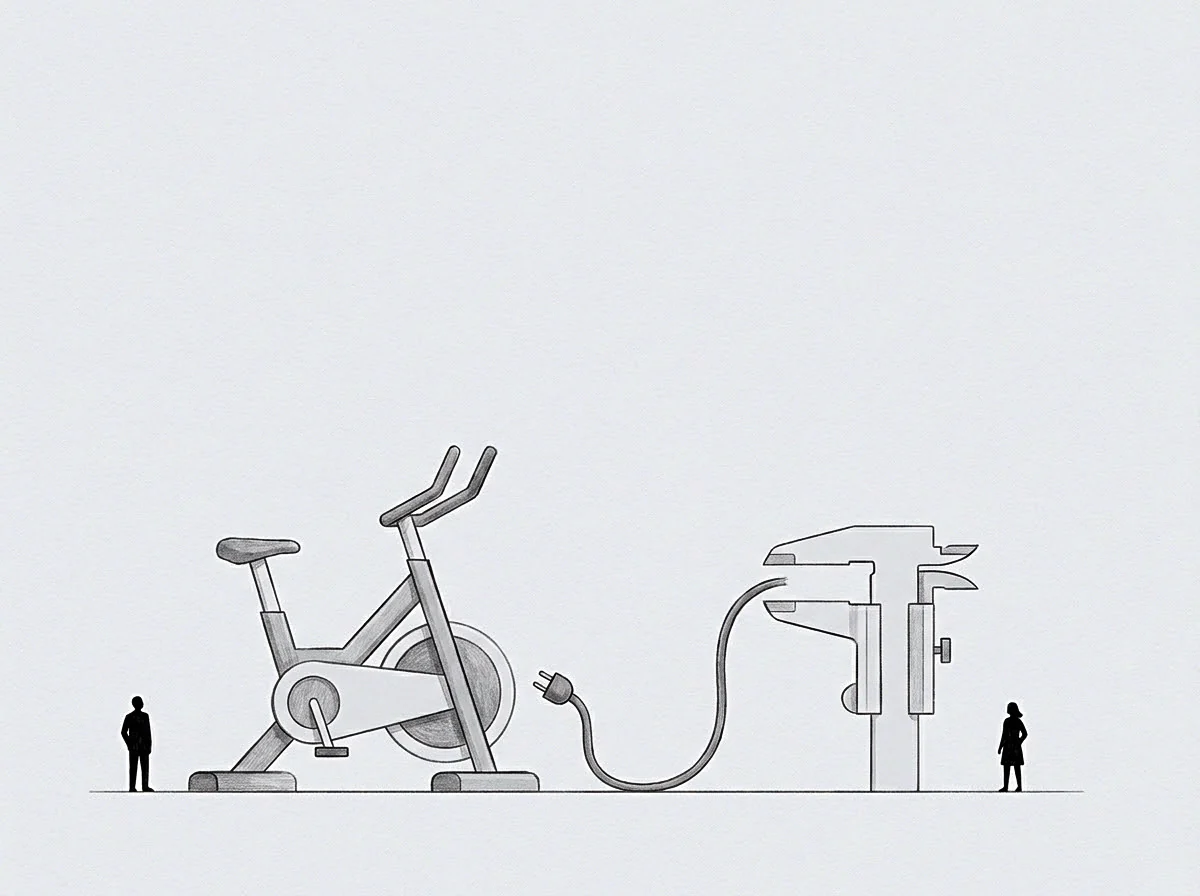
Accrued burdens generate a state of mental exhaustion by the end of the day. If the switching cost is not managed through clustering similar tasks, the founder will run out of energy long before they run out of work. Protecting large blocks of time for a single focus is the only way to avoid this tax.