
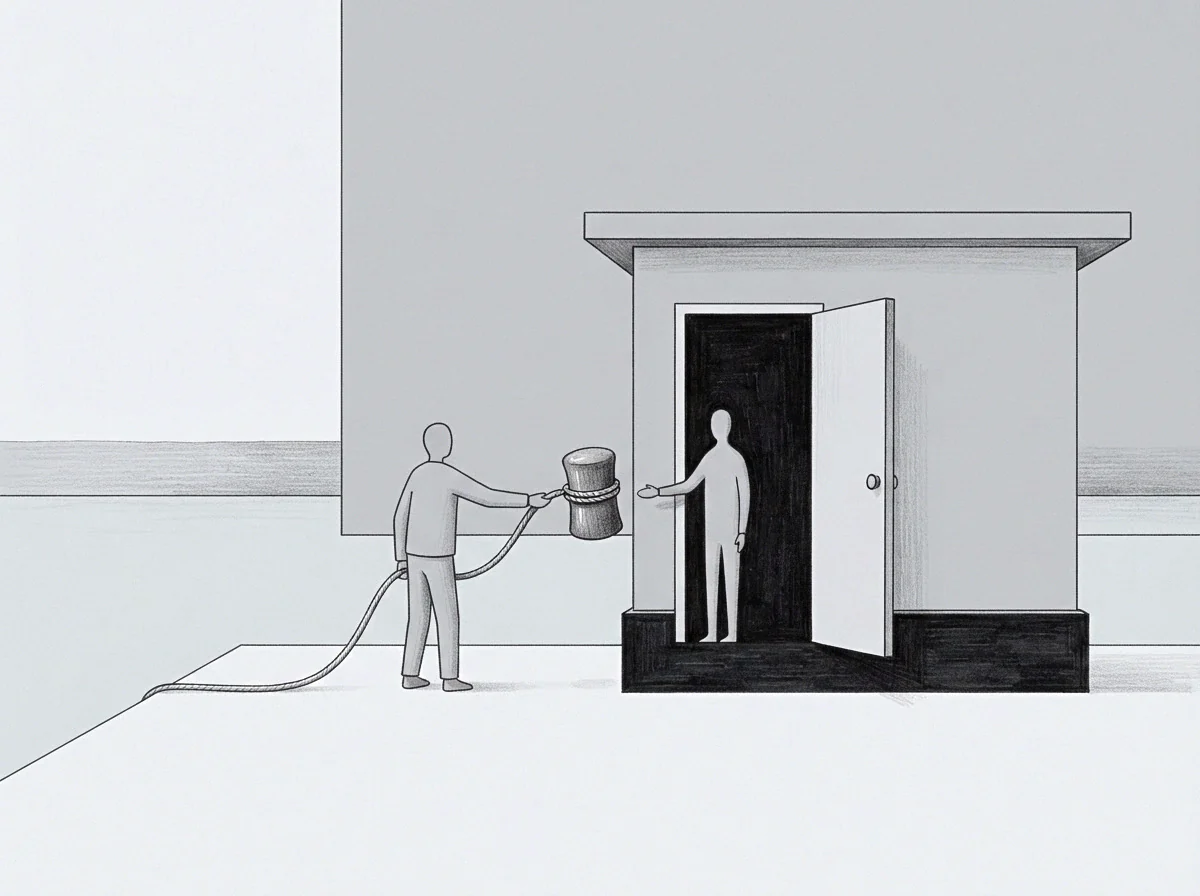
Allostatic Load As The Wear Of Regulating For Others
Allostatic load accumulates when an individual acts as an unbuffered regulatory dampener for surrounding anxiety, exhausting personal biological reserves.
Allostatic load accumulates when an individual acts as an unbuffered regulatory dampener for surrounding anxiety, exhausting personal biological reserves.

Allostatic load measures cumulative biological wear from chronic regulatory activation, requiring structural thread limits rather than psychological rest to rebuild capacity.
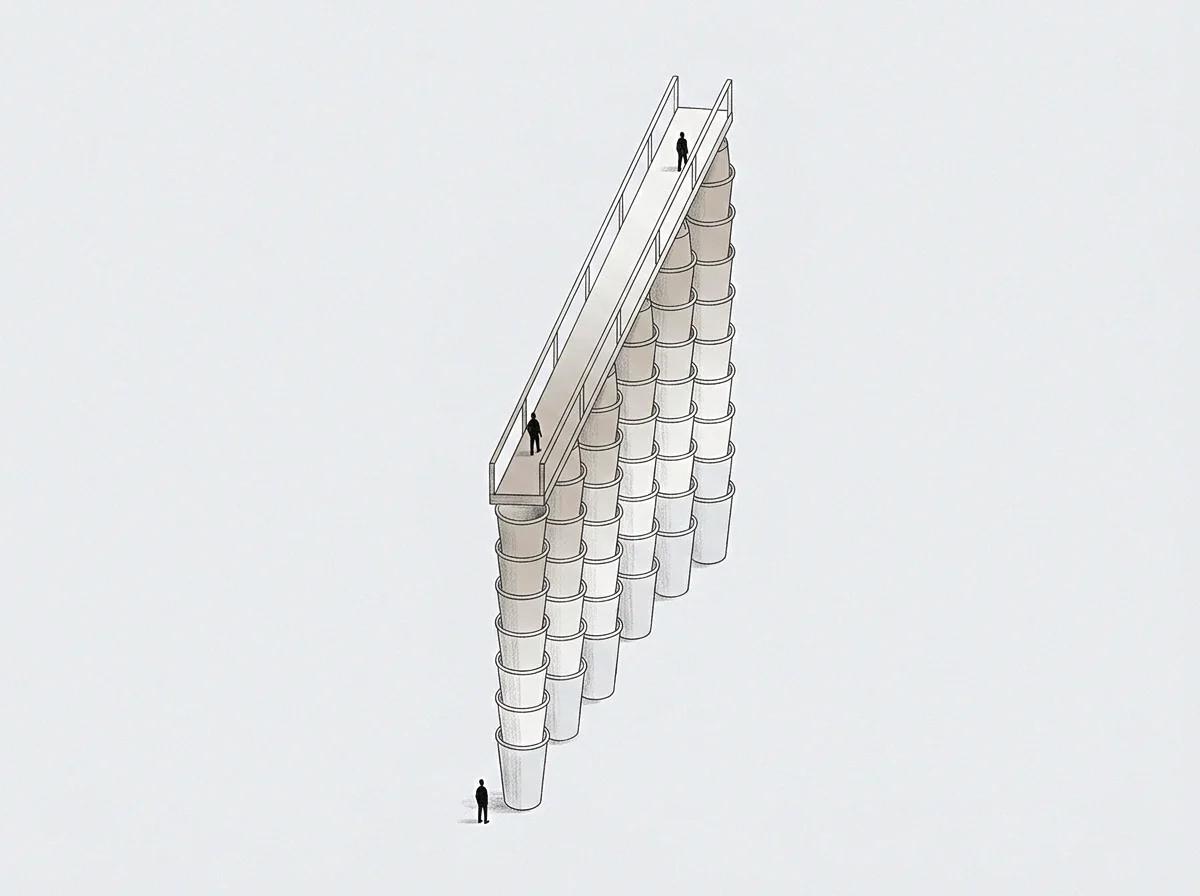
Prolonged organizational panic causes glucocorticoid receptor downregulation and chronic autonomic hyper-arousal, requiring strict loop closure for resensitization.
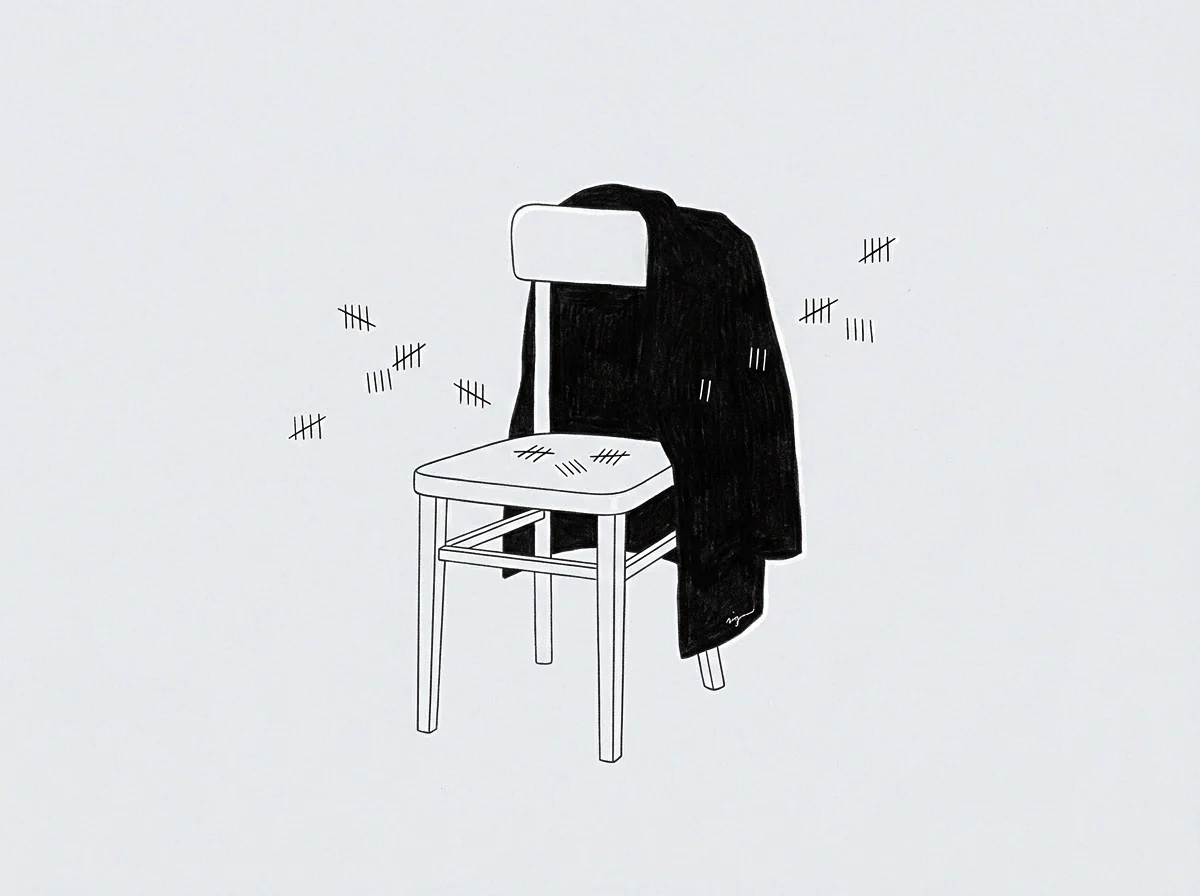
Throttled cognitive states represent working memory capacity saturation under open loop load, whereas clinical depression involves primary affective network deactivation.
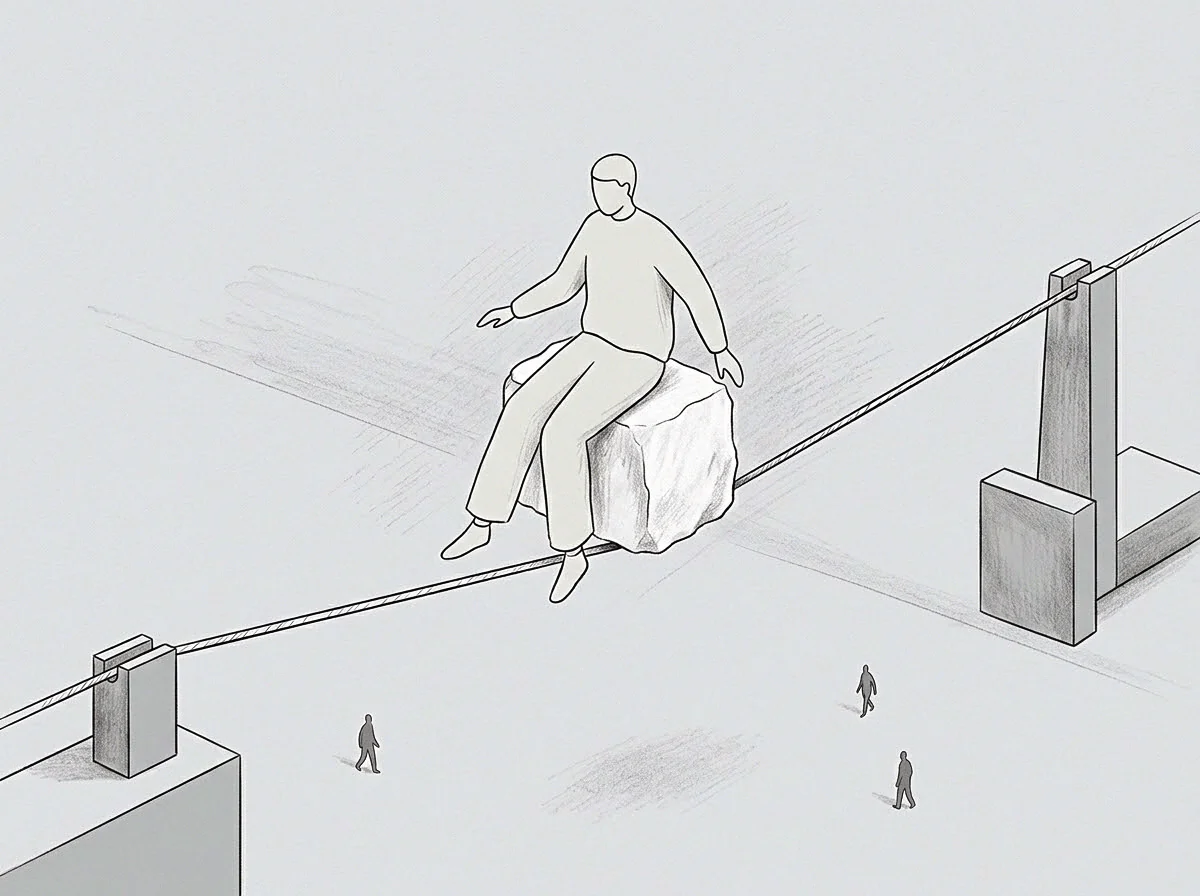
Unfunded co-regulation demands drain executive working memory, forcing physiological throttling that degrades strategic capital allocation.
Allostatic load measures physical wear from sustained regulation while cognitive loop volume quantifies active un-gated memory threads in operators.

Structural gates protect leadership seats by filtering unconstrained operational threads before transactional volume exceeds biological allostatic limits.
Suppressing nocturnal heart rate dipping and extending vagal recovery latency stems from continuous sympathetic outflow triggered by ungated operational loops.
Executive system throttling preserves central processing by selective down-regulation, while major depression reflects general affective and motivational collapse.

Executive autonomic dysregulation under ungated demands truncates planning horizons and systematically skews capital allocation toward short-term loss avoidance.
Chronic operational pressure flattens diurnal cortisol slopes and lowers heart rate variability, signaling allostatic overload before functional capacity drops.
Prefrontal concurrency collapses when ungated active threads exceed working memory slots, forcing executive throttling that standard metrics misdiagnose as depressive fatigue.
Unshared executive regulation causes autonomic throttling, down-regulating decision capacity when chronic co-regulatory load exceeds human biological limits.

System throttling is an adaptive physiological down-regulation caused by allostatic overload, distinct from clinical depression's neurochemical failure.

Stating explicit limits on availability converts open incoming demands into scheduled operational loops, preserving executive function from allostatic wear.

Structural intake gates filter external operational demands through formal protocols to prevent biological allostatic accumulation in executive nervous systems.
Extended high-stakes load downregulates central glucocorticoid receptor sensitivity, flattening cortisol rhythms and reducing executive processing headroom.

Endocrine sensitivity returns when enterprise volatility is decoupled from biology through strict communication barriers and restored circadian rhythms.

Decoupling executive function from desensitized receptors shifts operational control from neuroendocrine arousal to external substrates and mechanical protocols.

Intense enterprise insolvency induces cellular glucocorticoid receptor resistance through chaperone shifts and altered phosphorylation, blunting tissue sensitivity.
Autonomic recovery latency measures parasympathetic reactivation speed post-stress, directly predicting prefrontal executive headroom under allostatic load.
Unresolved operational threads maintain central nervous system vigilance, suppressing the vagal brake and preventing nocturnal parasympathetic cardiac recovery.

Cardiovascular recovery after acute stress depends on rapid vagal reactivation overriding sustained peripheral vascular resistance once operational hazards end.

Delegation gates shorten executive autonomic latency by setting explicit financial and operational boundaries that close open cognitive loops.

Covert organizational monitoring and ambiguous delegation boundaries suppress nocturnal parasympathetic activation, locking executives into chronic autonomic recovery failure and cognitive thread overload.
Executive cognitive load escalates when ungated operational threads saturate working memory slots, forcing systemic throttling distinct from emotional fatigue.

Structural gating protocols manage founding partner allostatic load by converting open loops into bounded asynchronous threads with explicit scope, dates, and terms.

Continuous unhedged organizational stress drives biological wear through elevated allostatic load and ungated thread counts that deplete cognitive headroom.

Executive concurrency drops when subordinate co-regulation consumes working memory slots, transforming strategic capacity into real-time emotional stabilization.

Covert interpersonal buffering consumes prefrontal working memory by running continuous regulatory background processes, severely depleting cognitive headroom.
The terms are written where they belong. Each field holds three desks, and every entry a desk writes raises the terms it uses, each term given a meaning, a mechanism and the places it appears. The record on these pages stays first person and hand made; the fields grow the nomenclature.