

Executive Capacity Allocation Across Unstructured Operational Demands
Executive capacity under unstructured demand depletes through ungated task switching and open cognitive loops rather than nominal working hours.

Executive capacity under unstructured demand depletes through ungated task switching and open cognitive loops rather than nominal working hours.

Executive bandwidth covenants remain legally binding in insolvency, barring lenders from compelling uncontracted labor despite threats to accelerate debt.

Asymmetrical executive isolation forces an unreciprocated somatic subsidy that atrophies internal receptor slots until repaired by earned security.

Procedural governance walls defend executive cognitive headroom by converting direct relational pressure into rigid, rule-bound administrative friction.

Extended solo regulation forces neural budgets to reallocate biological fuel from long-term maintenance to continuous prefrontal threat monitoring.
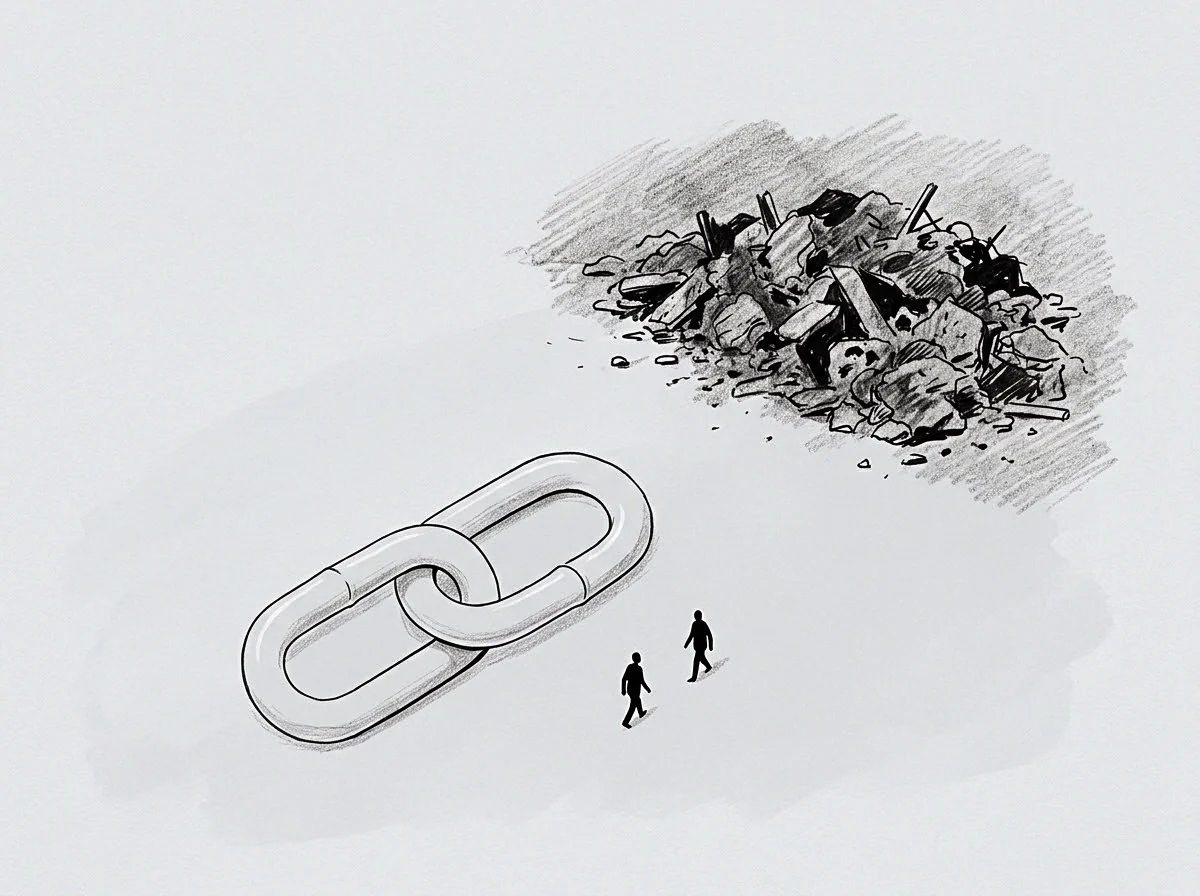
Unhedged executive exposure transfers institutional volatility directly into the founder's biology, causing chronic allostatic wear and severe neural throttling.

Executive bandwidth bounds investor friction by converting open-ended legal inspection covenants into batch-processed, calendar-gated information disclosures.

Systemic throttling is an adaptive physiological output reduction from excessive cognitive volume, distinct from clinical depression by its intact hedonic capacity.

Shared allostatic throttling occurs when concurrent executive overload forces involuntary cognitive withdrawal, requiring explicit structural limits.

Early founder transitions require shifting systemic regulation from the founder prefrontal cortex to explicit operational throttles to restore neural headroom.

Continuous executive stress imposes measurable multisystem biological wear that forces neurological throttling when ungated cognitive loops overwhelm physical margins.

State-gated concurrency limits block incoming operational threads at defined physiological capacity thresholds to preserve cognitive headroom.

Chronic leadership stress suppresses cardiac vagal tone; quantitative recovery protocols use biometric tripwires to restore prefrontal decision bandwidth.
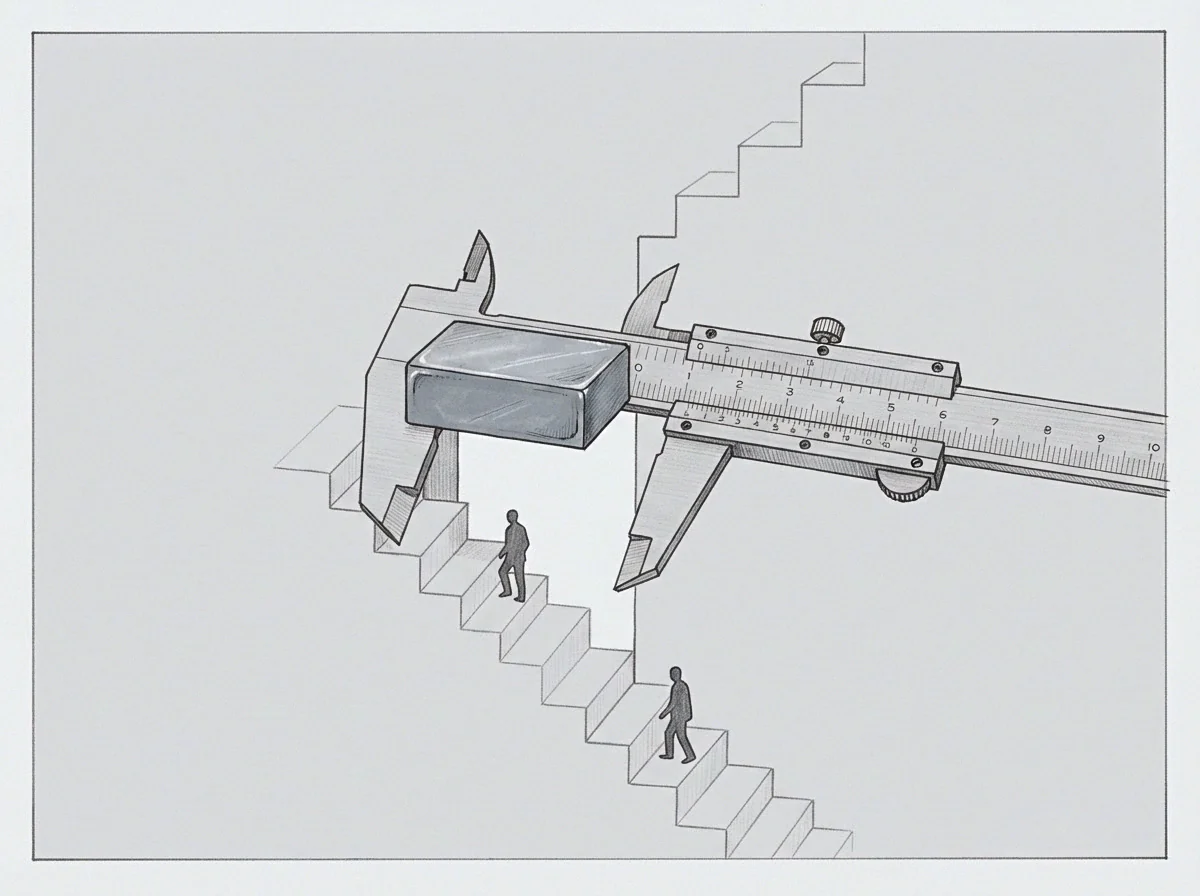
Systemic boundaries enforce operational capacity through objective setpoints that automatically shed load when incoming volume exceeds physical structural limits.

Structural governance redistributes operational friction through asynchronous buffers, dual seats, and supervisory boards, preventing executive autonomic exhaustion.

Autonomic stability relies on capping concurrent ambiguous operations to match biological capacity, preventing allostatic collapse via structural gating.

High accountability seats cap cognitive throughput at two to four concurrent open loops before ungated liability forces physiological throttling.

Executive discretion in silent covenants is held by executing actions directly and rerouting informal shareholder inquiries to formal board dockets.

Unilateral co-regulation forces an operator to metabolize organizational panic through chronic prefrontal inhibition, depleting neuroendocrine reserves.

Investor reserved matter thresholds impose legal caps on contractual liabilities, establishing fixed financial boundaries for maximum sustainable operational run rates.
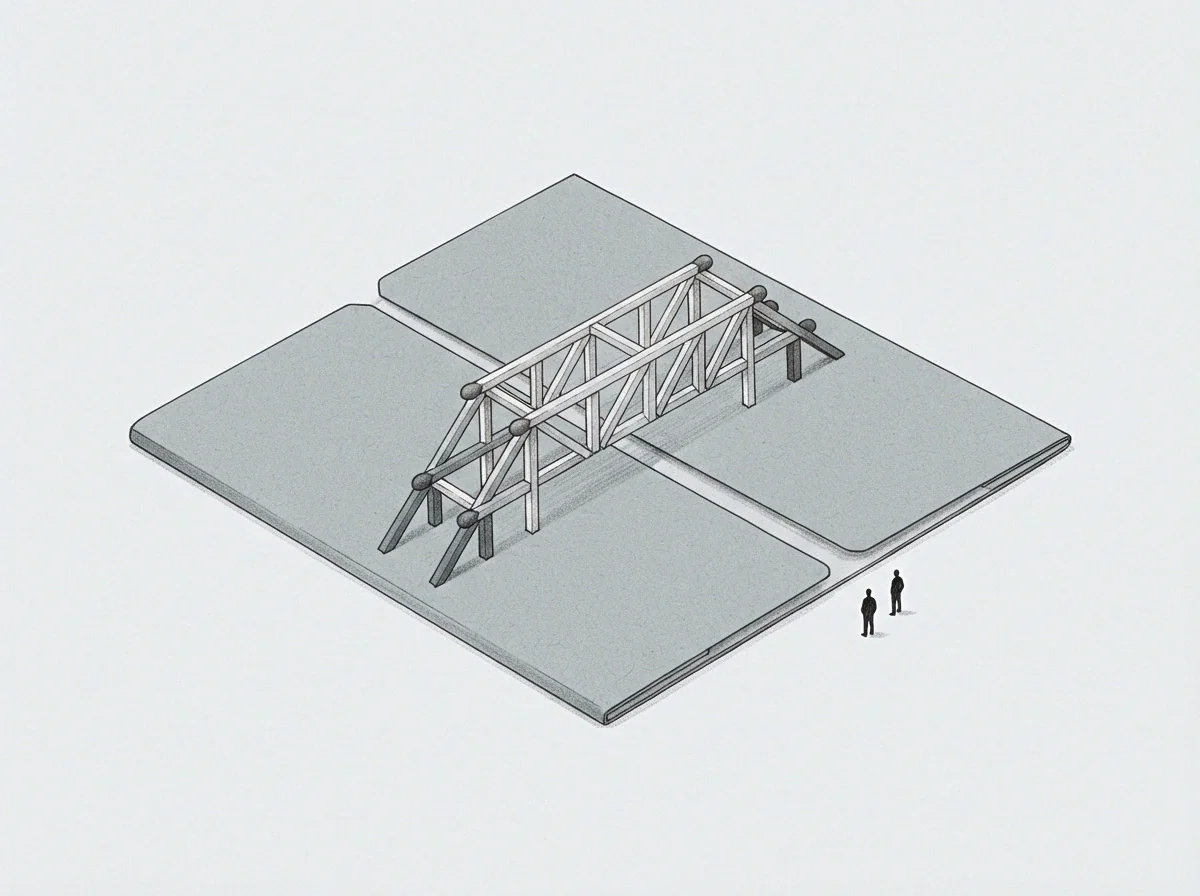
Partner coregulation functions through shared autonomic offloading until sustained operational load exhausts vagal reserves and forces protective throttling.

Concurrency limits cap active bilateral communications, forcing pending topics into dormant external queues to preserve prefrontal processing headroom.

Corporate governance charters translate into daily spending limits by mapping board legal delegations to hard merchant category codes and payment authorization gates.

Executive autonomic regulation stabilizes institutional distress through metabolic vagal suppression, which extracts personal reserves absent true co-regulation.

Chronic allostatic load in founding teams occurs when unconstrained, ungated operational threads exceed executive neurobiological capacity, forcing systemic throttling.

Downstream autonomous execution accelerates incoming volume while funneling concentrated edge cases to human supervisors, causing cognitive collapse without hard limits.

Perpetual enterprise containment traps operators in unilateral load bearing, starving the nervous system of reciprocal signals needed for earned security.

Structural concurrency limits restrict active executive board initiatives to match the measured processing headroom of dysregulated leadership.

A partner conditioned to regulate others treats incoming support as an operational threat, converting shared presence into solitary metabolic strain.

Cardiac vagal control buffers executive teams against chronic regulatory demand, while allostatic overload suppresses this brake and triggers operational shutdown.
The terms are written where they belong. Each field holds three desks, and every entry a desk writes raises the terms it uses, each term given a meaning, a mechanism and the places it appears. The record on these pages stays first person and hand made; the fields grow the nomenclature.