
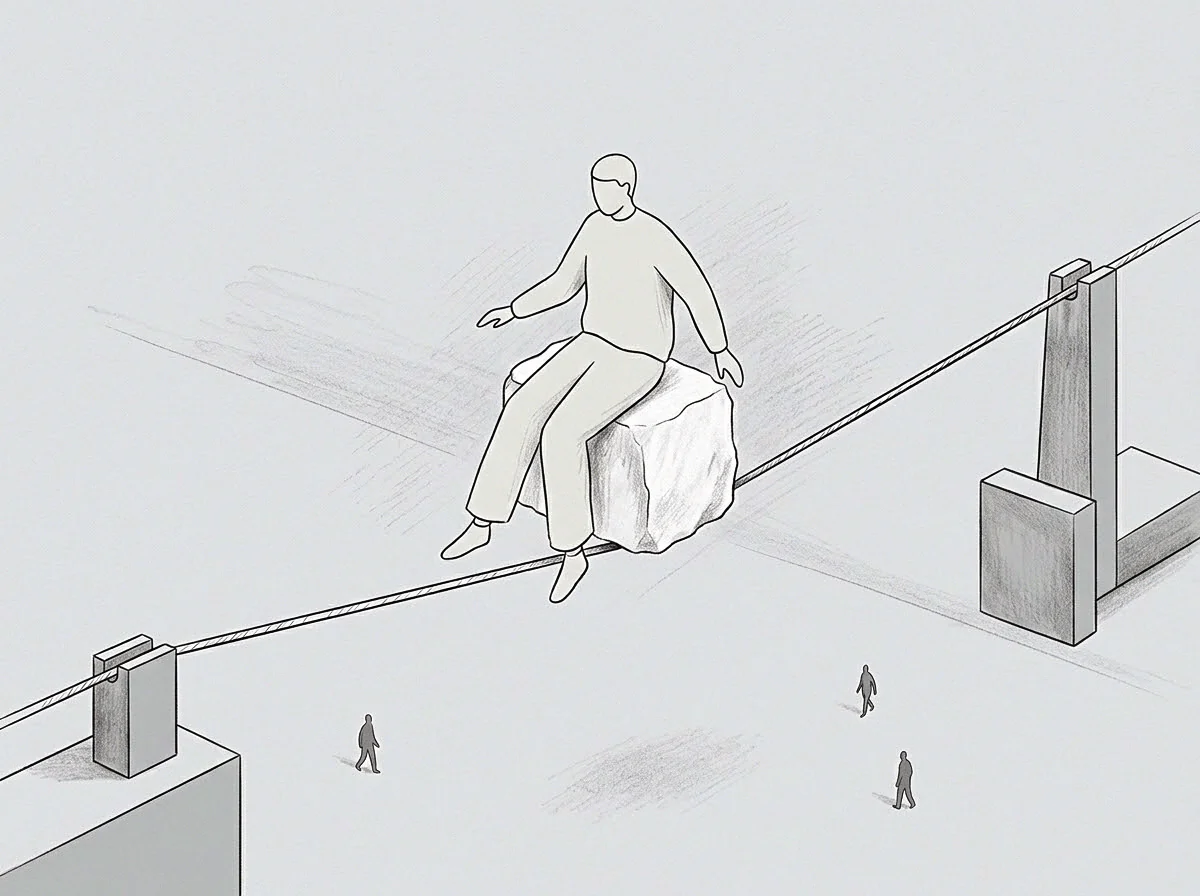
How Unilateral Regulation Templates Prevent Somatic Offloading Under Stress
Unilateral templates treat human proximity as vigilance work, blocking somatic offloading and forcing the nervous system to bear allostatic strain alone.

Unilateral templates treat human proximity as vigilance work, blocking somatic offloading and forcing the nervous system to bear allostatic strain alone.

Operating limits derived from fixed positional rules eliminate continuous relational bargaining, forcing counterparties to calculate access from observable terms.
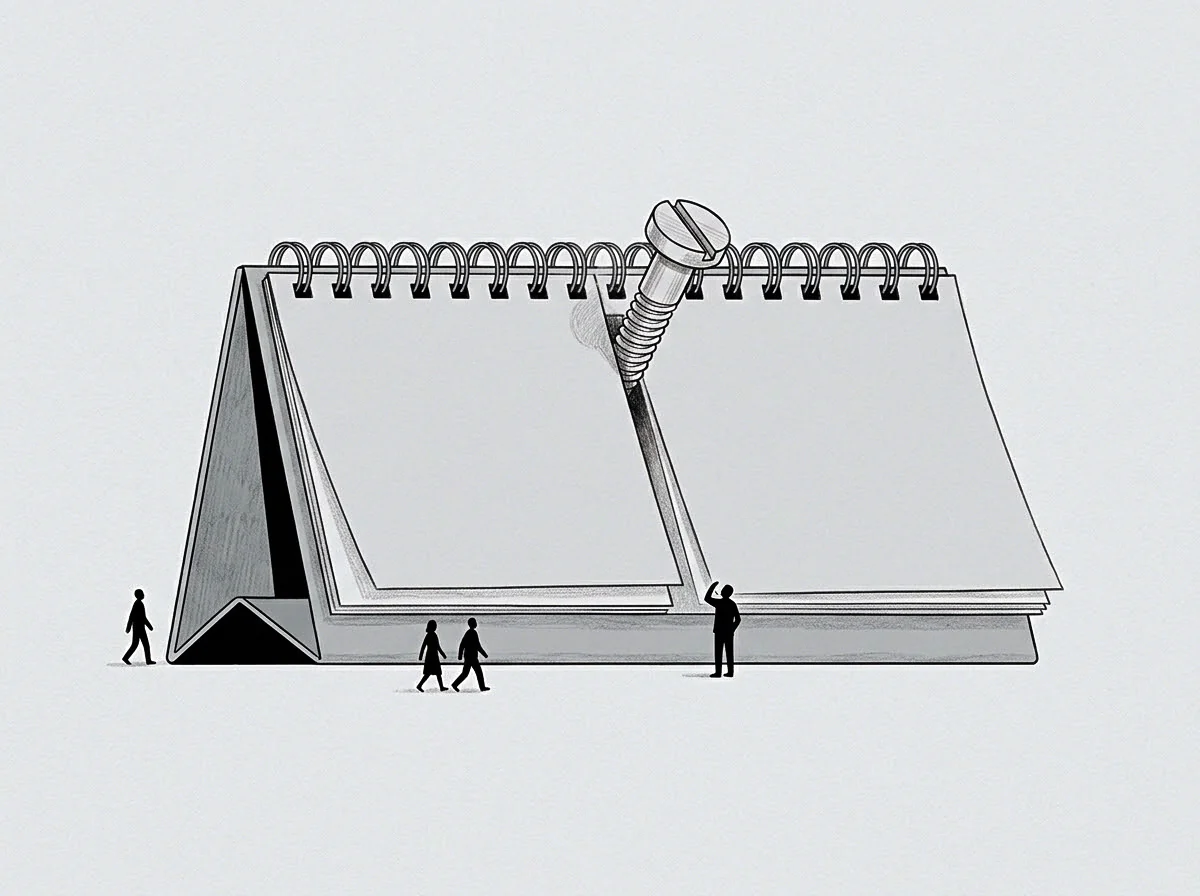
Gating active demands by scope and timeline preserves executive capacity limits by capping the physiological toll of unclosed operational loops.

Stated limits replace person-level regulation with structural terms, stopping load transfer before operational capacity fails under sustained systemic demand.
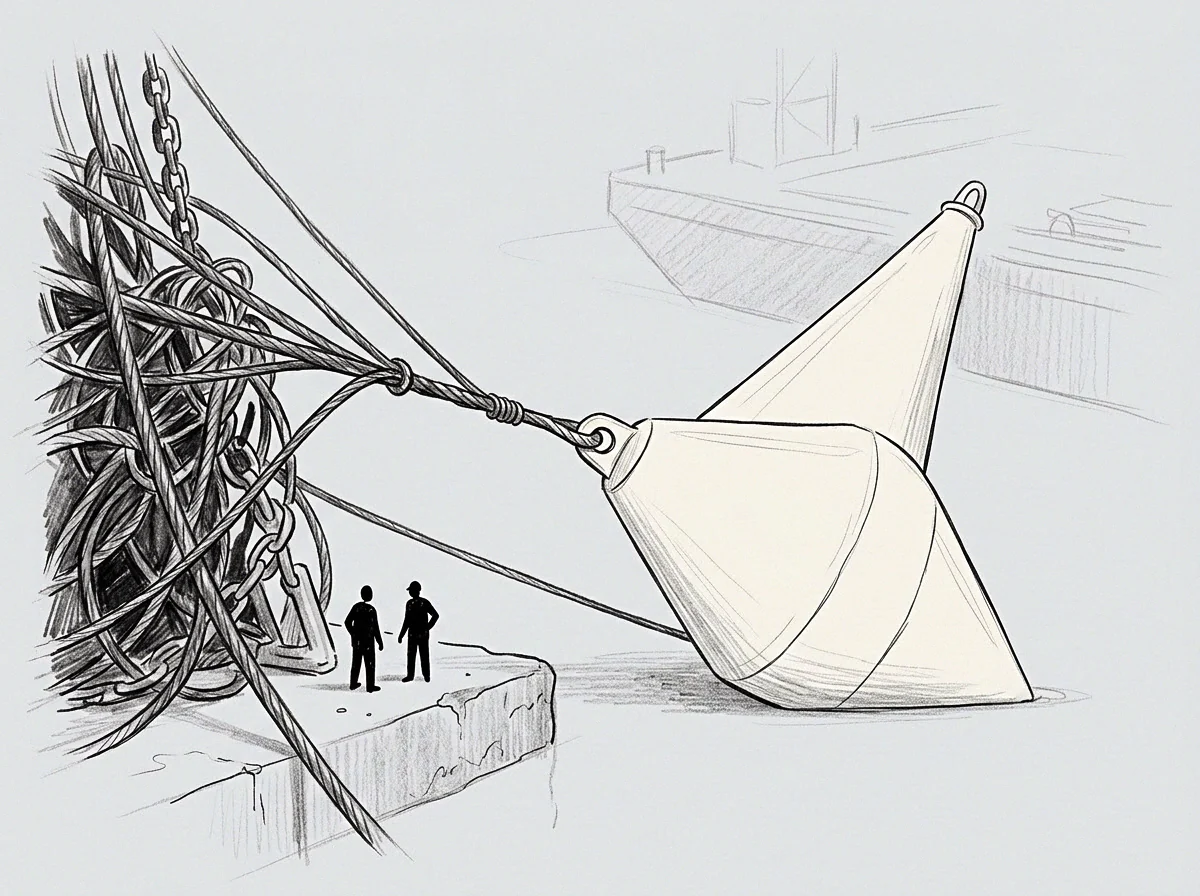
Allostatic load accumulates when technical leaders absorb operational volatility alone, depleting metabolic reserves until structural limits enforce biological recovery.

Intrinsic load monitoring tracks neuroendocrine wear against cognitive concurrency limits to trigger operational gating before regulatory systems exhaust.

Concurrent burnout destroys the social baseline subsidy, turning shared presence into sensory overhead until extended allostatic clearance restores receptor capacity.
Rigid intake constraints preserve downstream enterprise velocity during surges by converting external commercial pressure into perimeter qualification friction.
Chronic relational throttling sustains autonomic vigilance, depleting systemic recovery capacity until explicit structural gates halt interpersonal leakage.

Prolonged operational threat locks the autonomic system in high alert, blocking relational co-regulation until explicit limits rebuild the baseline.
Stated intake conditions enforce strict parameter validation at entry, preventing malformed tasks from consuming cognitive capacity during asynchronous execution.
The human brain treats proximity to a reliable peer as its energy baseline, making solo regulation a metabolically expensive default under severe load.

Acute stress floods the nervous system with neuroendocrine signals, forcing prefrontal working memory to contract from multiple tasks down to two parallel streams.

Stated intake terms filter operational load by enforcing objective submission standards before unrefined tasks enter executive processing channels.

Open relational loops consume cognitive headroom during execution load, elevating allostatic wear unless structural gating freezes active demand.
Asymmetric regulator templates fail during simultaneous depletion; updating requires explicit structural terms to replace non-existent autonomic co-regulation capacity.

Chronic operational exposure shifts physiological baselines upward, turning acute survival mechanisms into permanent tissue damage across multi-year cycles.

Structural input gating buffers prefrontal working memory from raw operational signals, halting allostatic exhaustion and stabilizing executive performance.

Unresolved operational commitments saturate executive working memory, elevating allostatic load and inducing cognitive throttling until structural gating intervenes.

Chronic executive threat suppresses parasympathetic tone; shared social baseline protocols restore ventral vagal regulation and lower decision costs.
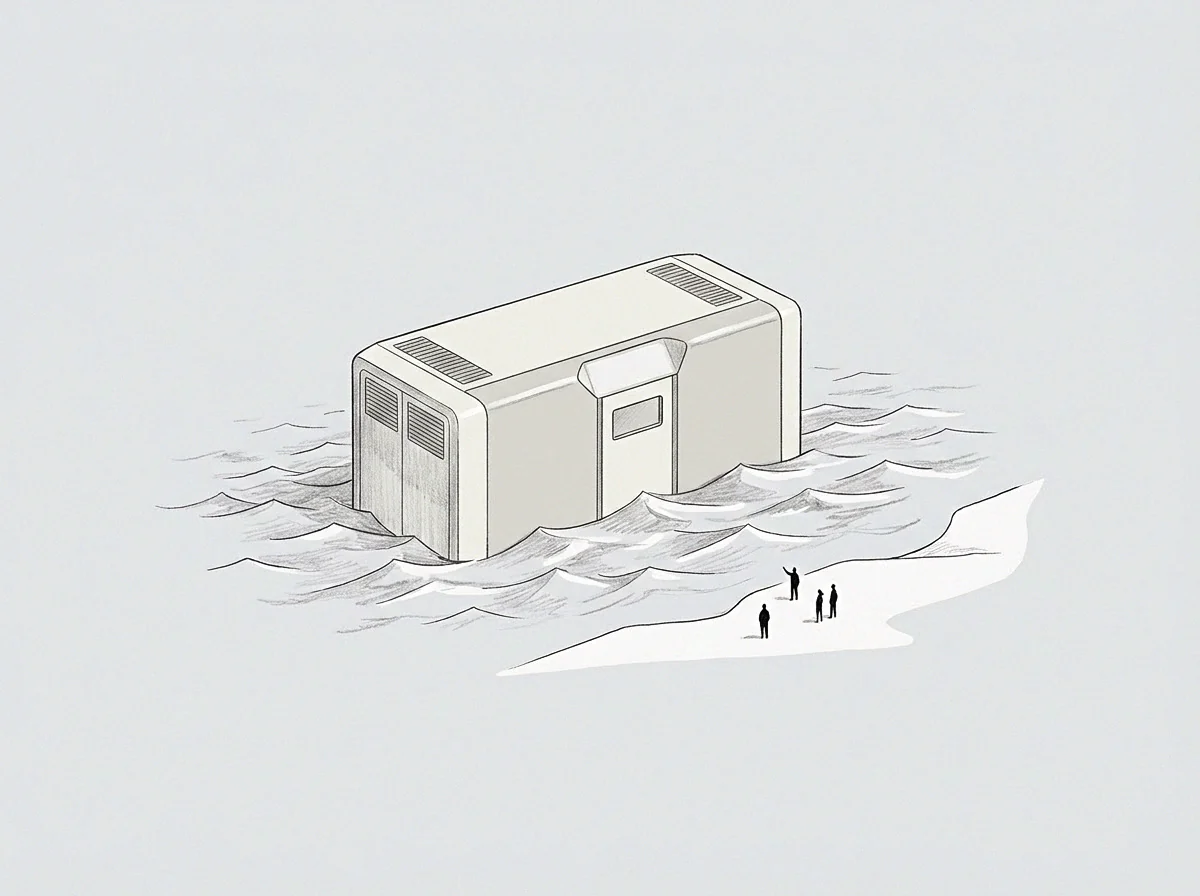
Sustained executive strain downregulates central glucocorticoid receptors and restricts prefrontal working memory capacity to conserve metabolic resources.

Automated authority handovers fail under extreme load because algorithmic shedding transfers dynamic instability faster than human cognitive recovery permits.
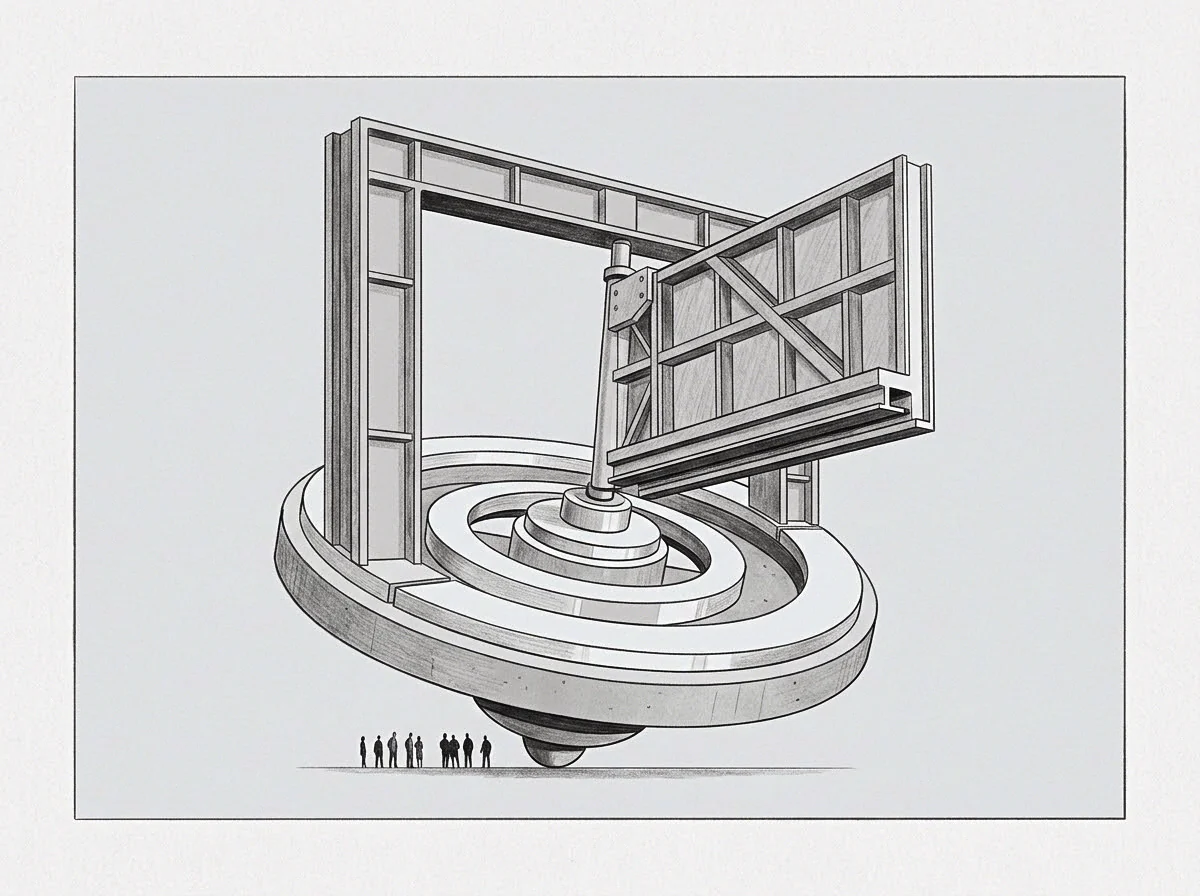
Dynamic boundary throttling caps incoming operational escalations at fixed setpoints, preserving cognitive headroom by enforcing asynchronous intake latency.

Energy throttling down-regulates executive capacity to protect exhausted systems, whereas affective mood disorders reflect dysregulated emotional and reward circuits.
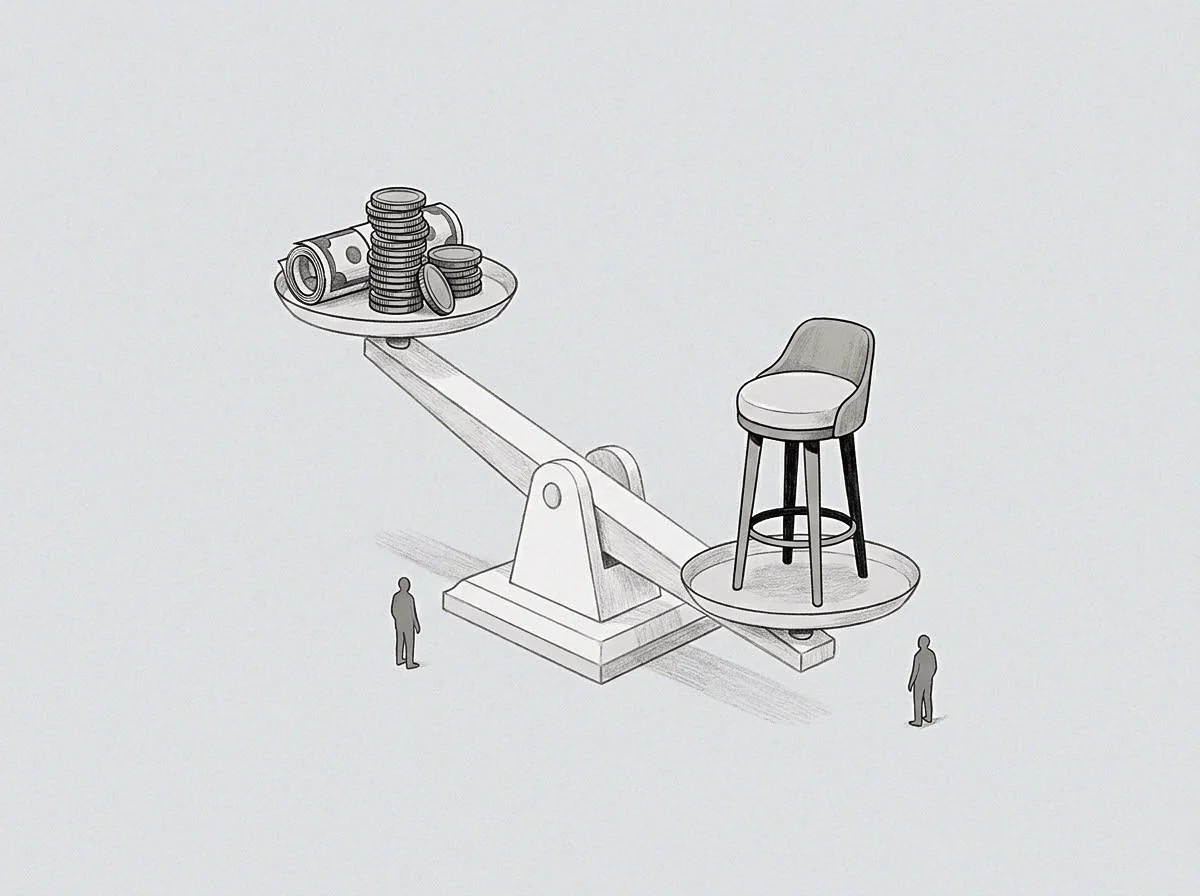
Shared physical proximity lowers team threat expenditure by allowing unconscious somatic co-regulation to stabilize autonomic baselines during operational crises.
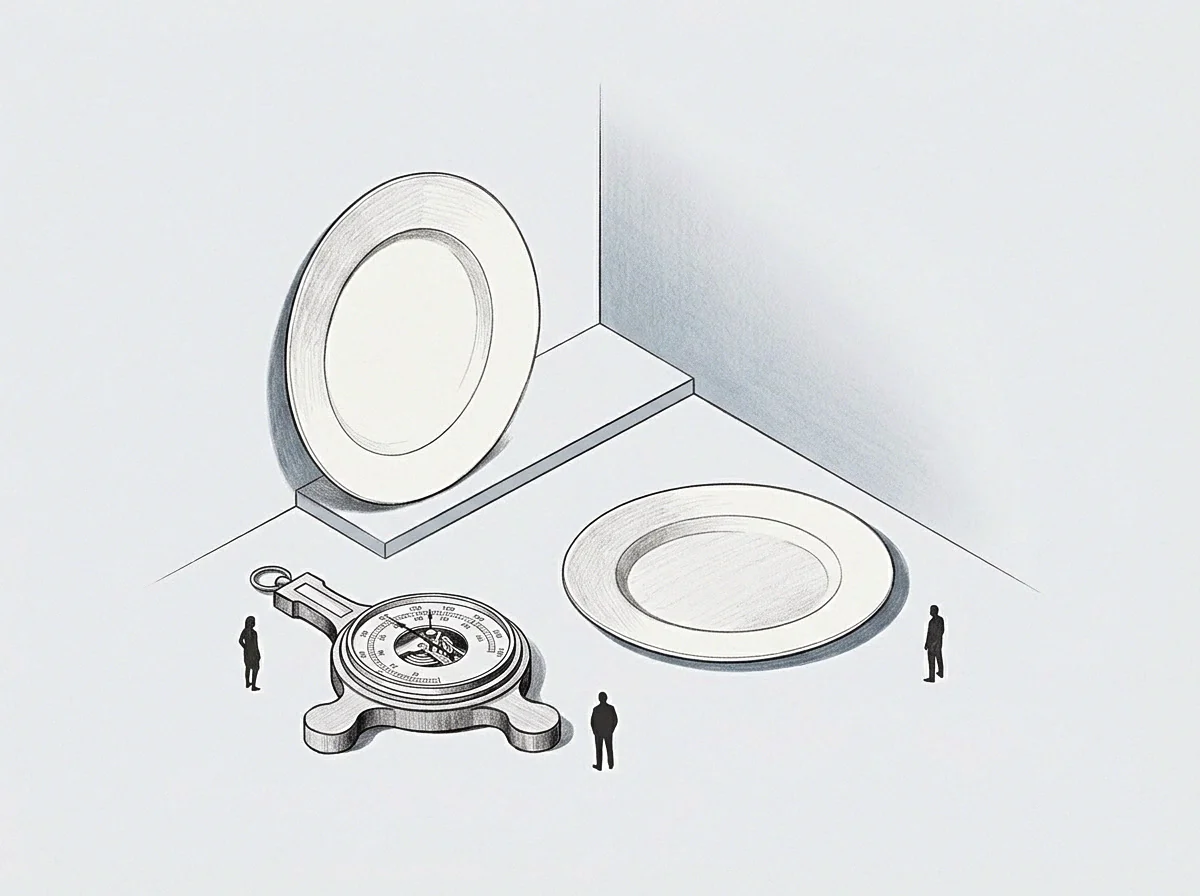
Executive allostatic load reflects cumulative neuroendocrine wear from sustained regulatory demand, triggering metabolic throttling when loop concurrency hits ceiling.
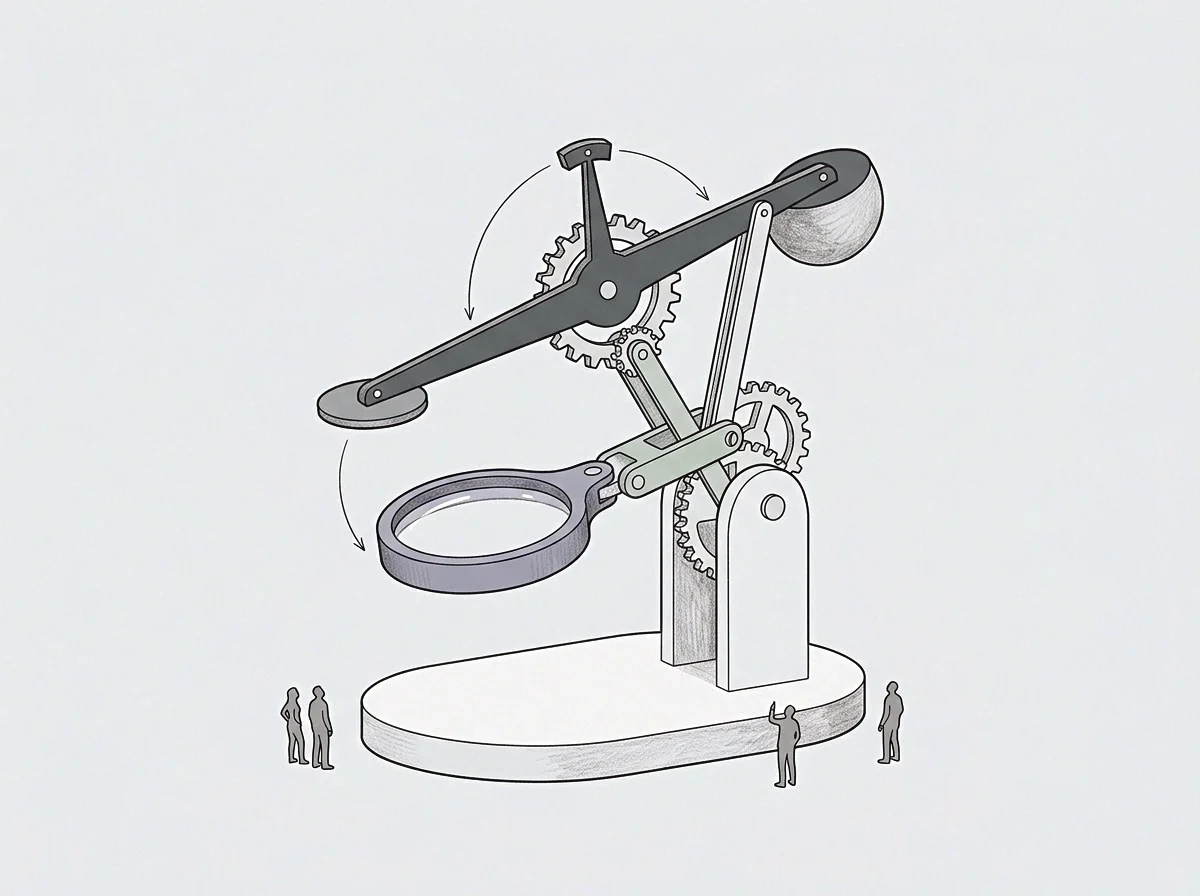
Persistent evening cortisol elevation saturates prefrontal receptors, reducing active working memory slots and enforcing executive throttling under load.

Extended structural volatility shifts neural regulation costs onto stable executive anchors, exhausting headroom and forcing systemic cognitive throttling.

Unstated internal limits force operators to absorb team anxiety as personal allostatic load when baseline calm is borrowed rather than structurally defined.
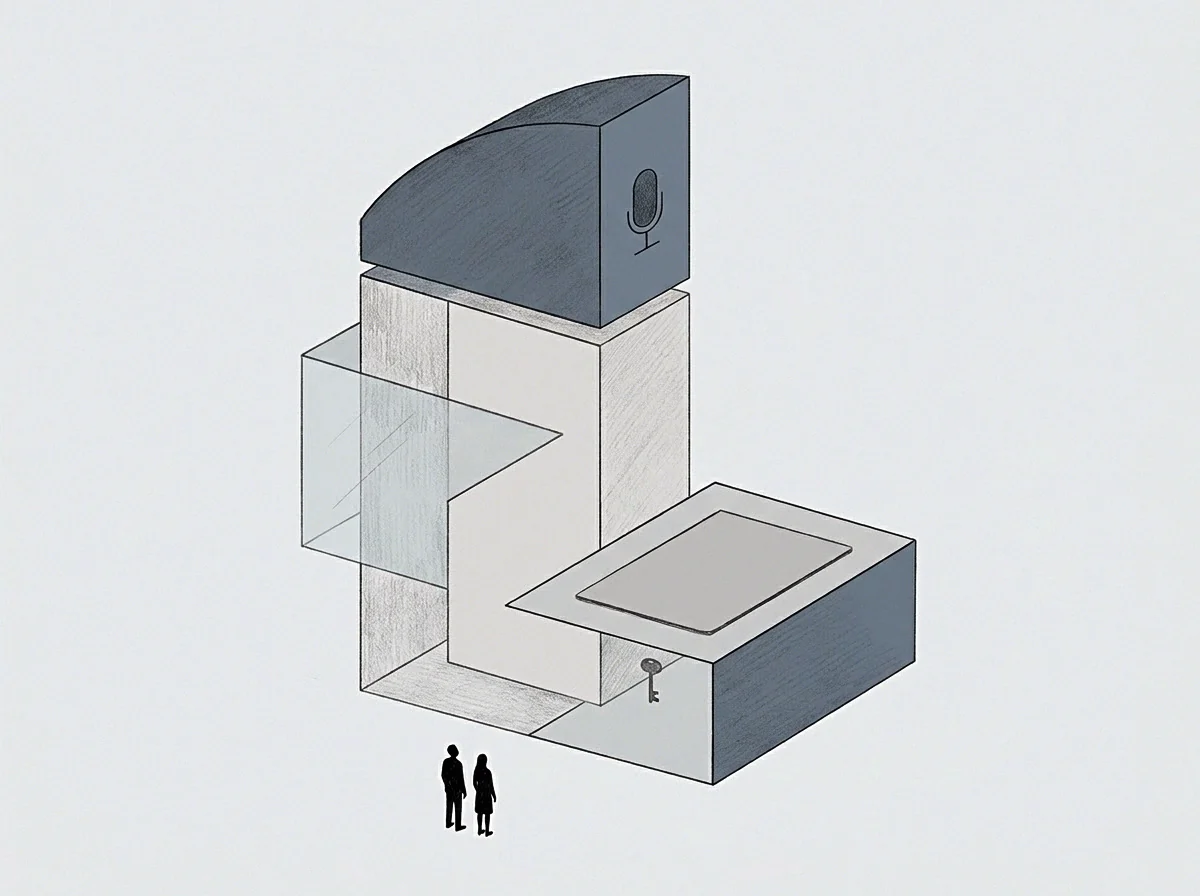
Automated backpressure and state-gated escalation routing protect engineering capacity during unexpected volumetric spikes by shedding non-critical operational load.
The terms are written where they belong. Each field holds three desks, and every entry a desk writes raises the terms it uses, each term given a meaning, a mechanism and the places it appears. The record on these pages stays first person and hand made; the fields grow the nomenclature.