
How State Dependent Throttling Alters Downstream Operational Execution Dynamics
Unannounced upstream processing delays force downstream teams to buffer work, inflate batch sizes, and substitute informal lateral agreements for direct review.

Unannounced upstream processing delays force downstream teams to buffer work, inflate batch sizes, and substitute informal lateral agreements for direct review.

A mechanical capacity threshold rejects incoming operational requests automatically once active execution slots reach a predetermined physical concurrency cap.

Somatic safety recovers when structural isolation arrests incoming operational load, allowing relational proximity to restore autonomic resilience over time.

Parasympathetic recovery in high-threat environments depends on nocturnal vagal reactivation measured through beat-to-beat variability and rapid heart rate deceleration.
Formal operating constraints protect human nodes in distributed capital networks by mechanizing transaction latency and boundaries before biological exhaustion.

Structural latency differences arise when biological tissue regeneration rates fail to match real-time relational demands, forcing systemic metabolic debt.

Chronic enterprise strain represses oxytocin receptors via sustained cortisol load; rebuilding them demands prolonged, unpressured co-regulation without demand.

Restoring physiological headroom requires strict gating of active operational loops to reduce allostatic wear across unbalanced partner structures.

Exceeding working memory concurrency limits triggers biological throttling, requiring unilateral operational gating and parked lines to restore capacity.
Scaling outpaces social borrowing when operational demands exceed proximity buffering, forcing operators to derive explicit state gated setpoints.

A stated capacity wall establishes an operational intake limit before workload transfers, forcing collaborative systems to route surplus demand elsewhere.

Resetting baseline nervous system tone requires shifting from expensive solitary allostatic defense to bounded co-regulation and enforced operational limits.

Executive throttling is protective prefrontal capacity preservation under high allostatic wear, distinct from clinical depression or operational failure.

Autonomic headroom recovers when ambiguous operational loops receive defined scope, dates, and termination criteria, halting chronic sympathetic activation.

Structural corporate deficiencies transfer directly into human physiology when organizational buffers are absent, terminating in autonomic threshold failure.

Counterparties derive operational availability through stated structural terms and response signals rather than relying on unstated individual capacity.

Prolonged isolation downregulates central oxytocin receptors, causing incoming social proximity to trigger amygdalic threat cascades instead of borrowed calm.

Executive capacity throttling occurs when incoming operational load exceeds central processing bandwidth, requiring structural terms to protect decision state.
Resolving co-founder operational failures requires converting unstated capacity limits into explicit governance pacts that halt informal load transfer.

Downregulated receptor cascades blind exhausted executives to interpersonal safety cues, converting proximity from a regulation economy into a threat.
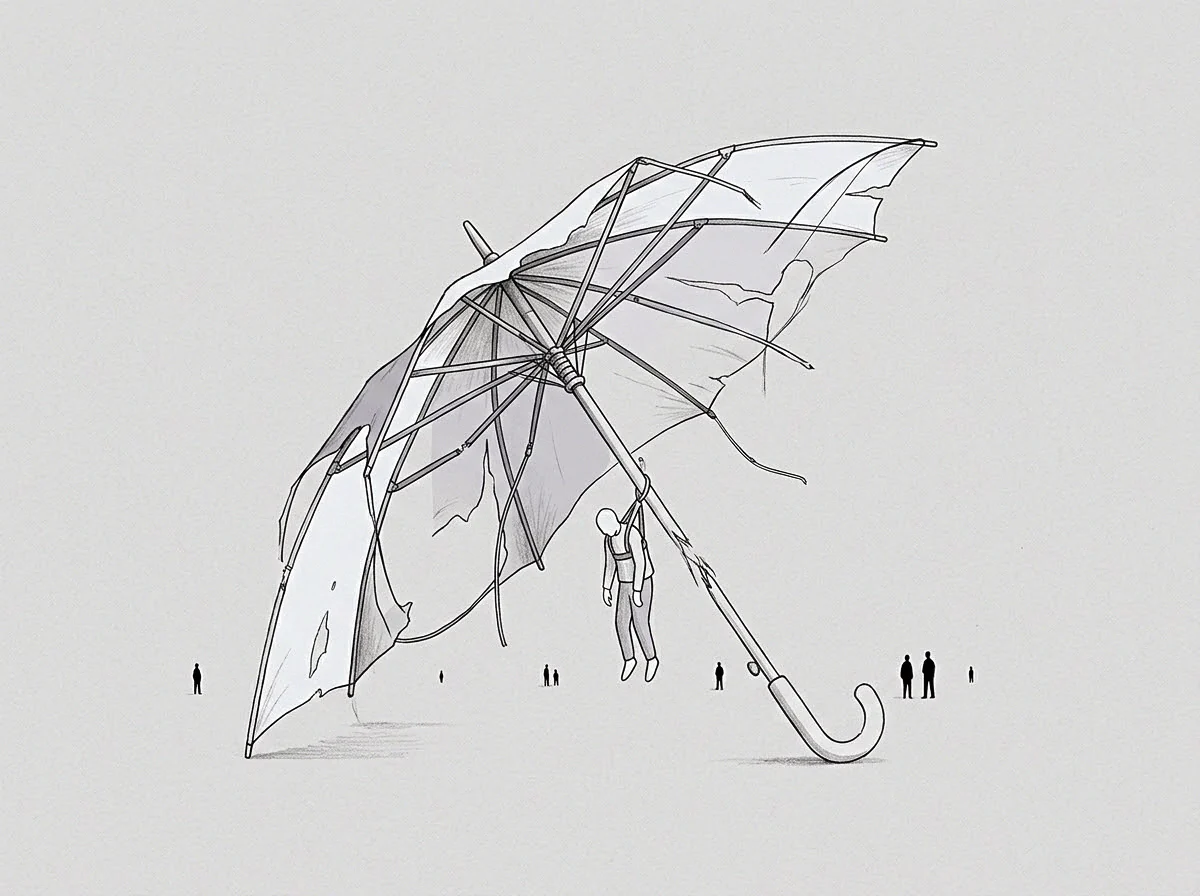
Regulatory exhaustion throttles affective output to preserve executive throughput under chronic load, whereas clinical blunting reflects systemic autonomic flattened reactivity.

Stated operating limits function as structural walls that reallocate load, ending implicit emotional absorption across pressurized executive partnerships.
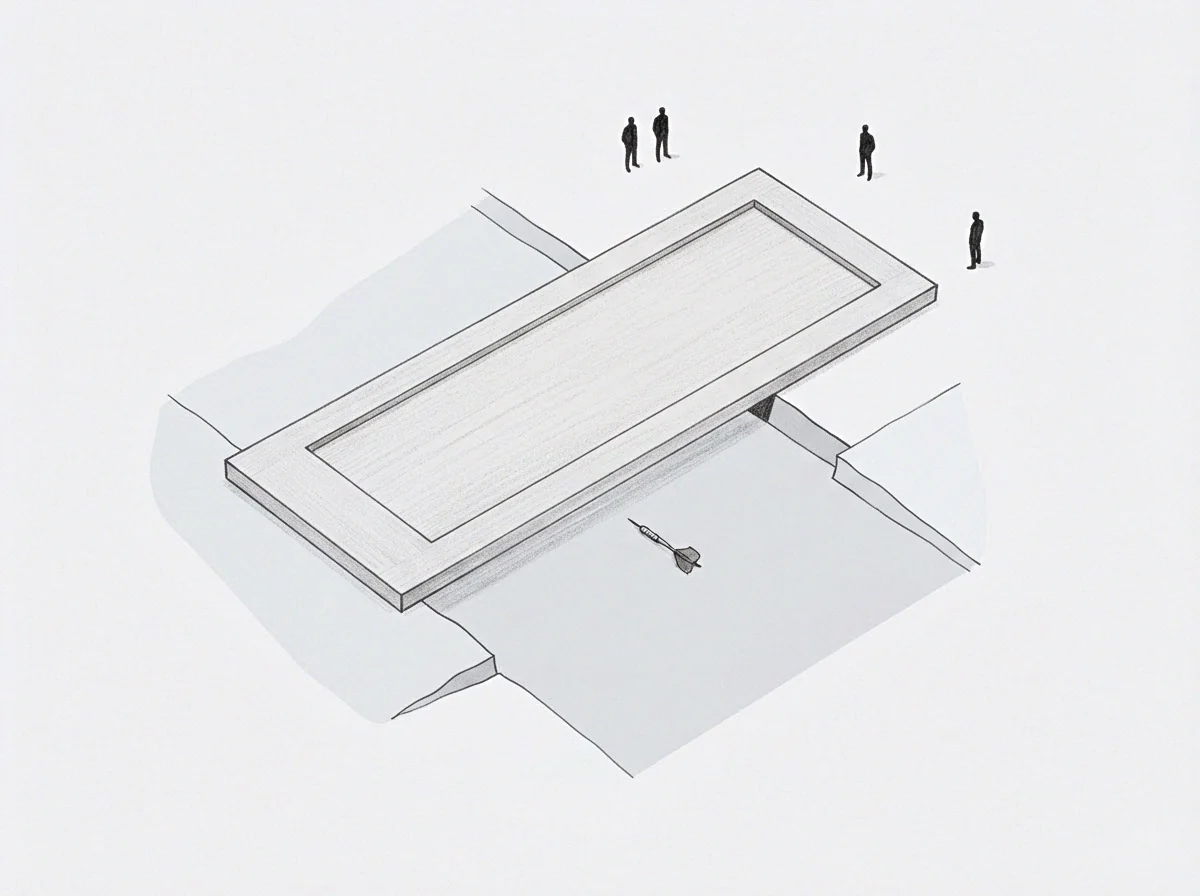
Extended solitary building dismantles social baseline regulation, forcing the nervous system into high-cost vigilance that updates only through calm physical proximity.

Executive workload distribution requires structural interface impedance to prevent operational overload from routing directly into executive attention.

Extended solitary command recalibrates neural threat setpoints, creating a persistent sympathetic lag that outlasts the objective crisis by months.
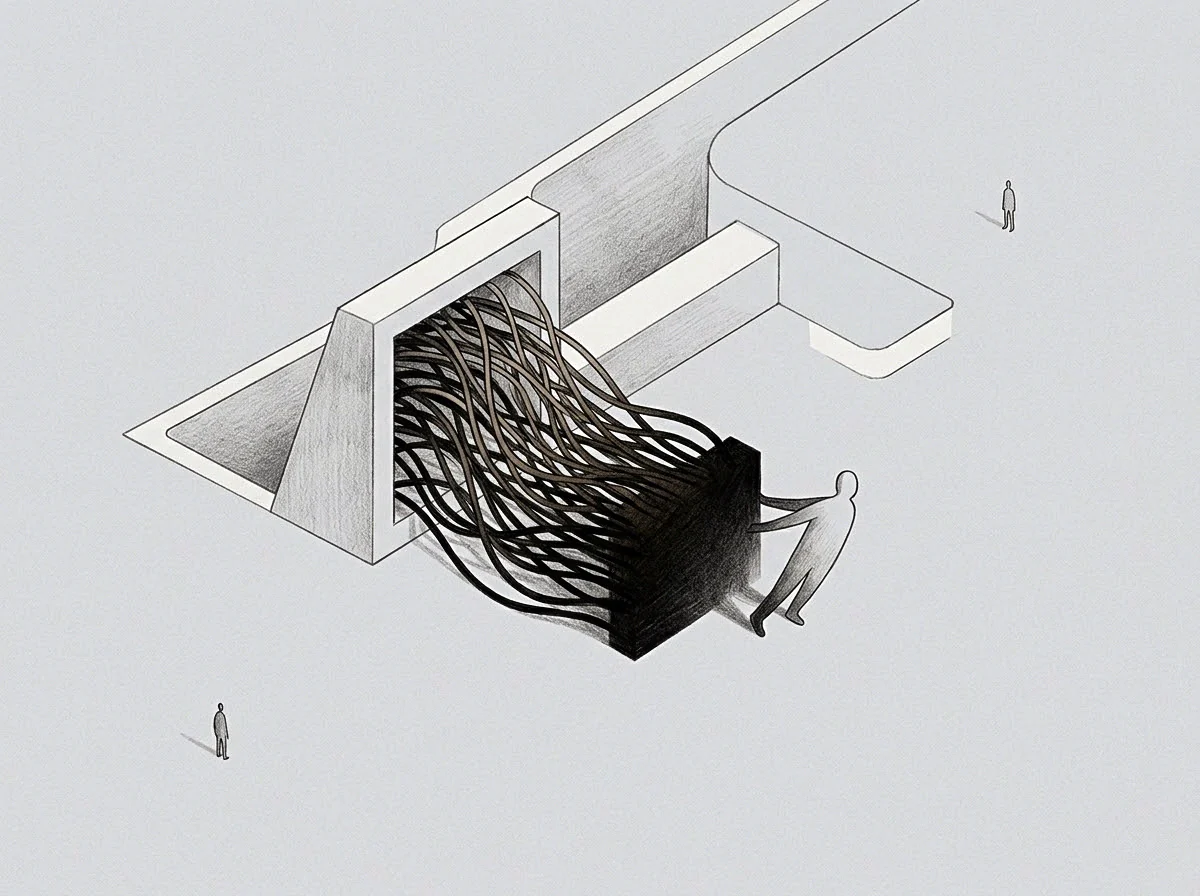
Stated position limits isolate execution channels to prevent one co-founder's allostatic overload from triggering reciprocal nervous system exhaustion.

Physical proximity to a reliable companion signals safety to threat circuitry, dropping solitary vigilance and offsetting allostatic load without spoken advice.

Structural availability is derived by measuring actual task queue drain rate and completion latency against arrival volume rather than message acknowledgment speed.
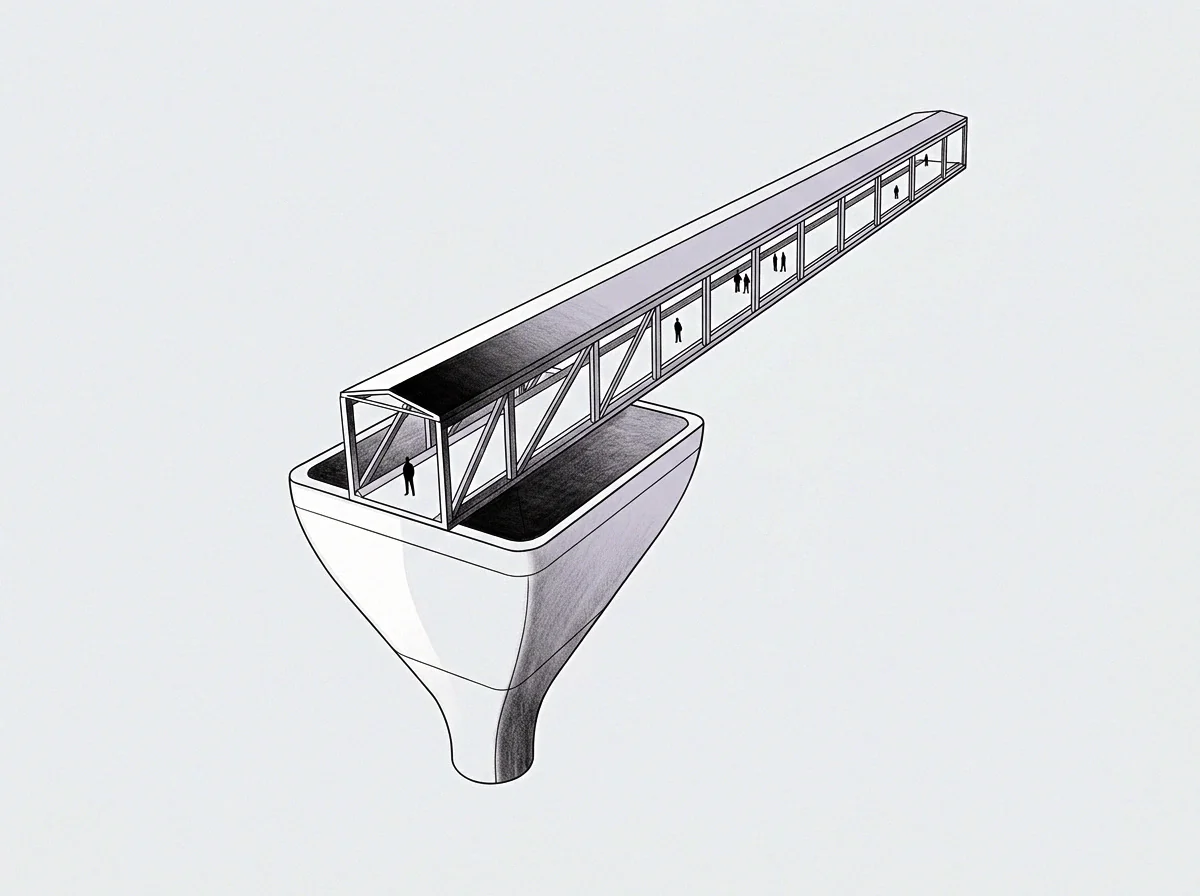
Prolonged solitary strain forces the autonomic nervous system to classify proximity as a threat, raising baseline vigilance until low-demand presence updates the internal working model.

Allostatic load and cognitive concurrency limits measure somatic wear and parallel processing boundaries under chronic organizational demand.
The terms are written where they belong. Each field holds three desks, and every entry a desk writes raises the terms it uses, each term given a meaning, a mechanism and the places it appears. The record on these pages stays first person and hand made; the fields grow the nomenclature.