

Measuring Temporal Discounting In High Stress Executive Decisions
Acute allostatic load elevates executive temporal discounting by downregulating prefrontal networks, compressing choice horizons to immediate homeostatic survival.

Acute allostatic load elevates executive temporal discounting by downregulating prefrontal networks, compressing choice horizons to immediate homeostatic survival.

Dynamic allostatic load constraints protect multi-tier supervisory architectures through automated throttling and hard concurrency limits during volume spikes.

Structural throttling installs explicit operational boundaries, concurrency locks, and temporal buffers to prevent human collapse during rapid organizational expansion.

Operational concurrency limits prevent systemic collapse by restricting parallel active execution loops through strict state-gated intake controls.

Autonomic co-regulation distributes metabolic threat processing across proximate human nervous systems to preserve executive function under acute operational stress.

Autonomic recovery requires uninterrupted sensory isolation windows to clear sympathetic hormones and restore vagal modulation of heart rate variability.

Executive boundaries transfer unmediated load during scaling until explicit terms establish rigid structural stops and isolate residual operational strain.
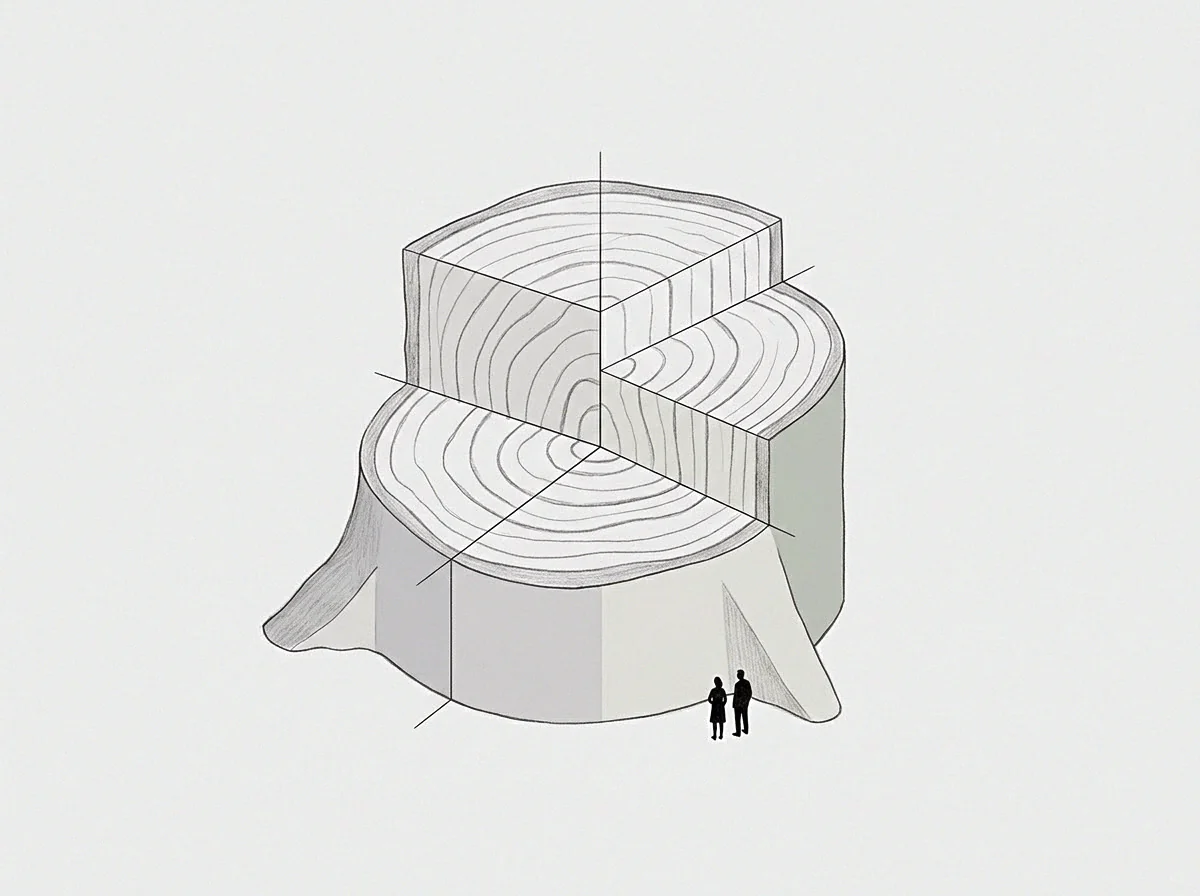
Delegated authority thresholds eliminate operational latency by establishing explicit boundaries for autonomous spending and execution without executive consent.

Executive decision congestion develops when rapid growth multiplies operational inquiries while approval authority remains locked in central leadership.

Allostatic overload degrades prefrontal risk analysis in investment partners, forcing depleted committees to substitute thorough diligence with automatic consensus.

Structural capacity under investor consent rights is preserved by replacing ad hoc approvals with explicit contractual thresholds and budget carve-outs.
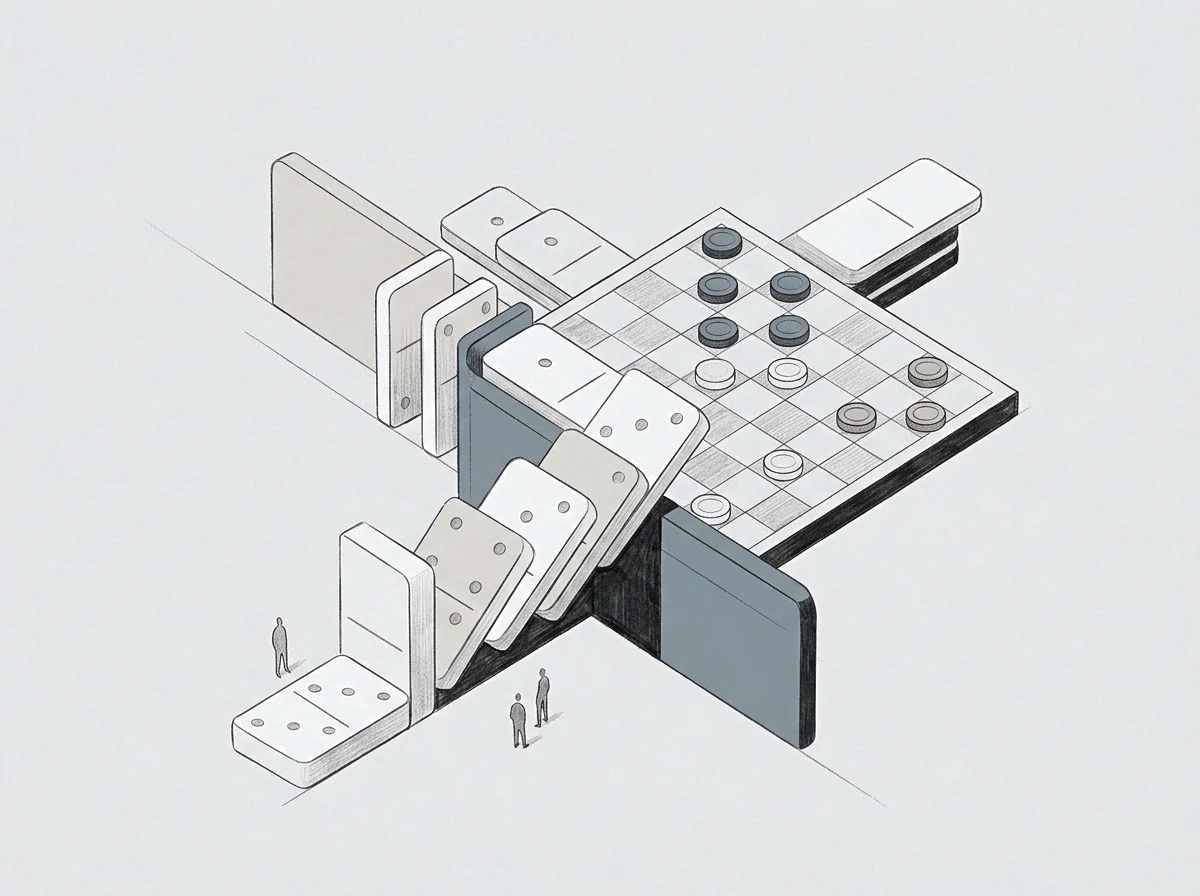
State-gated capacity management blocks unscheduled board demands until operational recovery metrics match the cognitive threshold of the vote.

Unilateral emotional regulation in broken executive teams forces one nervous system to absorb collective friction, driving severe neuroendocrine and vascular breakdown.
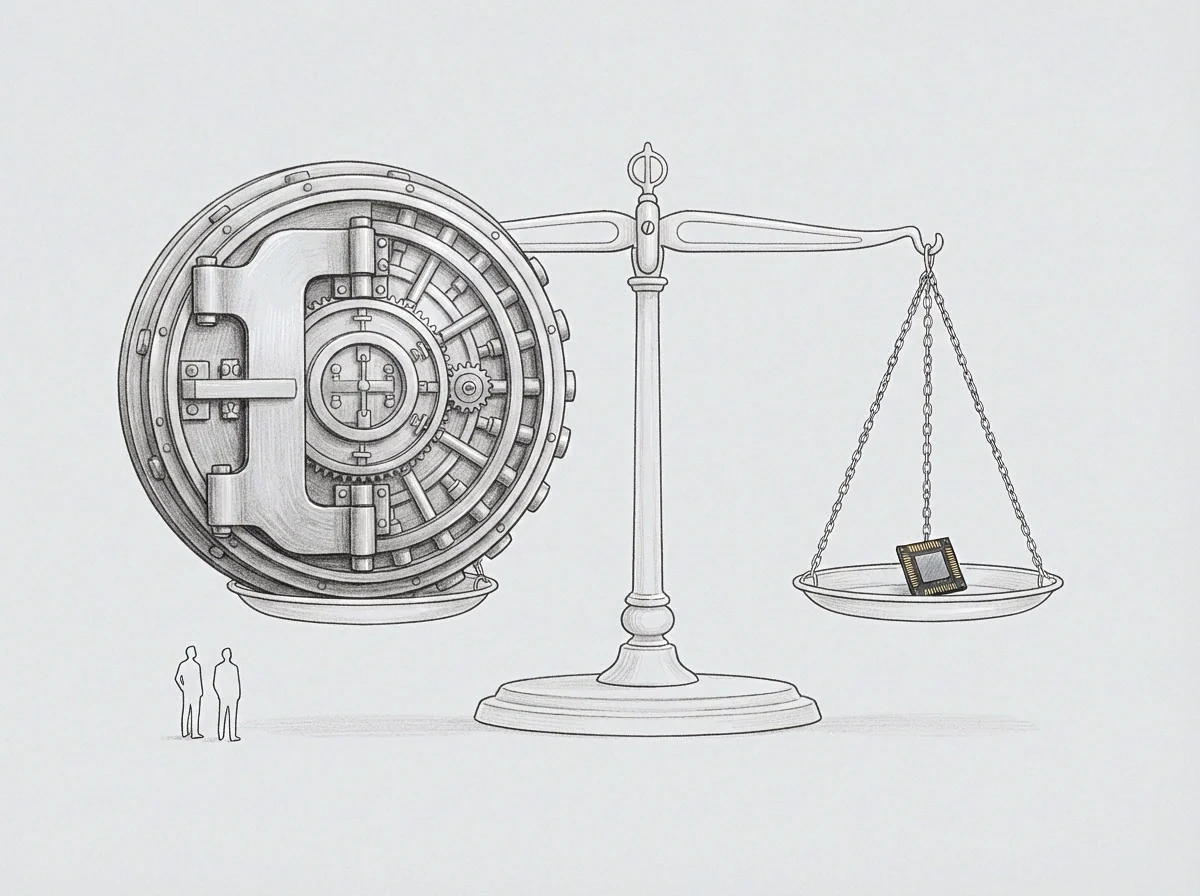
Multi-party consent requirements split corporate authority into class-based vetoes, creating operational deadlocks that yield only to structural amendments.

Growth contracts replace subjective investor veto rights with quantitative variance thresholds that convert discretionary approval into automated state gates.

Severing an executive partnership strips borrowed neural regulation, doubling metabolic threat and driving acute hypercortisolemia into chronic adrenal exhaustion.

Rebuilding adult templates under operational load requires explicit micro-contingency protocols and partner headroom to lower metabolic threat monitoring costs.

A discretionary board veto suspends operational execution into an open governance loop, triggering severe state restoration latency and enterprise degradation.
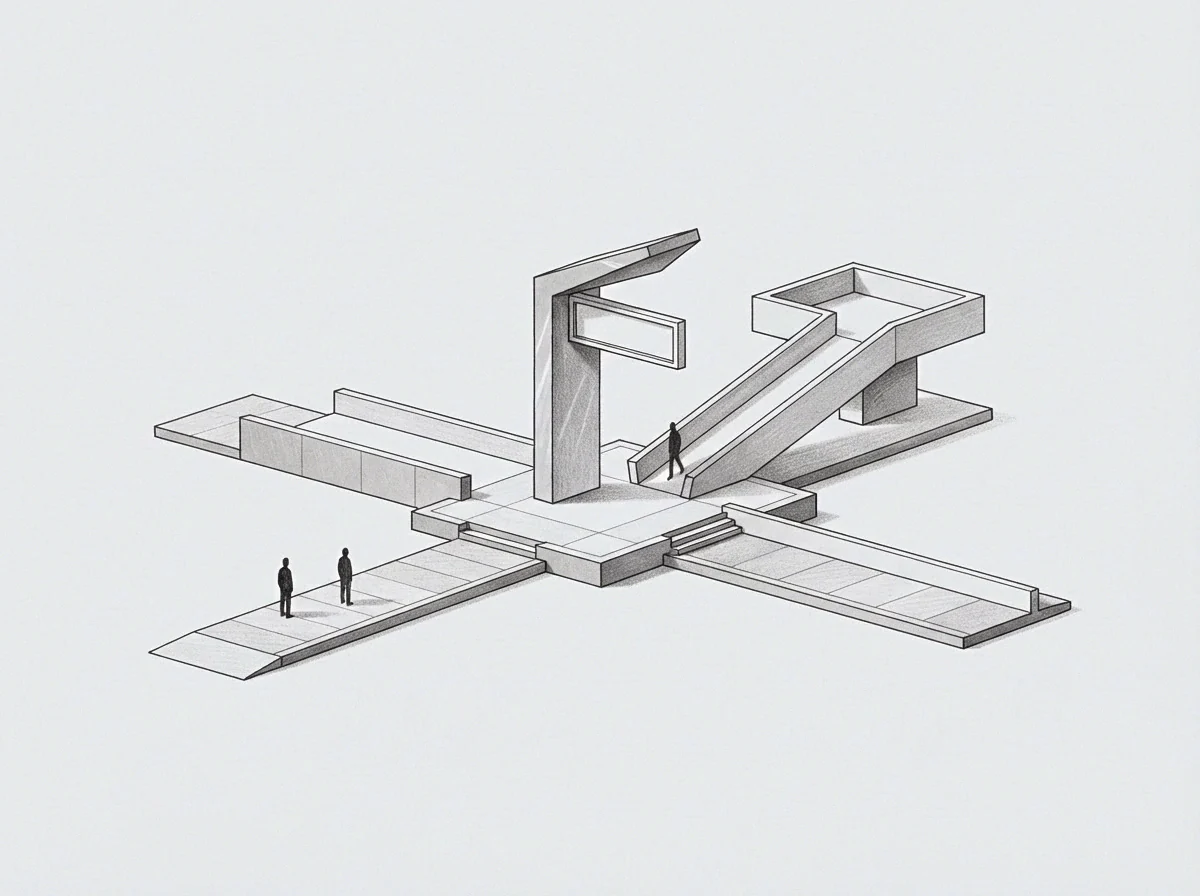
Portfolio governance gates insulate capital placement by transferring allocation limits from fatigued decision makers to binding procedural hurdles.

Context clearance duration expands when directors lack ambient system knowledge, forcing executives to spend operational cycles converting reality into defensive narrative.

Autonomic nervous system strain alters risk perception during underwriting by converting metabolic exhaustion into defensive aversion to commercial uncertainty.

Solitary threat regulation forces an isolated brain to fund the entire metabolic cost of vigilance, burning cellular energy that social proximity usually saves.

Long term regulatory capacity recovery requires structural organizational baffles and latency buffers that physically isolate nervous systems from continuous operational escalation.
Investor consent covenants trigger attention switch costs that deplete executive capacity by forcing operational context into defensive approvals.

Repeated experiences of relational responsiveness physically down-regulate solitary threat baselines, replacing insecure working models with earned security.

Asymmetric regulatory templates update when a solitary regulator experiences repeated survival while leaning on an unshakeable peer under load.
Operational partners distribute biological survival costs when mutual threat monitoring lowers autonomic vigilance and prevents unilateral executive exhaustion.
Structural intake protocols convert erratic pings into batched queues, protecting operator capacity while scheduled windows preserve team certainty.

Threshold gated governance interfaces convert prospective administrative obligations into deterministic state-triggered executions, eliminating mental tracking load.
Monthly governance cycles overload executive working memory by multiplying open cognitive threads and extraneous load, degrading daily operational decision quality.
The terms are written where they belong. Each field holds three desks, and every entry a desk writes raises the terms it uses, each term given a meaning, a mechanism and the places it appears. The record on these pages stays first person and hand made; the fields grow the nomenclature.