

How Executive Isolation Accelerates Executive Nervous System Collapse Under Pressure
Executive isolation forces the brain to budget environmental threat without social baseline regulation, accelerating autonomic exhaustion and decision failure.

Executive isolation forces the brain to budget environmental threat without social baseline regulation, accelerating autonomic exhaustion and decision failure.

Human working memory holds four active incident threads maximum before context switching forces automatic drop of operational state data.

Versioned asynchronous state repositories transfer cognitive context from human memory to durable records, eliminating adrenal surges caused by live interruptions.

Chronic enterprise debt overloads human neurobiology through isolated threat processing, requiring relational co-regulation to preserve executive function.
Uncoupling autonomous regulation templates during intimacy keeps sympathetic drive elevated, causing vascular resistance and cardiovascular shear stress despite physical proximity.
Uncompleted task switches leave cognitive capacity attached to prior context, degrading working memory and introducing execution errors in active operations.

Organizational response latency scales non-linearly when asymmetric technical debt meets unthrottled upstream escalations, requiring state-gated intake limits.

Solitary focus shifts the central nervous system to high sympathetic tone, causing domestic co-presence to initially register as an unexpected sensory load.

Downstream organizational restructuring depletes baseline social co-regulation, elevating individual allostatic strain when capacity ceilings prevent mutual physiological buffering.
Delayed response protocols convert continuous real-time engineering interruptions into asynchronous batch queues to preserve focus and reduce cognitive load.

Systemic neuroendocrine recovery following operational volatility depends on restoring the diurnal cortisol slope and normalization of anabolic steroid ratios.

Structural latency protocols enforce hardware setpoints by shedding excess load and propagating backpressure upstream when queues saturate under heavy load.

Sustained allostatic load alters autonomic gating, turning coregulative tactile input into sensory startle responses that increase metabolic regulation costs.
Chronic regulatory load forces physiological throttling to preserve baseline execution, misread as failing commitment when open channels exceed working capacity.
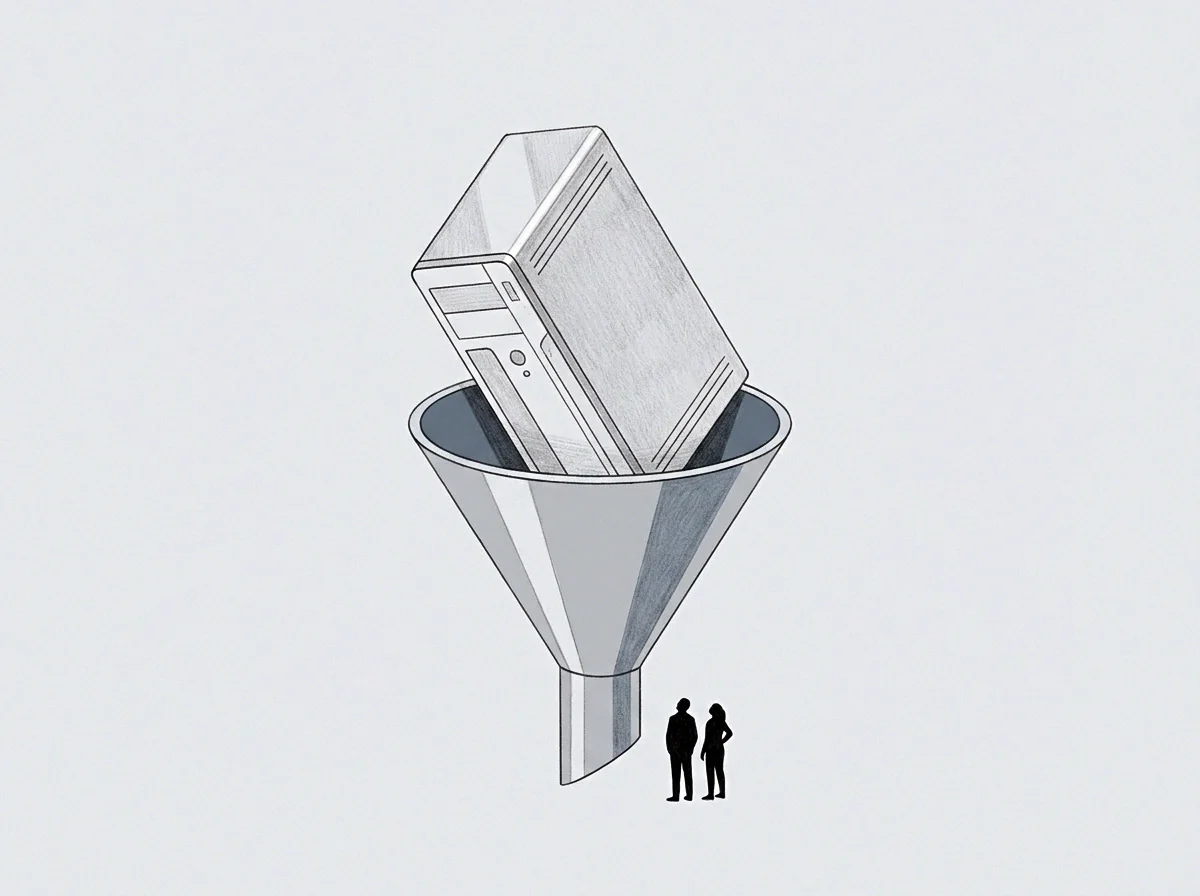
Throttling executive intake requires inserting structured asynchronous templates and deliberate latency to force operational synthesis back onto the sender.

Unidirectional baseline absorption under capital pressure alters internal working templates, converting executive presence into a continuous regulatory expenditure.

Asynchronous governance gates fail when open review loops exceed executive working memory capacity, forcing biological throttling and organizational delay.

Capital scarcity accelerates executive exhaustion by converting financial buffer deficits into unsustainable interpersonal baseline borrowing across leadership dyads.
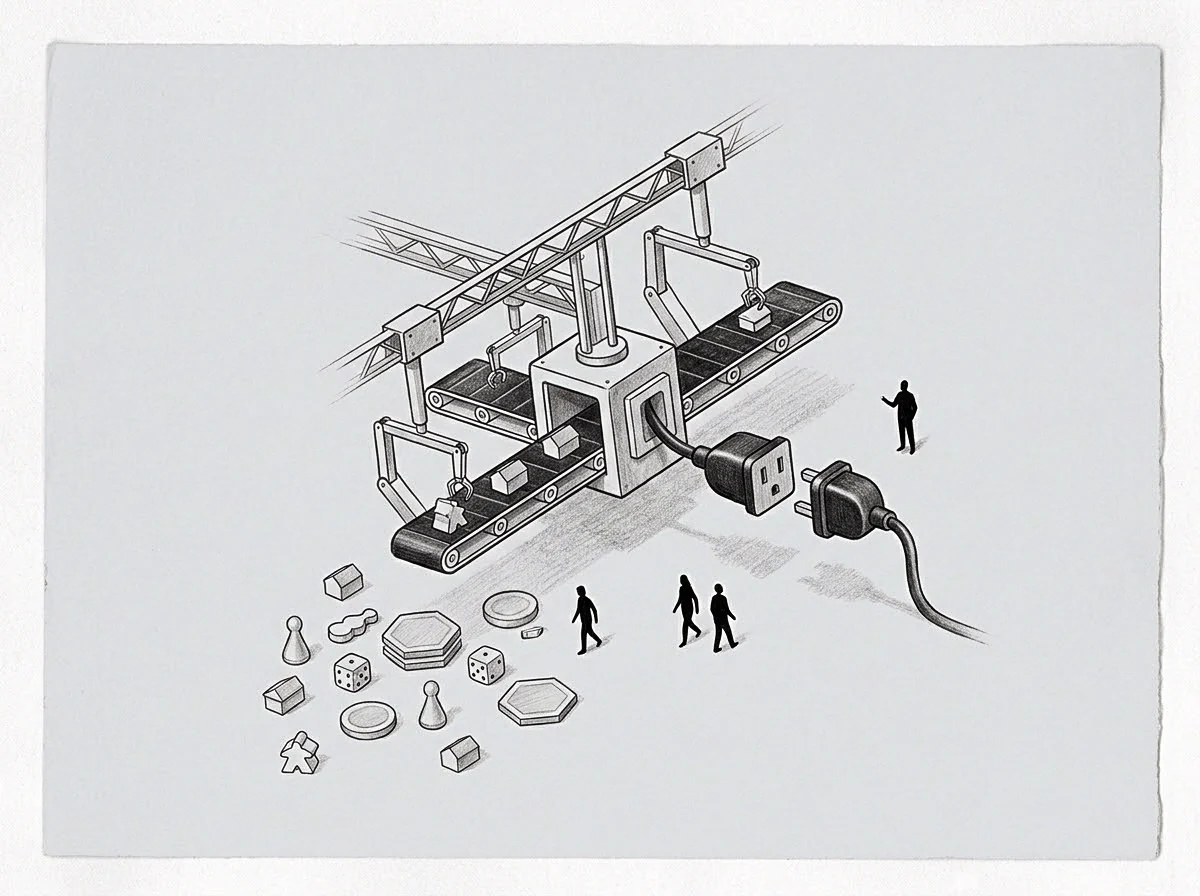
Executive nervous systems outsource regulation through proximity, but inverted templates force one partner to bear the metabolic cost of team stability.

Autonomic throttling is the prefrontal down-regulation triggered when ungated enterprise loops exceed executive metabolic capacity.
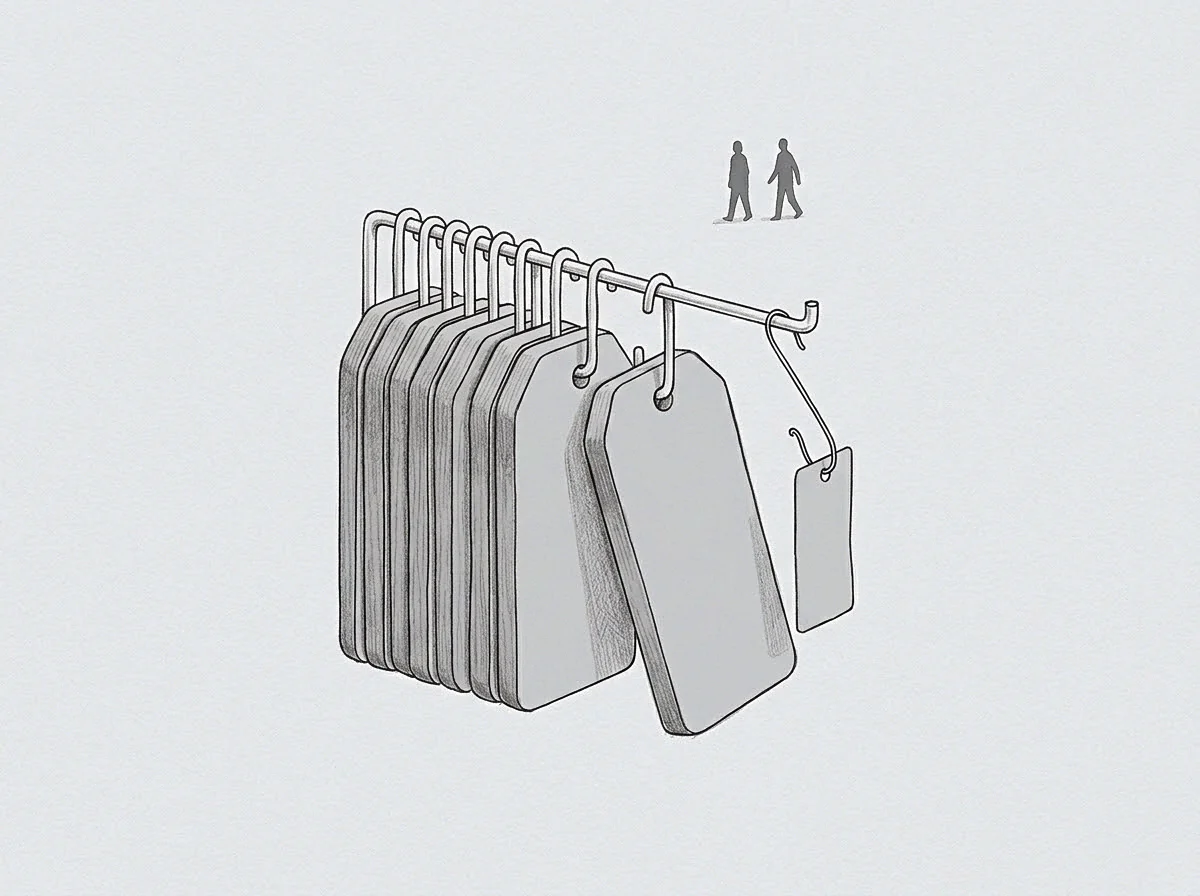
Active intake parameter configuration establishes structural barriers that preserve executive cognitive bandwidth by rejecting unstructured operational noise.

Chronic executive demand elevates allostatic load, triggering autonomic throttling that suppresses cognitive headroom to preserve baseline physiological integrity.
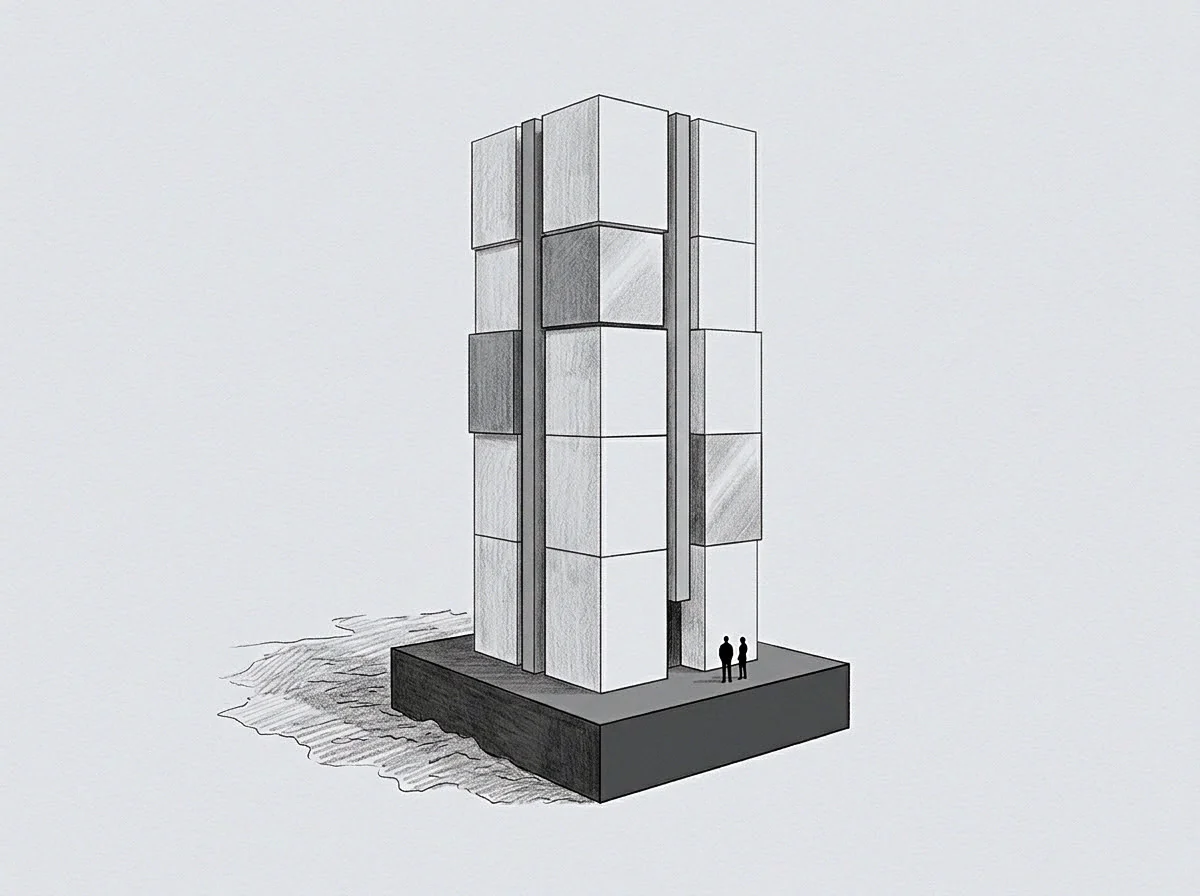
Stated operational intake limits convert incoming channel load into structured queue latency rather than internal cognitive depletion.

Receptor downregulation under chronic overload throttles receptive neural pathways, making incoming dyadic calm register as sensory load during reentry.

Enterprise scaling thresholds preserve executive capacity by delegating decision boundaries and filtering communication channels when headcount expands rapidly.
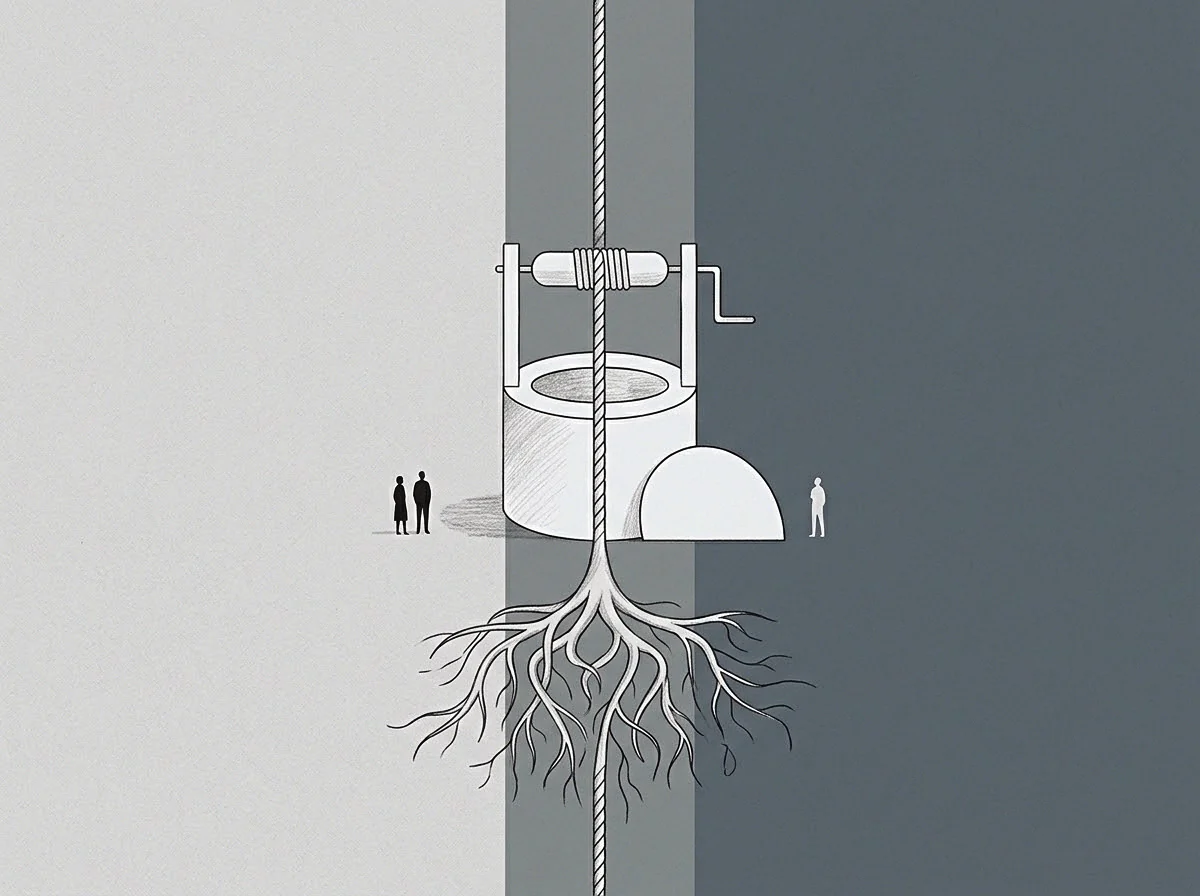
Relying on external performance metrics masks executive allostatic load, causing structural capacity limits to collapse when external signals decouple.

Ungated relational loops consume working memory slots, elevating allostatic load and triggering protective operational throttling under pressure.

Prefrontal loop saturation occurs when active executive working memory slots fill with ungated operational threads, throttling cognitive performance.

Extended structural isolation forces operators into high-cost solitary regulation, suppressing neural receptor slots needed for dyadic co-regulation.

Biological throttling down-regulates executive capacity to shield metabolic reserves under continuous load, unlike depression which impairs affect globally.
The terms are written where they belong. Each field holds three desks, and every entry a desk writes raises the terms it uses, each term given a meaning, a mechanism and the places it appears. The record on these pages stays first person and hand made; the fields grow the nomenclature.