

Relational Working Model Breakdown When Borrowed Regulation Capacity Runs Out
When borrowed regulation capacity empties, the primary regulator's internal working model snaps, forcing autonomic throttling and relational detachment.

When borrowed regulation capacity empties, the primary regulator's internal working model snaps, forcing autonomic throttling and relational detachment.

Unclosed operational loops consume executive cognitive headroom by occupying working memory slots until explicitly bounded by scope, dates, and terms.

Prolonged physiological strain shifts the social baseline, causing the brain to register social proximity as a metabolic demand rather than a stabilizing resource.

Updating executive authority models under continuous load demands structural operational buffers that force mutual regulation and lower solitary allostatic expenditure.

Unreciprocated social baseline regulation forces a leader's brain to expend continuous metabolic energy on top-down inhibition, raising allostatic load.

Executive decision filtering transfers operational load from central leadership to structural rules by defining explicit authority thresholds during expansion.

Functioning as a primary relational regulator suppresses autonomic recovery and elevates metabolic expenditure by replacing co-regulatory relief with solo buffering.

Executive teams operate on legible structural limits and unspoken relational contracts, transferring operational stress onto personal capacity until explicit terms set walls.
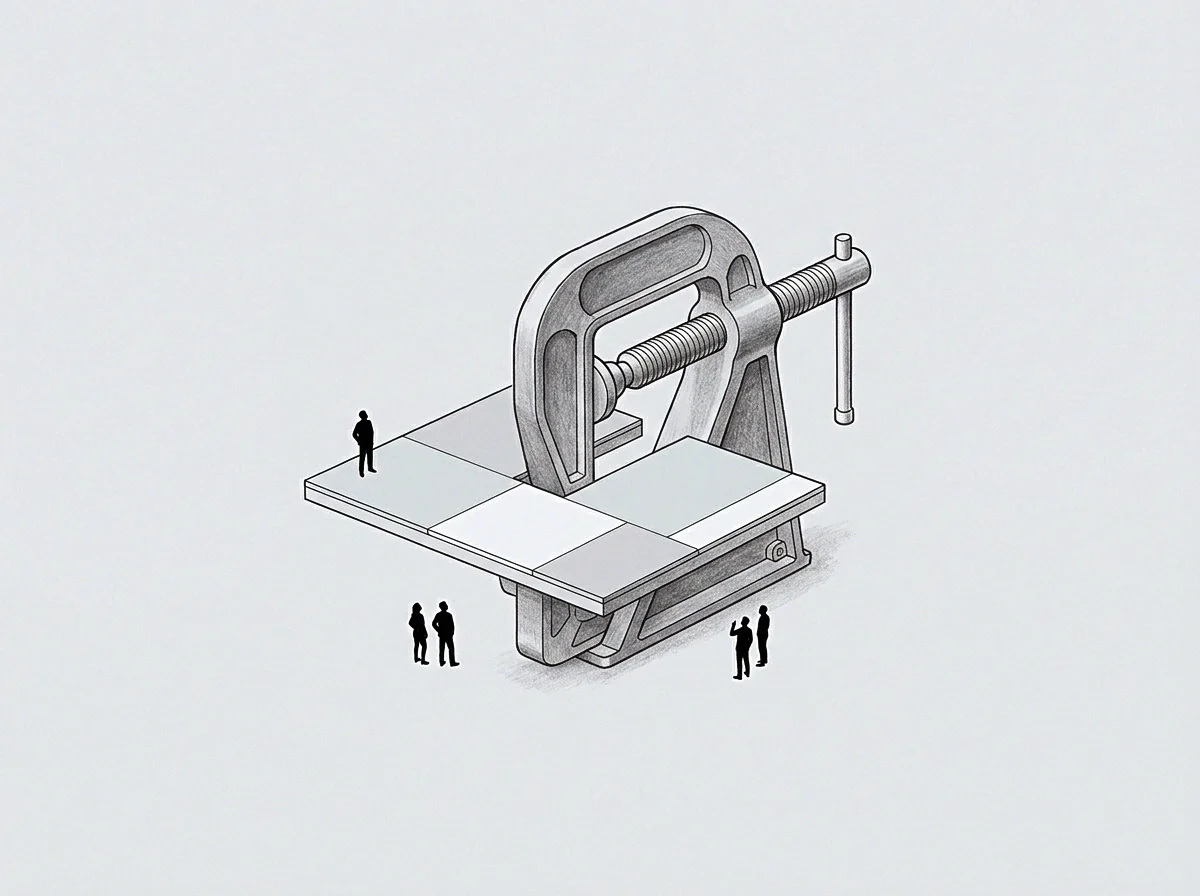
Executive baseline regulation operates as a metabolic threat economy where proximity to a steady presence reduces neural load and preserves capacity.

Capacity limits derive directly from explicit operational terms that convert human endurance bounds into objective organizational walls.

Social baseline theory shows that solitary leadership forces the nervous system to spend internal metabolic energy on threat regulation normally shared with others.
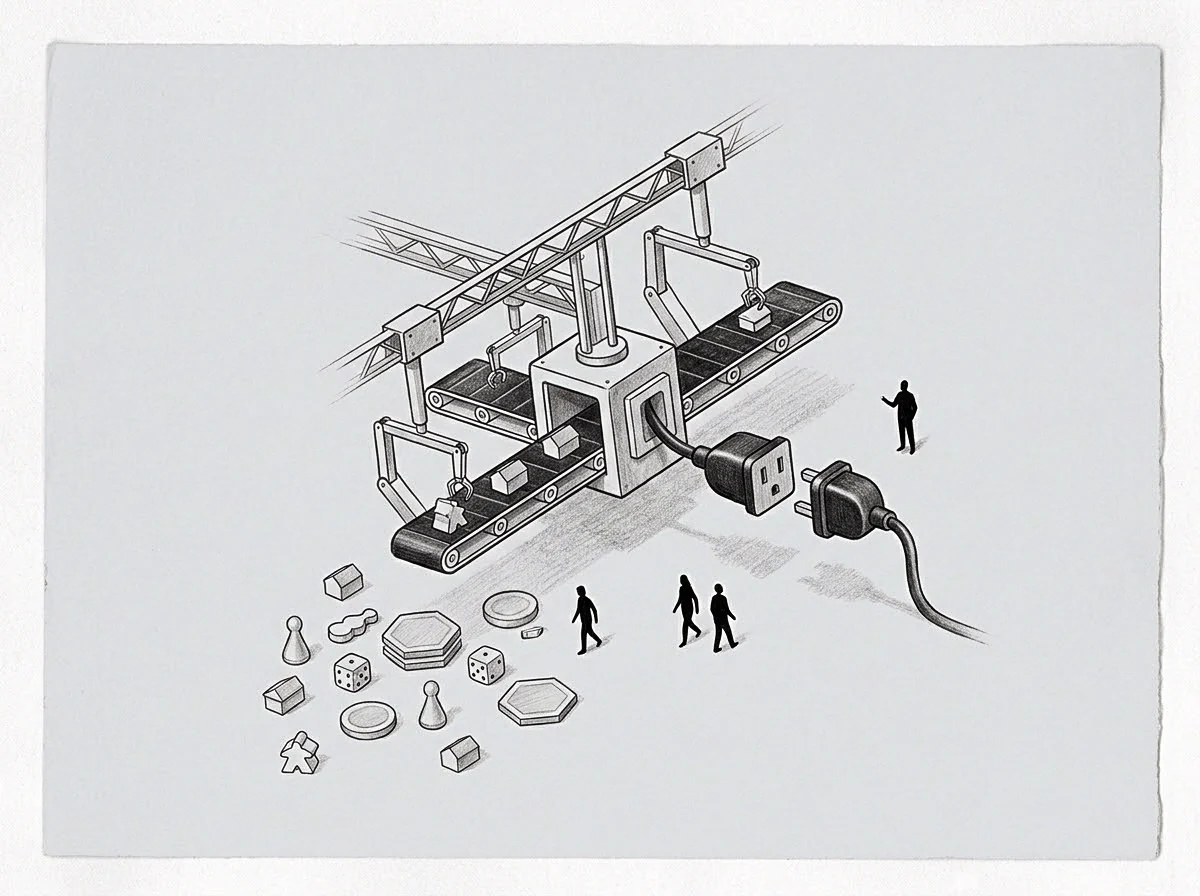
Stating explicit intake terms creates structural boundaries that throttle incoming operational demands and protect cognitive capacity from unbounded task sprawl.

Dynamic operational escalation limits prevent executive capacity exhaustion by converting unthrottled exception routing into automated structural boundaries.

Isolated nervous system regulation forces the brain to spend extra metabolic energy on self-soothing, accelerating physiological wear under operational load.

Operational concurrency limits trigger protective task throttling, whereas clinical major depressive episodes reflect a systemic breakdown of affective regulation.

Executive capacity allocation under peak allostatic load requires down-regulating novel cognitive input to protect core procedural execution from total regulatory failure.

Structural gating decouples capital allocation authority from executive physiological wear, preserving valuation accuracy during allostatic overload.

Internal working models update only when unhedged, symmetrical operational risk forces the brain to abandon expectations of solitary threat absorption.

Chronic sympathetic hyperarousal elevates executive discount rates, shifting capital allocation from long-horizon growth toward immediate threat containment.

Executive autonomic dysregulation degrades prefrontal risk processing, forcing capital allocation away from objective underwriting toward defensive, loop-closing threat avoidance.

A backward regulator template compels founders to absorb team anxiety, misallocating capital to soothe executive friction rather than funding output.

Executive governance filters protect attentional bandwidth by establishing explicit operational latency floors and routing protocols upstream of leadership perception.
The terms are written where they belong. Each field holds three desks, and every entry a desk writes raises the terms it uses, each term given a meaning, a mechanism and the places it appears. The record on these pages stays first person and hand made; the fields grow the nomenclature.