

Recognizing Allostatic Load Limits in High Demand Founder Roles
Chronic regulatory load forces physiological throttling to preserve baseline execution, misread as failing commitment when open channels exceed working capacity.
Chronic regulatory load forces physiological throttling to preserve baseline execution, misread as failing commitment when open channels exceed working capacity.

Asynchronous governance gates fail when open review loops exceed executive working memory capacity, forcing biological throttling and organizational delay.

Autonomic throttling is the prefrontal down-regulation triggered when ungated enterprise loops exceed executive metabolic capacity.

Chronic executive demand elevates allostatic load, triggering autonomic throttling that suppresses cognitive headroom to preserve baseline physiological integrity.

Relying on external performance metrics masks executive allostatic load, causing structural capacity limits to collapse when external signals decouple.

Ungated relational loops consume working memory slots, elevating allostatic load and triggering protective operational throttling under pressure.

Biological throttling down-regulates executive capacity to shield metabolic reserves under continuous load, unlike depression which impairs affect globally.

Flattened diurnal cortisol curves reflect chronic endocrine adaptation that degrades prefrontal cortex working memory headroom and executive control.

Operational concurrency limits trigger protective task throttling, whereas clinical major depressive episodes reflect a systemic breakdown of affective regulation.

Executive capacity allocation under peak allostatic load requires down-regulating novel cognitive input to protect core procedural execution from total regulatory failure.

Gating executive availability through structured access tiers preserves regulatory capacity without compromising organizational cohesion or execution flow.

Covert interpersonal buffering consumes prefrontal working memory by running continuous regulatory background processes, severely depleting cognitive headroom.

Relational maintenance demands consume executive bandwidth through chronic coregulation, elevating allostatic load until structural availability gates bound open interpersonal threads.

Executive concurrency drops when subordinate co-regulation consumes working memory slots, transforming strategic capacity into real-time emotional stabilization.

Continuous unhedged organizational stress drives biological wear through elevated allostatic load and ungated thread counts that deplete cognitive headroom.

Quantifying concurrency limits and autonomic thresholds protects executive decision fidelity by capping active loops and restoring parasympathetic baseline.

Structural gating protocols manage founding partner allostatic load by converting open loops into bounded asynchronous threads with explicit scope, dates, and terms.

Autonomic coregulation in executive teams relies on vagal safety signaling, where continuous physiological overload triggers systemic autonomic throttling.

Cognitive concurrency caps represent structural processing limits under ungated operational load, whereas clinical anhedonia stems from neural reward pathway impairment.
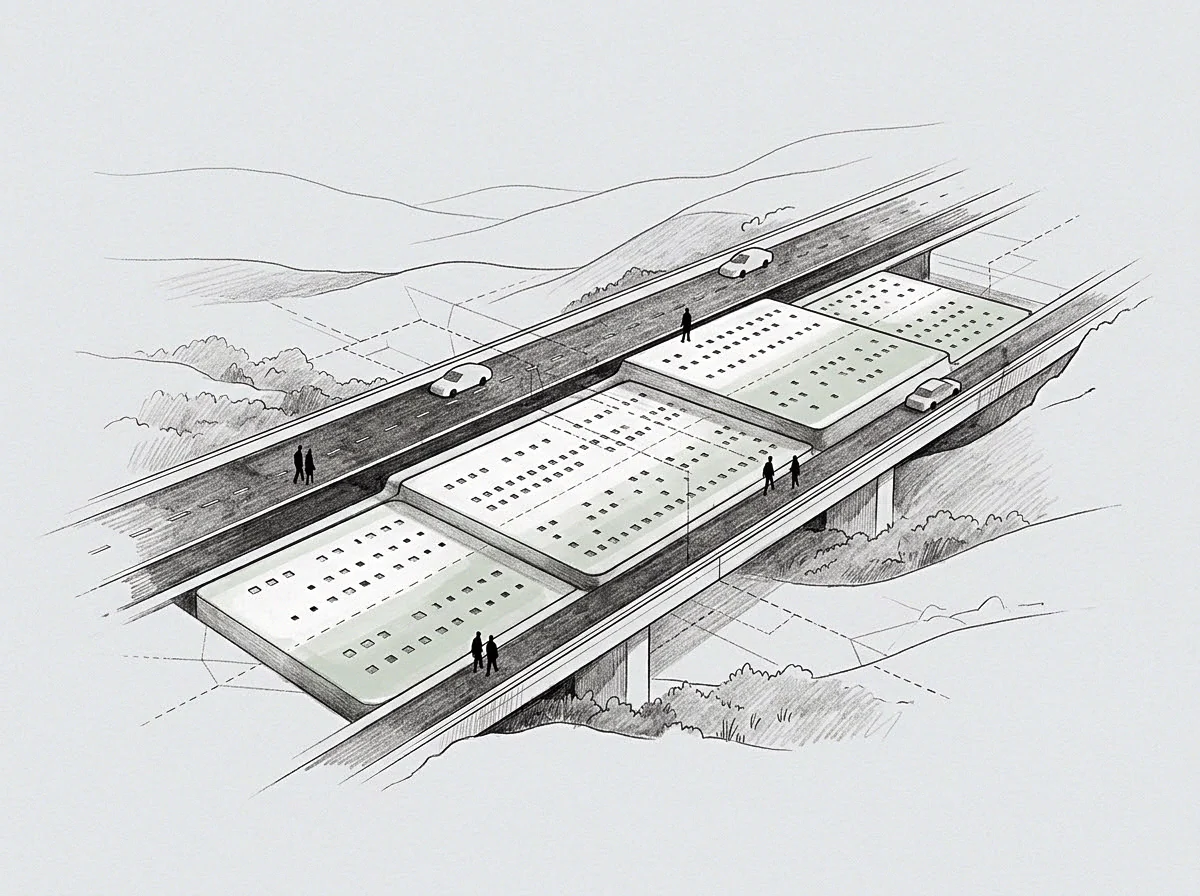
Executive system throttling selectively suppresses high-order cognitive processing to protect vital operational capacity under sustained physiological load.

Executive cognitive satiation is resolved by enforcing batched telemetry delivery windows and explicit threshold-based governance gates.

Structural governance boundaries preserve executive working memory by restricting incoming operational escalations to codified, rule-governed thresholds.

Executive cognitive load escalates when ungated operational threads saturate working memory slots, forcing systemic throttling distinct from emotional fatigue.

Covert organizational monitoring and ambiguous delegation boundaries suppress nocturnal parasympathetic activation, locking executives into chronic autonomic recovery failure and cognitive thread overload.
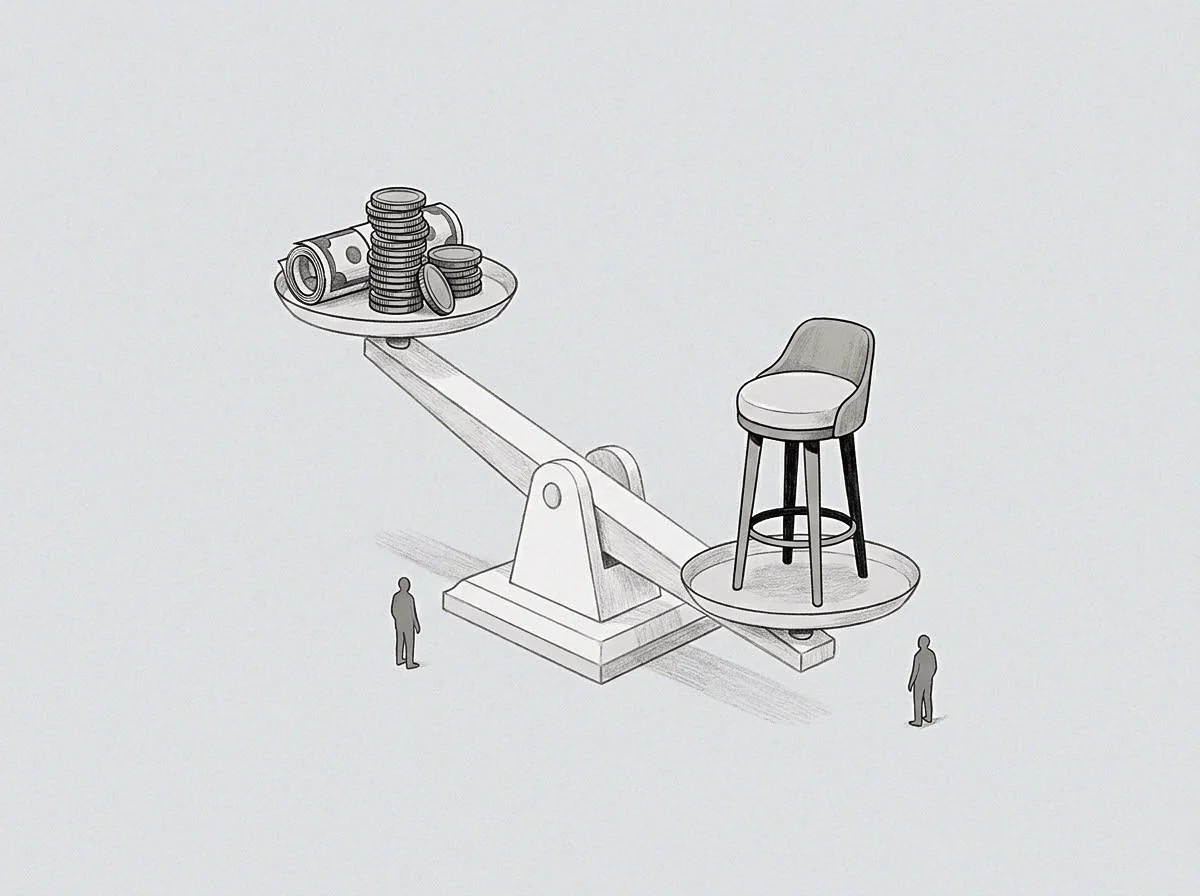
Structural delegation gates limit autonomic recovery latency by replacing continuous neural vigilance with explicit scope, date, and escalation parameters.

Structured concurrency gating restricts open regulatory loops to reduce autonomic recovery latency during sustained high stress operations.
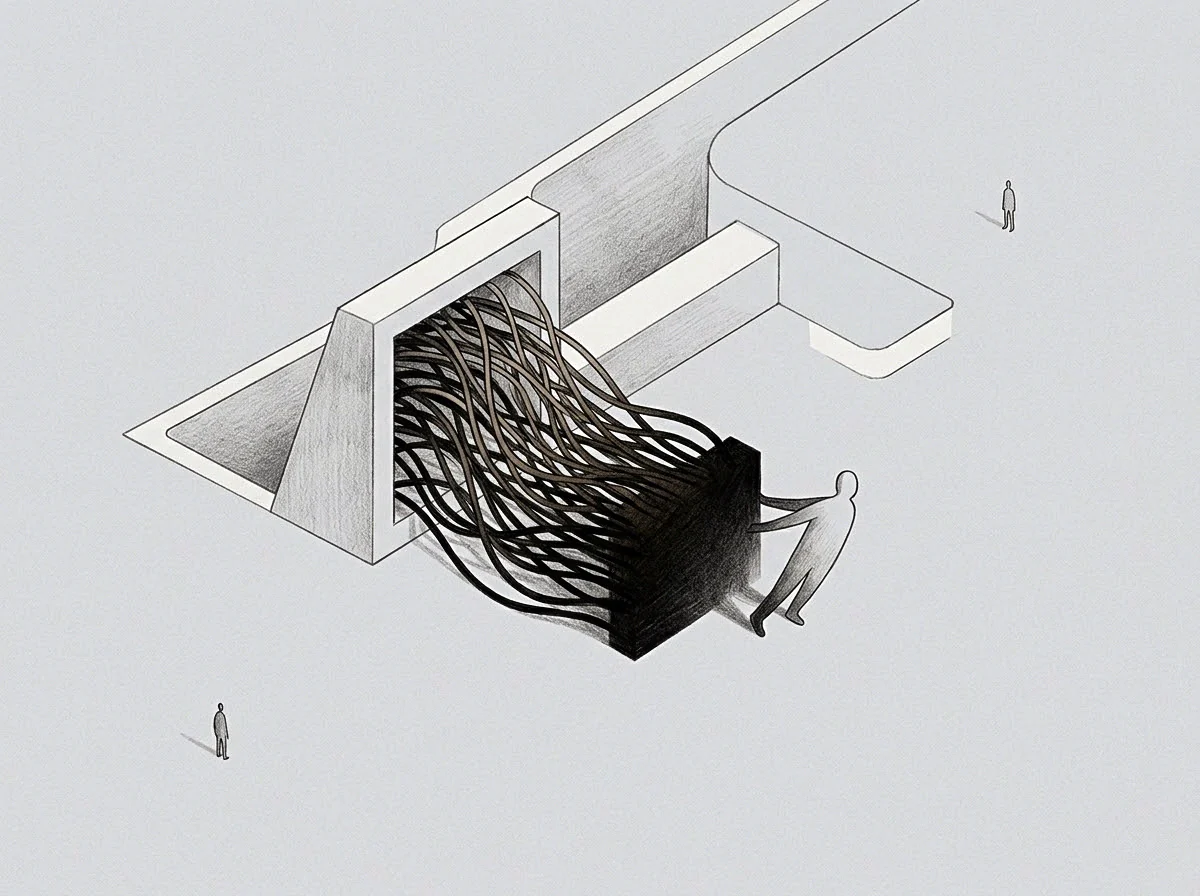
Sustained high command load suppresses nocturnal parasympathetic activation, blunting cardiac dipping metrics and causing chronic autonomic wear.

Cardiovascular recovery after acute stress depends on rapid vagal reactivation overriding sustained peripheral vascular resistance once operational hazards end.

Unresolved operational threads maintain central nervous system vigilance, suppressing the vagal brake and preventing nocturnal parasympathetic cardiac recovery.
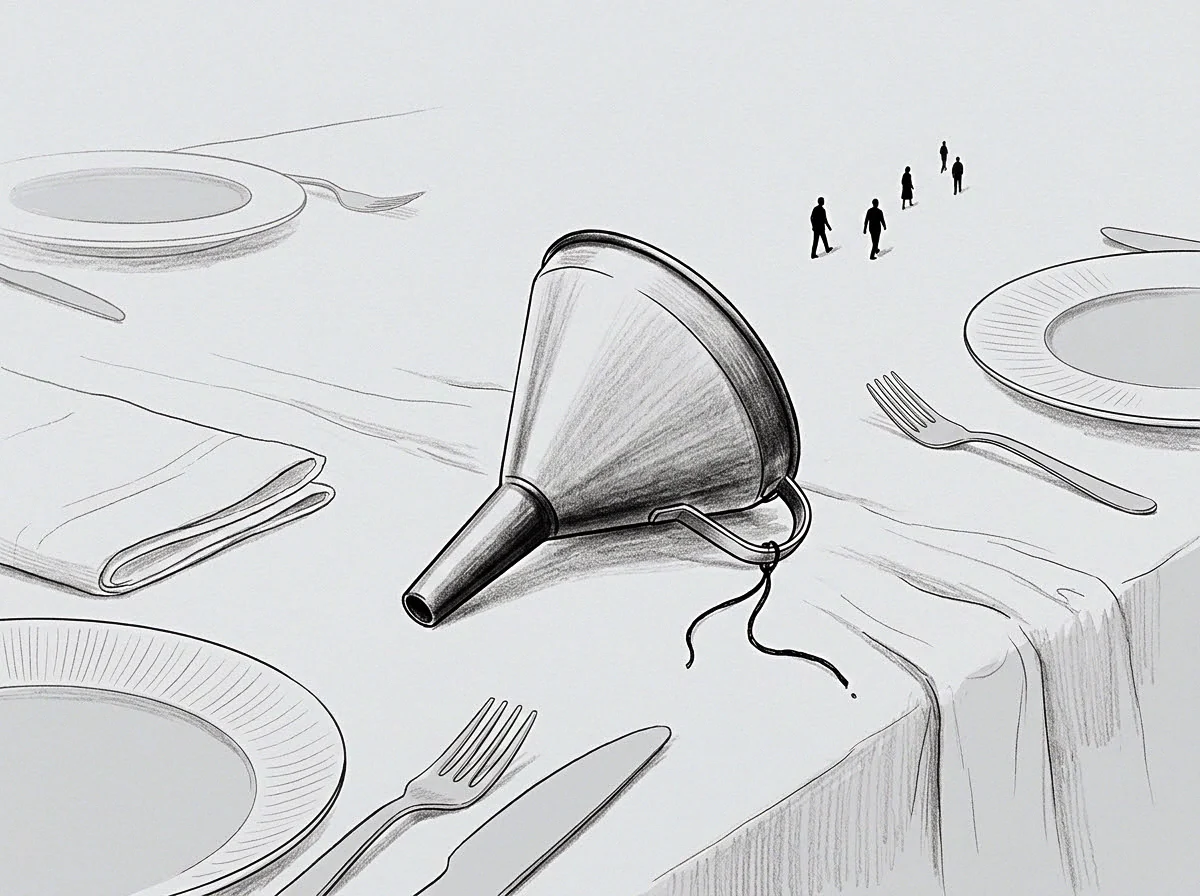
Autonomic recovery latency measures parasympathetic reactivation speed post-stress, directly predicting prefrontal executive headroom under allostatic load.
The terms are written where they belong. Each field holds three desks, and every entry a desk writes raises the terms it uses, each term given a meaning, a mechanism and the places it appears. The record on these pages stays first person and hand made; the fields grow the nomenclature.