
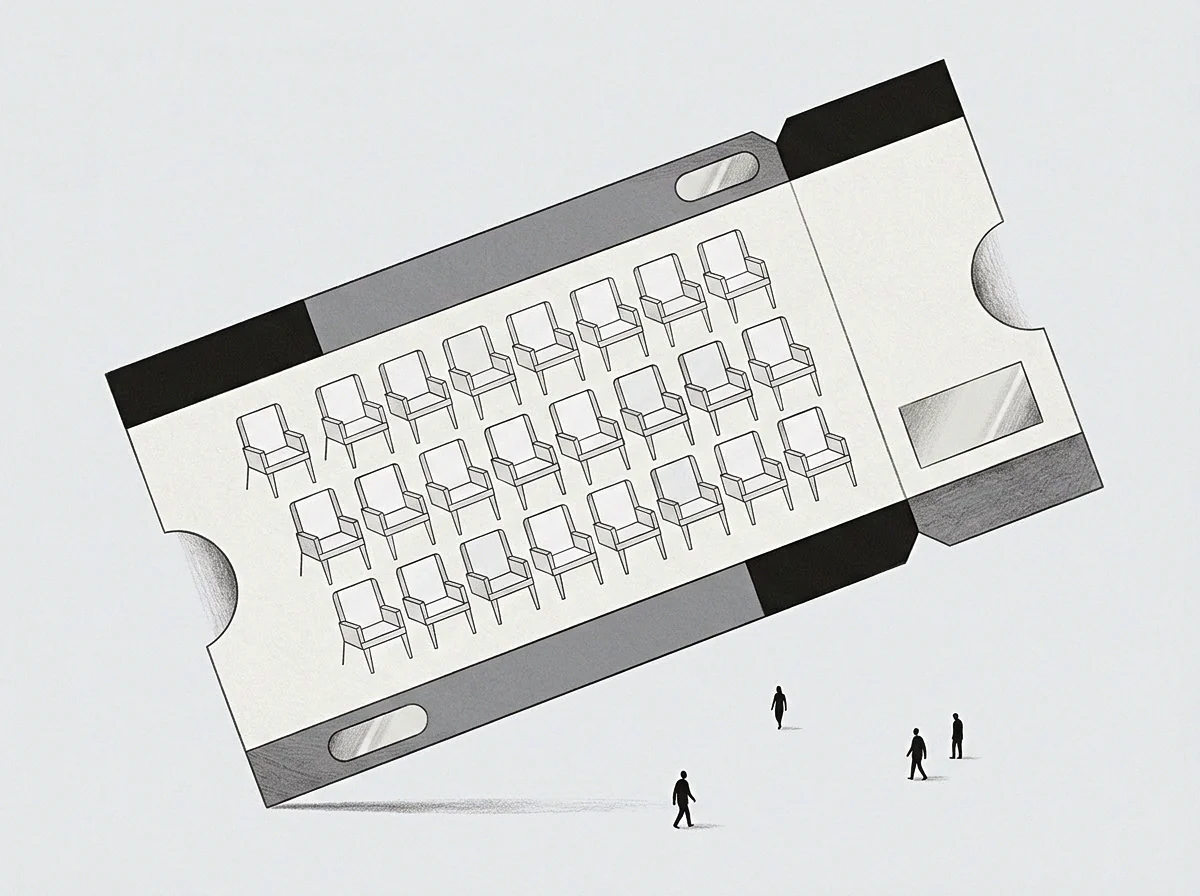
Quantifying Operational Concurrency Limits in High Accountability Seats
High accountability seats cap cognitive throughput at two to four concurrent open loops before ungated liability forces physiological throttling.
High accountability seats cap cognitive throughput at two to four concurrent open loops before ungated liability forces physiological throttling.
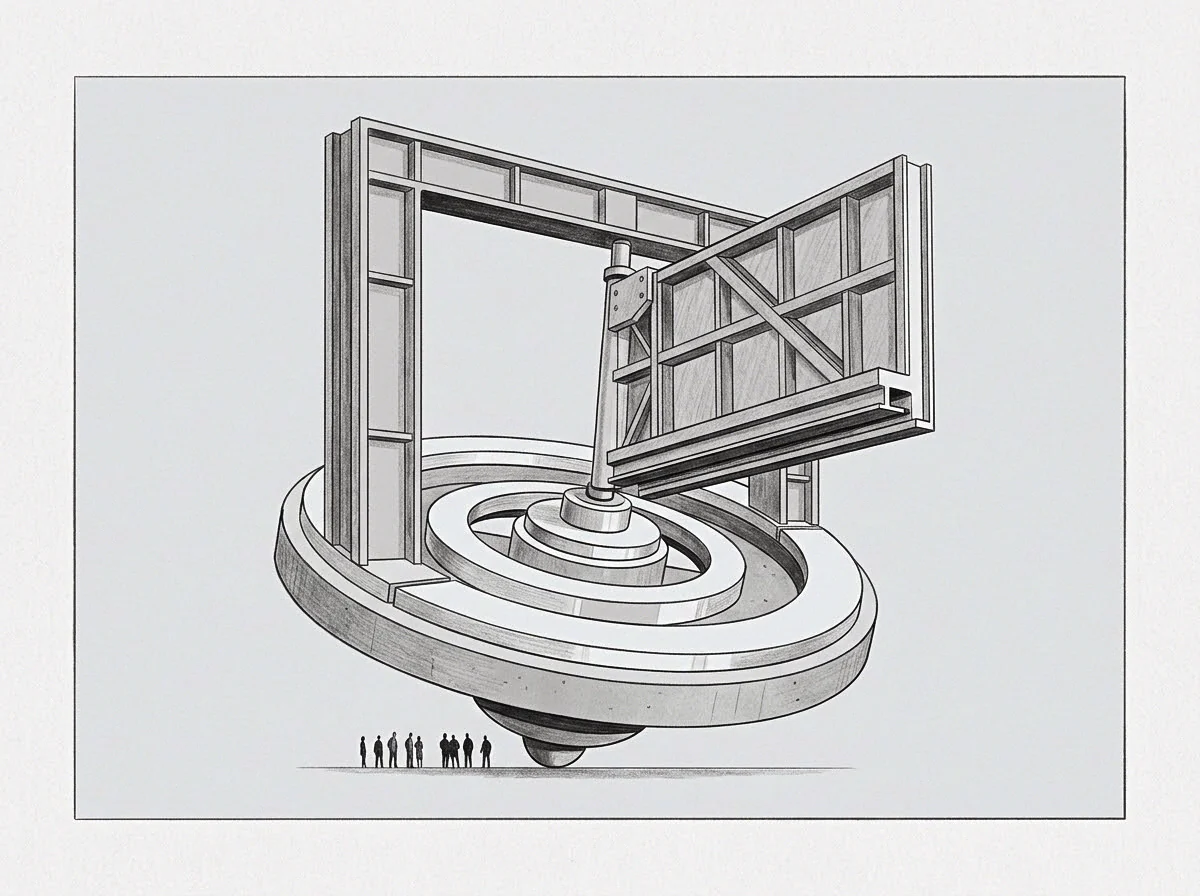
Concurrency limits cap active bilateral communications, forcing pending topics into dormant external queues to preserve prefrontal processing headroom.

Chronic allostatic load in founding teams occurs when unconstrained, ungated operational threads exceed executive neurobiological capacity, forcing systemic throttling.

Structural concurrency limits restrict active executive board initiatives to match the measured processing headroom of dysregulated leadership.

Cardiac vagal control buffers executive teams against chronic regulatory demand, while allostatic overload suppresses this brake and triggers operational shutdown.

Parasympathetic recovery in high-threat environments depends on nocturnal vagal reactivation measured through beat-to-beat variability and rapid heart rate deceleration.

Restoring physiological headroom requires strict gating of active operational loops to reduce allostatic wear across unbalanced partner structures.

Exceeding working memory concurrency limits triggers biological throttling, requiring unilateral operational gating and parked lines to restore capacity.

Executive throttling is protective prefrontal capacity preservation under high allostatic wear, distinct from clinical depression or operational failure.
Autonomic headroom recovers when ambiguous operational loops receive defined scope, dates, and termination criteria, halting chronic sympathetic activation.
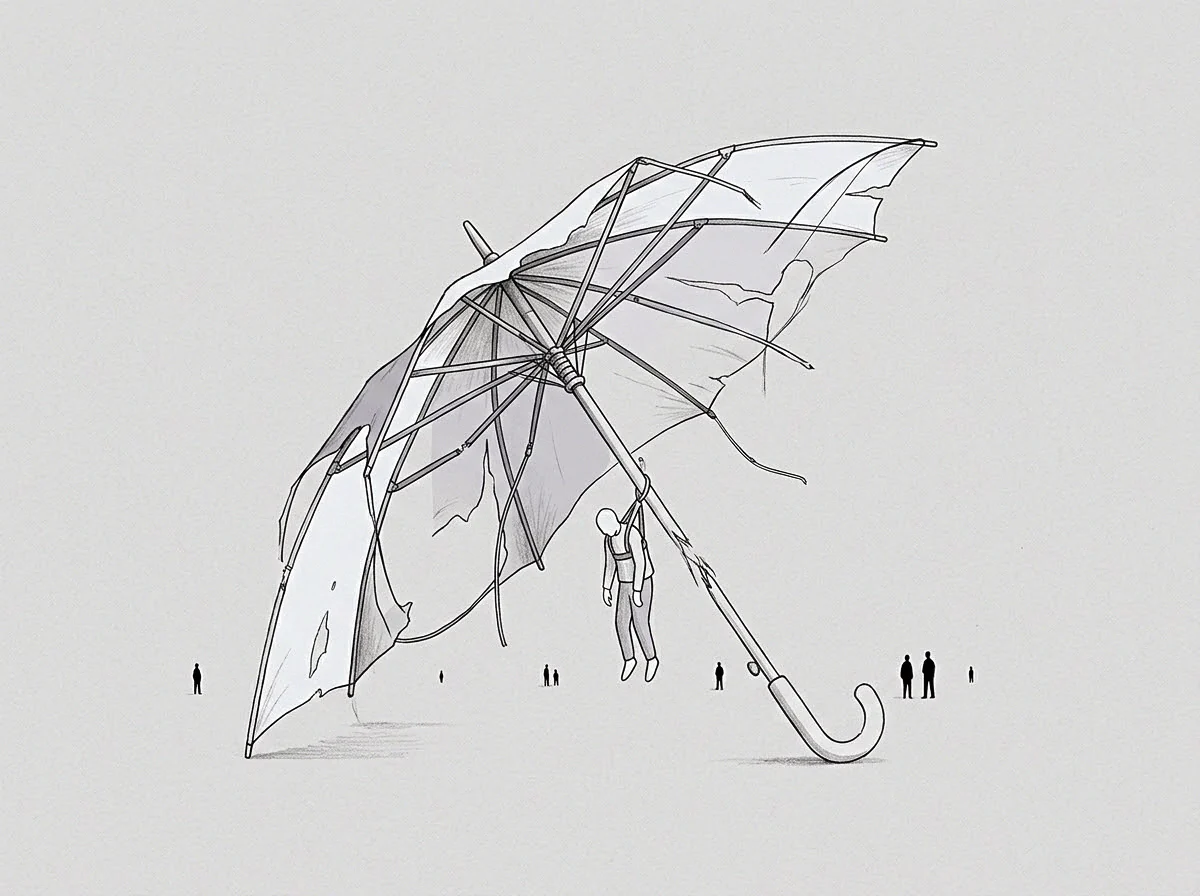
Regulatory exhaustion throttles affective output to preserve executive throughput under chronic load, whereas clinical blunting reflects systemic autonomic flattened reactivity.
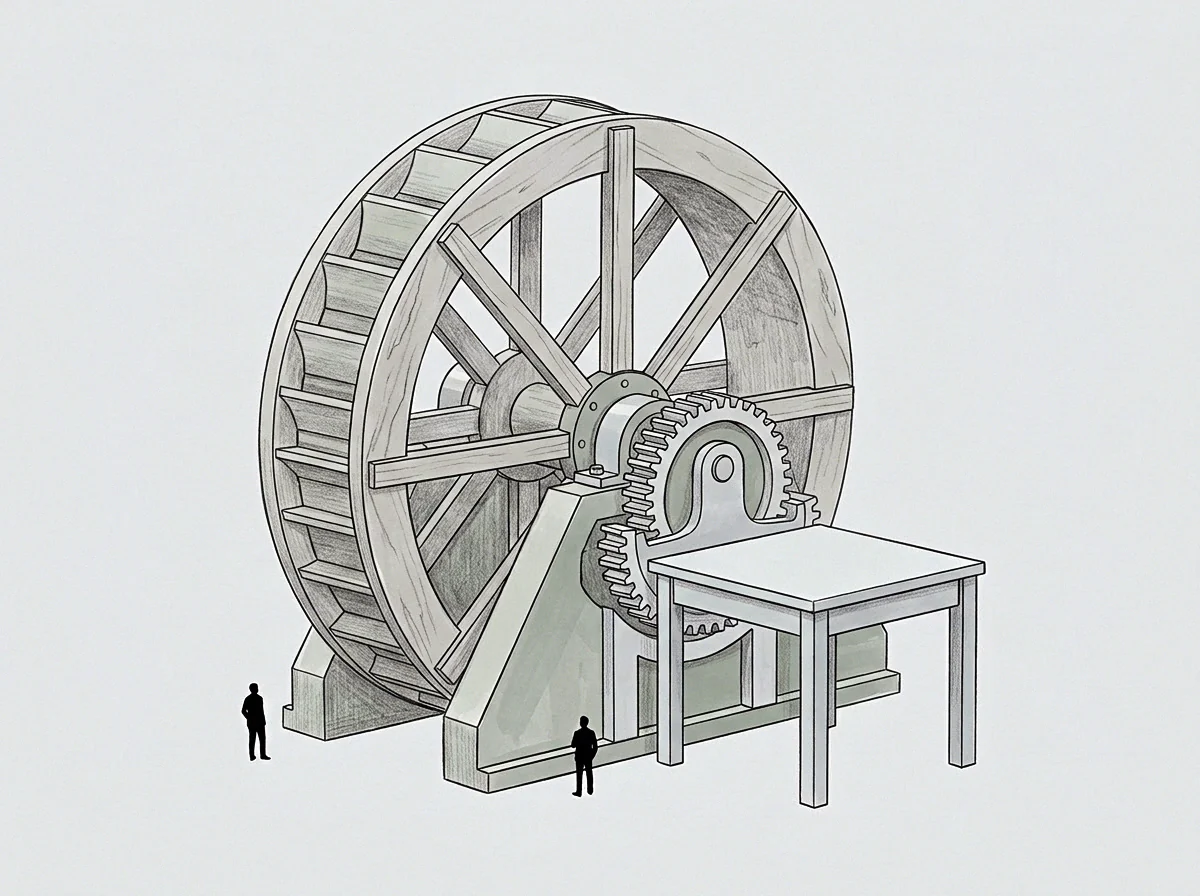
Executive workload distribution requires structural interface impedance to prevent operational overload from routing directly into executive attention.
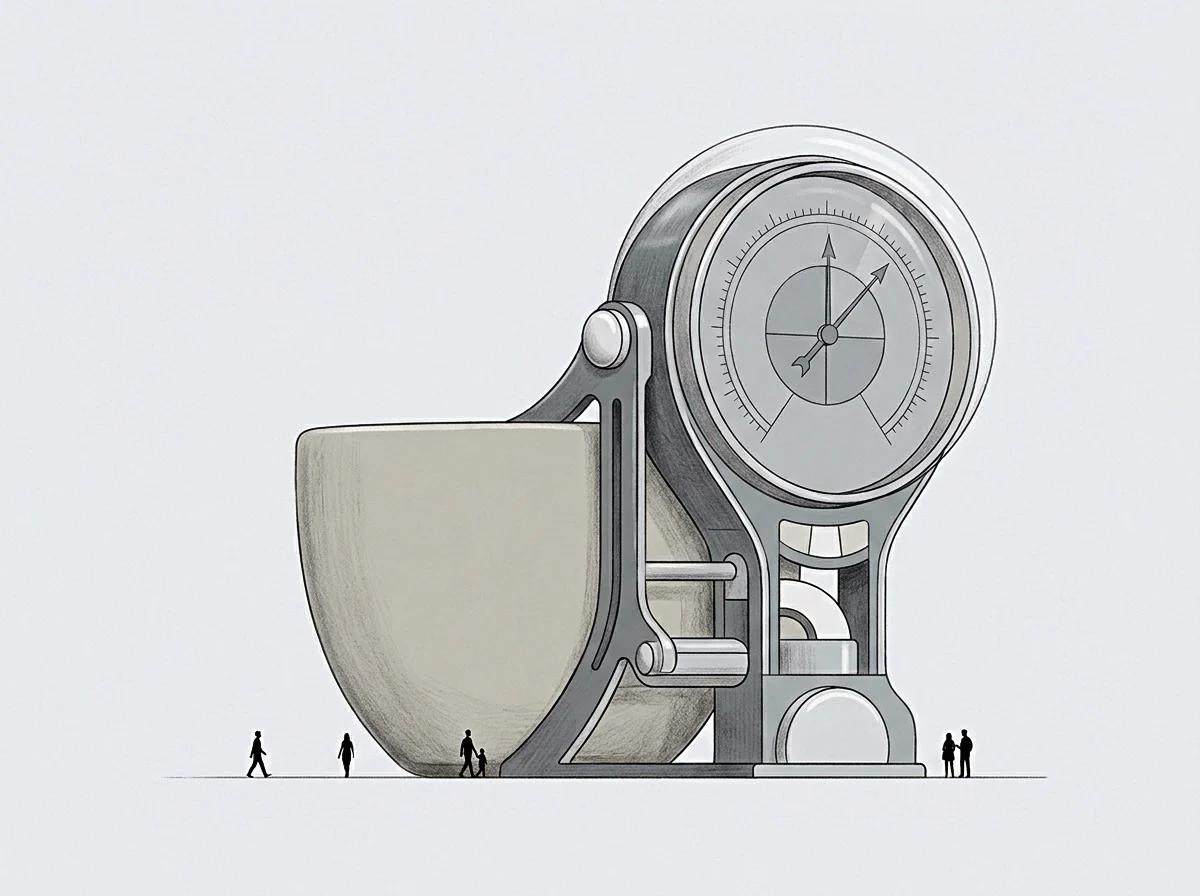
Allostatic load and cognitive concurrency limits measure somatic wear and parallel processing boundaries under chronic organizational demand.

Working memory buffers fail predictably under high concurrency because unclosed operational loops demand continuous prefrontal rehearsal.
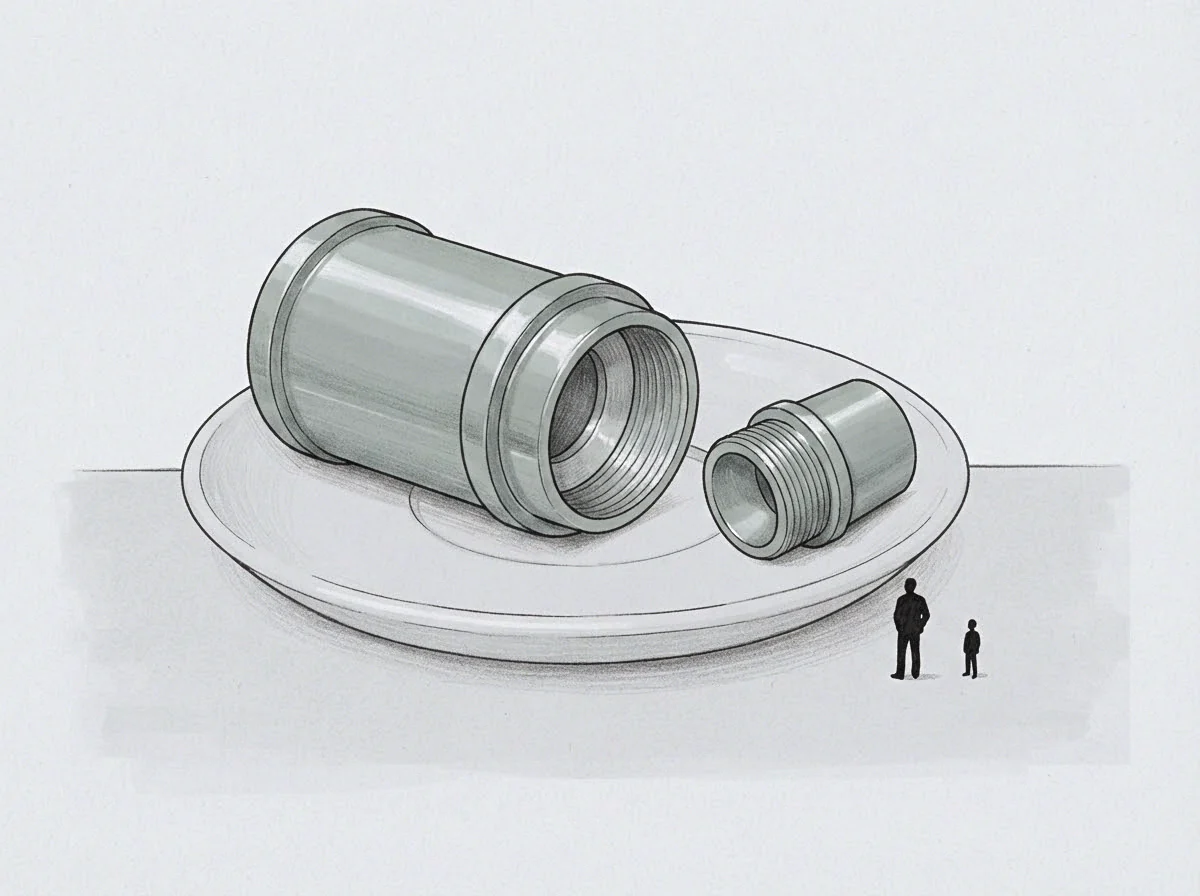
State gated task routing restricts execution intake to verified physiological reserves, arresting load transfer through impersonal mechanical boundaries.
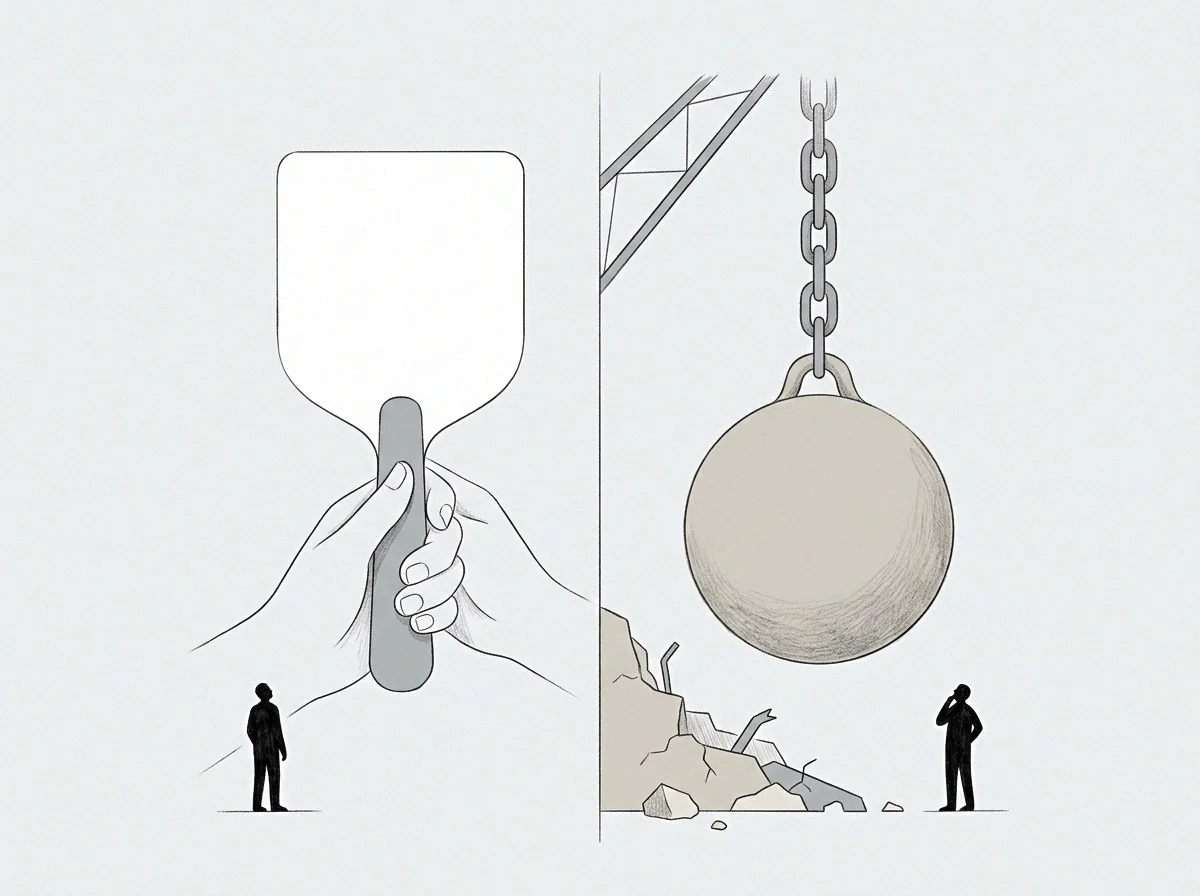
Chronic neuroendocrine saturation uncouples prefrontal networks, reducing working memory capacity and forcing operational triage into subcortical reaction.

Continuous asynchronous telemetry streams force executive authority thresholds to degrade by converting ambient operational visibility into implicit approval loops.
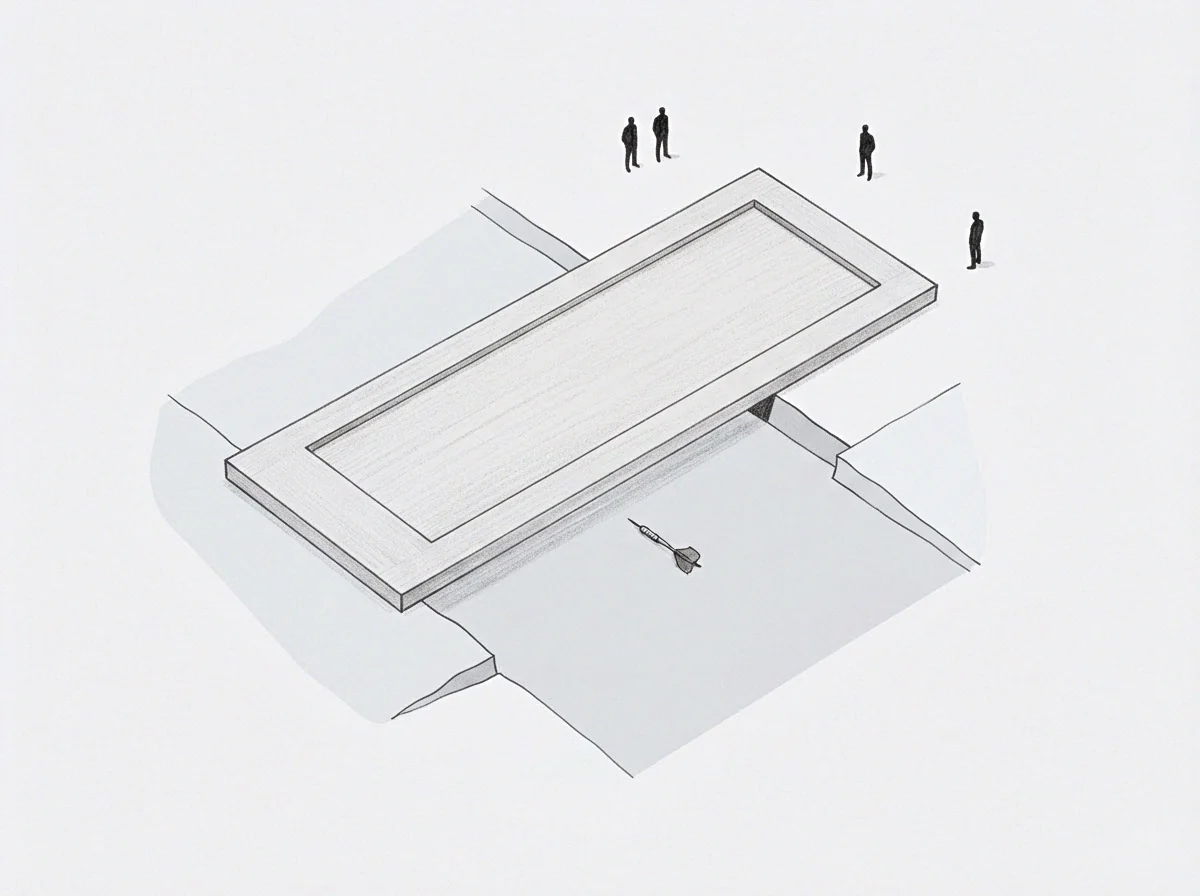
Asynchronous telemetry filters preserve decision headroom by converting erratic, high-frequency operational signals into structured, periodic aggregate reviews.
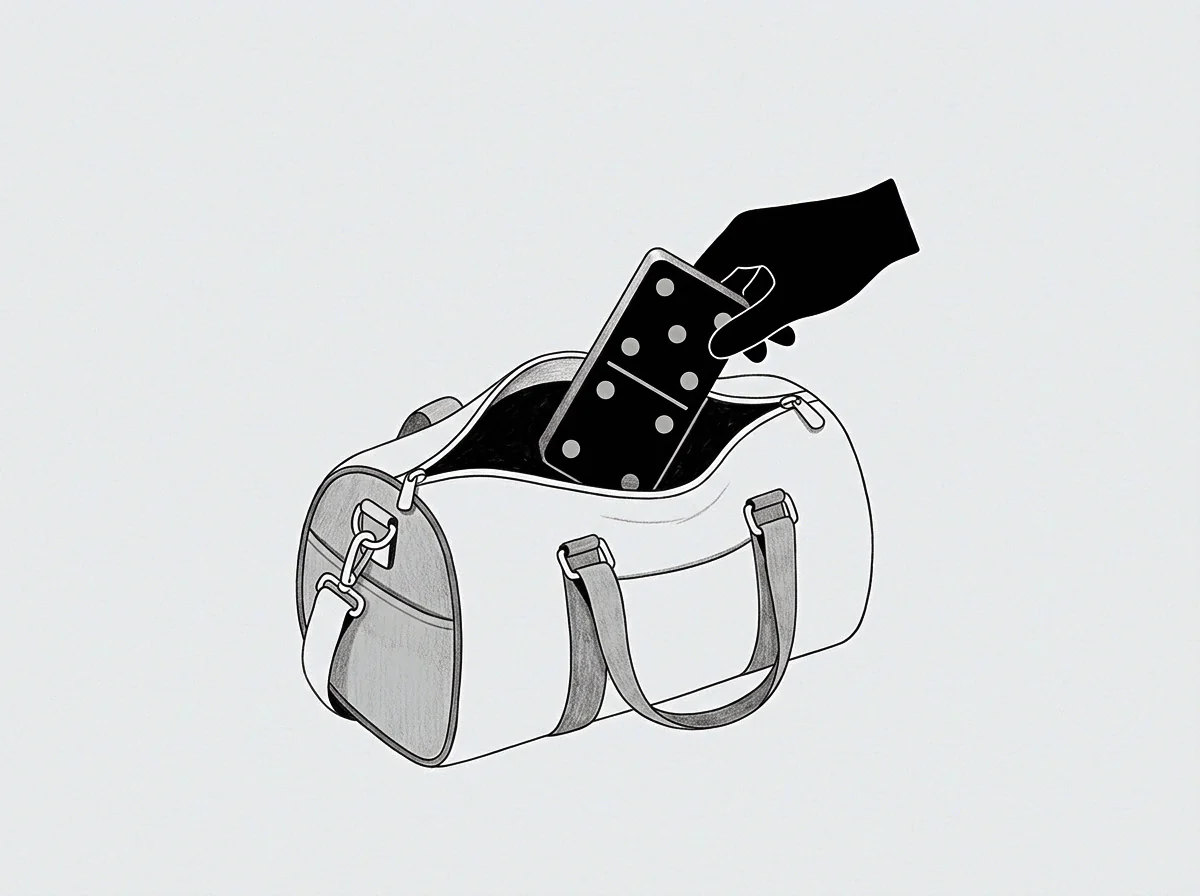
Executive cognitive overload under high-velocity telemetry is mitigated by applying semantic thresholds and batch gates that preserve mental headroom.

Prefrontal neuroendocrine recovery requires months of structured low-stimulus operations to restore diurnal cortisol slopes and working memory capacity.
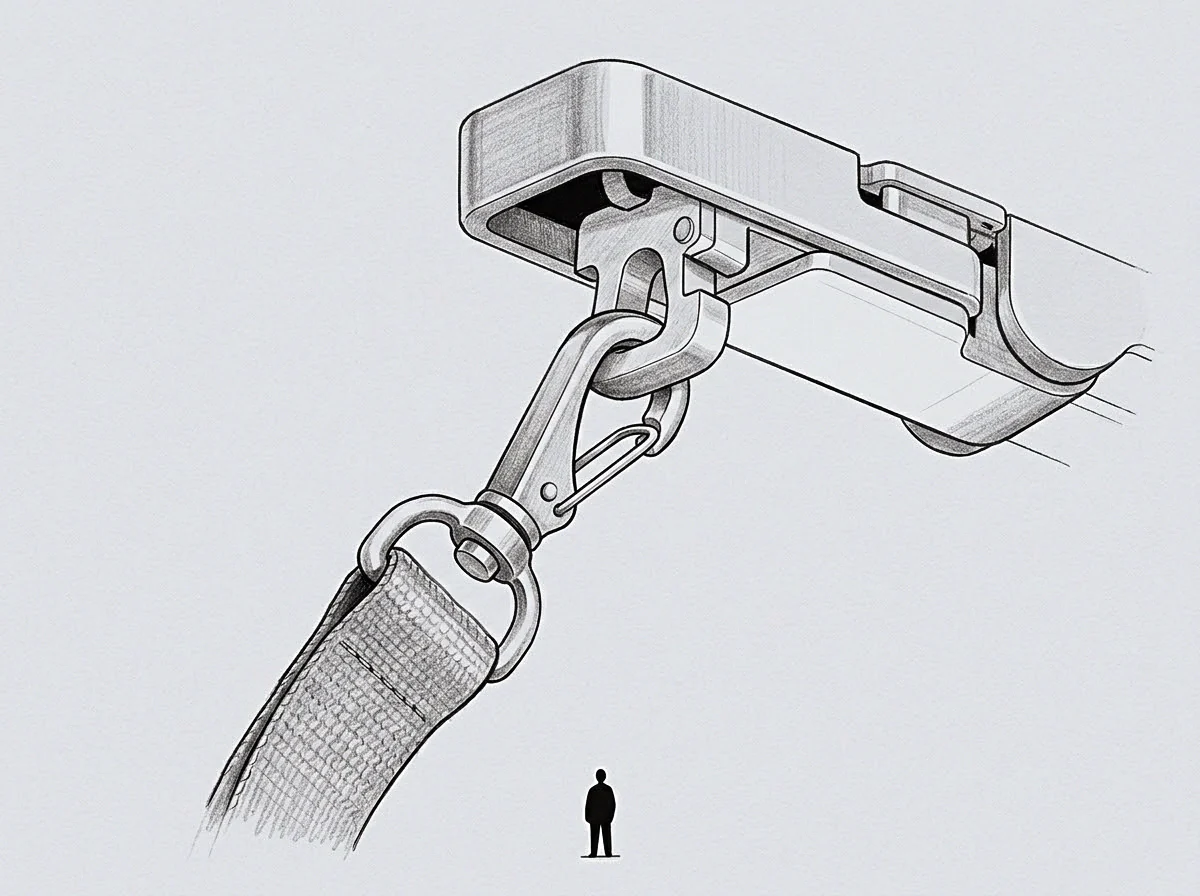
Gated governance replaces discretionary founder escalations with explicit thresholds, reducing chronic regulatory wear by bounding operational concurrency.

Executive attention in scaling firms hits absolute biological limits when unstructured incoming operational signals exceed working memory processing capacity.

Cognitive slot exhaustion accelerates when unresolved leadership lines saturate working memory buffers, triggering biological throttling to halt neural wear.
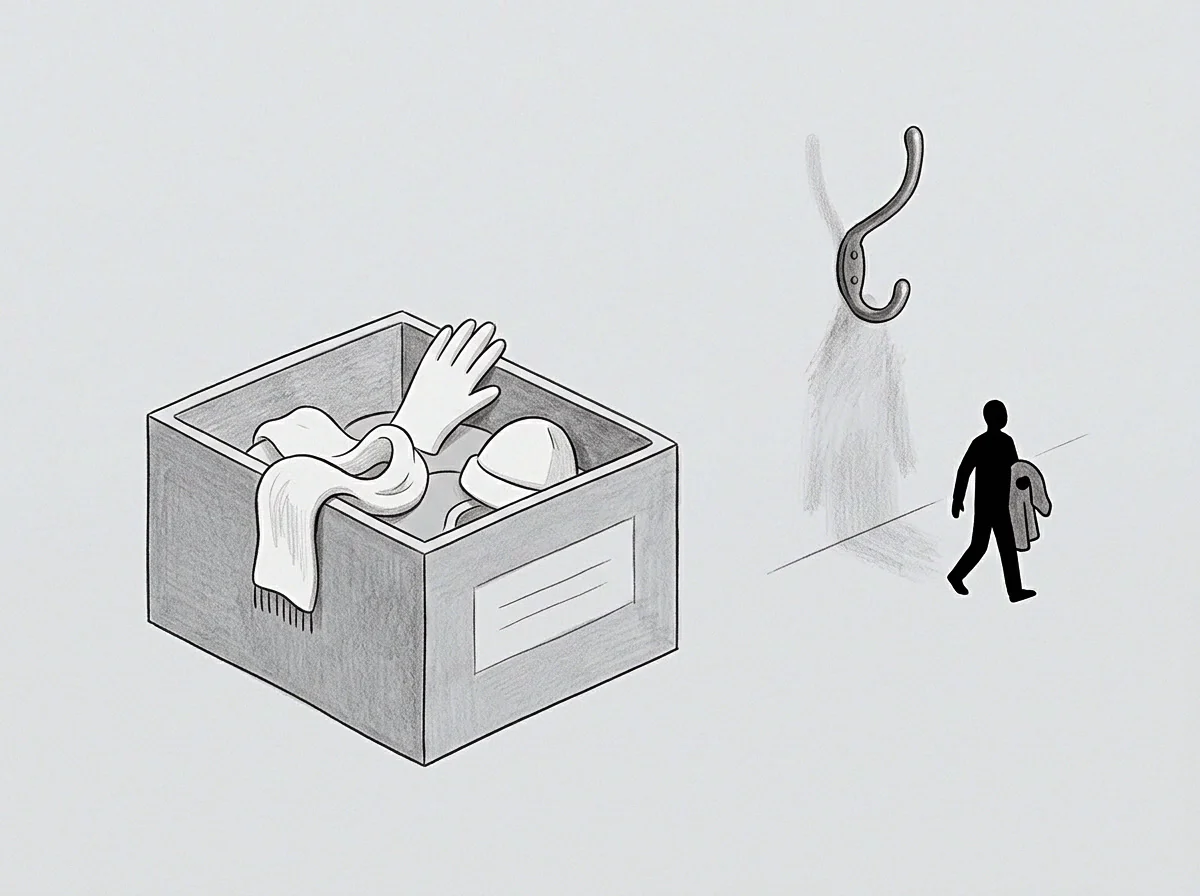
Covert organizational monitoring triggers continuous autonomic threat detection, causing sustained nocturnal vagal suppression and preventing parasympathetic recovery.
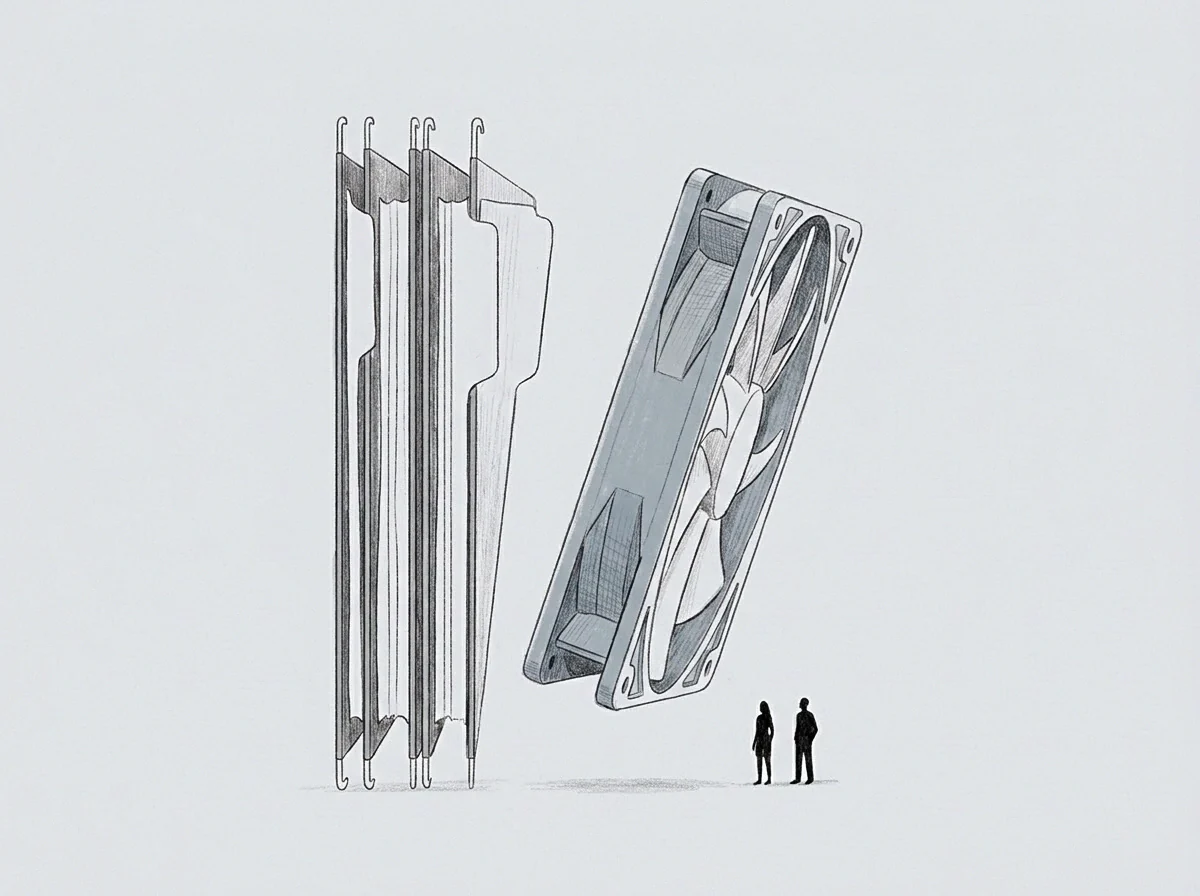
Delegating routine decisions through explicit authority thresholds halts continuous sympathetic monitoring and restores restorative parasympathetic tone.

Bounded operational gates convert chaotic, unpredictable demands into discrete, scheduled inputs, lowering perceived threat signals and sympathetic tone.

Bounded authority gates establish explicit thresholds for autonomous frontline action, removing executives as manual bottlenecks to eliminate latency.
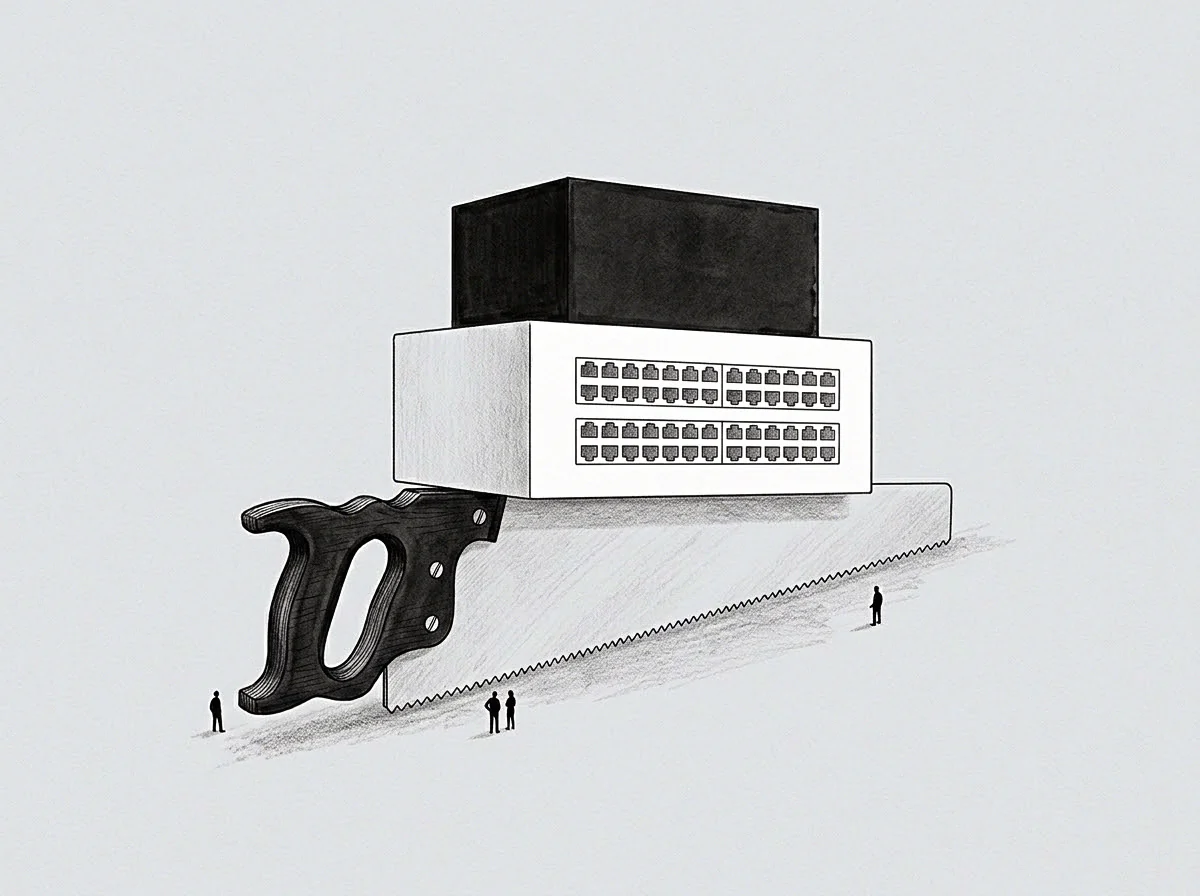
Explicit operational delegation boundaries eliminate open cognitive loops, shifting autonomic tone toward parasympathetic recovery and lowering allostatic load.

Structural delegation gates decouple executive physiology from operational variance, terminating open cognitive loops to restore parasympathetic tone.

Autonomic arousal persists because unresolved interpersonal dependencies keep biological threat circuits active while awaiting external counterparty responses.
The terms are written where they belong. Each field holds three desks, and every entry a desk writes raises the terms it uses, each term given a meaning, a mechanism and the places it appears. The record on these pages stays first person and hand made; the fields grow the nomenclature.