

Quantifying Long Term Allostatic Load Trajectories Across Multi Year Founder Operations
Chronic operational exposure shifts physiological baselines upward, turning acute survival mechanisms into permanent tissue damage across multi-year cycles.
Chronic operational exposure shifts physiological baselines upward, turning acute survival mechanisms into permanent tissue damage across multi-year cycles.

Sustained executive strain downregulates central glucocorticoid receptors and restricts prefrontal working memory capacity to conserve metabolic resources.

Energy throttling down-regulates executive capacity to protect exhausted systems, whereas affective mood disorders reflect dysregulated emotional and reward circuits.

Persistent evening cortisol elevation saturates prefrontal receptors, reducing active working memory slots and enforcing executive throttling under load.

Chronic HPA axis downregulation starves prefrontal pyramidal neurons of glucocorticoid signals, retracting dendritic spines and shifting control to habit.

Flattens diurnal cortisol curves saturate prefrontal glucocorticoid receptors, causing late-day executive working memory drift and slot capacity loss.

Chronic autonomic exhaustion manifests as hypocortisolemia and parasympathetic failure, whereas clinical depression presents with hypercortisolemia and receptor resistance.

Salivary cortisol ratios assess executive strain by tracking diurnal slope flattening and catabolic uncoupling against daily operational thread counts.

Executive decision velocity drops when concurrent ungated open loops exhaust working memory capacity and force systemic regulatory throttling.

Operational thread gating limits executive working-memory saturation by routing inbound demands through temporal buffers and strict intake criteria.

Structural restructuring converts open operational commitments into gated threads, preserving regulatory headroom by limiting active cognitive tracking slots.

Systematic load throttling drops incoming operational packets to protect an overloaded executive system, whereas clinical affective breakdown destroys affective processing entirely.

Continuous high load forces physiological throttling to protect core throughput, requiring structural gating of open loops to prevent systemic capacity failure.

Executive co-regulation shunts autonomic threat responses onto steady operators, depleting metabolic headroom while masking team operational instability.

Executive capacity throttling protects overloaded working memory by dropping novel synthesis while preserving structured execution, differing from clinical depression.

Acute allostatic load elevates executive temporal discounting by downregulating prefrontal networks, compressing choice horizons to immediate homeostatic survival.

Autonomic nervous system strain alters risk perception during underwriting by converting metabolic exhaustion into defensive aversion to commercial uncertainty.
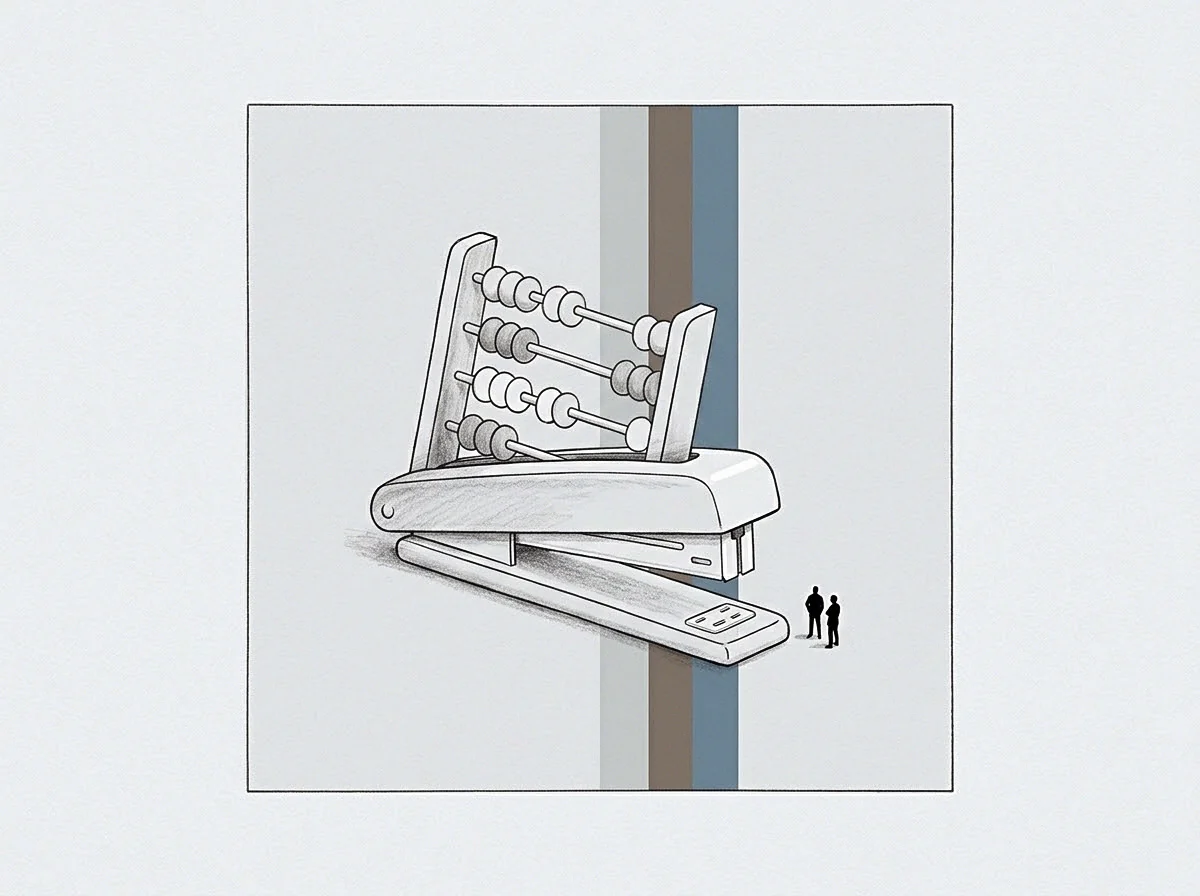
Structural intake protocols convert erratic pings into batched queues, protecting operator capacity while scheduled windows preserve team certainty.

Structural executive workload protocols isolate leadership attention through asynchronous intake queues, strict delegation latches, and standardized data sieves.
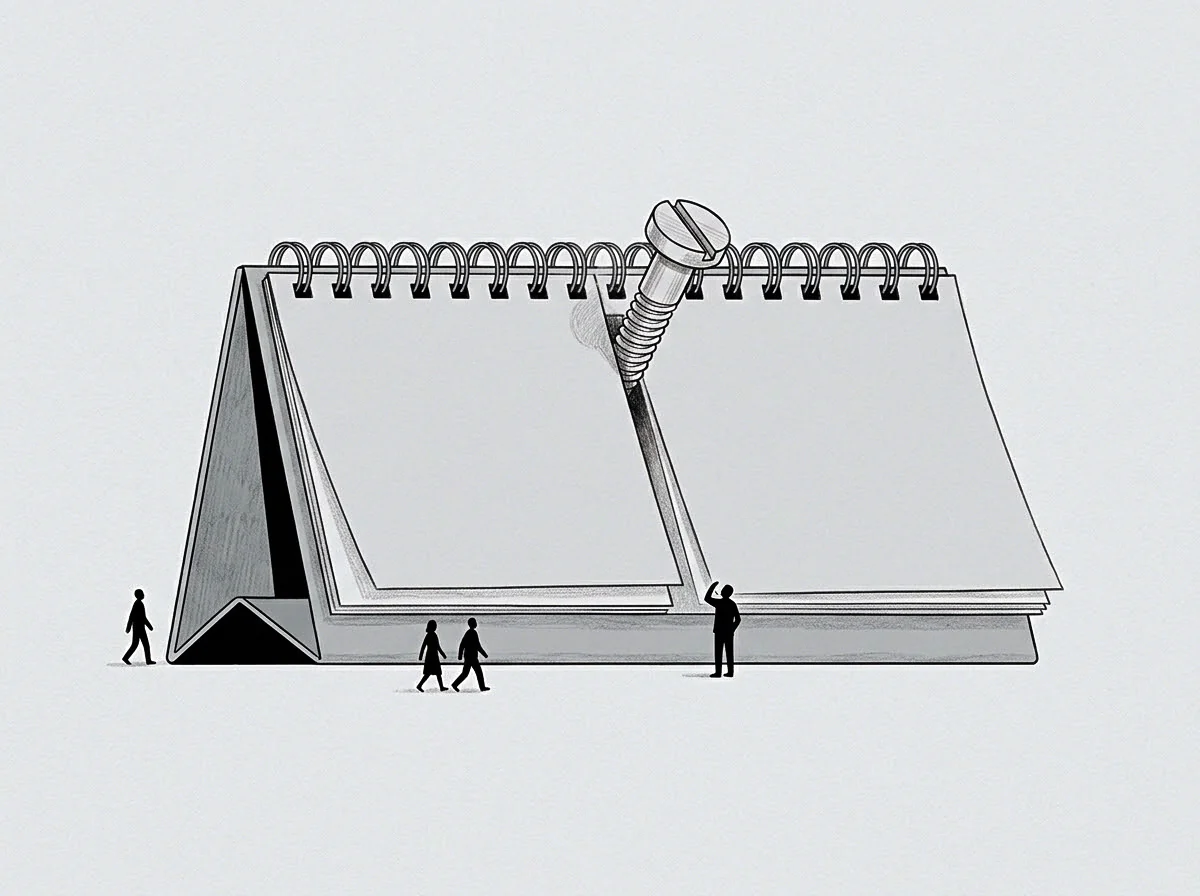
Covert coregulation rapidly exhausts executive headroom by diverting finite autonomic and metabolic reserves into unmetered peer stabilization.

Continuous interpersonal regulation consumes prefrontal executive capacity, triggering protective system throttling that manifests as selective latency.

Executive nervous systems absorb team anxiety as an unmetered biological subsidy until allostatic overload forces protective operational throttling.

Distributed nervous system regulation fails in growth ventures because fiduciary asymmetry prevents genuine lateral baseline borrowing under existential threat.

Early executive systems without buffers transfer operational volatility directly to the individual, driving biological throttling misdiagnosed as depression.

Subordinate anxiety transfers upward through open communication channels, consuming executive cognitive capacity until structural gates force local resolution.
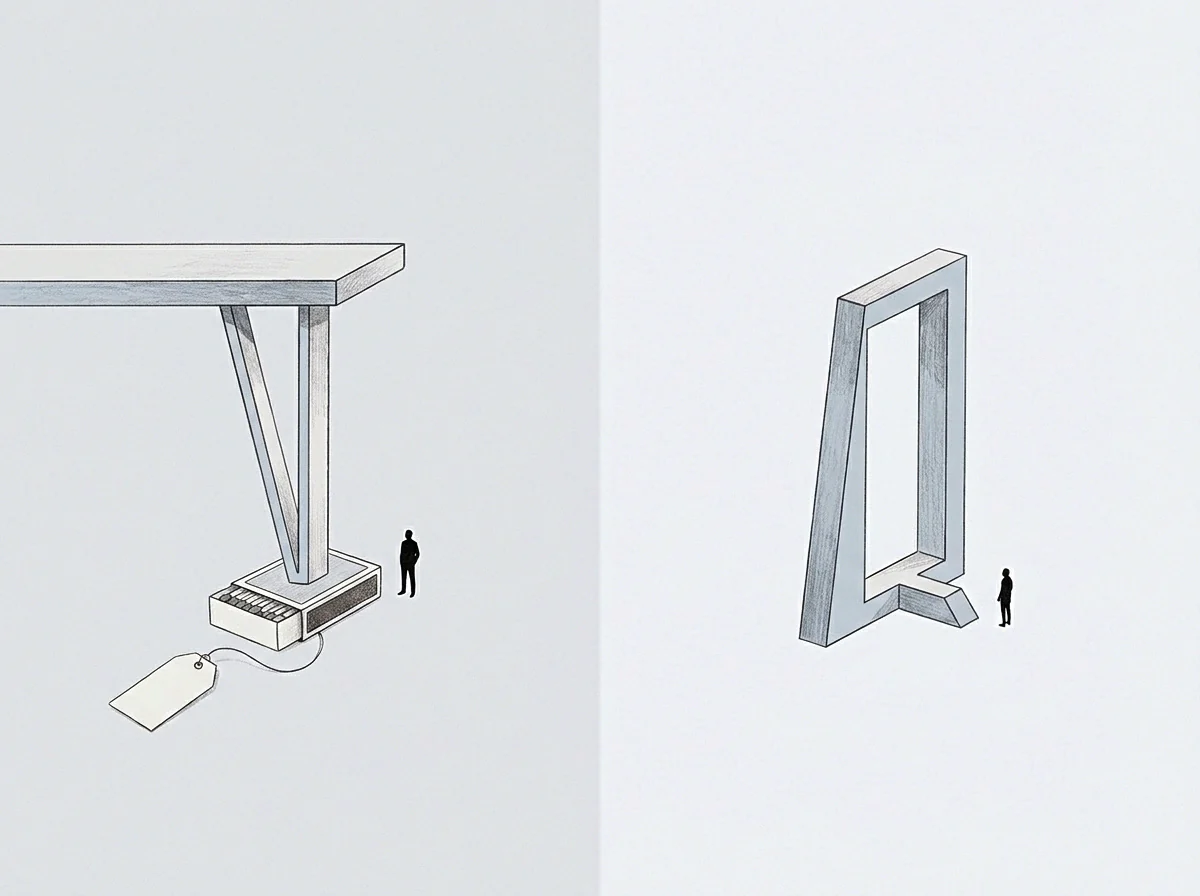
Regulatory load transfer measures how structural ambiguity moves operational and emotional stabilization demands from team members onto early stage leaders.

Unhedged executive exposure transfers institutional volatility directly into the founder's biology, causing chronic allostatic wear and severe neural throttling.

Continuous executive stress imposes measurable multisystem biological wear that forces neurological throttling when ungated cognitive loops overwhelm physical margins.
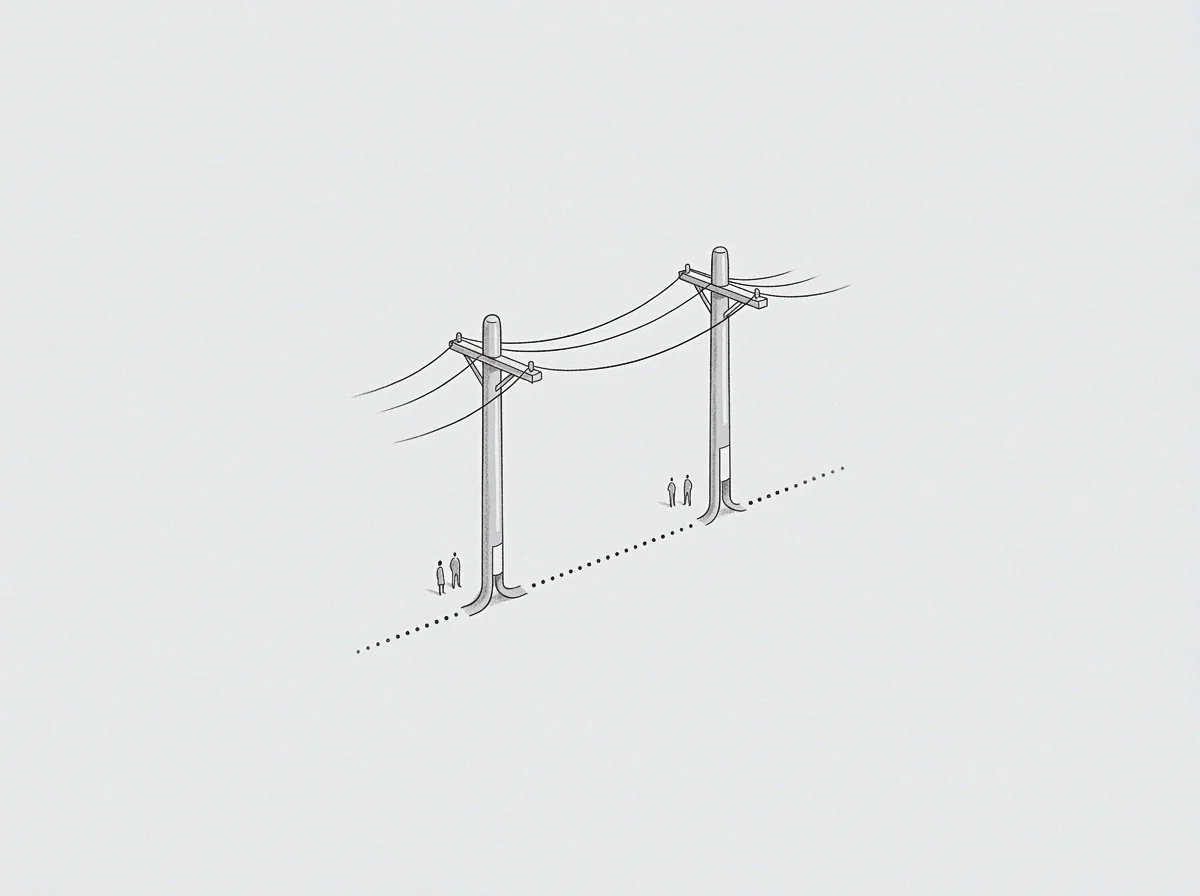
Chronic leadership stress suppresses cardiac vagal tone; quantitative recovery protocols use biometric tripwires to restore prefrontal decision bandwidth.
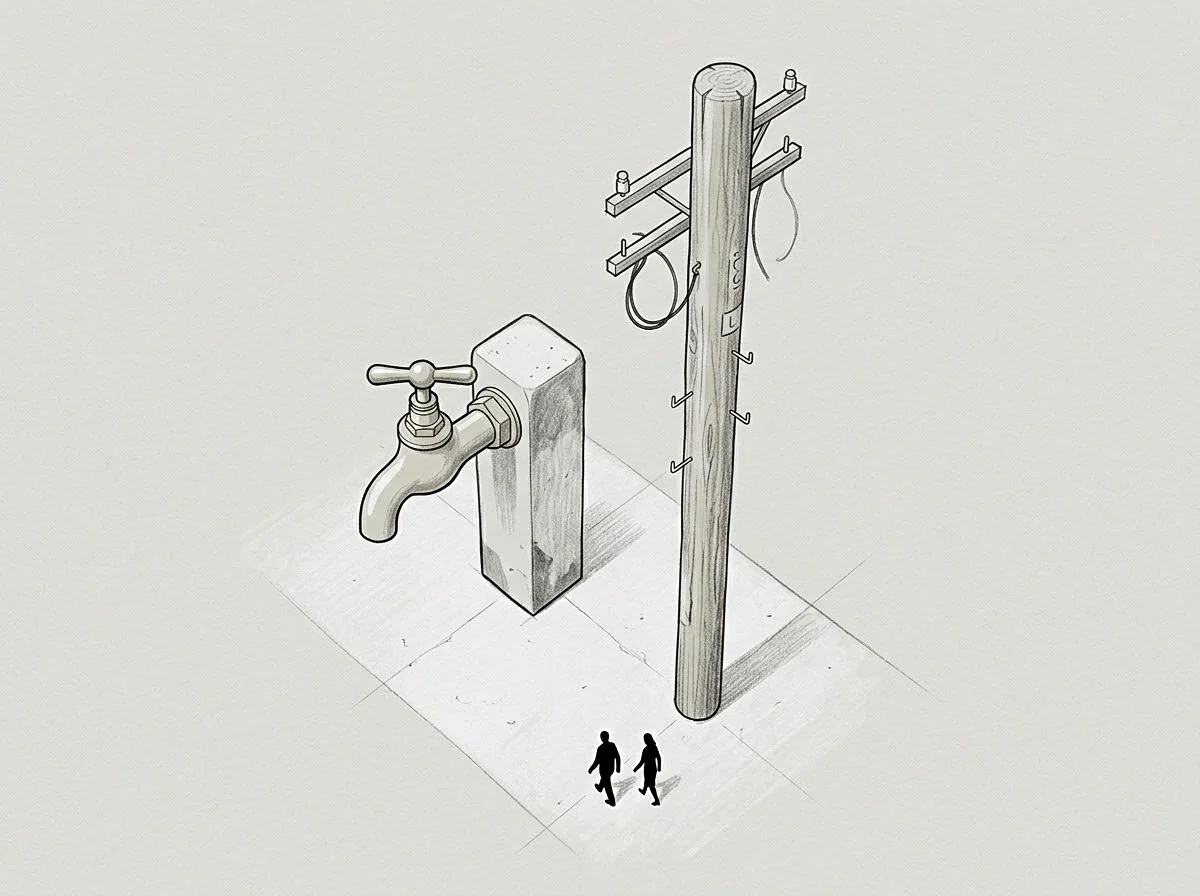
Autonomic stability relies on capping concurrent ambiguous operations to match biological capacity, preventing allostatic collapse via structural gating.
The terms are written where they belong. Each field holds three desks, and every entry a desk writes raises the terms it uses, each term given a meaning, a mechanism and the places it appears. The record on these pages stays first person and hand made; the fields grow the nomenclature.