

Determining Concurrency Limits For Load Transfer In Expanding Management Systems
Concurrency limits in expanding management systems are determined by setting hard limits on parallel task intake based on human state capacity.
Concurrency limits in expanding management systems are determined by setting hard limits on parallel task intake based on human state capacity.

Executive throughput bottlenecks occur when centralized clearance rights outpace processing capacity, requiring explicit state gated delegation thresholds.

Multi-stakeholder consent covenants drain executive capacity by multiplying asynchronous communication loops, decoupling operational accountability from execution authority, and elevating allostatic load.

Veto rights in contracts induce cognitive context switching overhead that degrades operational execution speed and transfers regulatory burden to founders.

Board reporting schedules create sustained cognitive load by requiring continuous prospective memory maintenance of open operational narrative loops.

Explicit governance terms collapse into informal operational overload unless automated intake gates physically intercept and validate incoming work at the system boundary.

A concurrency cap converts open incoming queues into state-gated processing channels to prevent structural operational overload.

Baseline system capacity is determined by enforcing fixed operational constraints that cap concurrent work and expose true steady-state throughput.

Contractual derivation of executive capacity boundaries converts informal stakeholder demands into bounded, procedural covenants to preserve executive cognitive function.

Systemic boundaries protect venture capacity by gating operational acts on objective system state metrics rather than continuous interpersonal decision making under load.

Management converts formal board governance covenants into operational spending limits by establishing internal buffers below statutory approval thresholds.

State-gated throttling boundaries lock intake channels during capacity deficits, forcing downstream execution teams to build localized resolution loops.

A stated limit acts as a structural wall, forcing a scaling system to distribute load rather than draining the regulator to biological exhaustion.

An executive limit acts as a structural term that redirects incoming operational load once personal regulation reaches setpoint thresholds.

Unstated operating limits transfer expanding organizational strain onto whichever executive partner maintains the lowest tolerance for operational disorder.

Asynchronous co-founder availability is derived from channel response latency and queue throughput rather than derived from real-time interpersonal interaction.

Decoupling scaling leadership seats shifts execution from personal founder regulation to structural limit walls and state gated operational handovers.

Structural term partitioning converts founder coregulation into explicit domain boundaries, protecting cognitive capacity by routing load onto defined operational objects.

Strategic coherence survives total metabolic depletion when written governance terms and contractual limits replace informal executive arbitration.

Executive capacity limits function as physical setpoints where incoming operational load forces unstated cognitive throttling unless explicit terms govern availability.

Executive centralization combined with fatigue introduces decision latency that impairs asset returns and raises balance sheet operational risk discount factors.

Somatic breakdown converts into enterprise risk metrics by mapping cognitive degradation directly to key person operational latency, volatility, and governance loss.

Capital allocation during operator energy deficits lowers hurdle rates and converts executive fatigue into unmanageable enterprise overhead.

Filtering operational pings through explicit quantitative thresholds preserves executive cognitive headroom while maintaining immediate enterprise visibility.
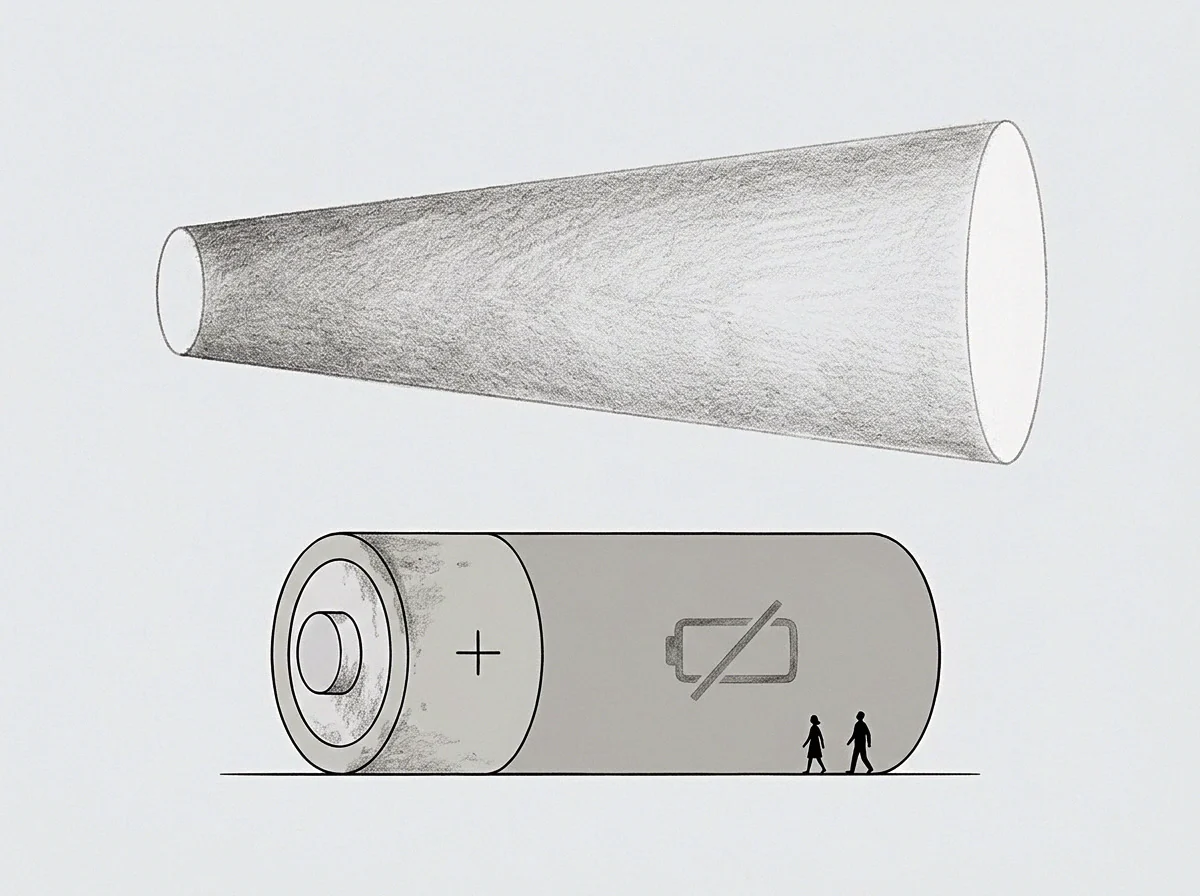
Artificial response latency preserves central executive attention by converting real time triggers into batch tasks during high cognitive load.

Hard boundaries protect depleted executives by replacing personal refusal with clear unyielding structural terms.

Stated capacity bounds transfer operational load and state gated authorization protects governance integrity during acute stress.

Cognitive latency spikes in governance occur when executive allostatic load forces cognitive processing into serial verification expanding risk review dwell times

Sustained executive workload reduces prefrontal evidentiary drift rates, expanding choice latency exponentially once working memory exceeds saturation limits.

Unstated executive capacity breaches force silent attention rationing, distorting downstream resource allocation across dependent operational teams.
The terms are written where they belong. Each field holds three desks, and every entry a desk writes raises the terms it uses, each term given a meaning, a mechanism and the places it appears. The record on these pages stays first person and hand made; the fields grow the nomenclature.