Meaning
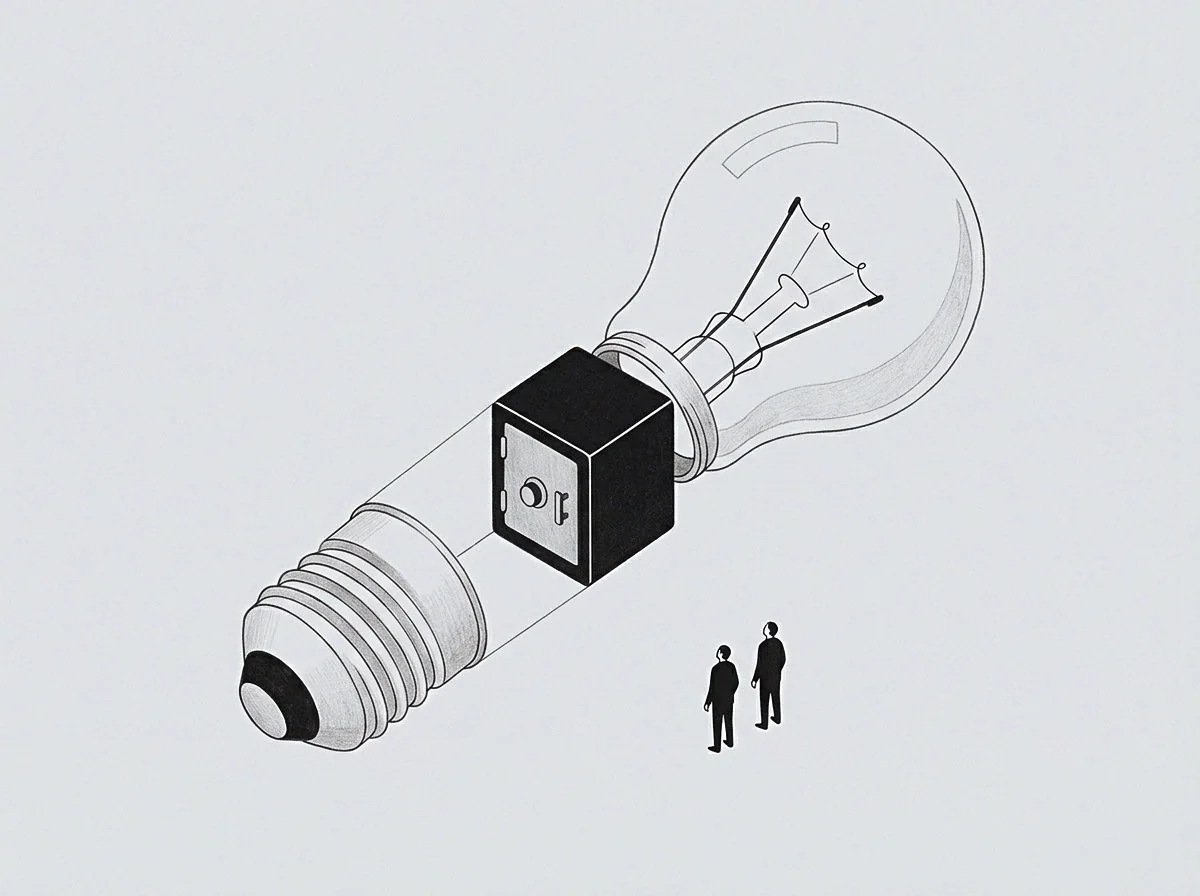
Mental effort represents the total amount of working memory resources dedicated to processing incoming information at any given time. Cognitive load describes the physiological cost incurred when the brain selects, organizes, and integrates new stimuli into long-term structures. This construct differentiates between inherent difficulty, which is fixed by the complexity of the subject, and extraneous interference, which is generated by the structure of the delivery itself.
Processing Limit
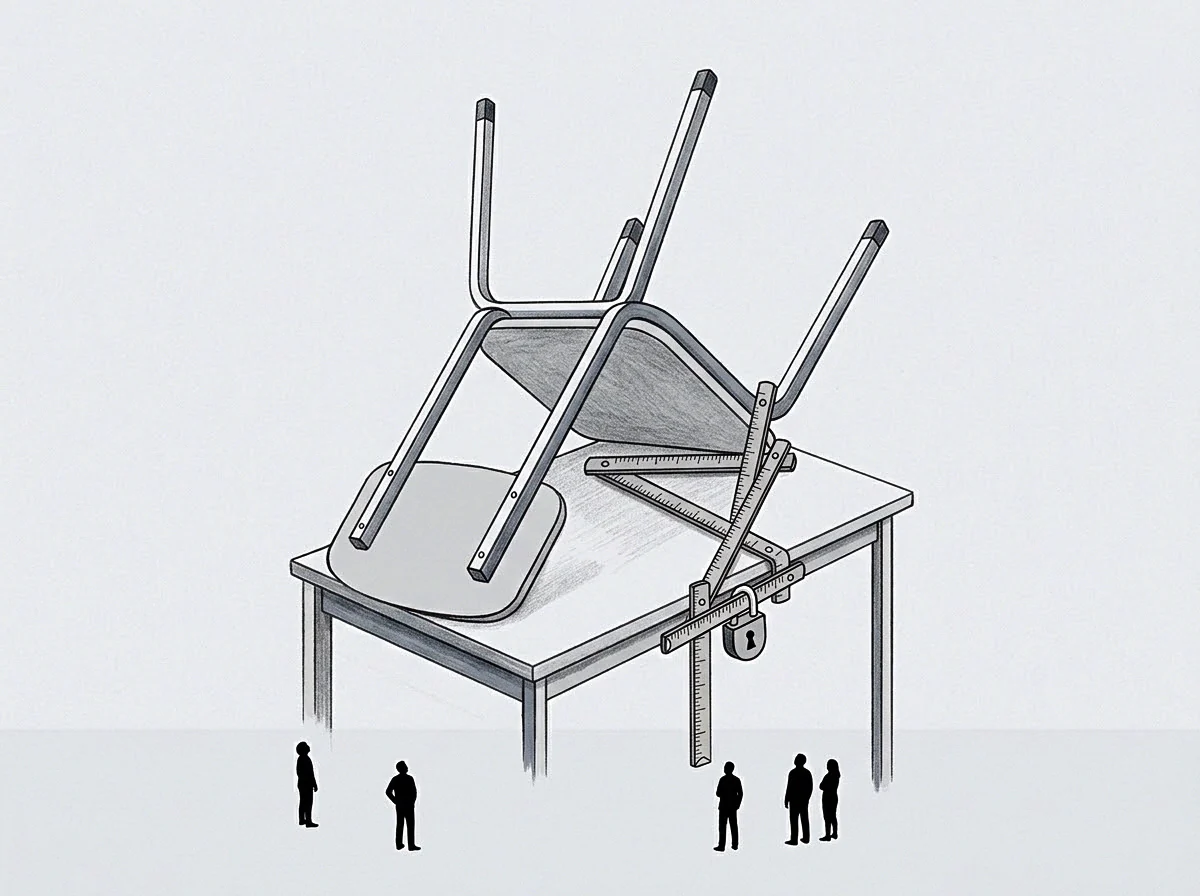
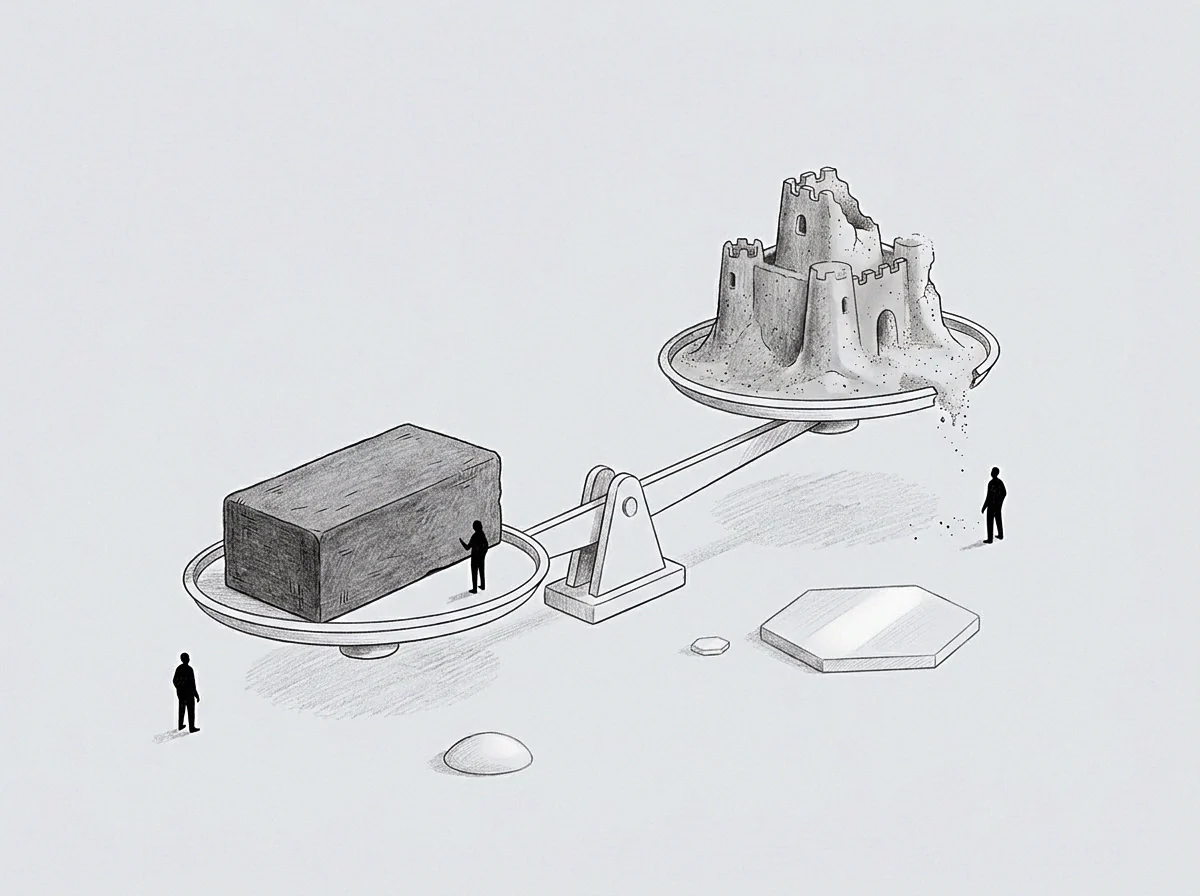
Individual capacity functions like a fixed bandwidth channel where exceeding the threshold induces errors in decision accuracy. Incoming data streams compete for the same neural pathways, creating a bottleneck that forces the system to prioritize incoming signals while discarding others. A saturation point occurs when the rate of input exceeds the capacity for synthesis, causing the biological hardware to initiate automatic throttling to prevent system crashes.
Regulation Cost
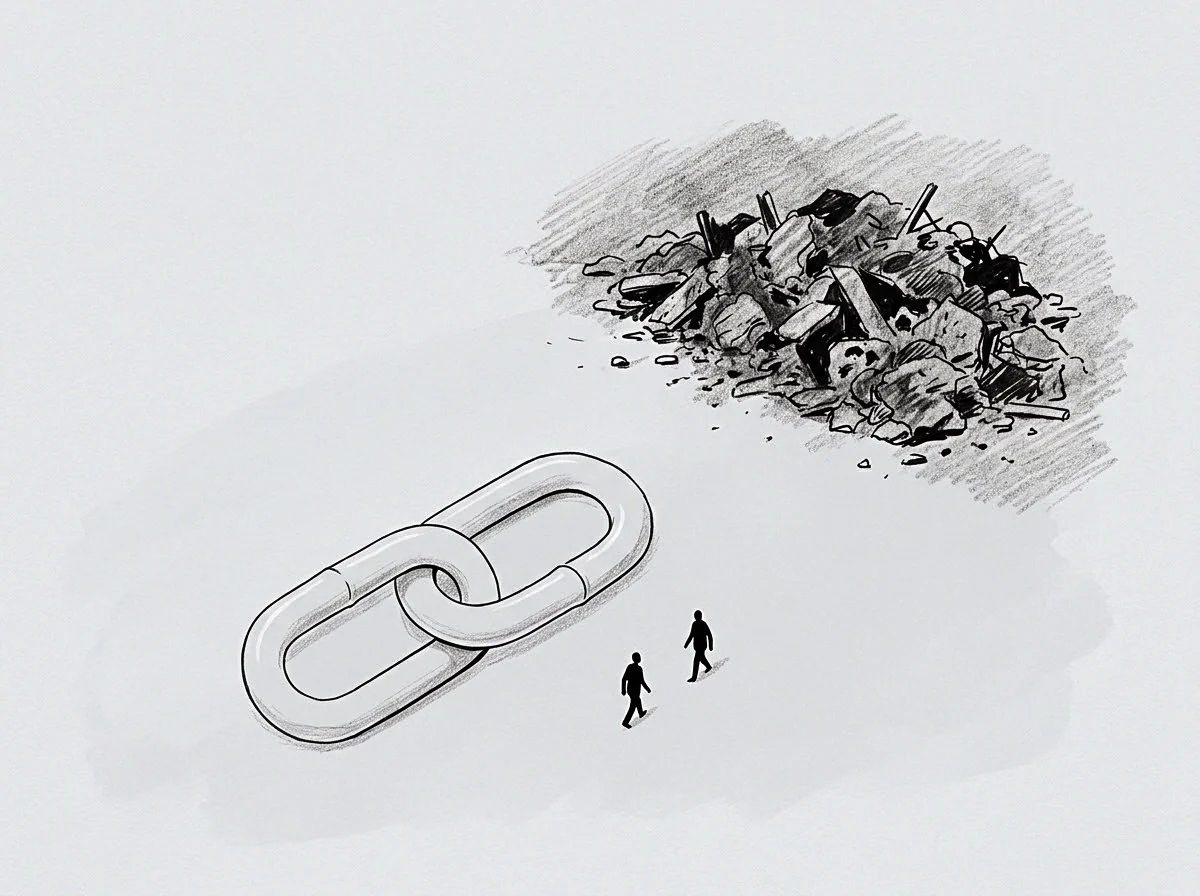
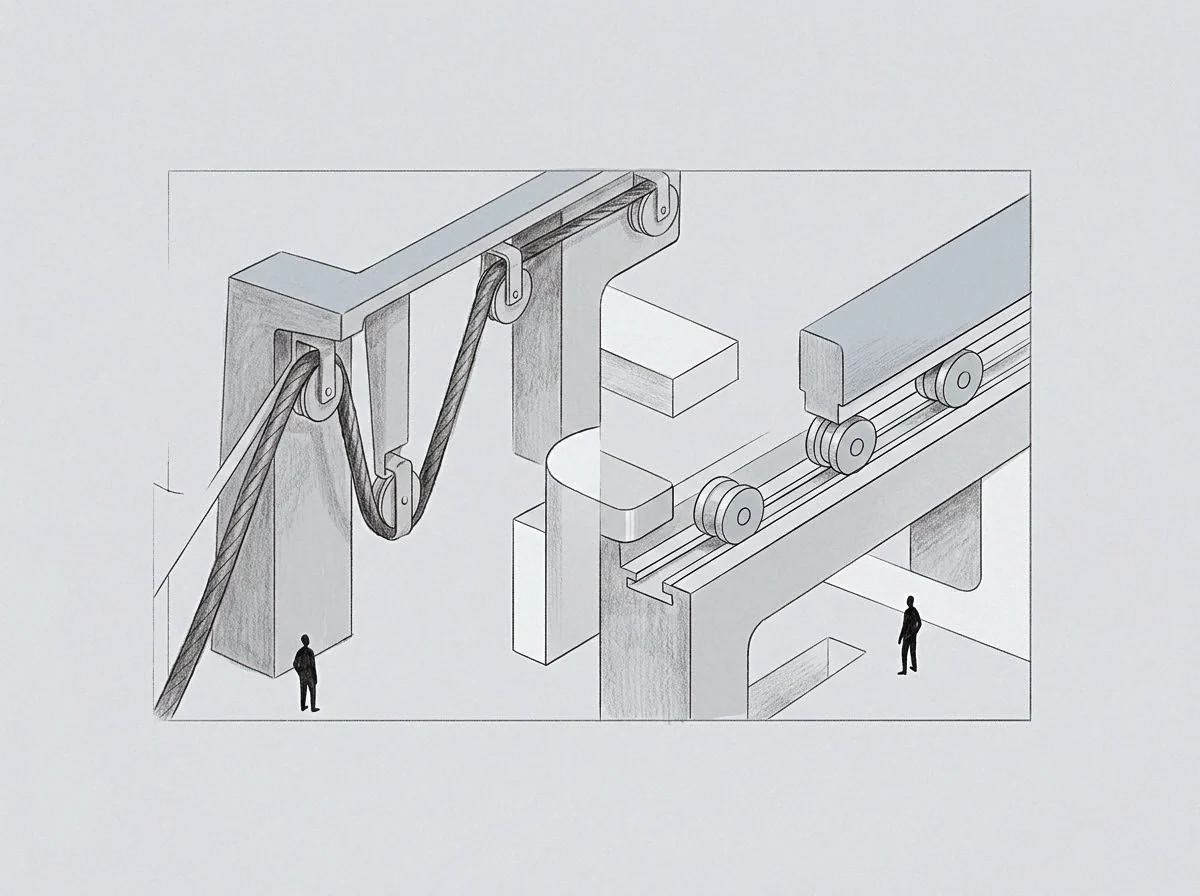
Maintaining focus over long durations consumes significant metabolic energy, resulting in a measurable decline in executive function. Founders manage this energy through the strategic offloading of recurring tasks to external protocols or pre-established workflows. When the volume of unresolved tasks increases, the internal monitor reduces the available attention directed toward high-stakes navigation.
Systematic Boundary
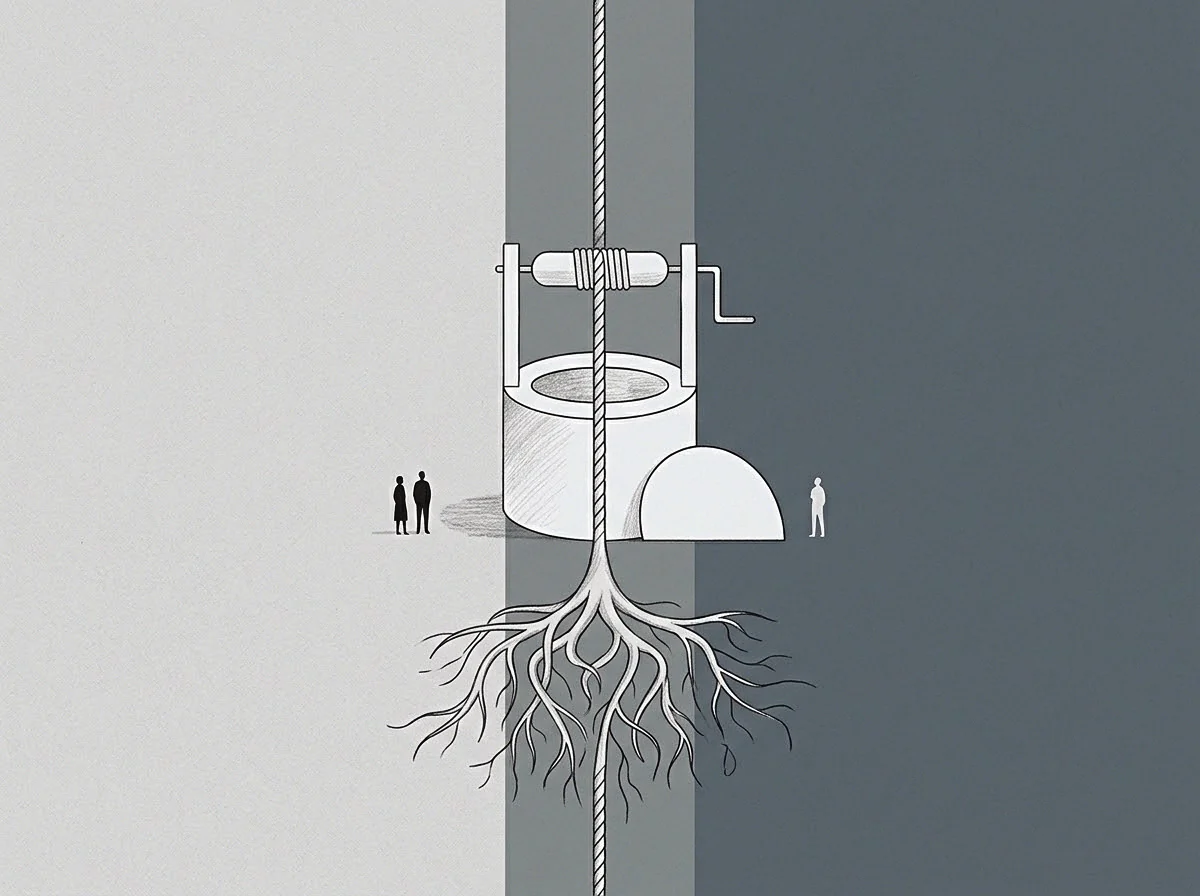
This state operates only within the constraints of active working memory, where information remains accessible for immediate manipulation before consolidation into deeper storage. Once a routine becomes internalized through repetition, the mental energy requirement drops because the brain executes the sequence through automatic retrieval rather than active construction. The degree of automation determines how much headroom remains for responding to novel disruptions within the operating environment.