
Metabolic Limits Of Relational Regulation In Strained Leadership Teams
Shared social proximity lowers biological threat monitoring expenditure, while solitary leadership regulation transfers the metabolic tax entirely to the central anchor.
Shared social proximity lowers biological threat monitoring expenditure, while solitary leadership regulation transfers the metabolic tax entirely to the central anchor.

Scaling increases solitary threat appraisal, degrading relational models unless unilateral load absorption shifts toward distributed co-regulation.
Solitary building shifts the neural baseline from low-energy social buffering to expensive independent hypervigilance, accumulating unsustainable allostatic load.

Allostatic load accumulates when an individual acts as an unbuffered regulatory dampener for surrounding anxiety, exhausting personal biological reserves.

Allostatic load measures cumulative biological wear from chronic regulatory activation, requiring structural thread limits rather than psychological rest to rebuild capacity.
Prolonged organizational panic causes glucocorticoid receptor downregulation and chronic autonomic hyper-arousal, requiring strict loop closure for resensitization.

Explicit operational terms prevent systemic load transfer by establishing physical transfer functions before executive floor capacity setpoints are breached.

Throttled cognitive states represent working memory capacity saturation under open loop load, whereas clinical depression involves primary affective network deactivation.

Scaling co-founders transfer operational load when execution limits are stated as explicit structural terms rather than absorbed through individual endurance.

Unfunded co-regulation demands drain executive working memory, forcing physiological throttling that degrades strategic capital allocation.

Executive throttling is a protective prefrontal brownout caused by concurrency overload, distinct from the global affective collapse of clinical depression.

Allostatic load measures physical wear from sustained regulation while cognitive loop volume quantifies active un-gated memory threads in operators.

Structural gates protect leadership seats by filtering unconstrained operational threads before transactional volume exceeds biological allostatic limits.

Explicit operational governance terms set fixed capacity limits by converting subjective personal willingness into readable structural constraints.

Re-sensitizing glucocorticoid receptors requires restoring circadian hormone troughs through strict temporal gating of operational load and metabolic inputs.

Rapid operational scaling creates exponential exception escalations that destroy executive attentional reserves unless bounded by rigid governance filters.

Autonomic recovery rates reflect nocturnal parasympathetic reactivation determined by the density and structural gating of open executive decision threads.
Suppressing nocturnal heart rate dipping and extending vagal recovery latency stems from continuous sympathetic outflow triggered by ungated operational loops.
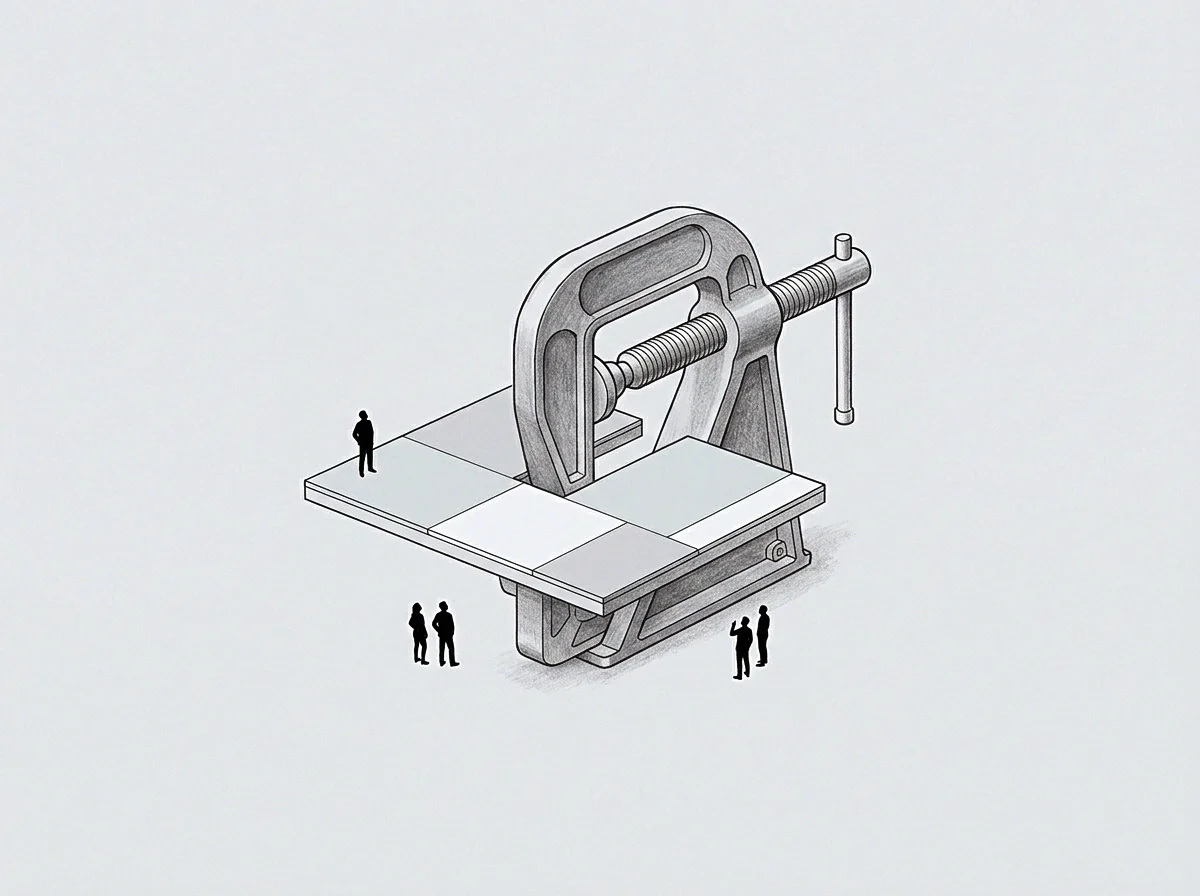
Structural delegation gates eliminate ambient executive vigilance by establishing explicit variance boundaries, enabling rapid parasympathetic reactivation after acute operational stress.
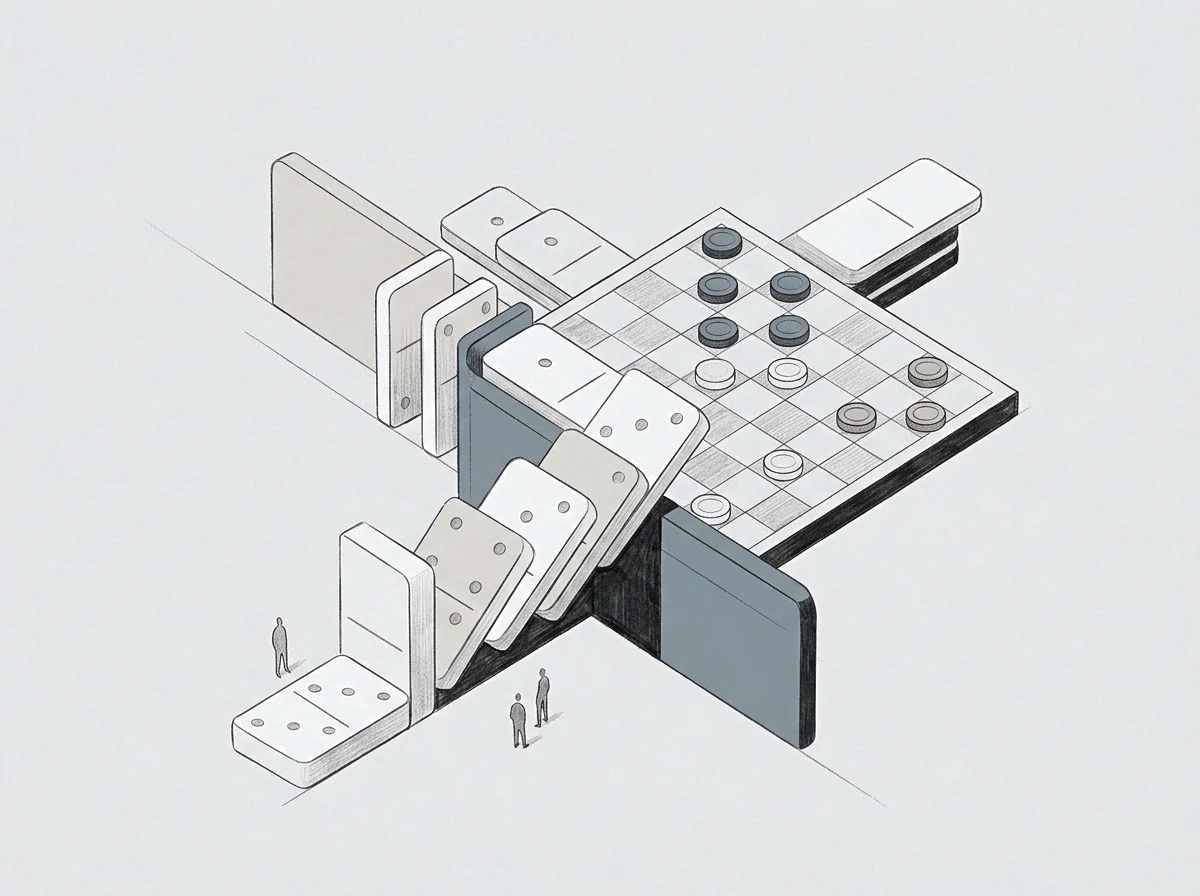
Executive system throttling preserves central processing by selective down-regulation, while major depression reflects general affective and motivational collapse.

Allostatic load escalates when executive teams rely on a single leader for regulation, which alters metabolic budgeting until explicit operational limits distribute threat processing.

Structural gating protocols preserve executive autonomic headroom by converting continuous real-time coregulation into bounded asynchronous communication threads.
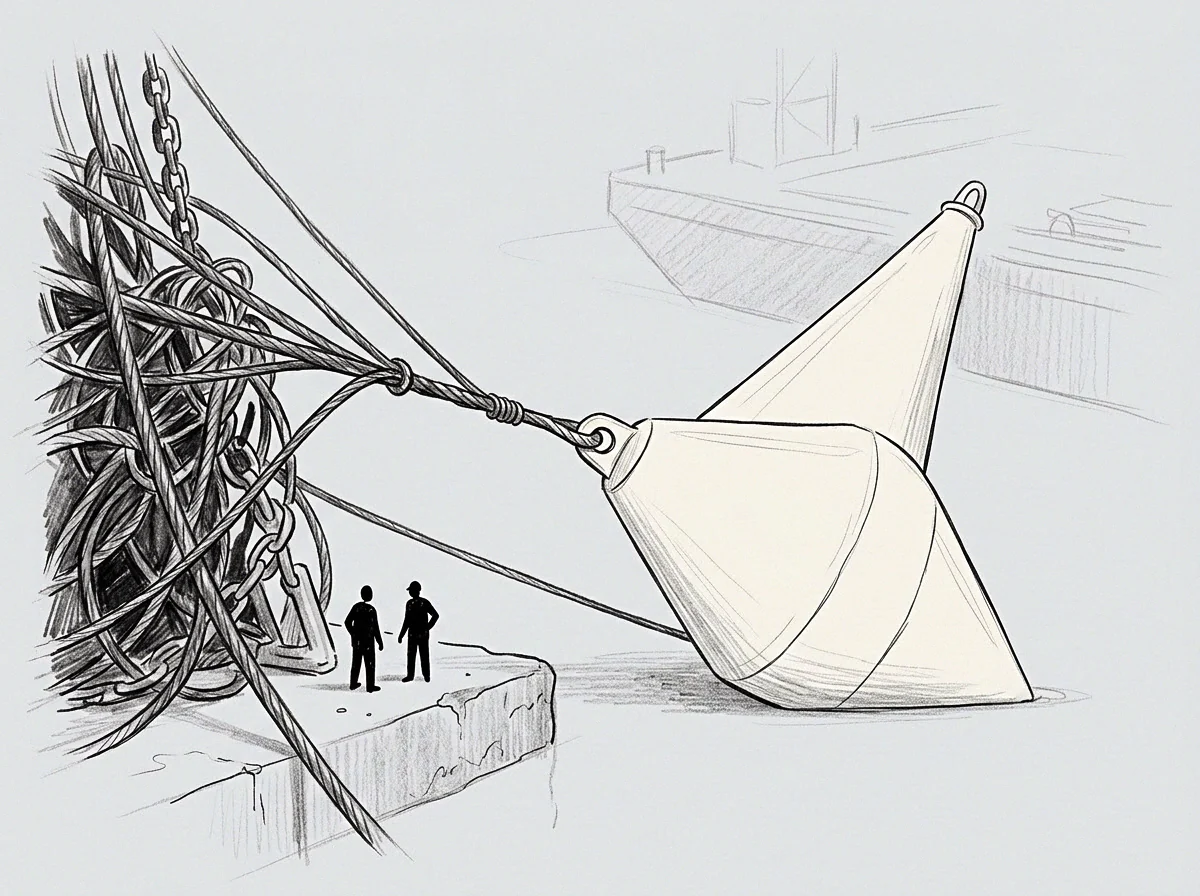
Covert emotional buffering for senior colleagues consumes prefrontal working memory, reducing executive bandwidth required for long range strategic allocation.

Executive autonomic dysregulation under ungated demands truncates planning horizons and systematically skews capital allocation toward short-term loss avoidance.

Executive throttling intentionally drops open-ended tasks under peak allostatic load while clinical affective stalling represents generalized regulatory collapse.

Unshared executive regulation causes autonomic throttling, down-regulating decision capacity when chronic co-regulatory load exceeds human biological limits.
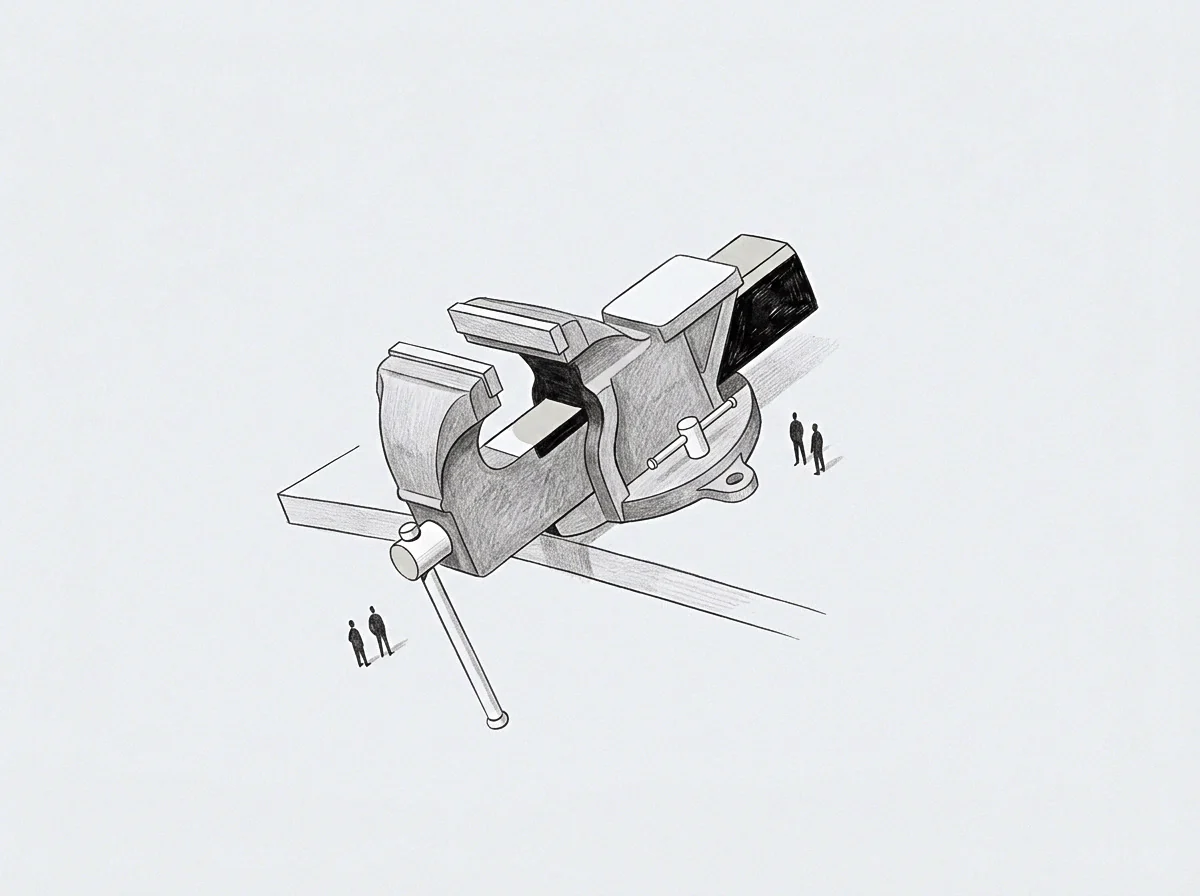
Autonomic regulation recovers when sustained solitary load gives way to repeated physical co-regulation, updating the internal baseline from threat to safety.

Centralized executive regulation accumulates unsustainable allostatic load during growth, requiring distributed operational nodes to stabilize institutional baseline energy.

System throttling is an adaptive physiological down-regulation caused by allostatic overload, distinct from clinical depression's neurochemical failure.

Neural residue accumulates across concurrent unclosed tasks, saturating working memory capacity and forcing peripheral telemetry shedding in human operators.
The terms are written where they belong. Each field holds three desks, and every entry a desk writes raises the terms it uses, each term given a meaning, a mechanism and the places it appears. The record on these pages stays first person and hand made; the fields grow the nomenclature.