

Preserving Earned Security Under Heavy Organizational Load
Earned security under organizational load requires structural containment, intentional communication latency, and non-commercial reciprocal relational anchors.
Earned security under organizational load requires structural containment, intentional communication latency, and non-commercial reciprocal relational anchors.
Extended solitary operation shifts the neural baseline, converting human proximity from a metabolic discount into an energetic cognitive tax.

Autonomic threat detection operates milliseconds faster than cortical insight, requiring repeated visceral co-regulation under pressure to rewire somatic function.

Repeated low-demand physical proximity reactivates the ventral vagal brake by lowering metabolic threat prediction and restoring autonomic baseline regulation.

Extended isolation recalibrates the central nervous system to treat dyadic proximity as a metabolic load rather than a co-regulatory buffer.
Structural delegation gates eliminate ambient executive vigilance by establishing explicit variance boundaries, enabling rapid parasympathetic reactivation after acute operational stress.

Unfunded co-regulation demands consume executive cognitive headroom and raise allostatic load by converting organizational uncertainty into unmeasured physiological wear.

Shared fatigue converts workspace proximity from a co-regulatory asset into a continuous physiological evaluation burden that suppresses heart rate variability.

Autonomic coregulation in executive teams relies on vagal safety signaling, where continuous physiological overload triggers systemic autonomic throttling.

Social baseline theory shows that solitary leadership forces the nervous system to spend internal metabolic energy on threat regulation normally shared with others.
Deep strain floods threat networks, suppressing prefrontal channels and blocking the neural slots required to process external calm as a physiological subsidy.
Relying on external performance metrics masks executive allostatic load, causing structural capacity limits to collapse when external signals decouple.

Solitary threat monitoring forces continuous autonomic elevation, whereas social baseline proximity distributes regulation costs across trusted counterparties.
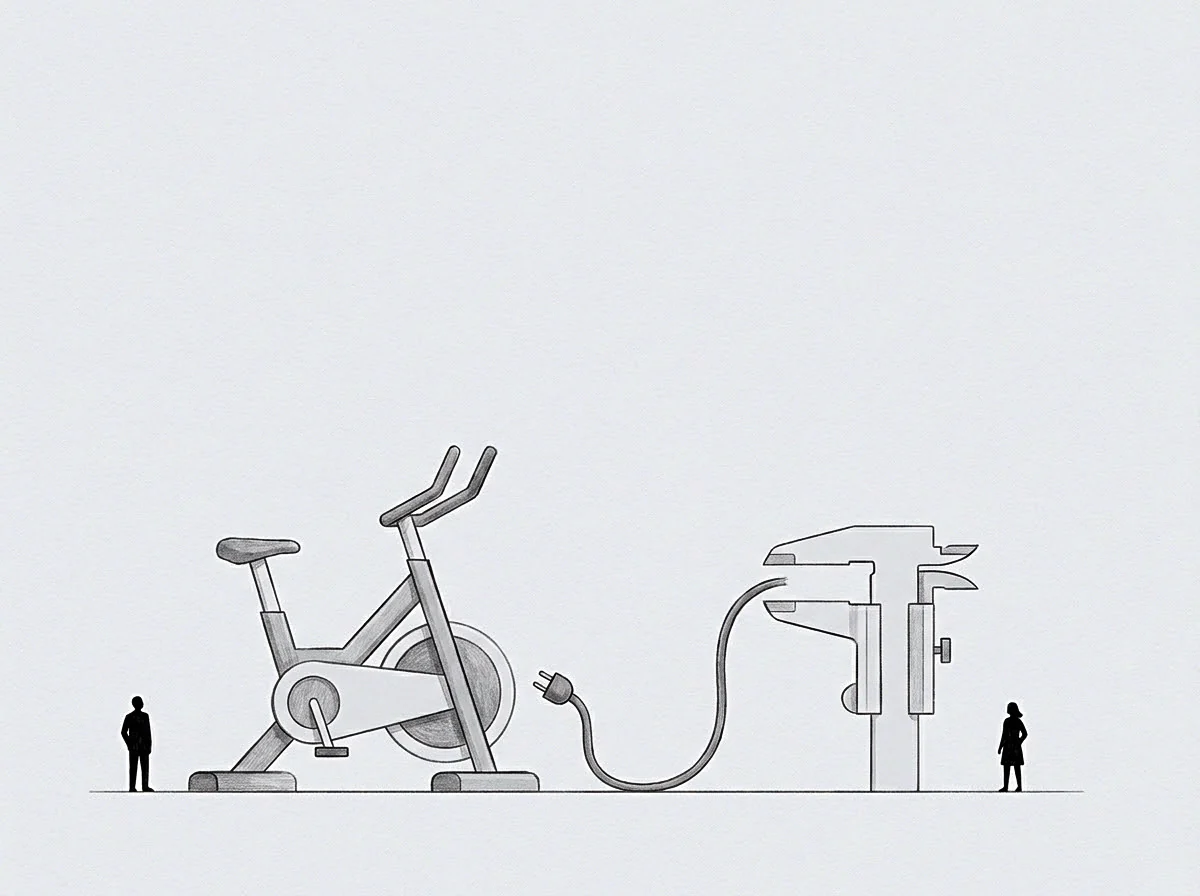
Physiological stress downregulation reduces volitional capacity to protect neuroendocrine systems under unclosed executive load.

Structural co-regulation boundaries limit endocrine exhaustion in isolated governance roles by enforcing formal access gates and distributing regulatory load.

Structured concurrency limits cognitive load in executives by capping simultaneous open loops, preventing prefrontal depletion and chronic allostatic wear.

Structural delegation gates decouple executive physiology from operational variance, terminating open cognitive loops to restore parasympathetic tone.
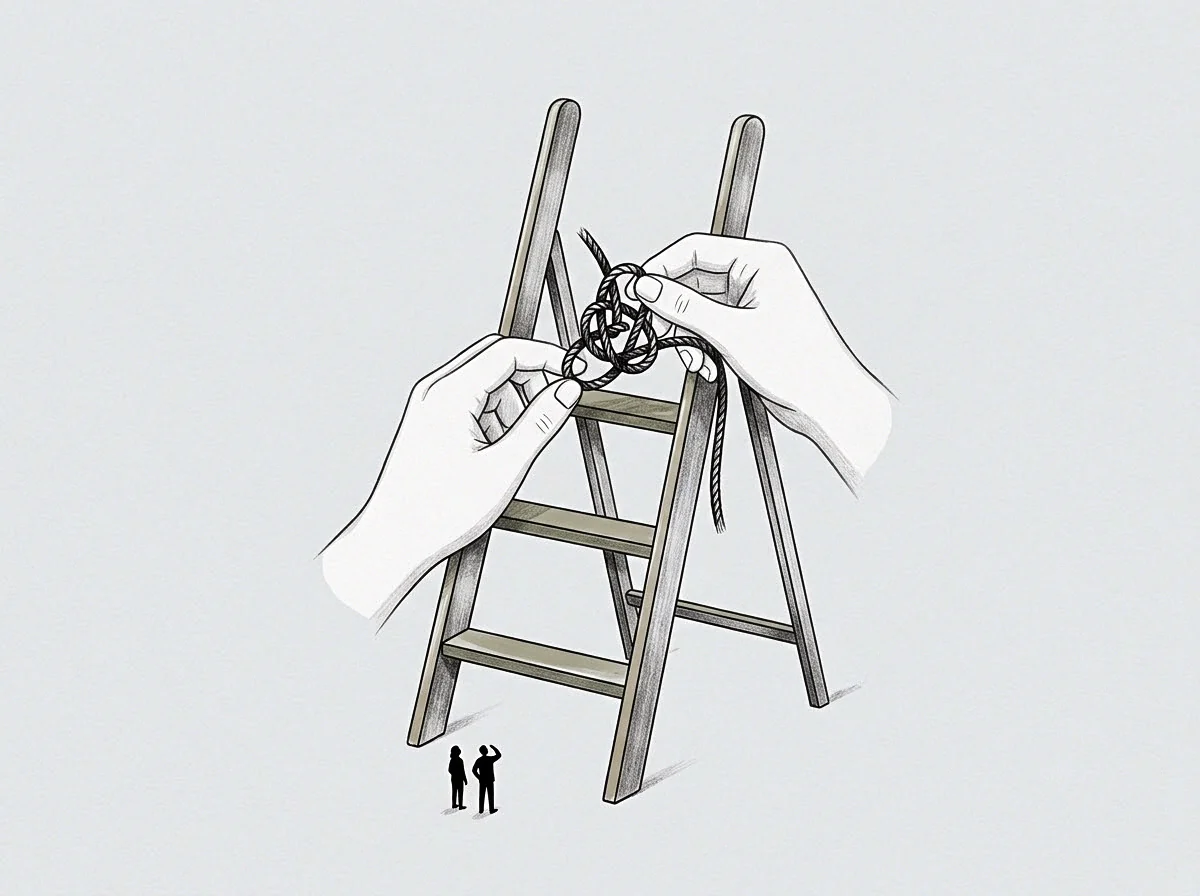
Proximity to an unmoving leader allows panicking teams to borrow autonomic stability under enterprise threat, shifting metabolic survival costs onto one nervous system.
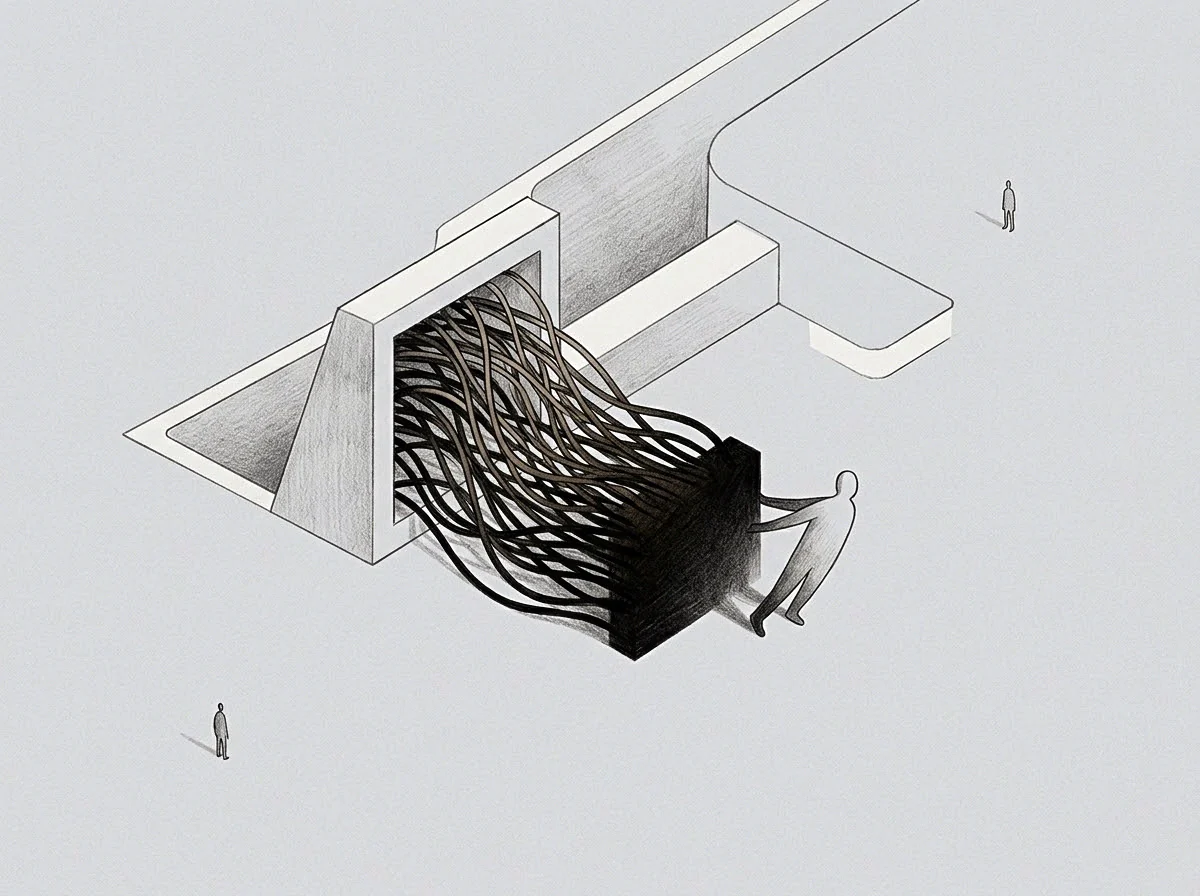
Stated position limits isolate execution channels to prevent one co-founder's allostatic overload from triggering reciprocal nervous system exhaustion.
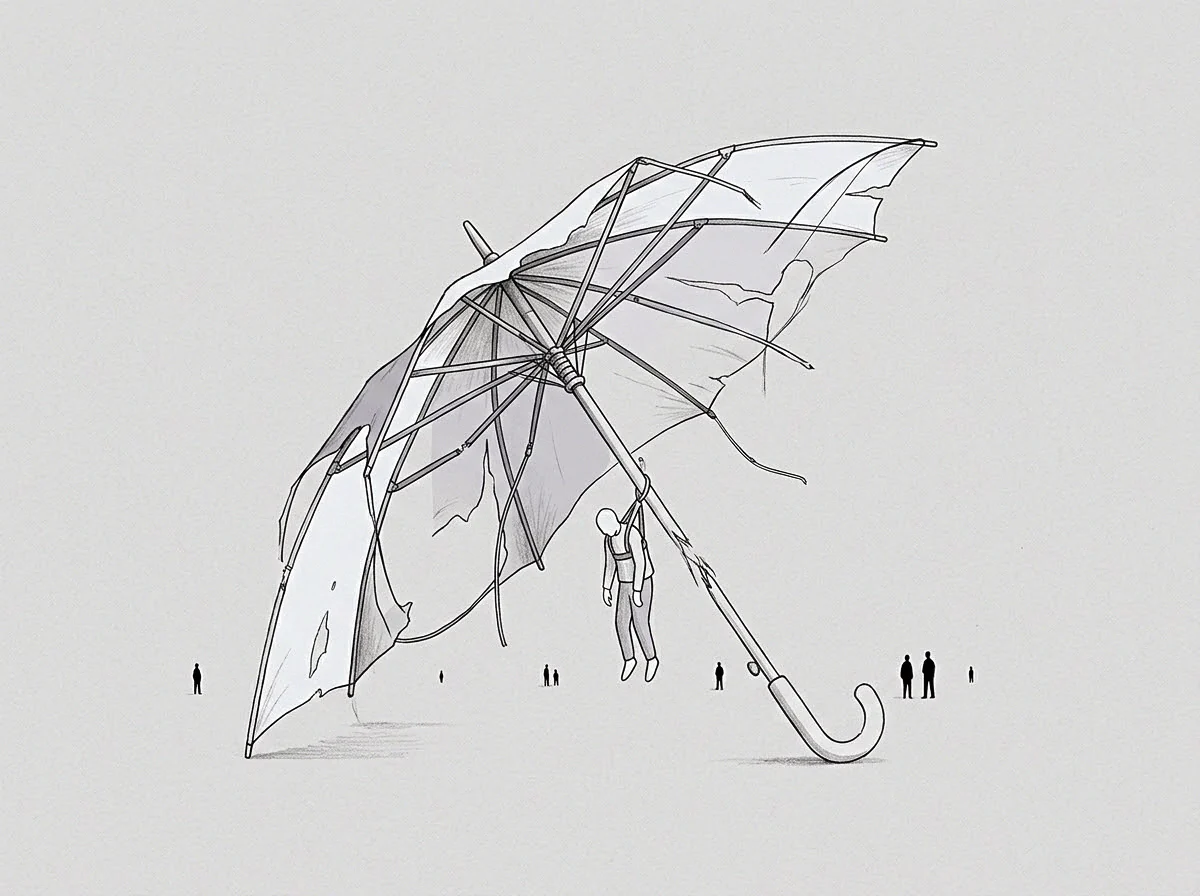
Regulatory exhaustion throttles affective output to preserve executive throughput under chronic load, whereas clinical blunting reflects systemic autonomic flattened reactivity.

Downregulated receptor cascades blind exhausted executives to interpersonal safety cues, converting proximity from a regulation economy into a threat.

Prolonged isolation downregulates central oxytocin receptors, causing incoming social proximity to trigger amygdalic threat cascades instead of borrowed calm.

Autonomic headroom recovers when ambiguous operational loops receive defined scope, dates, and termination criteria, halting chronic sympathetic activation.

Cardiac vagal control buffers executive teams against chronic regulatory demand, while allostatic overload suppresses this brake and triggers operational shutdown.
Executive autonomic regulation stabilizes institutional distress through metabolic vagal suppression, which extracts personal reserves absent true co-regulation.
Autonomic stability relies on capping concurrent ambiguous operations to match biological capacity, preventing allostatic collapse via structural gating.
Chronic leadership stress suppresses cardiac vagal tone; quantitative recovery protocols use biometric tripwires to restore prefrontal decision bandwidth.
Operational partners distribute biological survival costs when mutual threat monitoring lowers autonomic vigilance and prevents unilateral executive exhaustion.

Autonomic nervous system strain alters risk perception during underwriting by converting metabolic exhaustion into defensive aversion to commercial uncertainty.

Autonomic recovery requires uninterrupted sensory isolation windows to clear sympathetic hormones and restore vagal modulation of heart rate variability.
The terms are written where they belong. Each field holds three desks, and every entry a desk writes raises the terms it uses, each term given a meaning, a mechanism and the places it appears. The record on these pages stays first person and hand made; the fields grow the nomenclature.