

Measuring Executive Cognitive Latency Under Heavy Workload
Executive cognitive latency reflects working memory saturation and allostatic setpoints, shifting real-time processing to asynchronous throttling under load.

Executive cognitive latency reflects working memory saturation and allostatic setpoints, shifting real-time processing to asynchronous throttling under load.

Biological throttling protects physiological survival by gating active cognitive threads, whereas clinical depression reflects a generalized collapse of reward processing.
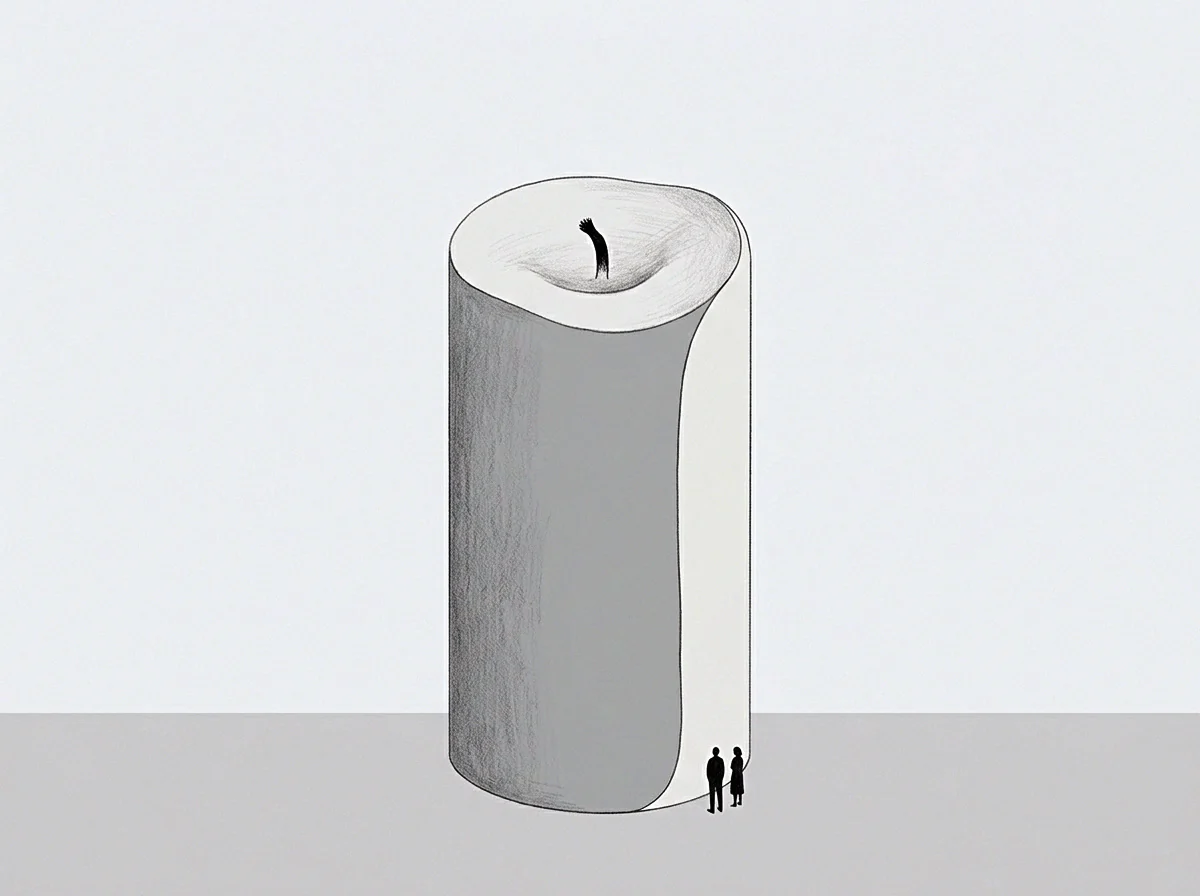
Sustained operational load down-regulates co-regulatory receptors, requiring micro-dosed physical presence to update the baseline template.

Biological wear in high capacity operators is quantified through multi-system biomarker panels that track neuroendocrine, metabolic, and immune degradation.

Unstated executive regulatory strain forces depleted leaders to deploy capital as an energetic shock absorber to bypass high-friction interpersonal decisions.
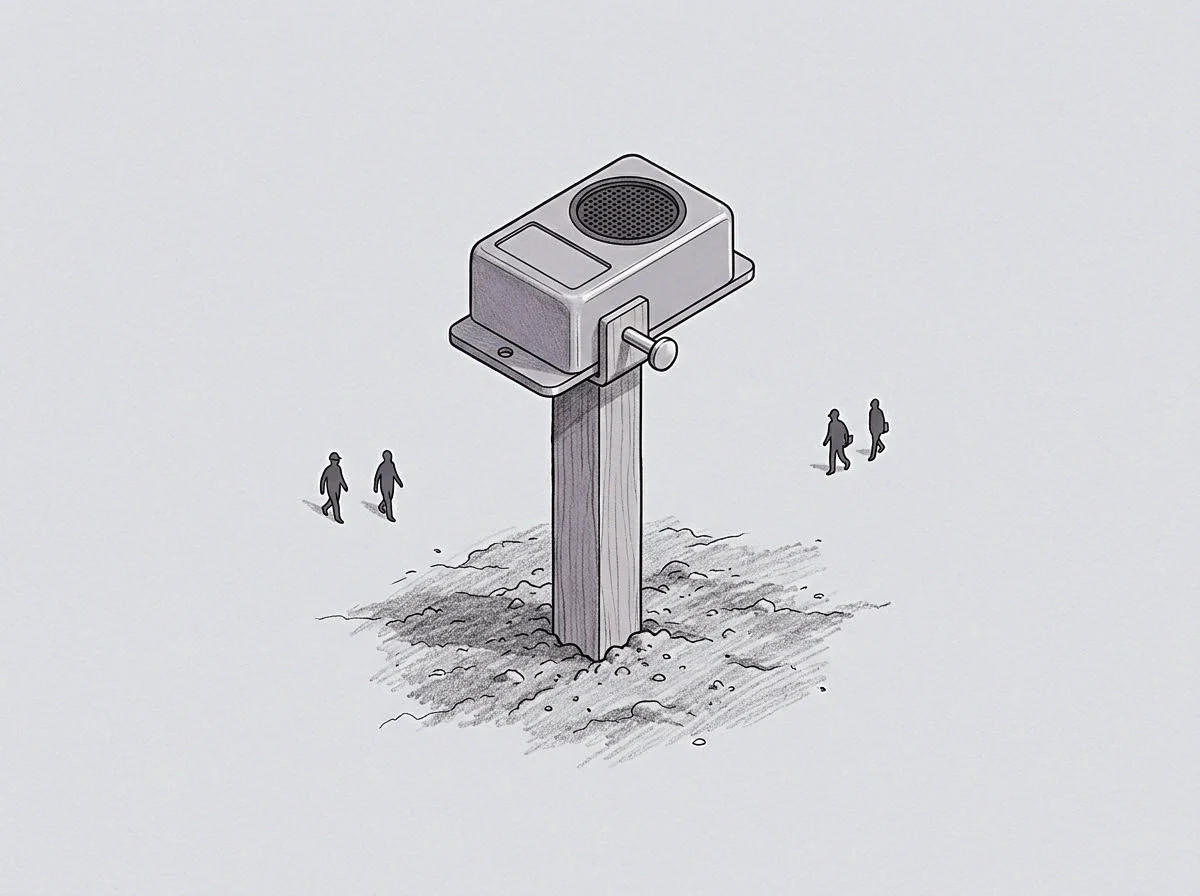
Executive threshold breaches trigger automatic downstream attention rationing, shifting cognitive processing depth to protect core physiological setpoints under ceiling load.

Prolonged operational isolation forces human autonomic nervous systems from low-cost shared baseline regulation into high-cost continuous individual threat monitoring.

Senior leadership restores metabolic headroom by converting open cognitive loops into term-gated units and enforcing strict concurrency limits.

Stating operational limits as fixed structural terms stops lateral load transfer by forcing adjacent leaders to resolve ambiguities internally.

Extended solitude shifts neural budgeting to solo threat monitoring, rendering initial co-regulatory presence an energetic load rather than calm.
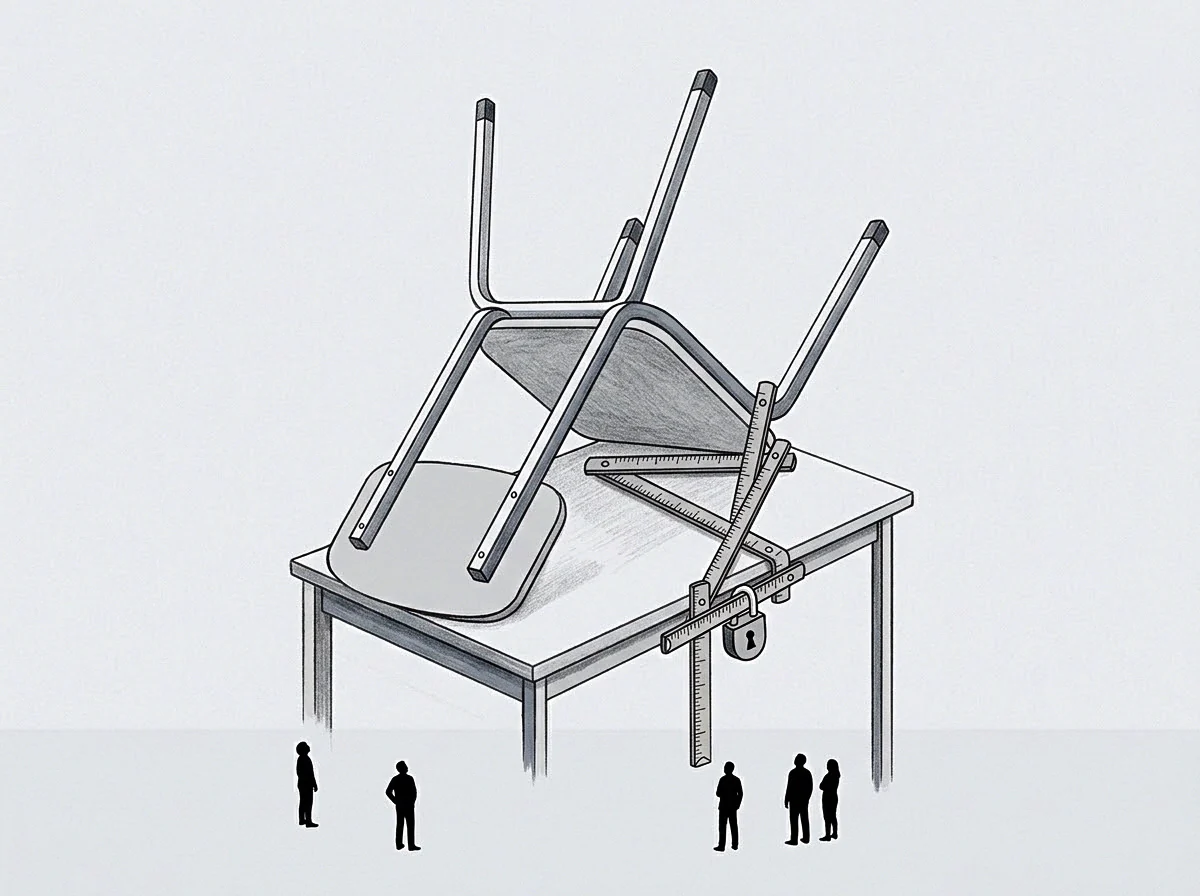
Allostatic load reflects cumulative physiological wear from chronic regulatory demand, while neural throttling down-regulates executive capacity to protect neural tissue under sustained overload.

Solitary remote operations force prefrontal cognitive suppression to replace physical co-regulation, driving autonomic throttling and progressive exhaustion.

Executive step-down induces severe autonomic mismatch as persistent sympathetic hyperarousal outlasts external operational demands without structural pacing.

Uncut operational telemetry drives chronic adrenocortical activation in founders by feeding sensory threat signals past formal corporate legal boundaries.
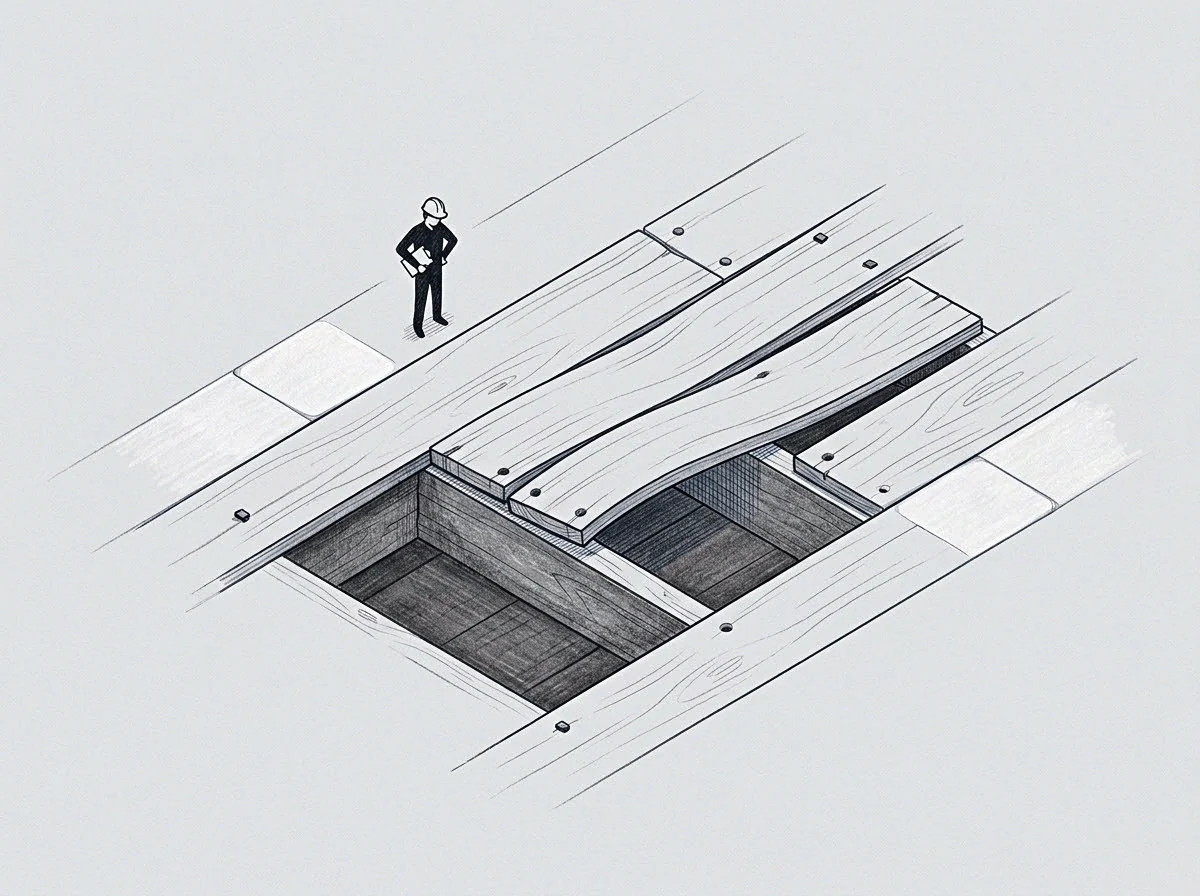
Endocrine normalization lags structural insulation because peripheral steroid receptors require months of verified safety to recalibrate baseline feedback loops.

Leaving enterprise management triggers a delayed vagal tone rebound as the nervous system processes the reduction of ungated open loops.
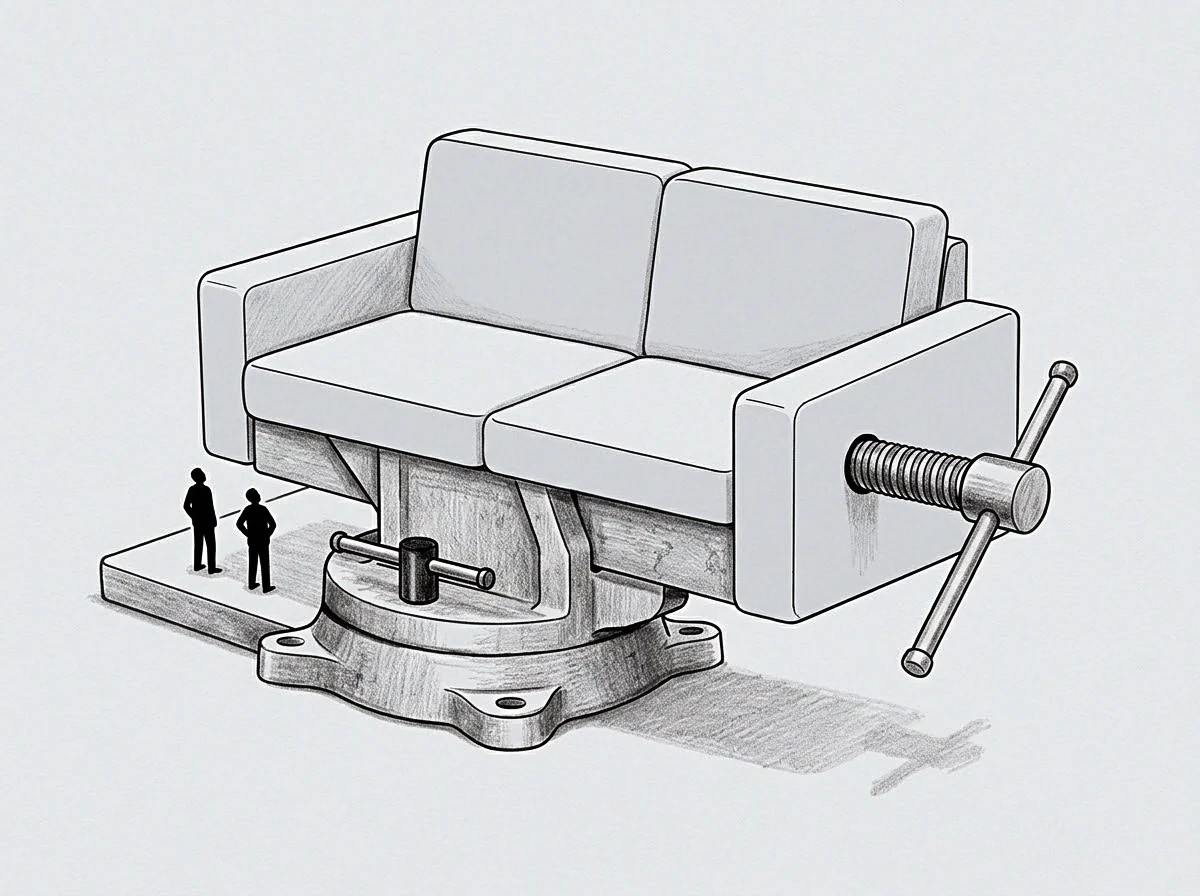
Structural jurisdiction disputes resolve through deterministic time-bounded leases and state-gated write constraints during executive recovery blackouts.

Chronic executive isolation forces continuous prefrontal inhibition of somatic threat without co-regulatory relief, driving severe metabolic depletion.

Solo leadership elevates neural metabolic expenditure because self-regulation lacks the physiological load sharing provided by direct coregulating proximity.

Structural co-regulation boundaries limit endocrine exhaustion in isolated governance roles by enforcing formal access gates and distributing regulatory load.
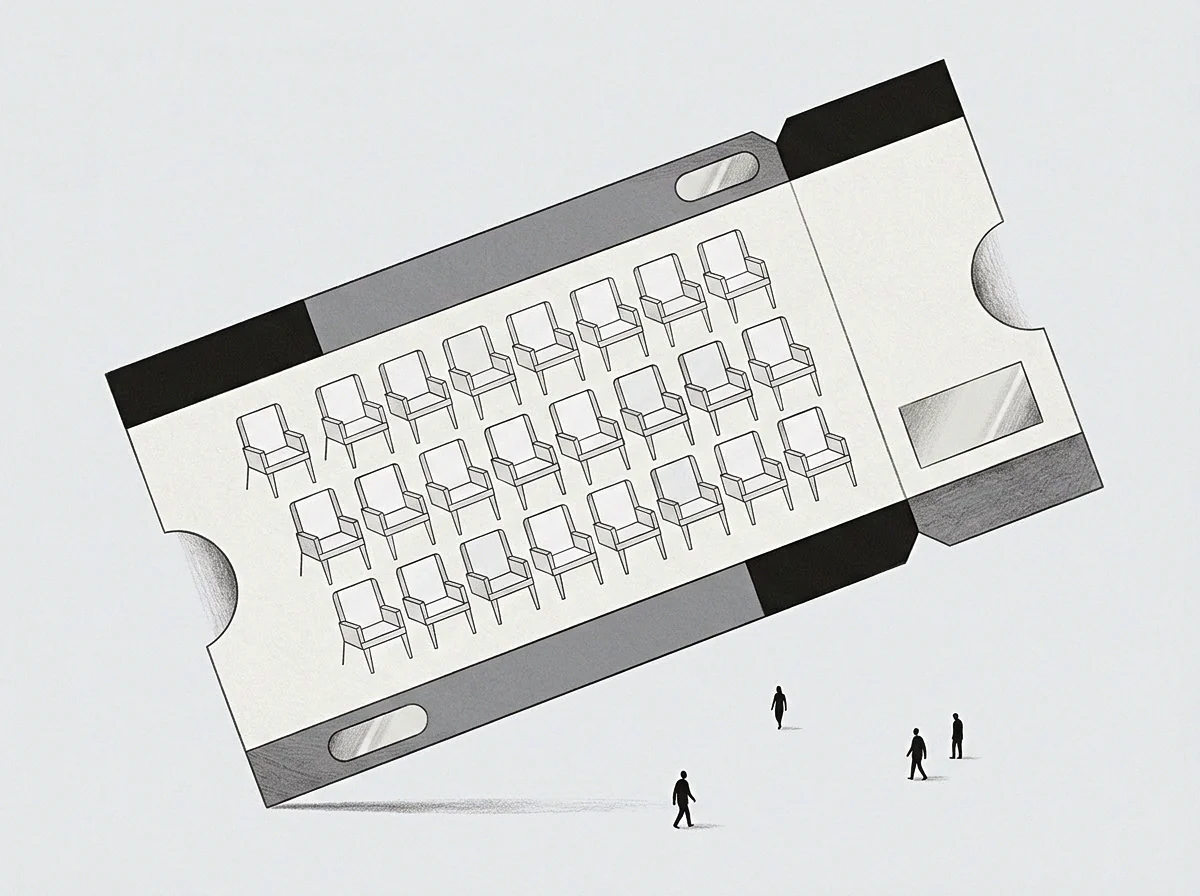
Allostatic load accumulates when unclosed operational loops exceed cognitive concurrency limits, triggering autonomic throttling to protect biological stability.

Physiological stress downregulation reduces volitional capacity to protect neuroendocrine systems under unclosed executive load.

Automated setpoints transfer operational sign-offs to secondary proxies whenever queue latency metrics cross predefined physiological limits.

Chronic operational stress down-regulates relational safety receptors, but structured non-demanding co-regulation systematically restores earned security.

Neuroendocrine throttling downregulates hypothalamic receptors to preserve baseline physiology when operational uncertainty denies the nervous system closure.
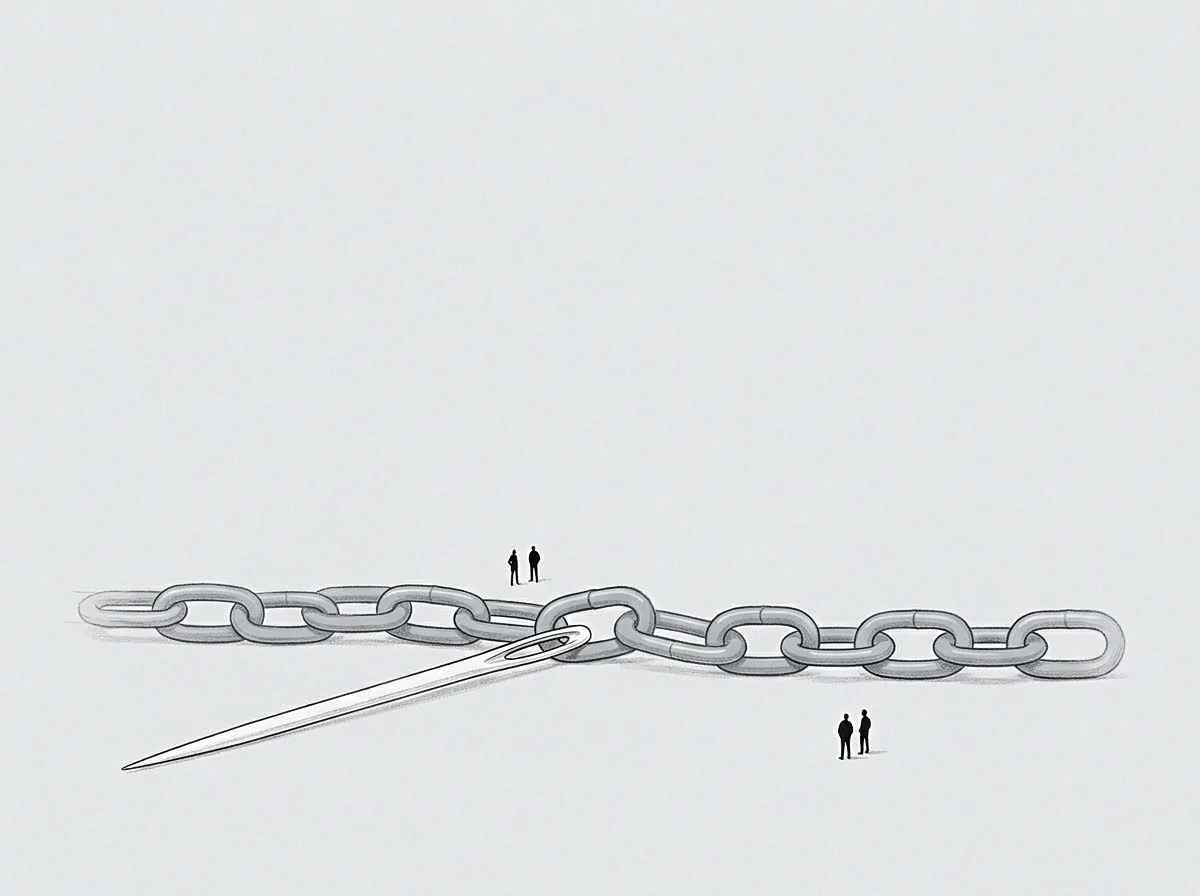
Salivary cortisol awakening curves reveal chronic allostatic wear by tracking whether morning adrenocortical activation surges adaptively or flattens under load.
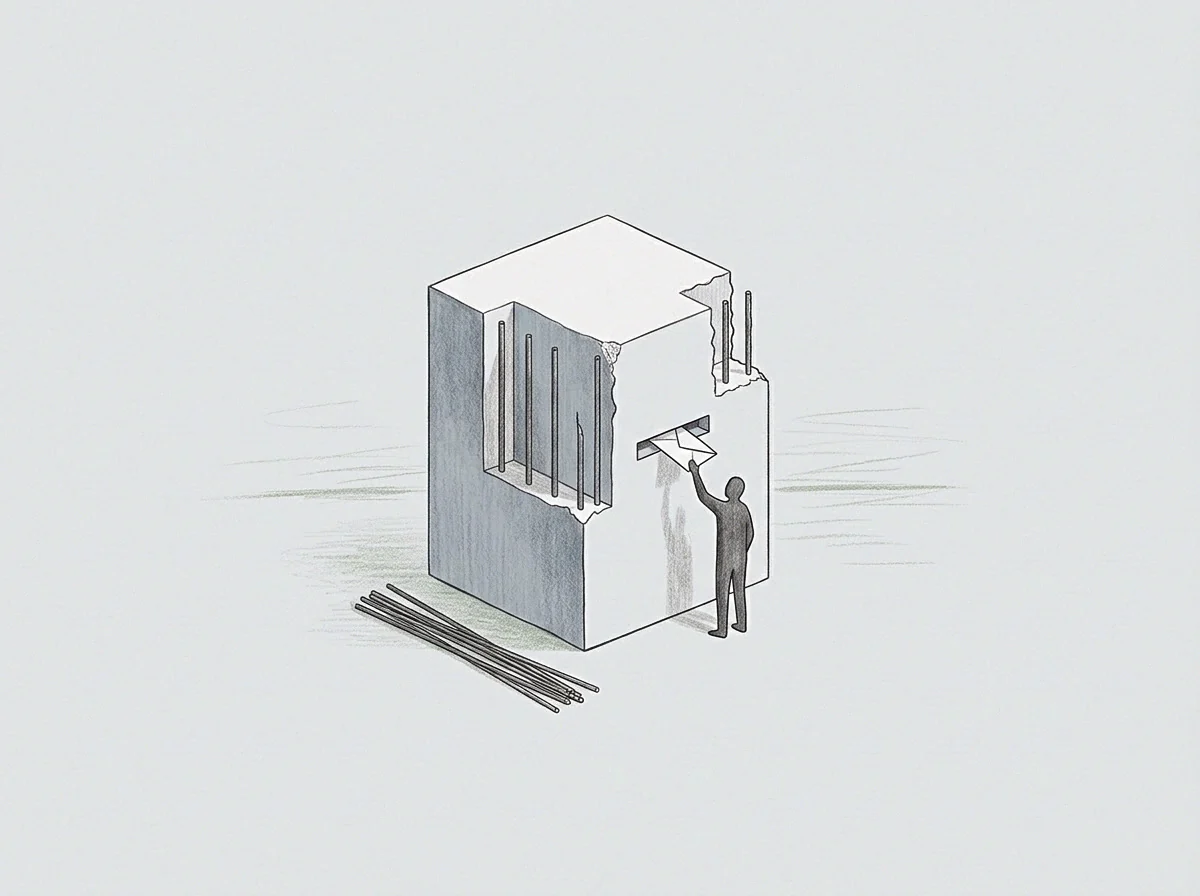
An operational floor trigger automates executive authority suspension during severe physical depletion, replacing subjective judgment with mechanical lockouts.

Coregulation rebuilding requires transitioning from solitary neural budgeting to reciprocal presence that distributes metabolic loads across trusted bodies.

Pre-set governance parameters allocate authority away from depleted executive seats to rested secondary operators before cognitive exhaustion impairs sign-off quality.
Extended operational overload converts social proximity from a regulatory subsidy into an incoming load, requiring repeated safe experience to rebuild baseline capacity.
The terms are written where they belong. Each field holds three desks, and every entry a desk writes raises the terms it uses, each term given a meaning, a mechanism and the places it appears. The record on these pages stays first person and hand made; the fields grow the nomenclature.