

The Energetic Cost Of Carrying Operational Tension Alone
Carrying operational tension without co-regulation elevates baseline threat calculations, forcing the nervous system to spend high metabolic energy on solo risk management.
Carrying operational tension without co-regulation elevates baseline threat calculations, forcing the nervous system to spend high metabolic energy on solo risk management.

Hard operating boundaries protect depleted executive seats by mechanically filtering incoming load through latency buffers and rigid structural terms.

Systemic availability limits are derived directly from explicit governance terms that convert operational pressure into structural resistance.
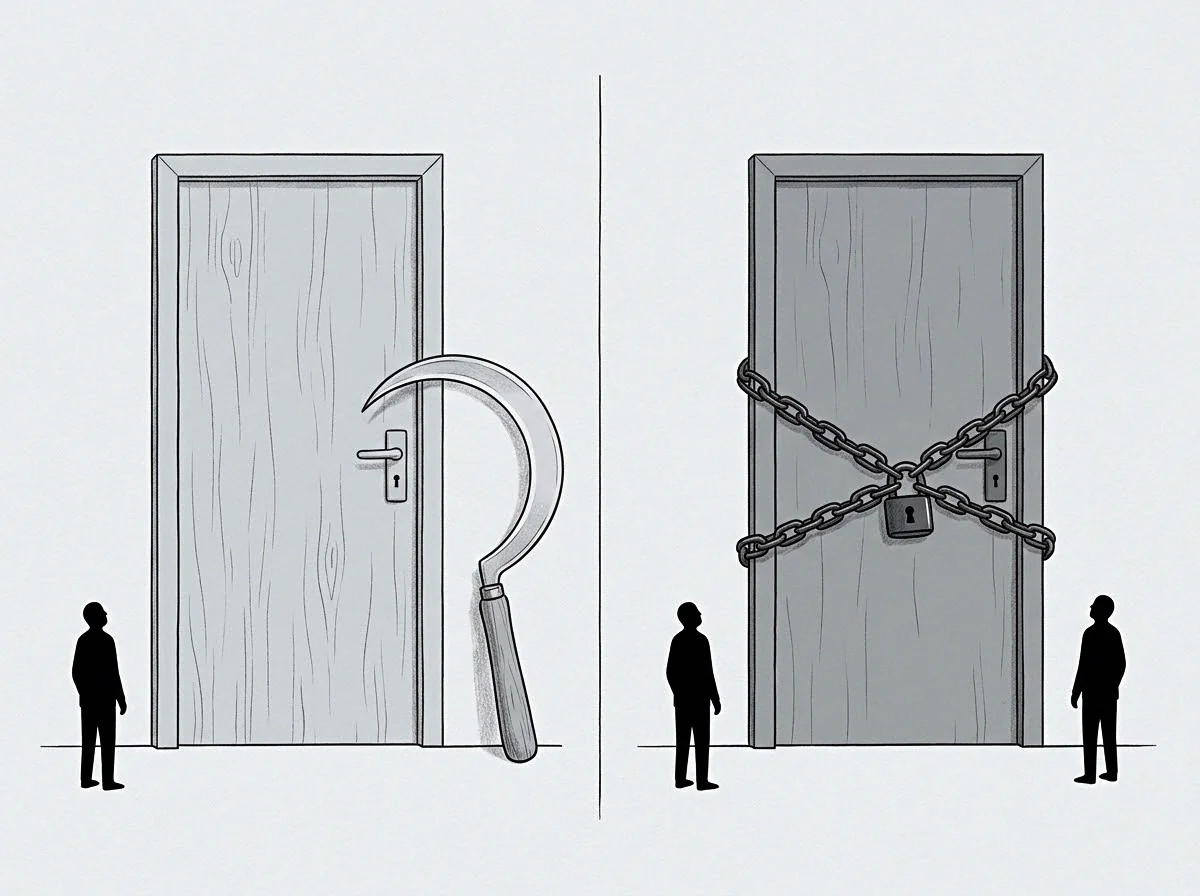
Complex governance contracts consume executive working memory through state monitoring, reducing cognitive headroom available for operational execution.

Stated operational limits transfer cognitive load back to organizational processes by replacing continuous implicit availability with explicit parameters.

Executive working memory slot depletion saturates central processing registers, eliminating cognitive headroom and forcing reactive heuristic triage over strategic modeling.
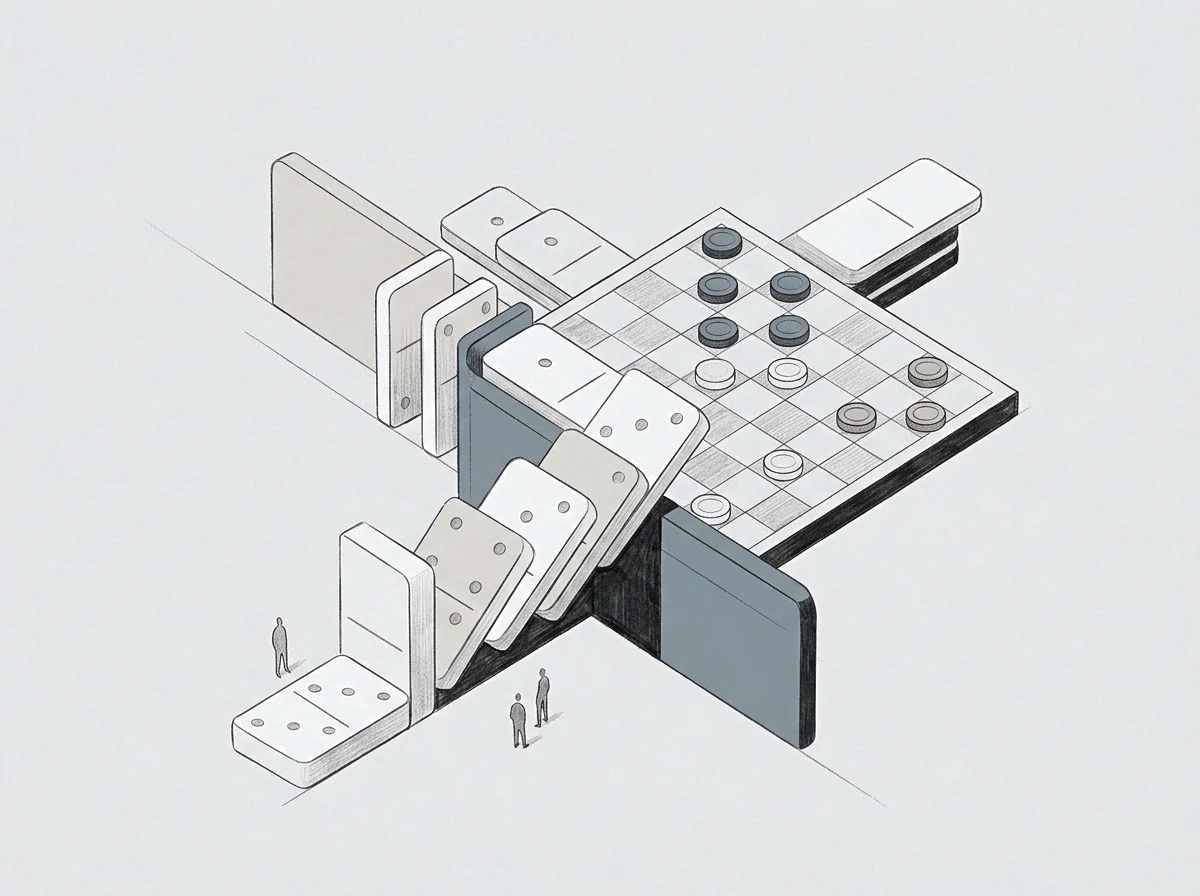
Executive system throttling preserves central processing by selective down-regulation, while major depression reflects general affective and motivational collapse.

Unfunded co-regulation demands consume executive cognitive headroom and raise allostatic load by converting organizational uncertainty into unmeasured physiological wear.
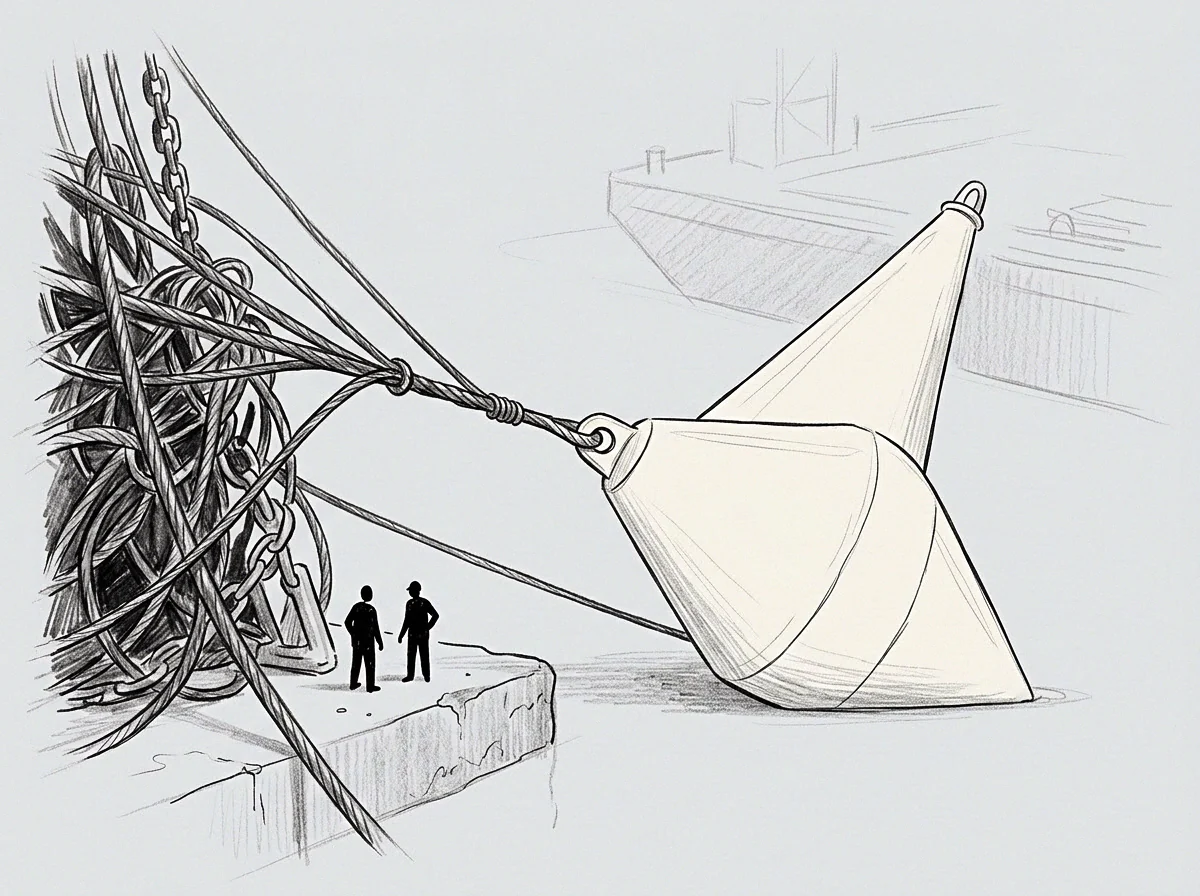
Covert emotional buffering for senior colleagues consumes prefrontal working memory, reducing executive bandwidth required for long range strategic allocation.

Executive throttling intentionally drops open-ended tasks under peak allostatic load while clinical affective stalling represents generalized regulatory collapse.

Early exploration decay in isolation resolves by enforcing physical boundaries and phased non-intervention checkpoints that bound conceptual drift.

Filtering operational pings through explicit quantitative thresholds preserves executive cognitive headroom while maintaining immediate enterprise visibility.

Centralized leadership stress triggers autonomic governor throttling, which downregulates executive processing capacity to preserve physiological homeostasis.

Chronic environmental threat shifts the cortisol awakening response from acute hyper-reactive surges to hypocortisolemic blunting through receptor desensitization.
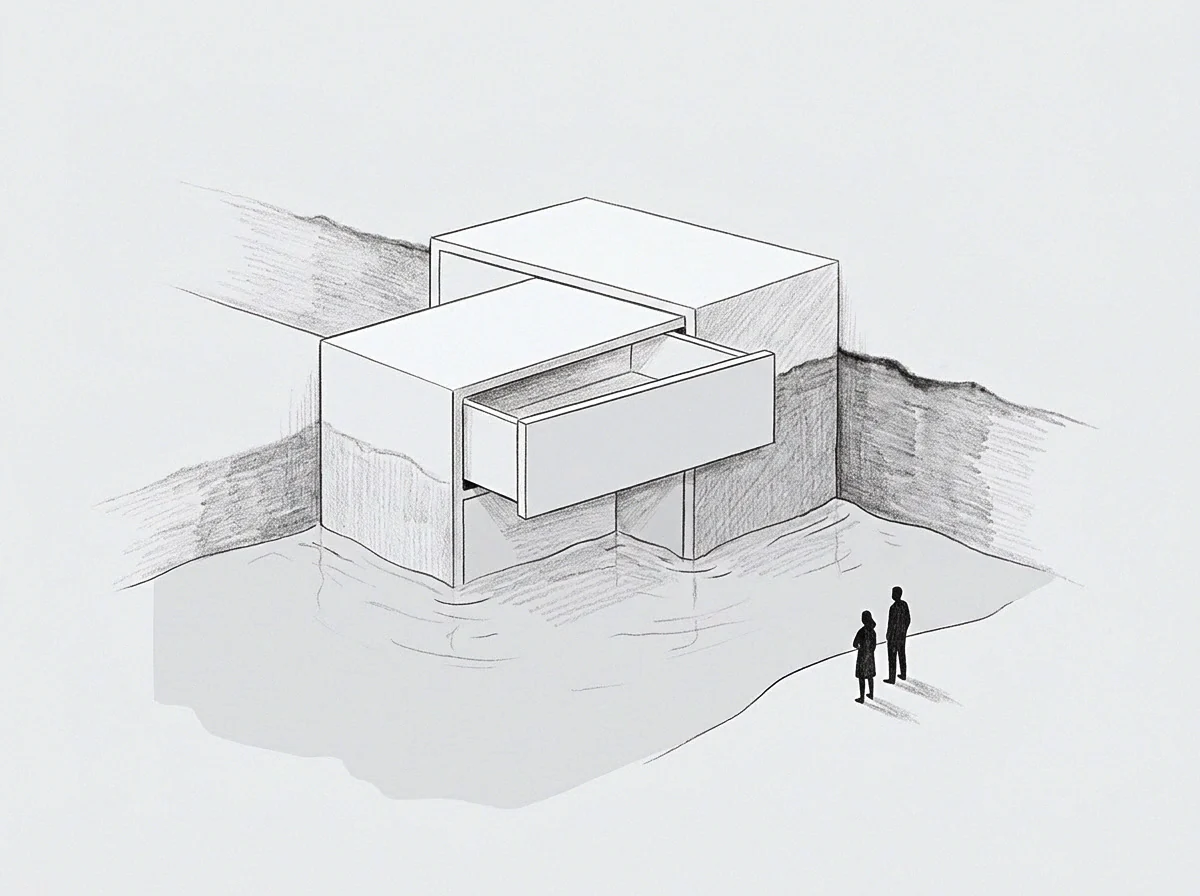
Extended high-stakes load downregulates central glucocorticoid receptor sensitivity, flattening cortisol rhythms and reducing executive processing headroom.

Baseline system capacity is determined by enforcing fixed operational constraints that cap concurrent work and expose true steady-state throughput.

Codified decision thresholds protect leadership capacity by converting real-time discretionary approvals into automated, rule-based operational setpoints.
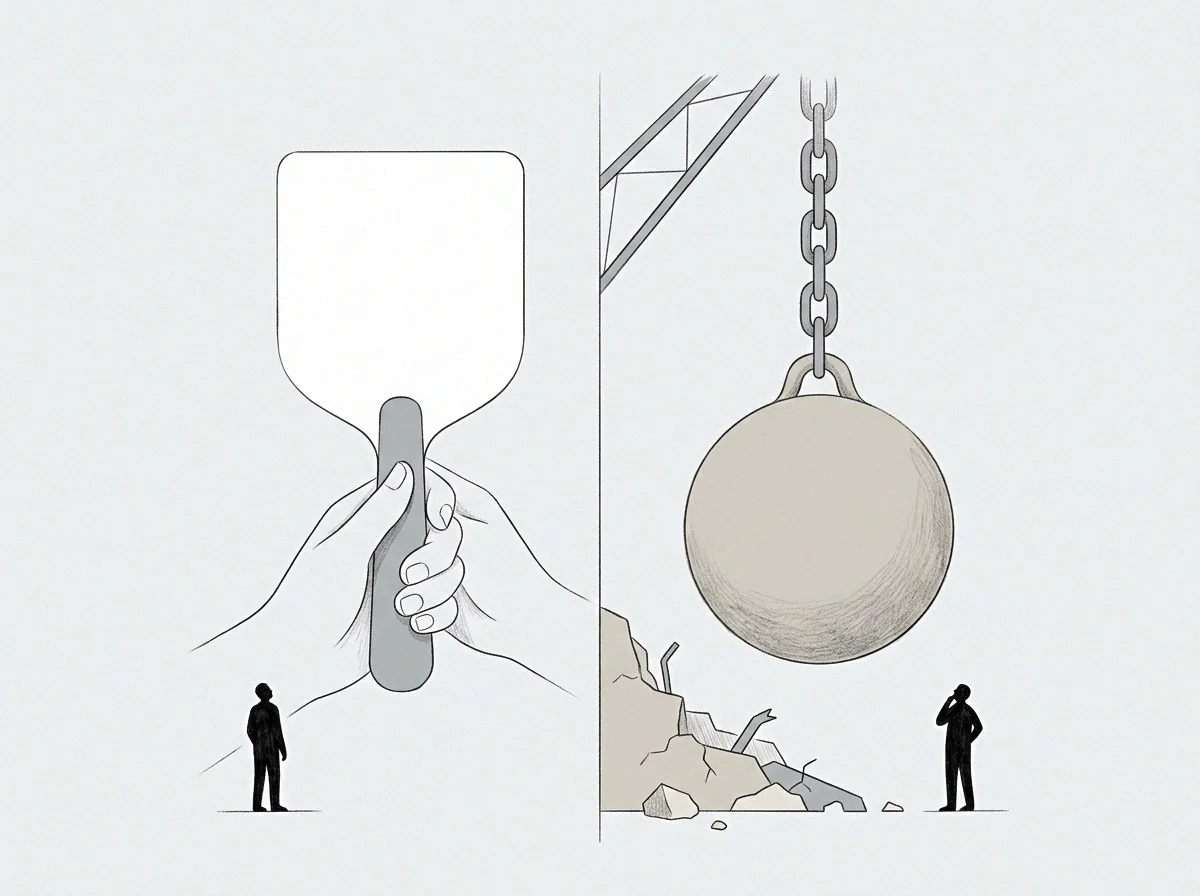
Early stage leadership capacity is preserved by establishing formal structural conduits that eliminate unbudgeted organizational distress absorption.

Covert interpersonal buffering consumes prefrontal working memory by running continuous regulatory background processes, severely depleting cognitive headroom.

Executive autonomic dysregulation degrades prefrontal risk processing, forcing capital allocation away from objective underwriting toward defensive, loop-closing threat avoidance.

Internal working models update only when unhedged, symmetrical operational risk forces the brain to abandon expectations of solitary threat absorption.

Operational concurrency limits trigger protective task throttling, whereas clinical major depressive episodes reflect a systemic breakdown of affective regulation.

Isolated nervous system regulation forces the brain to spend extra metabolic energy on self-soothing, accelerating physiological wear under operational load.

Capacity limits derive directly from explicit operational terms that convert human endurance bounds into objective organizational walls.
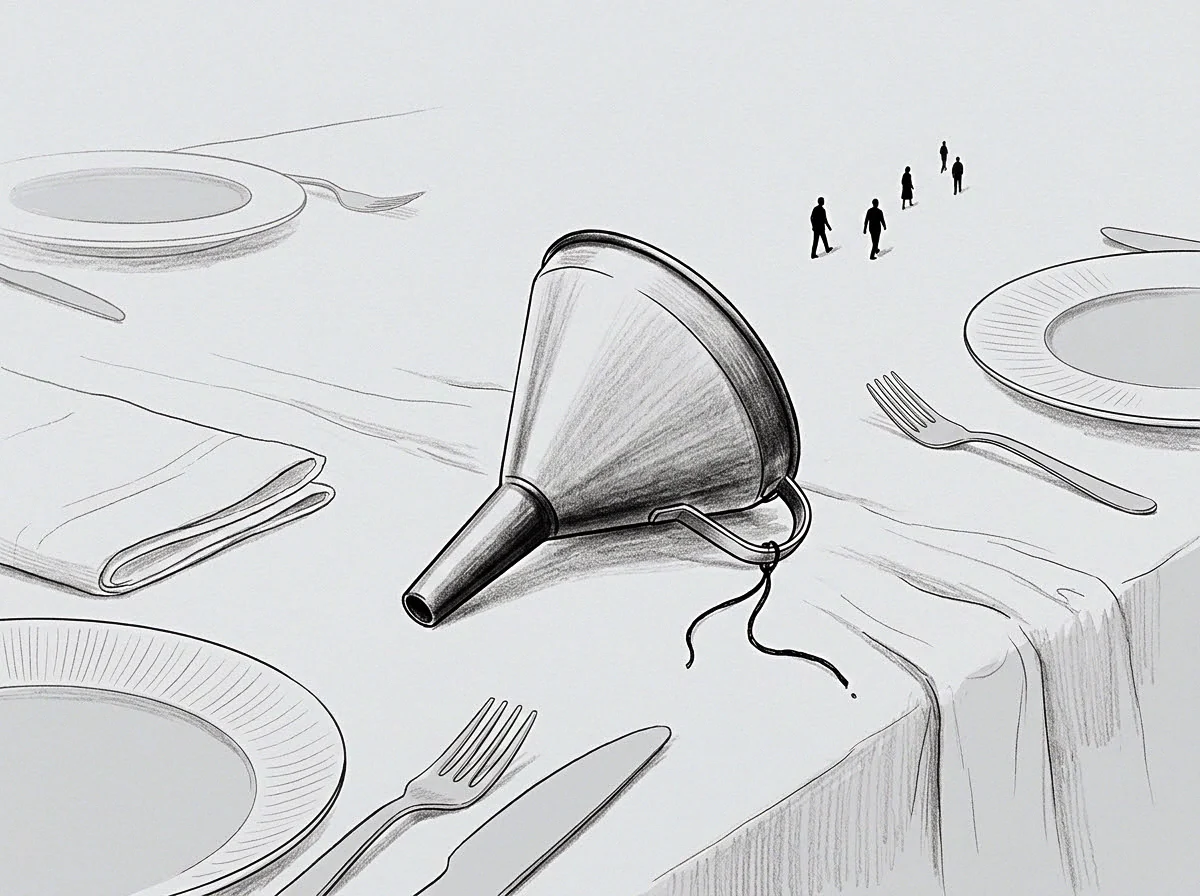
Executive decision filtering transfers operational load from central leadership to structural rules by defining explicit authority thresholds during expansion.
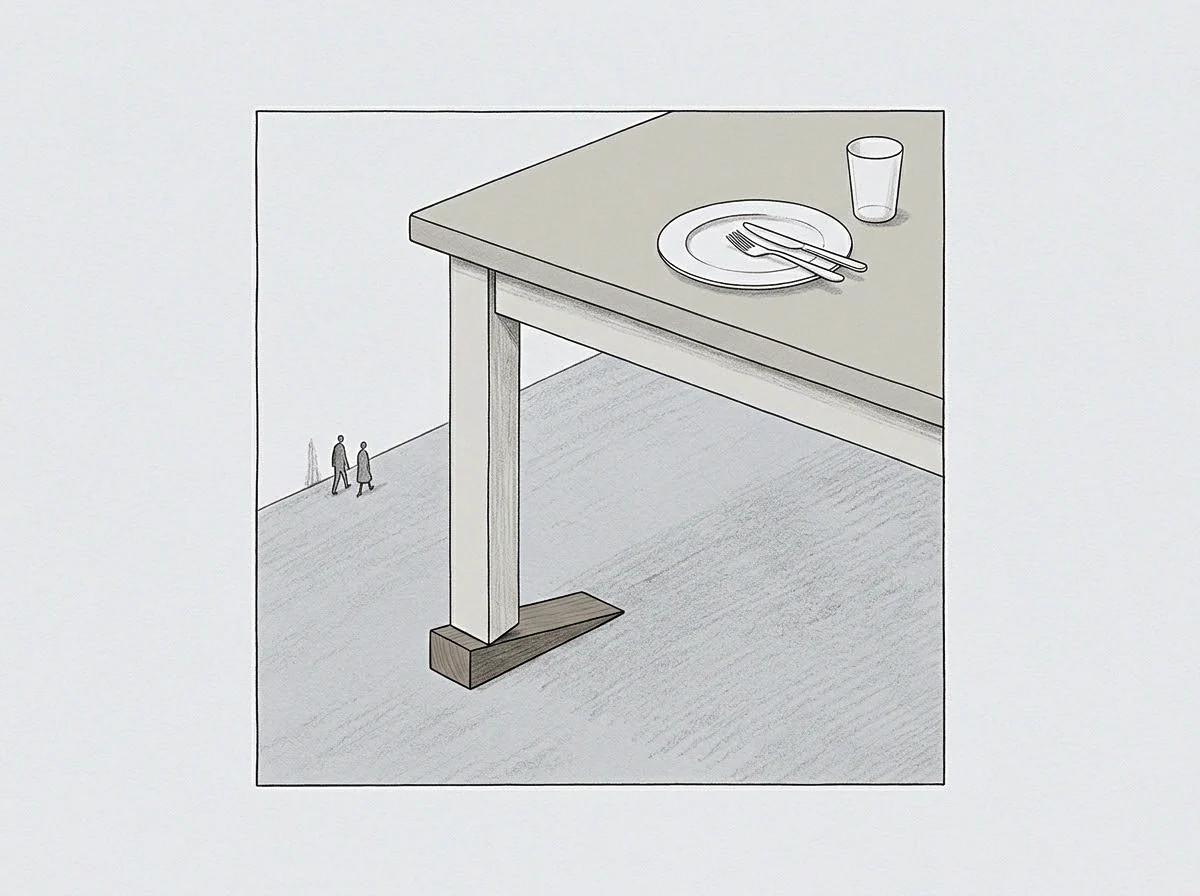
Unclosed operational loops consume executive cognitive headroom by occupying working memory slots until explicitly bounded by scope, dates, and terms.

Flattened diurnal cortisol curves reflect chronic endocrine adaptation that degrades prefrontal cortex working memory headroom and executive control.

Throttling executive intake requires inserting structured asynchronous templates and deliberate latency to force operational synthesis back onto the sender.
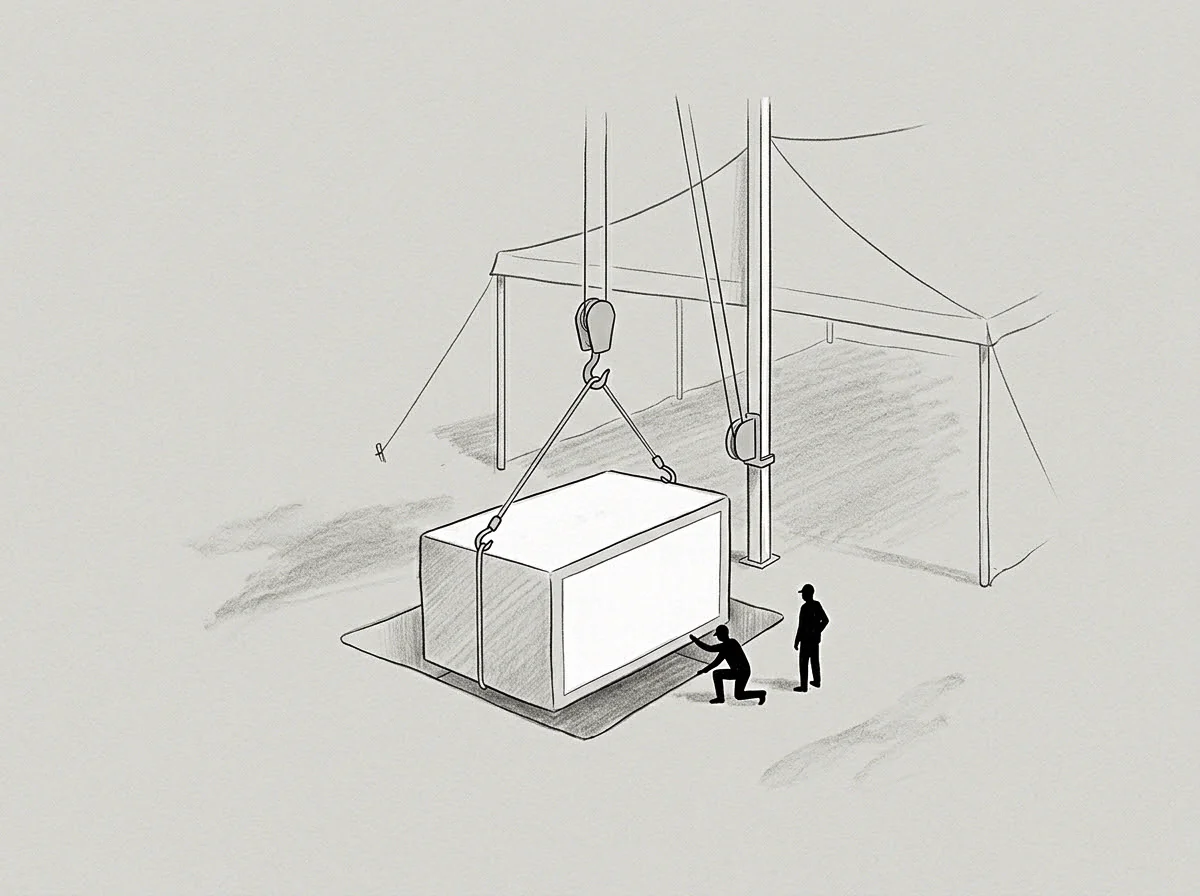
Chronic regulatory load forces physiological throttling to preserve baseline execution, misread as failing commitment when open channels exceed working capacity.
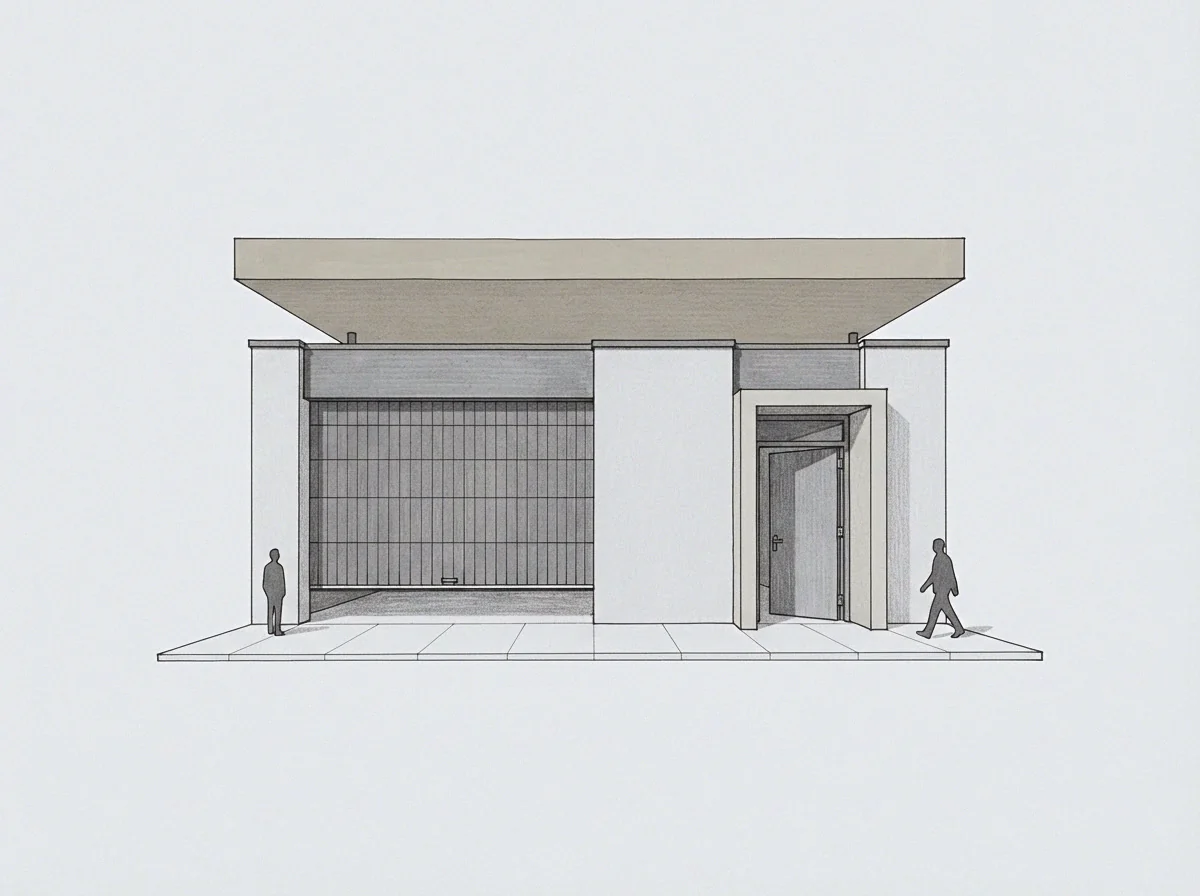
Setting structural intake limits caps concurrent open cognitive threads, preventing elevated allostatic load and maintaining executive strategic capacity.
The terms are written where they belong. Each field holds three desks, and every entry a desk writes raises the terms it uses, each term given a meaning, a mechanism and the places it appears. The record on these pages stays first person and hand made; the fields grow the nomenclature.