

The Physiological Cost Of Self Regulation Without Social Proximity
Solitary self-regulation forces the prefrontal cortex to fund threat mitigation from internal metabolic stores without the energy savings of physical proximity.
Solitary self-regulation forces the prefrontal cortex to fund threat mitigation from internal metabolic stores without the energy savings of physical proximity.

Unilateral relational regulation exhausts prefrontal metabolic reserves, inducing allostatic overload when executive support lacks bioenergetic reciprocity.

Autonomic threat detection operates milliseconds faster than cortical insight, requiring repeated visceral co-regulation under pressure to rewire somatic function.
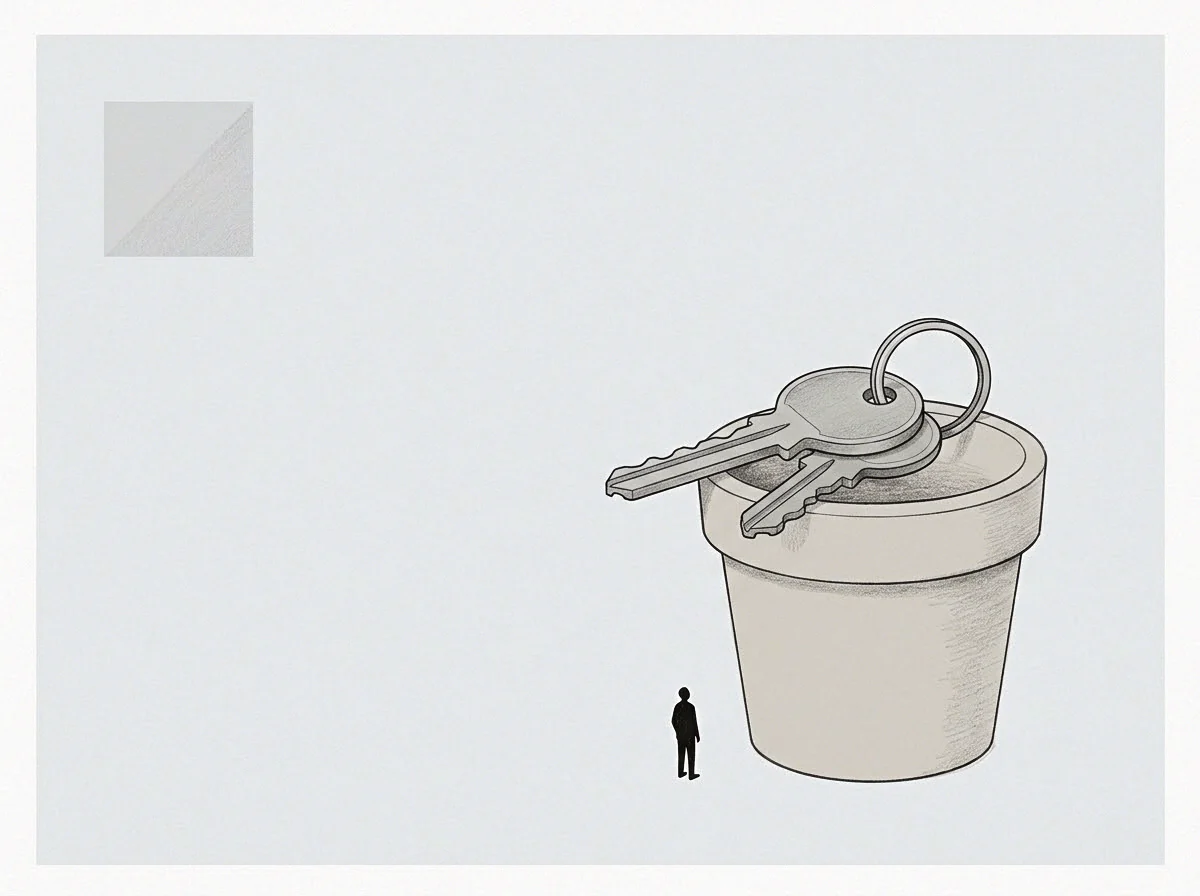
Solitary building shifts the neural baseline from low-energy social buffering to expensive independent hypervigilance, accumulating unsustainable allostatic load.

Allostatic load accumulates when an individual acts as an unbuffered regulatory dampener for surrounding anxiety, exhausting personal biological reserves.

Severe physiological depletion shifts neural threat processing to solitary self-regulation, forcing acquired relational models to collapse into habitual operational templates.

Executive working memory slot depletion saturates central processing registers, eliminating cognitive headroom and forcing reactive heuristic triage over strategic modeling.

Neural residue accumulates across concurrent unclosed tasks, saturating working memory capacity and forcing peripheral telemetry shedding in human operators.

Decoupling executive function from desensitized receptors shifts operational control from neuroendocrine arousal to external substrates and mechanical protocols.
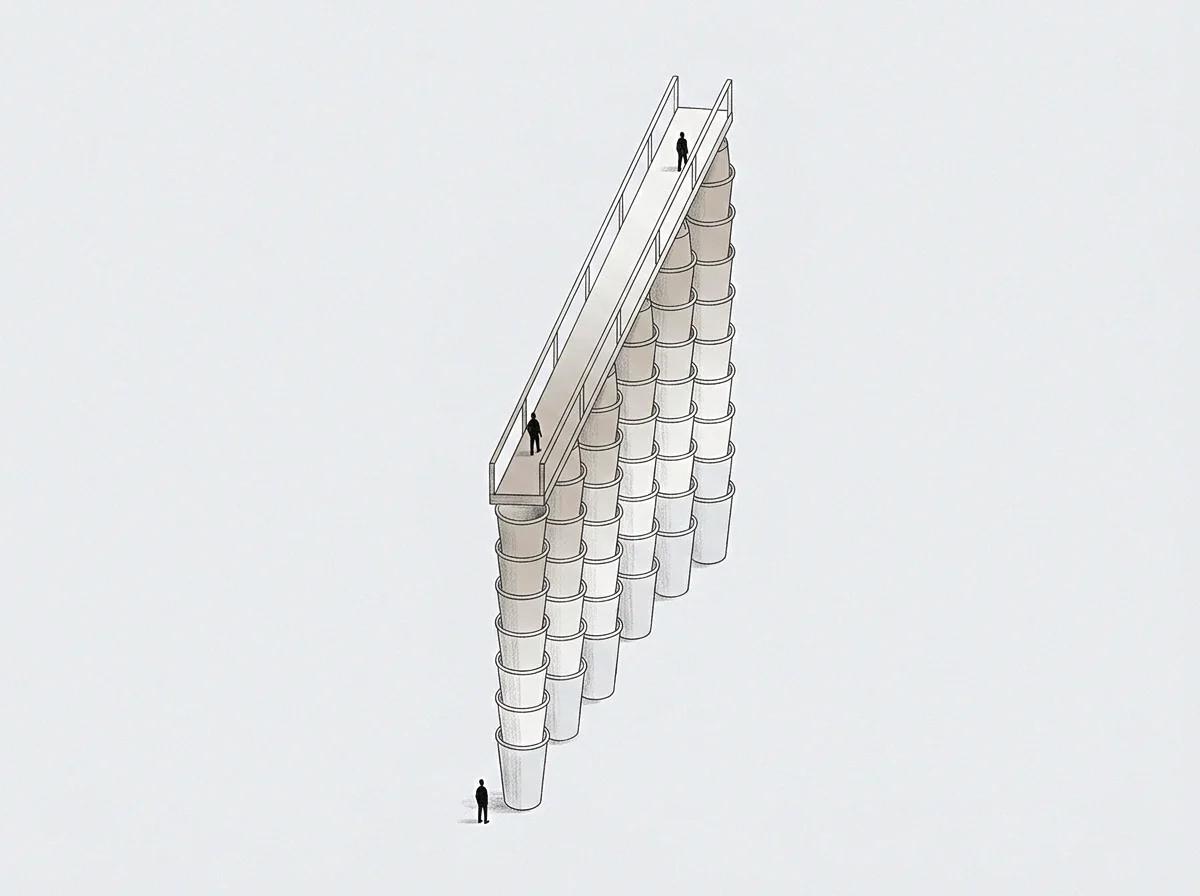
Operational panic concentrates into the calmest executive present whose nervous system absorbs the metabolic cost of stabilizing the entire leadership circle.

Structural governance boundaries preserve executive working memory by restricting incoming operational escalations to codified, rule-governed thresholds.

Cognitive concurrency caps represent structural processing limits under ungated operational load, whereas clinical anhedonia stems from neural reward pathway impairment.

Unreciprocated social baseline regulation forces a leader's brain to expend continuous metabolic energy on top-down inhibition, raising allostatic load.

Continuous real time control saturates prefrontal glycogen reserves, forcing a transition from deliberate executive regulation to reflexive striatal heuristics.

Parametric delegation architectures offload executive function to external artifacts, eliminating continuous verification during allostatic overload.

Leaving enterprise management triggers a delayed vagal tone rebound as the nervous system processes the reduction of ungated open loops.

Senior leadership restores metabolic headroom by converting open cognitive loops into term-gated units and enforcing strict concurrency limits.

Organizational delegation thresholds must align with biological working memory limits of four chunks to prevent executive bottlenecks and cognitive collapse.

Prefrontal exhaustion reduces central executive capacity, requiring deterministic external gates and explicit concurrency limits to maintain regulatory headroom.
Prolonged solitary responsibility forces the brain to budget regulation without social damping, locking neural circuits into autonomous threat appraisal.

Extended heart rate variability latency suppresses executive capacity by delaying parasympathetic reactivation and starving prefrontal networks of control.
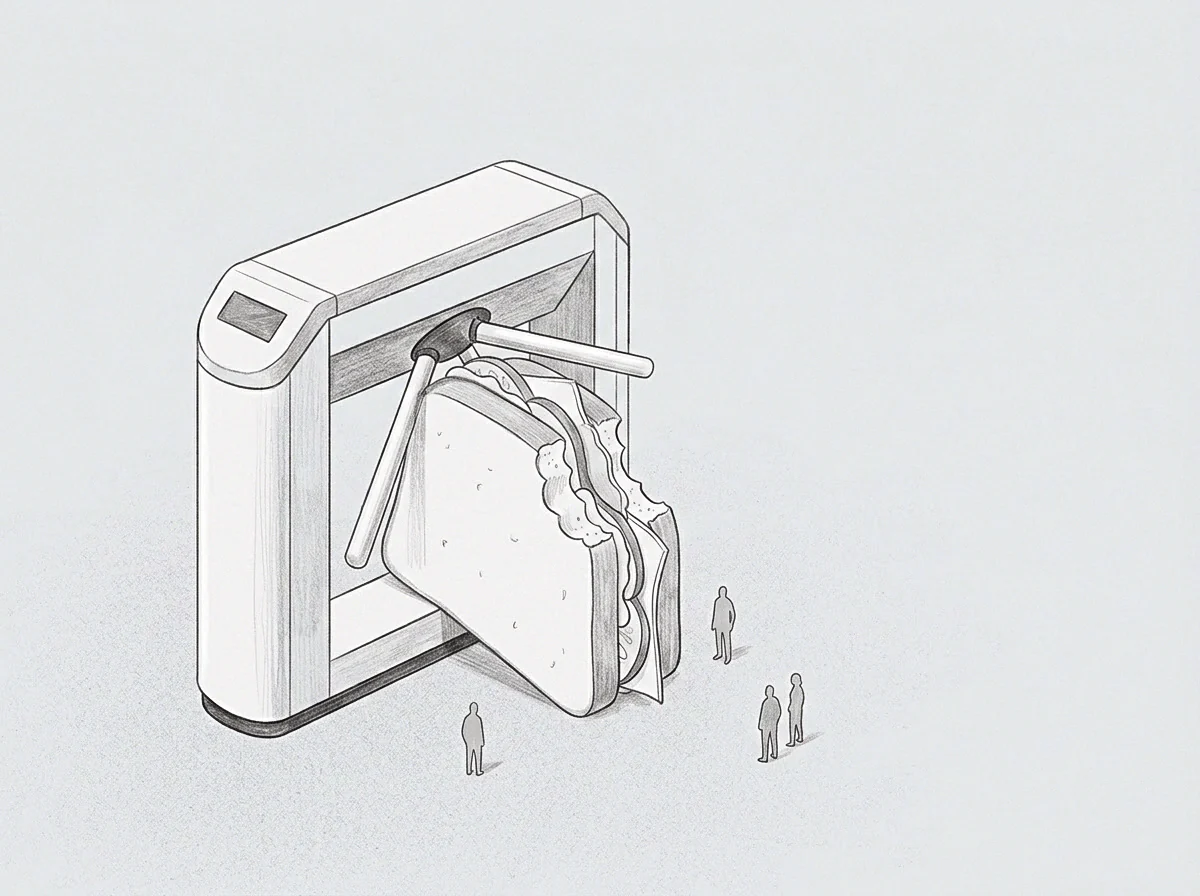
Structural thread gating eliminates continuous autonomic vigilance from open cognitive loops, lowering peripheral vascular resistance to reverse allostatic load.

Structured concurrency limits cognitive load in executives by capping simultaneous open loops, preventing prefrontal depletion and chronic allostatic wear.

Executive biological strain sets the physical limit on capital deployment speed, converting unmonitored stress into misallocated corporate treasury funds.

Solitary leadership forces the brain to budget survival alone, driving sustained neuroendocrine elevation that depletes tissue until systemic buffers exist.

Allostatic overload triggers executive cognitive throttling when unconstrained operational concurrency exceeds biological working memory thresholds.

Executive attention in scaling firms hits absolute biological limits when unstructured incoming operational signals exceed working memory processing capacity.
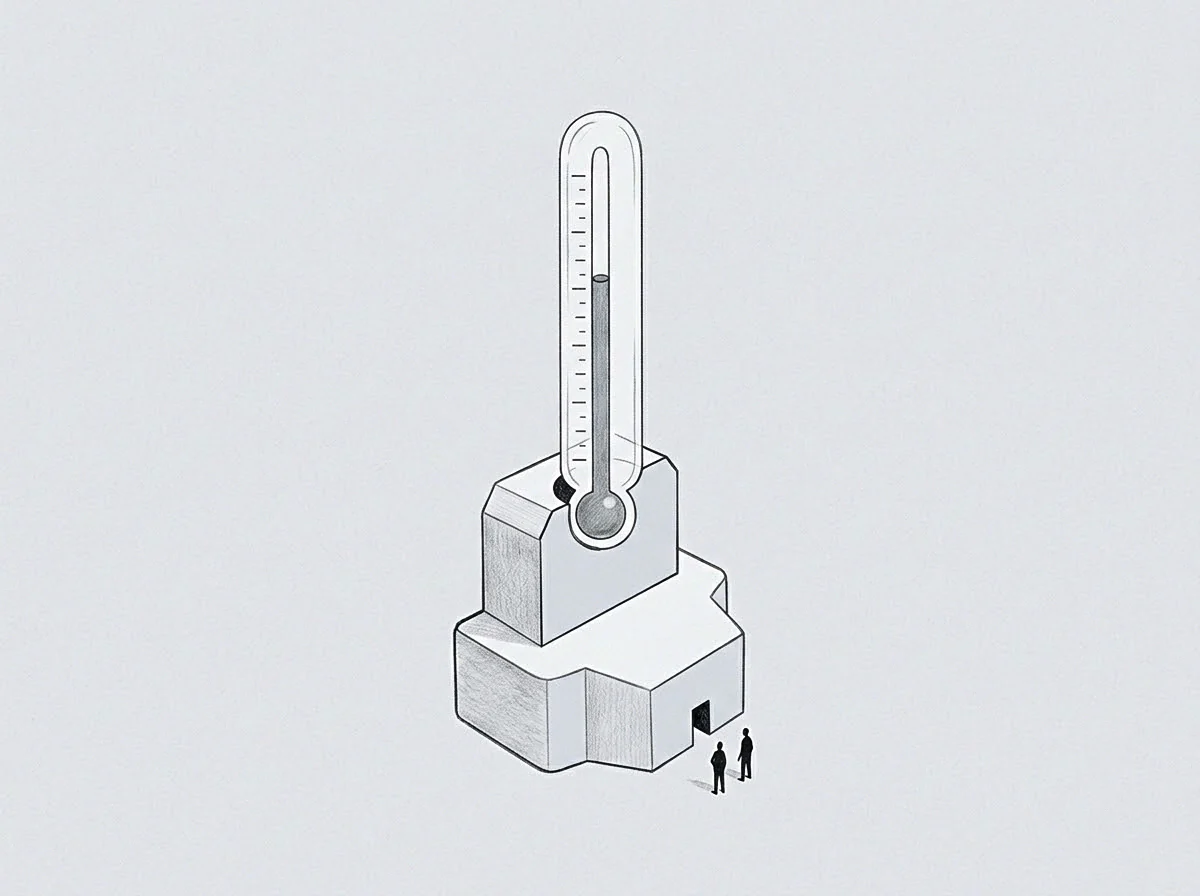
Prefrontal neuroendocrine recovery requires months of structured low-stimulus operations to restore diurnal cortisol slopes and working memory capacity.

Repeated enforcement of mechanical external limits stops organizational metabolic extraction and builds earned security by updating the executive attachment model.
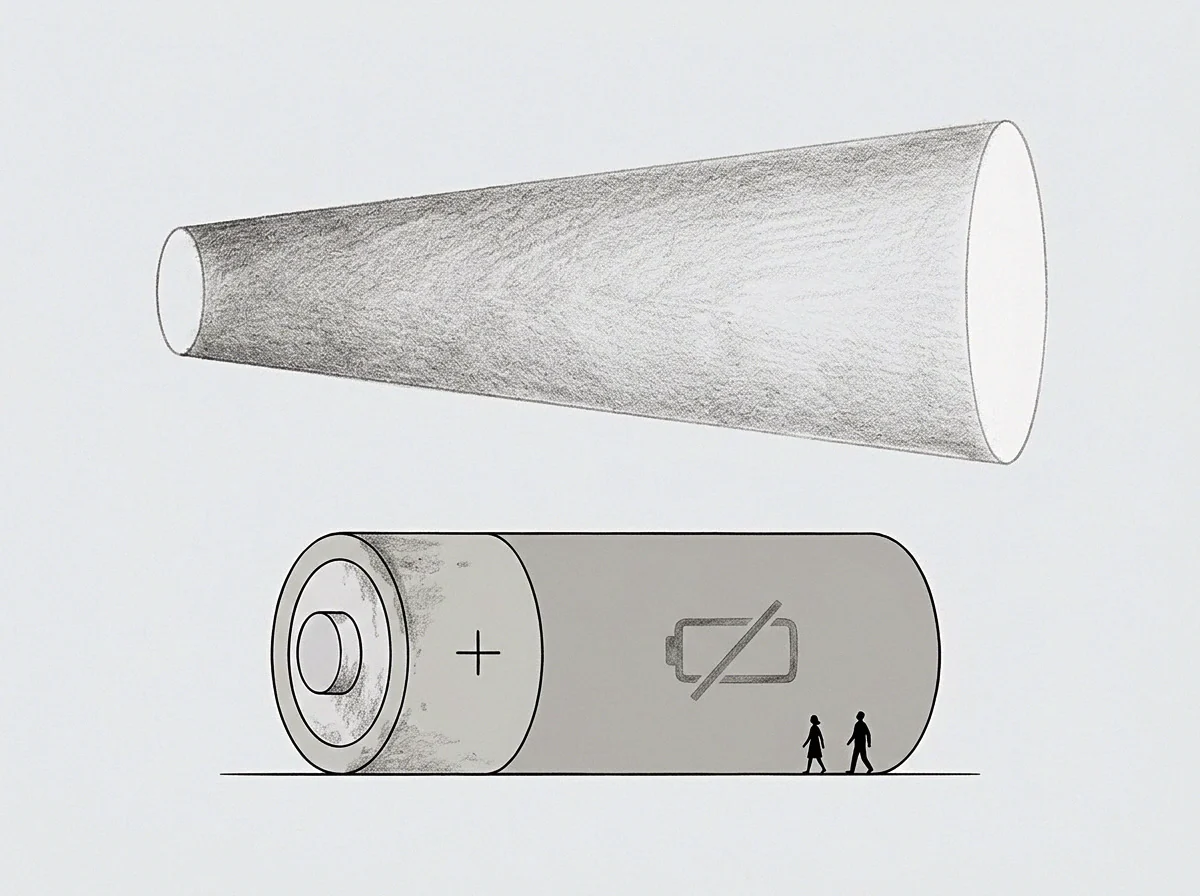
Chronic neuroendocrine saturation uncouples prefrontal networks, reducing working memory capacity and forcing operational triage into subcortical reaction.
The terms are written where they belong. Each field holds three desks, and every entry a desk writes raises the terms it uses, each term given a meaning, a mechanism and the places it appears. The record on these pages stays first person and hand made; the fields grow the nomenclature.