Meaning
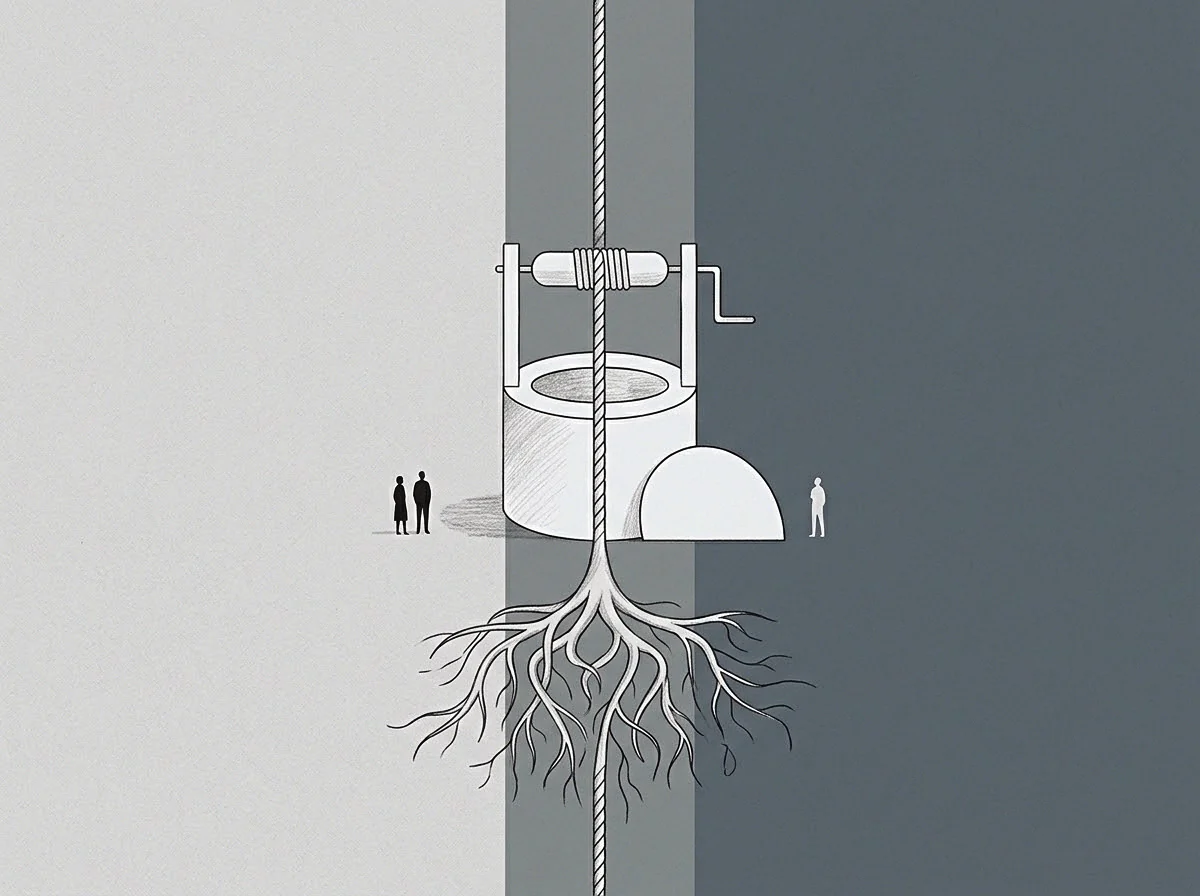
Physical nearness functions as a baseline for the transfer of cognitive load between co-founders within an operating environment. Proximity modulates the latency of communication and the accuracy of implicit coordination during high-stress periods. This variable determines how much energy a founder spends on manual status updates compared to environmental observation.
Co-regulation Mechanism
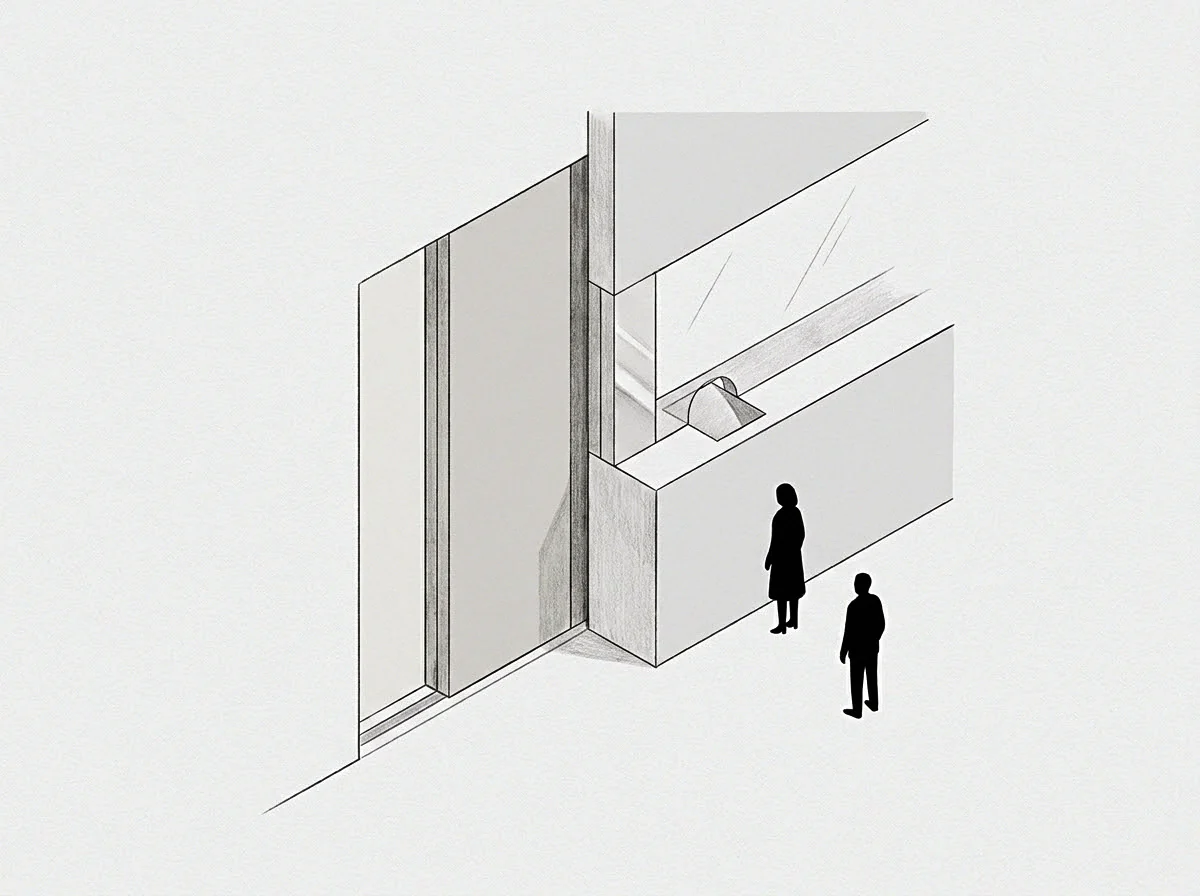
Sensory feedback loops shorten when individuals occupy the same workstation or office. A founder detects subtle cues in speech and posture that would remain invisible through digital interfaces. Such input reduces the hours required to sync on operational priorities.
High local density forces constant signal reception. Low density preserves cognitive capacity by creating a buffer against involuntary interaction.
Attention Cost
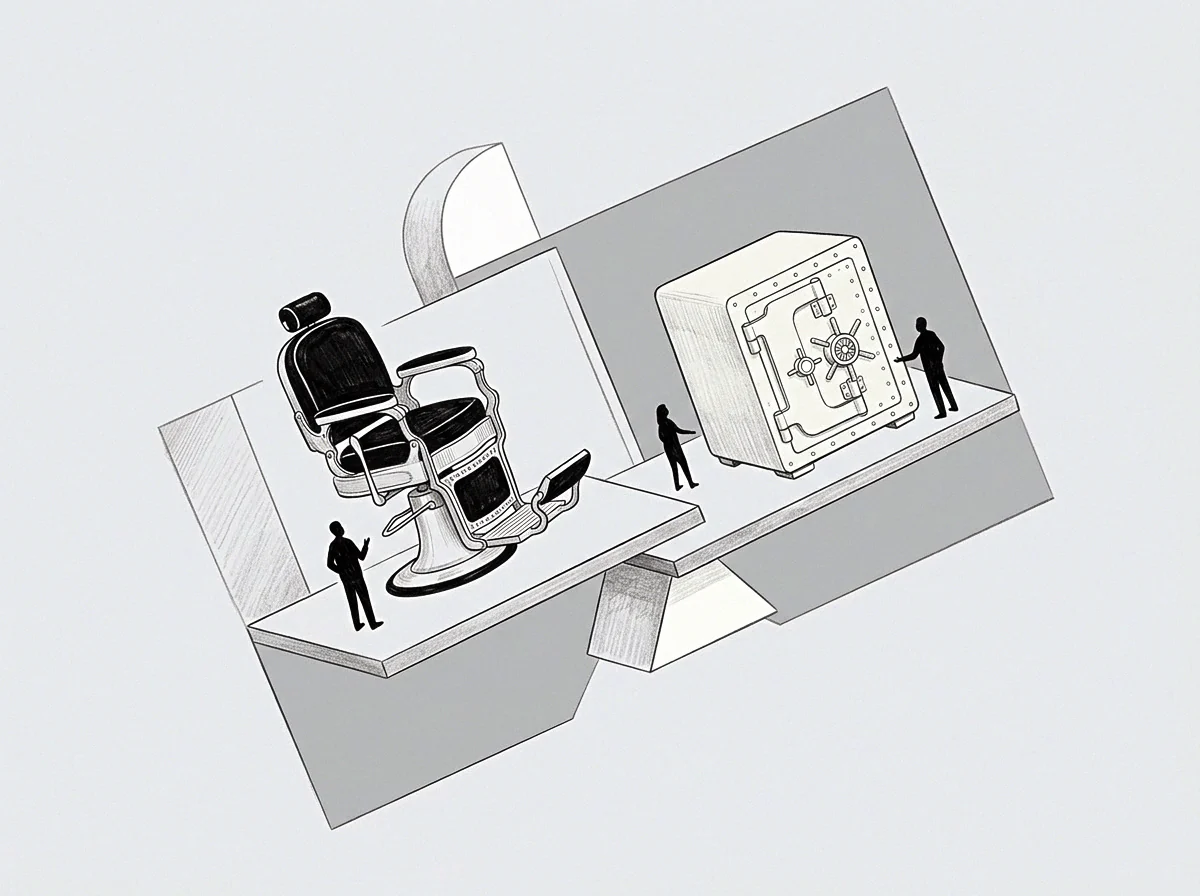
Fixed spatial arrangements demand specific levels of sustained awareness. A founder positioned near a partner processes ambient noise as potential data. This constant filtering subtracts from the energy available for deep analytical tasks.
High interaction frequency consumes capacity even when the content of the communication remains minimal. Distance prevents the automatic uptake of environmental signals.
Regulation Boundary
Formalized communication protocols override the influence of spatial positioning during remote collaboration. Teams establish synthetic channels to replicate the flow of data found in dense office settings. These tools introduce a new overhead in the form of notification management.
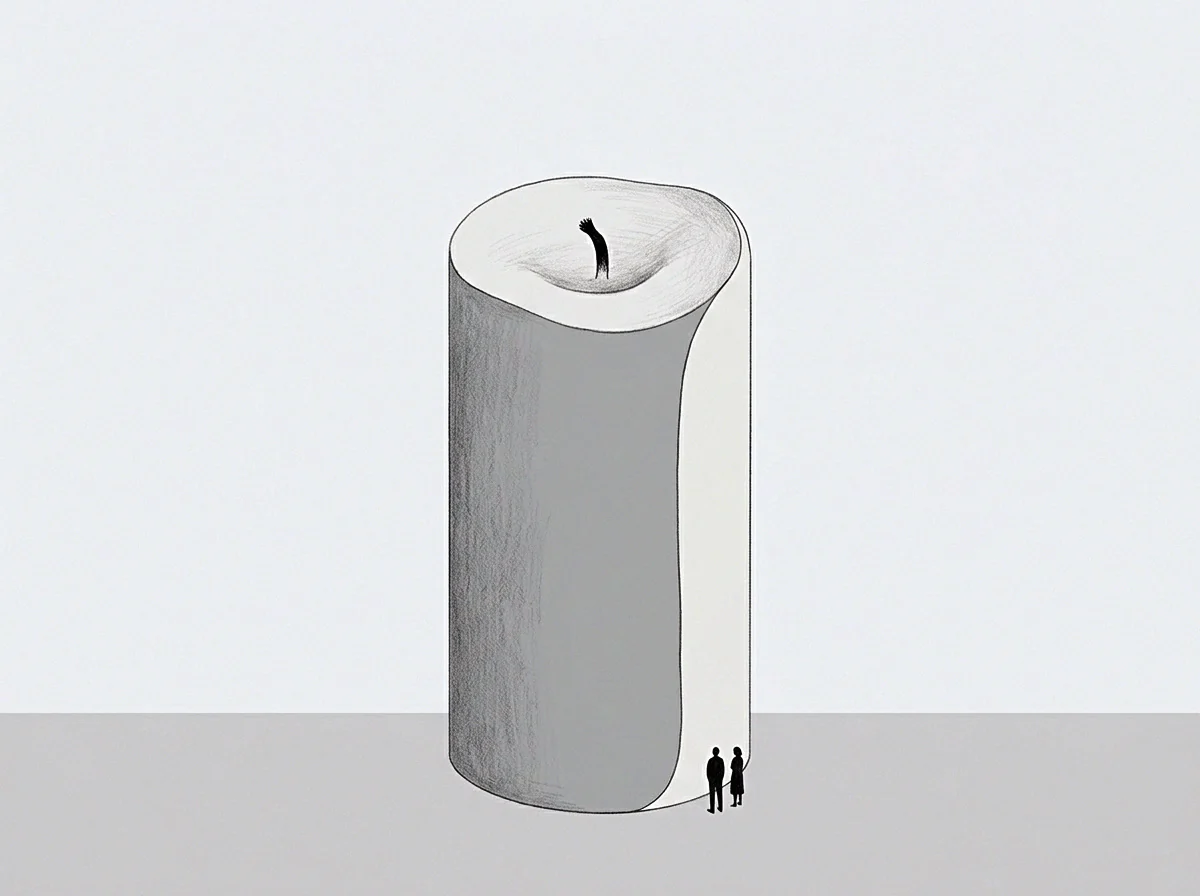
The limit of such systems appears when the technical latency exceeds the window for effective joint decision making. Structural distance necessitates the deliberate externalization of intent to maintain operational alignment.