
The Brain Budgets Regulation As If A Reliable Other Is Present
The human brain budgets threat and regulation assuming a reliable other is present, making solitary self-regulation the body's most expensive metabolic mode.
The human brain budgets threat and regulation assuming a reliable other is present, making solitary self-regulation the body's most expensive metabolic mode.

Unilateral relational regulation exhausts prefrontal metabolic reserves, inducing allostatic overload when executive support lacks bioenergetic reciprocity.
Extended solo building forces the nervous system into high-cost solo regulation, requiring repeated sensory proximity to rebuild capacity for co-regulation.
Extended solitary operation shifts the neural baseline, converting human proximity from a metabolic discount into an energetic cognitive tax.
High sustained work load delays parasympathetic recovery upon entering home environments, converting domestic proximity into acute sympathetic expense.
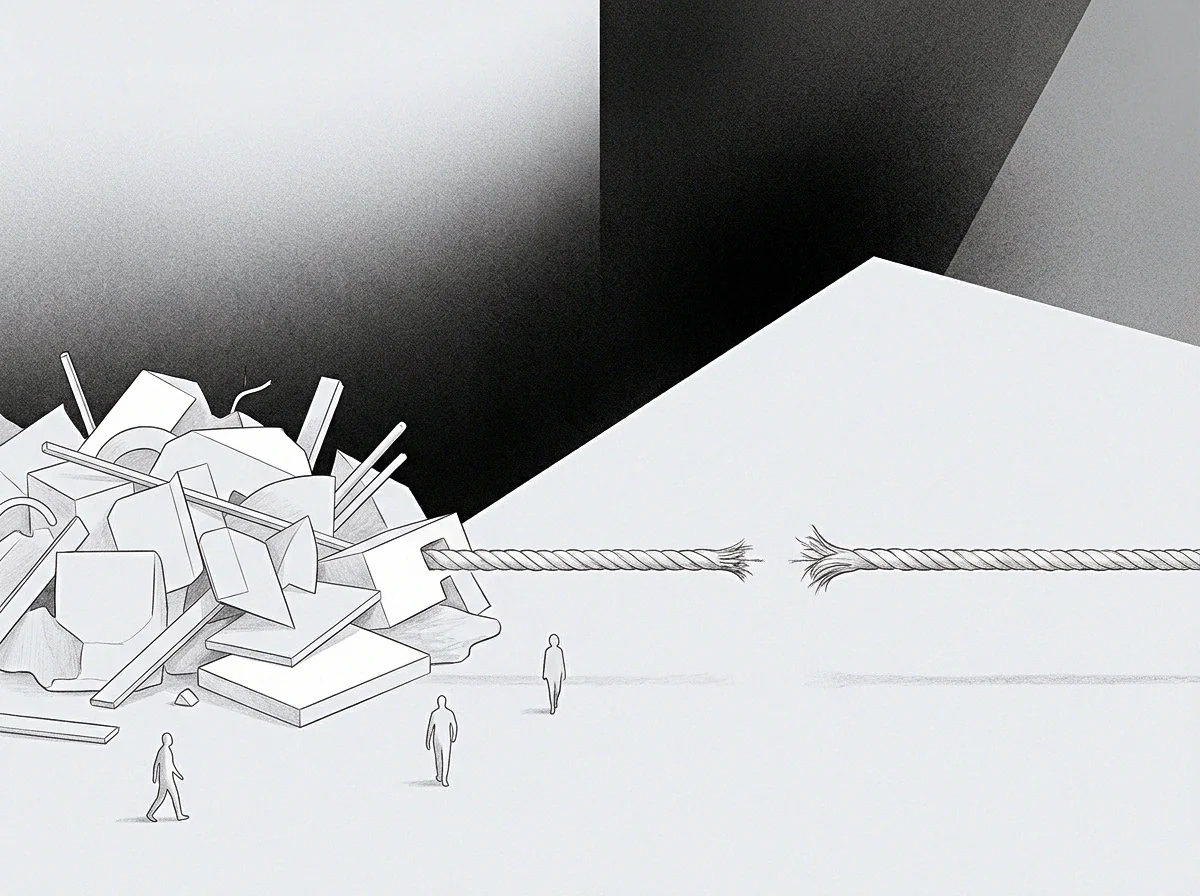
Solitary leadership forces the nervous system to fund regulation through solo metabolic expense, requiring repeated low-stakes proximity to rebuild vagal tone.
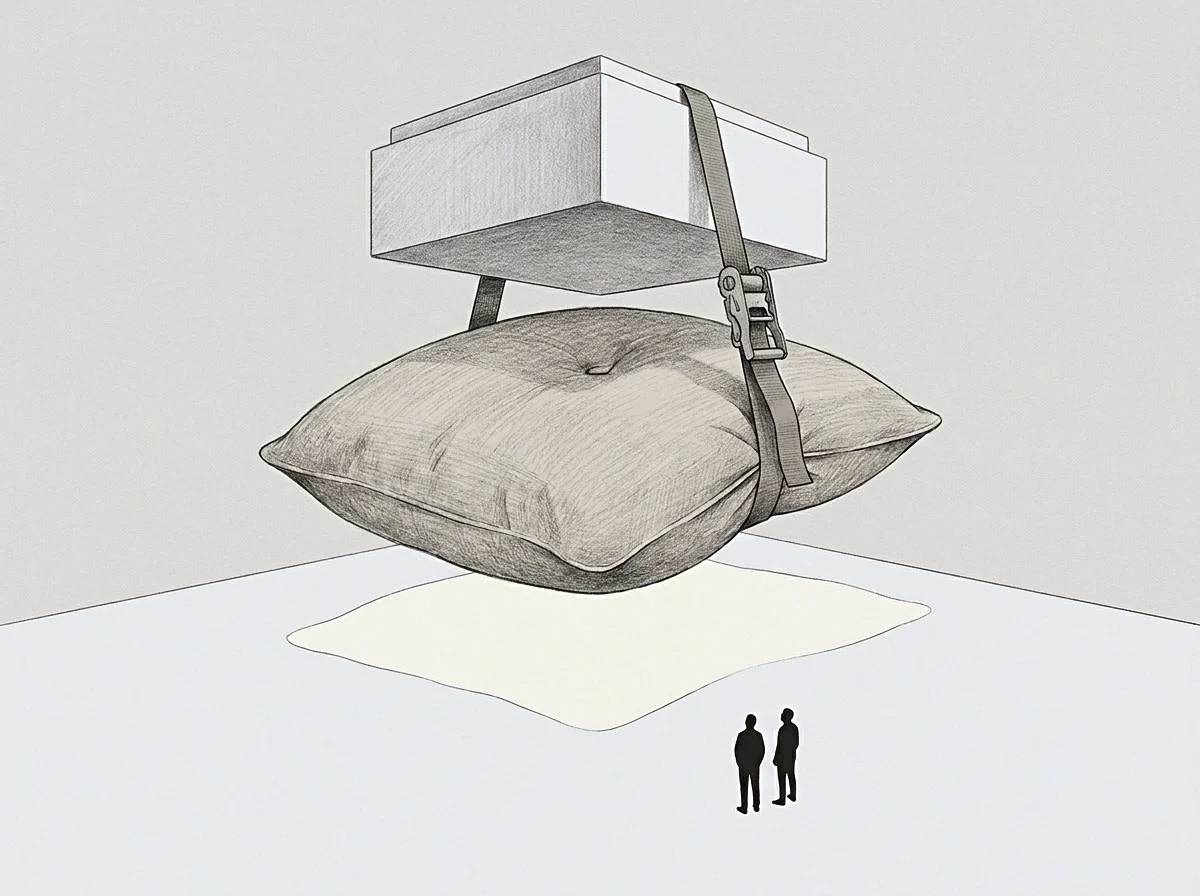
Preserving relational stability during rapid expansion requires distributing co-regulatory load across operational peers to prevent solitary nervous system collapse.
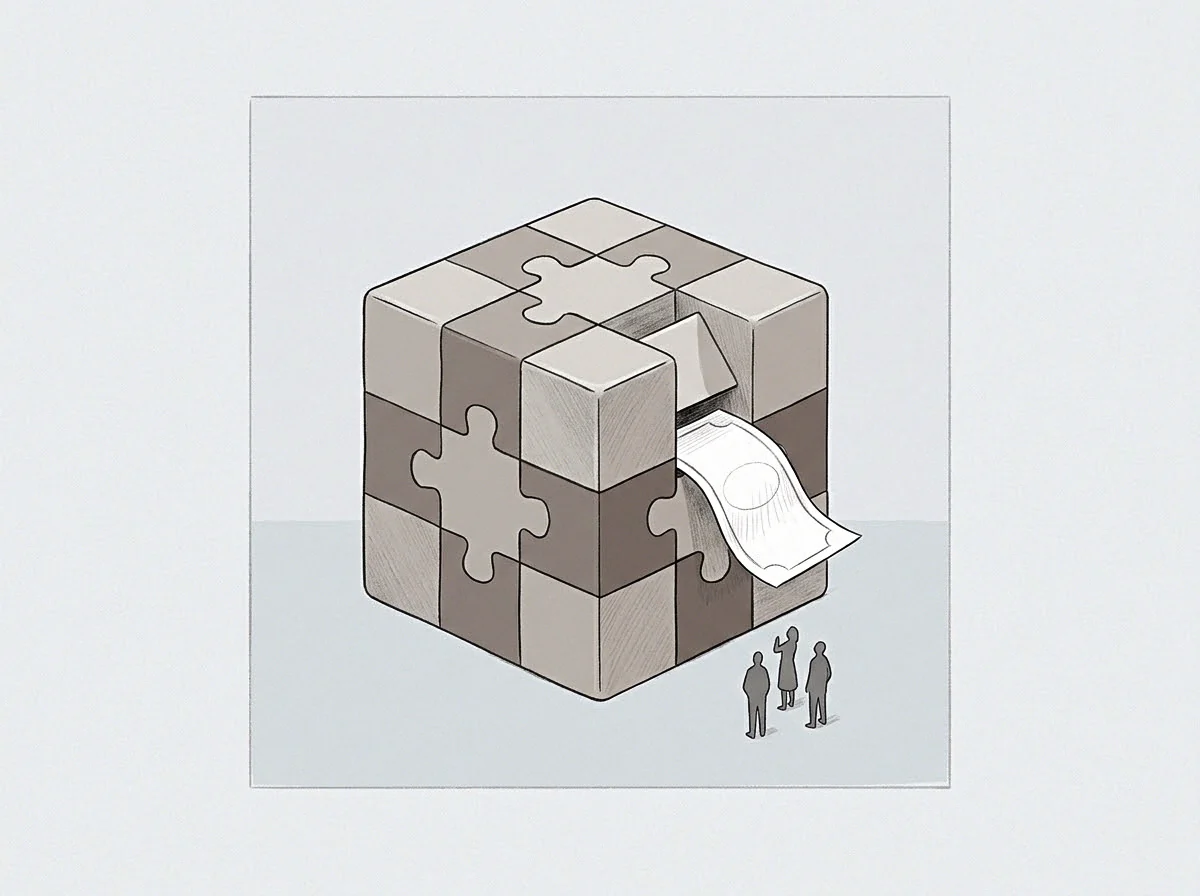
Carrying operational tension without co-regulation elevates baseline threat calculations, forcing the nervous system to spend high metabolic energy on solo risk management.
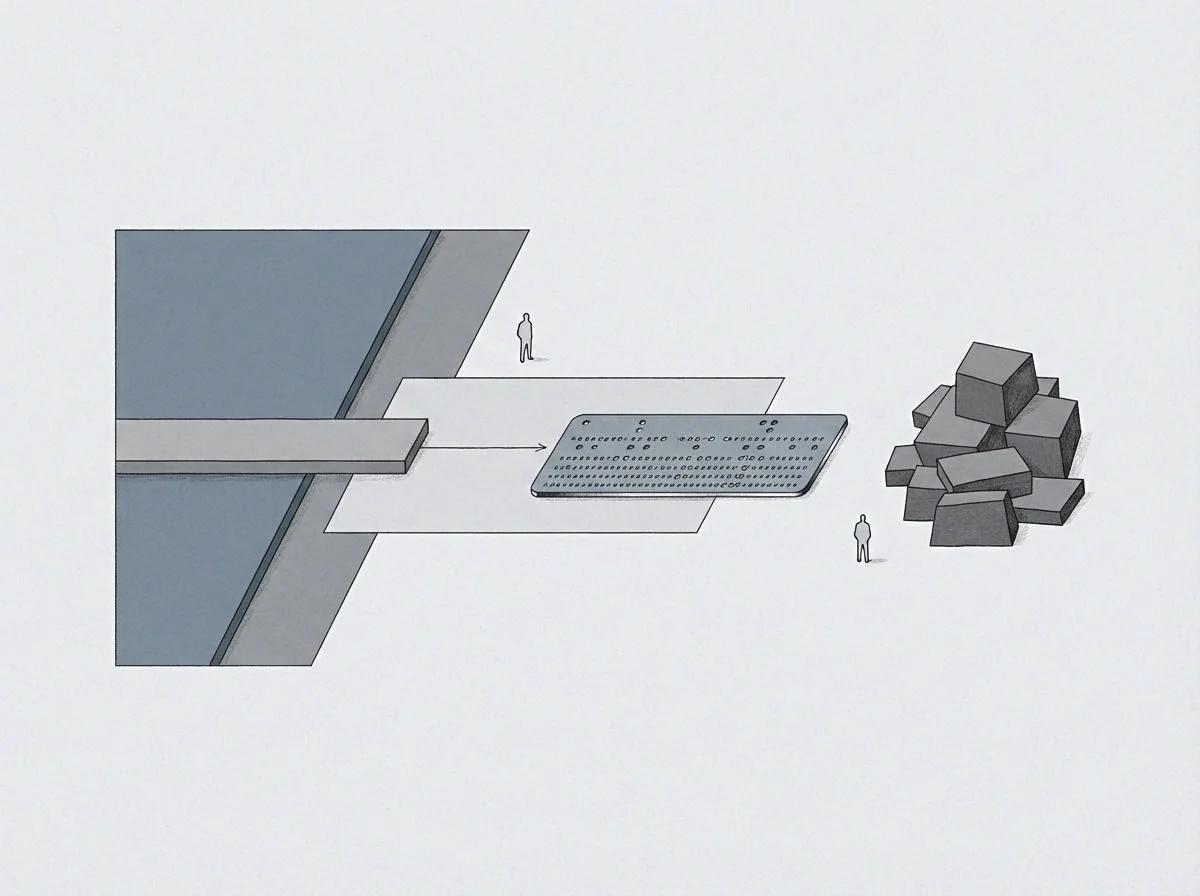
Isolated leaders absorbing peripheral threat without reciprocal regulation incur high metabolic costs that exhaust prefrontal capacity and autonomic headroom.
Solitary building shifts the neural baseline from low-energy social buffering to expensive independent hypervigilance, accumulating unsustainable allostatic load.
Fatigued builders interpret proximate presence as covert demand for regulation or vigilance rather than shared load, triggering sympathetic arousal.

Internal working models govern executive regulation budgets by dictating whether stress is shared through co-regulation or paid individually via allostatic load.

Solitary nervous system regulation increases metabolic baseline expenditure by treating isolation as an active threat requiring continuous sympathetic throttling.

Severe physiological depletion shifts neural threat processing to solitary self-regulation, forcing acquired relational models to collapse into habitual operational templates.

Extended isolation recalibrates the central nervous system to treat dyadic proximity as a metabolic load rather than a co-regulatory buffer.

High executive stress shuts down relational receptors by forcing continuous solo regulation, requiring bounded micro-exchanges to rebuild passive autonomic intake.
Receptor permeability calibration lowers executive self-regulation costs by enabling co-regulatory baseline updating across high-pressure leadership coalitions.
Solo hypervigilance maintains high metabolic regulation costs until repeated somatic micro-exchanges build an internal receptor slot for mutual co-regulation.
Extended operational leadership inverts the regulator template, causing external coregulation offers to register as cognitive load rather than physiological relief.

Extended isolation forces the nervous system to down-regulate autonomic reactivity to conserve metabolic energy when external co-regulation is absent.
Autonomic exhaustion occurs when a depleted nervous system encounters domestic proximity as a renewed demand for social regulation rather than a source of safety.
Social baseline theory demonstrates that human brains delegate threat regulation to trusted peers, lowering metabolic costs while increasing load on leaders.
Transitioning from unilateral buffering to distributed accountability requires hard governance latches that force local teams to absorb operational variance directly.
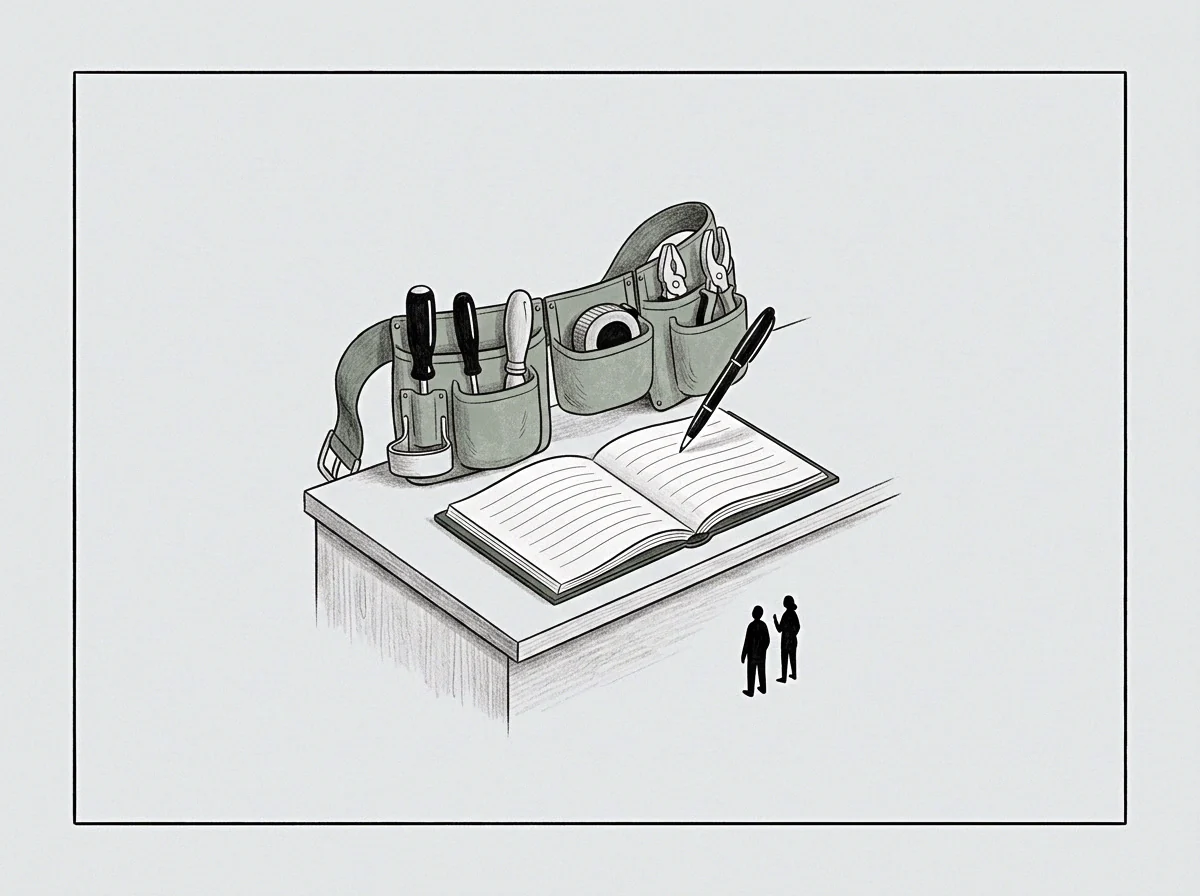
Self-regulation alone taxes human physiology, forcing sole regulators in high-growth firms to throttle operational output when total allostatic load hits ceiling.
Prolonged isolation suppresses oxytocin receptor cascades, converting social proximity from a metabolic resource into an aversive threat upon reentry.
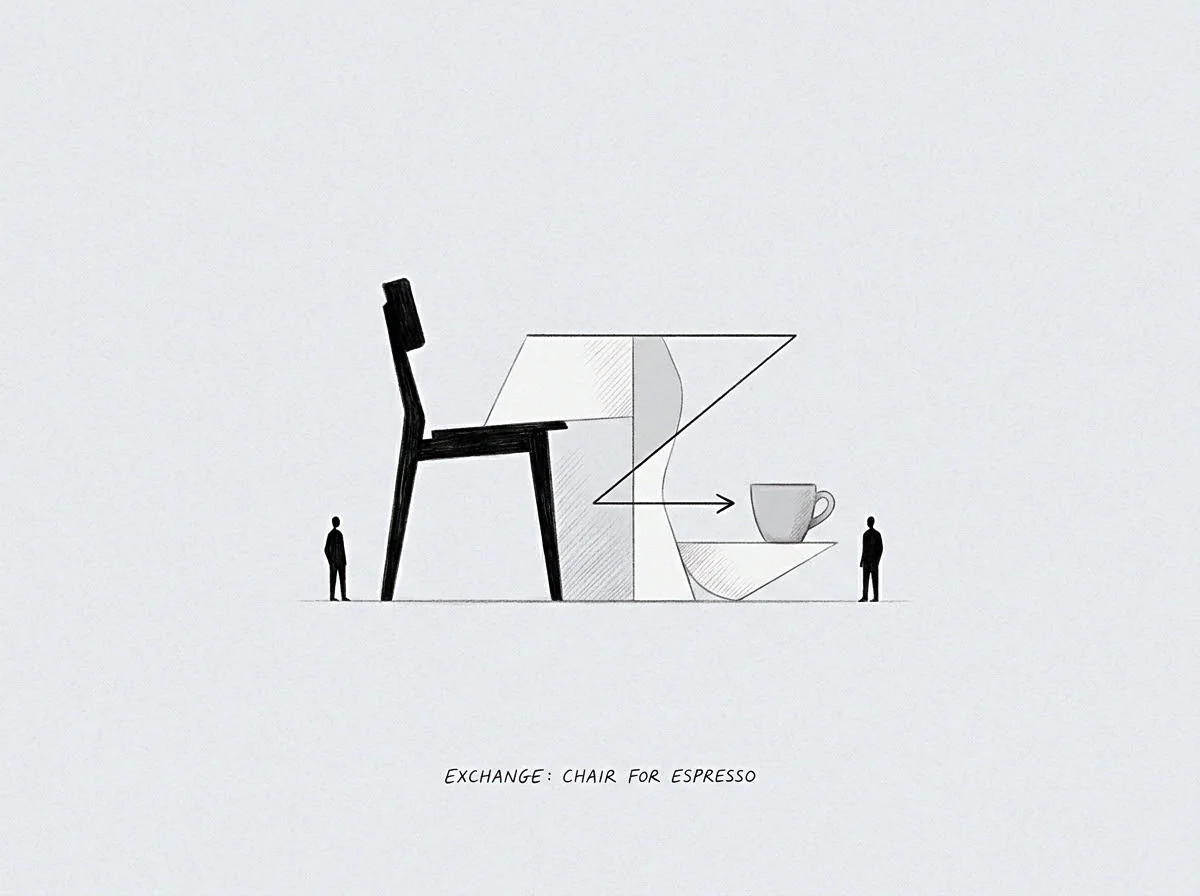
Social baseline economics shows that professional dyads share regulatory load, where one partner's steady physiological state lowers another's metabolic stress cost.

Chronic unilateral regulation exhausts hypothalamic and autonomic systems, producing severe hypocortisolemia and vagal collapse upon partnership rupture.
Somatic co-regulation lowers individual neural energy expenditure by distributing autonomic threat processing across proximal physiological baseline systems.
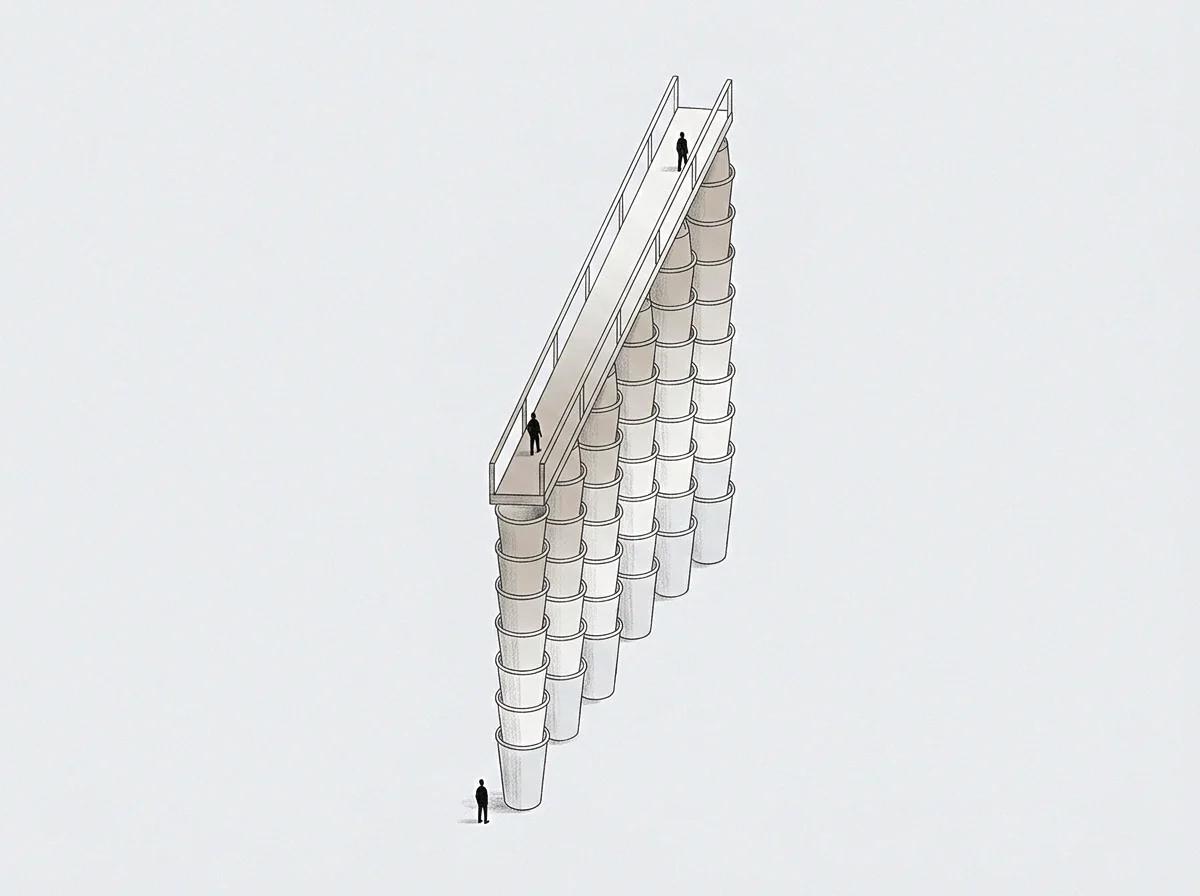
Operational panic concentrates into the calmest executive present whose nervous system absorbs the metabolic cost of stabilizing the entire leadership circle.
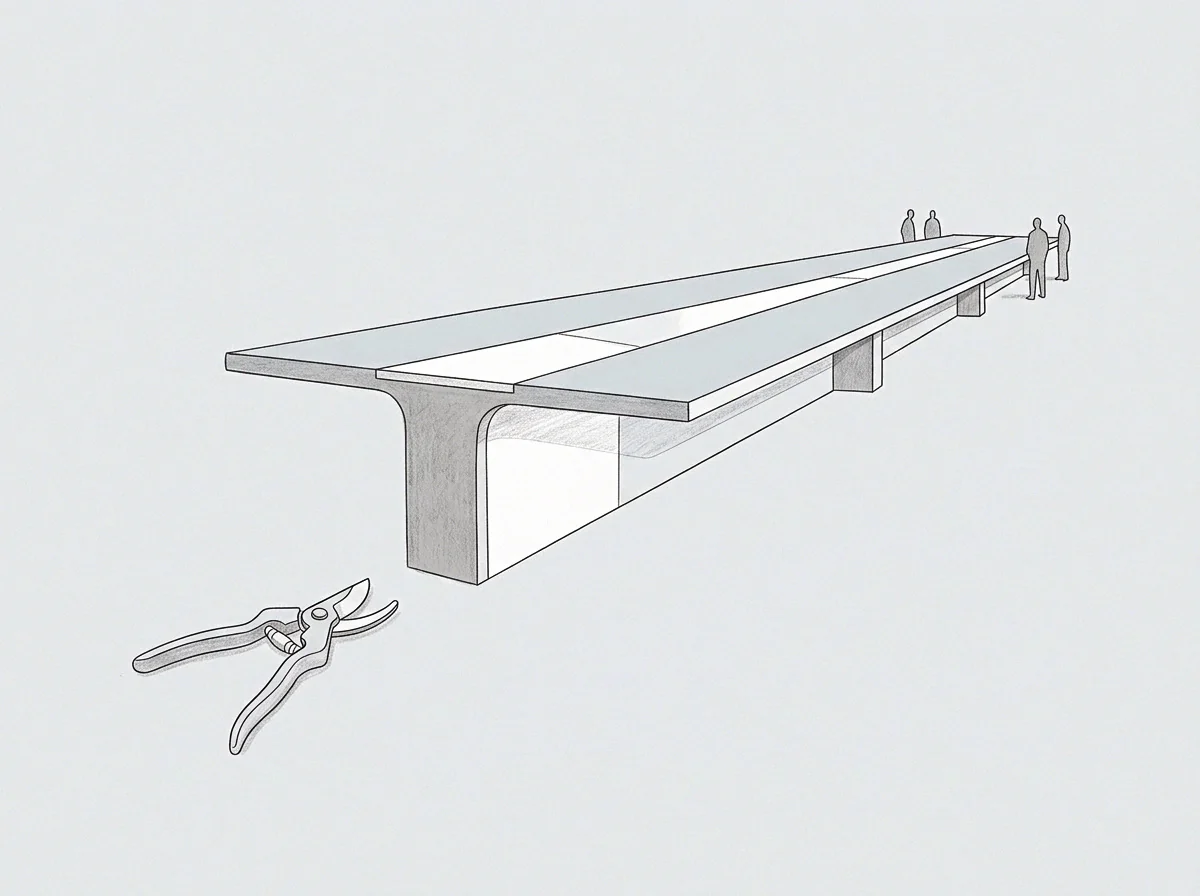
Unilateral regulation in shared operational space shifts physiological load onto one nervous system, elevating baseline cortisol and suppressing regulatory receptor updates.
The terms are written where they belong. Each field holds three desks, and every entry a desk writes raises the terms it uses, each term given a meaning, a mechanism and the places it appears. The record on these pages stays first person and hand made; the fields grow the nomenclature.