

Metabolic Cost Of Unbuffered Leadership Regulation In Crisis
Unbuffered leaders absorb group panic at private metabolic cost, accelerating somatic depletion while subordinates borrow calm without sharing systemic wear.
Unbuffered leaders absorb group panic at private metabolic cost, accelerating somatic depletion while subordinates borrow calm without sharing systemic wear.
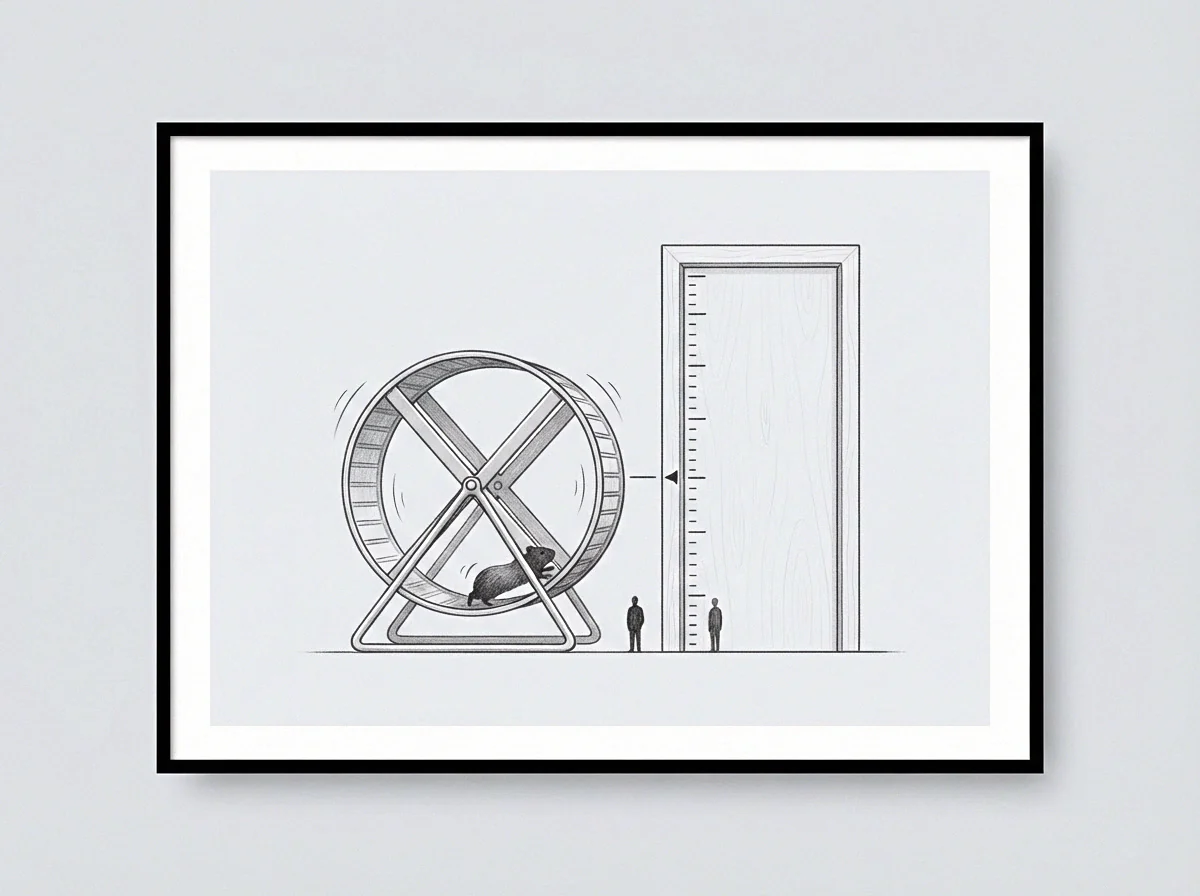
Autonomic recovery rates reflect nocturnal parasympathetic reactivation determined by the density and structural gating of open executive decision threads.

Endocrine sensitivity returns when enterprise volatility is decoupled from biology through strict communication barriers and restored circadian rhythms.
Unreciprocated leadership alarms force continuous prefrontal metabolic expenditure, burning executive neural reserves to subsidize organizational calm.
Unresolved operational threads maintain central nervous system vigilance, suppressing the vagal brake and preventing nocturnal parasympathetic cardiac recovery.

Cognitive concurrency caps represent structural processing limits under ungated operational load, whereas clinical anhedonia stems from neural reward pathway impairment.

Autonomic coregulation in executive teams relies on vagal safety signaling, where continuous physiological overload triggers systemic autonomic throttling.

Unreciprocated social baseline regulation forces a leader's brain to expend continuous metabolic energy on top-down inhibition, raising allostatic load.
Autonomic strain measurement requires combining discrete endocrine assays with electrophysiological metrics to capture systemic wear before clinical breakdown.
Unbuffered group regulation forces a central leader to metabolize collective team anxiety, causing autonomic exhaustion without structural dampers.

Biological throttling down-regulates executive capacity to shield metabolic reserves under continuous load, unlike depression which impairs affect globally.
Executive nervous systems outsource regulation through proximity, but inverted templates force one partner to bear the metabolic cost of team stability.

Decoupling immediate availability demands reduces sympathetic arousal, restores vagal tone, and stabilizes autonomic baselines during rapid product iteration.
Calibrated interpersonal receptivity protects executive autonomic reserves by replacing unbudgeted emotional containment with structured operational intake.

Solitary threat monitoring forces continuous autonomic elevation, whereas social baseline proximity distributes regulation costs across trusted counterparties.
Physiological stress downregulation reduces volitional capacity to protect neuroendocrine systems under unclosed executive load.
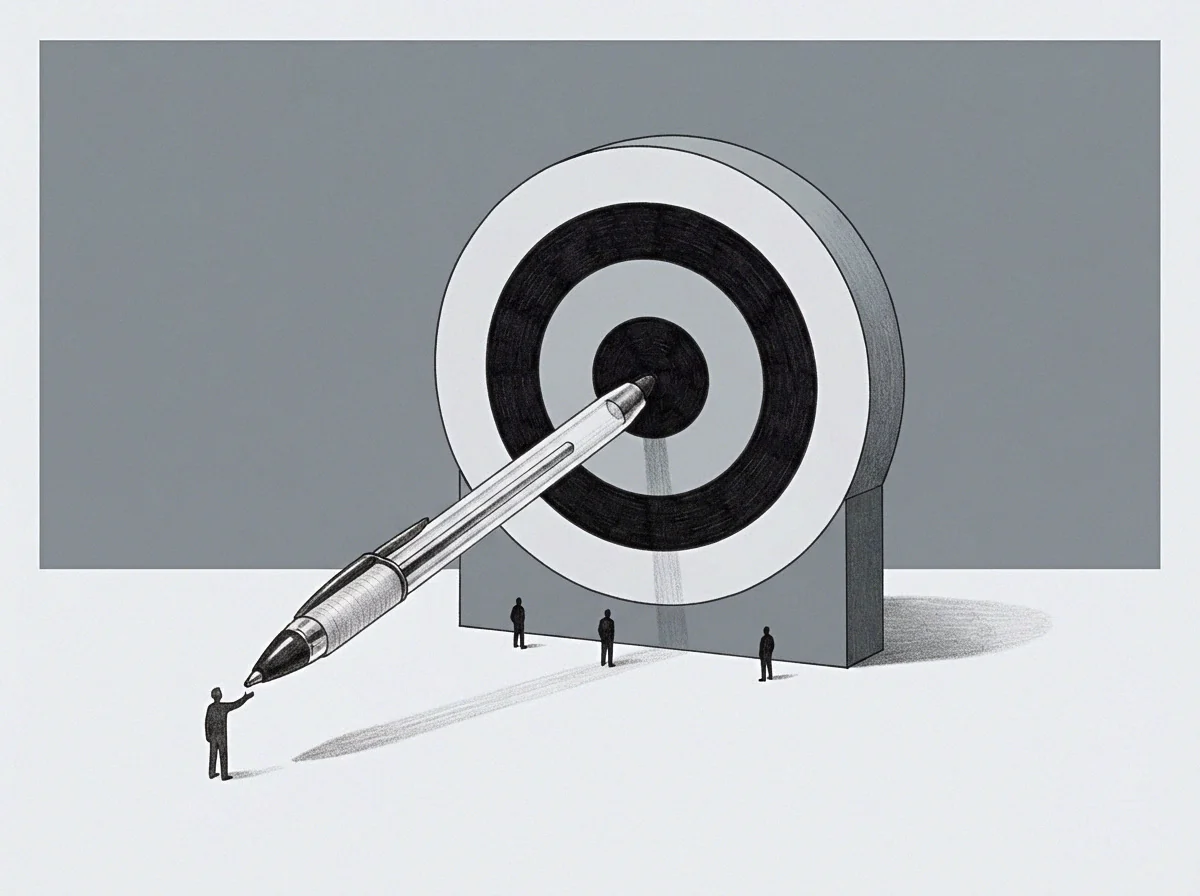
Solitary remote operations force prefrontal cognitive suppression to replace physical co-regulation, driving autonomic throttling and progressive exhaustion.

Prolonged operational isolation forces human autonomic nervous systems from low-cost shared baseline regulation into high-cost continuous individual threat monitoring.
Biological wear in high capacity operators is quantified through multi-system biomarker panels that track neuroendocrine, metabolic, and immune degradation.
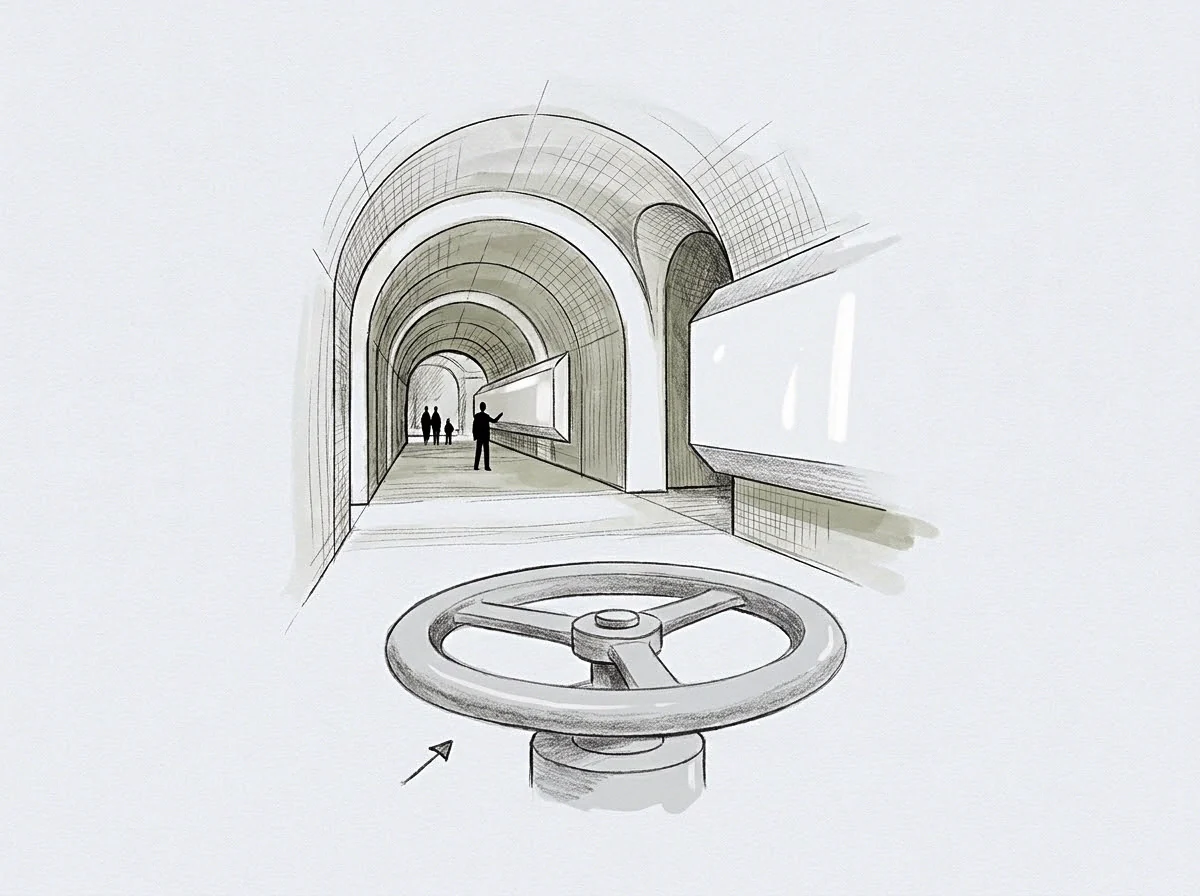
Persistent asynchronous work demands suppress nocturnal vagal recovery markers through continuous background vigilance and unbroken adrenergic tone.

Distributed operational authority partitions routine business decisions into local risk thresholds, lowering central allostatic load accumulation.
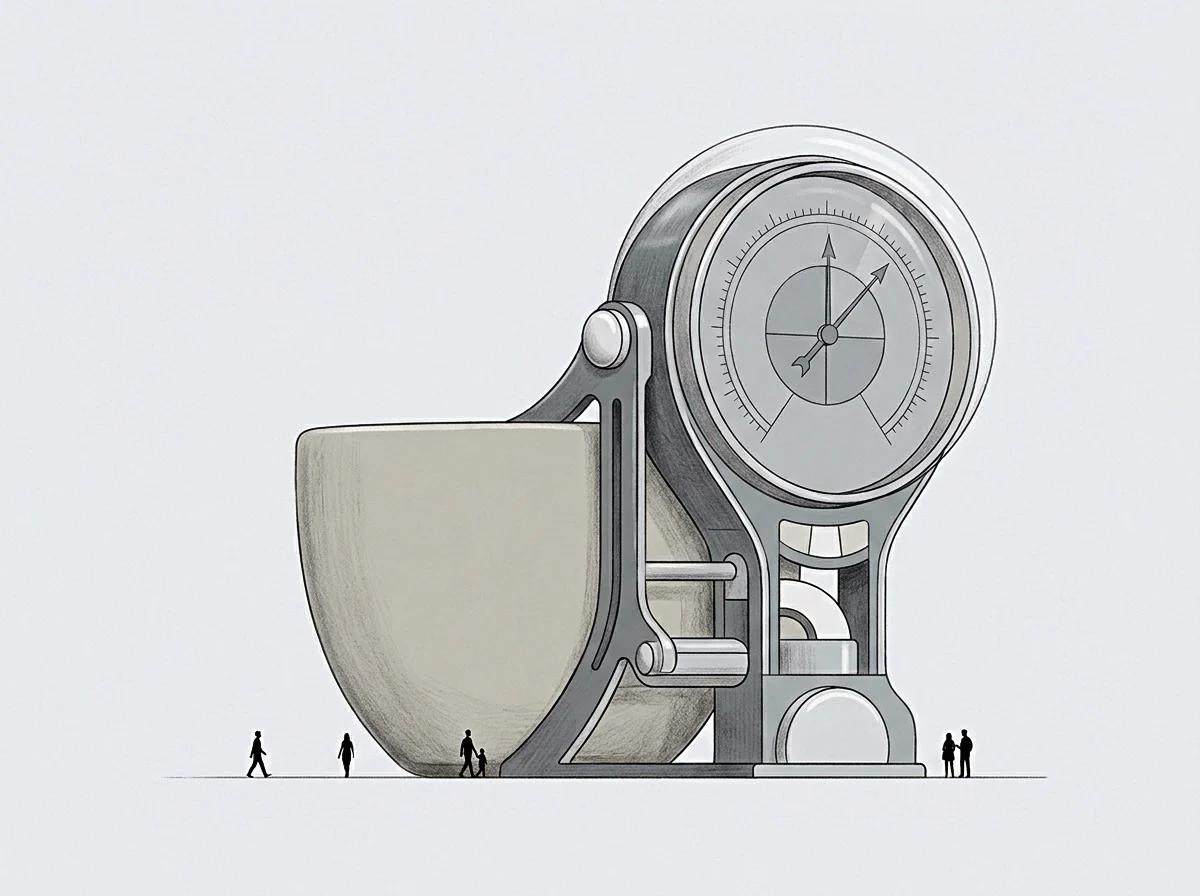
Nocturnal heart rate dipping reflects autonomic recovery by measuring whether parasympathetic vagal tone successfully drops resting cardiac rate during sleep.

Autonomic arousal persists because unresolved interpersonal dependencies keep biological threat circuits active while awaiting external counterparty responses.

Human autonomic systems conserve energy through physical proximity, setting an absolute biological limit on how many decisions one body can stabilize.
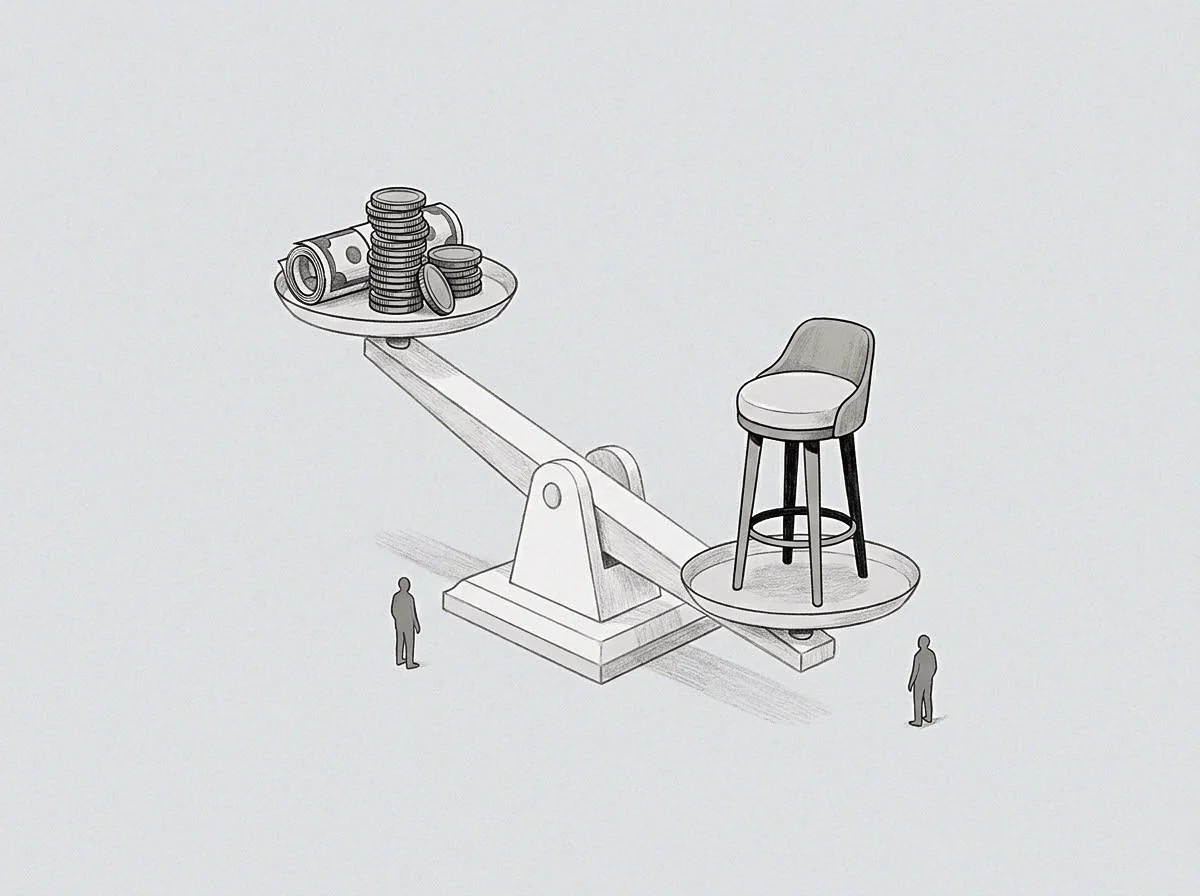
Delegating routine decisions through explicit authority thresholds halts continuous sympathetic monitoring and restores restorative parasympathetic tone.

Covert organizational monitoring triggers continuous autonomic threat detection, causing sustained nocturnal vagal suppression and preventing parasympathetic recovery.
Continuous un-gated operational inputs cause persistent neuroendocrine activation, downregulating cellular receptors and forcing biological throttling.

Parasympathetic recovery in high-threat environments depends on nocturnal vagal reactivation measured through beat-to-beat variability and rapid heart rate deceleration.
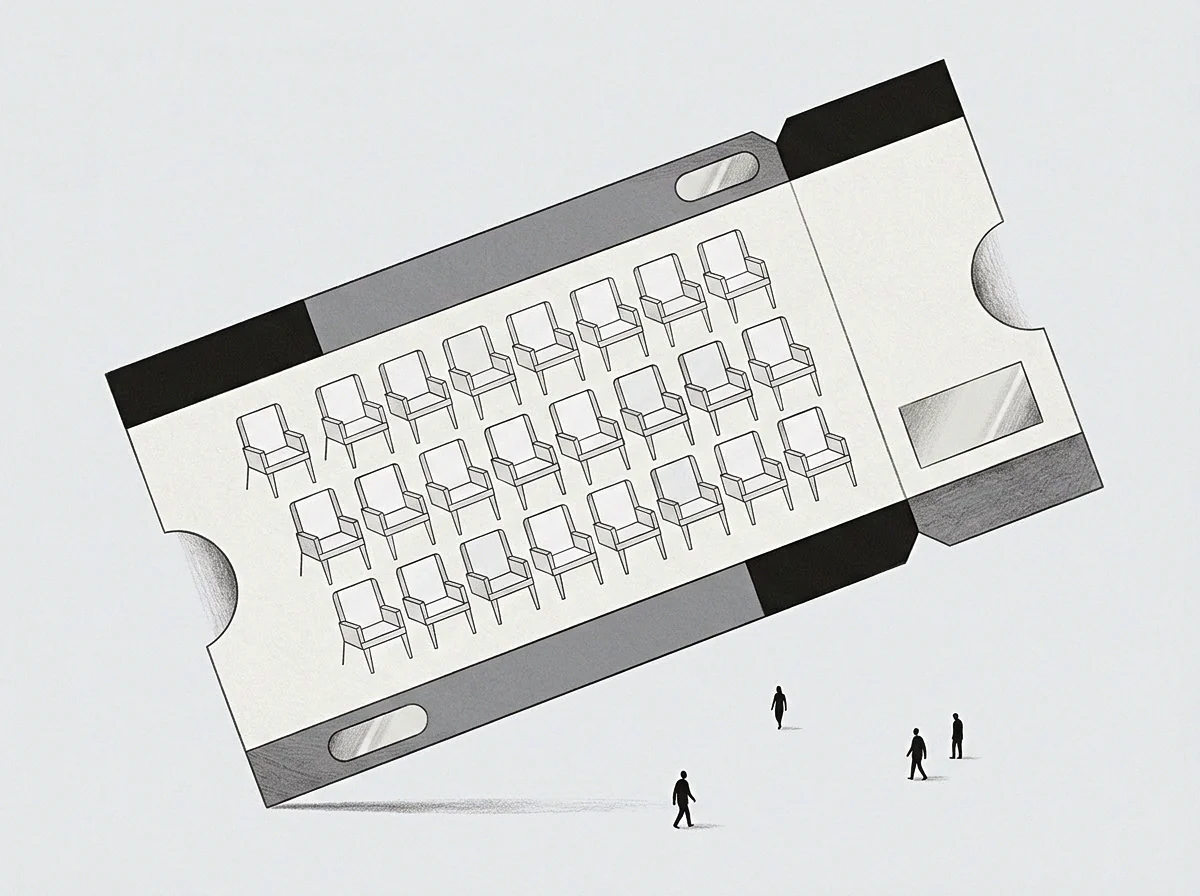
High accountability seats cap cognitive throughput at two to four concurrent open loops before ungated liability forces physiological throttling.
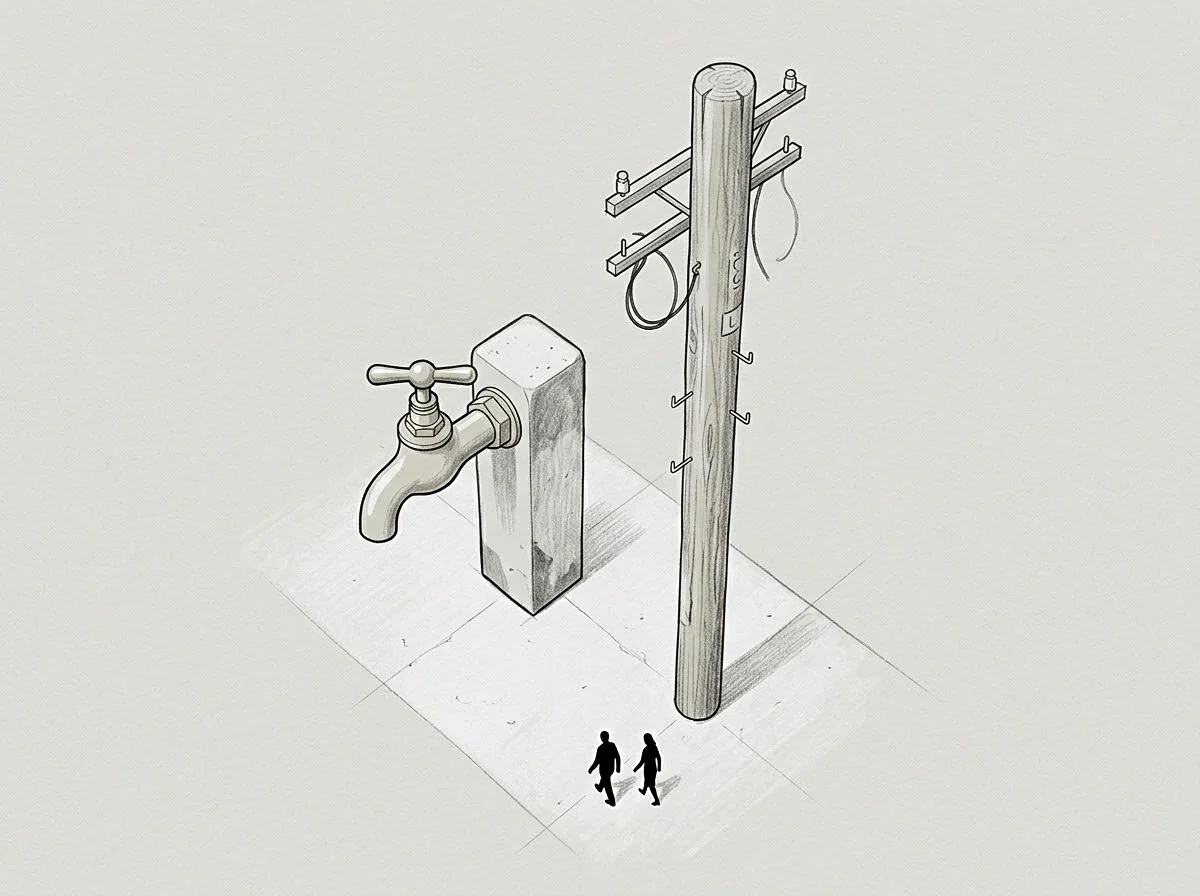
Autonomic stability relies on capping concurrent ambiguous operations to match biological capacity, preventing allostatic collapse via structural gating.
The terms are written where they belong. Each field holds three desks, and every entry a desk writes raises the terms it uses, each term given a meaning, a mechanism and the places it appears. The record on these pages stays first person and hand made; the fields grow the nomenclature.