
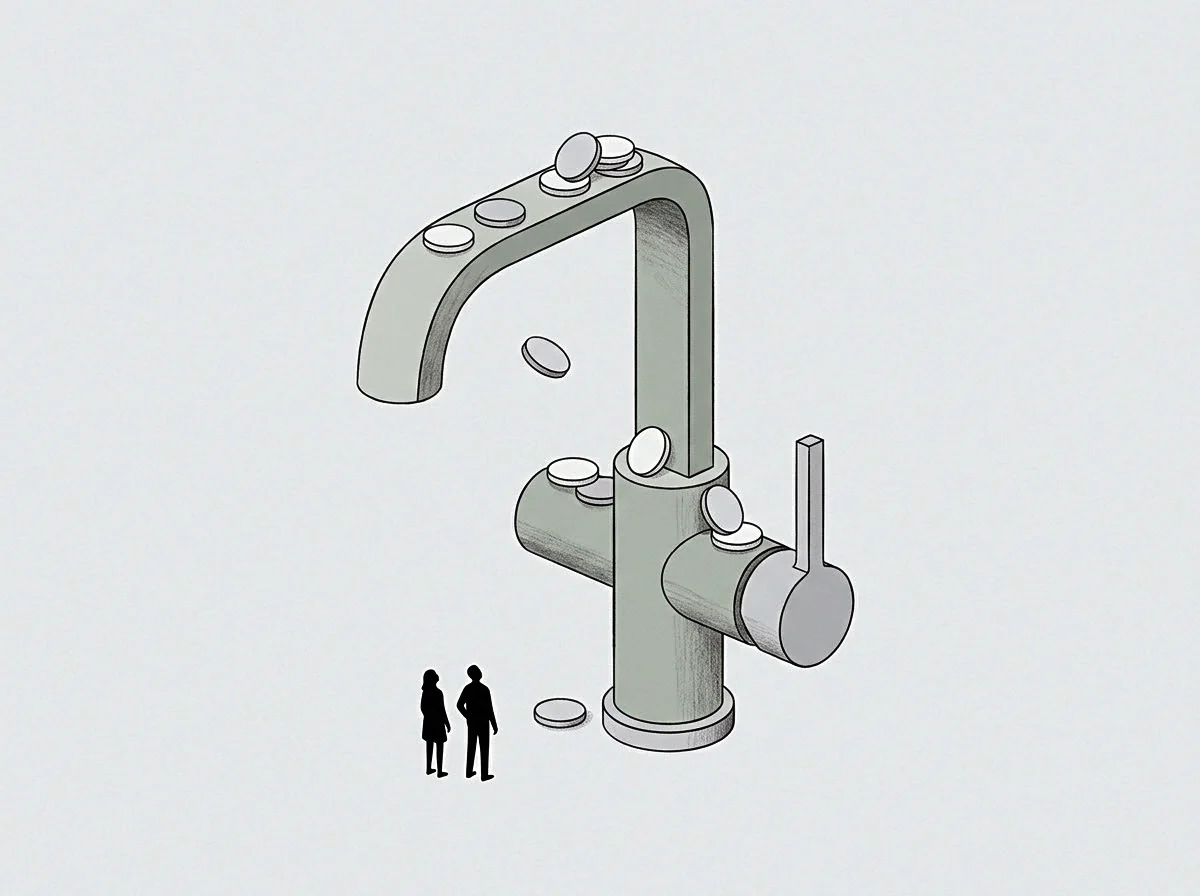
Neural Suppression Of Social Regulation Inputs During Sustained Stress
Sustained stress floods neural circuits with glucocorticoids, silencing oxytocin receptors and blocking the brain from receiving social regulation inputs.
Sustained stress floods neural circuits with glucocorticoids, silencing oxytocin receptors and blocking the brain from receiving social regulation inputs.

Chronic physiological strain forces the brain to shunt scarce metabolic fuel away from expensive prefrontal social circuits, degrading relational capacity.
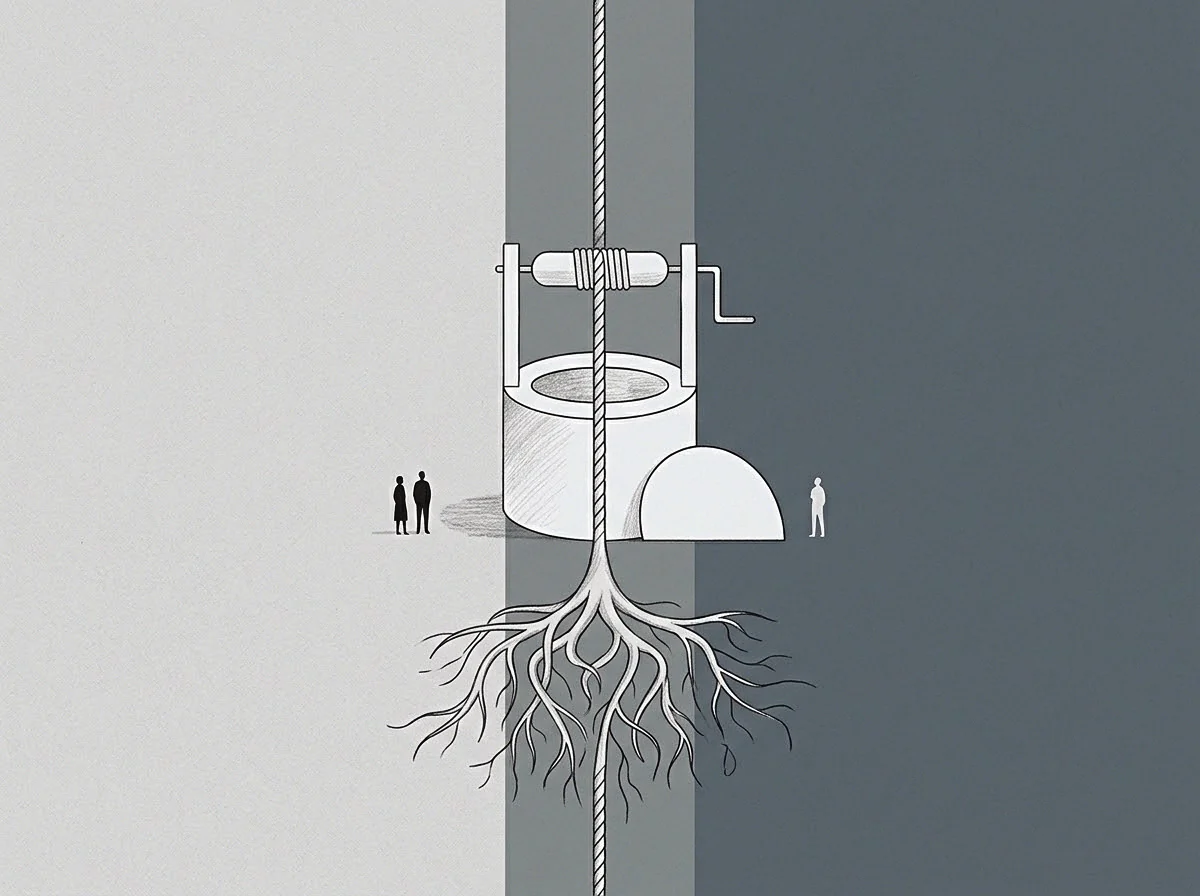
Prolonged unilateral responsibility recalibrates neural threat budgets, shifting baseline regulation from shared proximity to expensive solitary defense.
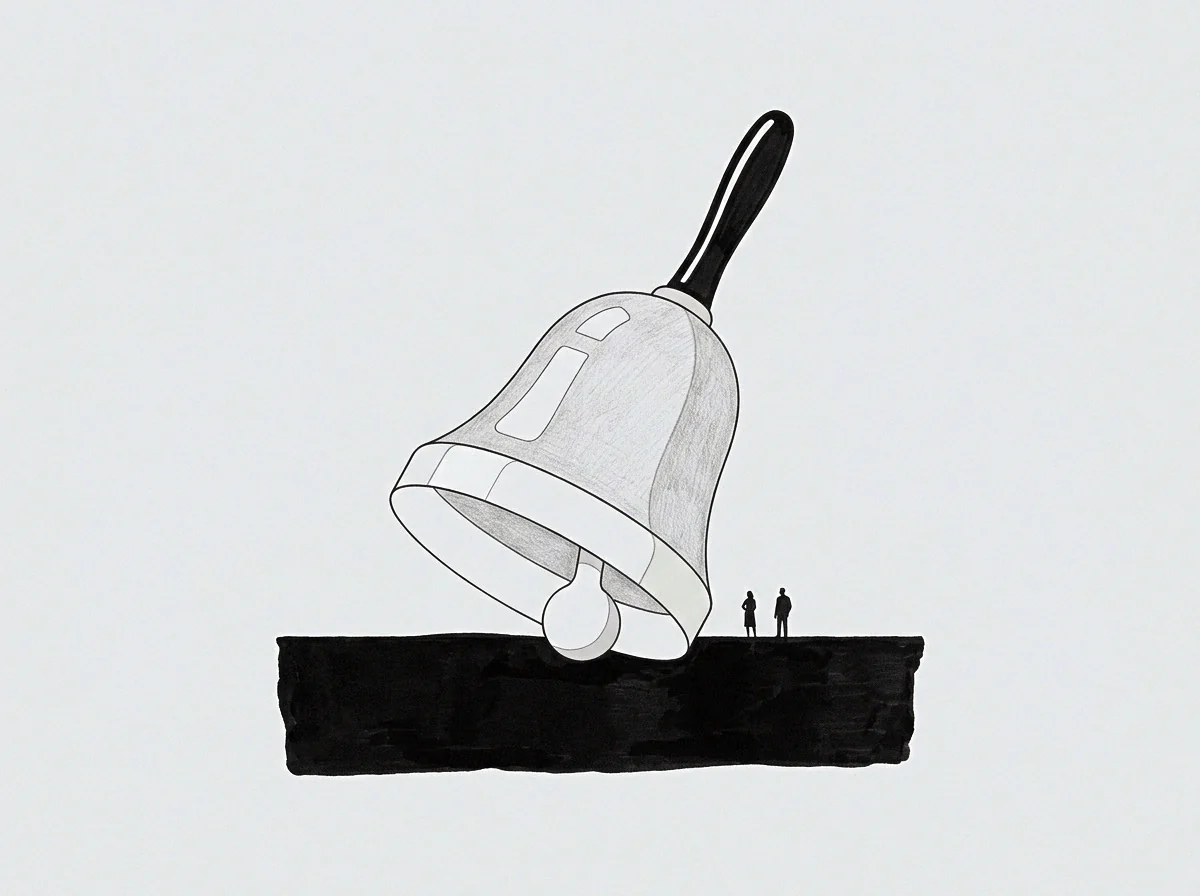
Hierarchical executive co-regulation collapses under chronic uncertainty because downward baseline provision creates asymmetrical allostatic load on the top seat.

Non-reciprocal relational architecture forces isolated self-regulation, generating high allostatic load that blocks earned security updates until reciprocal co-regulation is introduced.

Sustained autonomic suppression under isolated operational load exhausts vagal braking capacity, causing systemic metabolic failure unless co-regulation is restored.

Solitary executive leadership drastically accelerates prefrontal glucose depletion, while interpersonal co-regulation shares threat appraisal and preserves baseline physiological bandwidth.
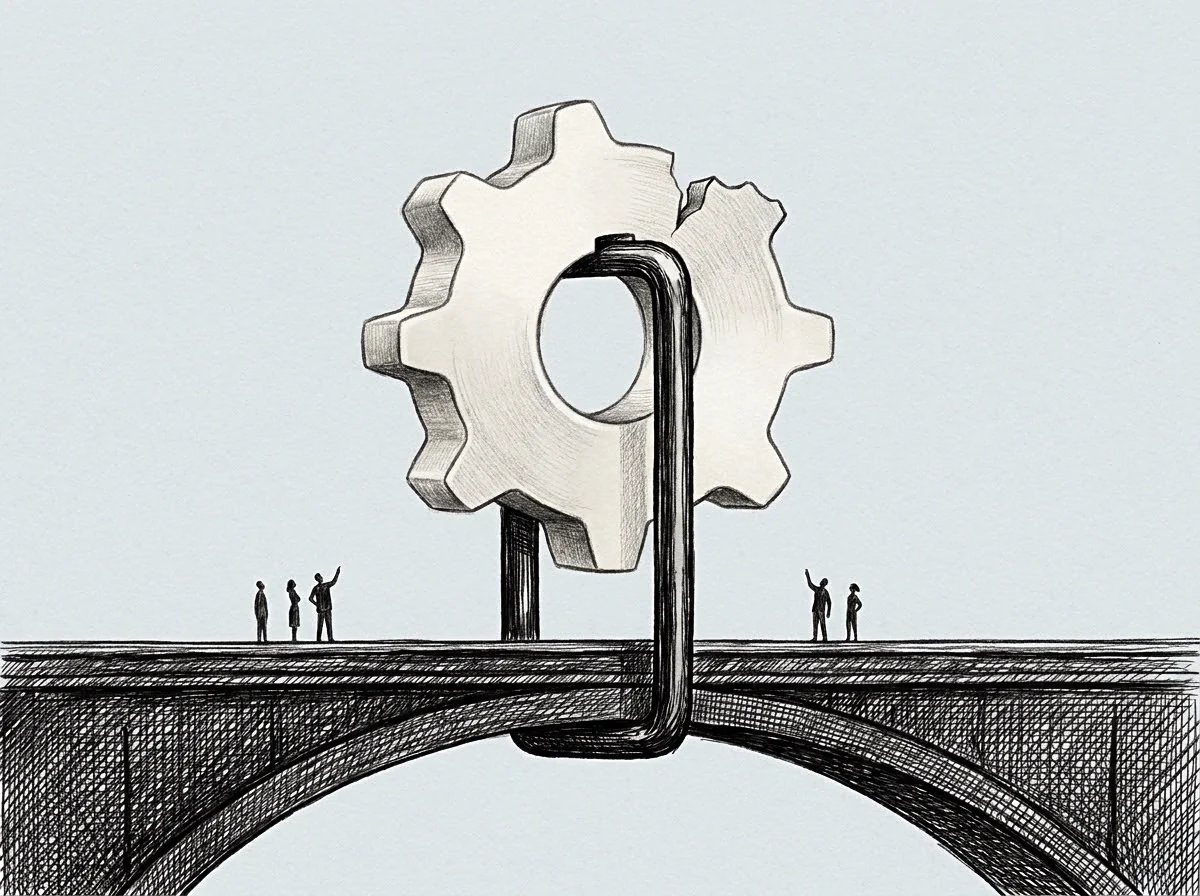
Unilateral hazard absorption transfers relational regulation costs to one partner, inducing chronic allostatic load and neural capacity degradation.

Early executive teams unconsciously offload metabolic threat vigilance onto their steadiest peer, exhausting the unreciprocated partner unless structural limits intervene.
Autonomic co-regulation offloads executive stress response onto reliable counterparties, lowering internal allostatic load through ventral vagal neural alignment.

Leadership teams under severe threat burn prefrontal reserves unless they distribute autonomic stabilization across explicit operational structures.

Allostatic load accumulates when ungated operational loops consume working memory slots, forcing executive capacity into chronic physiological throttling.
Autonomic regulation balances sympathetic emergency mobilization against parasympathetic restoration to protect executive function under sustained operational stress.
Allostatic load accumulates when technical leaders absorb operational volatility alone, depleting metabolic reserves until structural limits enforce biological recovery.
Chronic relational throttling sustains autonomic vigilance, depleting systemic recovery capacity until explicit structural gates halt interpersonal leakage.
Chronic operational exposure shifts physiological baselines upward, turning acute survival mechanisms into permanent tissue damage across multi-year cycles.
Shared physical proximity lowers team threat expenditure by allowing unconscious somatic co-regulation to stabilize autonomic baselines during operational crises.
Executive allostatic load reflects cumulative neuroendocrine wear from sustained regulatory demand, triggering metabolic throttling when loop concurrency hits ceiling.

Chronic autonomic exhaustion manifests as hypocortisolemia and parasympathetic failure, whereas clinical depression presents with hypercortisolemia and receptor resistance.

Asymmetric autonomic regulation drains prefrontal metabolic reserves in central leaders, degrading strategic discernment into survival-driven operational triage.
Open desk architecture increases autonomic regulation costs by replacing baseline physiological safety signals with persistent, unmanaged peripheral micro-threats.
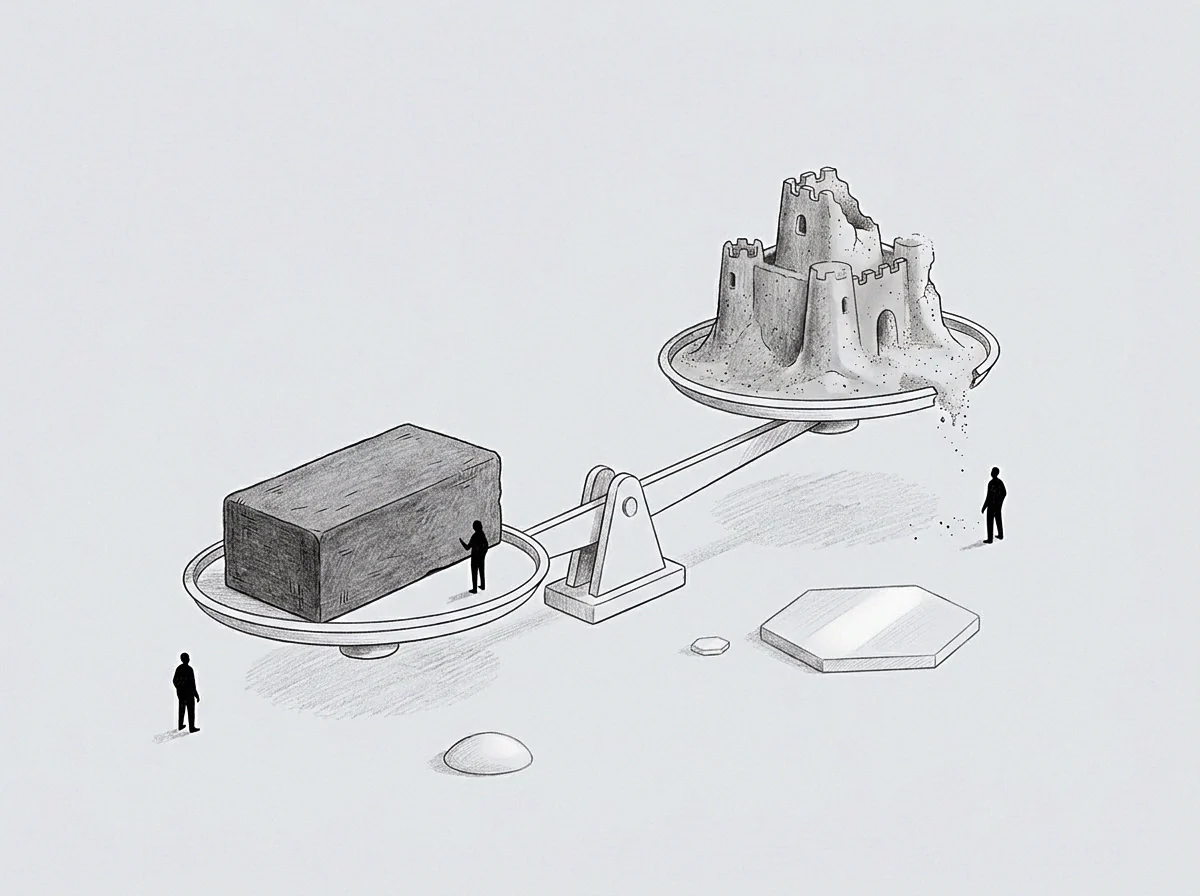
Autonomic allostatic throttling downregulates executive capacity during solitary technical sprints when unbuffered sympathetic stress suppresses vagal recovery.

Shared strain causes one partner to absorb the autonomic arousal of the other through proximity, depleting metabolic reserves without conscious disclosure.

Acute allostatic load elevates executive temporal discounting by downregulating prefrontal networks, compressing choice horizons to immediate homeostatic survival.

Autonomic recovery requires uninterrupted sensory isolation windows to clear sympathetic hormones and restore vagal modulation of heart rate variability.
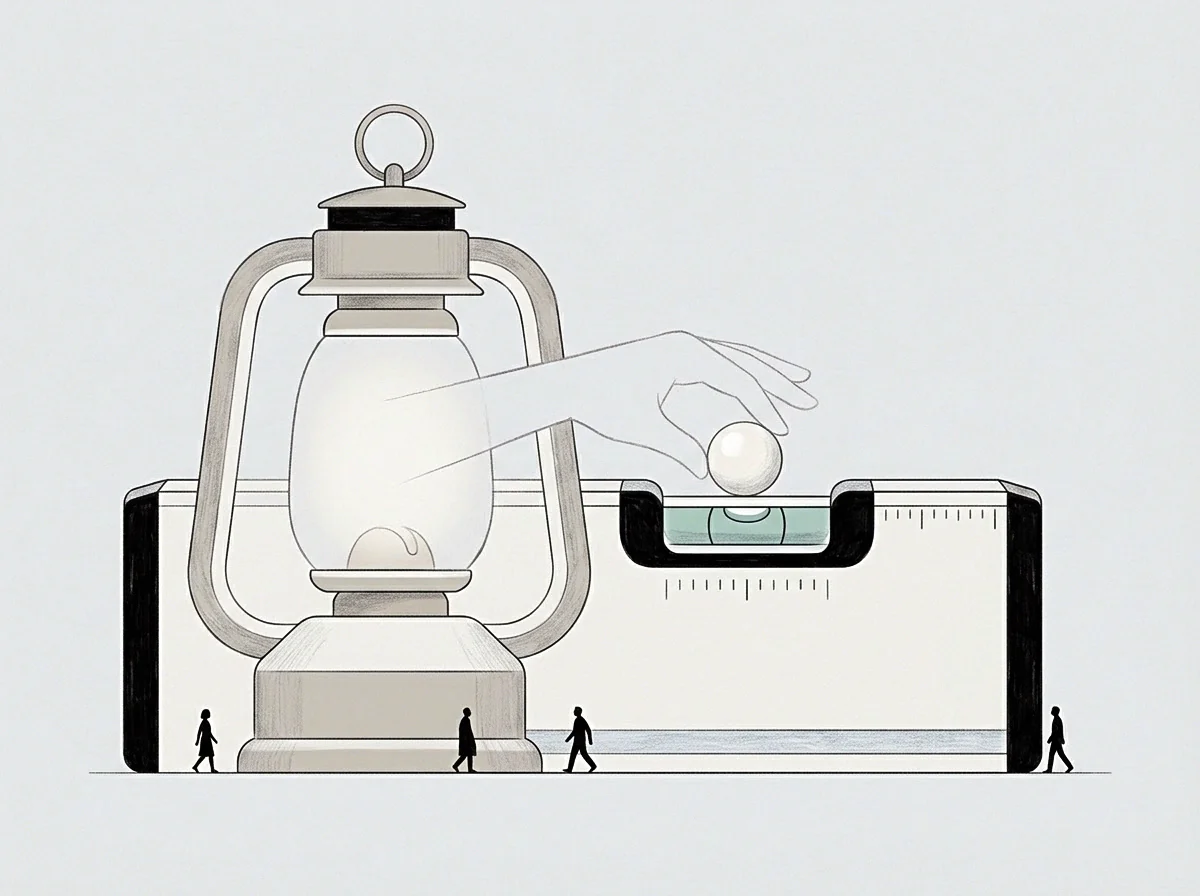
Autonomic nervous system strain alters risk perception during underwriting by converting metabolic exhaustion into defensive aversion to commercial uncertainty.

Long term regulatory capacity recovery requires structural organizational baffles and latency buffers that physically isolate nervous systems from continuous operational escalation.

Co-regulation in executive dyads functions as a physiological resource transfer where one partner's autonomic stability lowers the metabolic cost of threat processing for the other.

Solitary executive liability depresses vagal tone and elevates autonomic recovery thresholds by removing the metabolic offloading of social proximity.
Executive nervous systems absorb team anxiety as an unmetered biological subsidy until allostatic overload forces protective operational throttling.
The terms are written where they belong. Each field holds three desks, and every entry a desk writes raises the terms it uses, each term given a meaning, a mechanism and the places it appears. The record on these pages stays first person and hand made; the fields grow the nomenclature.