

Resetting Parasympathetic Tone In Executive Partnerships Operating Under Chronic Threat
Chronic executive threat suppresses parasympathetic tone; shared social baseline protocols restore ventral vagal regulation and lower decision costs.
Chronic executive threat suppresses parasympathetic tone; shared social baseline protocols restore ventral vagal regulation and lower decision costs.
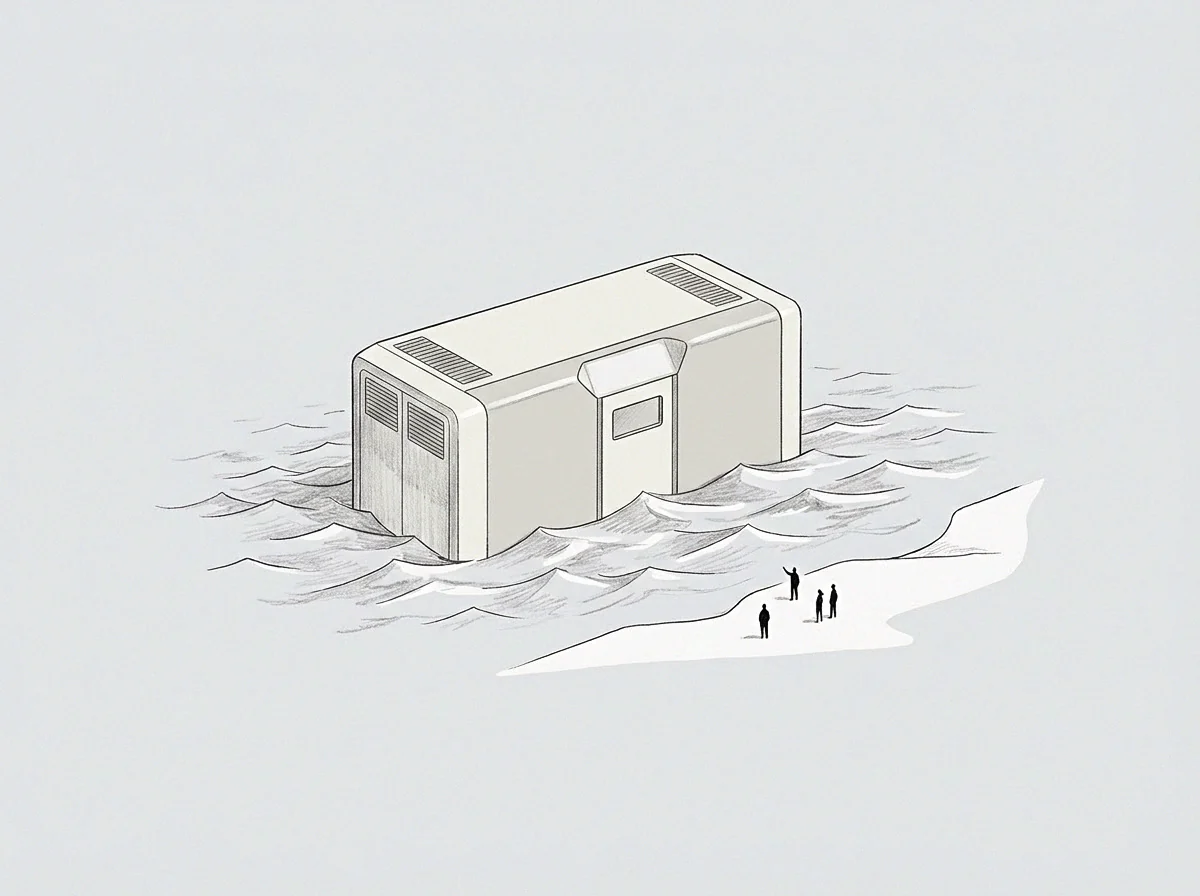
Sustained executive strain downregulates central glucocorticoid receptors and restricts prefrontal working memory capacity to conserve metabolic resources.

Energy throttling down-regulates executive capacity to protect exhausted systems, whereas affective mood disorders reflect dysregulated emotional and reward circuits.
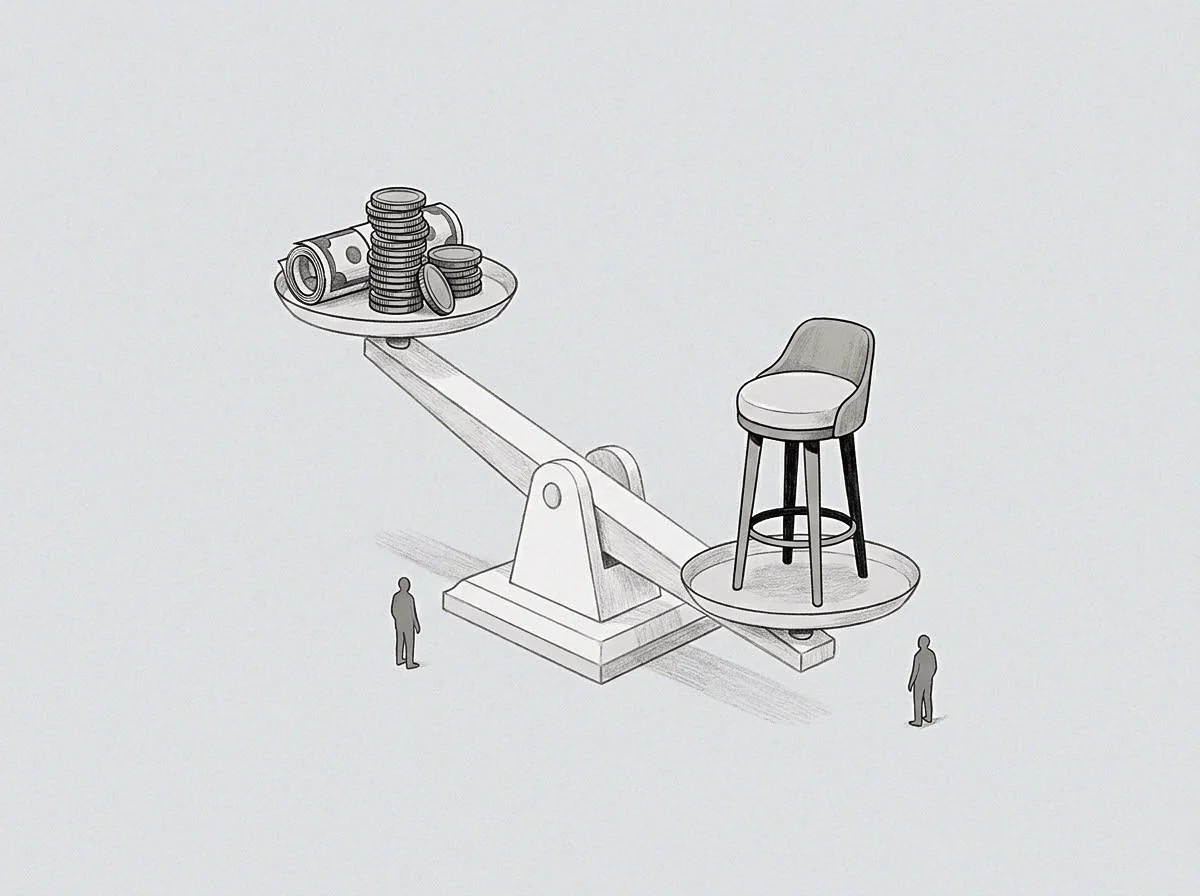
Shared physical proximity lowers team threat expenditure by allowing unconscious somatic co-regulation to stabilize autonomic baselines during operational crises.
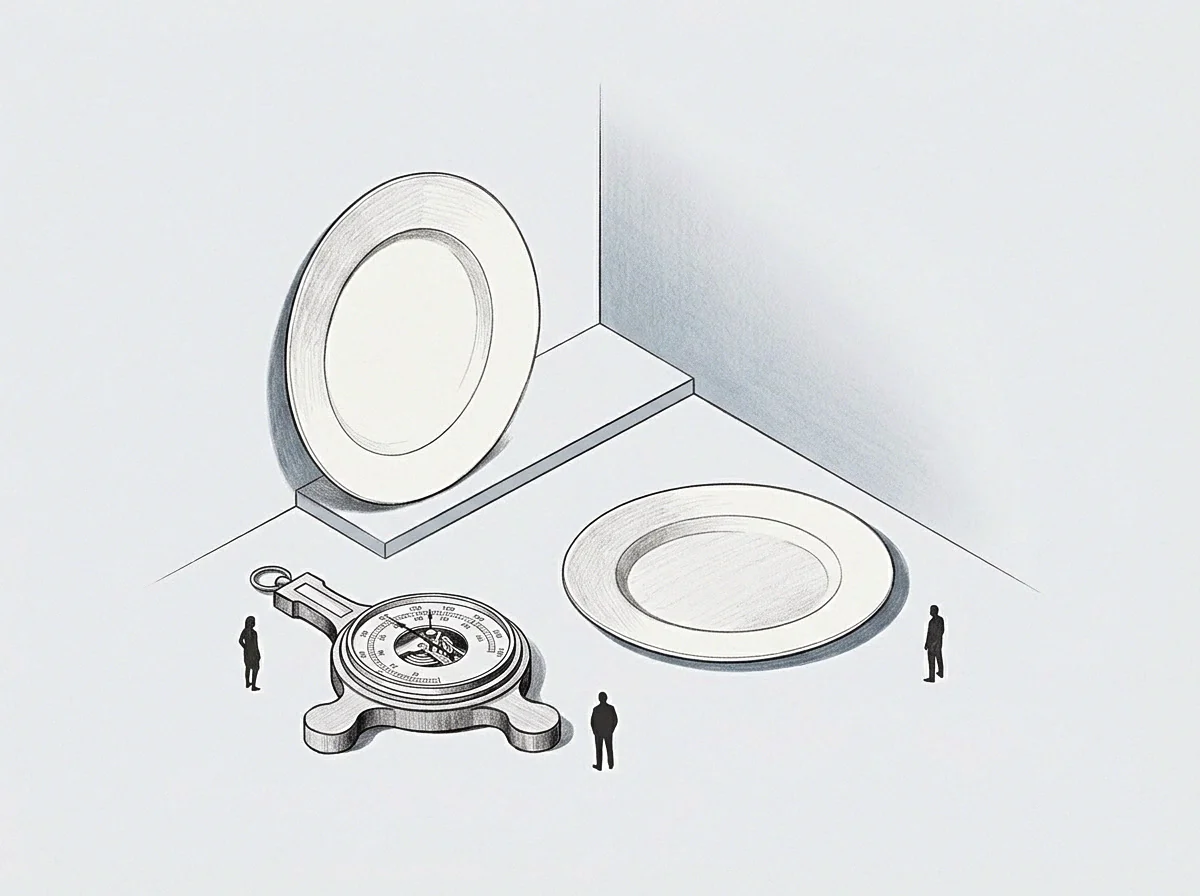
Executive allostatic load reflects cumulative neuroendocrine wear from sustained regulatory demand, triggering metabolic throttling when loop concurrency hits ceiling.
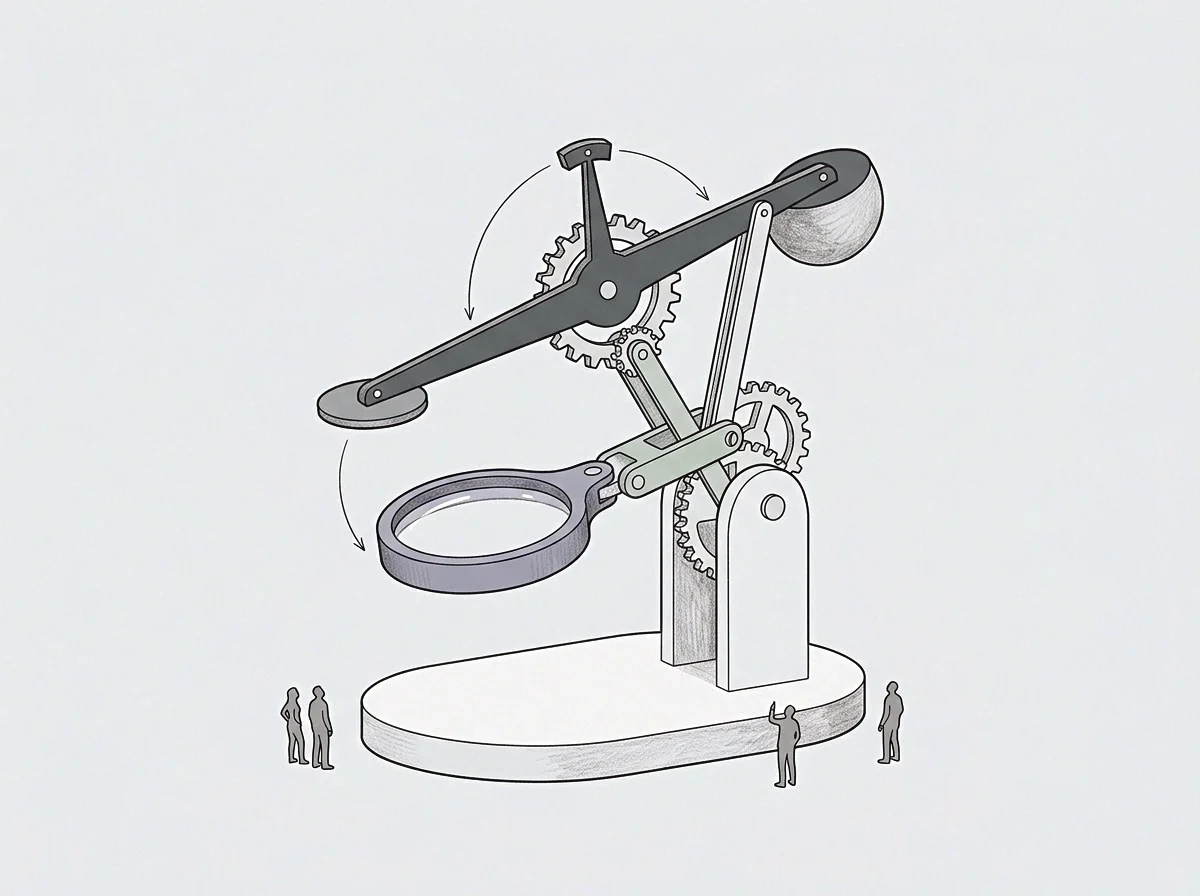
Persistent evening cortisol elevation saturates prefrontal receptors, reducing active working memory slots and enforcing executive throttling under load.

Extended structural volatility shifts neural regulation costs onto stable executive anchors, exhausting headroom and forcing systemic cognitive throttling.

Unstated internal limits force operators to absorb team anxiety as personal allostatic load when baseline calm is borrowed rather than structurally defined.
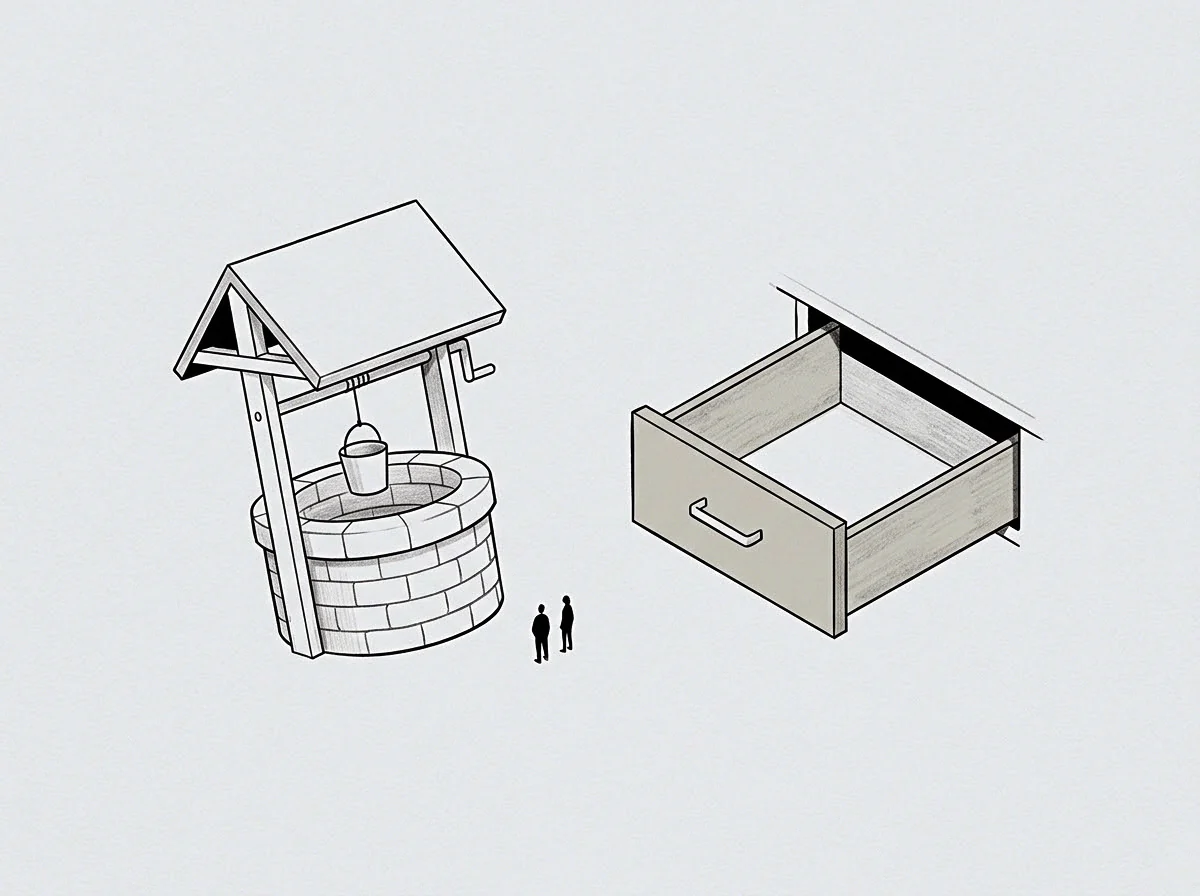
Structural governance protocols shield executive cognitive bandwidth by establishing strict escalation thresholds and mediated interfaces that deflect operational load.
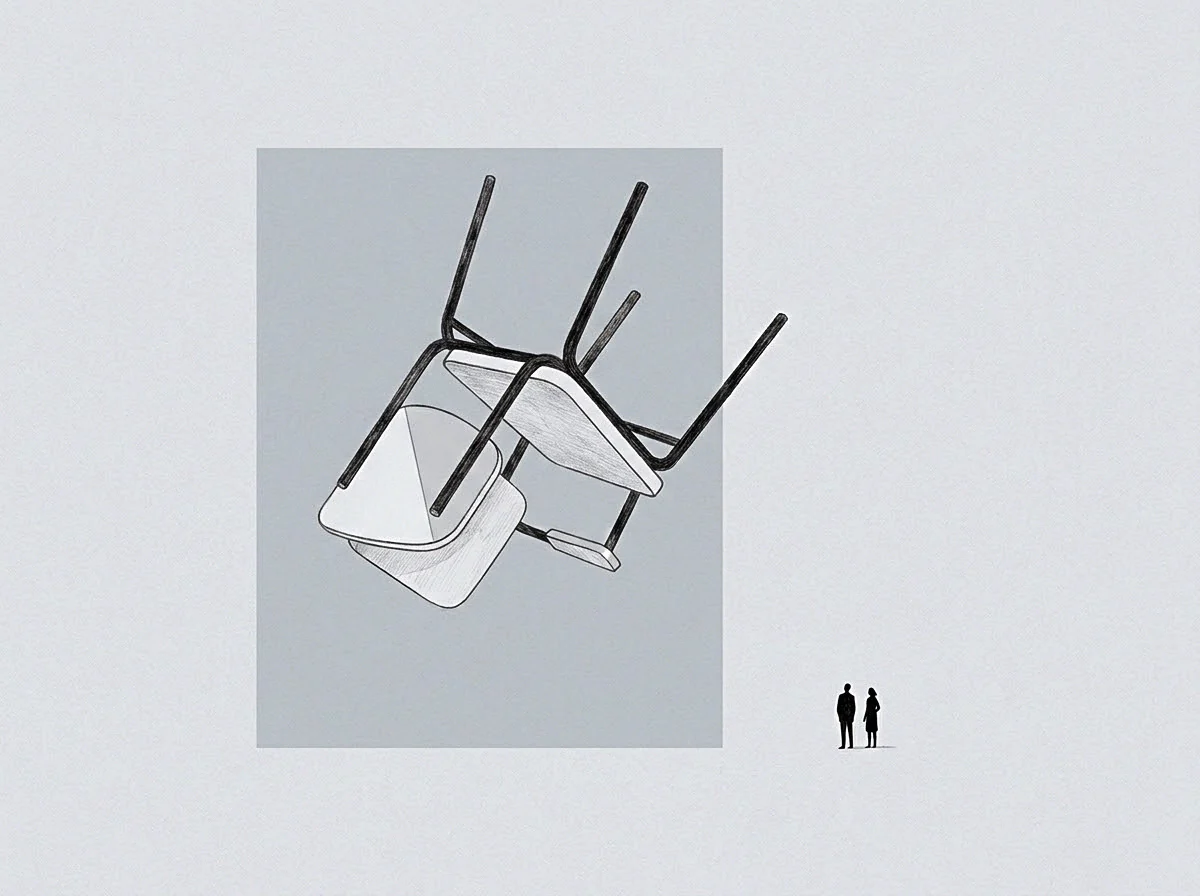
Executive leaders absorb organizational stress through social baseline co-regulation, providing borrowed calm to teams at measurable metabolic cost to themselves.

Chronic HPA axis downregulation starves prefrontal pyramidal neurons of glucocorticoid signals, retracting dendritic spines and shifting control to habit.

Structural separation interrupts shared sympathetic dysregulation in depleted founder pairs, restoring autonomic baselines through predictable boundaries.

Stated authorization caps transfer routine commitments to perimeter operators, eliminating runtime approvals and shielding executive regulators from overload.

Shared workspace proximity forces exhausted executives into continuous autonomic co-regulation, causing metabolic depletion through involuntary micro-attunement.
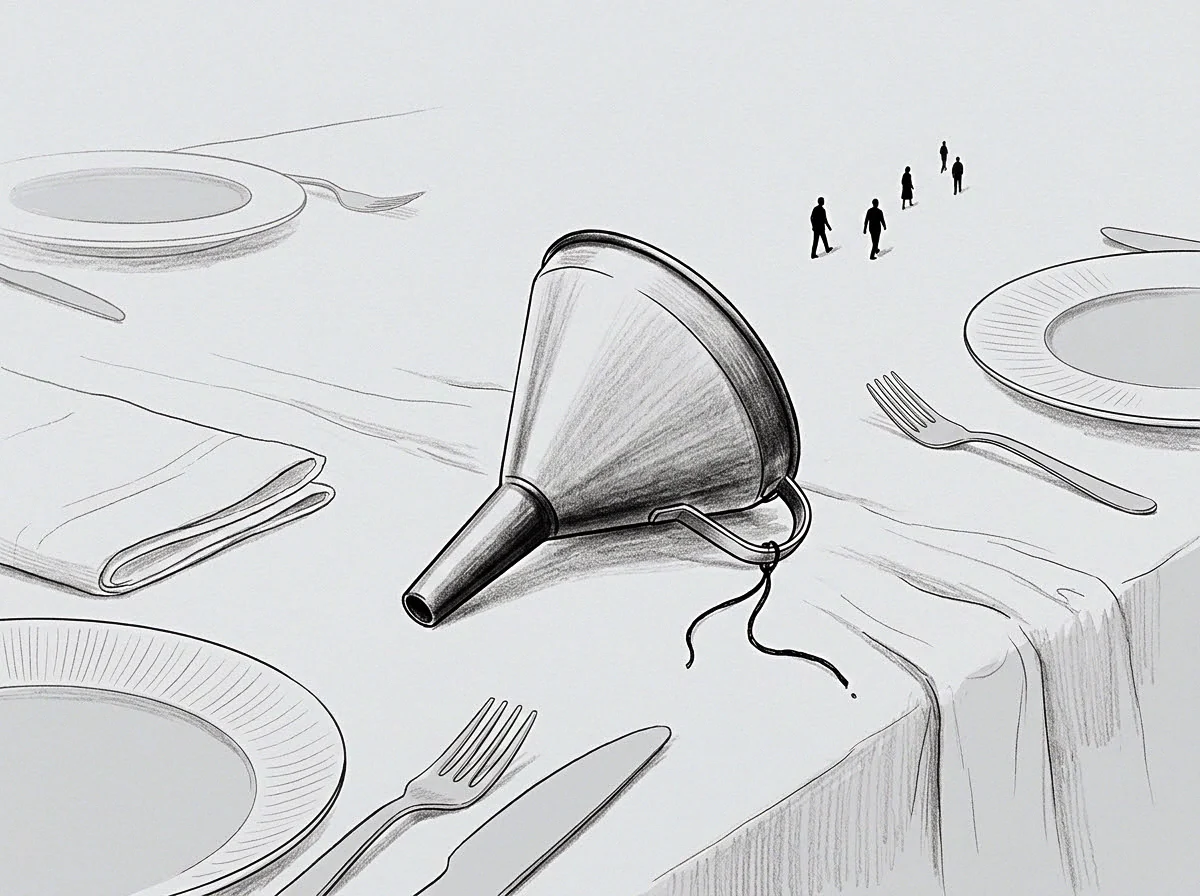
Co-locating depleted leaders forces mutual subcortical threat scanning, increasing autonomic regulation costs when neither person offers a baseline state.

Flattens diurnal cortisol curves saturate prefrontal glucocorticoid receptors, causing late-day executive working memory drift and slot capacity loss.

Chronic autonomic exhaustion manifests as hypocortisolemia and parasympathetic failure, whereas clinical depression presents with hypercortisolemia and receptor resistance.

Asymmetric autonomic regulation drains prefrontal metabolic reserves in central leaders, degrading strategic discernment into survival-driven operational triage.

Open desk architecture increases autonomic regulation costs by replacing baseline physiological safety signals with persistent, unmanaged peripheral micro-threats.
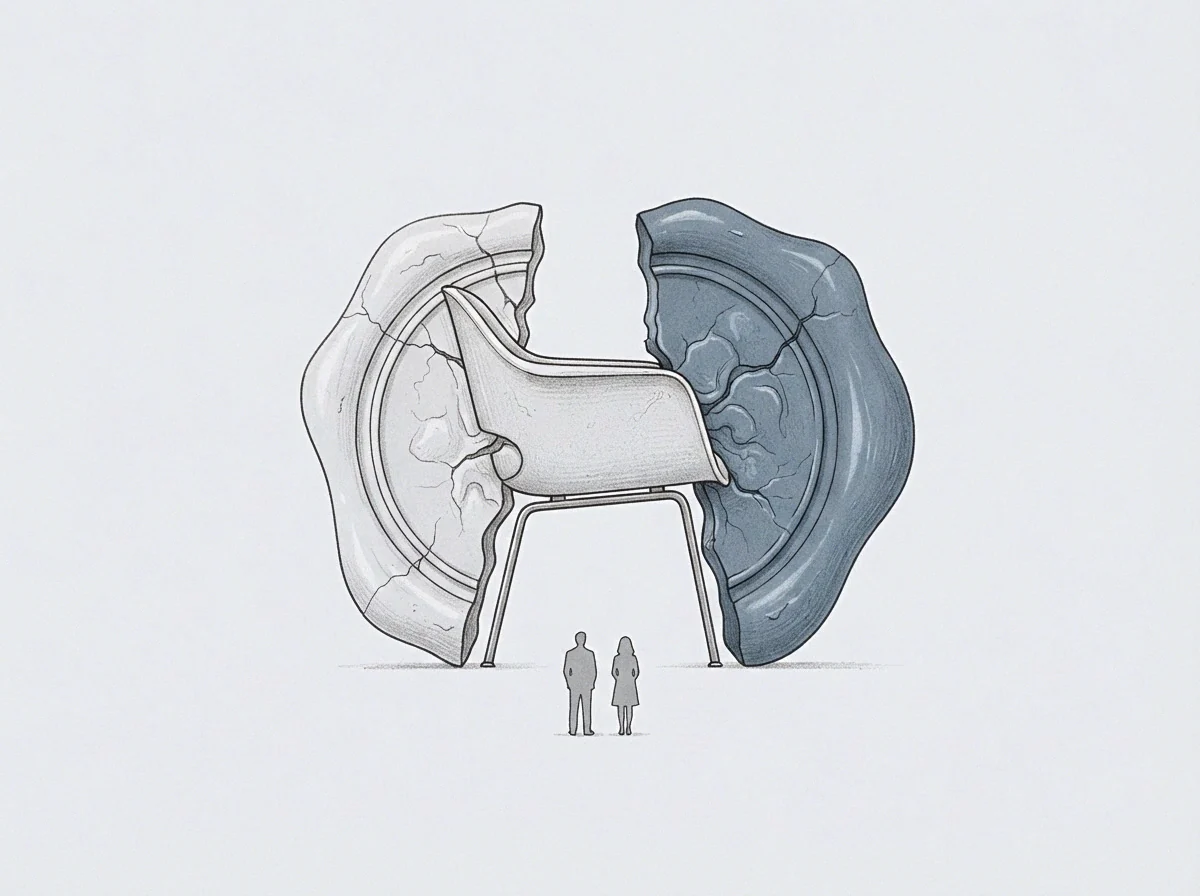
Solitary executive authority without operational buffering forces the central nervous system into chronic metabolic expenditure, accelerating allostatic collapse.

Biomarker gating protocols apply objective neuroendocrine telemetry to enforce operational boundaries before physiological load degrades executive decision quality.

Executive tenure contracts incorporate structural co-regulatory mechanisms to lower autonomic load and prevent decision degradation in isolated leaders.

Salivary cortisol ratios assess executive strain by tracking diurnal slope flattening and catabolic uncoupling against daily operational thread counts.

Extended isolation recalibrates the nervous system to treat self-regulation as the zero-cost baseline and social presence as a metabolic surcharge.

Repeated unhurried physical co-presence with steady peers gradually rewires a solitary leader's threat baseline from expensive isolation to shared bioenergetics.

Executive allostatic load during cross-functional scaling increases as neuroendocrine compensation covers structural organizational communication friction.

Executive decision velocity drops when concurrent ungated open loops exhaust working memory capacity and force systemic regulatory throttling.
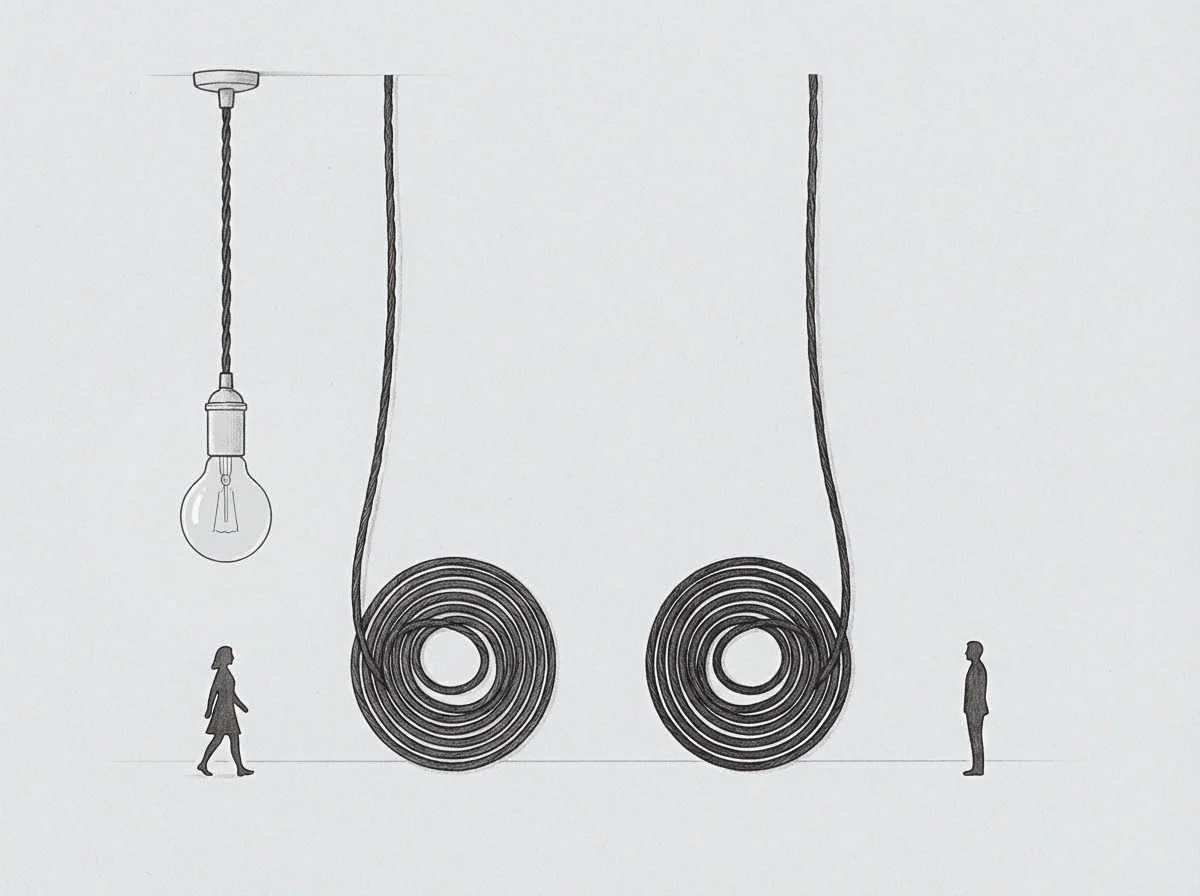
Solitary executive seats collapse the receptor slot, requiring intentional exposure to symmetric non-operational presence to rebuild biological regulatory baseline.

Solitary executive threat processing forces the brain to spend local prefrontal energy without social baseline subsidies, raising metabolic costs.

Operational thread gating limits executive working-memory saturation by routing inbound demands through temporal buffers and strict intake criteria.
The terms are written where they belong. Each field holds three desks, and every entry a desk writes raises the terms it uses, each term given a meaning, a mechanism and the places it appears. The record on these pages stays first person and hand made; the fields grow the nomenclature.