Meaning
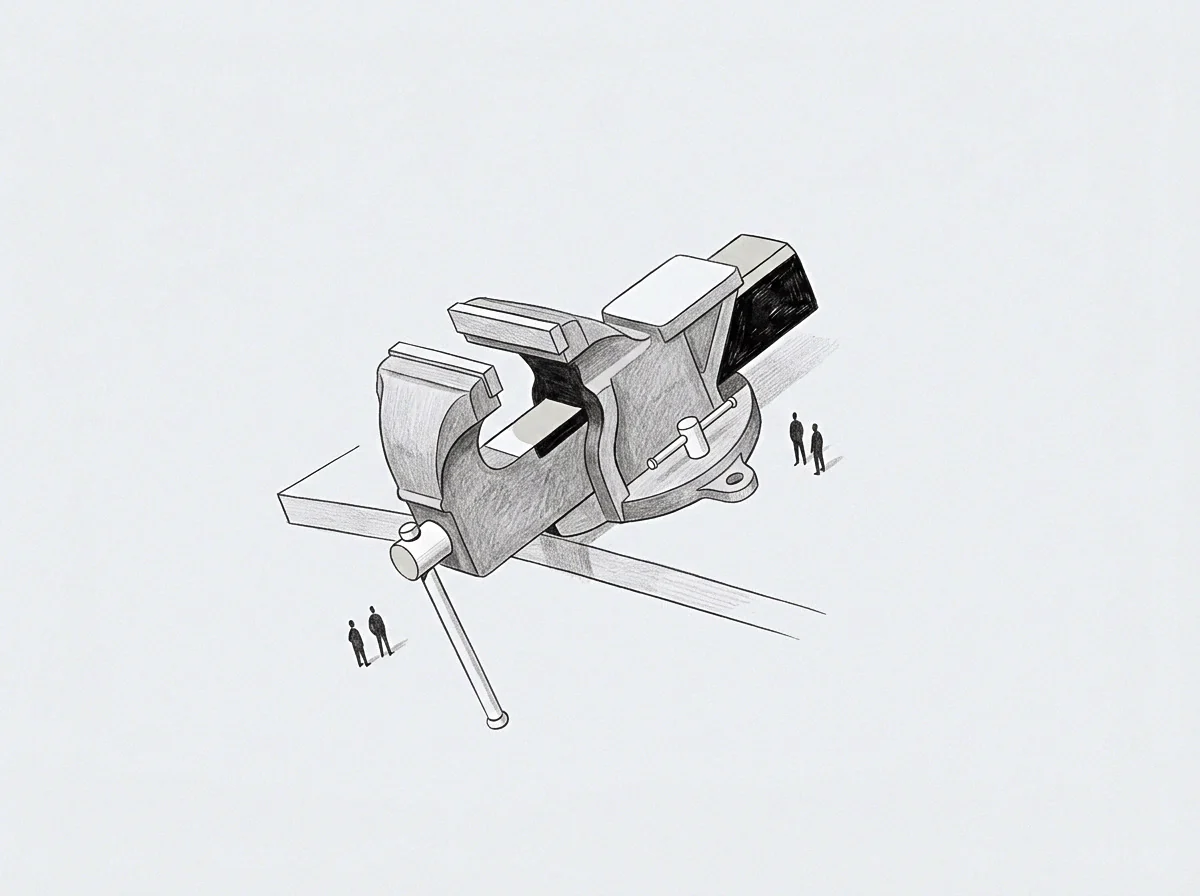
Parasympathetic inhibition of the sinoatrial node maintains physiological stability during periods of acute stress. A vagal brake functions by modulating the speed of cardiac output to align with environmental demands. This autonomic mechanism prevents prolonged hyperarousal by providing a rapid dampening effect on heart rate variability.
Regulatory Mechanism
Myelinated fibres originating in the brainstem govern this inhibitory pathway through the release of acetylcholine. Activation of these neurons decreases the rate of depolarization in cardiac pacemaker cells. Efficient operation of the vagal brake allows a founder to transition quickly from alert decision making into a state of metabolic conservation.
Chronic depletion of this capacity necessitates extended recovery periods to avoid systemic dysregulation.
Capacity Cost
Metabolic demand increases when internal or external stressors override this autonomic constraint. A constant reliance on high intensity engagement forces the cardiovascular system to operate without the benefit of consistent inhibitory control. This persistent state consumes significant physiological energy.
Founder performance stabilizes when the vagal brake remains responsive to momentary fluctuations in operational load.
Boundary Condition
Physiological limits constrain the effectiveness of this inhibitory influence. Excessively high baseline stress levels eventually decouple the parasympathetic response from heart rate regulation. The system loses the ability to downregulate once internal pressure exceeds the threshold of functional autonomy.
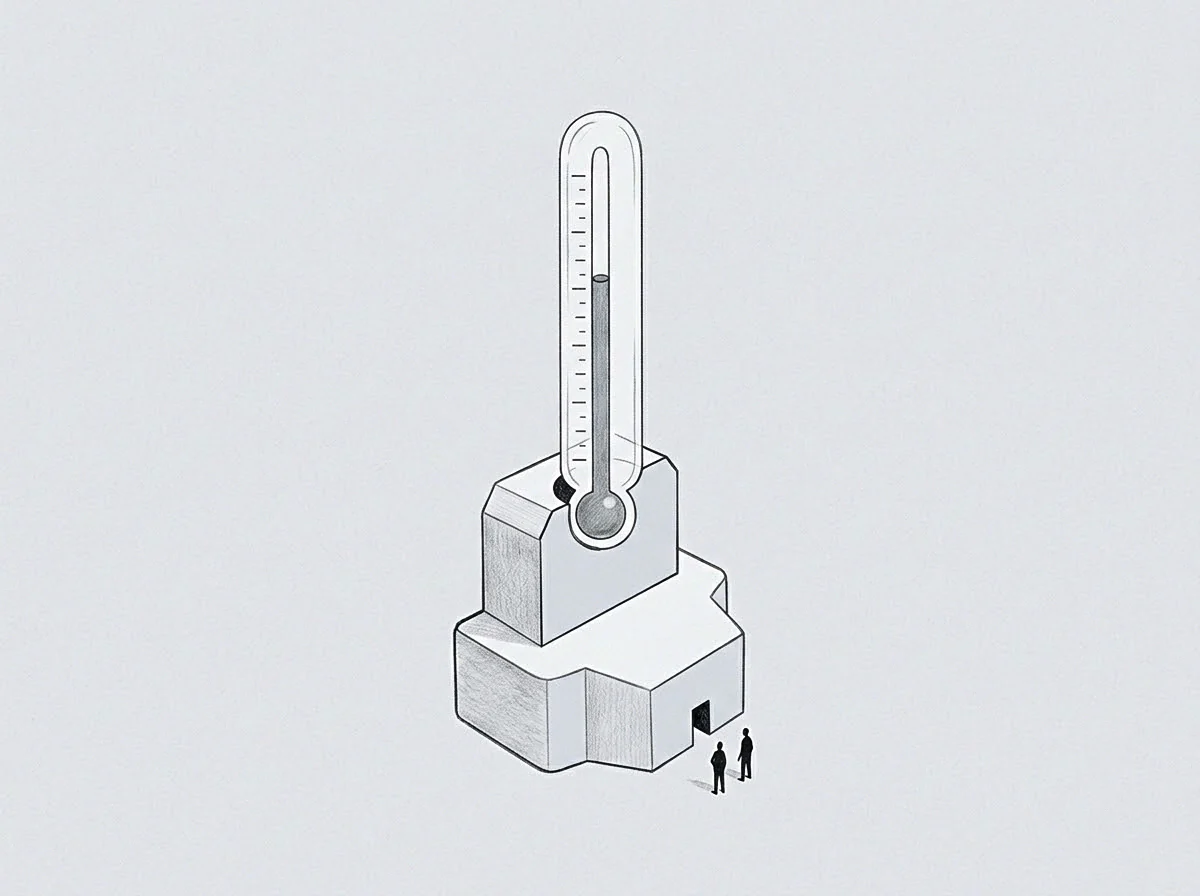
Sustained elevation in heart rate provides clear evidence that the vagal brake has reached its operational maximum.