Meaning
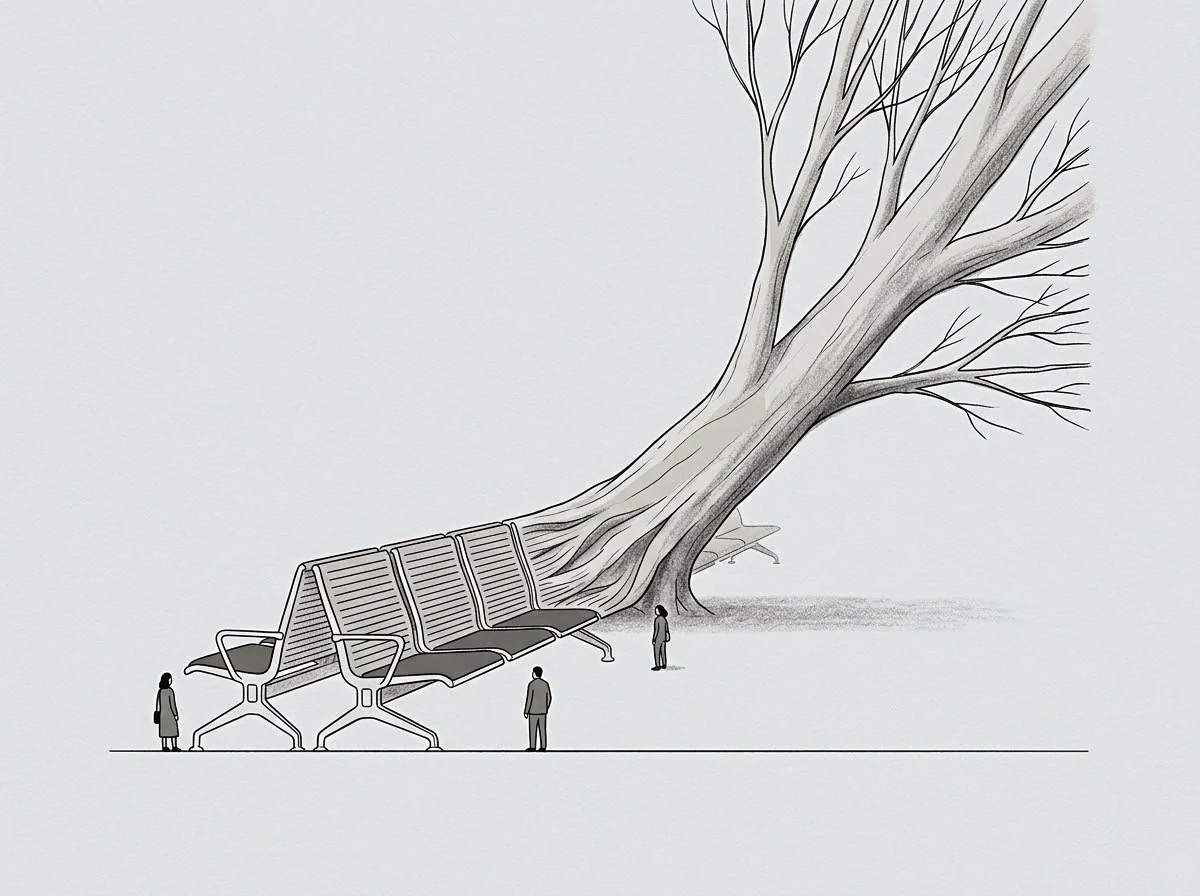
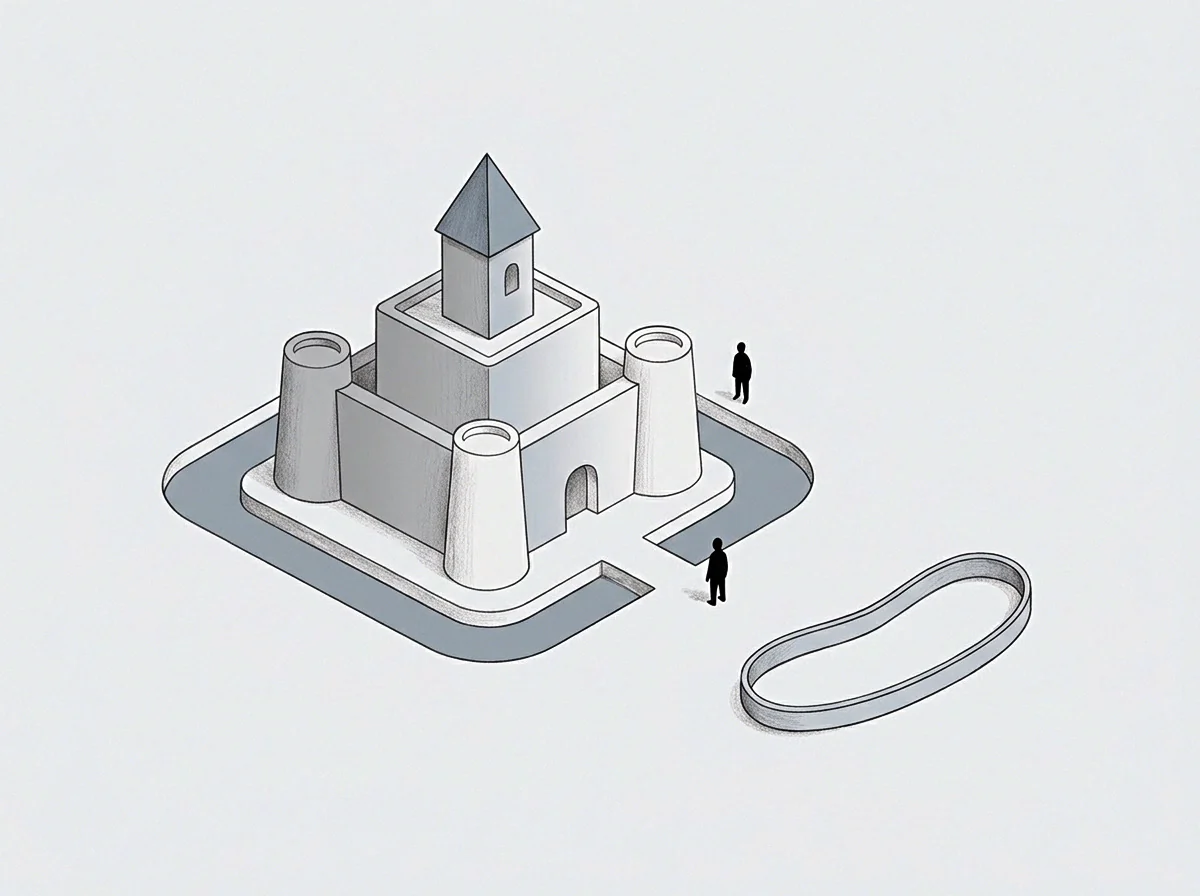
Cognitive architecture creates a mental map of interpersonal interaction. An internal working model acts as a durable framework for predicting how others behave during high-pressure negotiations or long-term professional partnerships. This structure develops through early experience and stabilizes over time, governing the expectation of support or hostility from external agents.
Regulator Capacity
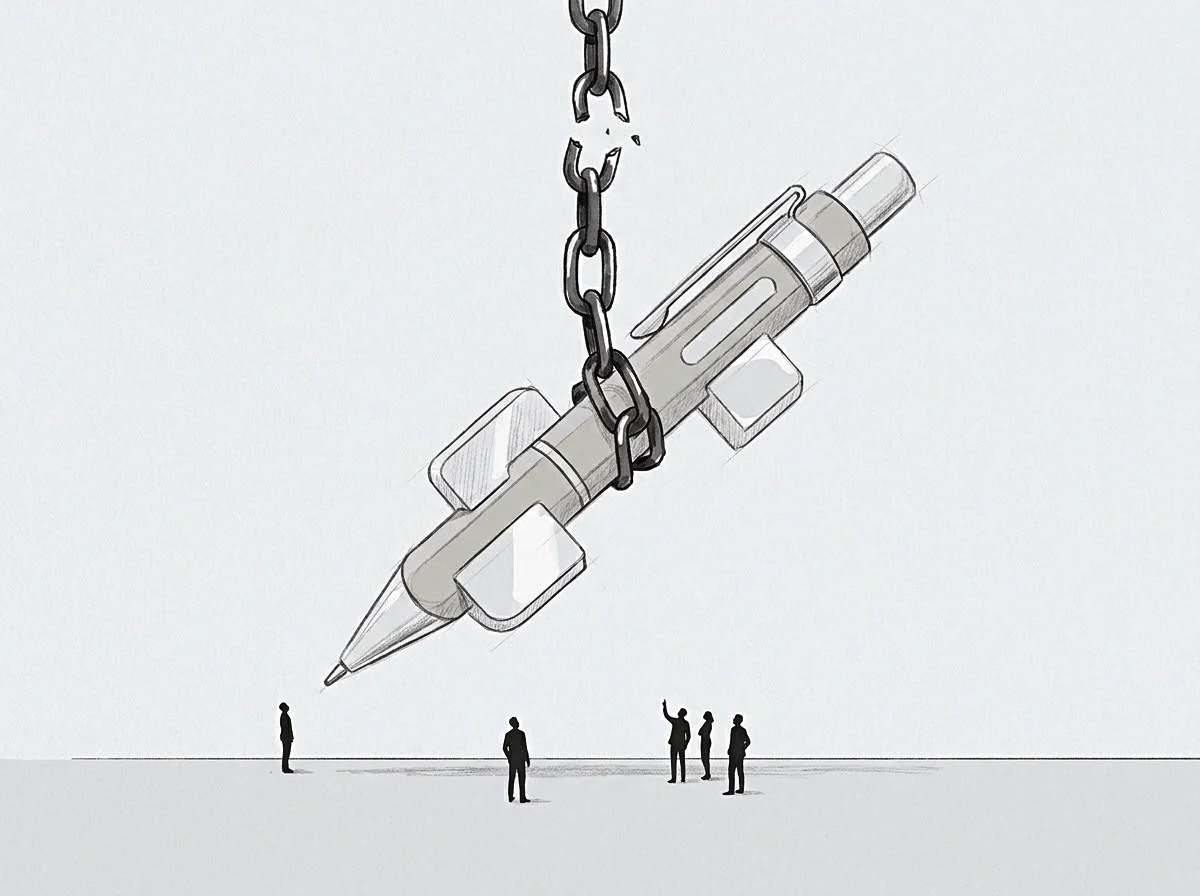
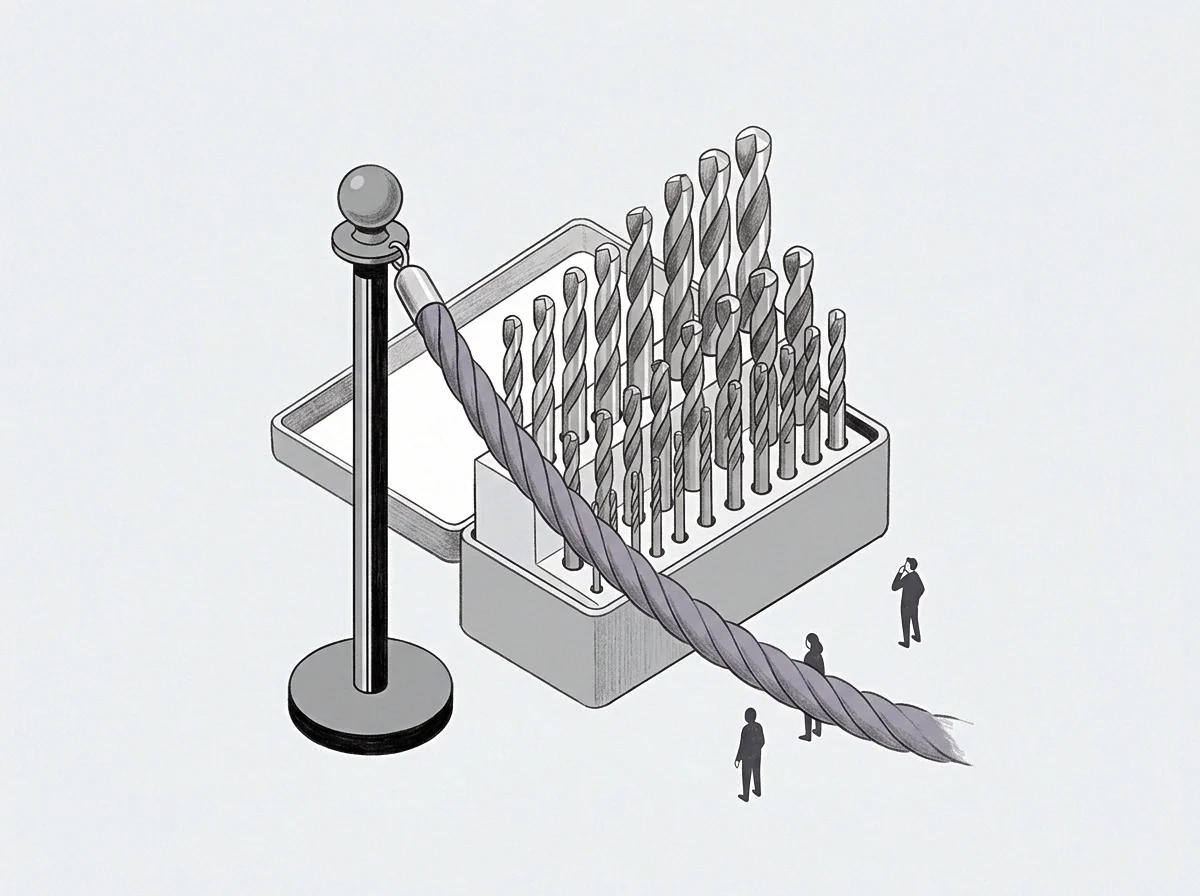
Founders utilize this construct to calibrate the energy required for managing team dynamics. Accurate calibration minimizes the attention consumed by misreading social cues. Excessive reliance on an outdated template results in the inefficient allocation of focus, forcing the individual to rectify persistent errors in judgment regarding team cooperation.
Cognitive Load
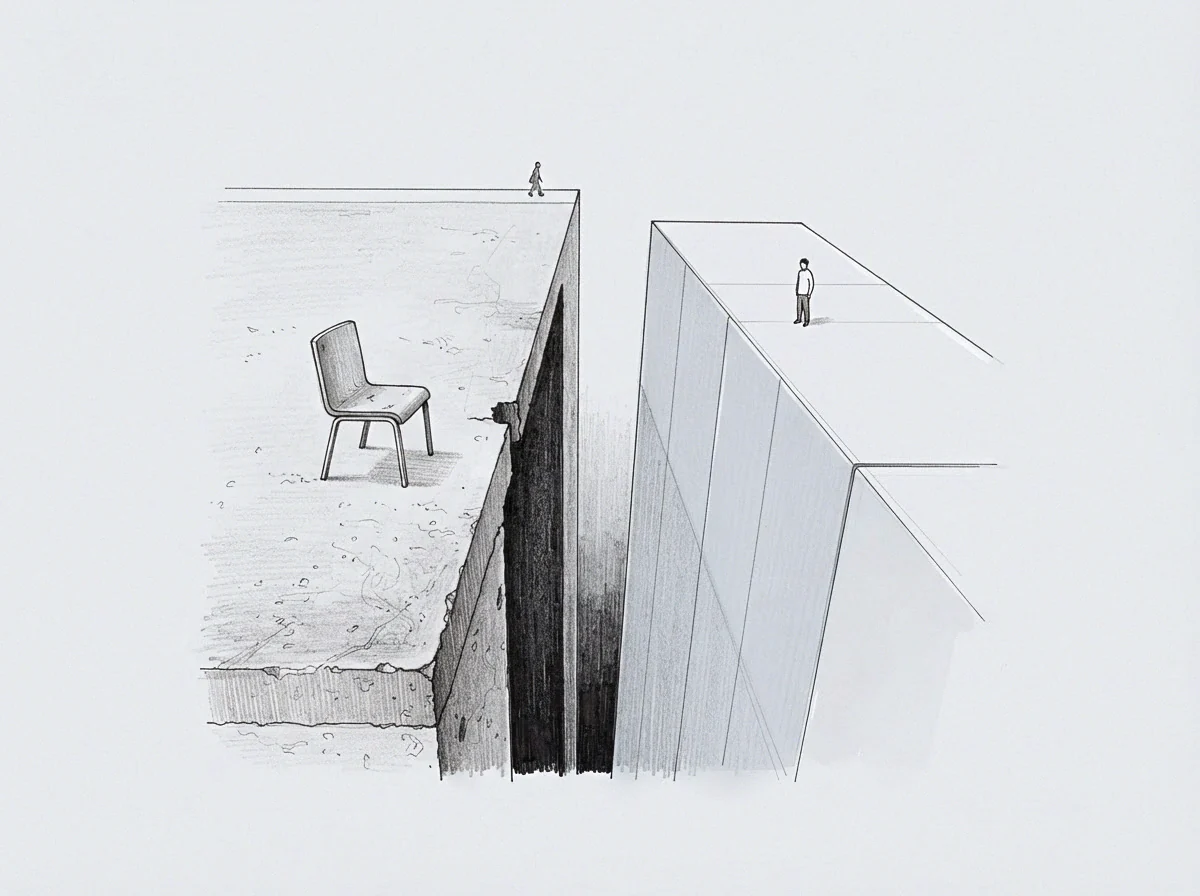
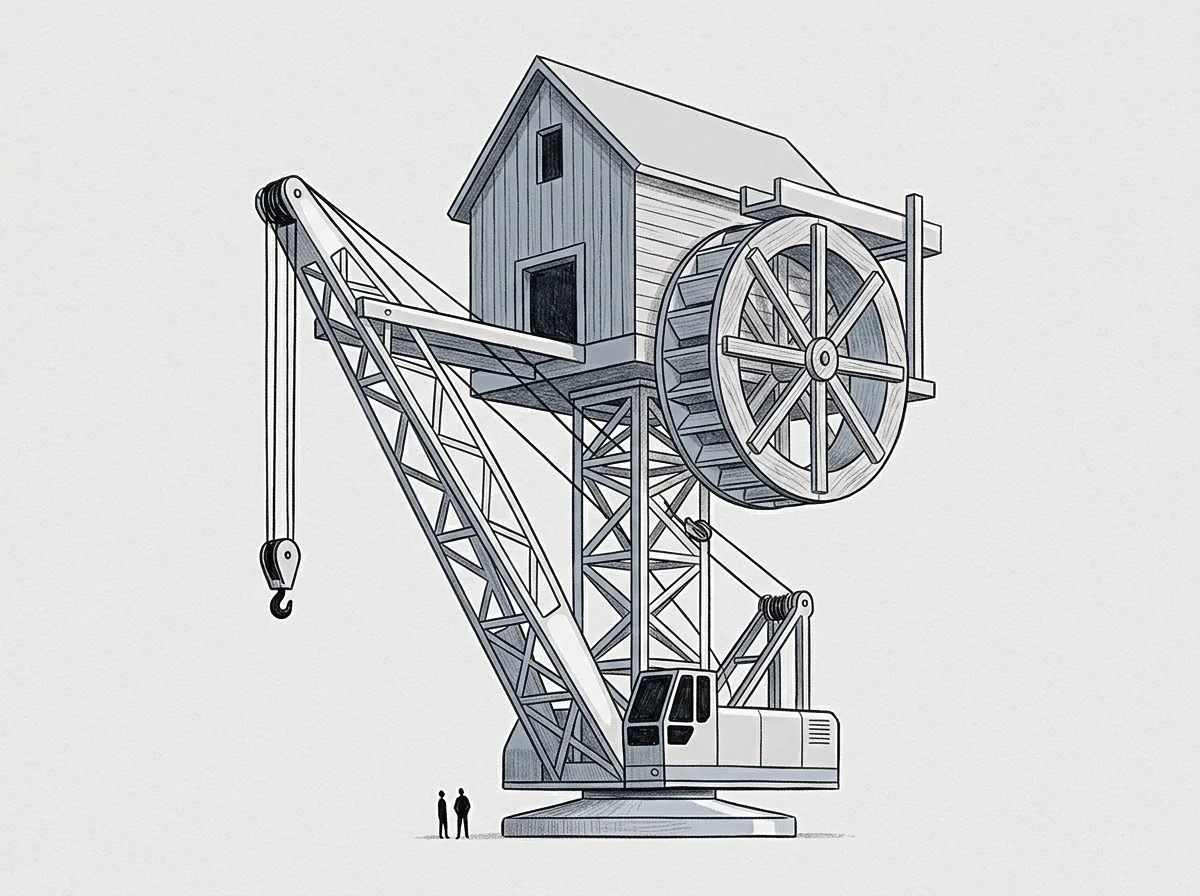
Neural resources remain constrained by the need to reconcile incoming data against established expectations. Discrepancies between the predicted social outcome and the actual observation generate immediate processing costs. Maintaining a rigid baseline increases the frequency of these discrepancies, which accelerates the depletion of mental capacity during periods of rapid organizational change.
Boundary Condition
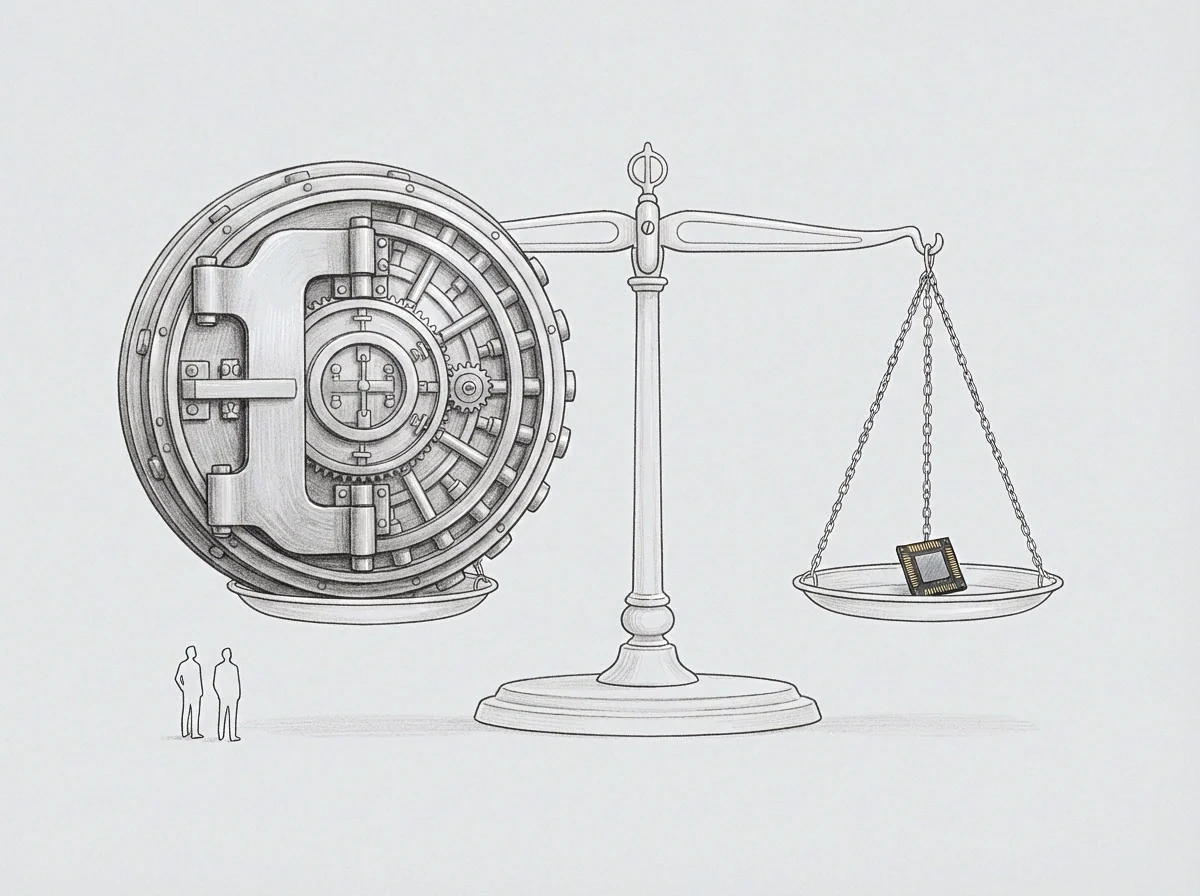
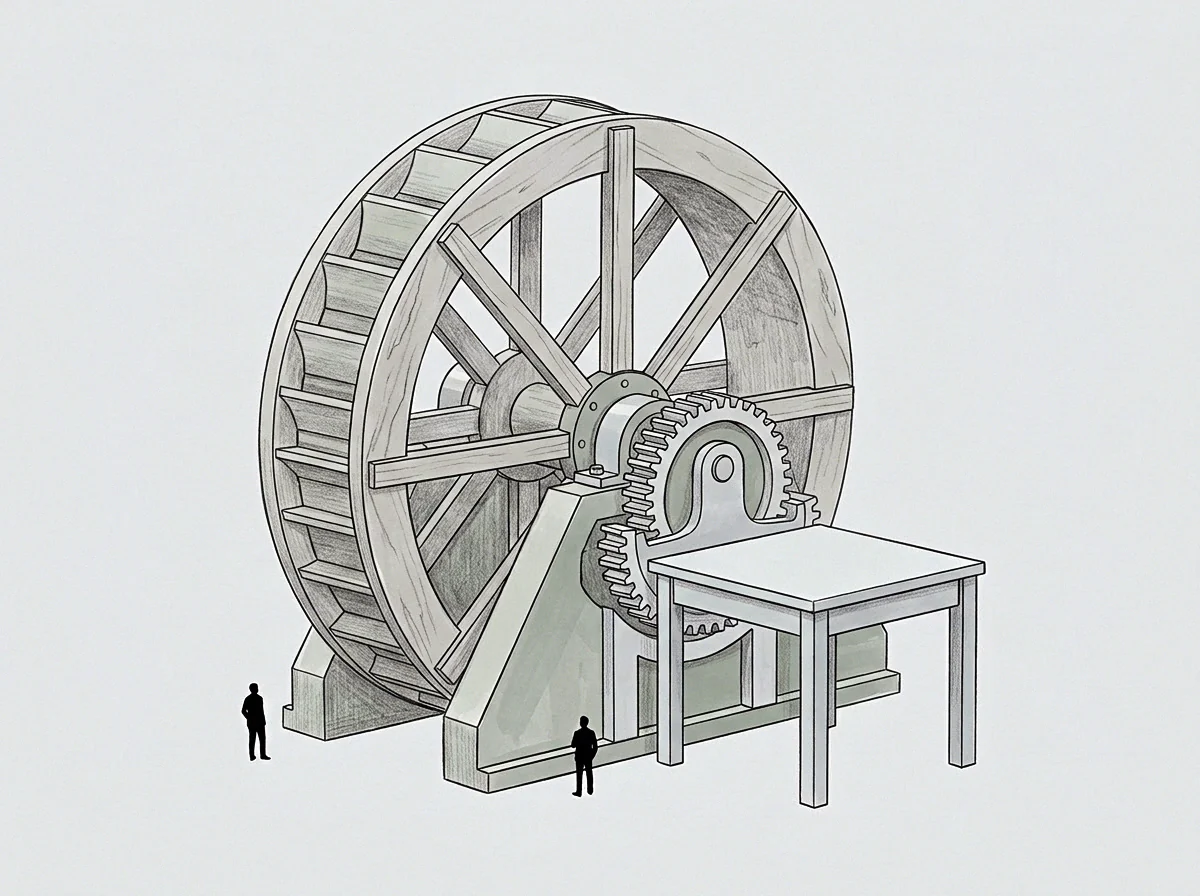
Flexibility defines the utility of the system when environments shift. Strict adherence to a static template limits the capability to adapt to new collaborators or evolving power structures. Growth in situational awareness allows the adjustment of these subconscious rules, ensuring the response matches the requirements of the task.