

Neuroendocrine Adaptation During Solo High Load Operational Periods
Unbuffered solo operational strain flattens diurnal cortisol release, down-regulates glucocorticoid receptors, and forces high-cost self-regulation.
Unbuffered solo operational strain flattens diurnal cortisol release, down-regulates glucocorticoid receptors, and forces high-cost self-regulation.

Executive depletion resolves when central leaders enforce structural limits, stopping distributed nodes from offloading local regulatory responsibility under acute shock.
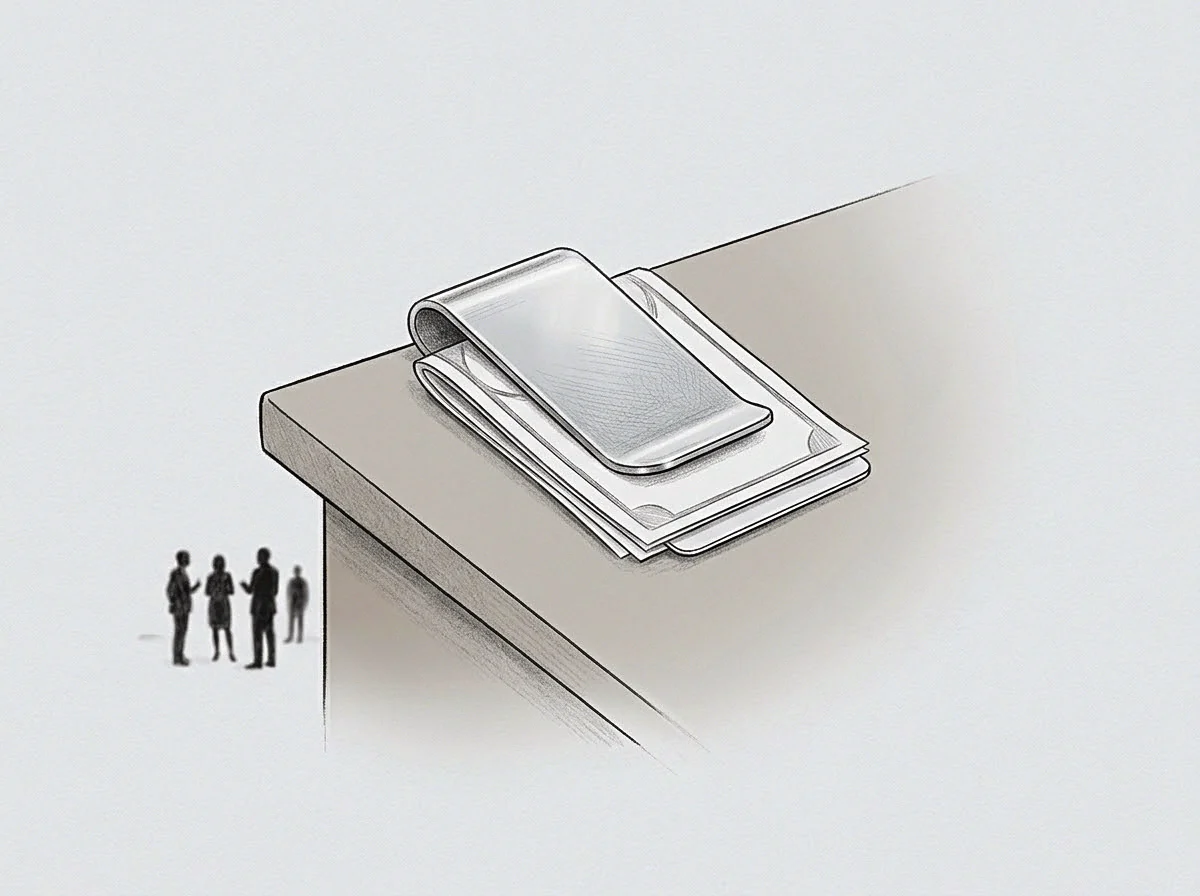
Lateral peer buffering blunts executive allostatic load during crisis by distributing neural threat appraisal across non-evaluative, structurally symmetric equals.
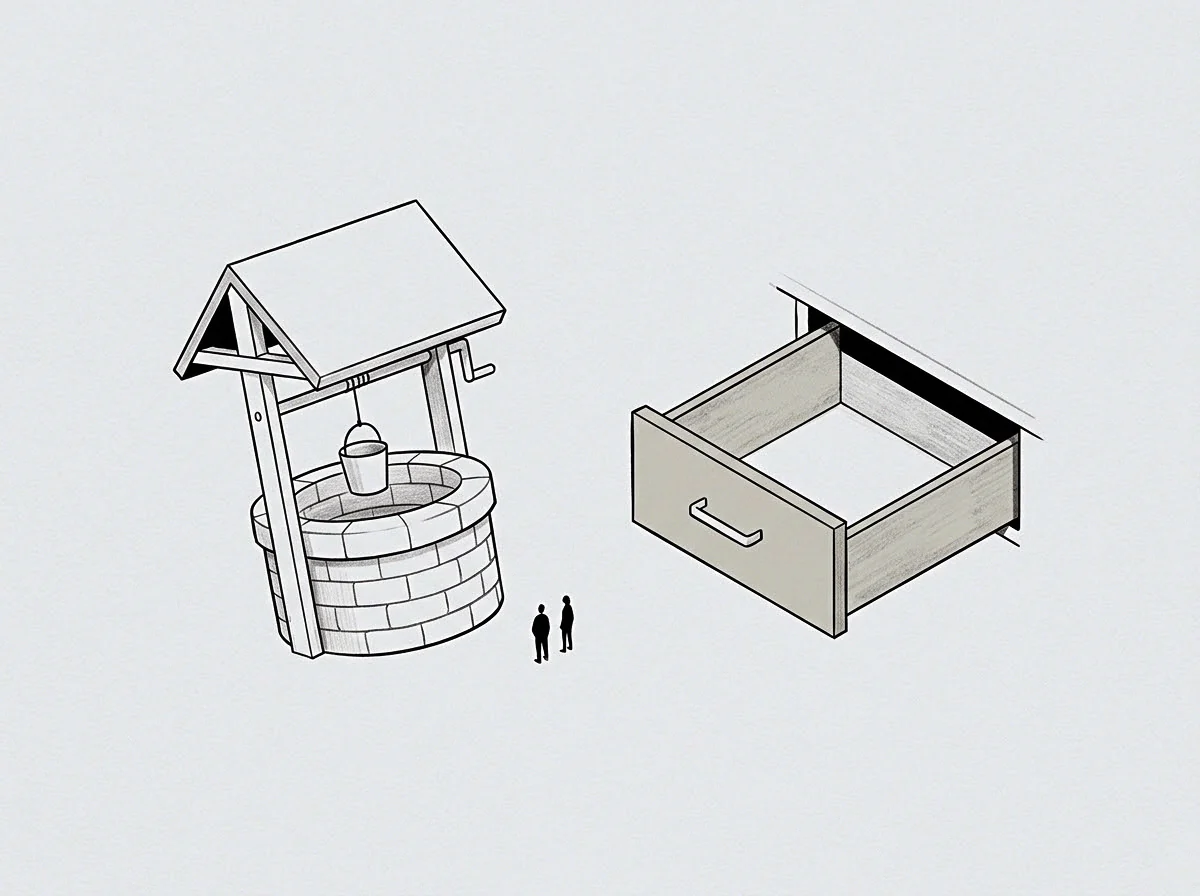
Deep strain floods threat networks, suppressing prefrontal channels and blocking the neural slots required to process external calm as a physiological subsidy.
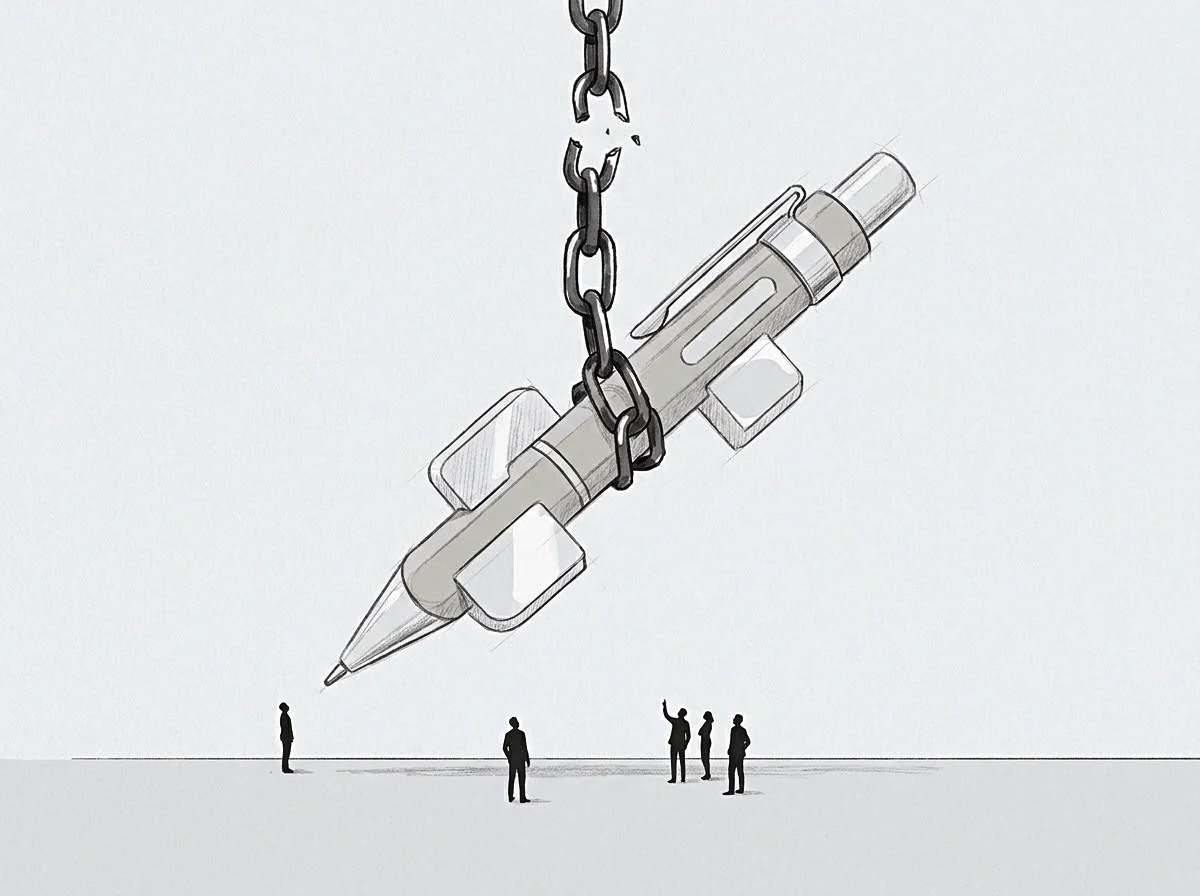
When borrowed regulation capacity empties, the primary regulator's internal working model snaps, forcing autonomic throttling and relational detachment.
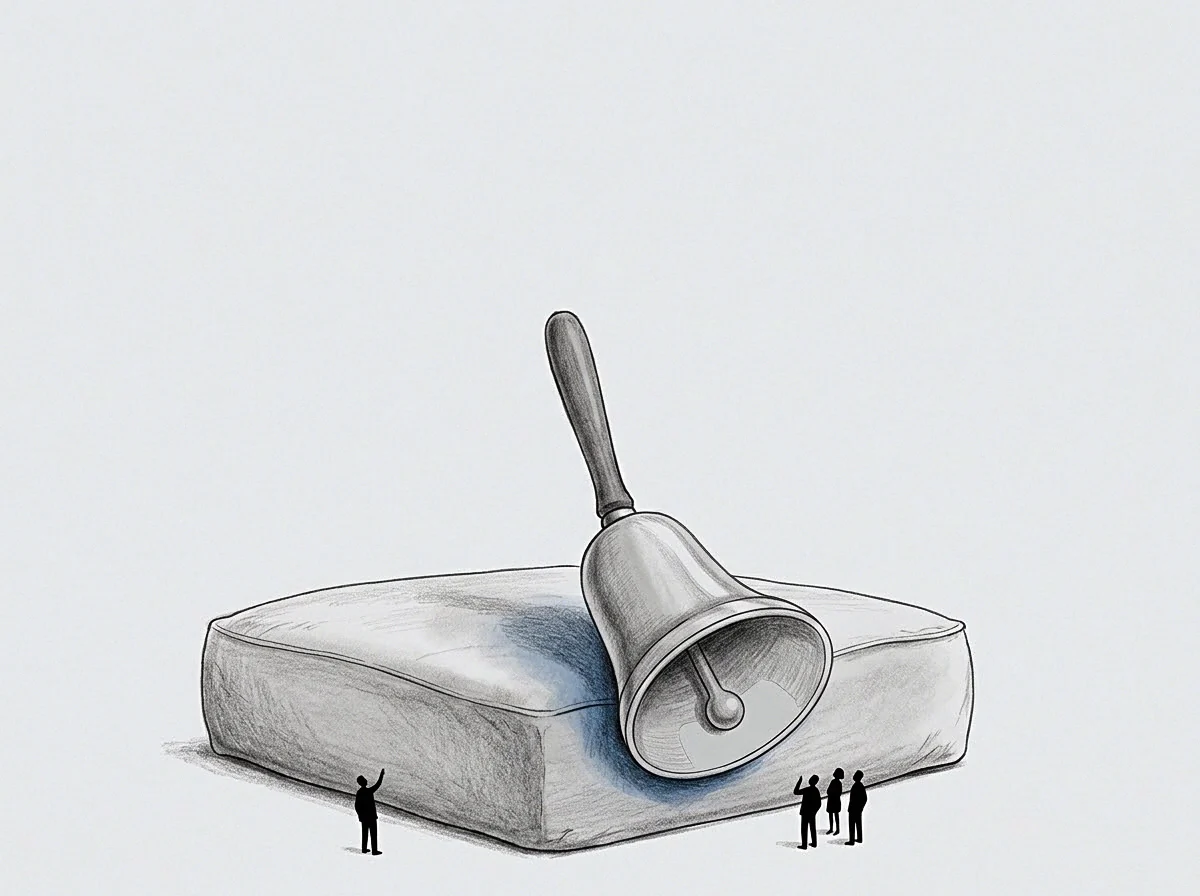
Prolonged physiological strain shifts the social baseline, causing the brain to register social proximity as a metabolic demand rather than a stabilizing resource.
Updating executive authority models under continuous load demands structural operational buffers that force mutual regulation and lower solitary allostatic expenditure.
Unreciprocated social baseline regulation forces a leader's brain to expend continuous metabolic energy on top-down inhibition, raising allostatic load.
Functioning as a primary relational regulator suppresses autonomic recovery and elevates metabolic expenditure by replacing co-regulatory relief with solo buffering.
Executive baseline regulation operates as a metabolic threat economy where proximity to a steady presence reduces neural load and preserves capacity.
Social baseline theory shows that solitary leadership forces the nervous system to spend internal metabolic energy on threat regulation normally shared with others.
Isolated nervous system regulation forces the brain to spend extra metabolic energy on self-soothing, accelerating physiological wear under operational load.
Internal working models update only when unhedged, symmetrical operational risk forces the brain to abandon expectations of solitary threat absorption.
A backward regulator template compels founders to absorb team anxiety, misallocating capital to soothe executive friction rather than funding output.
Internal working models update when repeated physical co-presence without operational demand lowers the metabolic cost of neural threat regulation.
Myelinated ventral vagal fibers slow cardiac rhythm when physical co-presence carries zero evaluative or communicative demand, lowering metabolic regulation costs.
Solitary self regulation increases metabolic threat costs, whereas proximity to a stable presence reallocates autonomic capacity toward execution.
Executive concurrency drops when subordinate co-regulation consumes working memory slots, transforming strategic capacity into real-time emotional stabilization.

Unilateral containment forces continuous sympathetic activation in high-load operators until explicit relational safety signals enable visceral parasympathetic recovery.
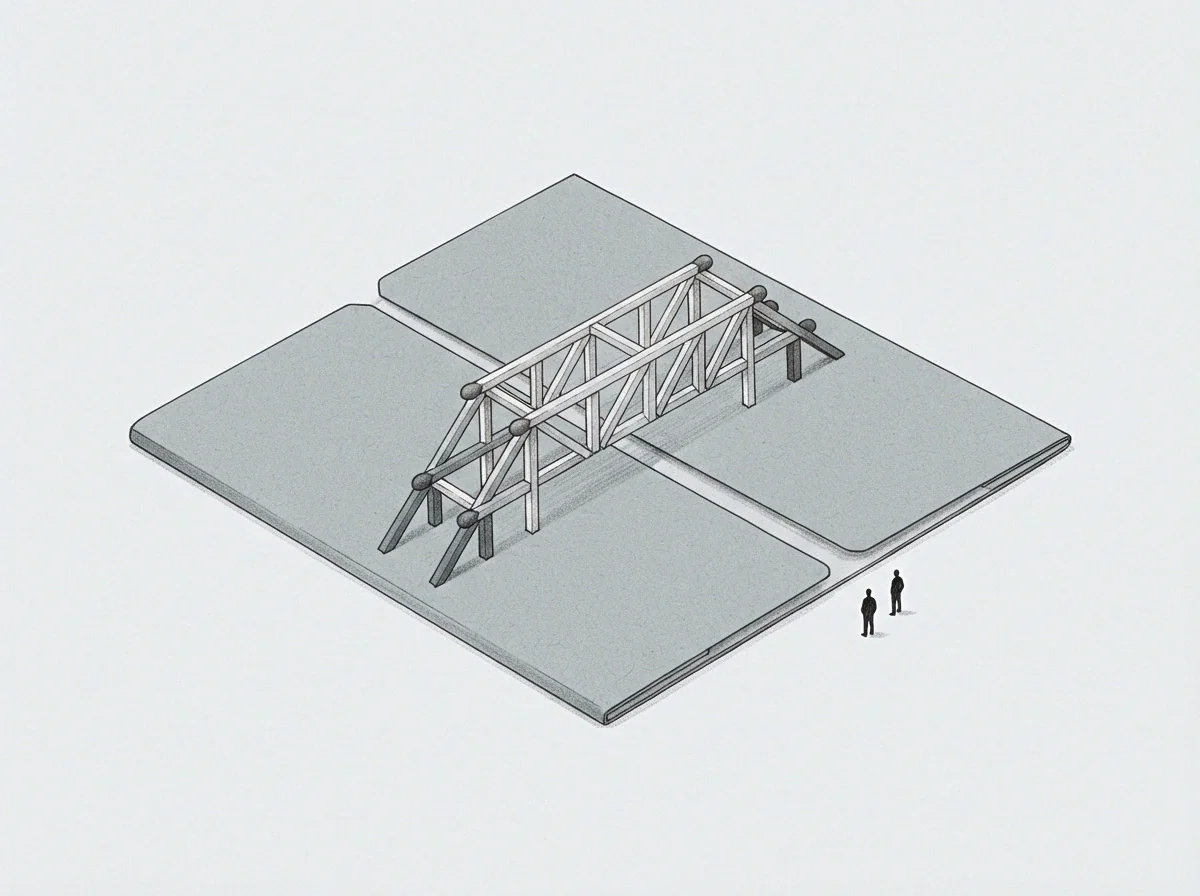
Chronic operational burnout forces the autonomic nervous system to process partner presence as operational load rather than baseline calm, requiring structured non-demanding micro-exchanges to rebuild somatic receptivity over time.
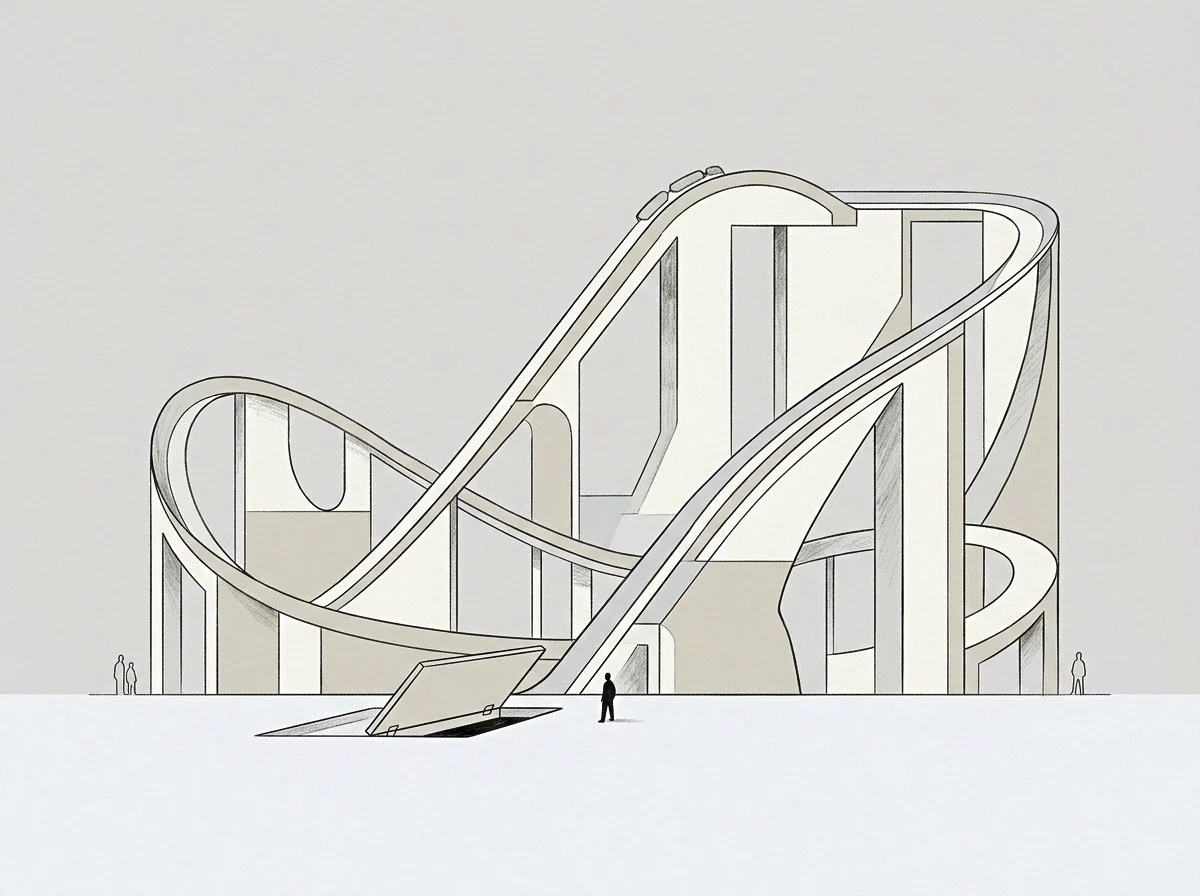
Predictable proximity and explicit autonomic limits reset parasympathetic baseline by lowering the metabolic cost of self-regulation in high-stress partnerships.
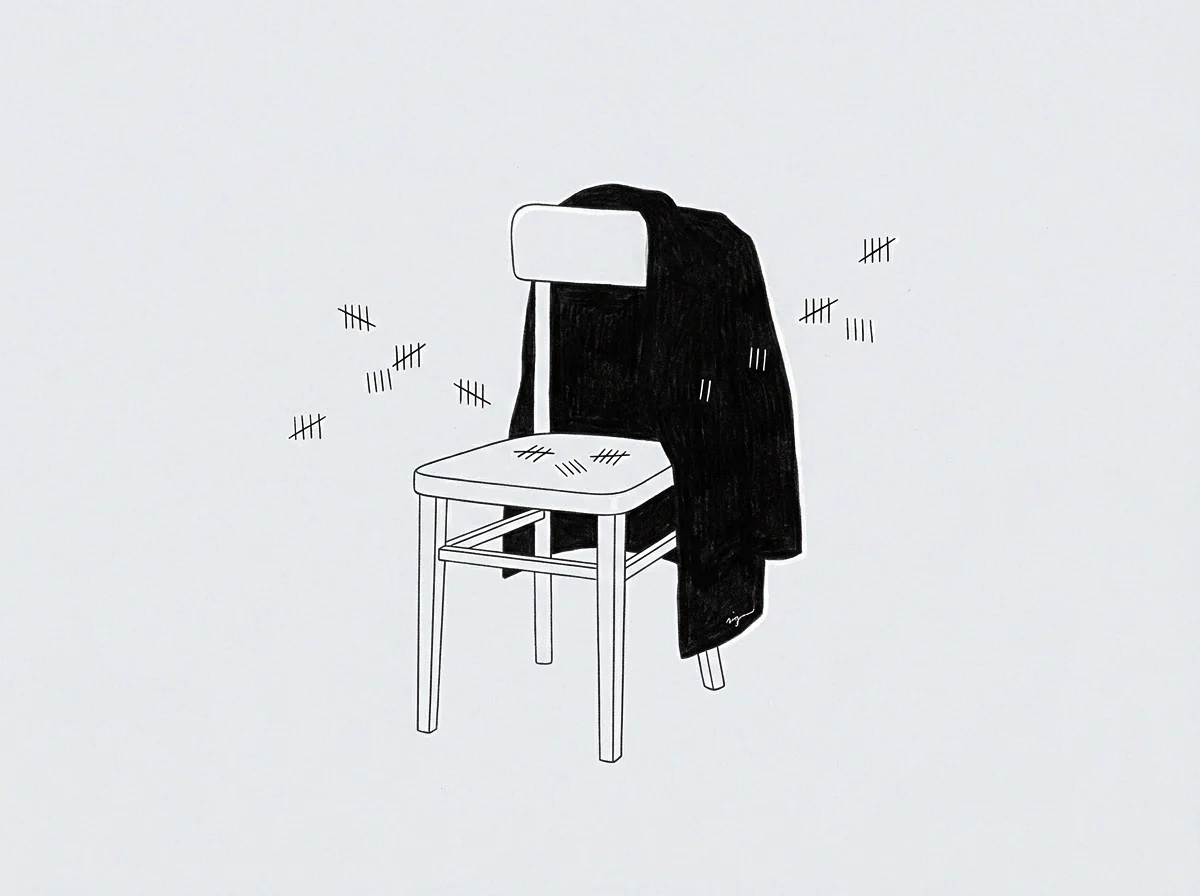
Shared desk hours elevate nervous system arousal through autonomic entrainment, transferring stress from erratic workers to adjacent stable operators.

Extended solitary founder tenure locks threat processing into high gain, which down-regulates only through repeated operational co-regulation with a stable peer.
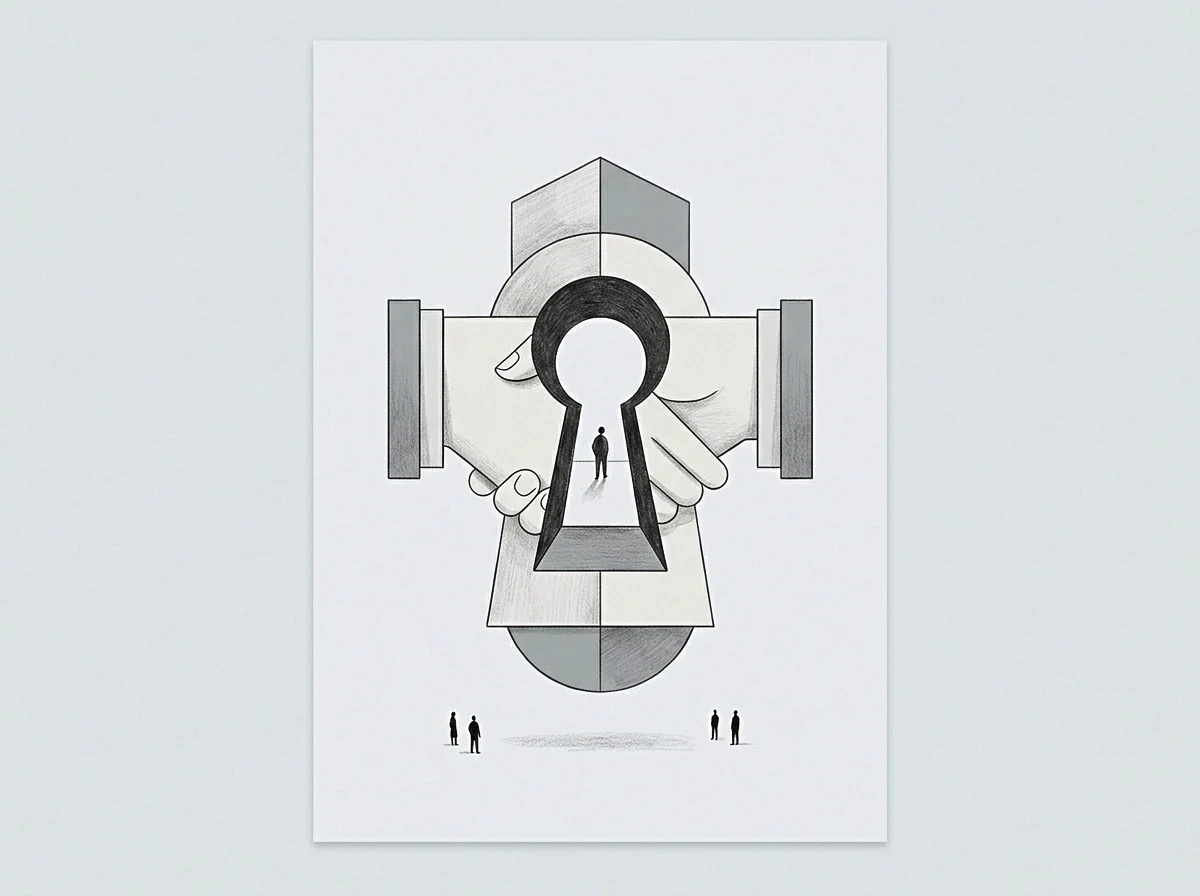
Solitary leadership recalibrates neural threat processing by elevating baseline vigilance while constricting relational capacity through unshared regulatory load.
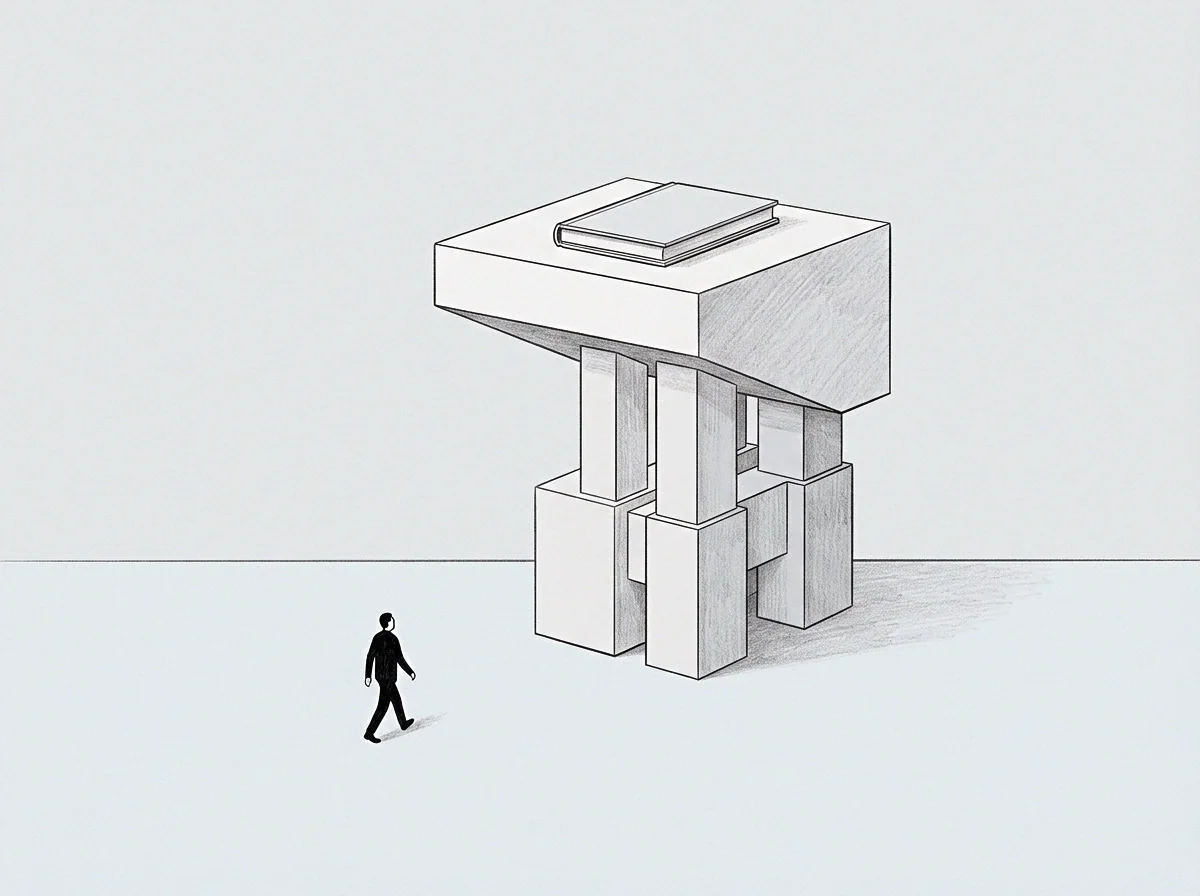
Solitary technical building removes environmental co-regulation, forcing the brain to expend metabolic energy on self-regulation and throttling cognitive headroom.
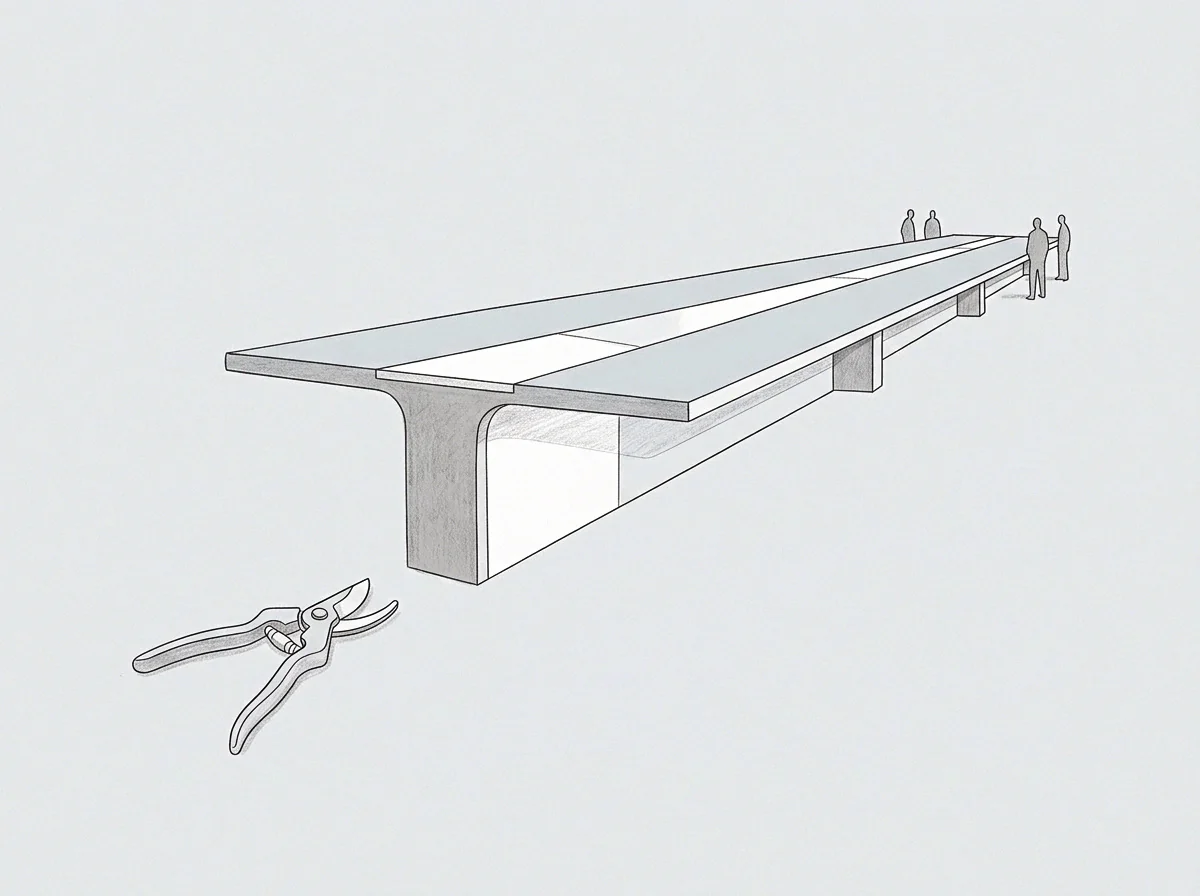
Unilateral regulation in shared operational space shifts physiological load onto one nervous system, elevating baseline cortisol and suppressing regulatory receptor updates.
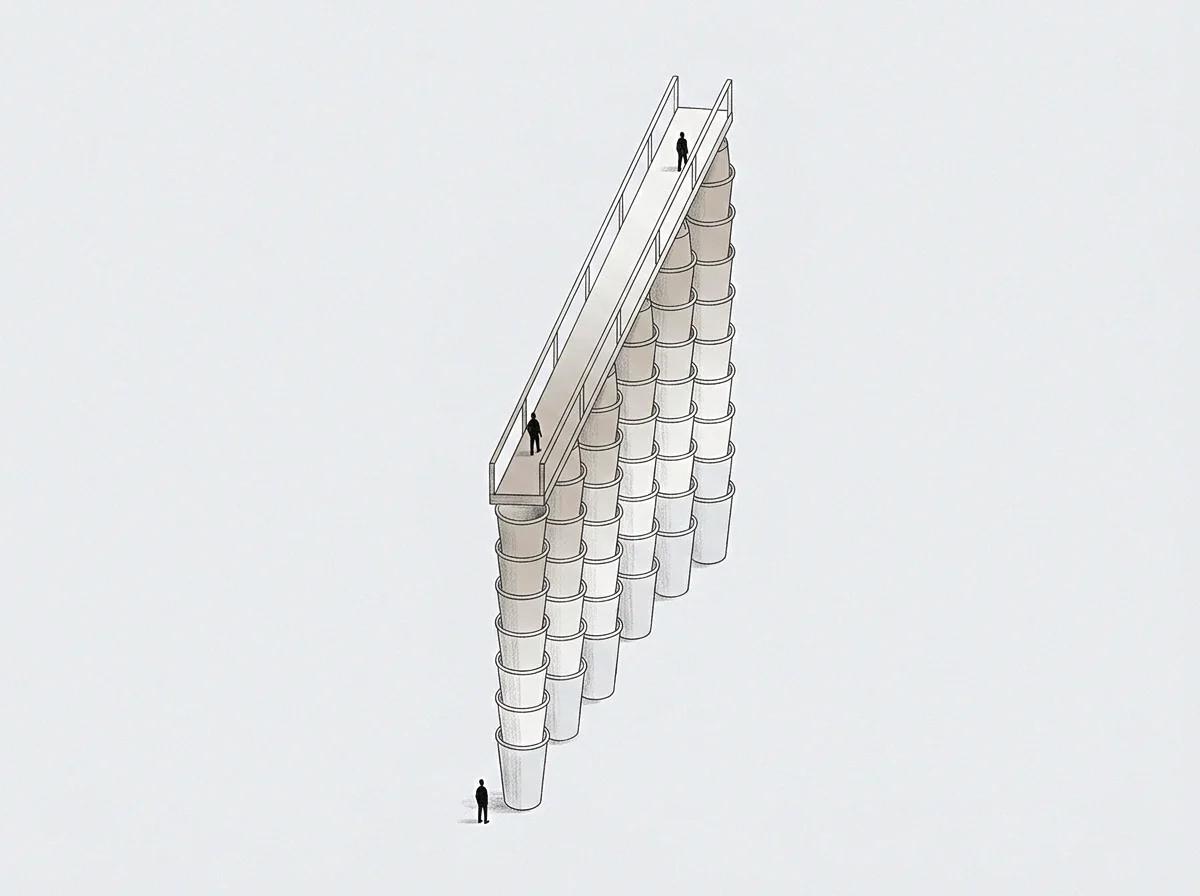
Operational panic concentrates into the calmest executive present whose nervous system absorbs the metabolic cost of stabilizing the entire leadership circle.
Somatic co-regulation lowers individual neural energy expenditure by distributing autonomic threat processing across proximal physiological baseline systems.

Chronic unilateral regulation exhausts hypothalamic and autonomic systems, producing severe hypocortisolemia and vagal collapse upon partnership rupture.
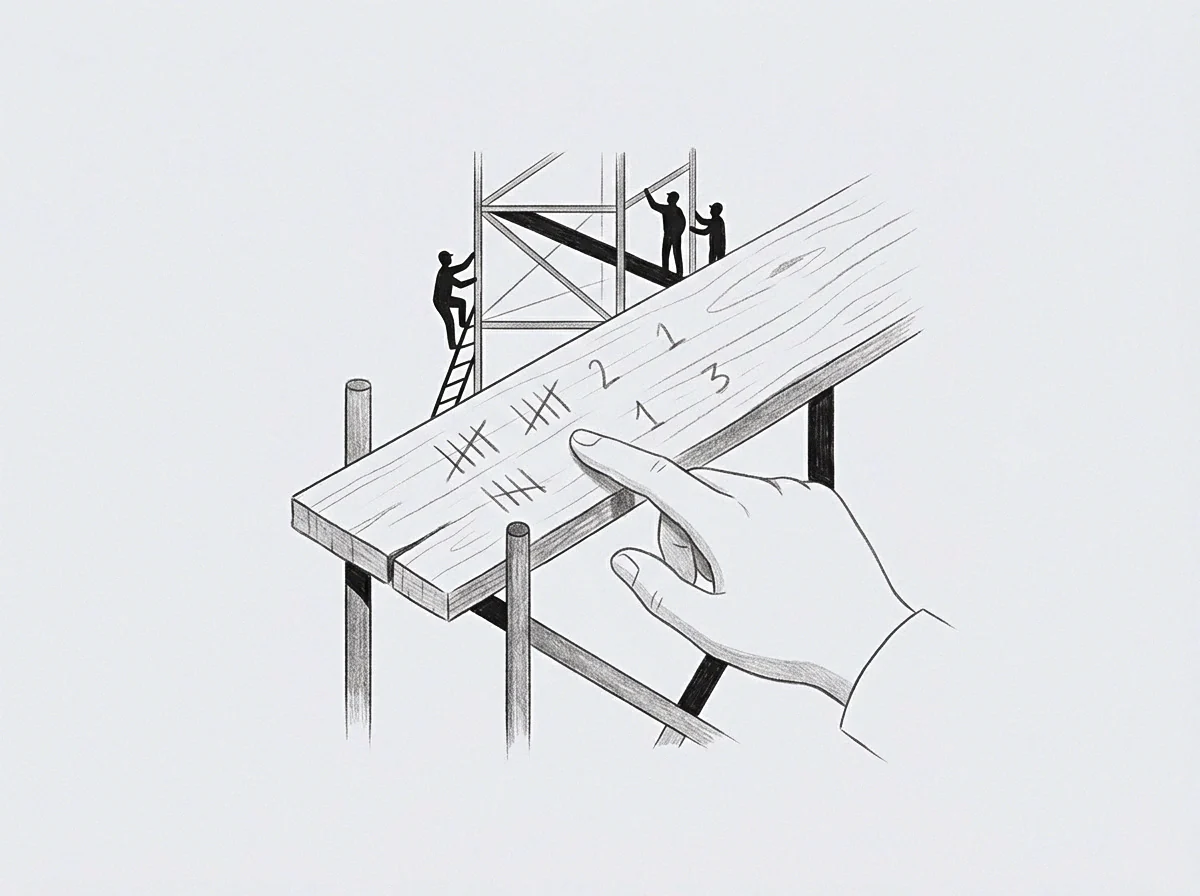
Earned security updates insecure working models when repeated operational stress meets steady co-regulating presence, lowering metabolic load through shared baseline threat processing.
The terms are written where they belong. Each field holds three desks, and every entry a desk writes raises the terms it uses, each term given a meaning, a mechanism and the places it appears. The record on these pages stays first person and hand made; the fields grow the nomenclature.