

Social Baseline Shift under Long Term Unreciprocated Affective Load Transfers
Unreciprocated affective load transfers force a steady baseline actor into chronic allostatic elevation by denying the biological discount of shared regulation.
Unreciprocated affective load transfers force a steady baseline actor into chronic allostatic elevation by denying the biological discount of shared regulation.

Shared strain causes one partner to absorb the autonomic arousal of the other through proximity, depleting metabolic reserves without conscious disclosure.
A founder facing enterprise shocks must build a second regulatory template through repeated co-regulation with a non-stakeholder to avoid metabolic collapse.

Distributed executive regulation shifts threat appraisal from an isolated nervous system to a collective social baseline, preserving strategic capacity under duress.
Codified governance holds only when shared channel latency becomes an observable cost rather than a personal refusal.
Chronic high threat locks defensive priors by treating safety signals as noise, blocking internal model updates until shared load disconfirms catastrophe.
Allostatic load transfers occur when dysregulated executives use proximity to baseline leaders to offload autonomic stress without internal physiological processing.
Autonomic co-regulation distributes metabolic threat processing across proximate human nervous systems to preserve executive function under acute operational stress.

Autonomic recovery requires uninterrupted sensory isolation windows to clear sympathetic hormones and restore vagal modulation of heart rate variability.

Unilateral emotional regulation in broken executive teams forces one nervous system to absorb collective friction, driving severe neuroendocrine and vascular breakdown.

Severing an executive partnership strips borrowed neural regulation, doubling metabolic threat and driving acute hypercortisolemia into chronic adrenal exhaustion.
Solitary threat regulation forces an isolated brain to fund the entire metabolic cost of vigilance, burning cellular energy that social proximity usually saves.

Long term regulatory capacity recovery requires structural organizational baffles and latency buffers that physically isolate nervous systems from continuous operational escalation.
Repeated experiences of relational responsiveness physically down-regulate solitary threat baselines, replacing insecure working models with earned security.

Asymmetric regulatory templates update when a solitary regulator experiences repeated survival while leaning on an unshakeable peer under load.
Operational partners distribute biological survival costs when mutual threat monitoring lowers autonomic vigilance and prevents unilateral executive exhaustion.
Structural intake protocols convert erratic pings into batched queues, protecting operator capacity while scheduled windows preserve team certainty.

Co-regulation in executive dyads functions as a physiological resource transfer where one partner's autonomic stability lowers the metabolic cost of threat processing for the other.
Covert coregulation rapidly exhausts executive headroom by diverting finite autonomic and metabolic reserves into unmetered peer stabilization.
Shared baseline architectures distribute autonomic load through structured peer proximity, preventing central leadership from becoming the sole calming resource.

Continuous interpersonal regulation consumes prefrontal executive capacity, triggering protective system throttling that manifests as selective latency.
A stated limit functions as a wall only when operational intake halts automatically at capacity without relying on ongoing personal refusal.

Solitary executive liability depresses vagal tone and elevates autonomic recovery thresholds by removing the metabolic offloading of social proximity.

Social baseline theory demonstrates that shared proximity conserves metabolic reserves, while solitary operational control incurs compounding neural debts.
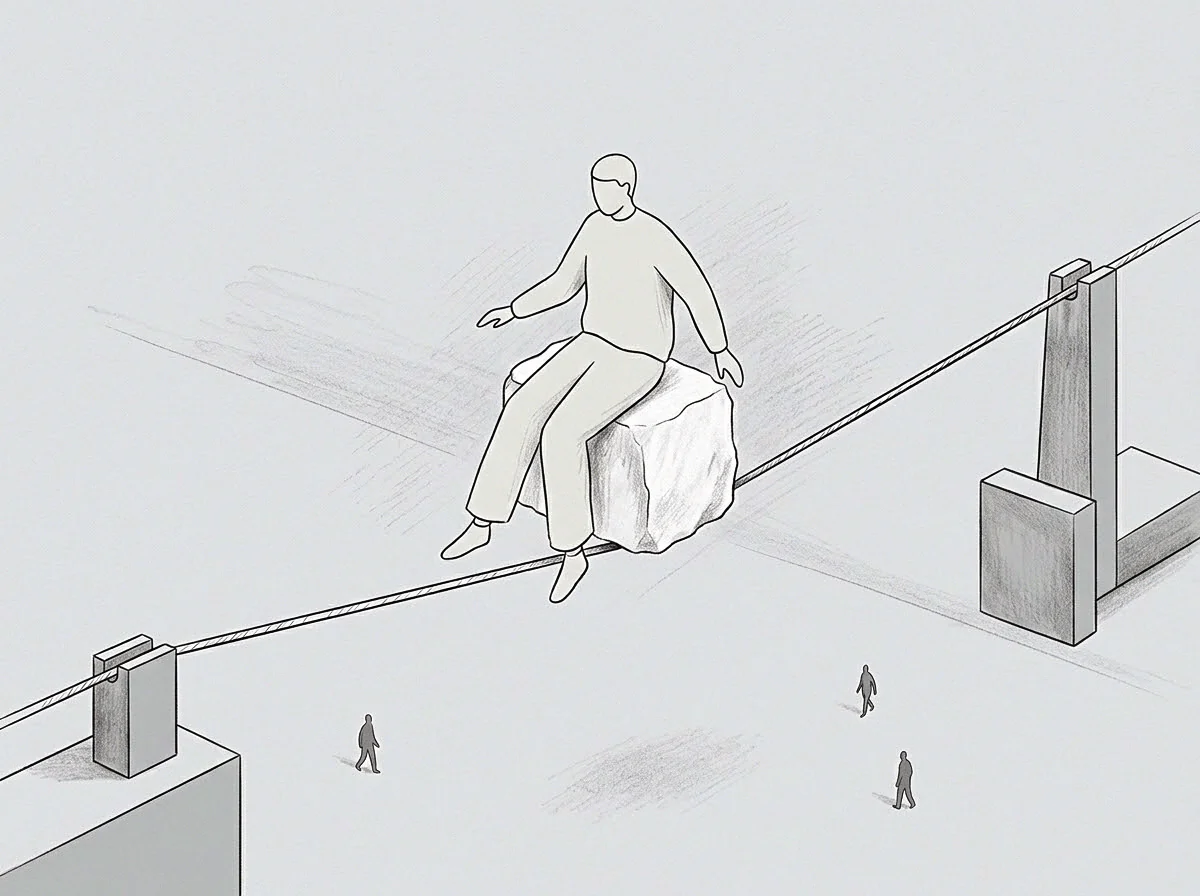
Autonomic override ceases when an individual recalibrates visceral predictive models through repeated actual experiences of distributed metabolic regulation.

Acute sympathetic overdrive floods the prefrontal cortex with catecholamines, severing top-down inhibition and collapsing the shared calm supplied to others.
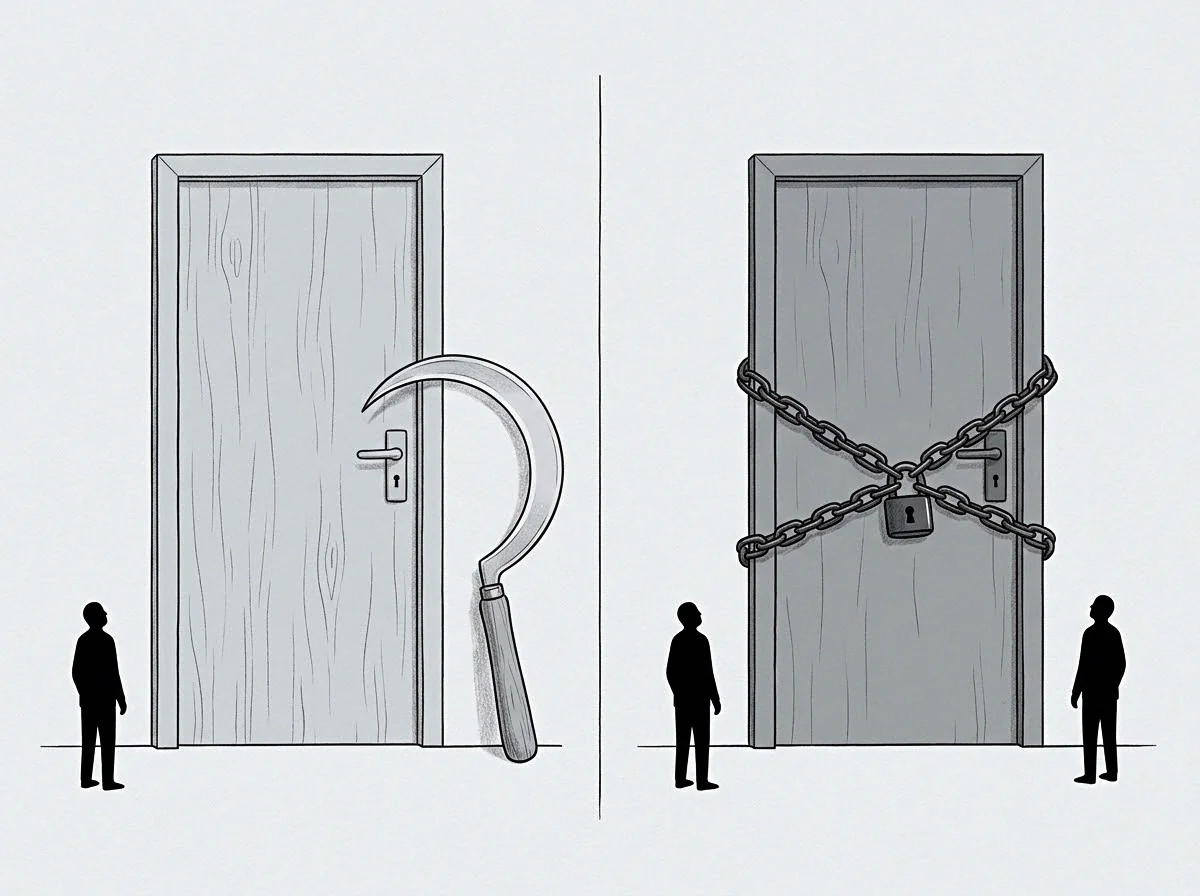
Continuous regulator availability forces unreciprocated baseline extraction, overloading allostatic capacity and blocking the experiential update of earned security.

Solitary regulation forces the central nervous system to fund threat monitoring entirely from unbuffered individual metabolic reserves.
Repeated physical proximity to a calm conspecific lowers solitary metabolic vigilance, allowing the nervous system to update its baseline threat calculation.

Extended solo regulation forces neural budgets to reallocate biological fuel from long-term maintenance to continuous prefrontal threat monitoring.
The terms are written where they belong. Each field holds three desks, and every entry a desk writes raises the terms it uses, each term given a meaning, a mechanism and the places it appears. The record on these pages stays first person and hand made; the fields grow the nomenclature.