Meaning
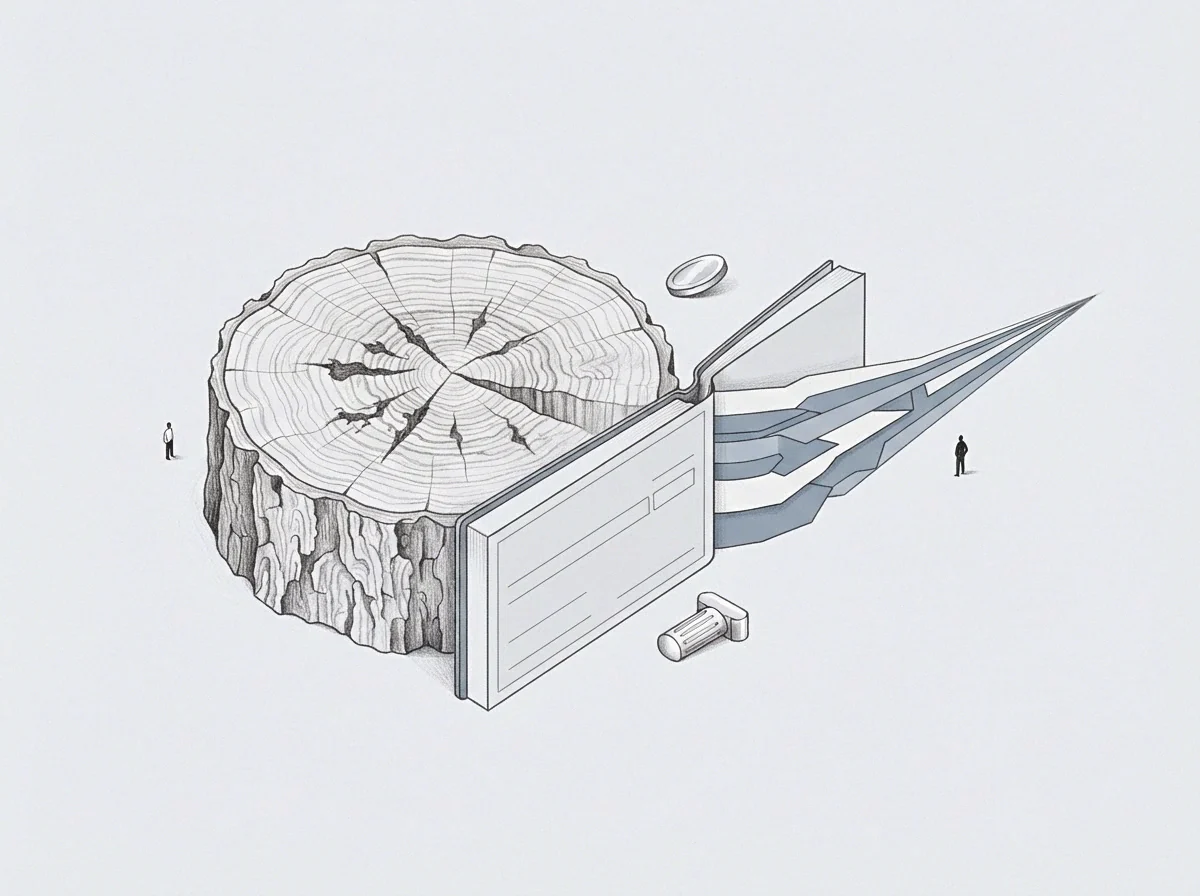
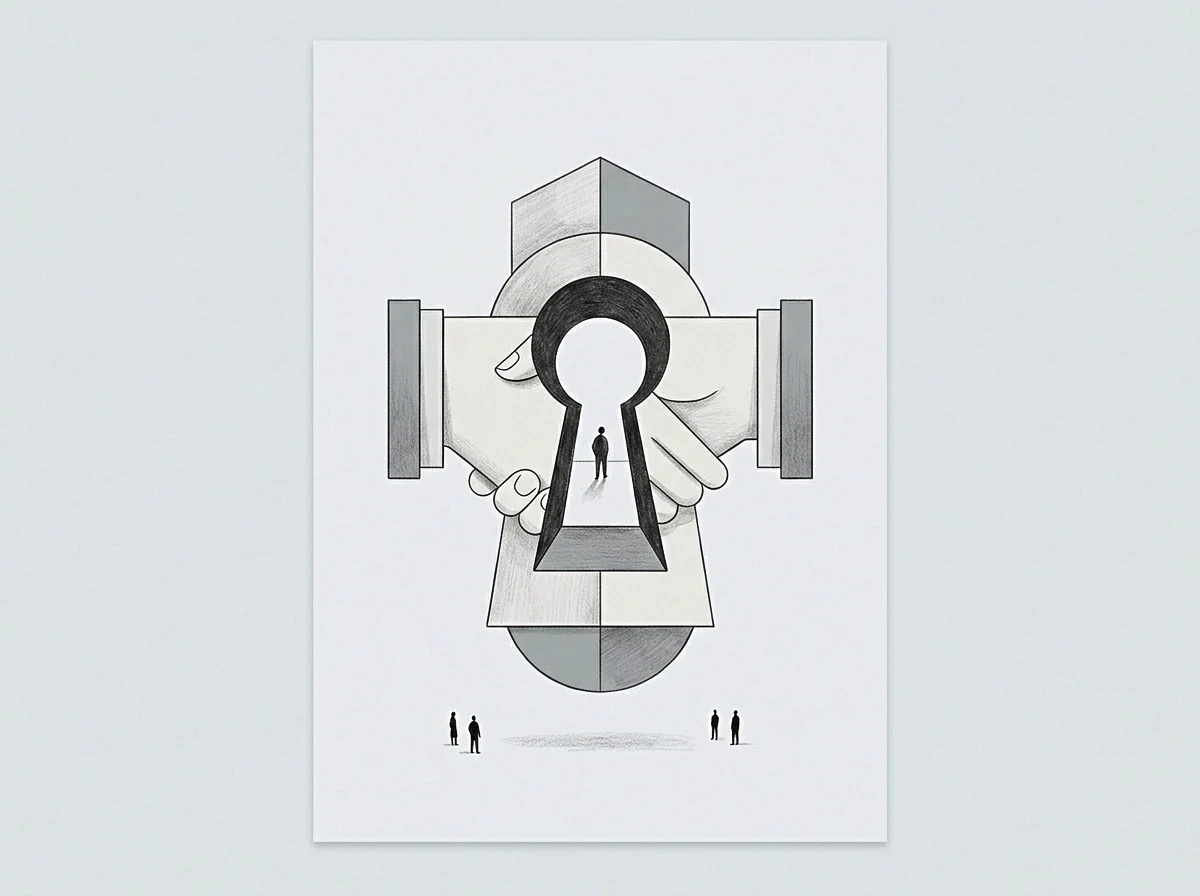
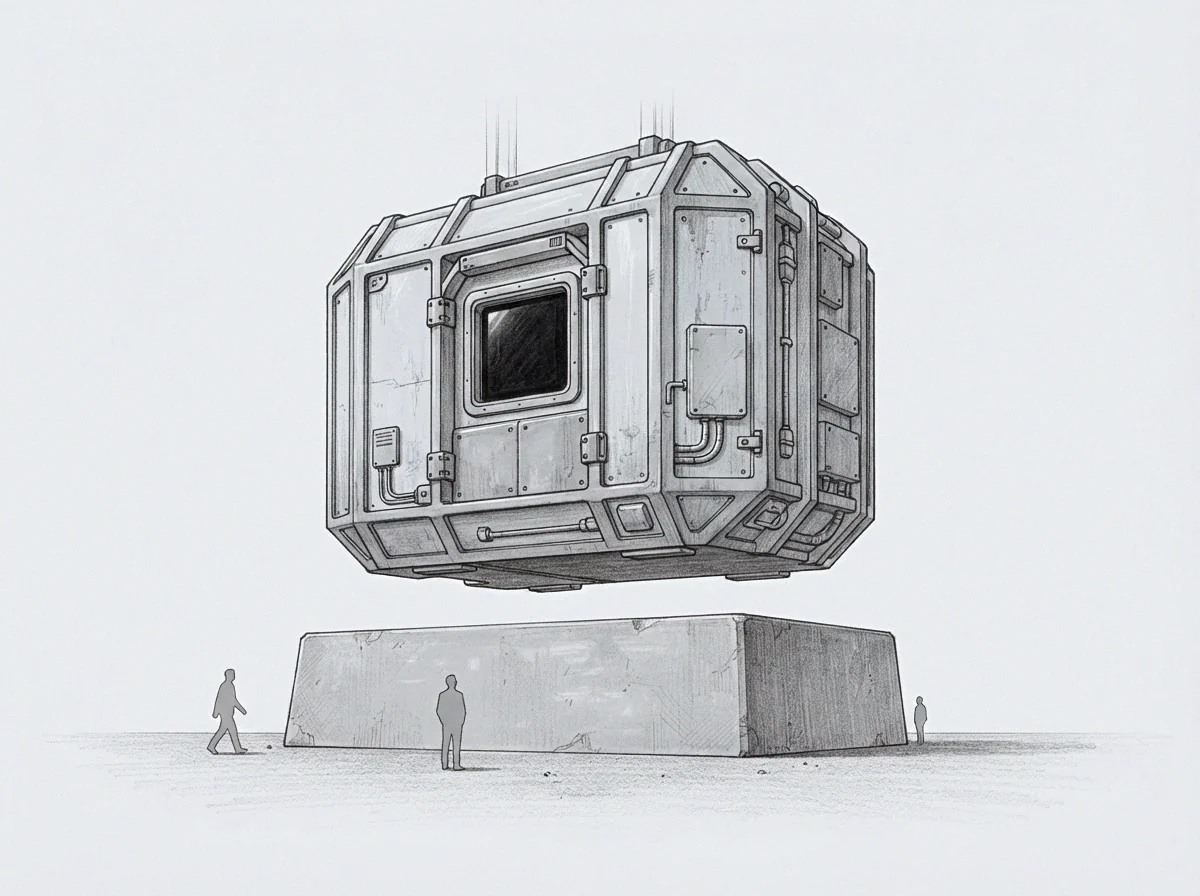
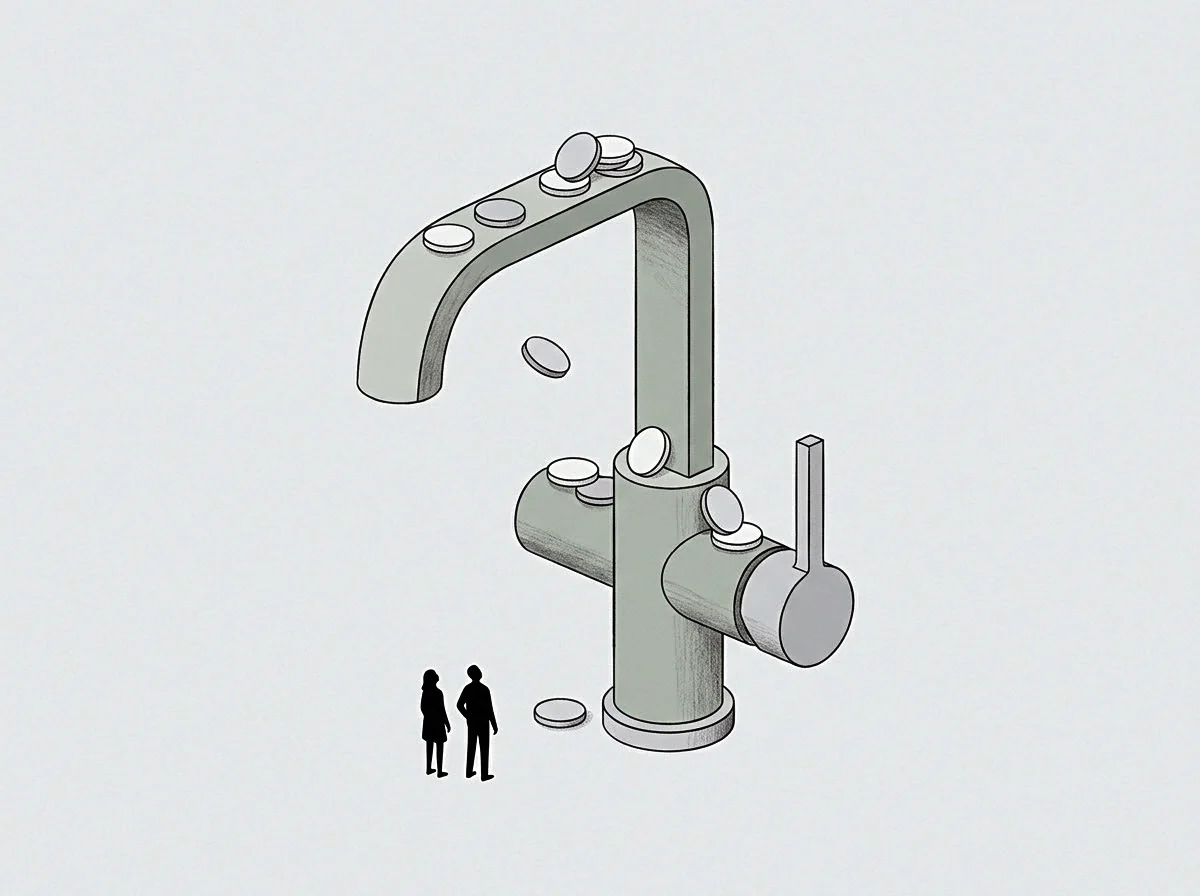
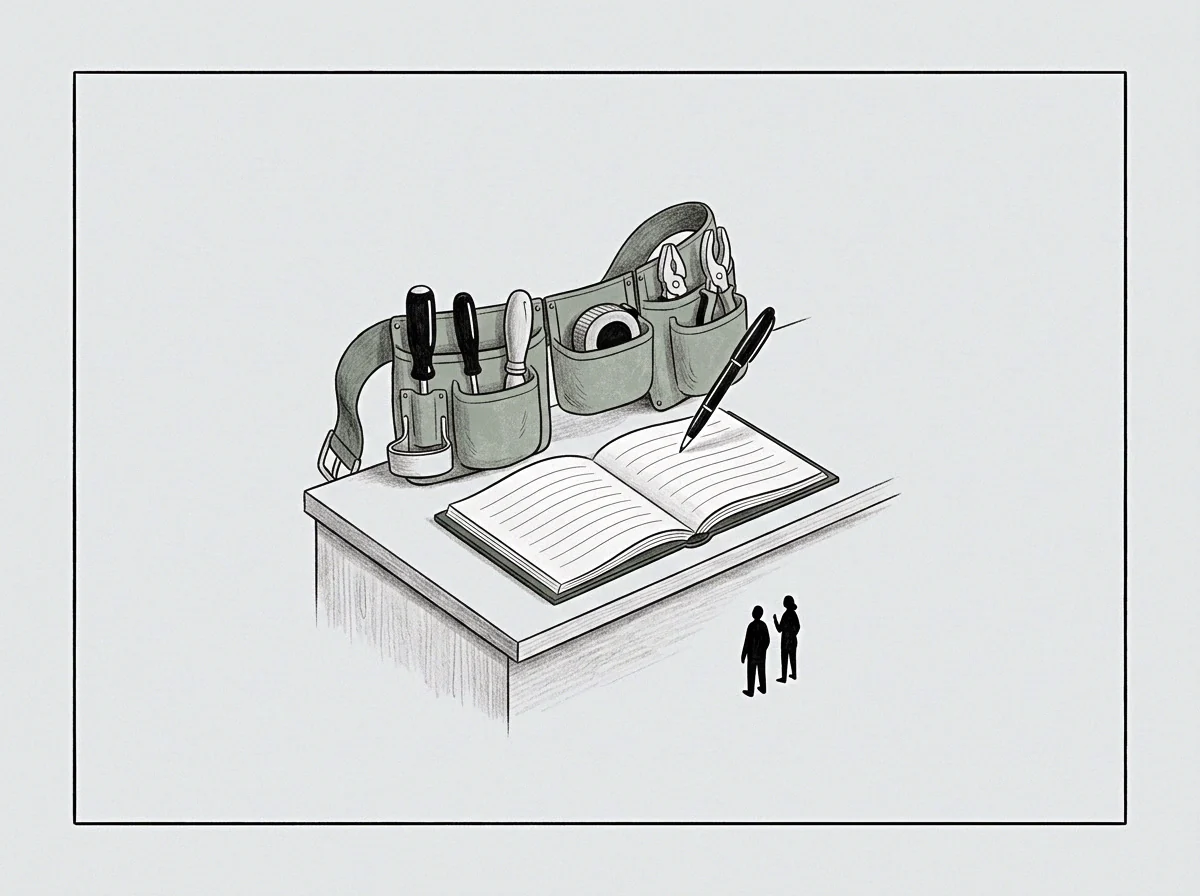
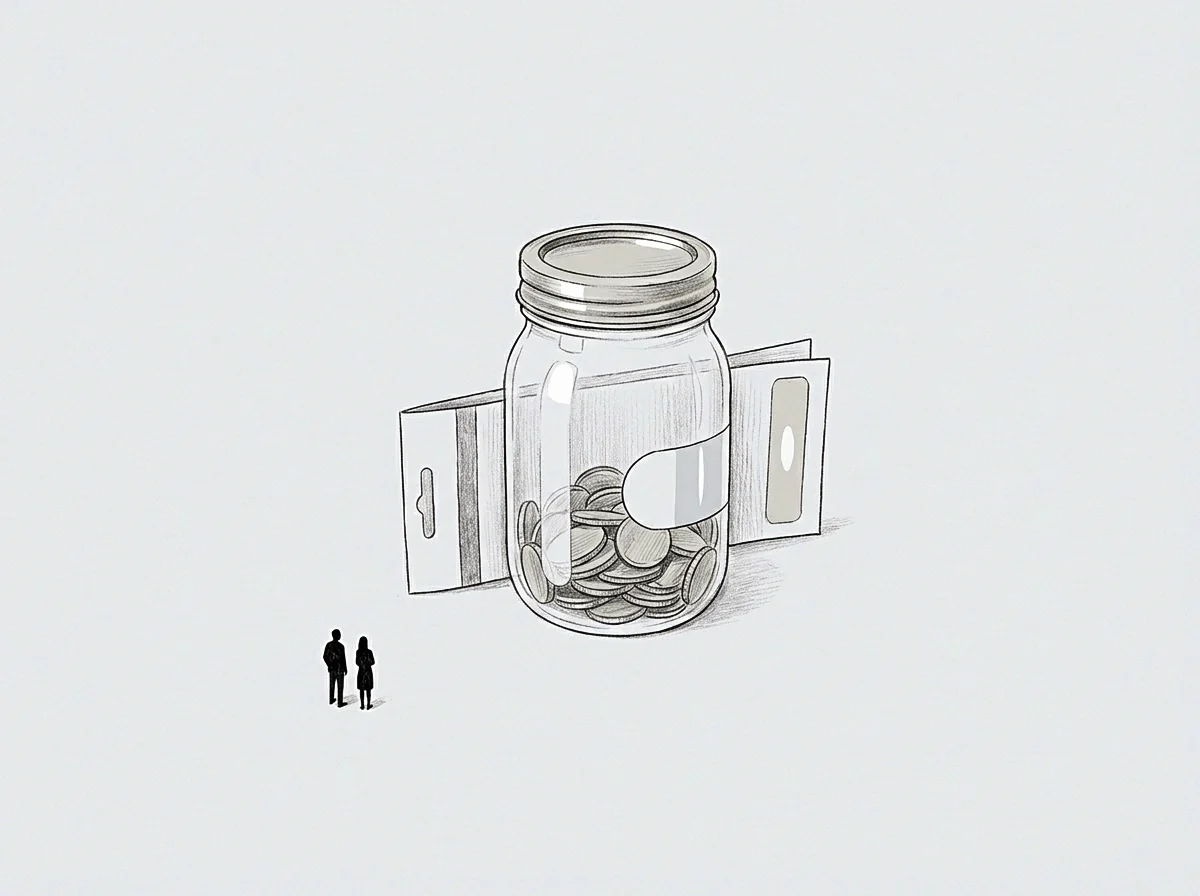
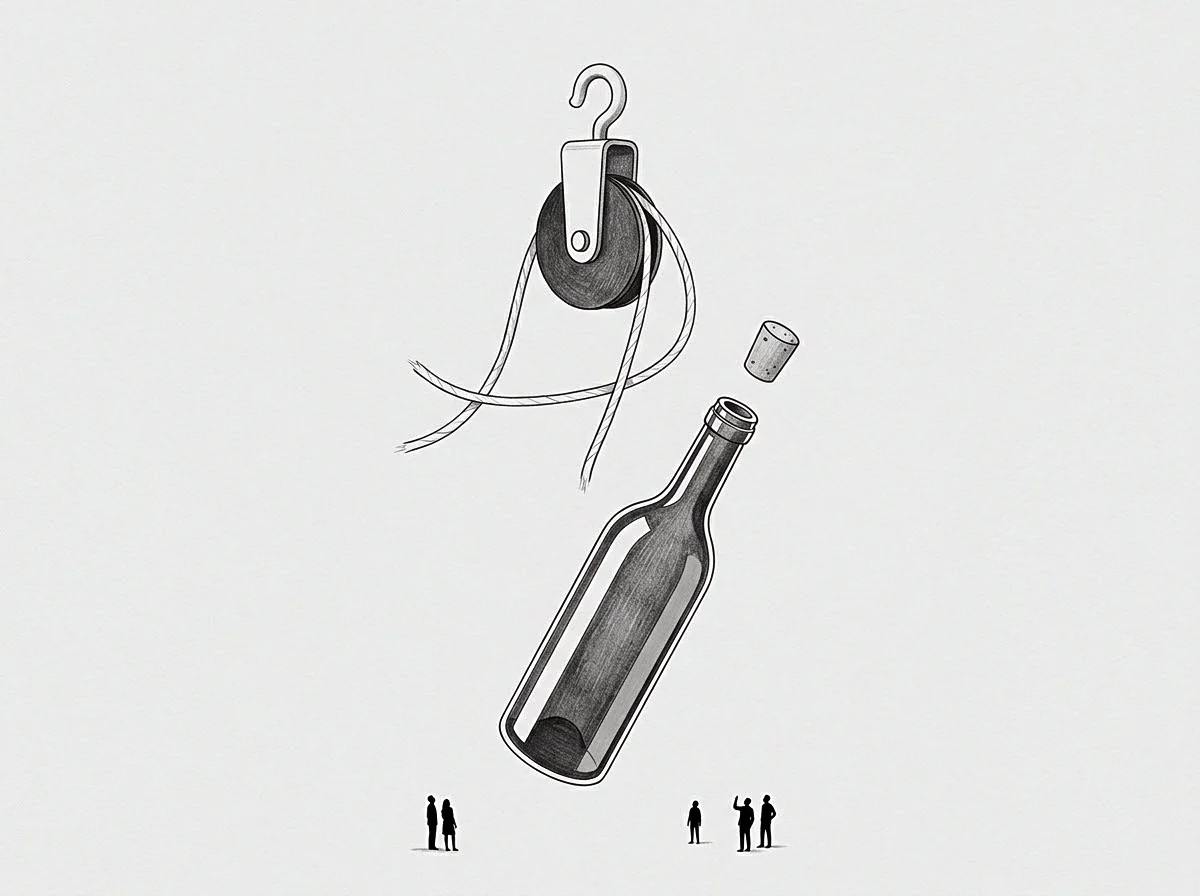
The social baseline is the default biological and psychological state maintained through the constant presence of trusted others. This automatic mechanism regulates human energy expenditure by offloading internal physiological vigilance to dependable social partners. When founders separate from their organizational co-creators, this baseline collapses because the familiar regulatory presence disappears.
The biological cost shifts immediately from shared load to isolated self-regulation, which drains attention capacity and increases chronic stress. This protective mechanism operates continuously beneath conscious awareness until the supporting network vanishes, revealing the hidden subsidy that stability received from proximity.
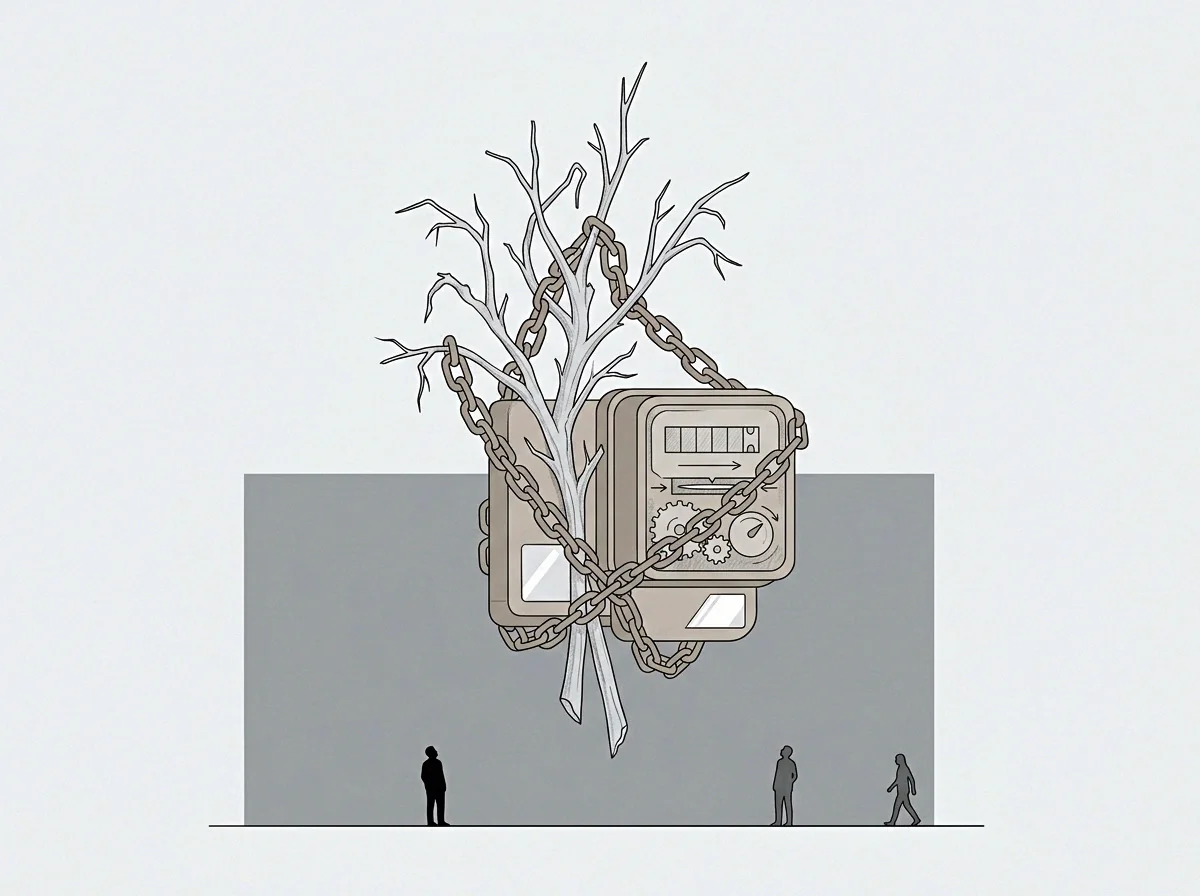
Capacity Drain
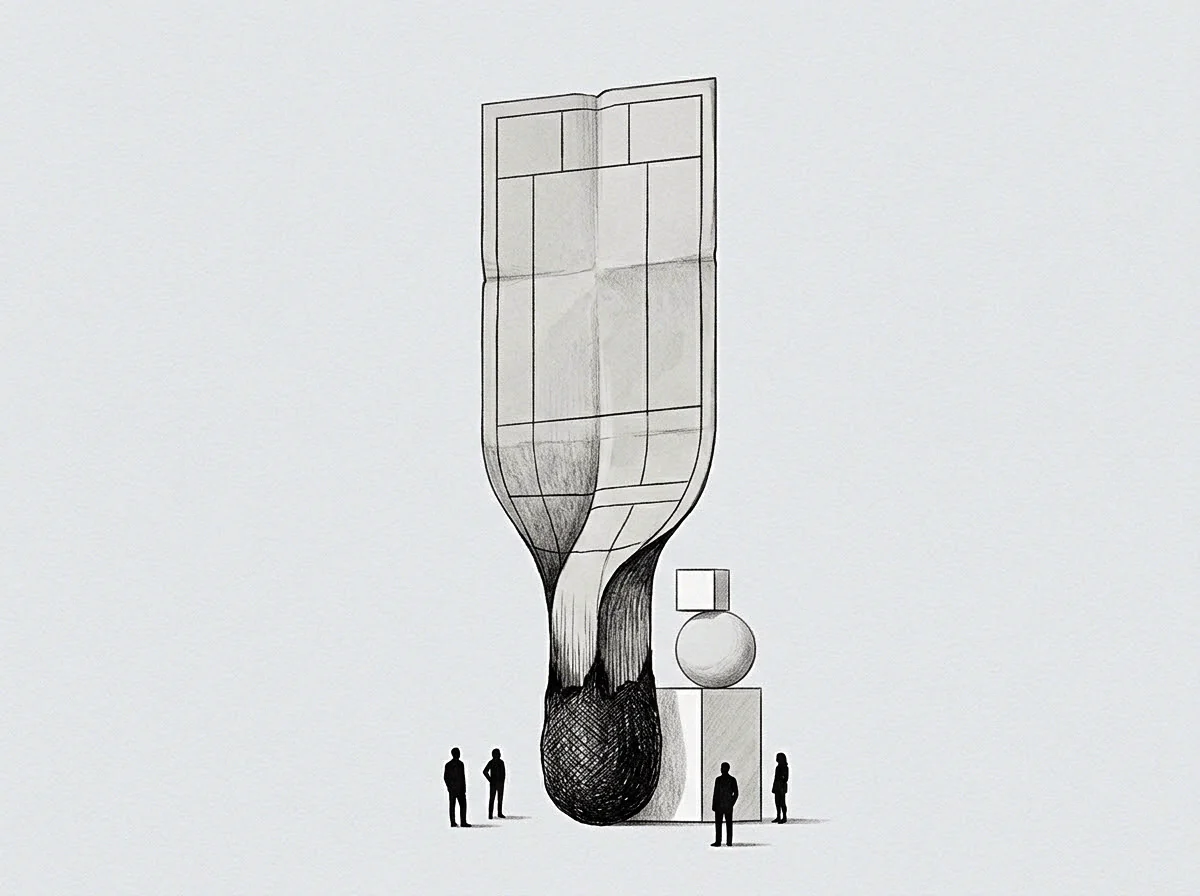
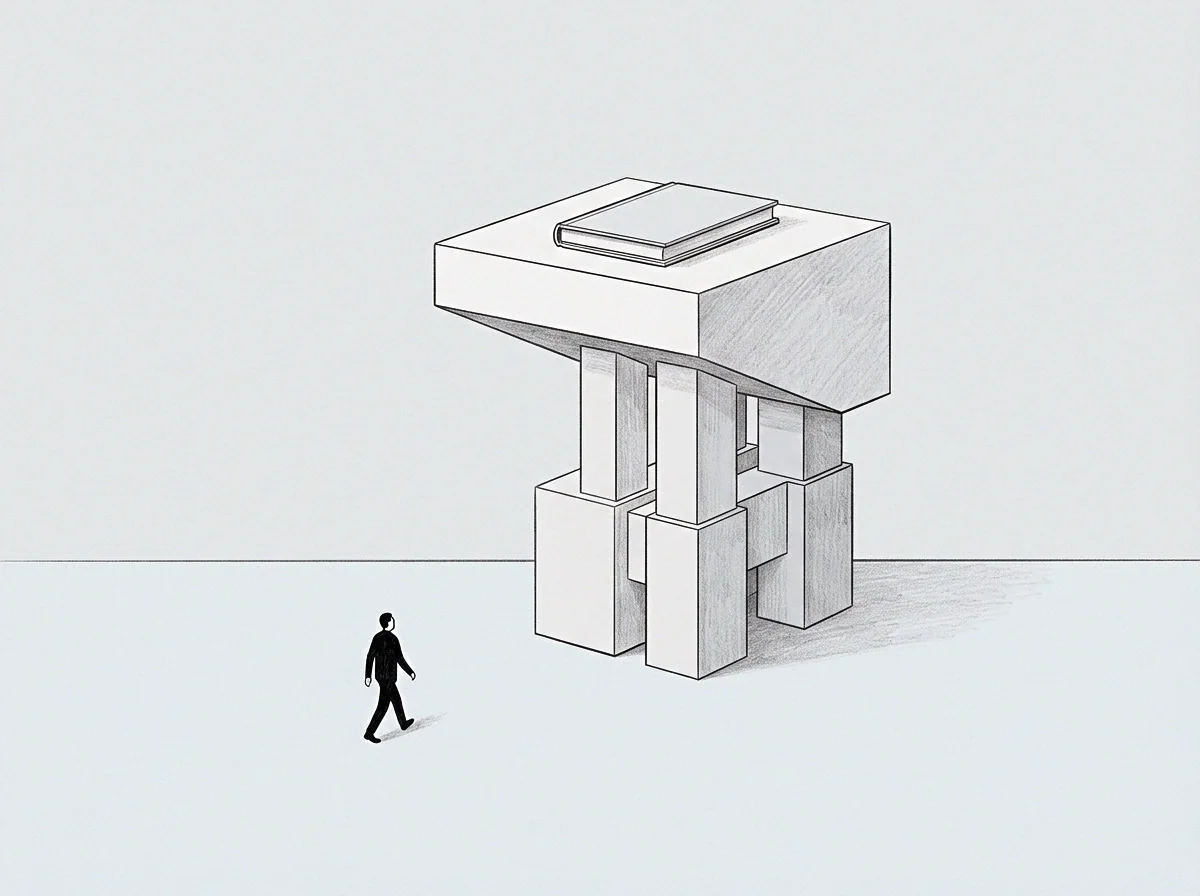
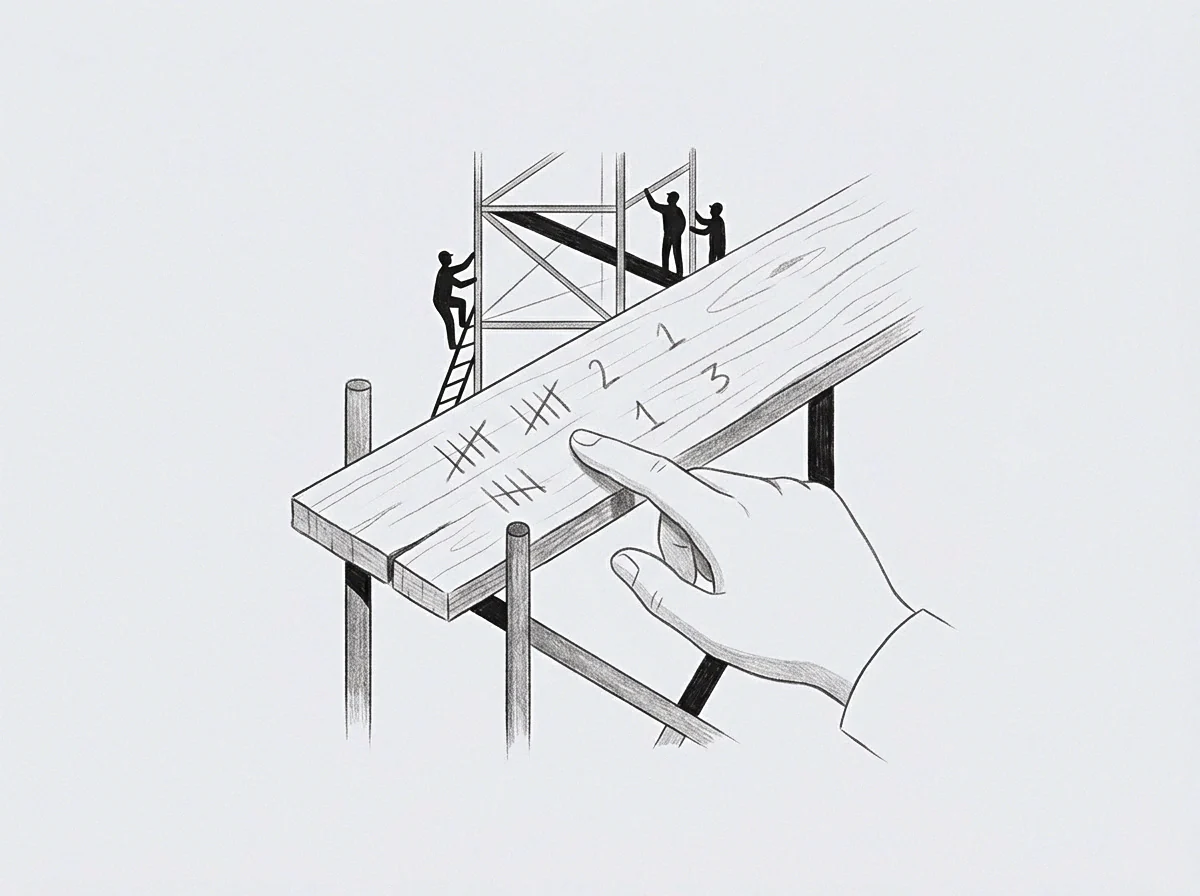
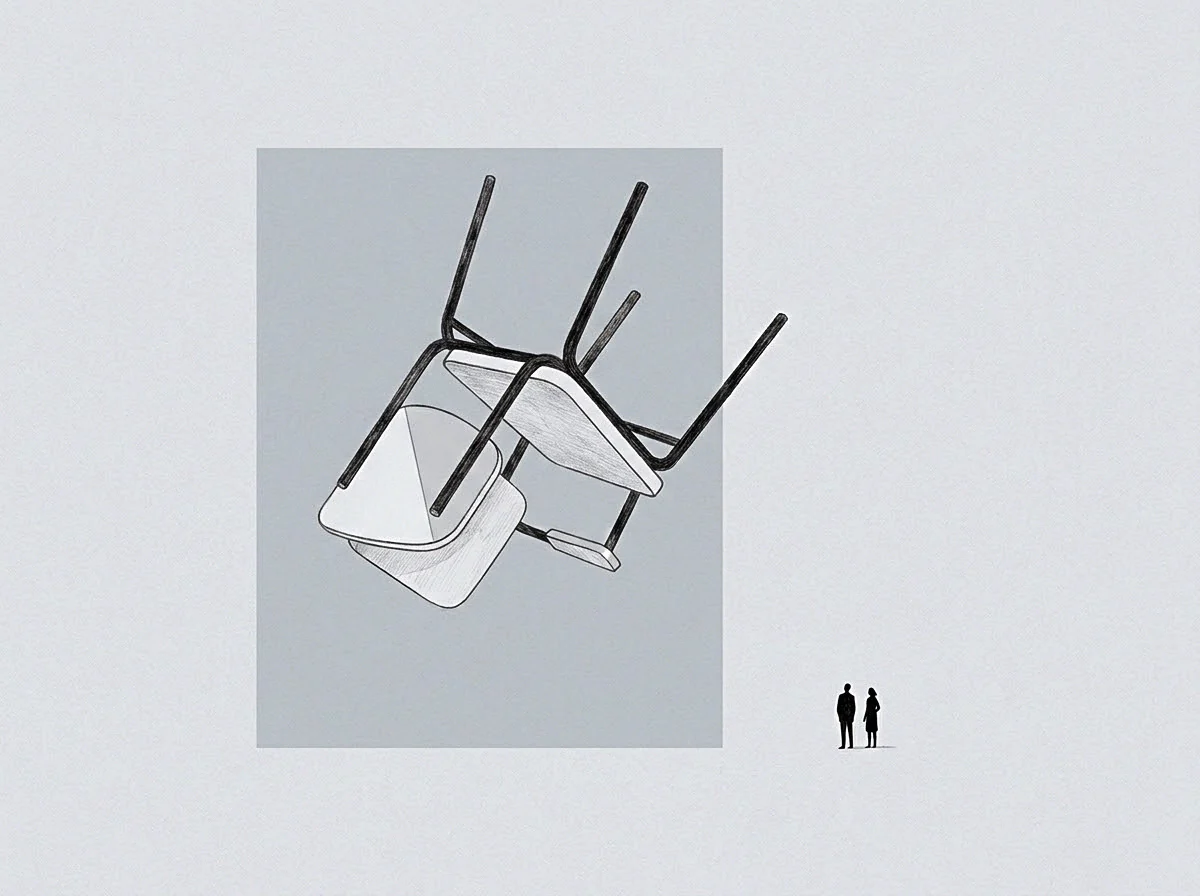
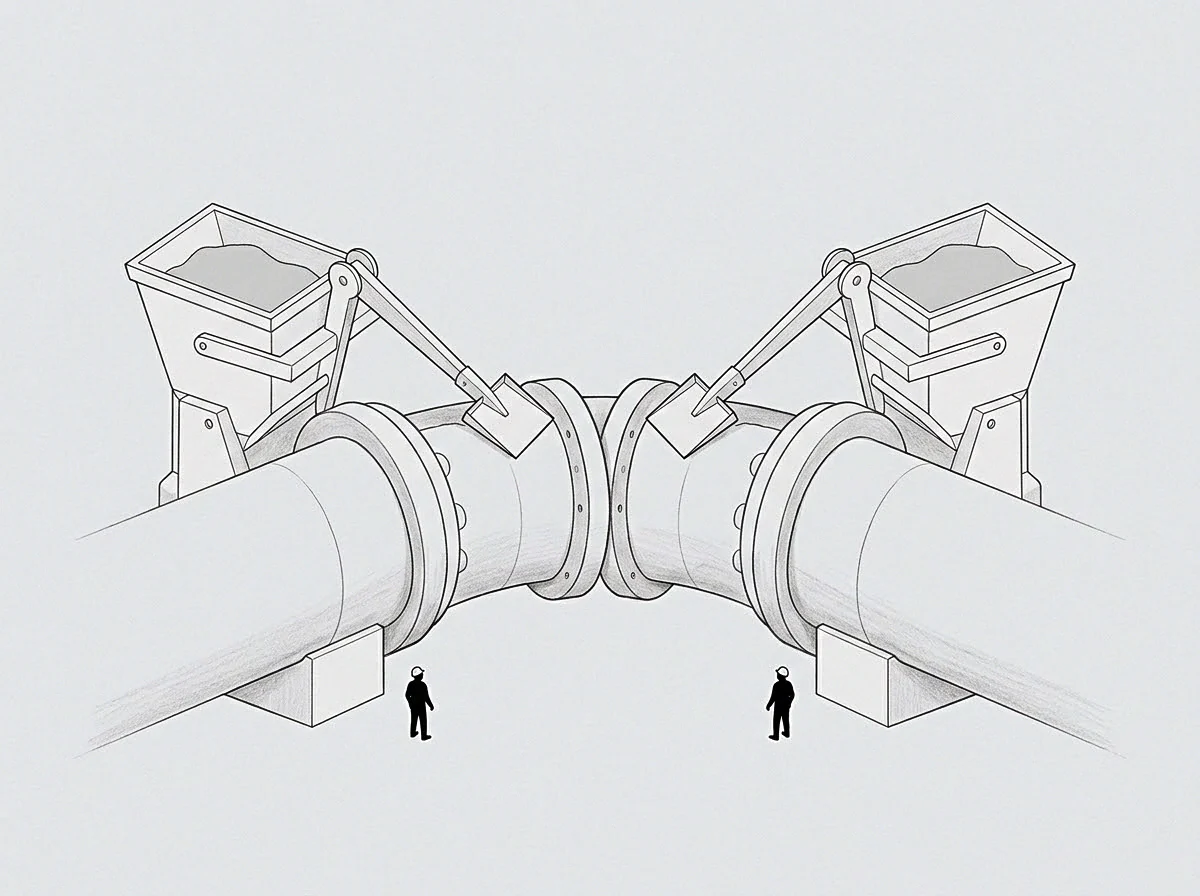
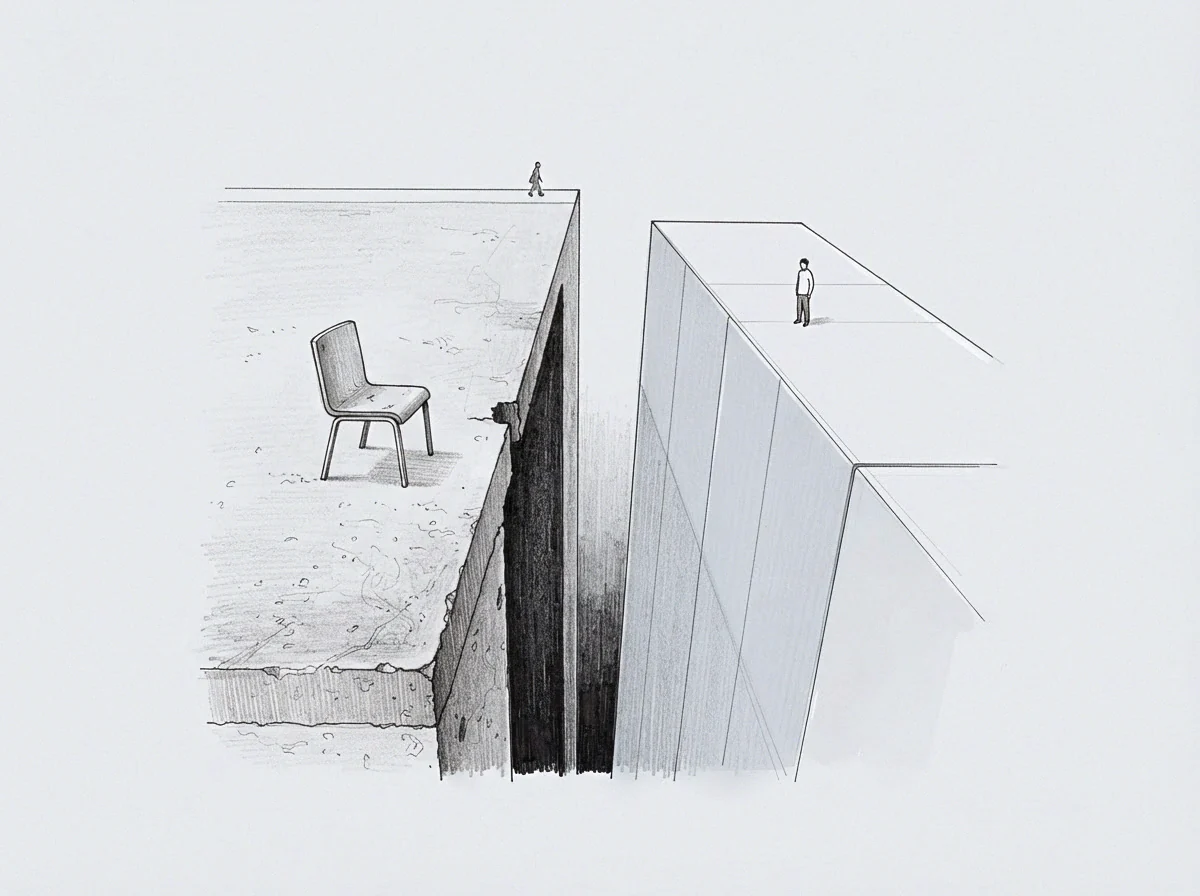
Solitary founders carry the entire regulatory burden internally without the physiological relief once provided by an immediate peer group. Constant decision making without co-regulation accelerates the depletion of working memory and shortens daily endurance. This sustained deficit forces founders to draw on personal reserves simply to maintain baseline operational functionality.
Attention fragments under the weight of unshared responsibility, leaving fewer cognitive resources for long-term strategic execution. The absence of a stabilizing social presence transforms routine organizational friction into an acute drain on personal capacity.
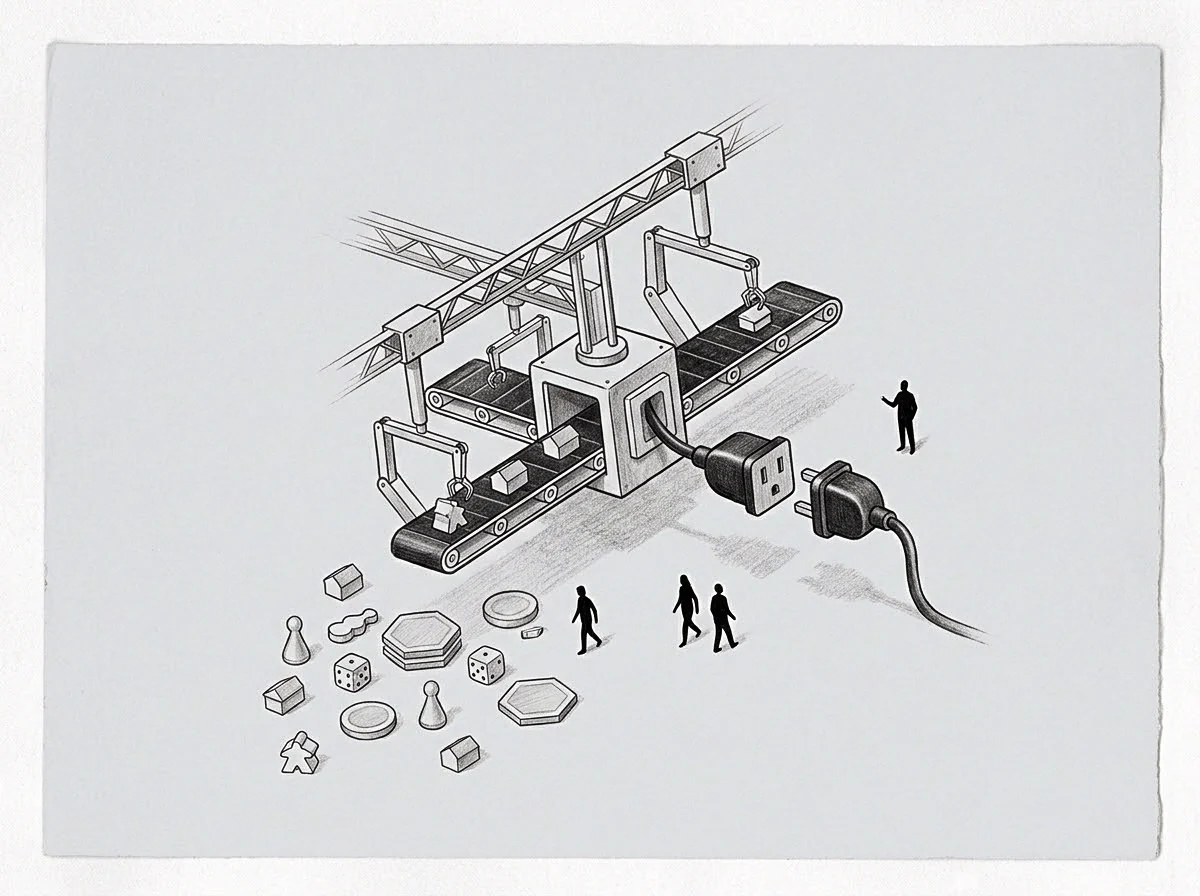
Regulatory Shift
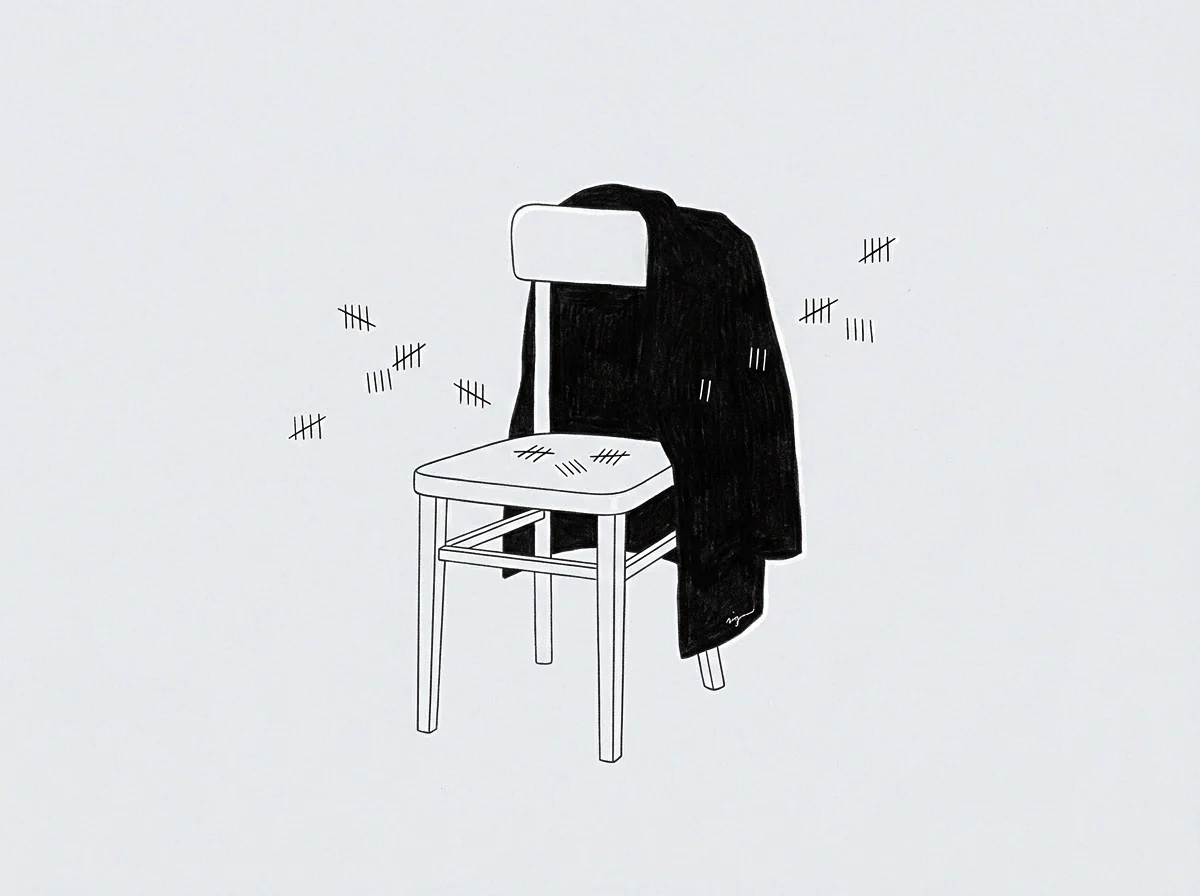
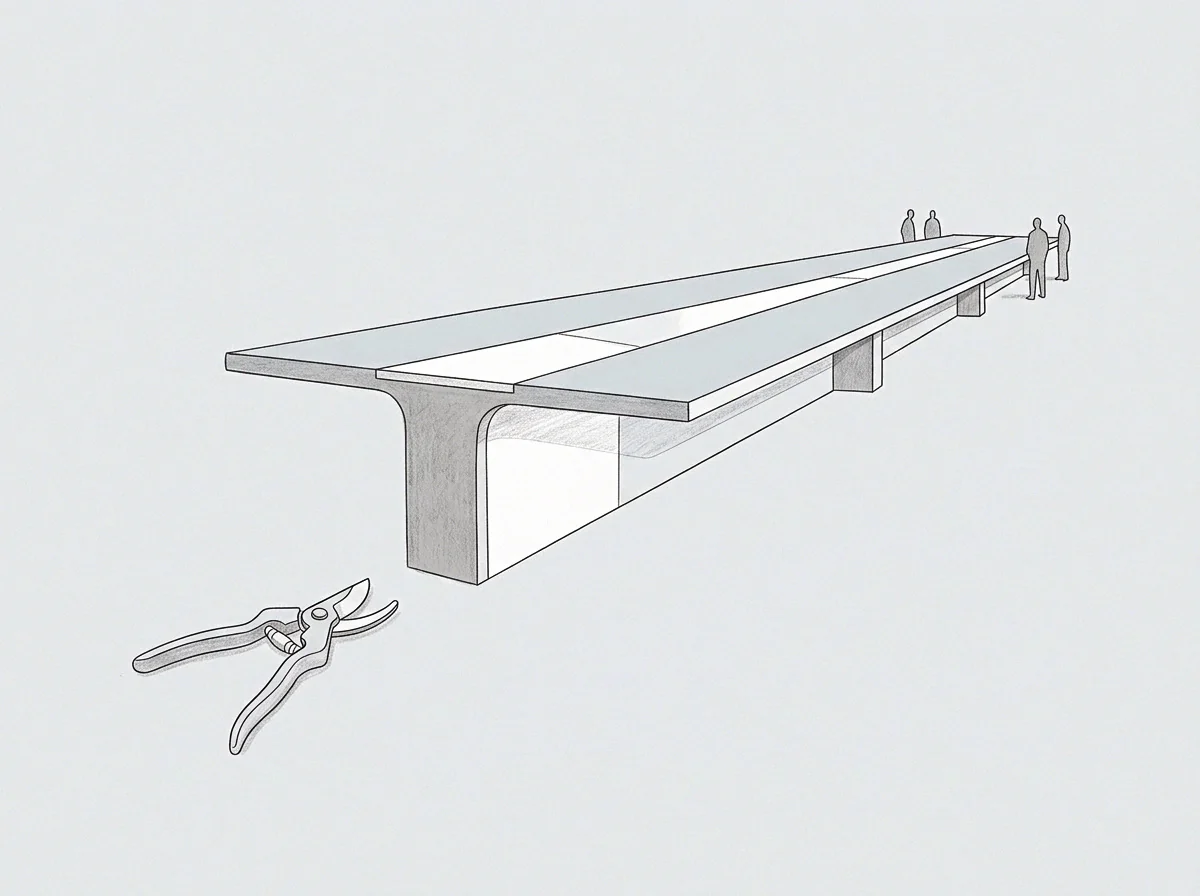
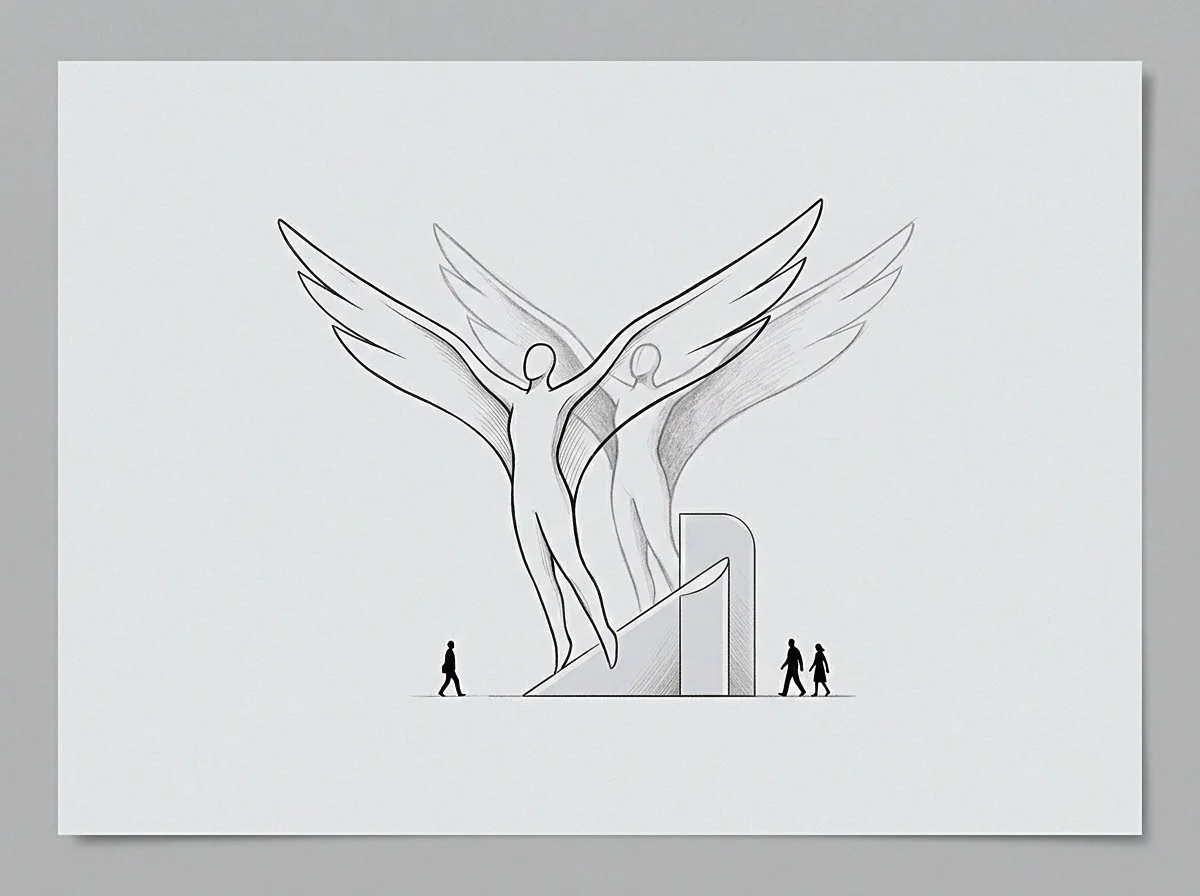
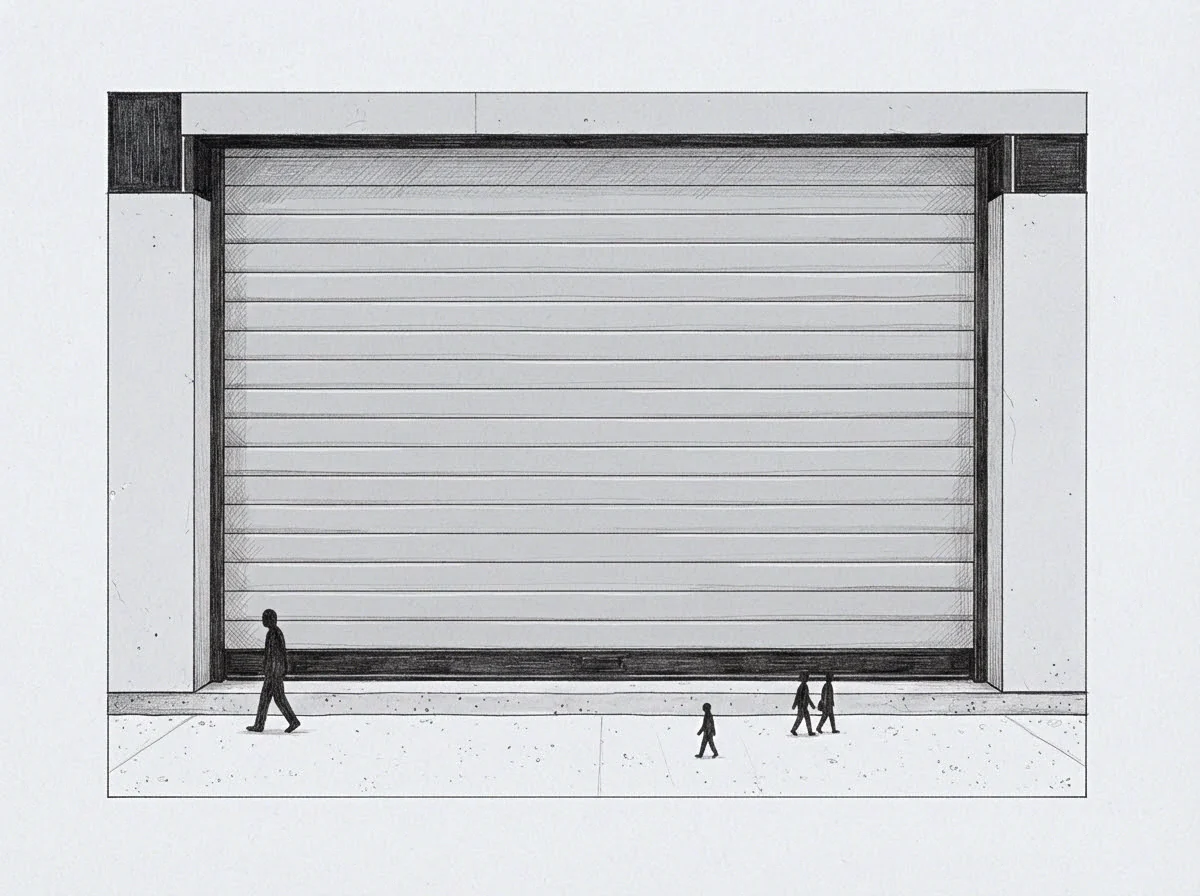
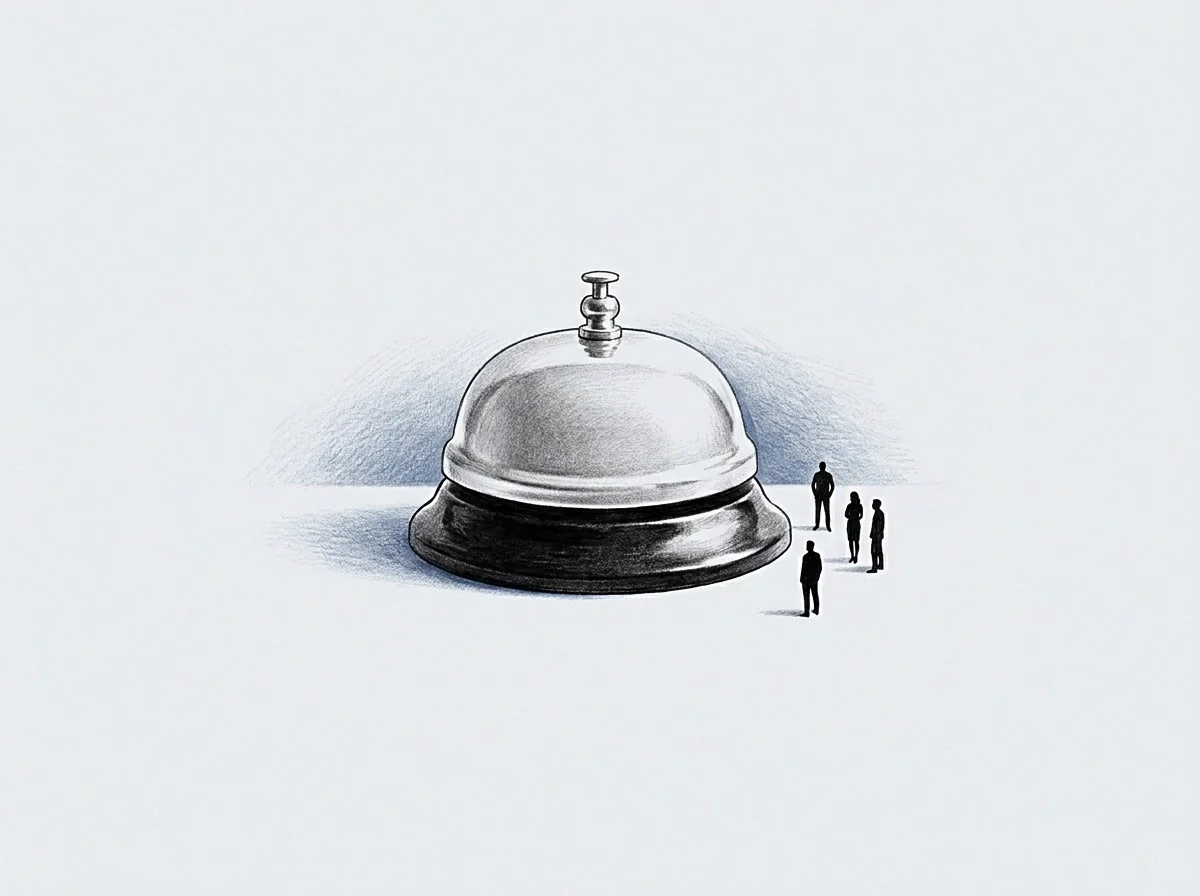
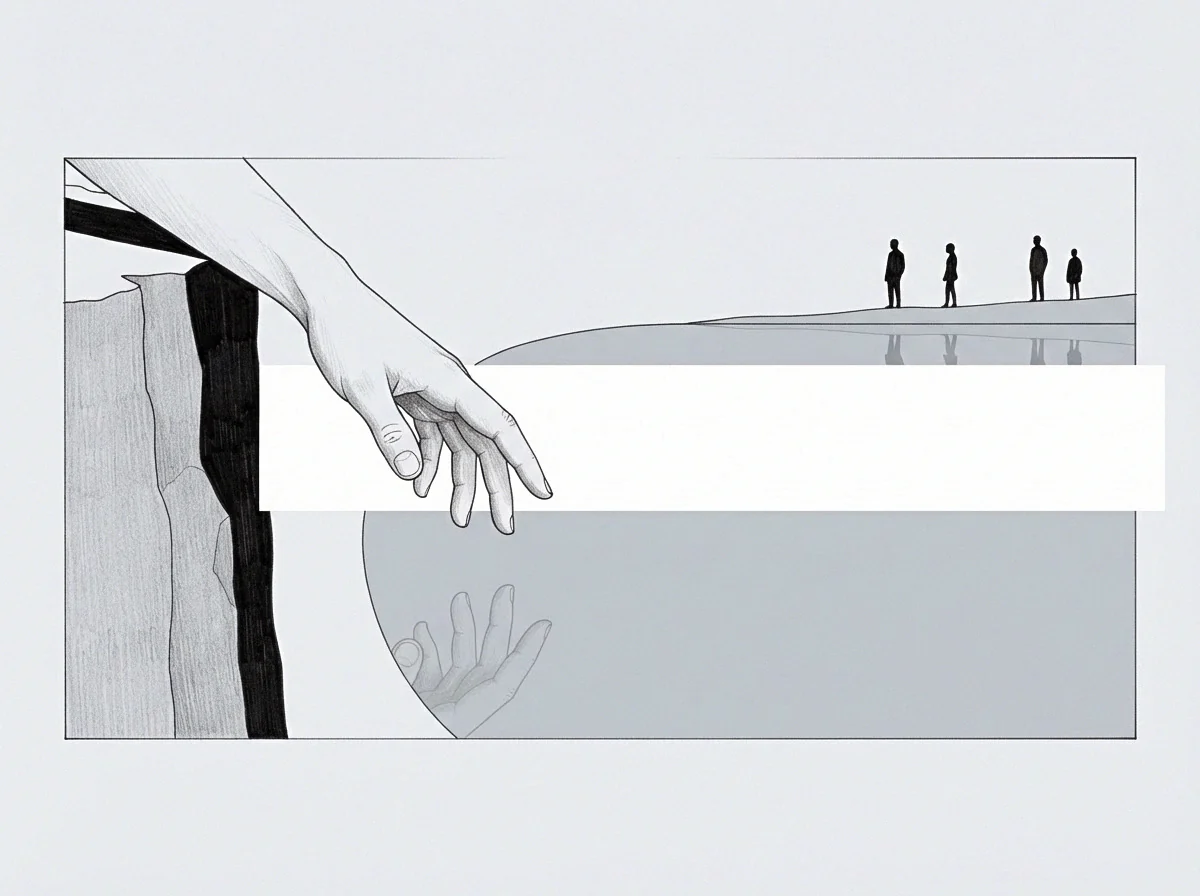
Post-founding adaptation requires a deliberate transition from passive co-regulation to active self-regulation of stress responses. Individuals must build artificial structures to replace the automatic biological calibration previously supplied by daily operational companionship. This substitution process demands intentional scheduling of external feedback loops to mimic the missing interpersonal containment.
Without these constructed boundaries, physiological arousal remains elevated during periods of operational uncertainty. The shift from shared containment to individual control alters how founders process setbacks and manage daily fatigue.
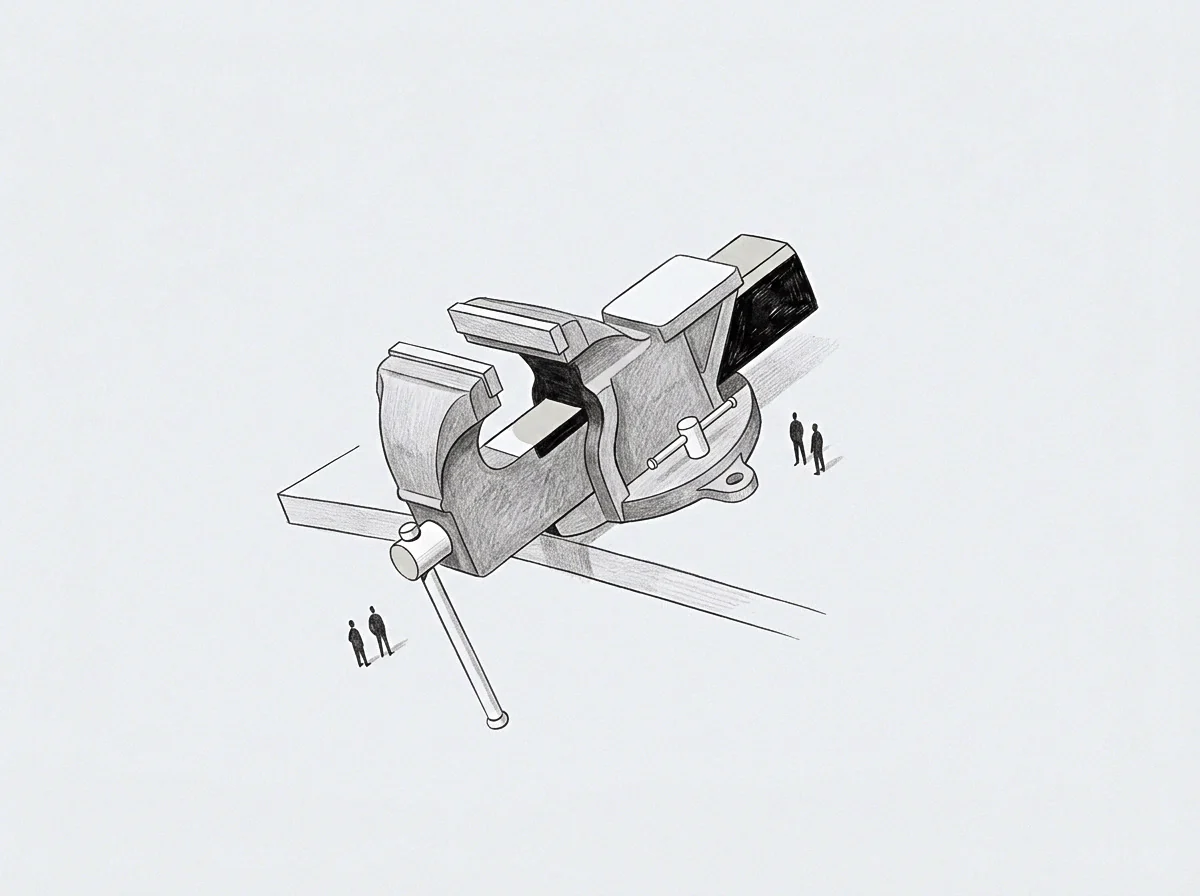
Boundary Limit
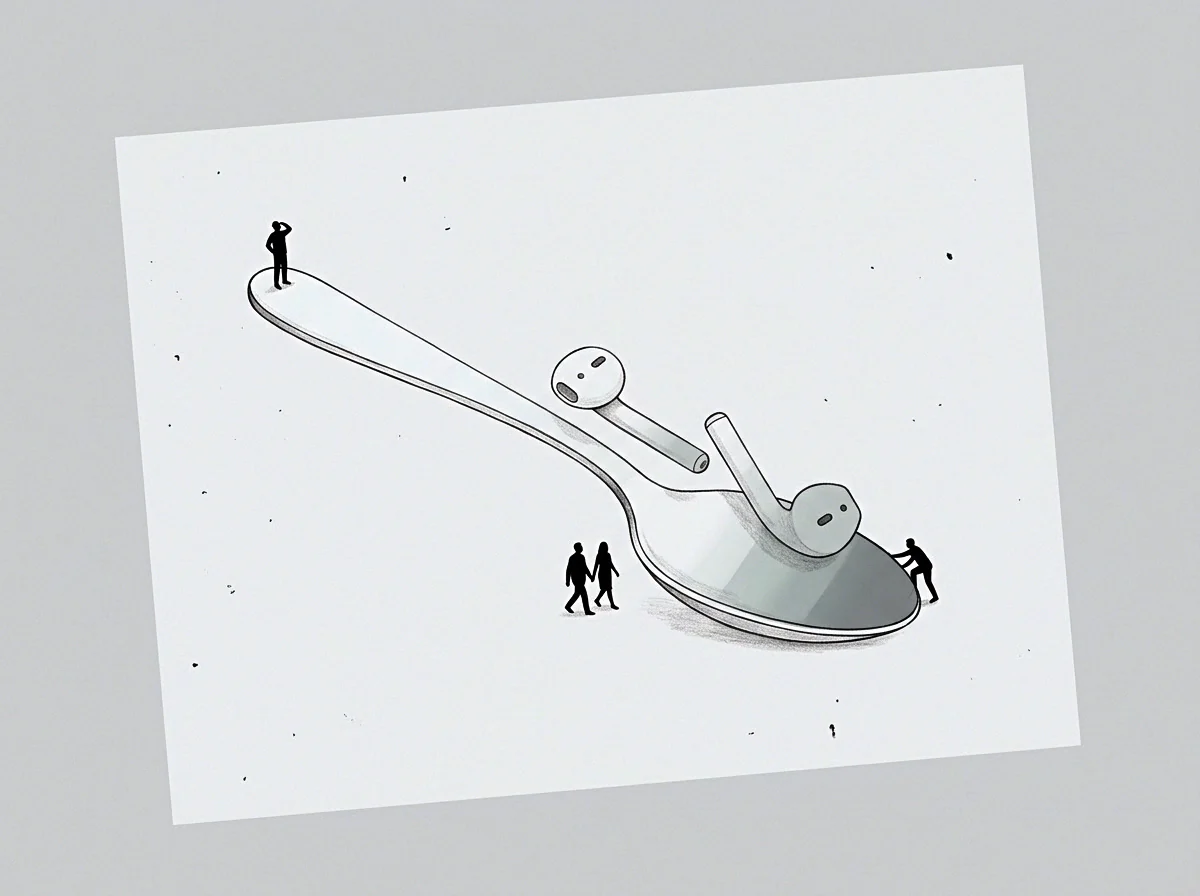
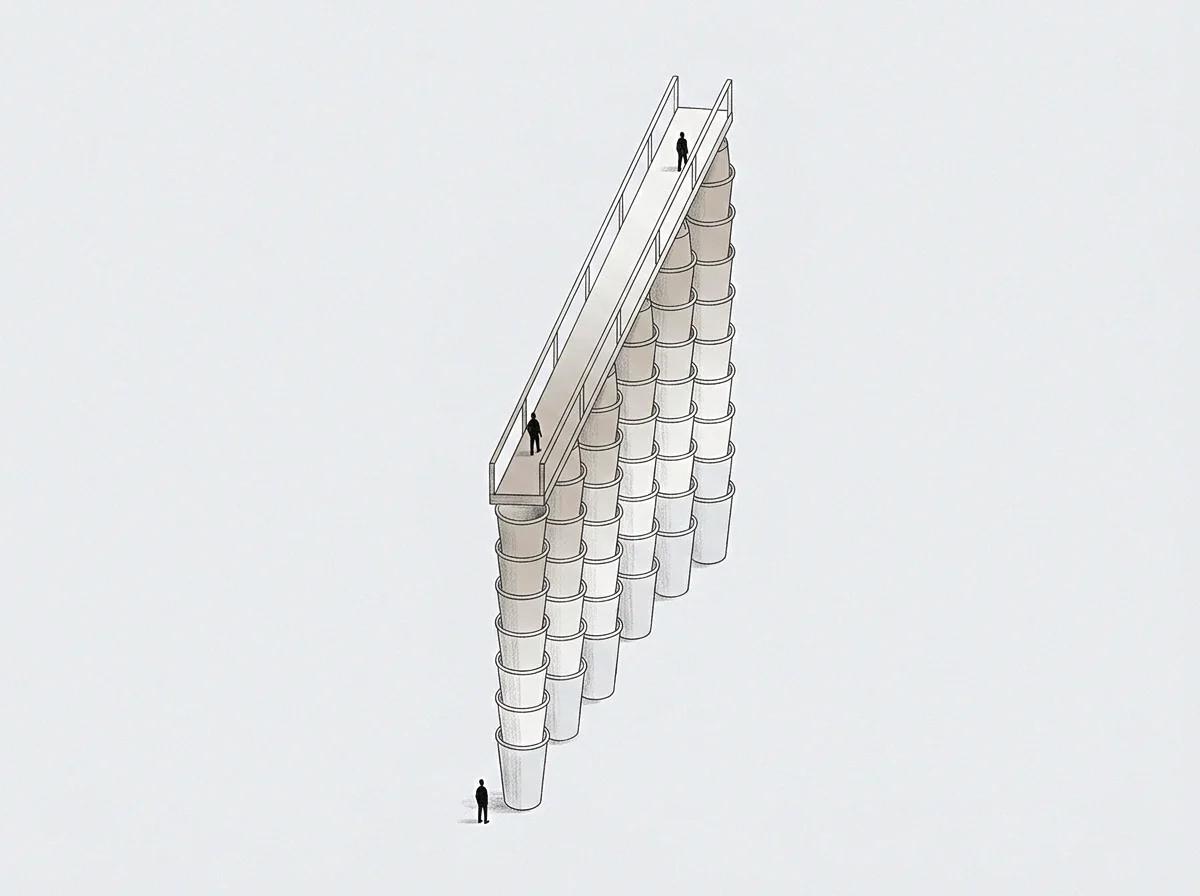
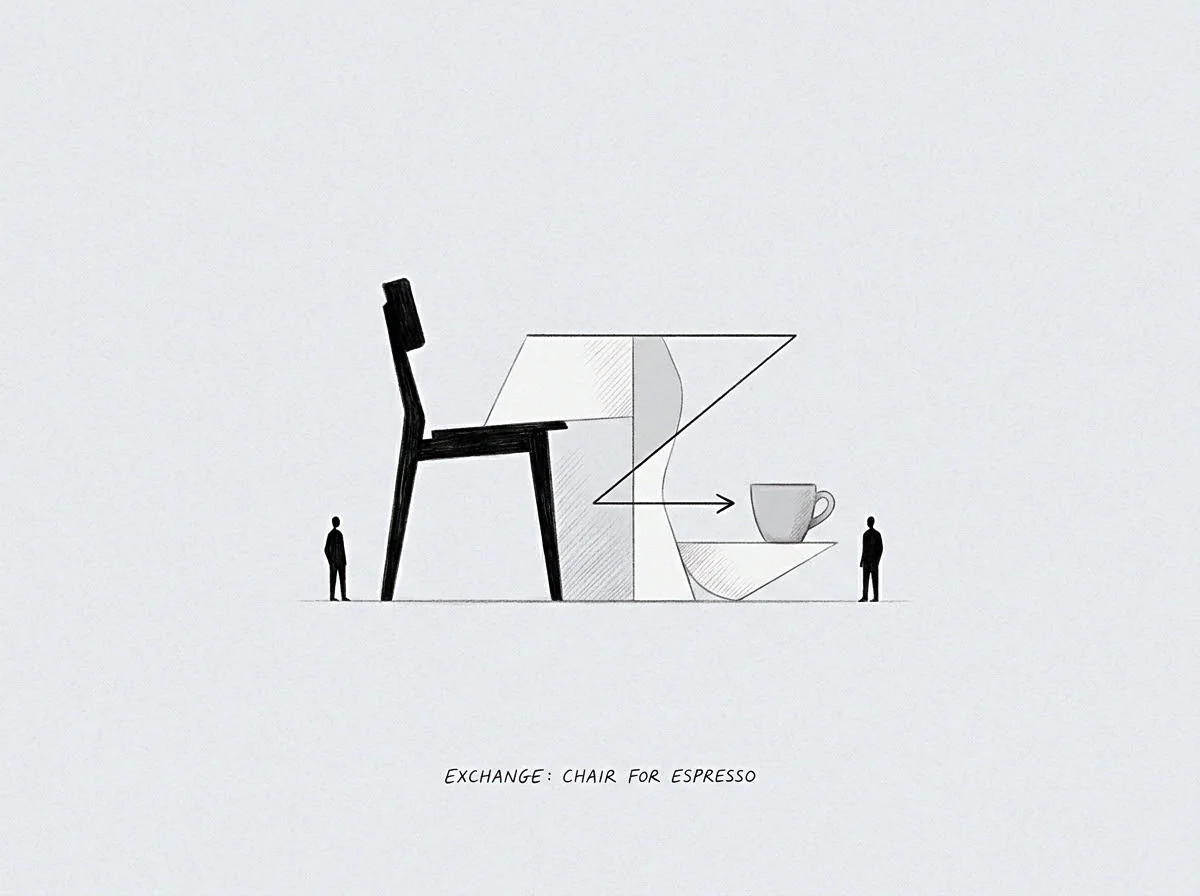
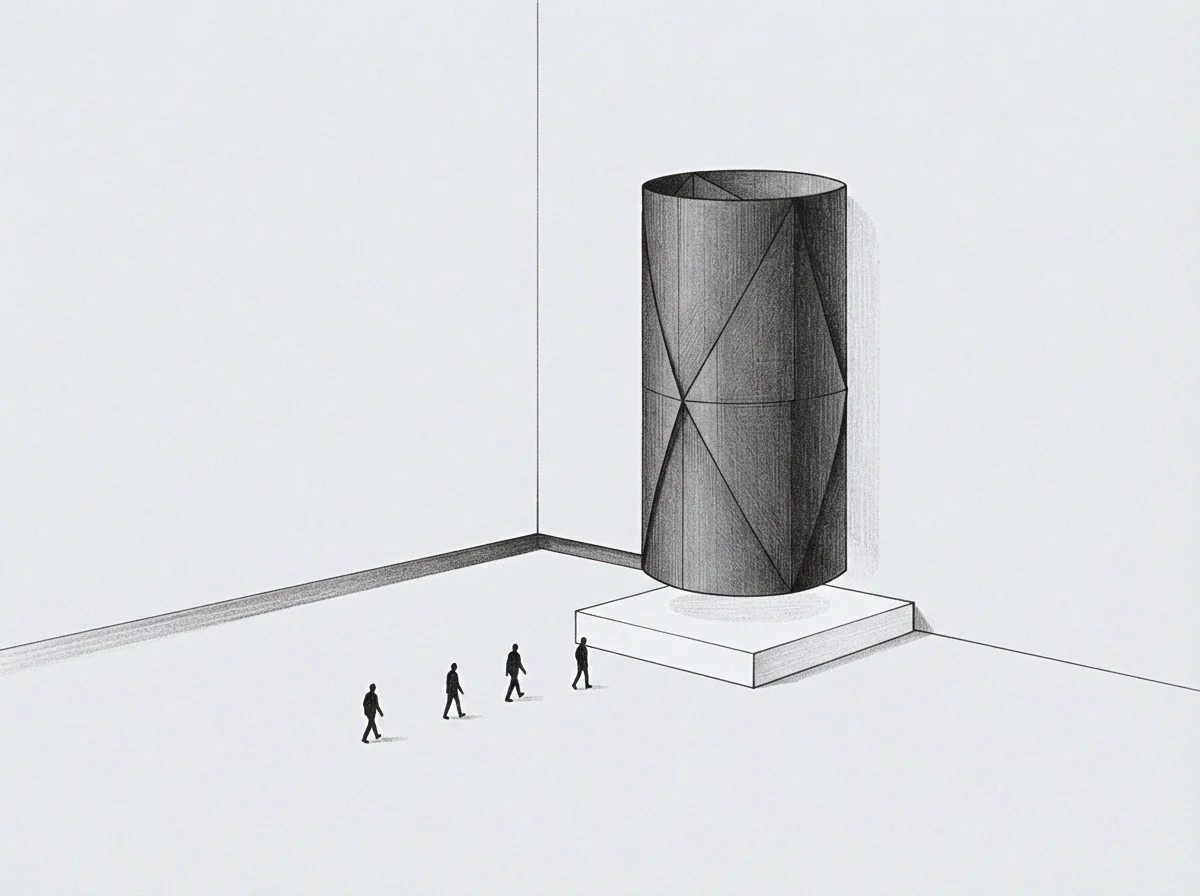
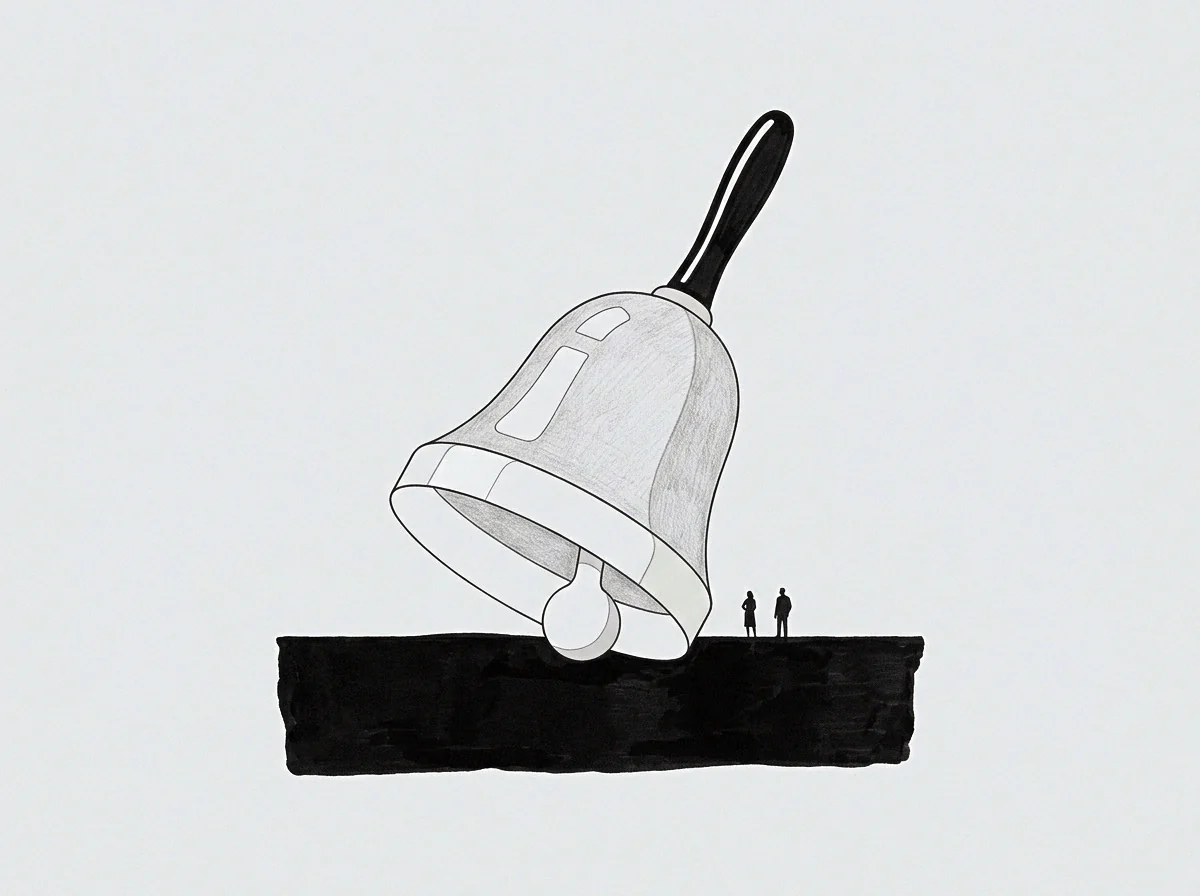
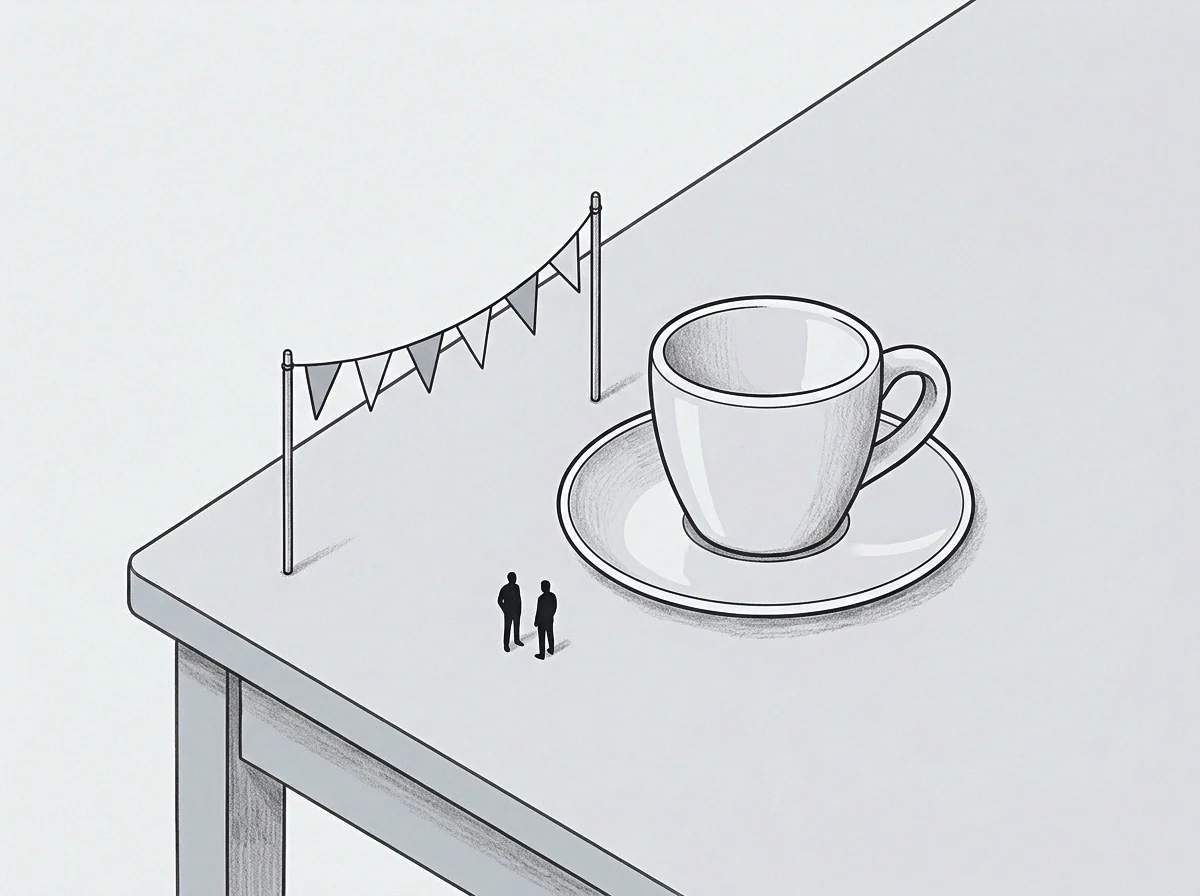
This physiological adaptation ceiling is reached when isolation outlasts the capacity of personal stress management routines. Beyond this threshold, cognitive fatigue converts into measurable operational decline, manifesting as slower response times and narrowed problem-solving scope. The protective effect of self-regulation strategies breaks down entirely under sustained high-load conditions without social reinforcement.
Founders operating past this threshold experience functional degradation that cannot be offset by increased personal discipline alone. Individual resilience remains bound by strict physiological limits that no amount of professional determination can permanently expand.