

Measuring Nocturnal Vagal Tone Suppression From Covert Organizational Monitoring
Covert organizational monitoring triggers continuous autonomic threat detection, causing sustained nocturnal vagal suppression and preventing parasympathetic recovery.
Covert organizational monitoring triggers continuous autonomic threat detection, causing sustained nocturnal vagal suppression and preventing parasympathetic recovery.
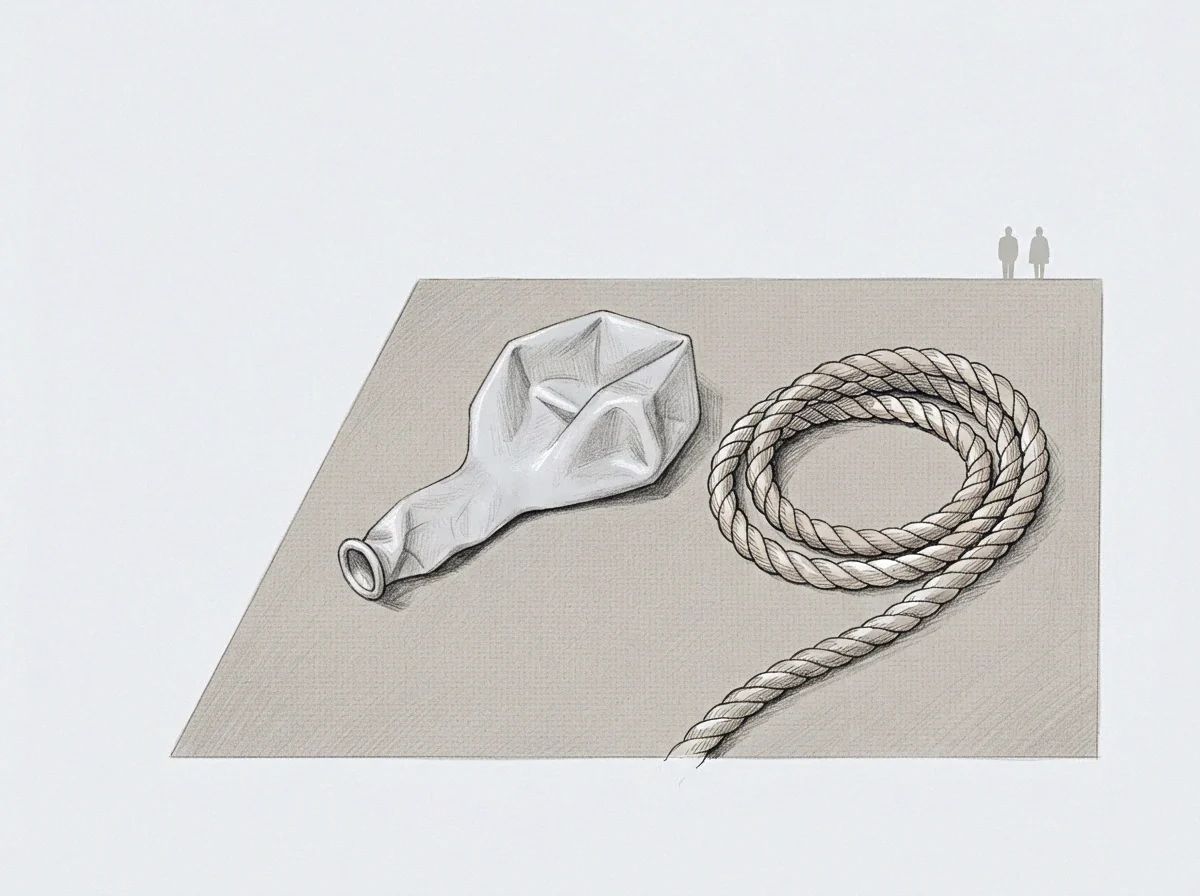
Unexamined working models of unilateral holding convert peer calmness into threat signals, preventing somatic down-regulation during shared co-regulation protocols.
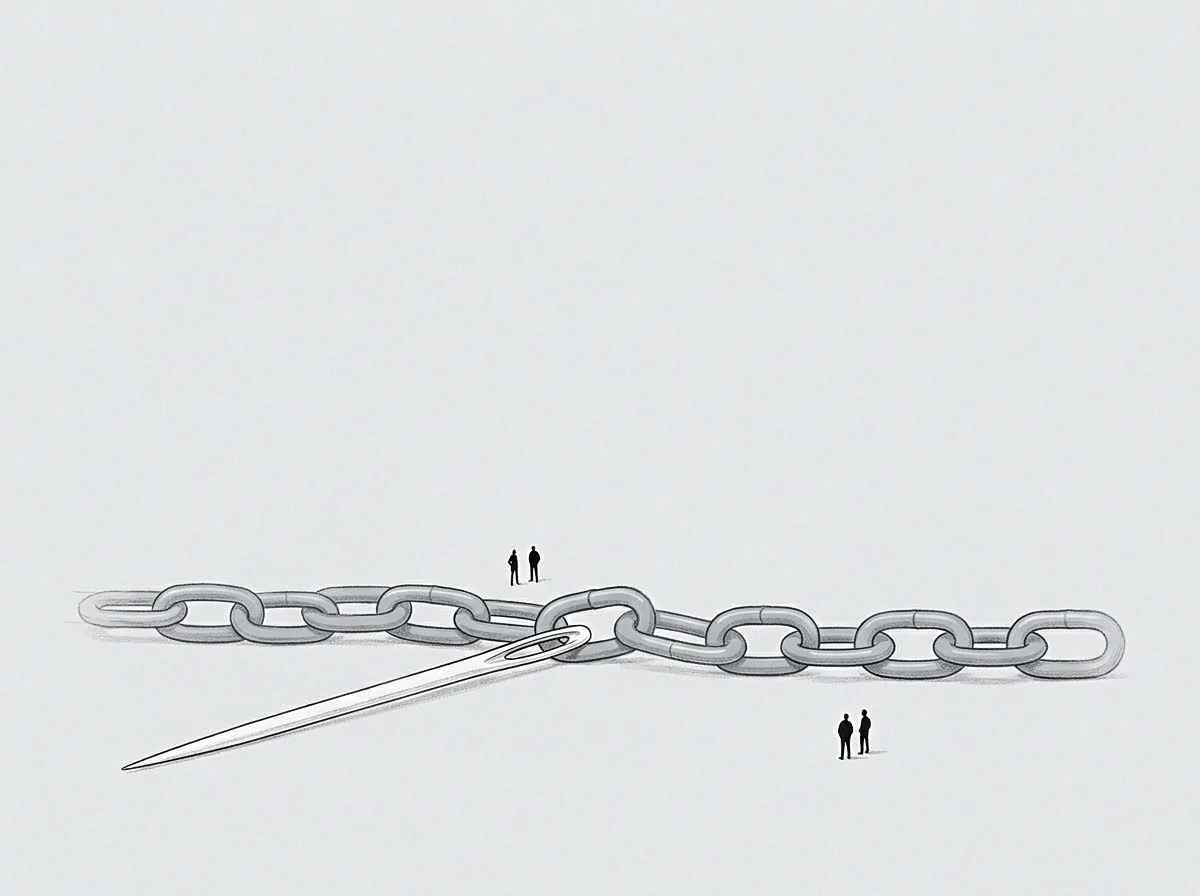
A stated operational limit forces distributed problem resolution by halting the passive metabolic absorption of collective threat by a single steady colleague.

Nocturnal parasympathetic reactivation quantifies autonomic recovery by measuring interbeat interval variance during motionless slow-wave sleep.
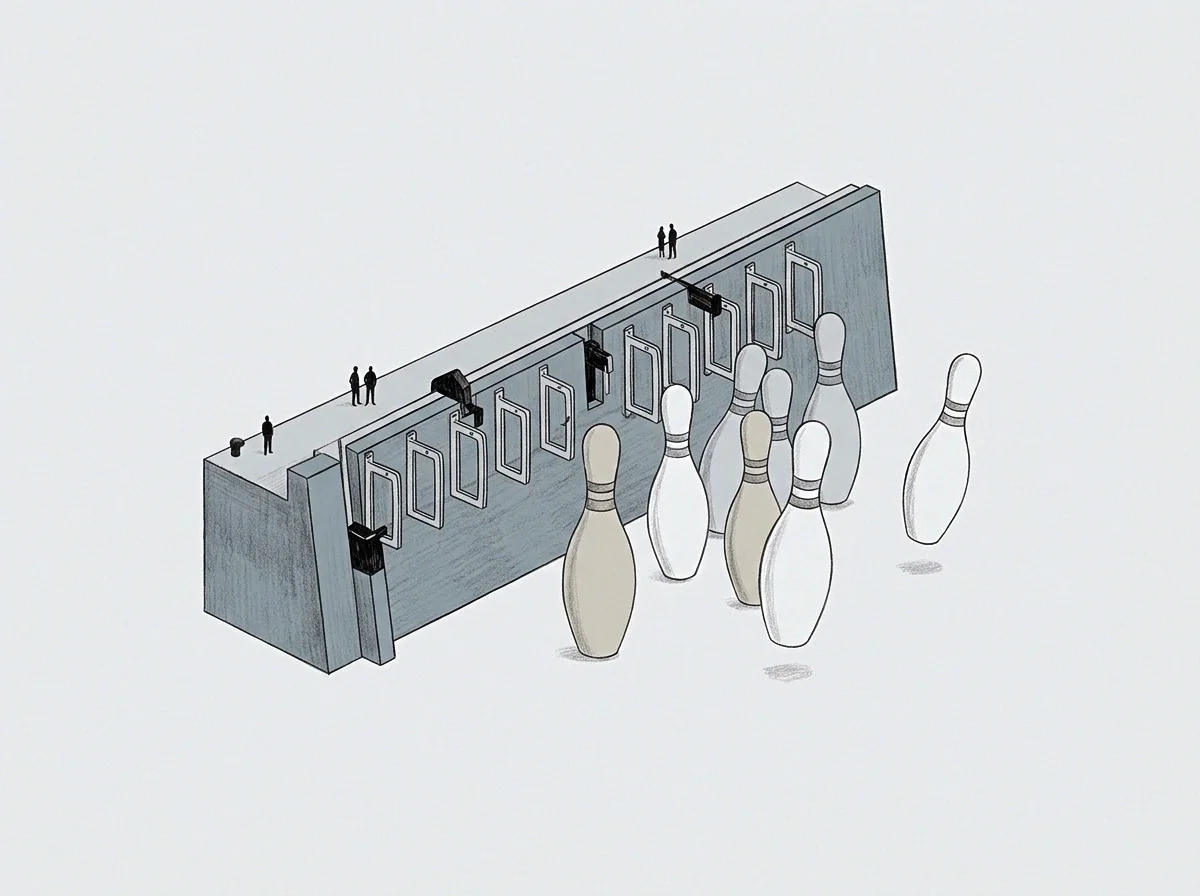
Executive capacity survives through cold structural throttles, latency gates, and stated terms that absorb organizational load without personal negotiation.
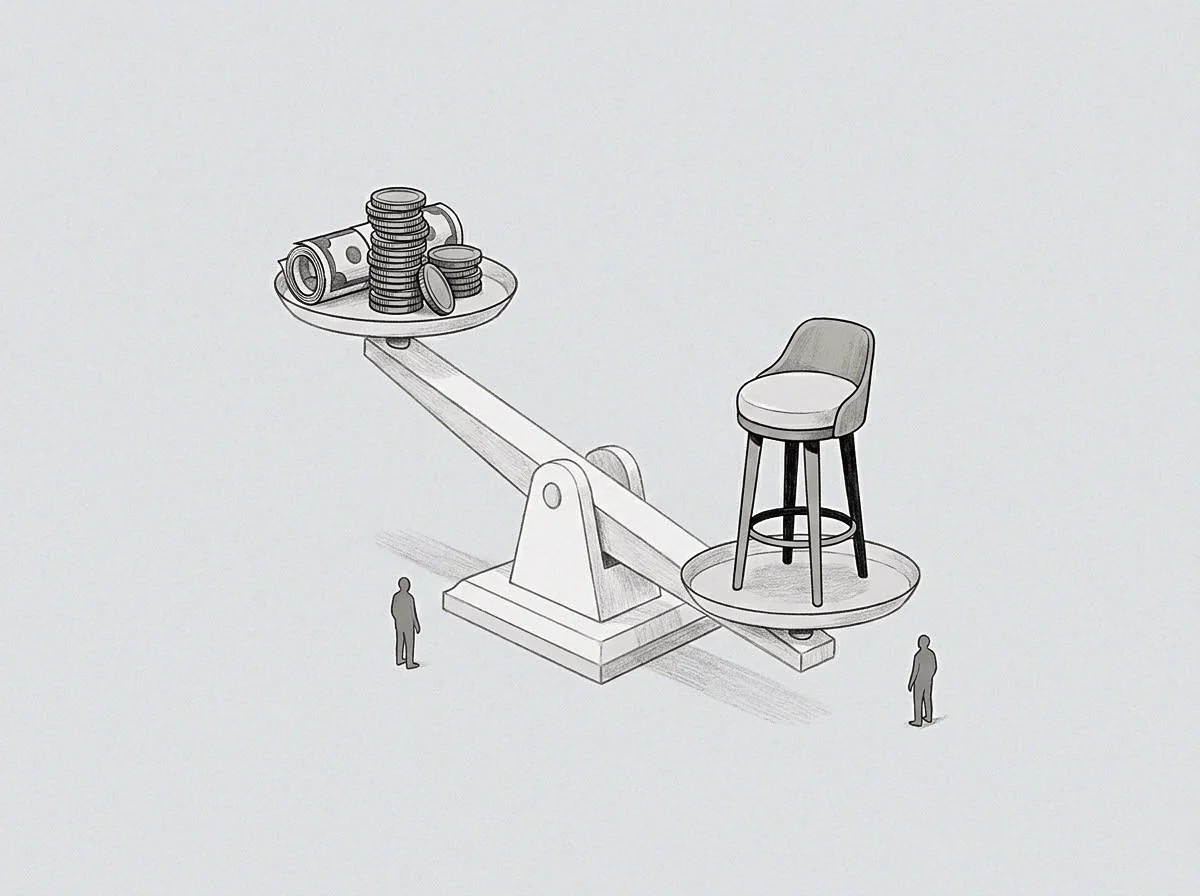
Delegating routine decisions through explicit authority thresholds halts continuous sympathetic monitoring and restores restorative parasympathetic tone.

Executive fatigue delays capital authorizations, creating inventory carrying penalties, forfeited supplier discounts, and mandatory asset write-downs.

Repeated exposure to contingent co-presence during operational threat recalibrates neural budgets and constructs an earned regulatory template.

Borrowed calm functions as an energetic subsidy that depletes the allocator while allowing surrounding teams to operate without registering structural risk.

Bounded operational gates convert chaotic, unpredictable demands into discrete, scheduled inputs, lowering perceived threat signals and sympathetic tone.

Earned security updates backward working models through repeated experiences of reliable co-regulation, redistributing executive metabolic load to shared baseline infrastructure.

Bounded authority gates establish explicit thresholds for autonomous frontline action, removing executives as manual bottlenecks to eliminate latency.
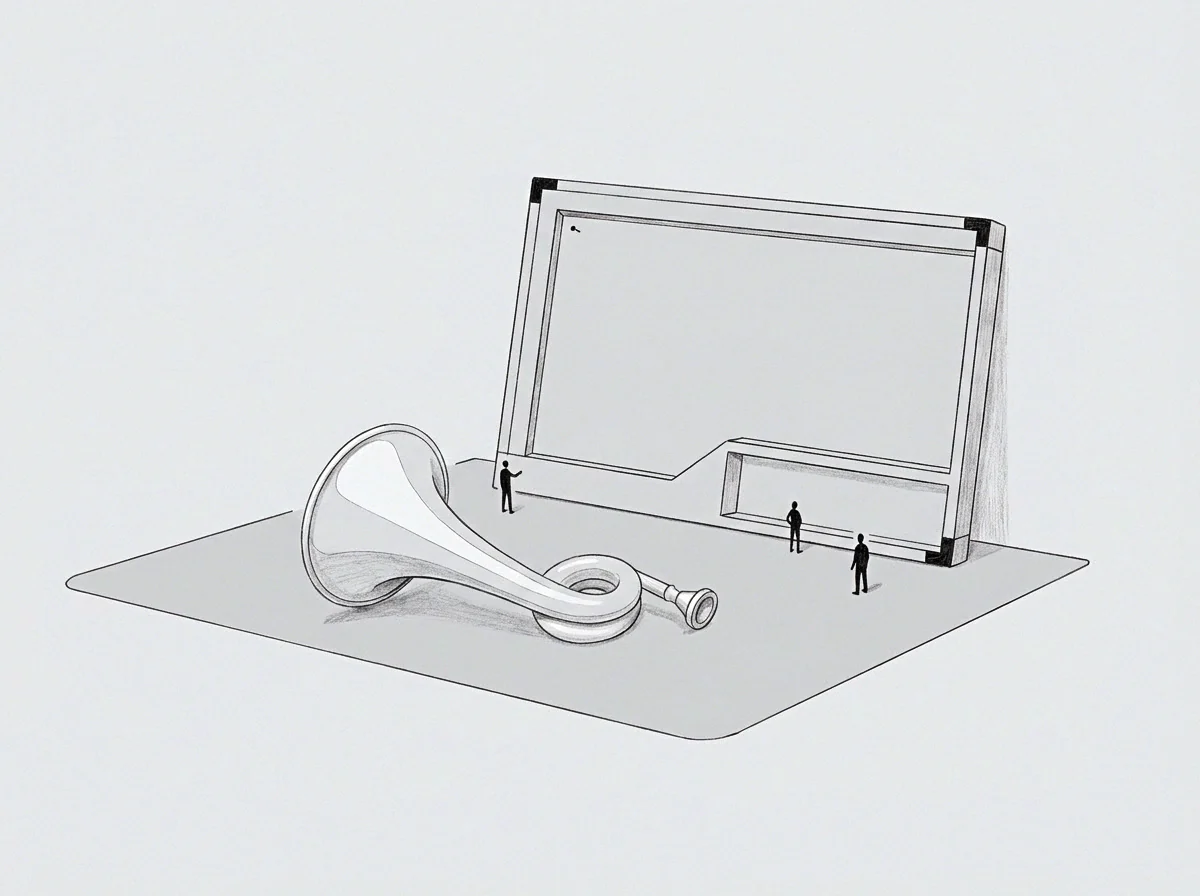
Autonomic nervous system recovery latency after leadership handovers depends on explicit operational gating to stop sympathetic arousal and restore vagal tone.

Solitary threat monitoring burns prefrontal glycogen, whereas shared baseline presence lowers metabolic cost through automatic autonomic co-regulation.

Operational latency results when input volume exceeds executive working memory, turning saturated leadership nodes into compounding organizational queues.

Human autonomic systems conserve energy through physical proximity, setting an absolute biological limit on how many decisions one body can stabilize.
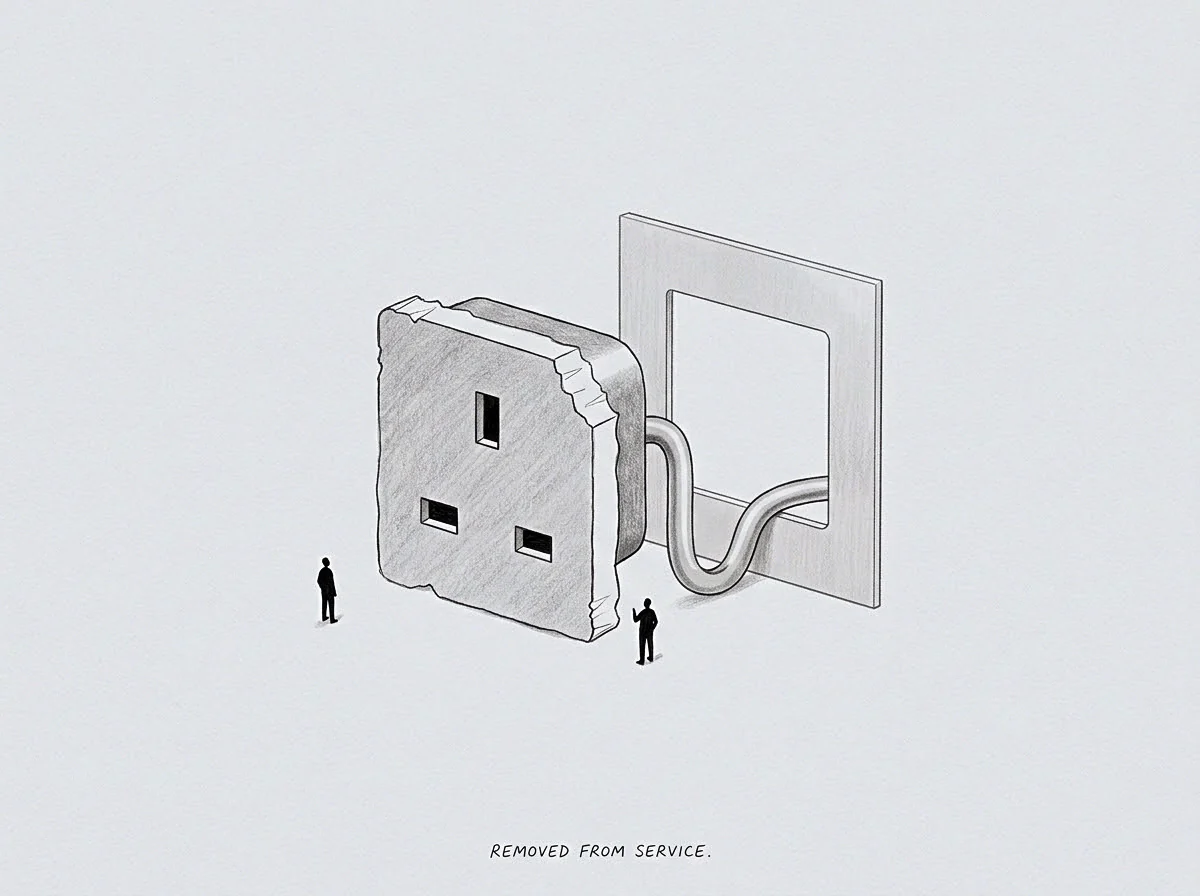
Explicit operational delegation boundaries eliminate open cognitive loops, shifting autonomic tone toward parasympathetic recovery and lowering allostatic load.
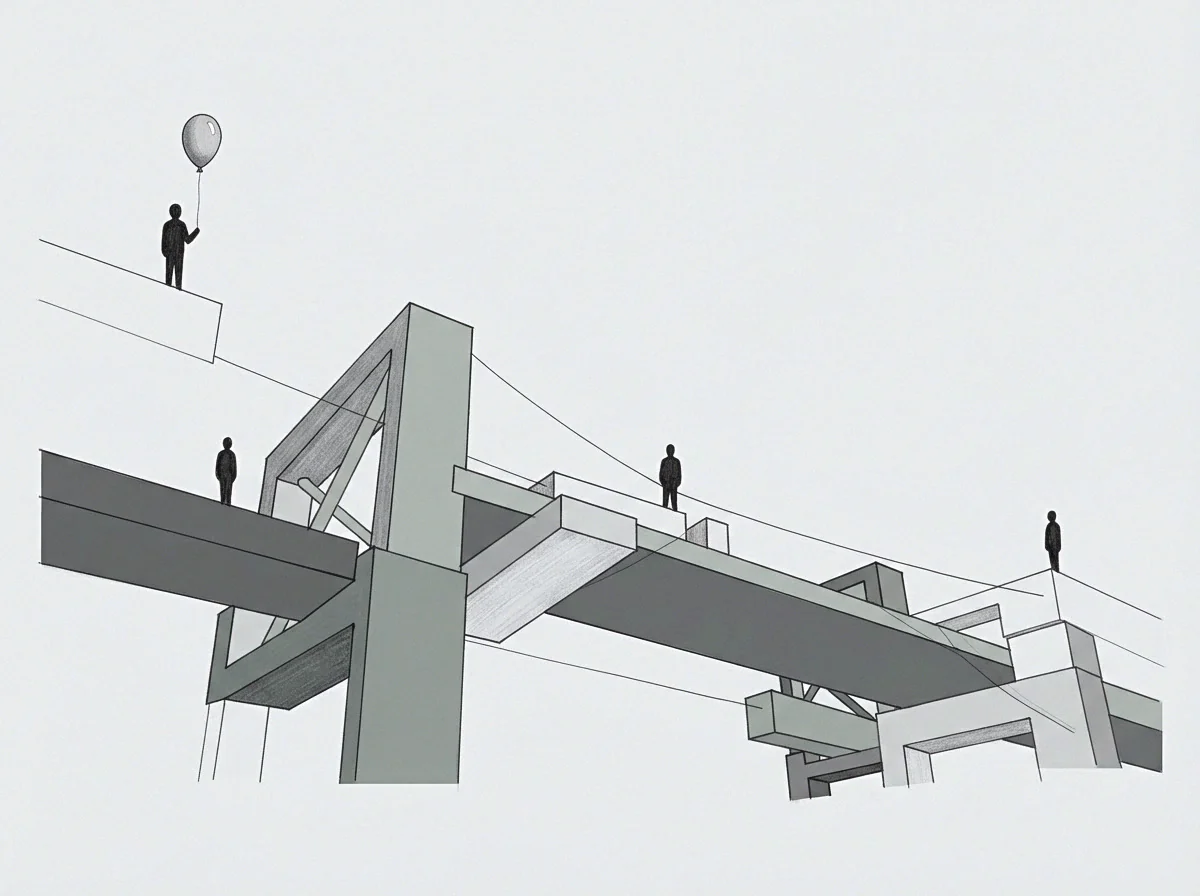
Automated governance circuit breakers decouple exhausted operator biology from capital authority through objective biometric triggers and treasury lockouts.

Solitary leadership forces the brain to budget survival alone, driving sustained neuroendocrine elevation that depletes tissue until systemic buffers exist.

Structural delegation gates decouple executive physiology from operational variance, terminating open cognitive loops to restore parasympathetic tone.

Executive biological strain sets the physical limit on capital deployment speed, converting unmonitored stress into misallocated corporate treasury funds.

Rapid organizational scaling overloads executive autonomic reserves by substituting peer co-regulation with solitary, asymmetric metabolic maintenance.

Autonomic arousal persists because unresolved interpersonal dependencies keep biological threat circuits active while awaiting external counterparty responses.

Capital authorization requires verifying operator cognitive headroom and execution bandwidth before releasing balance sheet funds into complex assets.

Structured concurrency limits cognitive load in executives by capping simultaneous open loops, preventing prefrontal depletion and chronic allostatic wear.

Autonomic recovery latency expands when continuous operational demands prevent neuroendocrine clearance and parasympathetic restoration via vagal inhibition.

Unclosed operational loops sustain sympathetic tone and suppress vagal inhibition, elevating vascular resistance and degrading baroreflex sensitivity.
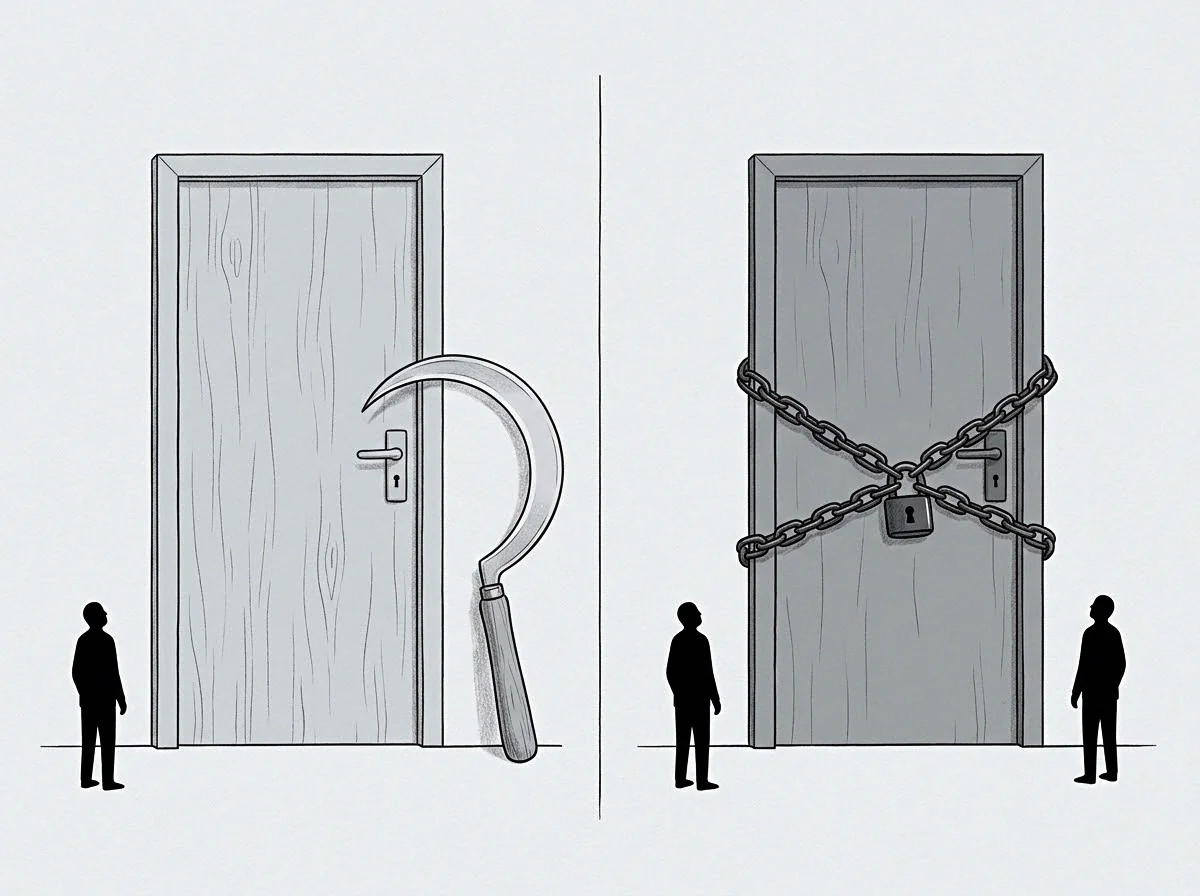
Executive concurrency limits emerge from biological working memory constraints when organizations offload systemic regulatory demands onto an isolated leader.
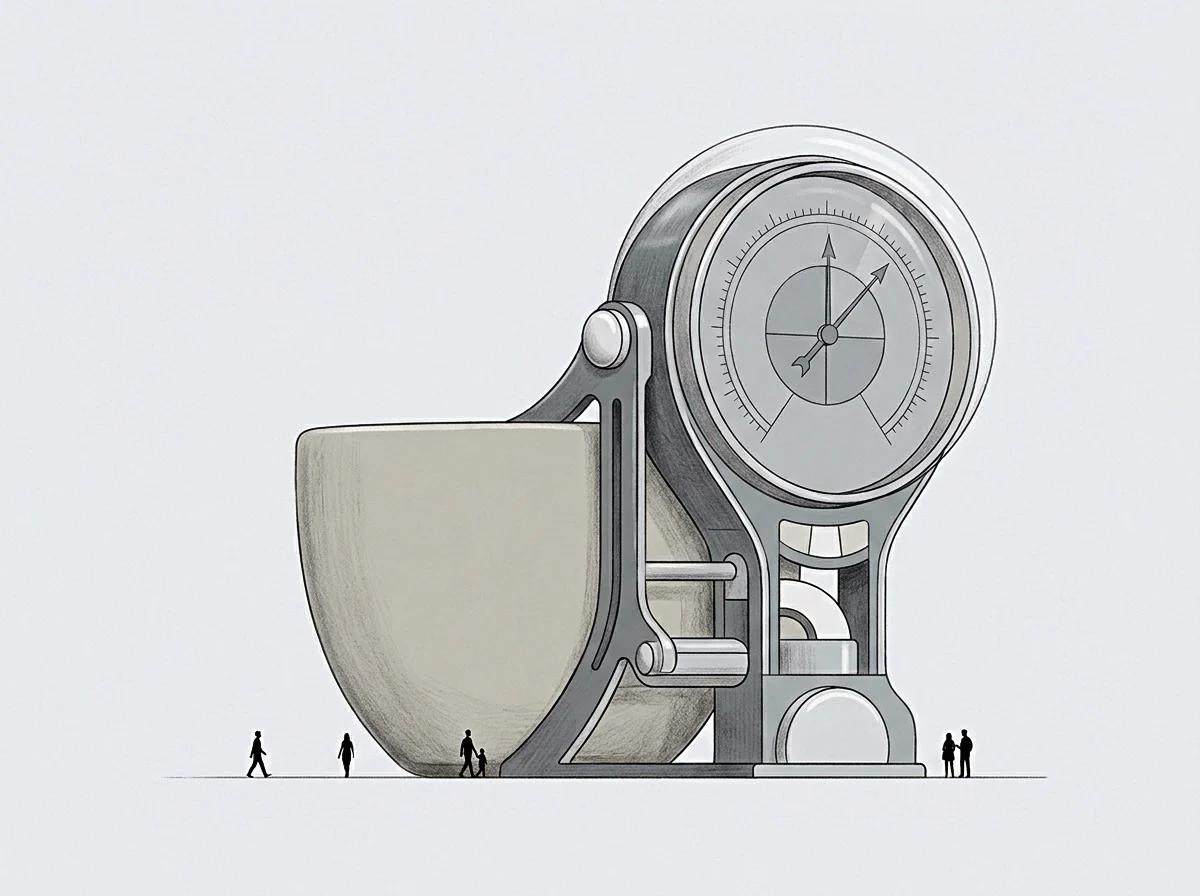
Nocturnal heart rate dipping reflects autonomic recovery by measuring whether parasympathetic vagal tone successfully drops resting cardiac rate during sleep.
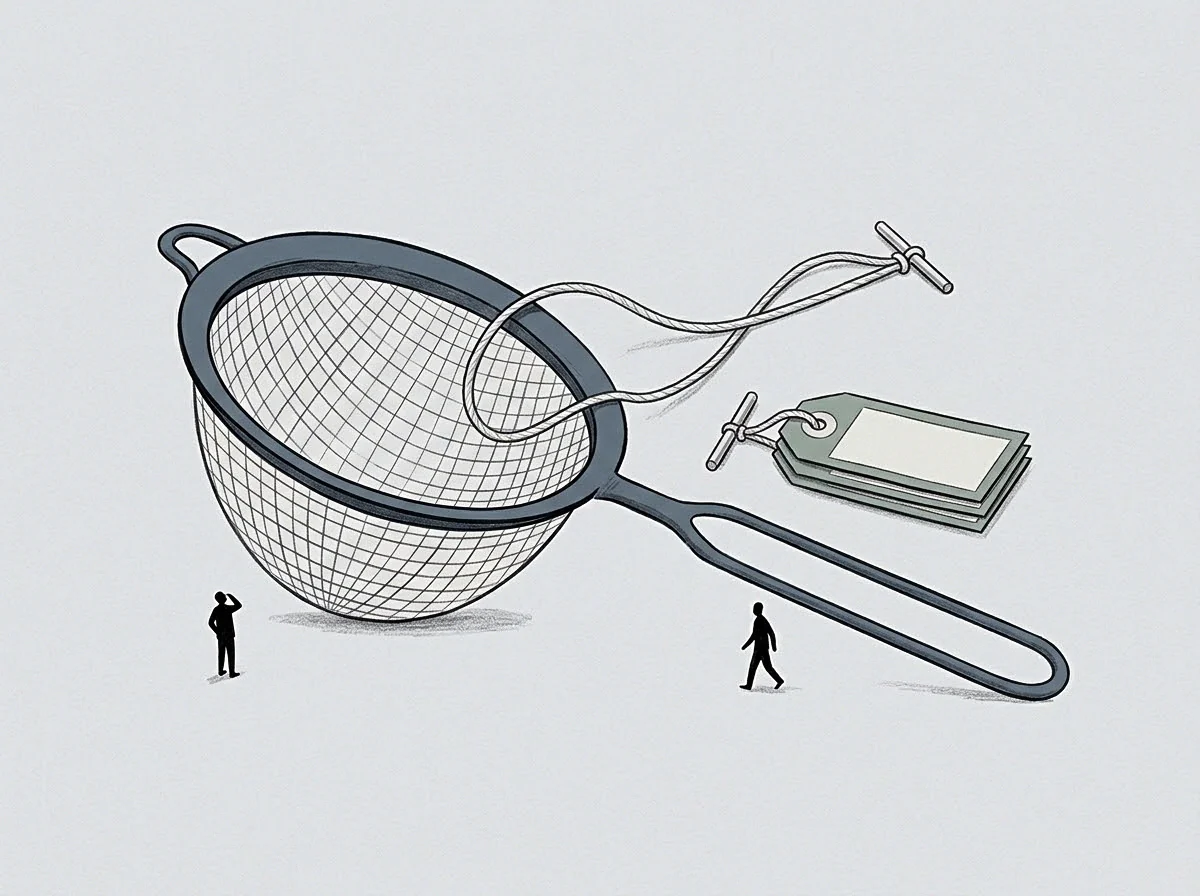
Asynchronous filter structures preserve executive headroom during outages by converting intrusive escalations into batch updates at enforced physical boundaries.
The terms are written where they belong. Each field holds three desks, and every entry a desk writes raises the terms it uses, each term given a meaning, a mechanism and the places it appears. The record on these pages stays first person and hand made; the fields grow the nomenclature.