

Deriving Structural Availability From Asynchronous Task Queue Throughput Metrics
Structural availability is derived by measuring actual task queue drain rate and completion latency against arrival volume rather than message acknowledgment speed.
Structural availability is derived by measuring actual task queue drain rate and completion latency against arrival volume rather than message acknowledgment speed.
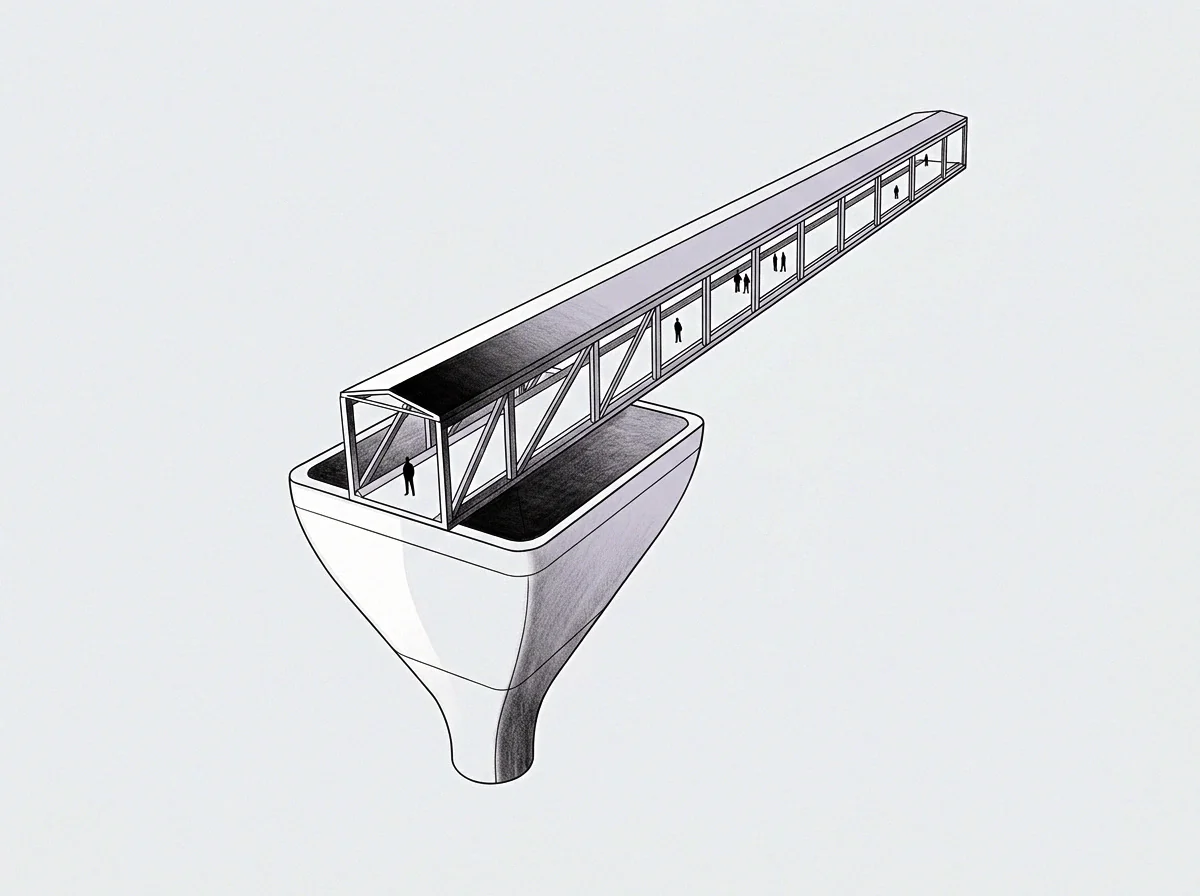
Prolonged solitary strain forces the autonomic nervous system to classify proximity as a threat, raising baseline vigilance until low-demand presence updates the internal working model.

Allostatic load and cognitive concurrency limits measure somatic wear and parallel processing boundaries under chronic organizational demand.

Asynchronous execution latency spikes when cognitive concurrency limits are exceeded, requiring explicit structural bounds to preserve executive capacity.

Chronic autonomic exhaustion destroys the neural capacity for social engagement, rendering founding partners biologically unable to execute sustainable relational renegotiation.

Continuous un-gated operational inputs cause persistent neuroendocrine activation, downregulating cellular receptors and forcing biological throttling.

Unbuffered leaders absorb organizational ambiguity alone, depleting neural metabolic budgets through solitary threat appraisal and unpriced co-regulation.

Working memory buffers fail predictably under high concurrency because unclosed operational loops demand continuous prefrontal rehearsal.

Allostatic load caps executive processing, requiring structural boundaries to prevent capacity failure during operational handovers.

State gated task routing restricts execution intake to verified physiological reserves, arresting load transfer through impersonal mechanical boundaries.
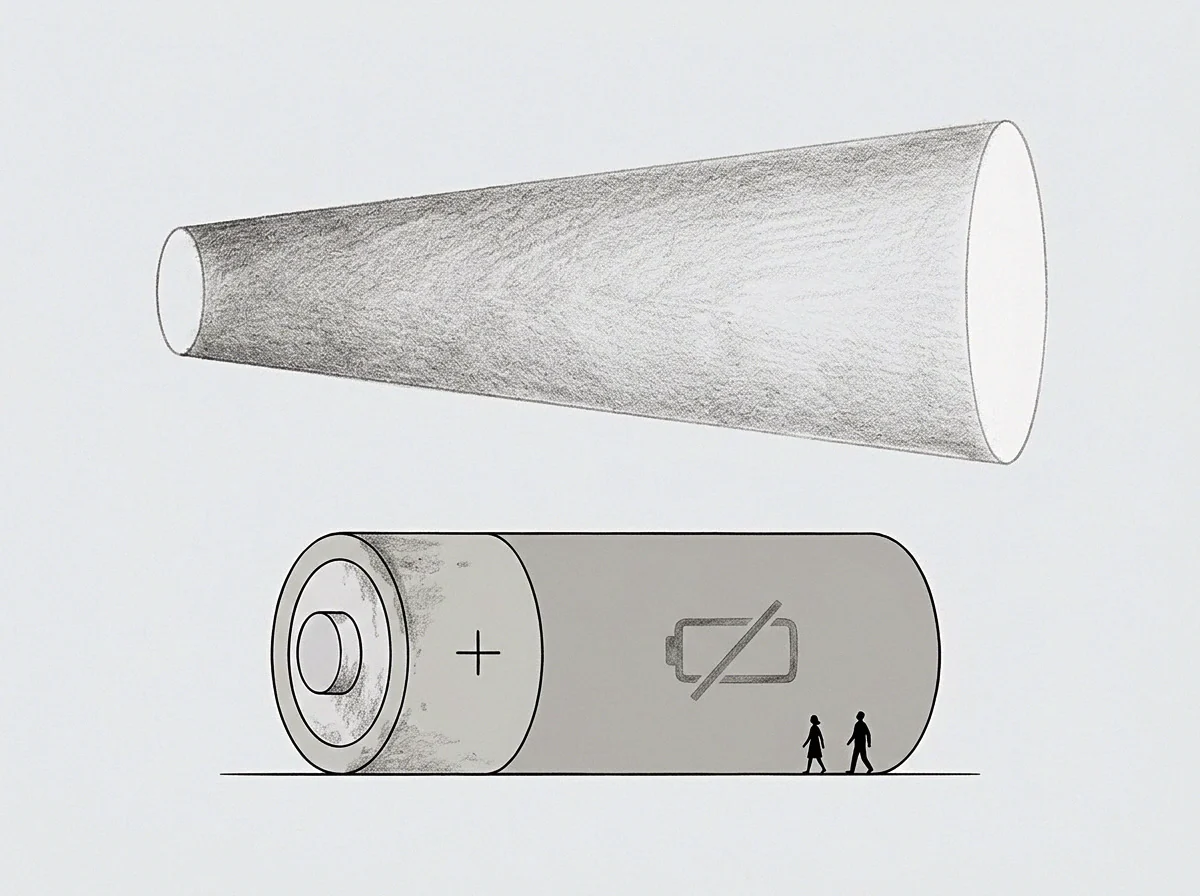
Chronic neuroendocrine saturation uncouples prefrontal networks, reducing working memory capacity and forcing operational triage into subcortical reaction.

Shared operational risk recalibrates autonomic threat circuits by distributing metabolic appraisal costs across symmetrical, co-liable nervous systems.

Continuous asynchronous telemetry streams force executive authority thresholds to degrade by converting ambient operational visibility into implicit approval loops.

Proximity to an unmoving leader allows panicking teams to borrow autonomic stability under enterprise threat, shifting metabolic survival costs onto one nervous system.

Repeated enforcement of mechanical external limits stops organizational metabolic extraction and builds earned security by updating the executive attachment model.

Allostatic load in solitary venture leaders stems from unreciprocated down-regulation of organizational panic through an isolated prefrontal cortex.

Asynchronous telemetry filters preserve decision headroom by converting erratic, high-frequency operational signals into structured, periodic aggregate reviews.

Mechanical circuit breakers decouple saturated leaders from operational escalation loops by enforcing rigid structural thresholds and automated communication quarantines.

Human brains budget threat assuming proximity to reliable peers; scaling distributed teams removes this baseline, dumping crushing allostatic debt onto founders.

Executive cognitive overload under high-velocity telemetry is mitigated by applying semantic thresholds and batch gates that preserve mental headroom.

Prefrontal neuroendocrine recovery requires months of structured low-stimulus operations to restore diurnal cortisol slopes and working memory capacity.
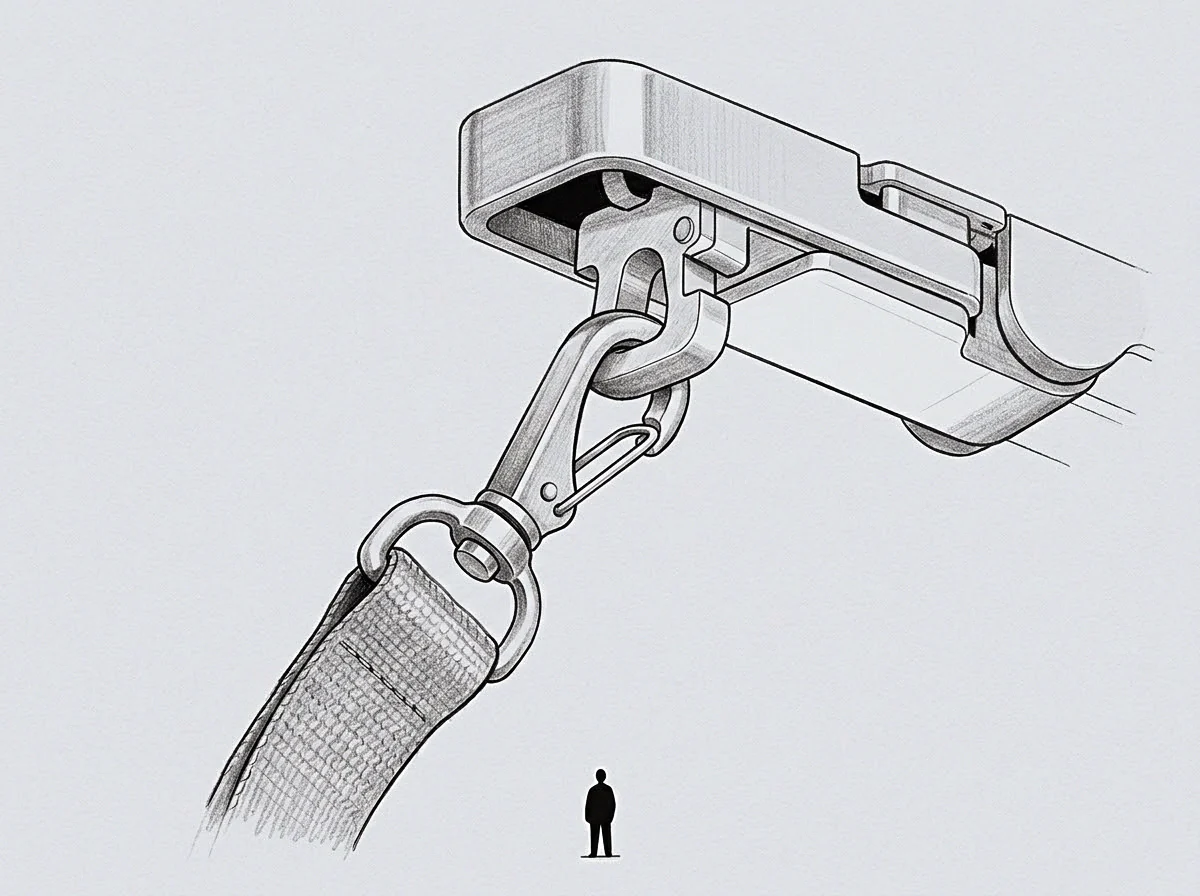
Gated governance replaces discretionary founder escalations with explicit thresholds, reducing chronic regulatory wear by bounding operational concurrency.

Executive attention in scaling firms hits absolute biological limits when unstructured incoming operational signals exceed working memory processing capacity.

Allostatic overload triggers executive cognitive throttling when unconstrained operational concurrency exceeds biological working memory thresholds.

Cognitive slot exhaustion accelerates when unresolved leadership lines saturate working memory buffers, triggering biological throttling to halt neural wear.

Structural governance distributes operational risk across multiple nodes by enforcing non-negotiable intake limits, latency buffers, and partitioned authority.

Distributed accountability replaces centralized conflict absorption with explicit bilateral operating pacts that functional managers enforce without executive rescue.

Executive capacity contracts predictably under allostatic load, collapsing to serial processing when organizational systems fail to provide co-regulation.

Operational leaders develop real regulatory capacity only when executives cease absorbing systemic shocks and permit direct exposure to operational friction.

Ambiguous operational authority combined with raw telemetry creates sustained allostatic load by forcing constant anticipatory regulation across open cognitive loops.
The terms are written where they belong. Each field holds three desks, and every entry a desk writes raises the terms it uses, each term given a meaning, a mechanism and the places it appears. The record on these pages stays first person and hand made; the fields grow the nomenclature.